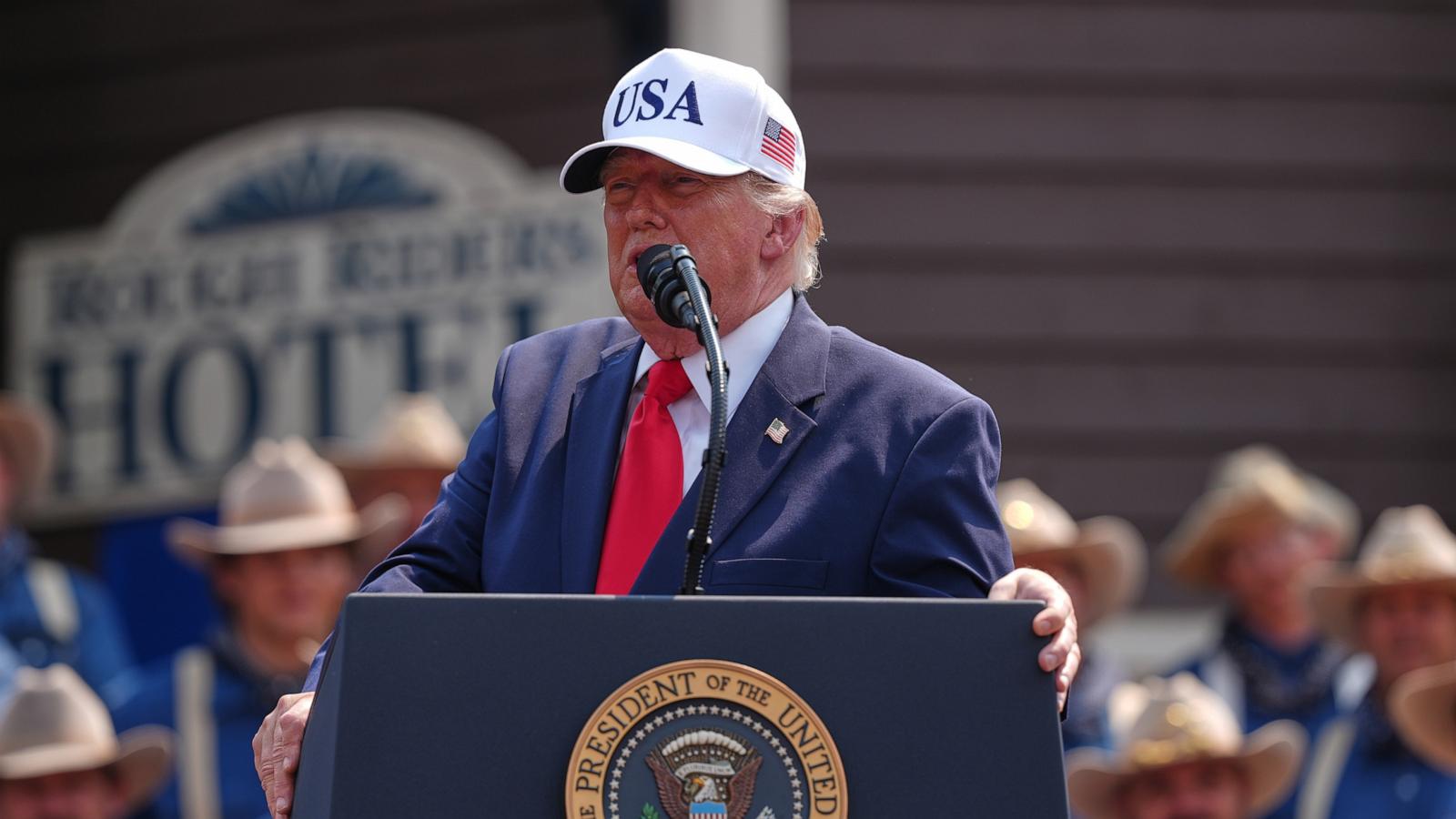
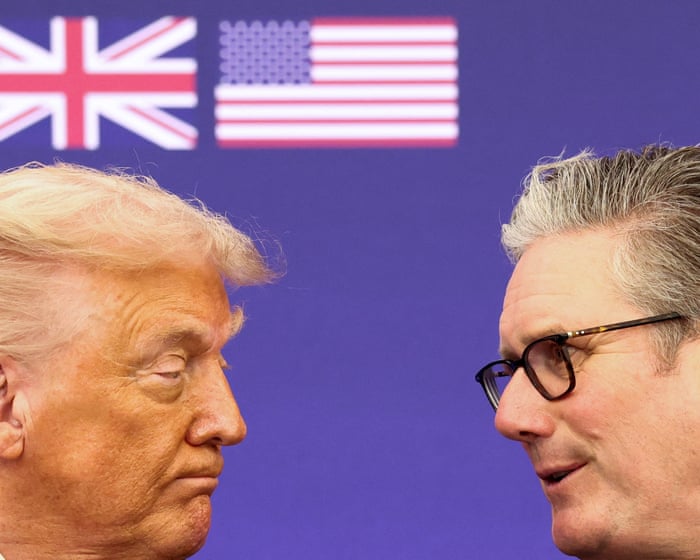
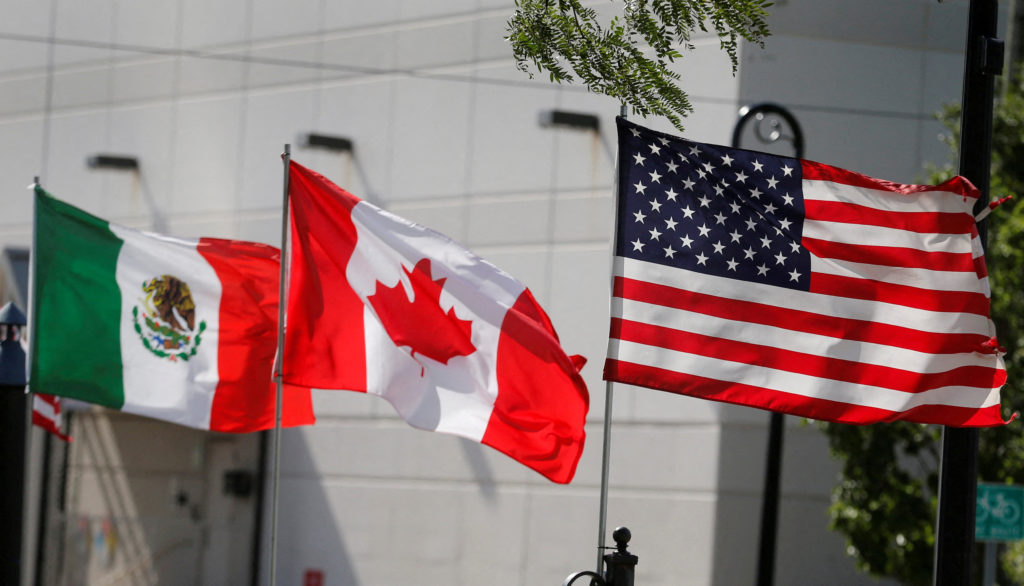
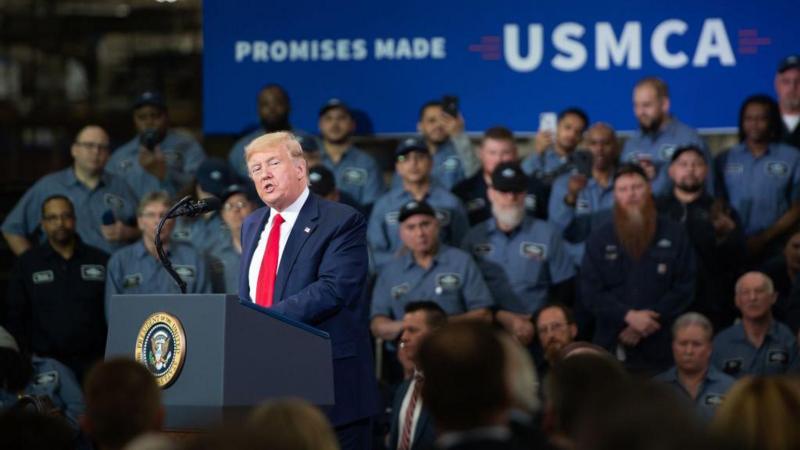
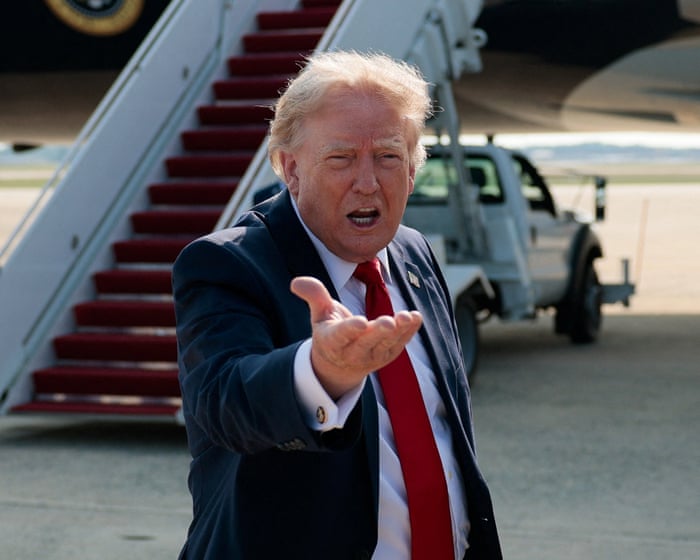
The U.S. government announced it will not renew the United States-Mexico-Canada Agreement (USMCA), a trade deal originally negotiated by President Trump during his first term. Instead, the U.S. plans to seek new trade agreements with Mexico and Canada while the current deal remains in effect for now.
Key Facts
The USMCA trade deal replaced the older North American Free Trade Agreement (NAFTA).
The deal runs through 2036 but can be ended earlier by the U.S. if needed.
U.S. officials cited trade deficits and issues with the current agreement as reasons for not renewing it.
The U.S. Trade Representative hosted a review meeting with Mexico and Canada on the agreement's operation.
President Trump originally called the USMCA the best trade deal made by the U.S. but has since criticized it.
The administration said it will continue talks with Mexico and Canada to create new trade deals.
The decision came on the day a key review deadline for the USMCA was reached.
The current USMCA remains active until a new agreement is made or the deal is ended earlier.
Read the Original
Want the full story? Tap a source to open the original
article.
A UK-US trade deal on medicines will force the NHS to spend an extra £45 billion by 2036, leading to cuts in other health services. An analysis predicts these funding changes could cause about 229,000 extra deaths in England due to reduced care.
Key Facts
The UK-US trade deal requires the NHS to pay around £44.7 billion more for new medicines by 2036.
This increased spending means less money for other essential NHS services.
Cuts to healthcare could cause 229,000 extra deaths in England, mainly from heart, respiratory, digestive diseases, and cancer.
Including adult social care impacts raises the total possible deaths to 291,000.
The NHS currently spends £14.4 billion annually on innovative treatments and will double this spending relative to the UK economy under the deal.
The deal aims to help UK drug exports avoid US tariffs threatened by President Trump.
UK ministers say the deal will benefit patients by giving access to new medicines but admit costs will rise over time.
The Department of Health and Social Care, not the Treasury, will cover the increased NHS costs.
Read the Original
Want the full story? Tap a source to open the original
article.
Veterinary care costs are rising for pet owners in the United States. This increase is drawing attention to how private equity firms and big companies are buying many veterinary clinics nationwide.
Key Facts
Veterinary care prices are going up in the U.S.
Private equity firms are investing in veterinary clinics.
Large corporations are also acquiring veterinary practices.
This trend is changing the way veterinary care is delivered.
Pet owners may face higher costs due to these ownership changes.
The article highlights concerns about the impact of private equity on veterinary services.
Paul Solman reports on this issue.
Read the Original
Want the full story? Tap a source to open the original
article.
Couples are spending about 8.5% more on weddings this year compared to last year, mainly due to higher prices caused by tariffs and general inflation. The average wedding cost rose to $36,000 in 2025, partly because tariffs increased prices on imported items like flowers and chocolate.
Key Facts
Wedding spending increased by 8.5% compared to the previous year.
Inflation reached 4.2% in May, the highest in over three years.
The average wedding cost $36,000 in 2025, up $3,000 from the year before.
Tariffs set by President Trump raised costs on imported goods like flowers and cocoa.
Couples in the South are spending on weddings five times faster than couples in the Midwest.
Gen Z weddings have tripled since 2019, while millennial weddings have dropped about 20%.
More couples are choosing lab-grown diamonds to lower ring costs.
Wedding costs vary widely based on size, location, and style of celebration.
Read the Original
Want the full story? Tap a source to open the original
article.
Alibaba will pay $600 million to settle claims that it sold and imported illegal drugs, chemicals, and pill-making equipment into the United States. The U.S. government said Alibaba failed to stop merchants from breaking laws on its e-commerce sites from 2016 to 2024.
Key Facts
Alibaba operates big online shopping sites like Alibaba.com and AliExpress.com.
The U.S. Justice Department accused Alibaba’s payment processor of allowing illegal sales of drugs and chemical products.
Alibaba admitted it did not stop about 80,000 unlawful product sales that broke U.S. federal laws.
Alibaba employees warned that the company’s controls to prevent illegal sales were not strong enough.
Some sellers used Alibaba’s messaging tools to steer buyers to other platforms to finish illegal sales.
U.S. law enforcement made over 40 secret purchases of illegal products through Alibaba’s sites.
Alibaba and the Justice Department made a non-prosecution agreement, so Alibaba will not face criminal charges.
The IRS Criminal Investigations chief said the case shows the importance of companies following U.S. laws.
Read the Original
Want the full story? Tap a source to open the original
article.
The United States, Canada, and Mexico have started talks to update their trade agreement. These talks are important because the three countries trade a lot of goods and services with each other, making them key partners for the U.S.
Key Facts
The U.S., Canada, and Mexico trade about $1.9 trillion worth of goods and services each year.
This amount equals roughly $5 billion traded daily between the countries.
Canada and Mexico have become the U.S.'s top two trading partners, surpassing China.
Trade includes goods like Canadian auto parts sent to U.S. factories in the Midwest.
Tourism and beverages, such as Mexican tequila enjoyed in U.S. cities, are part of the trade relationship.
President Donald Trump’s tariff policies last year affected the trade environment between the three countries.
Businesses in all three nations want to restore steady and predictable trade rules.
The current negotiations aim to renew and improve the North American trade pact.
Read the Original
Want the full story? Tap a source to open the original
article.
A veterinarian warns that many dog owners give too many treats, which can add extra calories beyond a dog’s regular diet. Experts suggest treats should make up no more than 10% of a dog’s daily calories to keep them healthy and prevent weight gain.
Key Facts
Treats, table scraps, and chews often add 15-30% more calories to a dog’s diet than owners realize.
The “10 percent rule” says only 10% of a dog's daily calories should come from treats.
Dog food is made to give balanced nutrients, but most treats lack this balance.
Giving too many treats can cause obesity, joint problems, pancreatitis, and stomach issues in dogs.
Signs of overfeeding treats include less visible waist, hard-to-feel ribs, more begging, and less interest in regular meals.
Multiple people in a household often contribute to giving too many treats without realizing it.
Lower-calorie treats like plain vegetables or using regular dog food as rewards can help control calorie intake.
Non-food rewards like praise and play can also motivate dogs without adding calories.
Read the Original
Want the full story? Tap a source to open the original
article.
Opening a certificate of deposit (CD) account in July 2026 can be a good choice for savers because interest rates are relatively high and may rise. CDs offer a fixed interest rate and protection of your deposit, making them a secure way to earn money amid current economic challenges.
Key Facts
CD interest rates in July 2026 are over 4%, with some long-term CDs offering rates up to 4.20%.
Higher rates mean you can earn about $4 in interest for every $100 you deposit.
The Federal Reserve may raise interest rates soon, which could lead banks to offer even higher CD rates.
CDs guarantee a fixed interest rate and protect your original deposit amount for the term of the account.
CD accounts are insured by the FDIC up to $250,000, which helps keep your money safe.
Inflation has increased recently, wages are not keeping up, and borrowing costs are high, making secure savings more important.
You can earn hundreds or even thousands of dollars in interest depending on your deposit and the CD term.
Opening a CD now may be better than waiting because rates might not stay this high for long.
Read the Original
Want the full story? Tap a source to open the original
article.
A study led by a Harvard professor found that women who lost weight using GLP-1 drugs were hired more often. The research showed a 27% increase in employment rates for these women.
Key Facts
The study was conducted by a Harvard professor.
It focused on women who used GLP-1 medications to lose weight.
GLP-1s are drugs that help with weight loss.
Women who lost weight on GLP-1s had a higher chance of getting hired.
Employment rates for these women increased by 27%.
The research suggests a link between weight loss and job opportunities.
Read the Original
Want the full story? Tap a source to open the original
article.
A certificate of deposit (CD) account can help savers earn higher interest rates than regular savings accounts right now. A $55,000 deposit in a CD could grow by thousands of dollars depending on the term length, with rates around 4% fixed for different time periods.
Key Facts
Traditional savings accounts have very low interest rates, about 0.38% currently.
CD accounts offer fixed interest rates over 4%, providing a guaranteed return.
Interest earned on a $55,000 CD ranges from around $535 for 3 months to nearly $29,000 for 10 years.
The longer the CD term, the more interest you earn by the end.
Early withdrawal from a CD can lead to costly penalties, so it’s best to keep the money until maturity.
CDs protect your original deposit while giving a chance to grow your savings steadily.
Choosing the right CD term depends on your financial goals and how long you can keep your money locked in.
With inflation and economic uncertainty, CDs can be a safe option for growing cash savings.
Read the Original
Want the full story? Tap a source to open the original
article.
America’s Test Kitchen chefs Dan Souza and Vallery Lomas shared recipes from Washington and Maine to celebrate the 250th anniversary of the United States. The article also includes several real-time news updates on topics such as President Trump’s remarks, the Dow Jones Industrial Average, and financial disclosures.
Key Facts
Dan Souza and Vallery Lomas presented recipes inspired by Washington state and Maine.
The recipes honor America’s 250th anniversary.
President Donald Trump recently gave remarks in Medora, North Dakota.
Trump took his first Air Force One flight gifted by Qatar.
The Dow Jones Industrial Average is being tracked live.
Financial disclosures show President Trump earned $1.4 billion from cryptocurrency in 2025.
The article includes updates on various U.S. news stories and events.
The piece mixes cooking celebration content with business and political news updates.
Read the Original
Want the full story? Tap a source to open the original
article.
The United States has decided not to automatically renew the US-Mexico-Canada trade deal (USMCA) for another 16 years. This means the agreement may end as early as 2036 unless all three countries agree to changes, creating uncertainty for trade across North America.
Key Facts
The US declined to renew the USMCA in its current form, blocking the automatic 16-year extension.
All three countries must unanimously agree to renew the deal; without this, it could expire in 10 years.
The US wants major changes before agreeing to a long-term extension, especially on car parts rules, dairy market access, and preventing China from benefiting.
The USMCA supports about $2 trillion in annual trade between the US, Mexico, and Canada.
Because of the decision, the countries must meet every year to discuss possible changes to the deal.
Some US trade groups, like the Chamber of Commerce, worry about the uncertainty this causes for manufacturers and farmers.
Other US groups, such as steel industry associations, support yearly reviews to negotiate improvements.
The USMCA replaced NAFTA in 2018 and includes updated rules on digital trade, workers' rights, and local manufacturing requirements.
Read the Original
Want the full story? Tap a source to open the original
article.
President Trump has decided not to renew the current North American trade agreement (USMCA) in its existing form. Instead of a long-term extension until 2036, the agreement will now be reviewed every year while officials work on resolving ongoing issues.
Key Facts
The USMCA is a trade deal between the United States, Canada, and Mexico.
The agreement was set to be renewed and last until 2036.
President Trump refused to renew the USMCA on its current terms due to ongoing trade deficits with Canada and Mexico.
The deal will remain active but will now face yearly reviews instead of once every six years.
The US trade representative said the US will keep working with Canada and Mexico to fix the deal’s problems.
President Trump originally signed the USMCA in 2020 as a replacement for the older North American Free Trade Agreement (NAFTA).
The USMCA controls about $2 trillion worth of trade in goods and services between the three countries each year.
Changing to yearly reviews might hurt businesses and reduce investments in North America.
Read the Original
Want the full story? Tap a source to open the original
article.
Federal Reserve Chair Kevin Warsh said inflation worries have decreased because prices, including energy costs, are going down. He did not give any clues about the Federal Reserve’s next decision on interest rates.
Key Facts
Kevin Warsh is the Chair of the Federal Reserve.
He spoke early Wednesday at a central banker conference in Portugal.
Warsh said inflation risks are lower now.
Energy prices have fallen significantly.
The drop in energy costs followed a U.S. and Iran framework agreement last month.
Warsh did not indicate what the Fed will do about interest rates next.
The Federal Reserve monitors inflation and sets interest rates to manage the economy.
Read the Original
Want the full story? Tap a source to open the original
article.
Volvo introduced the compact electric SUV EX30 in 2023 with an affordable price based on production in China. However, heavy US tariffs on Chinese and European-made cars raised its price significantly, leading Volvo to stop importing the EX30 to the US. The car has strong performance and safety features but is no longer available for new US customers.
Key Facts
The Volvo EX30 is a small electric crossover vehicle with high safety standards.
Originally priced at $34,950 for the rear-wheel drive version when made in China.
US tariffs on Chinese-built cars introduced in 2024 and increased by 2025 raised costs.
Volvo moved production to Belgium, but European exports still face a 25% tariff.
The tariff increased the starting price to over $40,000 for rear-wheel drive version, and nearly $50,000 for the EX30 Cross Country AWD model.
The EX30 Cross Country has more ground clearance and protection for rough roads or urban driving.
It has a 65 kWh battery, 422 horsepower, all-wheel drive, and can go 0-62 mph in 3.7 seconds.
Volvo has stopped accepting new orders for the EX30 in the US; only existing inventory remains.
Read the Original
Want the full story? Tap a source to open the original
article.
Bending Spoons, the owner of AOL and other tech companies, raised $1.7 billion by selling shares on the stock market. The company focuses on buying struggling tech firms and improving them, using technology like artificial intelligence (AI) to help grow their businesses.
Key Facts
Bending Spoons sold 58 million shares at $29 each in its initial public offering (IPO).
The company received $1 billion from the sale, and the total market value reached $25.5 billion.
Bending Spoons owns companies such as Eventbrite, Vimeo, and recently acquired AOL.
AOL was a major internet company in the 1990s and early 2000s but struggled after the dot-com crash.
Founded in Italy in 2013, Bending Spoons has bought over 50 companies and reorganized them.
The company uses AI to help improve the services of its acquired businesses.
In early 2026, Bending Spoons earned $27.5 million profit on $601 million revenue.
Bending Spoons has about 500 million monthly users and 9 million paying customers.
The company holds nearly $4.4 billion in debt and will use some IPO money to buy more companies.
Read the Original
Want the full story? Tap a source to open the original
article.
Hawai‘i plans to build a new $4.7 million facility in Wahiawā that will crack eggs to meet rising demand for eggs in schools and other institutions. The project aims to boost local food production but has raised concerns about who will benefit and whether it will help local farmers.
Key Facts
The facility will crack low-grade eggs to supply liquid eggs for the Department of Education and other customers.
Hawai‘i’s schools currently use less than 1% frozen or liquid eggs but expect demand to rise with increased egg-based meals.
The property for the facility will cost $4.7 million.
The project is part of a larger plan to create centralized food facilities to support local agriculture and schools statewide.
State officials, led by Senator Donovan Dela Cruz, are pushing the project to improve local food security.
Some lawmakers worry public money may primarily benefit a large local egg producer rather than smaller farmers.
The Department of Education wants to purchase 30% of its food locally by 2030.
The facility is necessary because schools cannot buy eggs in shells but require pre-processed liquid eggs.
Read the Original
Want the full story? Tap a source to open the original
article.
The United States has decided not to renew the USMCA trade agreement with Canada and Mexico yet. The US government will continue talks to fix issues in the agreement and address trade deficits but has not agreed to extend the pact in its current form.
Key Facts
The US Trade Representative announced the US will not renew the USMCA now.
USMCA is a trade deal between the US, Canada, and Mexico that started in 2020 and is set to expire in 2036.
The US says the agreement did not reduce its trade deficits with Canada and Mexico as expected.
If the three countries do not all agree to an extension, the deal will require annual reviews instead of a long-term renewal.
Canada and Mexico want to continue discussions and support the agreement.
The US plans to meet with Mexico in late July to discuss the trade pact.
President Donald Trump has expressed mixed feelings about the agreement, calling it of “no real advantage” but being open to negotiation.
Despite the US decision, the USMCA remains in effect until it eventually expires in 2036.
Read the Original
Want the full story? Tap a source to open the original
article.
Mortgage interest rates have gone up again after falling earlier in 2025. With a Federal Reserve meeting in July where rates might rise further, homebuyers and people refinancing their homes should take certain steps now to protect themselves from higher costs.
Key Facts
Mortgage interest rates dropped by about 1% earlier in 2025 but have since increased again.
Rates were below 6% as recently as April, but now many borrowers face higher rates.
The Federal Reserve meeting on July 28 may lead to a rate increase, with a 27% chance according to an industry tool.
Borrowers should check their credit reports for errors and work on improving their scores since better credit can lower mortgage rates.
Shopping around with different lenders can find better mortgage rate offers, potentially saving up to a full percentage point.
Locking in a mortgage rate now can protect borrowers from further increases, even if rates are not ideal.
If rates drop later, borrowers who locked in rates might be able to switch to a lower rate before their loan closes.
Read the Original
Want the full story? Tap a source to open the original
article.
The article discusses whether people should stop saving for retirement while paying off debt. It explains that stopping retirement contributions can have long-term costs, especially if employers offer a matching contribution, but paying off high-interest debt like credit cards may make financial sense.
Key Facts
Managing debt and saving for retirement are both big financial challenges.
Credit card interest rates are high, often above 21%, which is a cost that is hard for investments to beat.
Employers often match 401(k) contributions, which is like free money and usually worth 4-5% of pay.
Missing out on employer matching means losing thousands of dollars in potential retirement savings.
Stopping retirement savings can reduce compounding growth, which helps investments grow over time.
People with employer matching should usually keep contributing while paying down debt.
If there is no employer match, it may be more reasonable to focus on paying off debt first.
Age matters: younger people can afford to pause contributions temporarily more than those close to retirement.
Read the Original
Want the full story? Tap a source to open the original
article.