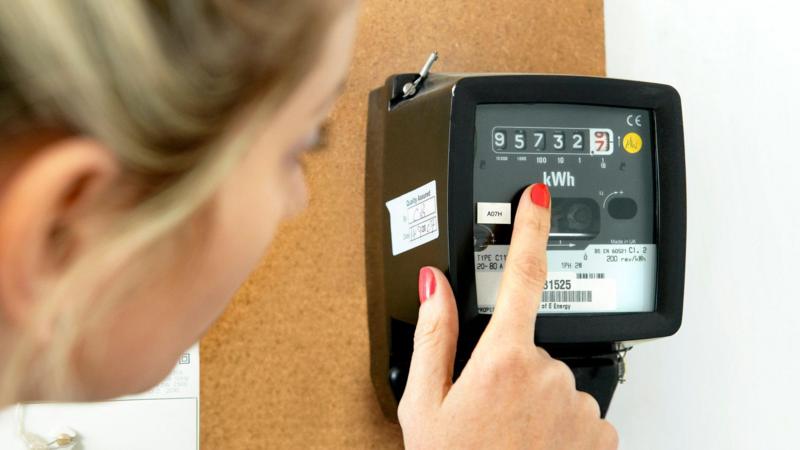
From July 1, the UK energy regulator Ofgem raised the price cap on energy bills by about 13%, increasing the typical annual cost for households in England, Scotland, and Wales. The price cap limits how much energy companies can charge for standard tariffs, affecting around 33 million homes and reflecting the rise in wholesale gas and electricity prices.
Key Facts
The typical annual energy bill rose by £221, from £1,641 to £1,862 for direct debit customers on standard variable tariffs.
Ofgem sets the energy price cap every three months for gas and electricity prices.
The new gas price cap is 7.33 pence per kilowatt-hour (kWh), up from 5.74p; electricity is capped at 26.11p per kWh, up from 24.67p.
About 33 million households in England, Scotland, and Wales are covered by this cap.
Bills vary by payment method: direct debit customers face £1,862, standard credit £2,005, and prepayment customers £1,812 annually after the increase.
Ofgem bases the cap on a “typical” household, now estimated to use 9,500 kWh of gas and 2,500 kWh of electricity annually, slightly lower than previous estimates.
Standing charges, which are fixed daily fees for energy connection, remain mostly unchanged at about 57p per day for electricity and 29p per day for gas.
Ofgem encourages energy companies to offer tariffs with low standing charges but higher per-unit costs to provide more options for customers.
Read the Original
Want the full story? Tap a source to open the original
article.
President Donald Trump earned over $1 billion in 2025 from cryptocurrency activities. His income mainly came from royalties on the Trump memecoin and token sales through the company World Liberty Financial.
Key Facts
Trump’s 2025 financial disclosure shows over $1 billion earned from crypto ventures.
Money came from royalties related to the Trump memecoin.
Additional income was from token sales by World Liberty Financial, a crypto company.
Watchdog groups raised concerns about possible conflicts of interest.
The U.S. Commerce Department lifted an export ban on advanced AI models from Anthropic in the same time frame.
The financial gains happened while Trump was serving as U.S. President in 2025.
The article mentions ongoing crypto-related legislative changes in the U.S. Congress supporting deregulation.
The news was reported by France 24 on January 7, 2026.
Read the Original
Want the full story? Tap a source to open the original
article.
The United States, Canada, and Mexico have started talks to renew their North American trade agreement, called USMCA, which replaces the older NAFTA deal. The negotiations are expected to be difficult and could take many months, with disagreements over auto production and trade rules.
Key Facts
The USMCA trade agreement between the U.S., Canada, and Mexico is up for renewal after six years.
These three countries trade about $1.9 trillion worth of goods and services every year.
USMCA replaced NAFTA in 2020, aiming to keep more manufacturing within North America and raise factory wages.
The U.S. wants changes that might force Canada and Mexico to move some car-making jobs back to the U.S.
These changes could disrupt current supply chains and increase car prices in the U.S., where prices are already high.
President Donald Trump has threatened to end the agreement entirely if talks do not go well.
The renewal process is expected to be complicated and may last several months.
The trade agreement has a rule that it must be reviewed and renewed every six years.
Read the Original
Want the full story? Tap a source to open the original
article.
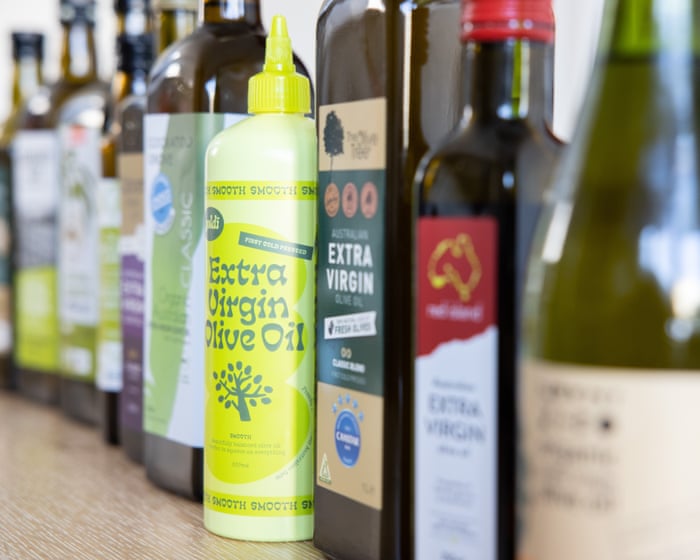
Choice, a consumer group, tested 30 extra-virgin olive oils from supermarkets and found some Australian oils scored higher than many imported ones from Italy and Spain. The top-ranked oil was an Italian brand, but several Australian oils performed well and showed good quality in taste tests.
Key Facts
Choice tested 30 extra-virgin olive oils in a blind taste test in a lab.
The best oil was Monini Classico from Italy with a score of 88%.
An Australian oil, Cobram Extra Virgin Classic, ranked third with a score of 80%.
Most tested oils scoring 76% or higher included seven Australian, three Italian, and three Spanish brands.
The cheapest oil tested scored lowest with 60%, described as lacking strong flavor.
Testers looked for freshness, fruitiness, and bitterness in the oils.
Experts recommend storing olive oil in cool, dark places in airtight containers.
The oil’s color does not strongly indicate quality; taste and mouthfeel are more important.
Read the Original
Want the full story? Tap a source to open the original
article.
Many U.S. companies plan to lay off workers in July, according to government data that tracks large layoffs. These job cuts mainly affect tech, manufacturing, and other sectors as businesses adjust to economic uncertainties and invest in automation and AI.
Key Facts
The WARN Act requires companies with 100+ employees to give 60 days’ notice before major layoffs or closures.
In 2026 so far, over 230,000 workers have been affected by more than 2,600 layoff events.
July layoffs are concentrated in software, cloud computing, cybersecurity, manufacturing, and hospitality.
Companies listed for July layoffs include Sony Interactive Entertainment, Cisco, Whirlpool, and General Dynamics.
Layoffs are driven by companies seeking efficiency, automation investments, and reactions to economic uncertainty like inflation and tariffs.
Despite layoffs, the U.S. unemployment rate was 4.3% as of May, showing a generally stable labor market.
Job growth has slowed and hiring is more selective, leading to a “low-hire, low-fire” economy.
Layoffs reflect a shift away from rapid job market growth, not a broad economic collapse.
Read the Original
Want the full story? Tap a source to open the original
article.
UK house prices did not grow in June for the second month in a row, mainly because higher interest rates from the Iran conflict made buying homes harder. While prices stayed mostly flat recently, annual growth was still seen across the UK, with some regions showing stronger increases.
Key Facts
The average UK house price fell slightly to £277,484 in June from £278,024 in May.
Rising interest rates caused by the war in Iran have reduced buyer demand.
Mortgage rates are higher than before the Iran conflict; the average two-year fixed rate is 5.53%.
Housebuilders’ shares dropped after the price growth stalled.
On a yearly basis, house prices rose 2.2% in June, up from 1.7% in May.
Northern Ireland had the strongest annual house price growth at 8.6%.
Falling oil prices may reduce the need for the Bank of England to raise interest rates further.
Lower inflation in the UK has helped bring fixed mortgage rates down recently.
Read the Original
Want the full story? Tap a source to open the original
article.
A drug used to treat opioid dependency, called Sublocade, will be removed from the Australian market by the end of 2024. The US company Indivior said this decision is due to business reasons, which has raised concern among doctors and pharmacists about patients losing access to this important medicine.
Key Facts
Sublocade is a long-acting monthly injection that helps people with opioid dependency and was added to Australia’s subsidy program (PBS) in 2020.
Indivior, the US company making Sublocade, will stop selling and marketing it in Australia from December 31, 2024.
Doctors say Sublocade is better for some patients than alternatives because it lasts longer and helps them feel more stable.
Another drug, Zoladex, used for breast cancer and endometriosis, has also been recently removed from the Australian market for similar business reasons.
The Australian government said it cannot force companies to keep selling these medicines but wants to keep medicines safe, effective, and affordable.
Changes in US drug pricing policies are affecting how pharmaceutical companies price and sell medicines worldwide, including in Australia.
President Donald Trump has supported US policies aiming to pay the same or less for drugs than other countries, which some say causes companies to withdraw from smaller markets.
Experts expect more drugs might be pulled from Australia because companies are adjusting their strategies due to global pricing pressures.
Read the Original
Want the full story? Tap a source to open the original
article.
Some government ministers in the UK are unhappy because important road projects in their areas are being delayed or canceled to pay for a bigger defence spending plan. The defence budget will increase to nearly £80 billion by 2030, affecting funding for roads, especially in the East Midlands.
Key Facts
Road improvement projects in some parts of the UK, including the East Midlands, are being delayed or cut.
The money saved from these cuts is used to increase the defence budget by £15 billion.
Defence spending will rise from 2.6% of the UK’s economy in 2027 to 2.7% in 2030.
This planned rise still falls short of NATO’s goal of 3.5% defence spending by 2035.
MPs for Lincoln and Newark have expressed anger at cuts to local road schemes.
Local leaders were not told about the cuts until the defence plan was announced publicly.
The defence plan’s cost will add pressure on the next UK prime minister to find extra funding.
Some politicians promise to restore cut road projects if they win future elections.
Read the Original
Want the full story? Tap a source to open the original
article.
Comedian Romesh Ranganathan is disappointed after Coughlans Bakery, an 89-year-old bakery chain he partly owns, closed down. The bakery stopped trading due to financial pressures including higher employer taxes, business rates, rising fuel costs, and poor sales during recent hot weather.
Key Facts
Coughlans Bakery operated shops in Kent, Surrey, West Sussex, and south London.
The business went into voluntary liquidation and stopped trading on a Tuesday.
The closure was blamed on increased national insurance contributions for employers starting in April last year.
High business rates and a rise in fuel prices, partly due to conflict in the Middle East, added £20,000 in costs per week.
Recent heatwaves in southeast England led to much lower sales, about half of normal weekly income.
Romesh Ranganathan became a co-owner in 2024 and supported the bakery because of its vegan products.
Managing director Sean Coughlan thanked Ranganathan for his support and expressed regret that the business let him down.
The liquidation was chosen to ensure the bakery could still pay employees and suppliers.
Read the Original
Want the full story? Tap a source to open the original
article.
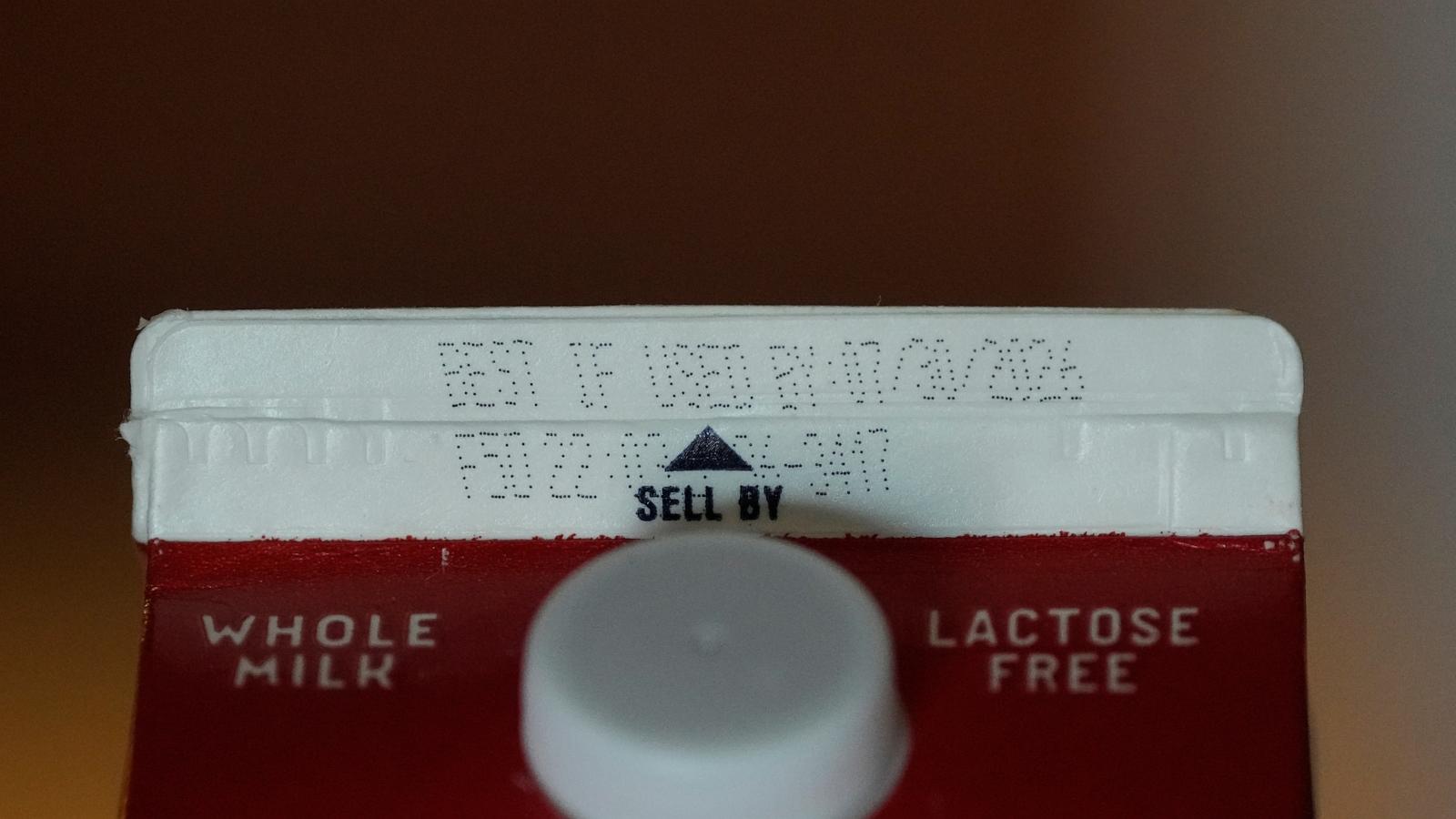
California has banned the use of "sell by" labels on food packaging to reduce confusion and food waste. Starting in July 2026, food sellers in California must use standardized labels "Best if Used By" for quality and "Use By" for safety to help consumers know when food is still good to eat.
Key Facts
California passed a law banning “sell by” food labels starting July 1, 2026.
"Sell by" dates were meant for retailers, not consumers, and caused confusion about food safety.
New labels required are "Best if Used By" for best quality and "Use By" for food safety.
Food manufacturers can choose to use either or both labels.
California is the first U.S. state to standardize food date labels by law.
New York passed a similar law, awaiting the governor’s approval.
Other states like Illinois and Maryland have proposed similar laws but have not passed them.
Confusing date labels contribute significantly to household food waste and food bank acceptance issues.
Read the Original
Want the full story? Tap a source to open the original
article.
Business confidence among major Japanese manufacturers has improved for the fifth quarter in a row, according to the Bank of Japan's latest survey. Despite rising energy prices and a weak yen, many large and mid-sized companies are planning strong investments, although profits may decline.
Key Facts
The Bank of Japan’s quarterly "tankan" survey shows the business sentiment index rose to 22 from 17 among major manufacturers.
The business confidence index for large non-manufacturers, like service companies, increased slightly to 37 from 36.
The survey measures how many companies expect good business conditions minus those that feel pessimistic.
Higher fuel costs due to the Iran war have raised inflation in Japan, but crude oil prices have fallen after a U.S.-Iran interim deal.
Japan imports almost all its oil and gas, so the weak yen, currently about 162 yen per U.S. dollar, makes energy more expensive.
The Bank of Japan raised its main interest rate to 1%, the highest in 30 years, to address the weak yen and rising prices.
Large and mid-sized companies show strong plans for investment, but profits are expected to weaken overall.
Japan faces long-term challenges like a shrinking and aging workforce, which affects its economy.
Read the Original
Want the full story? Tap a source to open the original
article.
Welsh Water, a water company owned by the public and not shareholders, has had mixed results since its change in 2001. While it has good customer trust, it faces high bills and environmental fines. Experts say simply changing ownership won't fix all problems in the water and energy industries, and nationalising companies can be costly and complex.
Key Facts
Welsh Water became a not-for-profit company in 2001, serving 3 million people in Wales.
It has no shareholders and reinvests money to keep bills low and protect the environment.
Welsh Water was fined £44.7 million for poor sewage management that harmed the environment.
Its water bills (£683 a year) are higher than the industry average.
Andy Burnham has called for more public ownership of water and energy but is unclear on how this would happen.
Nationalising water companies could be expensive and complicated, especially for financially healthy firms.
Thames Water’s financial problems have wiped out its shareholders, possibly easing nationalisation there.
Large water and energy companies like United Utilities, Severn Trent, National Grid, and SSE are valued in billions of pounds, making nationalisation a major financial challenge.
Read the Original
Want the full story? Tap a source to open the original
article.
The energy price cap in Great Britain is rising, causing many households to spend more on electricity and gas. This increase will push millions more people into fuel poverty, meaning they will have to spend a large part of their income just to keep their homes heated or cooled.
Key Facts
The energy price cap will increase to about £1,862 per year for the average household.
Around 13.5 million households will spend more than 10% of their income on energy, up from 11.3 million in April.
Nearly 5.5 million homes will spend about 20% of their income on energy, up from 4.3 million in April.
Electricity prices will rise from 24.67p to 26.11p per kilowatt-hour, and gas prices from 5.74p to 7.33p per kilowatt-hour for those paying by direct debit.
Energy bills are expected to stay high during the cooler months because of increased gas use.
Some groups are calling for government action, including protests demanding lower energy costs and public ownership of energy companies.
Labour MP Andy Burnham proposes more local control over energy services to reduce costs.
Officials acknowledge the concerns but have not announced new major interventions yet.
Read the Original
Want the full story? Tap a source to open the original
article.
A woman named Gemma, who worked for Superdry co-founder James Holder, reported that he raped her in 2022 after work. Holder was sentenced to eight years in prison for this crime.
Key Facts
Gemma worked for James Holder at Superdry and later at another company he started.
The rape happened in May 2022 after work drinks in Cheltenham.
Holder entered Gemma's taxi without invitation and went to her home.
He initially fell asleep but then forced Gemma onto the bed and raped her.
Gemma returned to work days later and faced Holder, who acted like nothing happened.
Holder is a multi-millionaire, married, and has two children.
He was sentenced to eight years in prison in May for rape.
Gemma described a controlling work environment under Holder’s leadership.
Read the Original
Want the full story? Tap a source to open the original
article.
Ford is recalling over 741,000 vehicles in the U.S. because a transmission problem may harm the park system. This issue can cause the vehicle to move unintentionally while in park, raising the risk of crashes or injuries.
Key Facts
The recall affects certain Ford F-150, Lincoln Aviator, Ford Explorer, Lincoln Navigator, and Ford Expedition models from 2018 to 2021.
The problem involves the transmission parking pawl, which may engage temporarily while driving, possibly damaging the park system.
Damage to the park system could prevent the vehicle from staying still when in park without the parking brake.
Ford has received 24 reports of property damage and nine reports of injuries linked to this issue.
Vehicle owners will get a letter to bring their car to a dealer for a free update of the Powertrain Control Module software.
Dealers will check the transmission for damage and replace parts if necessary at no cost.
Owners can contact Ford customer service or the National Highway Traffic Safety Administration for more information.
Read the Original
Want the full story? Tap a source to open the original
article.
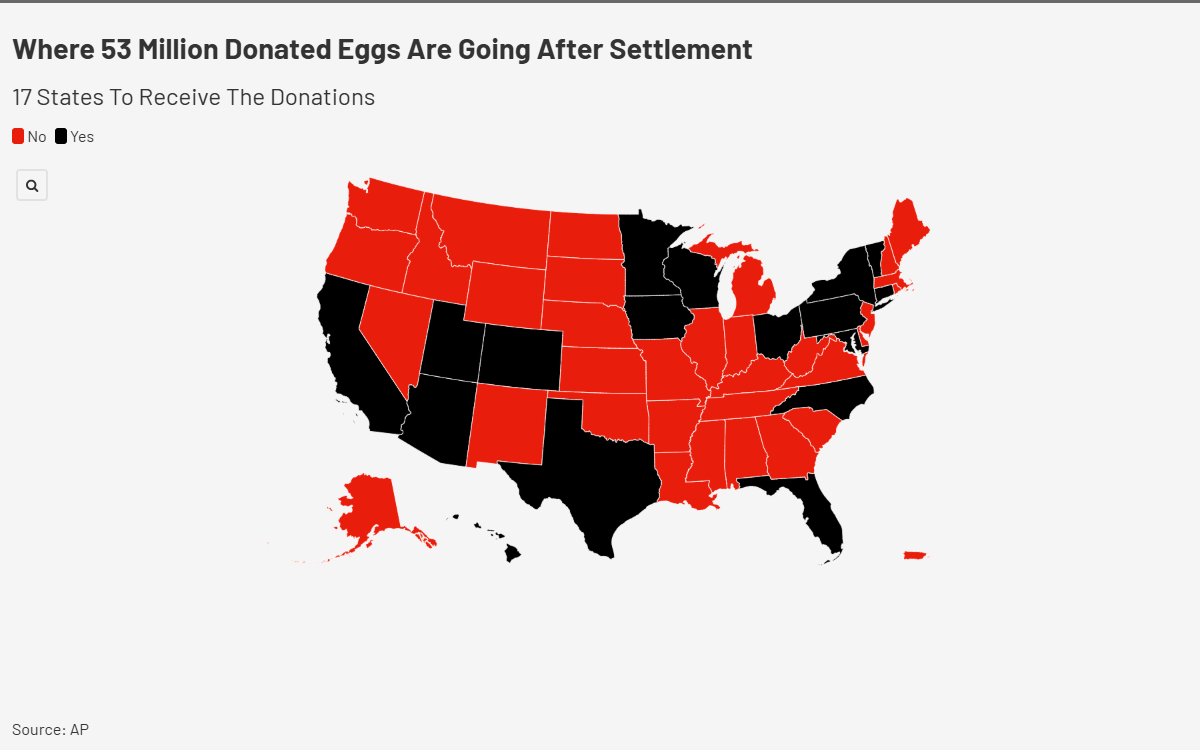
Three large egg producers agreed to donate 53 million eggs and pay $3.3 million to settle claims they illegally raised egg prices. The donated eggs will go to food banks and nonprofits in 17 states to help families during a time of high grocery costs. The settlement ends a government investigation into price-fixing practices.
Key Facts
The settlement involves three major egg producers: Cal-Maine, Versova, and Hickman's.
They will donate 53 million eggs and pay a total of $3.3 million.
The donated eggs will be distributed across 17 states through food banks and nonprofits.
Some states’ egg allocations are: California – 8.9 million, Texas – 7 million, New York – 4.9 million, Connecticut – 1.5 million.
The producers were accused of working together to raise wholesale egg prices, making eggs more expensive for consumers.
Prices dropped significantly after the federal investigation began in early 2025.
Cal-Maine reported a $1.22 billion profit in fiscal year 2025 but still agreed to donate 30 million eggs and pay $1.5 million.
The settlement must be approved by a court before it takes effect.
Read the Original
Want the full story? Tap a source to open the original
article.
President Donald Trump earned about $1.2 billion last year from his cryptocurrency businesses, according to a government financial report. These new ventures made more money than much of his real estate portfolio, even as the value of the crypto tokens he sold dropped.
Key Facts
President Trump made nearly $1.2 billion in revenue from crypto businesses in the past year.
His World Liberty Financial business earned over $500 million by selling new crypto products called "governance tokens."
Another company, CIC Digital LLC, made more than $600 million selling "meme" coins featuring Trump's image.
The value of these crypto tokens and coins decreased significantly after the sales.
Trump also earned millions by selling other branded items, including bibles, sneakers, and watches.
The sale of Trump-branded watches alone generated $4.7 million.
The rise in crypto revenue has outpaced his historic property earnings.
The growth of these businesses was helped by wealthy investors and changes in federal crypto regulation.
Read the Original
Want the full story? Tap a source to open the original
article.
President Donald Trump's financial disclosure report shows he earned over one billion dollars in cryptocurrency last year. A large part of this came from selling so-called "Trump meme coins," a type of digital currency linked to his name.
Key Facts
President Trump reported more than $1 billion in cryptocurrency earnings in the past year.
Hundreds of millions of dollars came from selling Trump meme coins.
Meme coins are digital currencies often based on internet jokes or themes.
The information comes from President Trump's annual financial disclosure report.
The report was discussed in a CBS News segment by reporter Weijia Jiang.
Cryptocurrency earnings can include profits from buying, selling, or trading digital coins.
Trump meme coins are tied to President Trump’s name and image.
Read the Original
Want the full story? Tap a source to open the original
article.
Many people in Generation Z, born between 1997 and 2012, do not believe they will receive a state pension when they retire. This is because the government is raising the age for receiving state pensions and there will be fewer workers paying into the pension system compared to the growing number of retirees.
Key Facts
About half of Generation Z think the state pension will not exist by the time they retire.
The state pension age is currently rising from 66 to 67 by 2028 and is expected to go up to 68 in about 20 years.
By 2050, around a quarter of the UK population will be of state pension age.
There will be more people claiming state pensions but fewer workers paying into the system.
Nearly half of working-age adults do not have a private pension, so many rely only on the state pension.
The state pension amount increases each year using a "triple lock" method to keep up with inflation or wages.
Some experts and think tanks suggest changing or scrapping the triple lock to reduce pension costs.
Concerns exist that distrust in the state pension may cause people to take risky financial decisions or save less.
Read the Original
Want the full story? Tap a source to open the original
article.
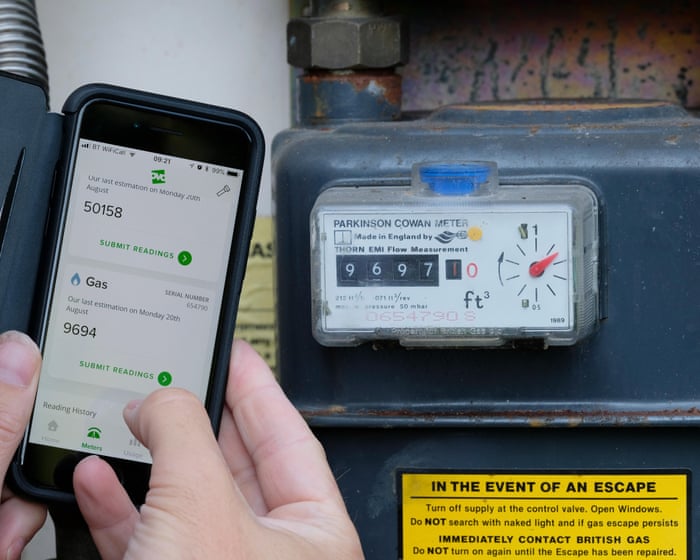
Energy prices for many households in England, Scotland, and Wales are rising by 13% due to higher gas costs. People without smart meters are urged to send meter readings to avoid being charged at the new higher rates based on estimated usage.
Key Facts
Household energy prices are increasing by 13%, mainly because gas prices are higher.
The price rise means an average increase of about £18 per month on typical energy bills.
Gas bills are rising by 24%, electricity by 5%, while standing charges remain mostly the same.
Ofgem, the energy regulator, has lowered its estimate of typical energy use due to reduced usage recently and improved energy efficiency.
About 33 million households are affected by the price cap changes, except Northern Ireland where rules differ.
People on fixed energy tariffs will not see price changes until their deals end.
Submitting meter readings is important for those on standard meters to avoid being charged the new higher rate on estimated usage.
The Trades Union Congress wants a social tariff to help reduce bills, possibly funded by taxing bank profits.
Energy debt in England, Scotland, and Wales reached a record £4.79 billion in early 2024.
Energy suppliers offer support programs for customers struggling to pay, but customers need to contact their supplier for help.
Read the Original
Want the full story? Tap a source to open the original
article.