BT and Verizon are joining their international businesses to create a new company with yearly revenue of about $4 billion. Verizon will pay BT a fee to ensure they share control equally. This deal ends BT's long search for a buyer as it focuses more on its UK market.
Key Facts
BT and Verizon will form a 50/50 joint venture combining their global business operations.
Verizon will pay BT $625 million as an equalization fee for equal voting rights.
The new company will have over 3,000 customers in about 180 countries and $4 billion in annual revenue.
BT’s CEO, Allison Kirkby, started in February 2024 and is focusing BT more on the UK market.
BT is cutting costs and aims to save £3.7 billion by 2030, with staff numbers expected to be between 75,000 and 80,000 by then.
Verizon announced job cuts of around 13,000 in late 2023 to simplify operations.
The joint venture will be led by Martijn Blanken, headquartered in the UK and incorporated in Jersey.
The deal needs approvals from regulators and employee consultations before it is finalized.
Read the Original
Want the full story? Tap a source to open the original
article.
Fox News apologized for broadcasting claims by Kevin O’Leary about people opposing his data center project. O’Leary said the opponents had links to China, but these statements were not proven.
Key Facts
Kevin O’Leary is a businessman and TV personality.
He talked about a data center project he is involved in.
O’Leary claimed that some people opposing the project were connected to China.
Fox News aired his statements on May 24.
The claims were unsubstantiated, meaning no solid proof was shown.
Fox News apologized over the weekend for broadcasting these claims.
The issue relates to a controversy about the planned data center.
Read the Original
Want the full story? Tap a source to open the original
article.
Comcast plans to split its media businesses from its broadband and mobile networks within a year. This separation will create two companies: one focusing on media like NBCUniversal and Sky, and the other on broadband and wireless services.
Key Facts
Comcast will spin off NBCUniversal and Sky into a separate media company.
The spin-off aims to be tax-free and return shares in both companies to current shareholders.
The media company will include Universal Studios, Peacock streaming, NBC, Telemundo, DreamWorks, and theme parks.
Comcast will keep its broadband and wireless network services, serving about 65 million US customers.
The split is meant to make each company more attractive to different types of investors.
Comcast shares rose more than 20% in early trading after the announcement.
Comcast plans to buy ITV’s UK broadcasting business for about £1.6 billion before the split.
Leadership changes: Mike Cavanagh will lead NBCUniversal; Michael Angelakis will head Comcast’s broadband business; Brian Roberts will stay involved with both.
Read the Original
Want the full story? Tap a source to open the original
article.
Comcast will separate its media businesses, including NBCUniversal and Sky, into a new publicly traded company. This change will allow Comcast to focus on its broadband and mobile services while the new company will manage TV, film, streaming, and theme parks.
Key Facts
Comcast plans to spin off NBCUniversal and Sky into a separate public company over the next year.
NBCUniversal includes the TV network NBC, streaming service Peacock, film studios, theme parks, and sports.
Sky is a major European media company Comcast bought in 2018 for £31 billion.
After the spin-off, Comcast will focus on internet broadband and mobile services for 65 million US homes.
Mike Cavanagh, current Comcast co-CEO, will lead the new media company.
Sky News funding commitments from Comcast may change when current agreements end soon.
The new company will control about 40% of ITN, which supplies news to ITV, Channel 4, and Channel 5.
NBCUniversal is building its first European theme park, Universal United Kingdom Resort, set to open in 2031.
Read the Original
Want the full story? Tap a source to open the original
article.
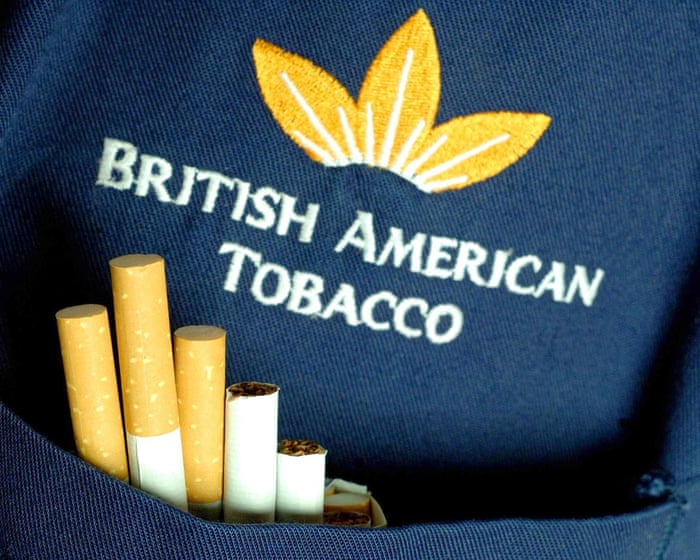
British American Tobacco is cutting nearly 9,000 jobs worldwide as part of a plan to reduce costs and focus more on digital and AI technology. The company is shifting from traditional cigarettes to vaping and nicotine pouch products but is facing challenges like illegal products and strict regulations.
Key Facts
British American Tobacco (BAT) will cut about 5,500 jobs and outsource 3,500 more, nearly one-fifth of its 47,000 global workforce.
The US workforce is not affected by the job cuts.
The company aims to save around £600 million a year by 2028 through these changes.
BAT is moving focus from cigarettes to alternative products like Vuse vapes and Velo nicotine pouches.
Sales and profits have been weak due to factors like the cost of living, higher taxes, and tough regulations in some markets.
US regulators delay approval of new vaping products, leading to more illegal Chinese vaping goods in the market.
Job reductions started already and will finish by the end of 2026.
BAT's CEO said the cuts will help the company become more agile, cost-effective, and technology-focused.
Read the Original
Want the full story? Tap a source to open the original
article.
Comcast announced it will split into two companies by spinning off NBCUniversal and Sky into a separate media company. The new NBCUniversal company will manage media and entertainment assets, while Comcast will keep its broadband and wireless services.
Key Facts
Comcast plans to separate NBCUniversal and Sky into their own company.
The split will be tax-free and aims to let each business grow independently.
NBCUniversal will include Universal theme parks, movie studios, and TV networks like NBC and Sky.
Comcast will keep Xfinity internet, Xfinity Wireless, and Comcast Business services.
Comcast shares rose 21% after the announcement.
Comcast will keep a 19.9% ownership in NBCUniversal.
The deal is expected to finish in about 12 months.
Leadership changes: Mike Cavanagh will lead NBCUniversal, Michael Angelakis will become Comcast CEO, and Brian Roberts will stay involved with both companies.
Read the Original
Want the full story? Tap a source to open the original
article.
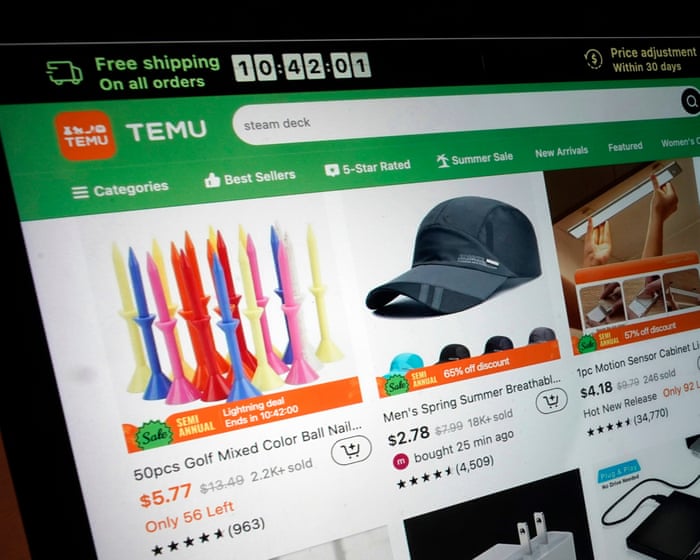
The European Commission will start charging a €3 customs fee on small parcels valued under €150 from non-EU countries to reduce cheap imports from China. This move aims to protect European shops and jobs by addressing the large increase in low-cost goods entering Europe without customs charges.
Key Facts
Consumers could previously buy goods under €150 without paying customs fees due to a "de minimis" exemption.
Starting Wednesday, a €3 customs charge applies to all parcels under €150 from outside the EU.
The number of low-value parcels arriving in the EU is expected to rise from 1.3 billion in 2022 to 5.9 billion by 2025.
About 90% of these parcels come from China, including products from companies like Shein and Temu.
Many imported products, especially cosmetics, toys, and personal protective equipment, fail to meet EU safety laws.
EU officials hope the customs charge will discourage very low-value purchases and create fairer conditions for European retailers.
Shein is adapting by opening stores and distribution centers within Europe, possibly to avoid the new fee.
The UK plans to introduce similar import charges on small parcels starting in October 2028.
Read the Original
Want the full story? Tap a source to open the original
article.
China and European Union (EU) commerce ministers met in Brussels as the EU plans measures to address the growing trade imbalance caused by a large number of cheap Chinese imports. The meeting comes amid rising oil prices linked to conflicts between the US and Iran, and South Korea announcing a major investment in semiconductor production.
Key Facts
EU Trade Commissioner Maros Sefcovic and his Chinese counterpart held talks in Brussels.
The EU is preparing new rules to limit cheap imports from China.
These rules may include cutting steel import quotas and increasing tariffs on goods beyond those quotas.
China has responded by restricting imports of some EU medical equipment.
Oil prices increased due to renewed tensions and strikes involving the US and Iran.
South Korea revealed a large investment plan to boost chip (semiconductor) production.
The trade imbalance between China and the EU is growing as Chinese exports surge.
Read the Original
Want the full story? Tap a source to open the original
article.
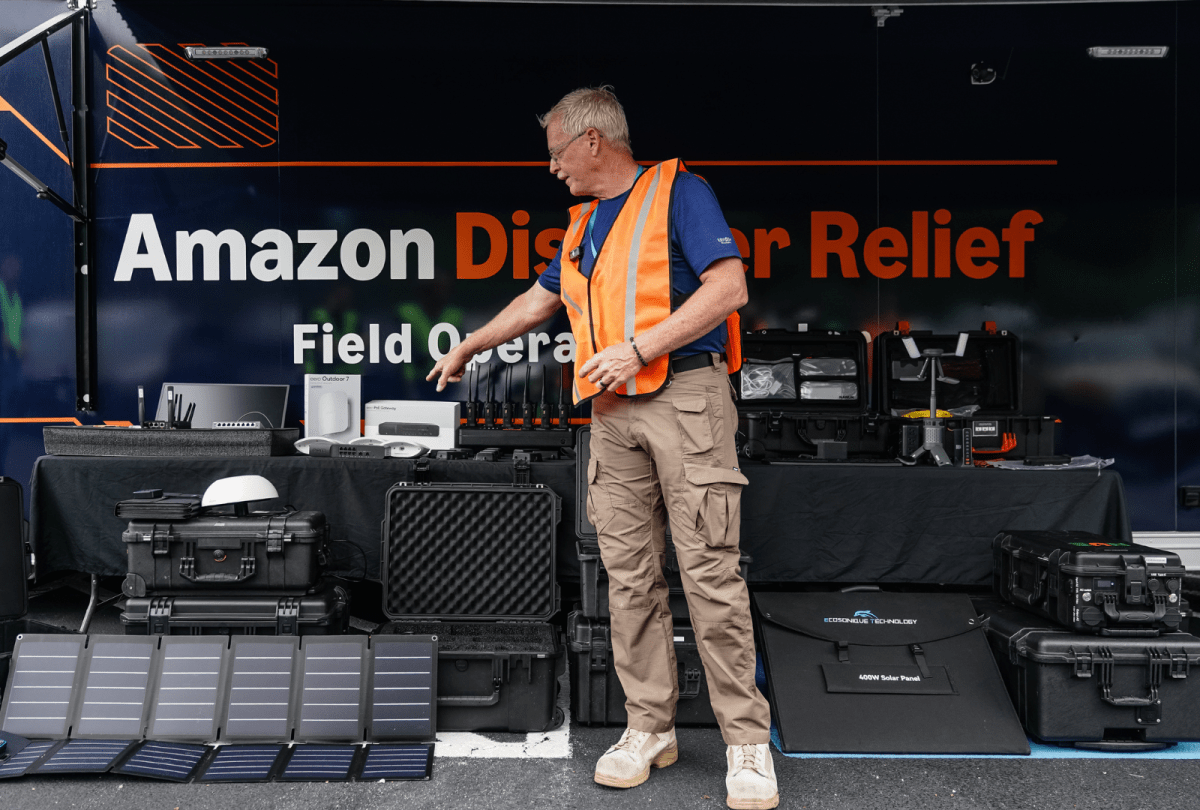
Many large U.S. companies now treat disaster relief as a regular part of their work, not just occasional charity. Businesses like Walmart, Amazon, and FedEx use their resources to help communities quickly after natural disasters, which benefits both the community and the companies themselves.
Key Facts
Nearly half of the companies recognized in a recent survey helped during at least one major U.S. natural disaster in the past four years.
Eight companies, including Amazon, FedEx, Ford, Humana, JPMorgan Chase, Lockheed Martin, Molson Coors, and Walmart, supported all seven disasters examined.
Companies are expected by consumers and other stakeholders to actively support the communities they serve during crises.
Disaster relief is viewed as an investment in resilience and long-term success, not just philanthropy.
Large companies use their logistics, financial, manufacturing, and healthcare resources to respond faster than many government agencies.
Walmart recently invested $10.8 million to expand emergency response vehicle fleets to reach most of the U.S. within eight hours.
Strong disaster response is linked with higher rankings in corporate social responsibility and public perception.
Corporate leaders emphasize the importance of showing commitment to communities beyond just financial performance.
Read the Original
Want the full story? Tap a source to open the original
article.
The new Michael Jackson movie has become the highest-earning biographical film worldwide, making $977 million at the box office. It beat previous top biopics, including the movie Oppenheimer, and performed strongly despite mixed reviews.
Key Facts
Michael Jackson’s movie made $977 million worldwide, surpassing Oppenheimer’s record.
It already was the top musical biopic, overtaking Bohemian Rhapsody.
The movie tells Michael Jackson’s story, from child star to King of Pop.
Jaafar Jackson, Michael’s nephew, plays him in the film.
The movie earned $217 million in its first week globally.
Critics gave mixed reviews, but fans rated it highly.
The film does not cover the sexual abuse allegations against Michael Jackson.
After the movie’s release, Michael Jackson’s songs saw a big increase in streaming.
Read the Original
Want the full story? Tap a source to open the original
article.
British American Tobacco (BAT) will cut about 9,000 jobs this year to reduce costs and use more technology, including artificial intelligence (AI). The company is also shifting away from traditional cigarettes toward smoke-free products like vapes and nicotine pouches.
Key Facts
BAT employs around 47,000 people and plans to cut 5,500 jobs and outsource 3,500 more this year.
Job cuts will not affect BAT’s business in the United States.
The company aims to save £600 million annually by 2028 through its transformation program.
BAT is working with Accenture to use advanced AI solutions and outsource some work.
It is closing traditional cigarette factories, including one in South Africa, due to falling cigarette sales and illegal trade.
BAT expects global cigarette sales to drop by about 2.5% this year.
Revenue in BAT’s smoke-free products, such as Vuse vapes and Velo nicotine pouches, is growing in the mid-teens percentage range.
BAT’s shares fell about 1.4% in early trading but are up nearly 12% so far this year.
Read the Original
Want the full story? Tap a source to open the original
article.
Experts warn travelers to be careful with holiday bookings on social media to avoid scams involving fake homes, flights, and tours. They recommend using tools like reverse image searches and booking only through trustworthy sources to prevent financial loss.
Key Facts
One-third of travelers have noticed more travel-related scams on social media.
Scammers often copy photos from real websites and ask for bank transfers.
Many people are booking holidays late this year due to worries about the Iran war.
Two-fifths of travelers change their behavior during holidays because they fear financial scams.
Half of travelers prefer booking with known travel companies that explain how they protect customers.
Checking if a company is part of trade groups like Abta or protected by schemes like Atol can help avoid scams.
Consumer experts suggest using reverse image search and map checks to verify accommodation pictures.
Victims of scams are advised to contact their bank quickly and report fraud to authorities.
Read the Original
Want the full story? Tap a source to open the original
article.
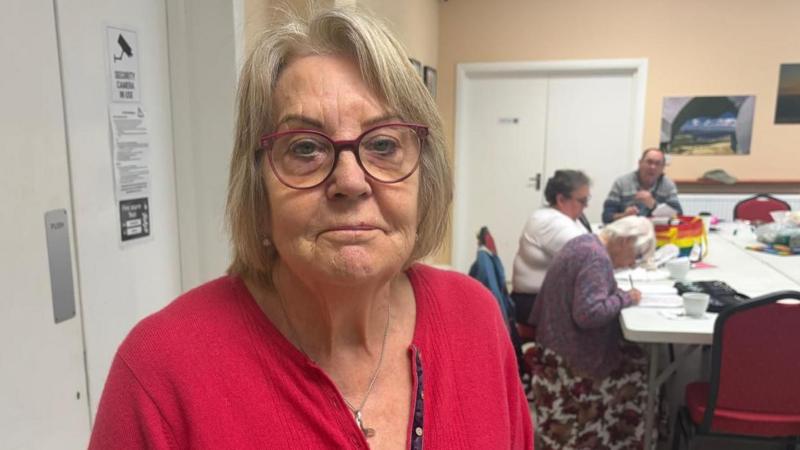
Energy bills in the UK are set to rise by 13.5% from July, adding about £221 to an average household's yearly cost. People in Bacup, a deprived area in Lancashire, say this increase will make it very hard for many, especially the elderly, to manage their living costs.
Key Facts
Energy bills will increase by 13.5% starting 1 July, reaching about £1,862 per year for a typical household.
This increase is due to higher wholesale energy prices and ongoing global conflicts affecting supply.
Bacup has one of the highest levels of poverty in the Rossendale Valley.
Local residents and community leaders report that many are barely able to cover their basic needs, describing the situation as "surviving rather than living."
A government statement said tackling the cost crisis is a top priority and outlined several support measures like discounts and freezing fuel duty.
Many adults in the UK report rising costs for food, fuel, and energy as their main financial worries.
A community centre in Bacup offers support such as affordable meals to help residents cope with rising expenses.
The government has increased the minimum wage and cut VAT on some family activities to ease the financial burden.
Read the Original
Want the full story? Tap a source to open the original
article.
A small Scottish butter company owner says more people in Scotland want to pay extra for quality food and care about where it comes from. Meanwhile, the Scottish government plans to limit prices on essential foods like bread and milk to help those struggling with the cost of living.
Key Facts
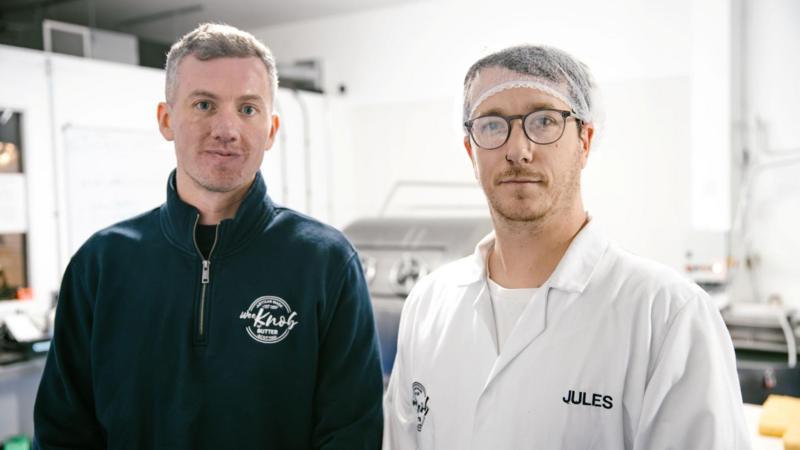
Jules Bal, co-owner of a handmade butter business in Glasgow, sees growing interest in quality food in Scotland.
His butter is sold at markets, to high-end restaurants, and on the Royal Scotsman train.
The SNP (Scottish National Party) promised a price cap on essential foods like bread, milk, and eggs in their election manifesto.
Farmers and food producers have criticised the price cap idea.
The Scottish government says there is a health need to keep nutritious food affordable.
Household spending on food in the UK dropped from 33% of income in 1956 to 16% in 2016.
Experts say cheaper food comes from industrial farming and supermarkets’ power to keep prices low.
Food historian Peter Gilchrist says people have lost connection with fresh, seasonal food and mainly buy packaged goods.
Read the Original
Want the full story? Tap a source to open the original
article.
Chipmaker companies’ stock prices have risen sharply in the first half of 2026 due to increased demand for the semiconductors needed for artificial intelligence (AI) technology. This rise has boosted markets in Asia and the US, while some large software companies have seen their shares drop.
Key Facts
Semiconductor and memory chip makers have seen profits and share prices soar in 2026.
South Korea’s Kospi index rose 123%, helped by Samsung (up 169%) and SK Hynix (up 303%).
US chip companies like Sandisk, Western Digital, Micron, and Seagate experienced huge gains, with Sandisk up 780% this year.
High demand for chips to power AI data centers has driven prices and stock values upwards.
Apple reported higher iPad and MacBook prices partly due to rising memory chip costs.
Shares of major AI software companies like Microsoft have fallen as investors shift money into chipmakers.
Some signs show the chip stock boom might be slowing as investors take profits and move out of tech stocks.
Global stock markets generally gained in the first half of 2026, with Japan’s Nikkei up 38% and the US S&P 500 up 7.4%.
Read the Original
Want the full story? Tap a source to open the original
article.
Many Australians unknowingly own shares in big US tech companies through their retirement savings in superannuation funds. These funds invest globally, including in companies like SpaceX and other artificial intelligence (AI) firms, raising questions about ethics and financial risks.
Key Facts
Australian superannuation funds (retirement savings) invest about 12% of their portfolios in AI-related and big US tech companies.
The "magnificent seven" tech companies include Nvidia, Alphabet (Google), Apple, Microsoft, Amazon, Meta (Facebook), and Tesla.
Super funds invest internationally to improve returns, often following global market indexes dominated by US tech stocks.
SpaceX recently made the world’s largest stock market debut, with Australian average exposure around $50 per super fund member.
Some experts raise ethical concerns about investing in AI, including privacy, job loss, and energy use.
Super funds focus on returns but face pressure to explain the ethical impact of their investments.
Exposure to tech stocks may increase financial risk because of portfolio concentration.
Australian Retirement Trust, a major super fund, supports investing in technology without strong ethical objections so far.
Read the Original
Want the full story? Tap a source to open the original
article.
This article explains the concept of "rust-out," where employees feel bored and unchallenged in their jobs, doing only the minimum work. It highlights that many small and midsized businesses have routine jobs that may not seem exciting, but employees can take personal steps to find meaning and challenge at work.
Key Facts
"Rust-out" describes workers feeling bored, disconnected, and under-stimulated in their jobs.
Rust-out is different from burnout, which is often due to feeling overwhelmed.
Many small and midsized businesses perform routine, everyday tasks that can seem boring.
Not all boring jobs result from poor management; sometimes the nature of the work is simply routine.
Employers can improve workplace atmosphere with benefits and opportunities, but cannot fully prevent rust-out.
Employees have a personal role in finding purpose and challenge in their work.
Workers can look for additional tasks or new roles within their company to increase engagement.
Some employees may prefer routine work and find purpose outside of their job roles.
Read the Original
Want the full story? Tap a source to open the original
article.
The article discusses a plan by Dr. Oz involving GLP-1 drugs that might help reduce prices temporarily. However, it warns that using this approach as a way to control drug prices long-term could harm future medical discoveries.
Key Facts
Dr. Oz has proposed a plan related to GLP-1 drugs.
GLP-1 drugs are used to treat conditions like diabetes and obesity.
The plan could lower drug prices in the short term.
There is concern that these price controls might reduce incentives for new drug development.
Slowing drug innovation could mean fewer cures in the future.
Consumers might save money now but could lose out on future medical advances.
The article suggests caution in using this plan as a model for setting drug prices.
Read the Original
Want the full story? Tap a source to open the original
article.
Consumers who bought certain beef products have a limited time to file a claim in an $87.5 million settlement. Almost 300 different beef product types are included in the settlement.
Key Facts
The settlement is worth $87.5 million.
It covers nearly 300 types of beef products.
People who purchased these beef products may be eligible for compensation.
There is a deadline to file a claim.
The claim process is for consumers affected by the beef products mentioned.
The settlement is related to a legal case involving beef products.
Consumers should act quickly to benefit from the settlement offer.
Read the Original
Want the full story? Tap a source to open the original
article.
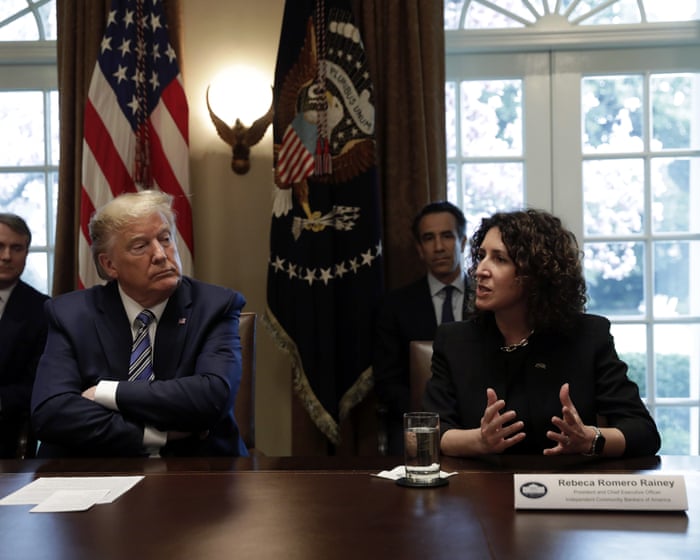
A group of about 4,000 small community banks in the U.S. is campaigning against a law called the Clarity Act that could make it easier for crypto companies to offer payments using stablecoins. These banks warn that the law might cause people to move their money from local banks to crypto platforms, which could reduce loans available to small businesses and farmers who rely on community banks.
Key Facts
The Independent Community Bankers of America (ICBA) represents around 4,000 small community banks.
The ICBA opposes the Clarity Act because it allows crypto firms to pay customers incentives using stablecoins.
Stablecoins are cryptocurrencies tied to assets like the U.S. dollar, often used as a bridge between regular money and crypto.
The ICBA says the law could cause $1.3 trillion to leave community bank deposits.
This would reduce loans to small businesses and farmers by about $850 billion.
Community banks provide over 60% of small business loans and 80% of farm loans in the U.S.
The ICBA has launched an advertising campaign to raise awareness about these risks.
The issue is creating a political debate among Republicans during the midterm elections, balancing support for crypto innovation with protecting rural communities.
Read the Original
Want the full story? Tap a source to open the original
article.