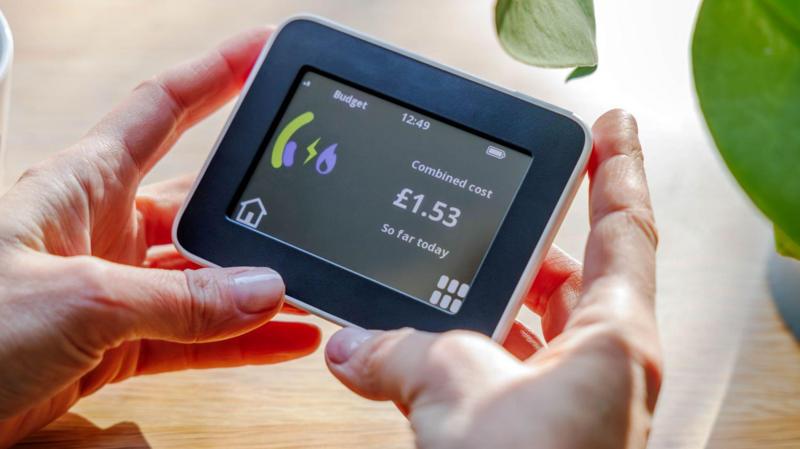
The total amount of money owed to energy suppliers in the UK has reached a new high of £4.79 billion, with unpaid bills rising by 15% over the past year. Energy prices are set to increase in July, but experts suggest ways customers can reduce bills and manage debt.
Key Facts
Energy debt in England, Wales, and Scotland reached £4.79 billion from January to March 2026.
This figure represents customers who have owed money for more than three months.
People without repayment plans owe on average £1,876 for electricity and £1,623 for gas.
Energy prices will rise in July, mainly due to higher gas costs.
Energy suppliers may offer debt relief, payment plans, or help with appliances if customers ask.
About 40% of customers have fixed price deals that keep unit costs steady for usually one year.
Paying bills monthly by direct debit usually costs about £140 less per year than quarterly payments.
Local grants and benefits may help with energy costs or home improvements for eligible people.
Read the Original
Want the full story? Tap a source to open the original
article.
The parents of a 12-year-old girl who was raped by an adult she met on Snapchat have sued Snap, the company that owns the app, and the attacker in Missouri. The lawsuit claims Snapchat did not stop harmful features or warn parents, and allowed the attacker to contact and harm the girl.
Key Facts
The girl started using Snapchat at age 11, even though the app requires users to be 13 or older.
Snapchat recommended the girl and other teens as friends to an adult man, Gabriel Joel Valentin-Rios, who had no real-life connection to them.
Valentin-Rios sent the girl unwanted nude photos, used Snapchat’s location feature to find her home address, and lied about his age to gain her trust.
Valentin-Rios pleaded guilty to statutory rape and is serving an 18-year prison sentence.
The lawsuit says Snapchat knew about Valentin-Rios’s multiple accounts but did not stop him.
The girl has been diagnosed with PTSD, anxiety, and depression after the assault.
The parents want the court to force Snapchat to change its app to better protect children.
Similar lawsuits and state lawsuits allege Snapchat’s design encourages sexual abuse and sextortion of minors.
Read the Original
Want the full story? Tap a source to open the original
article.
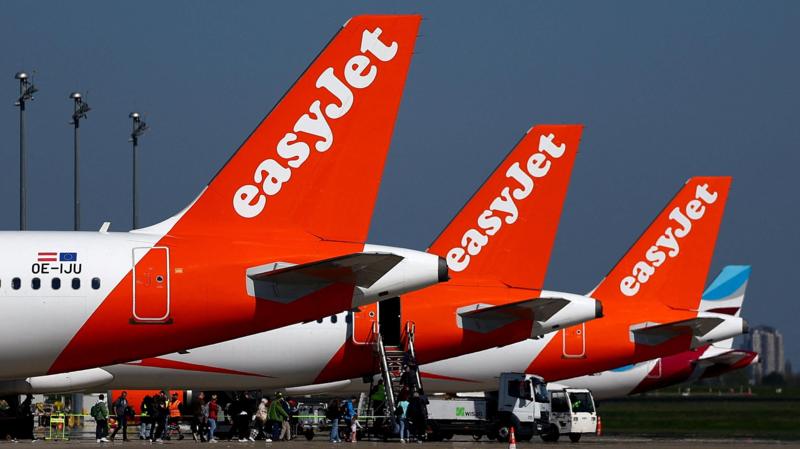
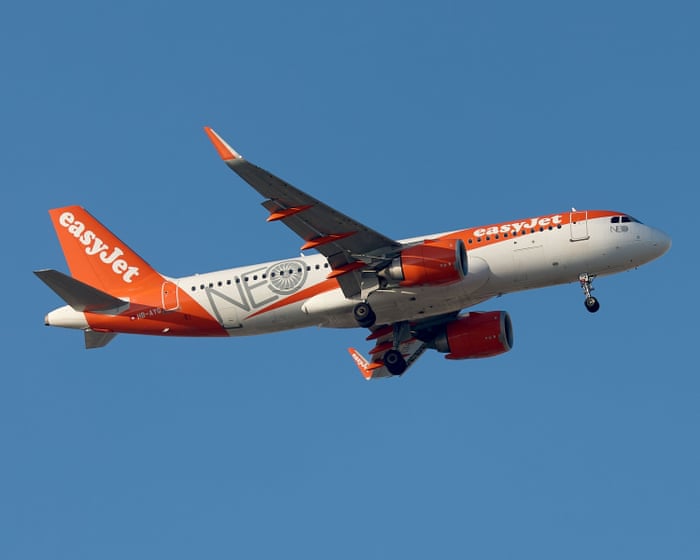
EasyJet has rejected a fourth offer from US investment firm Castlelake to buy the airline for £4.93 billion. EasyJet’s board says the bid undervalues the company and has doubts about Castlelake’s ability to complete the deal.
Key Facts
Castlelake made a fourth takeover offer of £4.93 billion, or £6.50 per share.
Previous offers were £5.60, £6, and £6.25 per share.
EasyJet’s board says the latest offer still undervalues the company and questions whether Castlelake can deliver the deal.
EasyJet’s share price has dropped about 30% over the past year, affected by worries over the war in Iran.
Castlelake manages about $36 billion (£27.3 billion) in assets.
Under the deal, Castlelake and co-investors would own 49% of EasyJet, with the remaining 51% owned by European Union investors.
EasyJet wants Castlelake to provide clear promises about ownership and their ability to complete the purchase.
The deadline for Castlelake to make a firm offer is 17:00 BST on 5 July.
Read the Original
Want the full story? Tap a source to open the original
article.
Gousto, a company that provides meal kits with fresh food and recipes, is closing its warehouse in Clay Lake, Lincolnshire. This closure will put 290 jobs at risk as Gousto moves all production to a single warehouse in Warrington, Cheshire, to lower costs and improve efficiency.
Key Facts
Gousto sells meal kits that include fresh ingredients and cooking recipes.
The Clay Lake warehouse near Spalding will be shut down.
About 290 jobs are at risk due to the closure.
Gousto will centralize production at its Warrington warehouse, where around 600 people work.
Running two warehouses was costly and caused duplicated work.
The company has invested heavily in the Warrington site.
Gousto wants to keep prices low and stay competitive in the food market.
The company plans to support affected employees with care and practical help.
Read the Original
Want the full story? Tap a source to open the original
article.
The UK government will reduce the amount of steel that can be imported without tariffs by about half starting July 1. This action aims to protect the local steel industry from cheap steel coming mainly from China and follows similar moves by the EU.
Key Facts
The UK will cut tariff-free steel import quotas by 51% to 3.2 million tonnes.
Tariffs on steel imported above these quotas will increase to 50% of the product's value.
New rules replace pre-Brexit EU quota agreements, but the UK had kept the old rules after leaving the EU.
Eleven types of steel used by UK manufacturers will be exempt from tariffs to avoid supply problems.
The UK steel industry produces about 3 million tonnes yearly, compared to nearly 2 billion tonnes worldwide.
The UK steel trade body says these measures are necessary to prevent the industry from collapsing.
Steel users worry that quotas and tariffs could raise prices on many steel products that Britain cannot produce.
Overcapacity in steel production is linked to subsidies in China and other countries, leading to excess steel being exported globally.
Read the Original
Want the full story? Tap a source to open the original
article.
President Donald Trump has warned Germany and Japan to change their practices of controlling drug prices, which he says unfairly shift the costs of new medicine development onto American patients and companies. The U.S. recently made a deal with the United Kingdom to pay more for medicines but plans to investigate Germany and Japan if they do not change their policies.
Key Facts
Germany and Japan use government price controls to keep payments for new U.S. drugs low.
Germany sets drug prices based on whether a medicine offers an added benefit compared to older treatments, often lowering prices.
Japan lowers prices on innovative drugs every year, even during patent protection, sometimes by up to 50%.
These pricing methods reduce profits for U.S. drug companies and shift the cost of research onto Americans.
Biopharmaceutical companies earn around 75% of their global profits in the U.S., despite it being only 25% of the world economy.
President Trump’s administration made a deal with the U.K. to increase drug spending and reduce rebate policies.
Germany is moving forward with stricter drug price rules that include more rebates and limits on innovation payments.
Japan is also planning tighter price controls and more frequent price cuts on innovative medicines.
The U.S. is threatening formal trade investigations if Germany and Japan do not change their drug pricing policies.
Read the Original
Want the full story? Tap a source to open the original
article.
EasyJet has rejected a £4.9 billion takeover offer from the US firm Castlelake but has agreed to share limited commercial information to help Castlelake make a better bid. Castlelake must improve its offer by July 5 or end its pursuit of the airline.
Key Facts
EasyJet turned down Castlelake’s fourth offer of 650p per share, saying it undervalues the company.
The airline is open to sharing some business information to encourage a higher and more attractive bid.
Castlelake’s previous offers started at 403p per share and rose to 625p before reaching 650p.
Castlelake manages $38 billion and invests in aviation finance; it already owns a small part of EasyJet.
European airlines must have majority ownership by EU nationals to keep their operating licenses.
Castlelake’s bid involves partners including Brookfield Asset Management and two EU-based aviation executives.
The final bid vehicle structure is planned to be 49% owned by Castlelake and partners, and 51% by EU nationals Bellew and Breen.
EasyJet’s share price rose by 6% after talks with Castlelake were announced.
Read the Original
Want the full story? Tap a source to open the original
article.
New research shows that the type of university degree chosen can greatly affect how much money graduates earn over their lifetime. Degrees in medicine and economics tend to lead to higher earnings, while subjects like creative arts and languages may result in little or no financial benefit compared to non-graduates.
Key Facts
Medicine graduates can earn about £400,000 more over their lifetime than people without a degree.
Economics degrees also lead to significantly higher lifetime earnings.
Some subjects, like creative arts, philosophy, and languages, offer little or negative financial returns.
On average, university graduates earn about £100,000 more over their lifetime than non-graduates, after taxes and loan repayments.
About 25% of graduates may earn less over their lifetime than if they had not gone to university.
One in ten male graduates could be more than £90,000 worse off financially.
The government plans to limit places on courses that show poor financial returns for students.
There will be a consultation on setting minimum English language requirements for students to access university funding.
Read the Original
Want the full story? Tap a source to open the original
article.
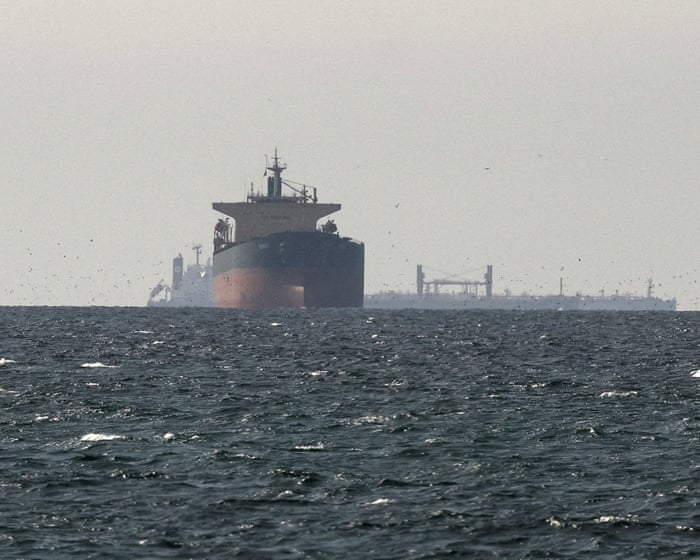
Oil prices have dropped to levels last seen before the conflict between Iran and the US began in February. More oil tankers are now safely passing through the strait of Hormuz, increasing supply and reducing fears of a lasting energy shortage.
Key Facts
Brent crude oil price fell to $72.24 a barrel, below pre-Iran war levels.
Oil prices dropped over 20% in the past month.
More tankers are transiting the strait of Hormuz with tracking signals turned on, indicating increased safe passage.
The strait of Hormuz saw vessel traffic double to the highest level since February.
A new shipping route near Oman is being used despite threats from Iran’s paramilitary forces.
The US and Iran signed a 60-day interim agreement to negotiate a permanent peace deal.
Oil supply increased partly due to inventory releases and reduced demand from China.
European energy prices remain high due to a heatwave causing increased electricity use.
Read the Original
Want the full story? Tap a source to open the original
article.
The price of oil has dropped to the lowest level since before the Iran war started, as more ships have begun passing through the Strait of Hormuz again. This change follows recent peace talks and an agreement between the US and Iran to ease tensions and allow safer passage for commercial ships.
Key Facts
Brent crude oil price briefly fell below $72.48 a barrel, the same price before US and Israel attacks on Iran in February.
Energy prices have been falling since the US and Iran signed an agreement on June 17 to start negotiations on Iran’s nuclear program and ending the war.
The number of vessels crossing the Strait of Hormuz has increased after the agreement, including ships carrying oil, natural gas, and other goods.
The US and Iran set up a communication line to prevent misunderstandings and ensure safer travel for ships through the strait.
About 80 ships have crossed the strait since peace talks began in Switzerland last weekend, compared to over 100 ships daily before the war.
Some ships use a northern route with Iranian permission, while others use a safer southern route guided by the US navy.
Despite the increase, many ships still remain waiting in the Gulf region.
Read the Original
Want the full story? Tap a source to open the original
article.
Asian stock markets rose mainly because technology companies in Japan and South Korea did well after U.S. chipmakers Qualcomm and Micron reported strong earnings. Oil prices fell by more than $1, moving closer to pre-war levels with Iran.
Key Facts
Japan’s Nikkei 225 index rose 4.1%, led by tech stocks.
South Korea’s Kospi index reached a record high, climbing 5.9%.
Qualcomm’s shares jumped 12% after raising its revenue forecast to $40 billion and announcing a new data center chip.
Micron Technology’s shares rose nearly 16% after beating analyst expectations and raising its forecast.
Tokyo Electron and Advantest, both chip-related companies, saw big stock gains of 7.1% and 13.4%.
Samsung Electronics gained 5.4%, and SK Hynix increased 11.6%.
Oil prices dropped more than $1 towards levels seen before the conflict with Iran began.
Other Asian markets showed smaller gains or losses, with Hong Kong’s Hang Seng falling 1.4%.
Read the Original
Want the full story? Tap a source to open the original
article.
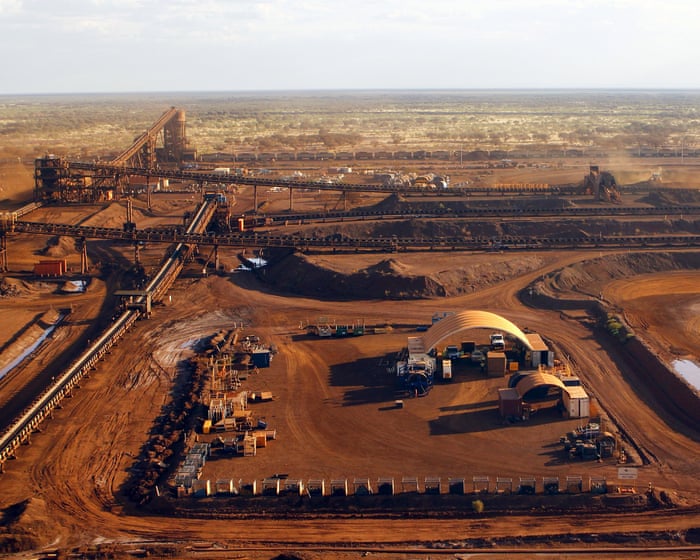
Fortescue, an iron ore mining company, is being sued in a class action by female workers who say they faced sexual harassment, violence, and retaliation at remote mine sites. The lawsuit covers incidents from 2006 to 2025 and claims the company did not protect women from discrimination and harassment.
Key Facts
The lawsuit was filed in federal court in Victoria by law firm JGA Saddler and funded by Aristata Capital.
Allegations include serious sexual assaults and everyday harassment, such as a woman being attacked in a dark alley and another finding a stranger in her room.
Female workers reported theft of their underwear from on-site laundries, raising safety concerns.
Fortescue’s mines are located in remote Western Australia, with workers living in on-site accommodation villages during their shifts.
Fortescue stated it is committed to a safe, respectful workplace and declined to comment on the lawsuit pending legal proceedings.
This is the third class action against a major mining company for sexual harassment, after similar cases against BHP and Rio Tinto.
Lawyers say the mining industry has ongoing problems with sexual harassment and discrimination against women, especially at remote sites.
The company is asked to improve policies and enforcement to better protect female workers.
Read the Original
Want the full story? Tap a source to open the original
article.
Ferrari's marketing chief, Enrico Galliera, is leaving the company after 16 years. His departure comes a few weeks after the launch of Ferrari's first all-electric car, the Luce, which received strong public criticism.
Key Facts
Enrico Galliera served as Ferrari's chief marketing and commercial officer since 2010.
Galliera will be replaced by Massimiliano Di Silvestre, former BMW Italy head, starting in July.
Ferrari thanked Galliera and said he decided to pursue a new career path, a choice agreed with the company.
The Ferrari Luce, the brand’s first fully electric car, was unveiled in May and faced heavy criticism.
The Luce was designed by Sir Jony Ive, known for designing the iPhone.
The car’s appearance was criticized by notable figures, including Italy’s deputy prime minister Matteo Salvini.
After the Luce’s launch, Ferrari’s shares dropped by 8% in one day.
Galliera helped manage Ferrari’s customer selection process and was involved in major company events like launching the LaFerrari hybrid and Ferrari’s stock listings.
Read the Original
Want the full story? Tap a source to open the original
article.
The UK government will reduce VAT on tickets for family attractions and children's meals during the summer holidays to make visits cheaper. This tax cut starts Thursday and will last until September 1, aiming to help families save money and encourage more visits.
Key Facts
VAT on children's meals and children's tickets at cinemas, theatres, and other shows will drop from 20% to 5%.
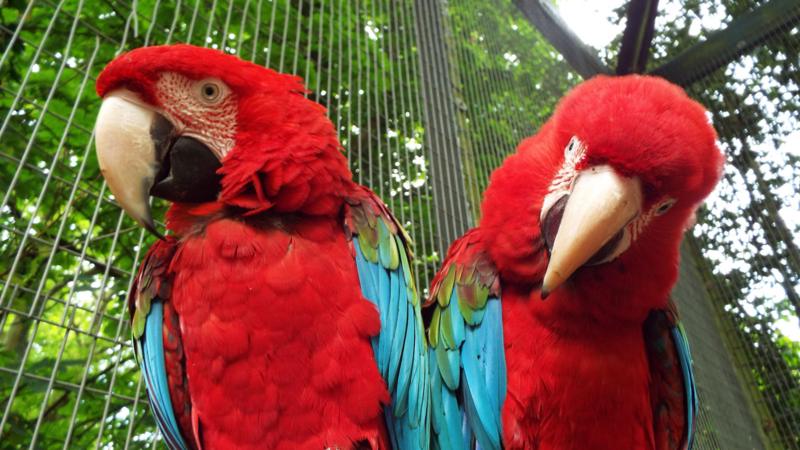
Tickets for family attractions like Birdworld will also have VAT cut from 20% to 5%.
The tax cut is part of the Great British Summer Savings scheme.
The discount is expected to be passed on to customers, making visits cheaper.
The scheme runs until September 1, covering the school summer holidays.
James Robson, general manager of Birdworld, supports the move but wants longer-term tax relief for attractions.
Caroline Cooney from Hobbledown said the scheme helps families facing financial pressures.
The goal is to make family experiences more affordable and accessible during summer.
Read the Original
Want the full story? Tap a source to open the original
article.
Karl Stefanovic will not appear on his Friday radio show with Eddie McGuire after criticism of his interview with UK far-right activist Tommy Robinson. ARN Media is reviewing Stefanovic’s contract due to threats of an advertising boycott, and Nine Entertainment is expected to end its relationship with Stefanovic.
Key Facts
Karl Stefanovic recently started co-hosting The Long Weekend on Gold FM with Eddie McGuire.
Stefanovic’s interview with Tommy Robinson faced widespread criticism.
Advertisers threatened to boycott if Stefanovic continued, leading to a contract review.
ARN Media confirmed McGuire will host the show alone on Friday.
Nine Entertainment is likely to end its contract with Stefanovic but has not announced details.
Stefanovic was expected to appear on Friday’s show from the UK but now will not.
ARN Media said Stefanovic’s podcast is a personal project and not connected to the company.
ARN is still recovering from a $12 million legal case with another star, Kyle Sandilands.
Read the Original
Want the full story? Tap a source to open the original
article.
A court case in Germany challenges the practice of paying disabled workers in sheltered workshops less than the minimum wage because they are not considered employees. Around 300,000 disabled people work in these workshops, and the case could impact their pay and rights.
Key Facts
About 300,000 disabled people in Germany work in sheltered workshops.
Workers in these workshops are paid less than the legal minimum wage.
They are not officially employees, so minimum wage laws and some other rights do not apply.
Jürgen Linnemann, a 57-year-old disabled worker, is seeking legal recognition as an employee with the right to minimum wage.
The sheltered workshop system often keeps disabled people segregated from mainstream jobs.
Many disabled people are placed in these workshops after attending special schools.
German companies must hire a minimum number of disabled workers or pay compensation into a fund.
Some companies pay the compensation fee instead of hiring, and outsourcing to workshops reduces the fee they pay.
Fewer than 1% of disabled workers move from workshops to regular jobs.
Read the Original
Want the full story? Tap a source to open the original
article.
James Reed, a recruitment expert with 30 years of experience, offers advice on how to improve job applications and get hired in a competitive market. He explains how to handle AI screening, gain experience, and improve skills like communication and teamwork.
Key Facts
Graduate job openings have dropped from around 180,000 to 50,000 in the past few years.
Many companies use AI software to review job applications before a person sees them.
Job seekers should match their CV and cover letter to the job description without lying.
Gaining experience through temporary work, volunteering, or free online courses helps even if it is not a full-time job.
Using AI tools to help write CVs can be good, but make sure the final document feels personal and unique.
Employers value skills in communication, working well with others, and being resilient during challenges.
It's important to prepare for common interview questions like "tell me about yourself" to make a good impression.
Reed stresses showing your personality in applications and being persistent despite job search difficulties.
Read the Original
Want the full story? Tap a source to open the original
article.
The UK government has temporarily lowered the VAT (a type of sales tax) on theme parks, zoos, museums, kids' meals, and family tickets on entertainment from 20% to 5% for the summer holidays. This change starts on 25 June and lasts until 1 September, aiming to reduce costs for families during school breaks, though some doubt how much money customers will actually save.
Key Facts
The VAT cut applies to tickets at theme parks, zoos, museums, cinemas, theatres, concerts, shows, exhibitions, adventure parks, nature reserves, and wildlife parks.
VAT on children’s meals in restaurants is also reduced from 20% to 5%.
The temporary tax cut begins on 25 June and ends on 1 September.
Families will also get unlimited free bus travel for children aged 5 to 15 in England during August.
The scheme is expected to cost the government around £300 million.
Businesses can decide whether to pass the savings on to customers; some chains like Wetherspoons, Greene King, and Nando’s will lower prices.
Some people, including business owners and families, are concerned the savings will be small or not passed on, and that the short duration causes extra costs for businesses reprogramming systems.
The government also mentioned other support measures like frozen prescription charges, frozen rail fares, and energy bill help.
Read the Original
Want the full story? Tap a source to open the original
article.
Polymarket started an internal investigation after The Wall Street Journal reported that the company paid content creators to share videos about winning bets that were not real. This report raised concerns about potentially misleading marketing practices.
Key Facts
Polymarket is being investigated for its marketing methods.
The Wall Street Journal published a report claiming Polymarket paid people to post false winning bet videos.
The videos featured bets that never actually happened.
The report was brought to light by Caitlin Ostroff, a journalist from The Wall Street Journal.
Polymarket responded by launching its own probe into the matter.
The issue involves possible deceptive advertising to attract customers.
Read the Original
Want the full story? Tap a source to open the original
article.
A London auction of billionaire Joe Lewis's private art collection raised $392.6 million, led by a painting by Amedeo Modigliani that set a European auction record. The sale included 48 artworks by famous artists such as Picasso, Magritte, and Klimt.
Key Facts
The Modigliani painting "Nu assis au collier" sold for $63.9 million, the highest price ever for the artist at a European auction.
The auction featured 48 works from Joe Lewis's collection, including pieces by Picasso, René Magritte, Gustav Klimt, Lucian Freud, and Egon Schiele.
Gustav Klimt’s portrait "Bildnis Gertrud Loew" sold for $47.9 million to a private collector from Asia.
Lucian Freud’s "Sleeping by the Lion Carpet" sold for $38.8 million; it had been part of Lewis’s collection since 1996.
Joe Lewis, once majority owner of Tottenham Hotspur football club, transferred his stake to a family trust in 2022.
The second part of the auction will include Picasso’s 1938 painting "Buste de femme", estimated at £12-18 million.
The previous record for a single private collection auction in Europe was set in 2009 by Yves Saint Laurent’s collection, which sold for about £333 million.
Recent art auctions in New York also set record prices for other famous artists earlier this year.
Read the Original
Want the full story? Tap a source to open the original
article.