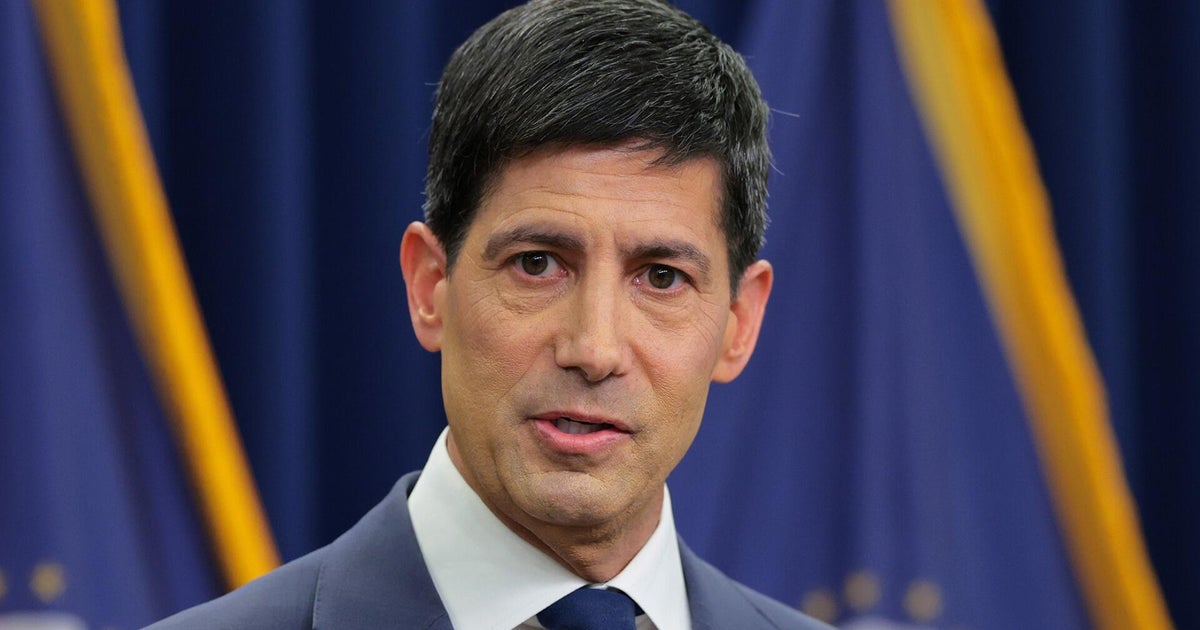
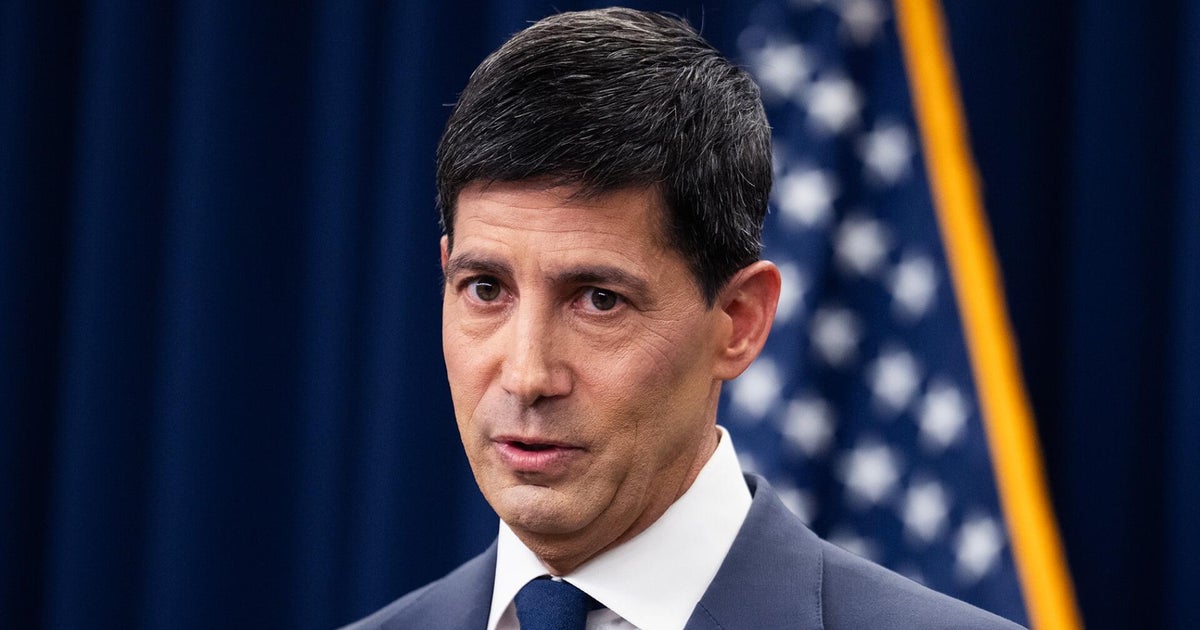
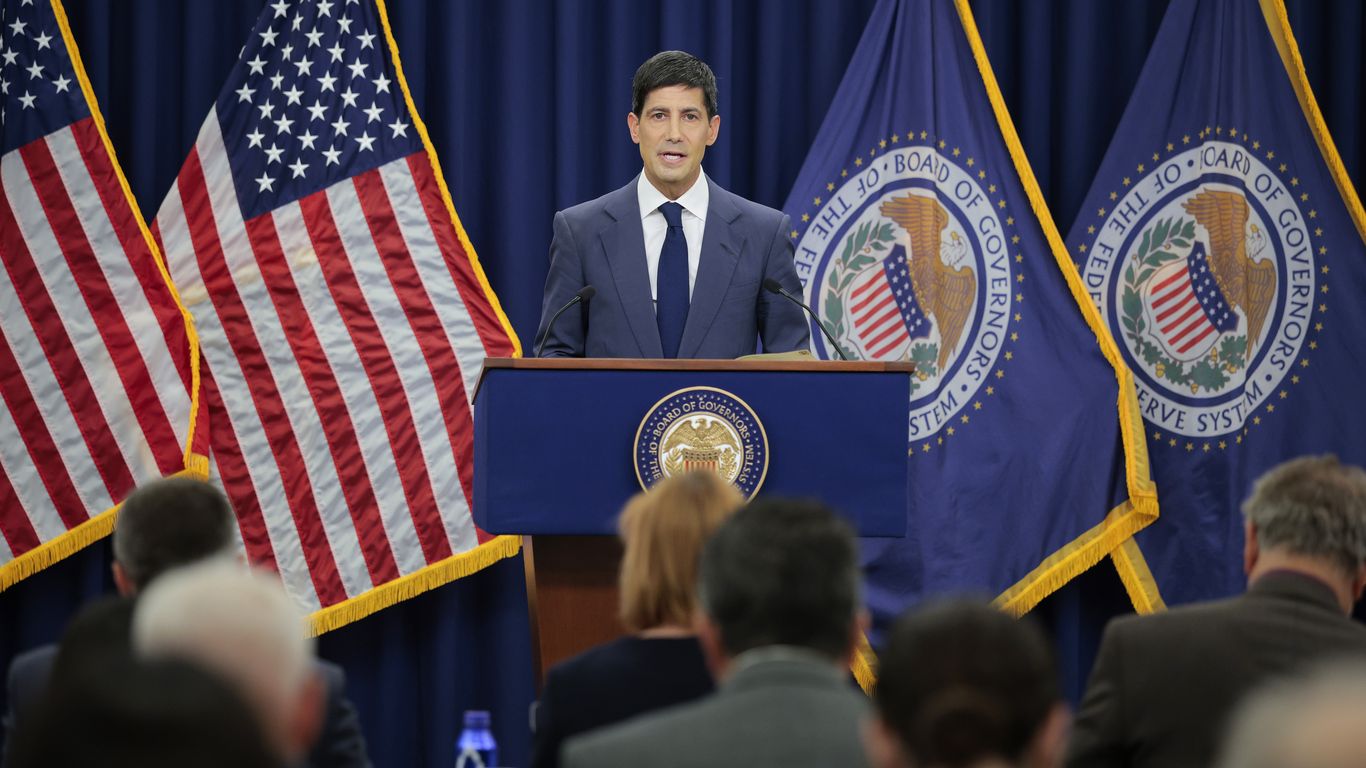
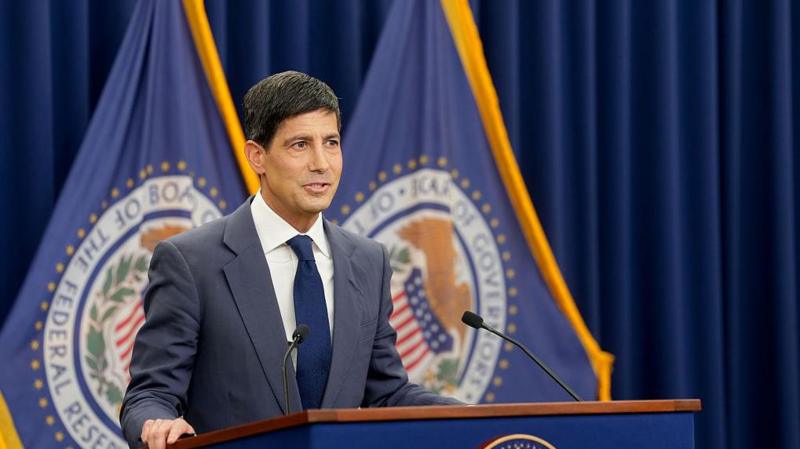
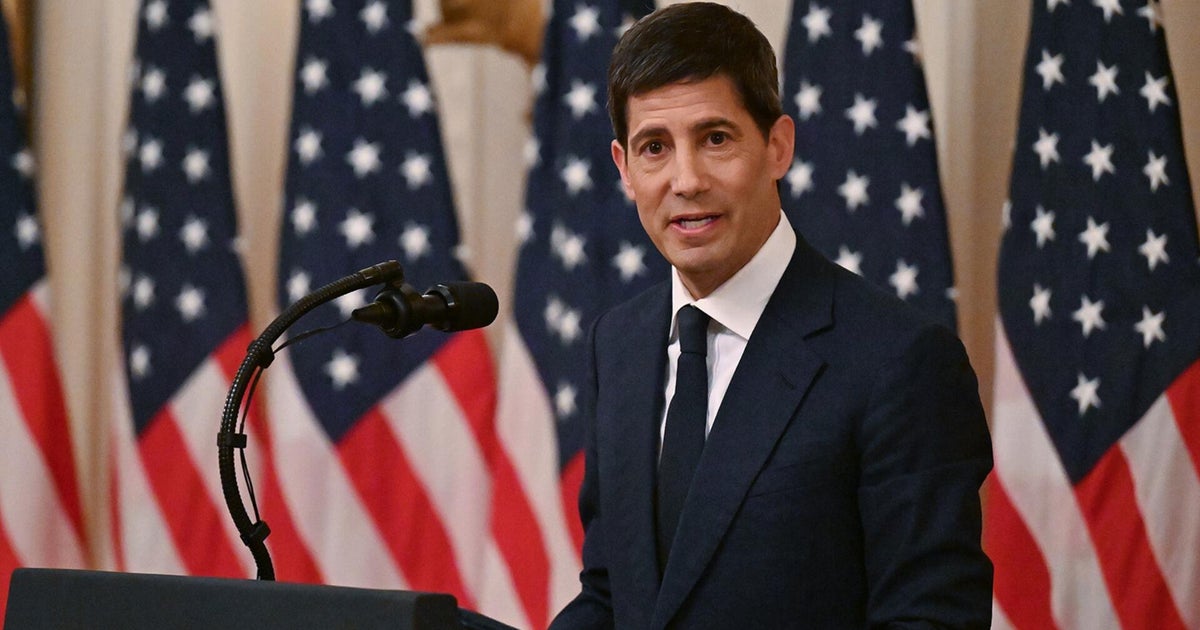
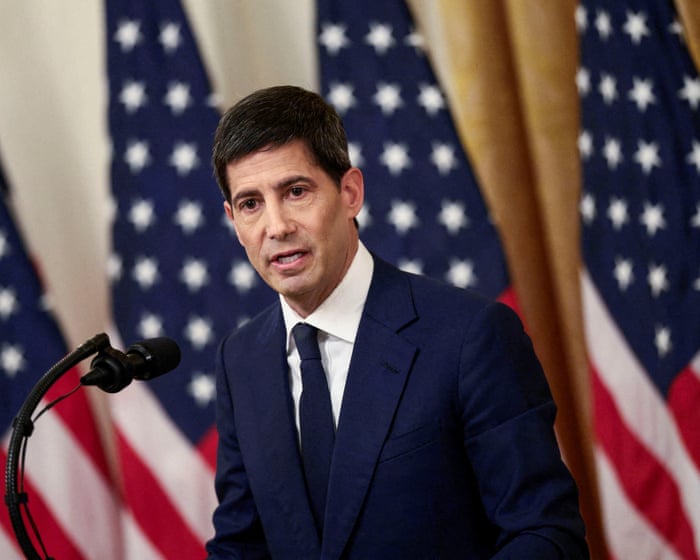
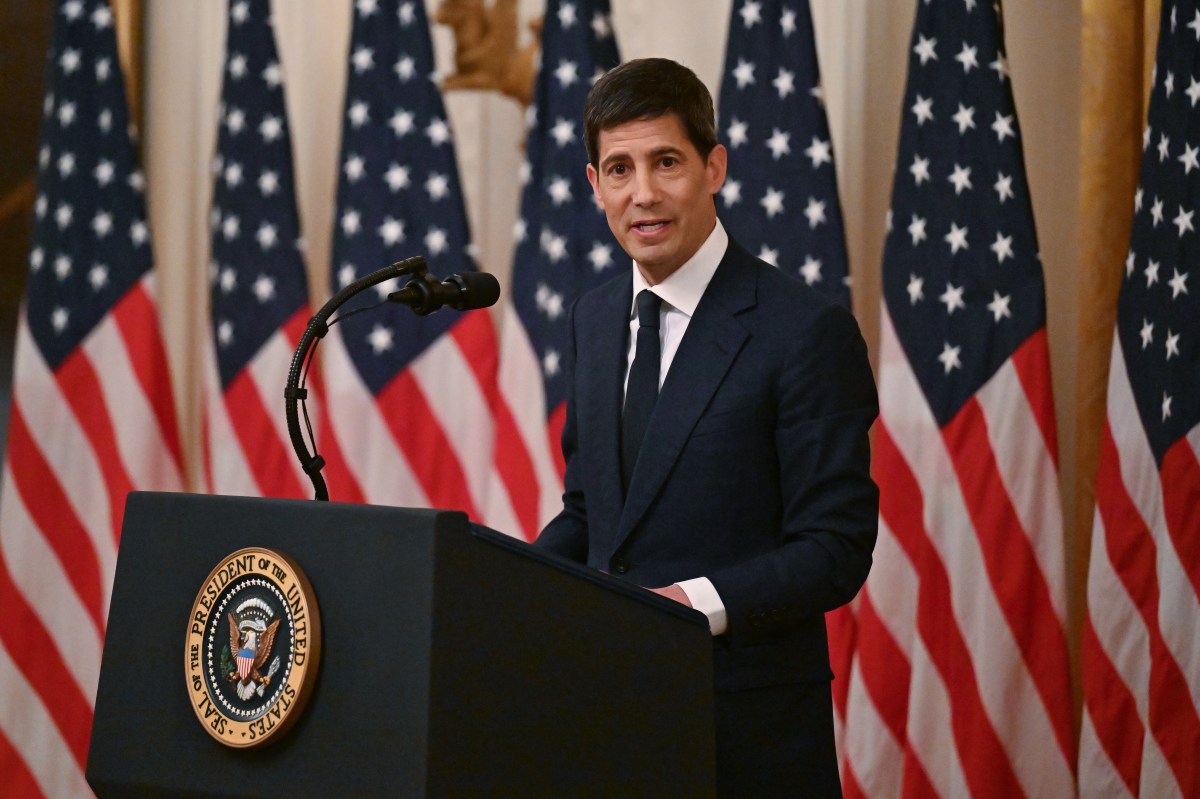
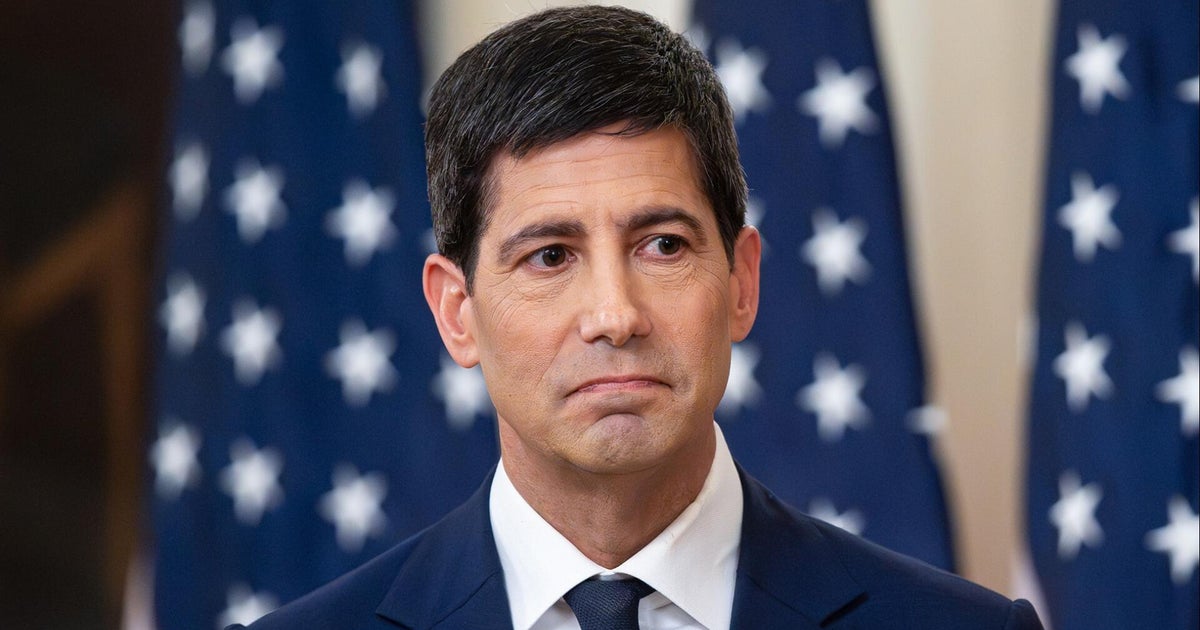
The Federal Reserve decided to keep interest rates the same in its latest meeting. This was the first decision made with Kevin Warsh as the new chair of the Federal Reserve.
Key Facts
The Federal Reserve voted to keep interest rates unchanged.
The vote was unanimous, meaning all members agreed.
This is the first interest rate decision under Chair Kevin Warsh.
The decision was announced on a Wednesday.
The Federal Reserve controls interest rates to manage the economy.
CBS News correspondent Kelly O'Grady reported on this event.
Read the Original
Want the full story? Tap a source to open the original
article.
VIVATECH 2026 is a major European event focused on startups and new technology. The event highlights how artificial intelligence (AI) is changing business models and daily life. Amazon Web Services introduced a new AI shopping helper and discussed what jobs AI can do and efforts to increase women leaders in tech.
Key Facts
VIVATECH is Europe’s biggest event for startups and innovation.
A key topic is how AI will influence business and everyday life.
Amazon Web Services revealed a new AI shopping assistant tool.
AI can perform some jobs but not all, and people are exploring its limits.
There is a focus on increasing the number of women leaders in Silicon Valley tech companies.
The event featured interviews with important tech leaders like Amazon’s Julia White.
AI is driving new business models and changes in freelance hiring.
The article also mentions related business and technology news but focuses mainly on AI’s role at VIVATECH.
Read the Original
Want the full story? Tap a source to open the original
article.
The Federal Reserve decided not to change its main interest rate during its recent meeting. This was the first meeting with Kevin Warsh serving as the new chair of the Federal Reserve. Following the announcement, the Dow Jones stock market index dropped.
Key Facts
The Federal Reserve kept the benchmark interest rate steady.
This was the first meeting with Kevin Warsh as chair of the Federal Reserve.
The decision was announced on a Wednesday.
The Dow Jones stock market index fell after the announcement.
The report was from the New York Stock Exchange.
The Federal Reserve uses interest rates to help control the economy by influencing borrowing costs.
No rate increase or decrease was made at this meeting.
Read the Original
Want the full story? Tap a source to open the original
article.
California state regulators accused AT&T of lying to the Federal Communications Commission (FCC) about shutting down its old copper phone network without giving a proper replacement. The state says AT&T wants to replace wired phone lines with wireless service, but wireless service does not fully cover indoor areas or meet quality and safety needs.
Key Facts
AT&T wants to stop providing phone service over its old copper network to about 199,000 customers in California.
California’s Public Utilities Commission disagrees, saying AT&T is allowed to upgrade copper lines to fiber optics but can't just switch to wireless services.
AT&T claims state rules force it to keep the copper lines, but California denies this is true.
AT&T tried to get the FCC to override California’s rules to allow the shutdown of copper lines.
California says wireless service does not provide reliable indoor voice coverage needed to replace wired phone service.
The FCC’s broadband and LTE coverage maps show outdoor coverage, not indoor or reliable voice coverage.
Lack of guaranteed service quality, price concerns, and 911 emergency service access are issues with wireless replacement.
California’s 2008 policy encourages fiber upgrades to improve service rather than delaying them with restrictions on copper line retirement.
Read the Original
Want the full story? Tap a source to open the original
article.
A money market account with $35,000 can earn around 3.9% interest, resulting in about $1,365 after one year if rates stay the same. These accounts offer easy access to money, allowing check writing and payments, unlike certificates of deposit (CDs), which lock funds.
Key Facts
Money market accounts currently offer around a 3.9% interest rate.
A $35,000 deposit can earn about $336 in 3 months, $676 in 6 months, $1,019 in 9 months, and $1,365 in one year.
Interest rates may change, but are expected to remain relatively stable.
Money market accounts allow flexible access, including writing checks and making payments.
CDs have fixed terms and lock in money, making them less flexible.
High-yield savings accounts offer similar rates but usually lack check-writing features.
Savers can compare rates and terms online to find the best money market account.
These accounts combine the benefits of savings and checking accounts in one place.
Read the Original
Want the full story? Tap a source to open the original
article.
Tesco is moving 40,000 server workloads away from VMware products after Broadcom took over VMware and refused to honor previous license agreements. Tesco sued Broadcom for breach of contract, claiming Broadcom raised prices unfairly and stopped essential support, forcing Tesco to find costly alternative software.
Key Facts
Tesco bought perpetual VMware licenses and support until 2026, with options to extend support.
Broadcom acquired VMware in November 2023 and would not honor Tesco’s original license deal.
Broadcom demanded higher prices and required Tesco to buy new subscription licenses to get support.
Tesco stopped receiving support from Broadcom in January and has paid third parties for help since.
Tesco faces operational risks and extra costs due to the forced migration from VMware software.
The new virtualization software Tesco is moving to does not work with some current data security tools.
Tesco seeks at least £100 million (about $133.6 million) in damages from Broadcom and others.
The court case is scheduled to proceed between November 2027 and February 2028.
Read the Original
Want the full story? Tap a source to open the original
article.
The Federal Reserve kept interest rates steady between 3.5% and 3.75% during Kevin Warsh’s first meeting as chairman. Warsh announced plans to simplify how the Fed communicates and said many officials now expect rate increases this year due to rising inflation.
Key Facts
The Federal Reserve's main interest rate target stayed unchanged for the fourth meeting in a row.
Kevin Warsh is the new Fed chairman and is making changes to how the Fed shares information.
The Fed's policy statement was shortened from 341 words to 130 words.
Warsh will lead five task forces to review key Fed policies like communication, balance sheet, and inflation methods.
The economy is growing steadily but faces uncertainty partly due to the conflict in the Middle East.
Inflation is higher than expected, with the Personal Consumption Expenditures price index forecasted to rise 3.6% this year.
More Fed officials now believe interest rates will need to rise, while fewer expect rate cuts.
President Trump appointed Warsh, hoping for lower rates, but rising inflation has complicated this goal.
Read the Original
Want the full story? Tap a source to open the original
article.
Airbnb is offering free tickets to 2026 FIFA World Cup matches with select rentals in all 16 host cities across the U.S., Mexico, and Canada. This promotion allows travelers to book accommodation and match tickets together, helping fans avoid FIFA’s competitive ticket process and possibly boosting bookings in cities with lower travel demand.
Key Facts
Airbnb’s offer includes free 2026 World Cup tickets with certain rental bookings in all 16 host cities.
The promotion runs during the tournament in June and July 2026.
Not all Airbnb listings qualify; eligible ones show a soccer ball icon in search results.
Airbnb plans to give away more than 1,300 tickets through this program.
Each guest in a qualifying booking receives one ticket, up to the maximum occupancy of the rental.
World Cup ticket prices vary widely, from about $60 for early games to thousands of dollars for finals.
The bundled offer may help travelers avoid high and fluctuating ticket prices set by FIFA’s dynamic pricing.
Airbnb is also offering separate World Cup-related experiences, like events with former players, but these do not include match tickets.
Read the Original
Want the full story? Tap a source to open the original
article.
The Federal Reserve decided to keep US interest rates between 3.5% and 3.75% after its latest meeting. This decision came amid ongoing uncertainty about President Donald Trump's deal with Iran and rising inflation currently at 3.8%.
Key Facts
The Federal Reserve held interest rates steady rather than raising or lowering them.
Kevin Warsh led the Fed's meeting for the first time as head of the central bank.
Inflation in the US is currently running at 3.8%, which is above the Fed’s target.
The US-Israel war in Iran has contributed to inflation by increasing energy prices.
President Trump has pushed for interest rate cuts to boost the economy.
The Fed’s statement was shorter and more straightforward than before, reflecting Warsh’s communication style.
Nine out of 18 Fed officials expect interest rates may rise later this year.
The Fed aims to maintain price stability despite economic uncertainties linked to the Middle East conflict.
Read the Original
Want the full story? Tap a source to open the original
article.
The "Devil Wears Prada" movie series has made more than $1 billion in ticket sales worldwide. This milestone was reached after the second movie earned $676 million nearly 20 years after the first film was released.
Key Facts
The franchise has crossed $1 billion in total global box office earnings.
"The Devil Wears Prada 2" alone made $676 million around the world.
The second film's earnings helped push the franchise over the $1 billion mark.
The original "The Devil Wears Prada" movie came out about 20 years ago.
The franchise's success is measured by ticket sales internationally.
This milestone shows the lasting popularity of the movie series.
Read the Original
Want the full story? Tap a source to open the original
article.
Gold prices have fallen about 22% since January 2026, making it a more affordable investment option in June. Inflation is currently high, and gold is often used to protect against inflation, which makes this a timely moment to consider adding gold to an investment portfolio.
Key Facts
Gold price dropped from $5,589.38 per ounce in January 2026 to $4,344.90 in June 2026.
This 22% decrease creates an affordable opportunity to buy gold now.
Historically, gold prices tend to rise over time despite short-term drops.
Experts recommend keeping gold investments to no more than 10% of a total portfolio.
Lower prices mean investors can afford full 1-ounce gold bars or coins, instead of only fractional ones.
Other gold investment options include Gold IRAs (Individual Retirement Accounts) and Gold ETFs (Exchange-Traded Funds).
Inflation is at 4.2%, the highest since April 2023, above the Federal Reserve’s 2% target.
Gold can help protect investments during high inflation and economic downturns.
Read the Original
Want the full story? Tap a source to open the original
article.
The Federal Reserve decided to keep interest rates the same in its first vote led by new chair Kevin Warsh. This means the cost to borrow money will not change for now.
Key Facts
Kevin Warsh is the new chair of the Federal Reserve.
The Fed's board voted not to change interest rates in their latest meeting.
This was the first interest rate decision under Chair Warsh’s leadership.
Keeping rates unchanged means borrowing costs stay steady for businesses and consumers.
The Federal Reserve uses interest rates to influence the economy and control inflation.
No details were provided about any future plans for changing rates soon.
CBS News reporter Kelly O’Grady covered the story.
Read the Original
Want the full story? Tap a source to open the original
article.
The US Federal Reserve kept interest rates steady at 3.5% to 3.75% for the fourth time this year in its first meeting under new chair Kevin Warsh, an appointee of President Trump. Inflation remains high due to rising energy prices from the Middle East conflict, but the Fed removed its previous signal that it was planning to cut rates soon.
Key Facts
The Federal Reserve's interest rate stayed unchanged at 3.5% to 3.75%.
Kevin Warsh began his term as Fed chair during economic uncertainty and inflation pressures.
Inflation rose to 4.2%, mainly due to higher energy prices caused by the Middle East conflict.
The Fed removed its “easing bias,” which meant it was no longer signaling rate cuts in the near future.
Core inflation, which excludes food and energy, increased mildly to 2.9% yearly.
The US unemployment rate stayed steady at 4.3%, showing a relatively strong labor market.
President Trump supports lower rates but said he does not want to influence Warsh’s decisions.
Jerome Powell, the previous Fed chair, faced political pressure and investigation over Fed spending, which he called a tactic to push for rate cuts.
Read the Original
Want the full story? Tap a source to open the original
article.
The Federal Reserve has decided to keep interest rates steady between 3.50% and 3.75%. This is the first rate decision by the new Fed chair, Kevin Warsh, as the U.S. faces ongoing inflation near 4.2% and economic uncertainties.
Key Facts
The Fed’s benchmark interest rate affects borrowing costs for things like mortgages, credit cards, and car loans.
Higher interest rates usually slow down inflation but make borrowing more expensive.
Lower interest rates encourage spending but can cause prices to rise too fast.
The U.S. inflation rate recently hit about 4.2%, the highest in over three years.
The U.S. economy is currently strong, with steady job growth and consumer spending despite global concerns like the conflict in the Middle East.
The Federal Open Market Committee voted 12-0 to keep rates unchanged in this meeting.
Maintaining rates means borrowing costs likely will stay high, which may delay financial relief for consumers.
Fed Chair Kevin Warsh is watching inflation closely but may face challenges lowering rates due to current economic conditions.
Read the Original
Want the full story? Tap a source to open the original
article.
The Federal Reserve decided not to change interest rates at its first meeting led by Chair Kevin Warsh. The main interest rate stayed between 3.5% and 3.75%.
Key Facts
The Federal Reserve kept interest rates steady at its latest meeting.
This was the first rate meeting with Kevin Warsh as the new Fed Chair.
The decision was unanimous among the Federal Open Market Committee members.
The current interest rate range is 3.5% to 3.75%.
Kevin Warsh was confirmed by the Senate last month before taking the chair position.
The Federal Reserve uses interest rates to influence borrowing, spending, and inflation.
Keeping rates steady suggests the Fed wants to observe economic conditions before making changes.
Read the Original
Want the full story? Tap a source to open the original
article.
The Federal Reserve decided to keep interest rates the same, citing rising inflation caused by higher energy prices linked to the war in Iran. This was the first meeting led by new Fed Chairman Kevin Warsh, who was appointed by President Donald Trump.
Key Facts
The Fed's key interest rate remains between 3.5% and 3.75%.
Inflation in the U.S. is higher than the 2% target set by the Fed.
Higher energy costs from the Iran conflict are pushing inflation up.
Economists expected the Fed to hold rates steady this time.
Kevin Warsh is the new Federal Reserve Chairman, chosen by President Trump.
Warsh’s first task is to align Fed leadership with his plans and reassure markets.
President Trump had urged the previous chairman, Jerome Powell, to lower rates.
The Fed’s actions affect borrowing costs for consumers and businesses.
Read the Original
Want the full story? Tap a source to open the original
article.
The Federal Reserve recently paused interest rate changes for the fourth time in a row. This pause means mortgage rates are likely to stay around current levels instead of dropping soon, influenced more by other factors like inflation and energy prices.
Key Facts
The Fed kept its benchmark interest rate steady at its latest meeting.
This is the fourth consecutive time the Fed has paused rate changes.
Inflation rose to about 4.2% in May, a several-year high, partly due to higher oil prices linked to the conflict with Iran.
Mortgage rates have been near 6.5% this year and are expected to stay mostly stable after the Fed's pause.
Mortgage rates are closely connected to the 10-year Treasury yield, which remains high due to inflation concerns.
Economic reports on inflation and jobs are likely to affect mortgage rates more than the Fed's decisions right now.
Waiting for mortgage rates to drop may be risky, as rates might increase if inflation gets worse.
Borrowers should consider securing mortgage rates that fit their budgets instead of waiting for lower rates.
Read the Original
Want the full story? Tap a source to open the original
article.
The Federal Reserve will hold its first policy meeting under Chairman Kevin Warsh, President Trump’s appointee. The Fed is expected to keep interest rates steady at about 3.6% and may signal a longer period without rate changes, depending on inflation outlook.
Key Facts
Kevin Warsh was sworn in as Federal Reserve Chairman on May 22, 2026.
The Fed’s key interest rate is expected to stay near 3.6% for the fourth meeting in a row.
Warsh’s first Fed meeting and news conference will attract attention from investors, economists, and the White House.
The Fed might change its statement to suggest rates could remain unchanged longer or rise if inflation stays high.
Warsh has a background as an investment banker, previous Fed governor, and conservative think tank fellow.
He favors reducing how much the Fed talks publicly about the economy to avoid locking in policies prematurely.
Critics worry less communication could confuse or upset financial markets and the public.
Warsh previously supported lower interest rates and highlighted AI as a way to lower inflation over time.
Read the Original
Want the full story? Tap a source to open the original
article.
The number of cities in the U.S. where even the cheapest homes cost over $1 million has grown to 242, according to Zillow. California has the most such cities, followed by New York, reflecting ongoing challenges for people trying to buy entry-level homes.
Key Facts
There are now 242 U.S. cities where starter homes cost over $1 million, up from 226 last year.
This number has more than tripled since February 2020.
Starter homes are defined as homes priced in the lowest third for a region.
California has 105 cities with million-dollar starter homes, the highest in the country.
New York has 41 cities with million-dollar starter homes.
High demand during the pandemic, combined with low supply, pushed prices up sharply.
New York City metro area has 63 such cities; San Francisco has 37, Los Angeles 33.
Markets in the Sun Belt states have added more homes, slowing price growth compared to the Northeast.
It currently takes about six years for homeowners to break even versus renting, down from eight years in 2023.
Read the Original
Want the full story? Tap a source to open the original
article.
Carrying unpaid debts into retirement can cause serious money problems. Delinquent debt can freeze bank accounts, force large withdrawals from retirement savings that increase taxes, and hurt credit scores when retirees need financial flexibility most.
Key Facts
Many retirees still carry debts like credit cards, medical bills, and student loans.
Some retirement income, like Social Security and pensions, is protected from most creditors.
Court judgments on delinquent debt can lead to bank account freezes even if benefits were thought safe.
Withdrawals from 401(k) or IRA to pay debt increase taxable income and could raise tax bills and Medicare costs.
Retirees cannot easily replenish retirement savings after large withdrawals because they do not earn a regular paycheck.
Delinquent debt lowers credit scores, making it harder to get loans or refinance mortgages.
Protecting retirement funds requires careful management to avoid mixing protected and unprotected money.
Household debt levels remain high among older Americans entering retirement.
Read the Original
Want the full story? Tap a source to open the original
article.