Wallace “Wallo267” Peeples is an activist, entrepreneur, and podcast co-host who has built a strong following through his work in culture and personal growth. He recently published a book about the importance of saying no to protect one’s time and energy, focusing on personal responsibility and setting clear boundaries.
Key Facts
Wallo267 co-hosts the popular podcast Million Dollaz Worth of Game.
Complex ranked him and his co-host No. 18 on hip-hop media power rankings.
He worked as chief marketing officer for Reform Alliance, a group reforming probation and parole laws.
He is now a culture adviser for YouTube.
Peeples served 20 years in prison and was released in 2017.
His new book is called Yes to You, No to Them: The Discipline of Saying No and the Freedom that Follows.
The book teaches readers to protect their time and energy by learning to say no and take responsibility for their choices.
He believes setting boundaries helps reveal who respects you and who drains your energy.
Read the Original
Want the full story? Tap a source to open the original
article.
A $50,000 certificate of deposit (CD) account can earn between about $487 and $11,420 in interest depending on how long the money is kept in the CD. CD accounts have fixed interest rates around 4% or higher and are insured by the FDIC up to $250,000. High-yield savings and money market accounts are alternative options with flexible rates and no withdrawal penalties.
Key Facts
A $50,000 CD can earn roughly $487 in 3 months and up to $11,420 in 5 years at current rates.
CD interest rates are fixed, meaning the rate stays the same until the account matures.
CDs are protected by FDIC insurance up to $250,000, which covers the $50,000 deposit fully.
Withdrawing money from a CD early may cause a penalty that can reduce or eliminate interest earned.
High-yield savings and money market accounts offer competitive interest rates without locking up money.
Money market accounts often come with check-writing abilities for easier access to funds.
Interest rates on savings and money market accounts can change based on market conditions.
Current higher interest rates make both CDs and alternative accounts more attractive than usual.
Read the Original
Want the full story? Tap a source to open the original
article.
Credit card interest rates are currently very high, averaging around 22%, and borrowers hope for relief. However, experts do not expect the Federal Reserve to lower its main interest rate this week, so credit card rates are unlikely to drop soon.
Key Facts
Credit card interest rates average about 22% right now.
Many people carry balances on their cards, causing interest charges to build up.
The Federal Reserve meeting this week is closely watched for possible interest rate changes.
Most economists do not expect the Fed to lower its main federal funds rate this month.
Without a Fed rate cut, credit card rates usually stay the same because they are tied to the prime rate.
Even if the Fed cuts rates, credit card rates often do not go down quickly or by much.
Credit card companies set rates based on factors like credit scores and payment history.
People with high credit card debt may need to find other ways to reduce costs instead of waiting for rate cuts.
Read the Original
Want the full story? Tap a source to open the original
article.
Analysts are worried that the current high prices of AI-related stocks may not last. They compare the excitement around AI investments to the big internet stock crash in the early 2000s.
Key Facts
Experts are concerned about the high value of AI stocks.
The current market rally is driven by interest in AI technology.
Some see the situation as similar to the dot-com bubble burst.
Speculative excess means investors might be overvaluing companies.
There are potential risks in the AI stock market's future.
Heightened enthusiasm has pushed prices up quickly.
The sustainability of these stock prices is in question.
Read the Original
Want the full story? Tap a source to open the original
article.
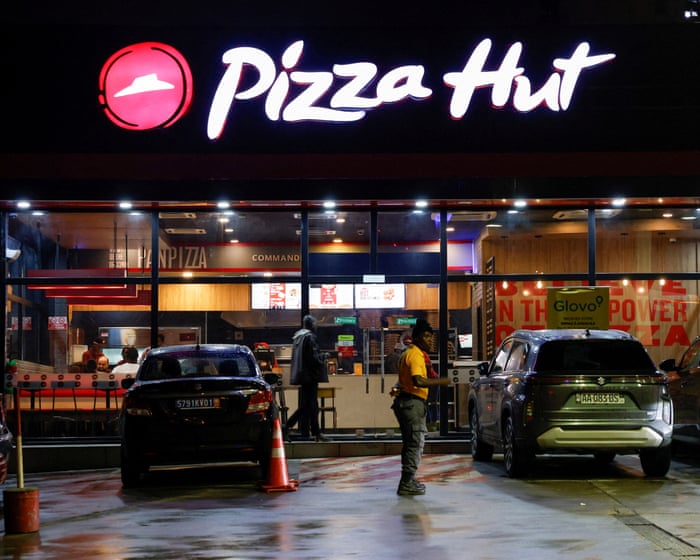
Pizza Hut, a 68-year-old pizza chain owned by Yum Brands, will be sold for $2.7 billion. Yum Brands will sell Pizza Hut's mainland China business separately for about $1.2 billion and the rest to a private equity firm for about $1.5 billion.
Key Facts
Pizza Hut is 68 years old and has been struggling with sales and competition.
Yum Brands owns Pizza Hut, KFC, and Taco Bell.
The sale excludes mainland China’s Pizza Hut, which will be bought by Yum China Holdings Inc.
China is Pizza Hut’s second-largest market after the U.S., making up 19% of sales.
Last year, Pizza Hut’s sales fell by 2%, while Yum Brands’ overall global sales grew by 5%.
Yum Brands plans to close 250 U.S. Pizza Hut locations as part of its efforts.
Pizza Hut has nearly 20,000 restaurants worldwide.
The sale aims to let Yum Brands focus on its stronger-performing brands.
Read the Original
Want the full story? Tap a source to open the original
article.
SpaceX is set to buy Anysphere, the company behind the AI coding app Cursor, for $60 billion. After its recent stock market debut, SpaceX's value rose above Amazon’s, making it the fifth most valuable company in the world.
Key Facts
SpaceX will buy Anysphere, which created the AI coding app Cursor, for $60 billion.
SpaceX recently debuted on the Nasdaq stock market, with shares priced at $135 each.
Since the debut, SpaceX shares have risen roughly 60%, increasing the company’s value to about $2.8 trillion.
This new value made SpaceX more valuable than Amazon, which is worth $2.66 trillion.
Elon Musk, SpaceX’s CEO, became the world’s first trillionaire with a net worth of $1.27 trillion.
SpaceX owns an AI business called xAI, which will benefit from Anysphere’s AI coding technology.
The deal will pay Anysphere in stock, not cash, and is planned to finish by the third quarter of 2026.
SpaceX had an earlier option to buy Anysphere for $60 billion or partner for $10 billion.
Read the Original
Want the full story? Tap a source to open the original
article.
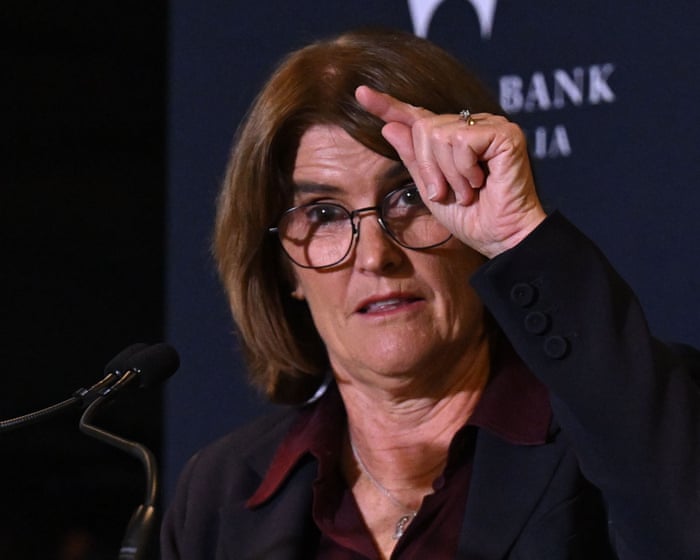
The Reserve Bank of Australia (RBA) kept its cash interest rate at 4.35% after three increases, saying inflation is still too high to stop possible future hikes. The recent ceasefire in the Middle East might help lower oil prices and ease inflation, but the RBA warned it could take time for normal trade to resume and inflation risks remain.
Key Facts
The RBA paused interest rate increases at 4.35% but left the door open for future hikes.
Inflation in Australia is currently 4.2%, above the RBA’s target of 2-3%.
Interest rate hikes have made borrowing more expensive for Australian households.
Unemployment rose to 4.5%, the highest since late 2021, indicating economic slowdown.
Consumer confidence is very low, similar to levels during the COVID-19 pandemic.
The recent ceasefire in the Middle East may help lower global oil prices and ease inflation.
The strait of Hormuz, a key oil shipping route, may take months to fully reopen and restore trade.
The RBA and Australian government remain cautious about economic outlook despite the ceasefire.
Read the Original
Want the full story? Tap a source to open the original
article.
Pizza Hut is being sold in two deals worth a total of $2.7 billion as the brand faces declining sales and stronger competition. LongRange Capital will buy most of the global business, while Yum China Holdings will purchase the Chinese operations separately.
Key Facts
Pizza Hut is 68 years old and started in Wichita, Kansas, in 1958.
The global sale price totals approximately $2.7 billion.
LongRange Capital will buy about $1.5 billion of Pizza Hut’s global business.
Yum China Holdings will buy the China operations for about $1.2 billion.
China is Pizza Hut’s second-largest market after the U.S., making up nearly 20% of sales.
Pizza Hut's global sales dropped 2% last year amid changing consumer habits and more delivery-focused competitors.
The chain is closing 250 U.S. locations to focus on more modern, profitable sites.
Pizza Hut has nearly 20,000 restaurants worldwide.
Read the Original
Want the full story? Tap a source to open the original
article.
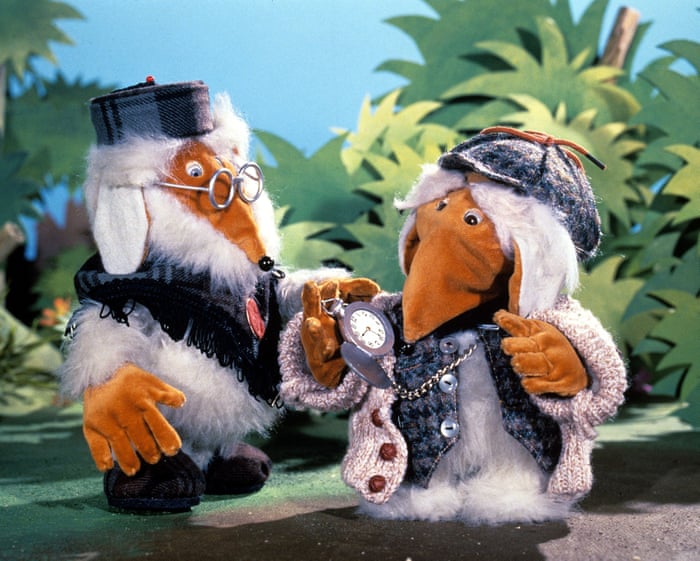
The Wombles, popular characters known for picking up litter, are returning after nearly 30 years. The Blair Partnership now controls the brand’s rights and plans new TV shows, films, games, and other projects to reach both adults and children.
Key Facts
The Wombles were created in the late 1960s by Elisabeth Beresford and became famous through a BBC TV show in the 1970s.
The characters promote environmental care with the motto “Make Good Use of Bad Rubbish.”
The Blair Partnership has consolidated the brand’s intellectual property rights and is leading its global development.
New projects include a YouTube channel, live-action shows, digital games, audio productions, and live events.
The Wombles Community Charity supports recycling and litter-picking with over 250 groups and 50,000 volunteers.
The charity runs campaigns like “Be More Womble” to encourage community support and partners with hospitals to recycle clinical waste.
The Wombles have a history of TV shows, films, stage productions, and merchandise that have kept them popular in the UK.
The revival targets both nostalgic adults and a new generation of children, with a strong focus on environmental themes.
Read the Original
Want the full story? Tap a source to open the original
article.
French department store BHV Marais will end its partnership with the fast-fashion company Shein after selling its Paris store to a new group of managers. Shein opened a shop in the store in November 2025, but faced criticism for environmental harm, worker issues, and selling childlike sex dolls online. The change in ownership means Shein will likely leave BHV Marais by Christmas 2026.
Key Facts
BHV Marais sold its Paris store to a group of executives, including the current CEO who will step down.
Shein opened its first permanent shop inside BHV Marais in November 2025.
There was public backlash against Shein for its fast-fashion model and environmental impact.
Shein was also criticized for selling childlike sex dolls online, which it then removed globally.
Around 100 brands left BHV Marais after Shein arrived, citing opposition or unpaid invoices.
France fined Shein over 22 million euros in June 2026 for product and delivery issues, totaling more than 210 million euros in fines.
Shein will "ideally" leave BHV Marais by Christmas 2026 following the store’s sale.
SGM, the operating company, will keep control of seven other stores, five of which also host Shein shops.
Read the Original
Want the full story? Tap a source to open the original
article.
Mortgage interest rates have decreased in June 2026 after rising earlier this year due to global events like the war with Iran and higher oil prices. As of June 16, the average rate for a 30-year mortgage is 6.37%, which is lower than last month, and refinancing rates have also fallen.
Key Facts
The average 30-year mortgage rate is 6.37% as of June 16, 2026, down from 6.62% in May.
The 15-year mortgage rate is 5.87%, also lower than the 6% rate from last month.
The average 30-year refinance rate is 6.70%, down from 6.87% in May.
The 15-year refinance rate is 5.79%, reduced from 6% the previous month.
Mortgage rates fell after earlier increases driven by the war with Iran, rising oil prices, and inflation.
The Federal Reserve’s upcoming meeting might further influence mortgage rates, possibly leading to rate cuts.
Borrowers are advised to shop around and consider alternative ways to secure lower mortgage rates.
Refinancing may be cost-effective only if borrowers stay in their home long enough to recoup closing costs.
Read the Original
Want the full story? Tap a source to open the original
article.
Yum! Brands is selling the Pizza Hut chain in two deals worth a total of $2.7 billion. The sale splits Pizza Hut between a private equity firm and Yum China Holdings, as the chain has faced declining sales and competition.
Key Facts
Pizza Hut will be sold for $2.7 billion by its parent company Yum! Brands.
The sale is split into two parts: LongRange Capital buys Pizza Hut outside mainland China for about $1.5 billion.
Yum China Holdings will buy Pizza Hut in mainland China for around $1.2 billion.
Pizza Hut has struggled with outdated stores and closing over 250 U.S. locations.
Founded in 1958, Pizza Hut was once owned by PepsiCo before Yum! Brands was created.
Yum! Brands also owns KFC and Taco Bell.
The sale allows Yum! Brands to focus on its more successful brands.
The transactions are expected to close in the third quarter of the year.
Read the Original
Want the full story? Tap a source to open the original
article.
The Medication Affordability and Patent Integrity Act proposes new rules for biotech companies. These rules could slow down the development of new medicines but are not expected to reduce the cost of prescription drugs.
Key Facts
The act aims to regulate biotech companies more strictly.
It would add new requirements and delays to developing treatments.
The law targets the process of creating new medicines.
It does not include measures to lower drug prices.
Biotech companies could face greater challenges meeting the rules.
The goal of lowering prescription drug costs is not addressed by this act.
Read the Original
Want the full story? Tap a source to open the original
article.
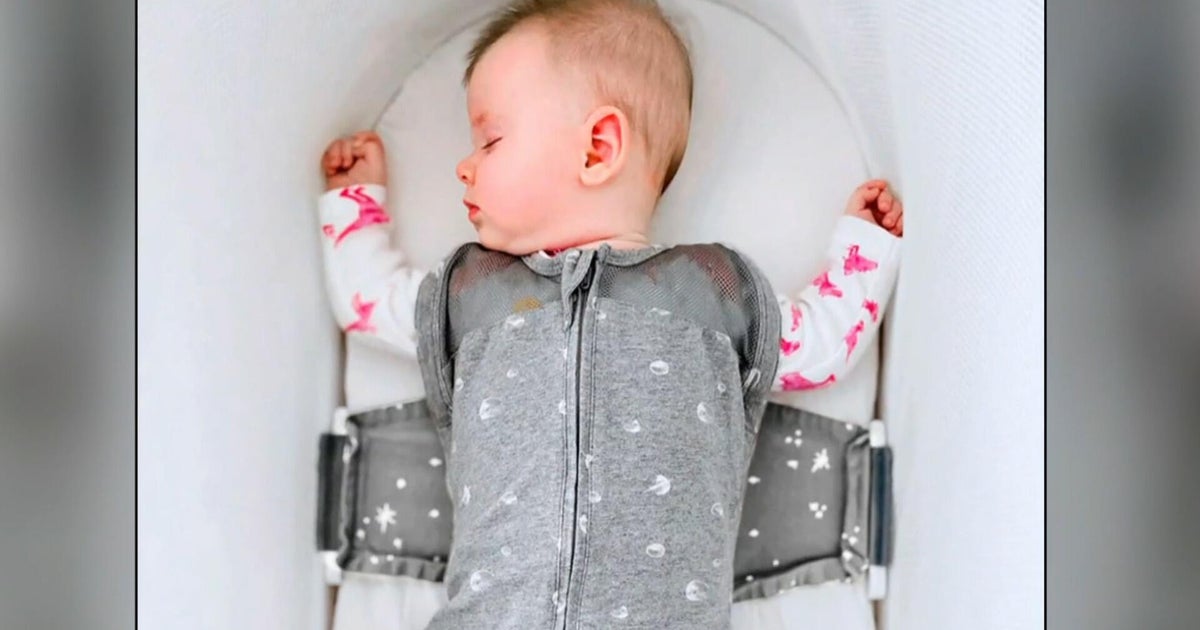
The FDA sent a warning letter to Happiest Baby Incorporated about their popular baby bassinet called the SNOO. The FDA said the company sold some products that were not approved and found some dirty or unsafe conditions.
Key Facts
The FDA is a government agency that checks if products are safe and follow rules.
Happiest Baby Incorporated makes a baby bassinet named the SNOO.
The FDA said the company sold products without proper approval.
The FDA found unsanitary, meaning dirty or unsafe, conditions at the company.
The company received a formal warning letter from the FDA.
The FDA's actions aim to protect babies and families who use these products.
Read the Original
Want the full story? Tap a source to open the original
article.
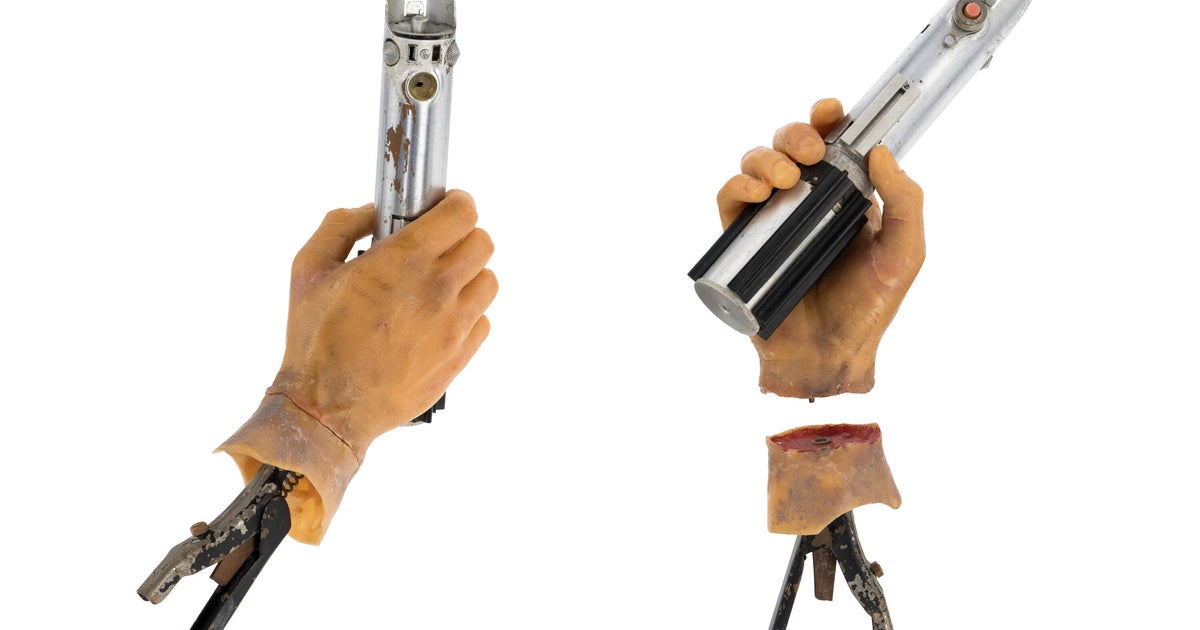
Famous movie props, including a real "Star Wars" light saber used by Luke Skywalker, will be sold at a big auction in New York. The auction features items from classic films like "The Wizard of Oz," "Rocky," and "Back to the Future II," and runs from July 13 to 17.
Key Facts
A light saber used by Mark Hamill as Luke Skywalker in "The Empire Strikes Back" will be auctioned, starting at $1 million.
Costume hats from "The Wizard of Oz" and "Willy Wonka and the Chocolate Factory" will also be available, starting at $100,000 and $50,000 respectively.
Boxing boots worn by Sylvester Stallone in "Rocky III" will be auctioned with a starting bid of $100,000.
Two rugs from "The Big Lebowski" that play important roles in the movie will be sold, opening bids at $15,000 each.
Other items include a Paul Newman hockey jersey from "Slap Shot," a necklace from "The Bride of Frankenstein," and an inflatable autopilot from "Airplane."
John Lennon’s handwritten lyrics for his song "If I Fell" will also be part of the auction.
The auction is organized by Heritage Auctions in New York and covers a wide range of film and music memorabilia.
The auction runs from July 13 through July 17.
Read the Original
Want the full story? Tap a source to open the original
article.
The chair of Fujitsu, Hidenori Furuta, resigned after the company’s board learned of his inappropriate behavior involving a woman. Fujitsu, a major Japanese tech firm involved in a UK Post Office software scandal, is facing ongoing challenges including leadership changes and legal settlements.
Key Facts
Fujitsu’s chair, Hidenori Furuta, resigned in June 2024 due to “woman-related inappropriate conduct.”
The board withdrew Furuta’s nomination as a director at the upcoming shareholders’ meeting.
Fujitsu provided faulty software for the UK Post Office, causing wrongful accusations and convictions of hundreds of post office workers.
The company is negotiating a settlement with the UK government but has not yet paid toward the £1.5 billion compensation.
The faulty Horizon accounting system is set to be replaced by new software from Accenture and OneView Commerce.
Fujitsu is Japan’s largest IT services company and is expected to support Japan’s government AI goals.
Furuta had held several top roles at Fujitsu before becoming chair in 2024.
Several other Japanese executives have resigned recently over inappropriate behavior toward women.
Read the Original
Want the full story? Tap a source to open the original
article.
Yum! Brands is selling Pizza Hut in a deal worth $2.7 billion. The U.S. private equity firm LongRange Capital will buy Pizza Hut outside of mainland China for $1.5 billion, while the Chinese part of Pizza Hut will be sold by Yum China for $1.2 billion.
Key Facts
Yum! Brands owns restaurant chains including KFC, Taco Bell, and Pizza Hut.
Pizza Hut’s mainland China business will be sold separately by Yum China for $1.2 billion.
The rest of Pizza Hut will be sold to LongRange Capital, a U.S. private equity firm, for $1.5 billion.
Pizza Hut faced declining sales, prompting Yum! Brands to explore selling the chain starting in November.
Pizza Hut was founded in 1958 in Wichita, Kansas.
PepsiCo bought Pizza Hut in 1977 but spun off its restaurants in 1997 to create Yum! Brands.
Yum! Brands expects the new owners to help Pizza Hut grow with their experience in the restaurant business.
Read the Original
Want the full story? Tap a source to open the original
article.
A new report from Zillow found that a record 242 U.S. cities have entry-level homes costing $1 million or more. Nearly half of these cities are located in California. The report highlights rising housing prices across the country.
Key Facts
There are now 242 cities in the U.S. where the cheapest homes cost $1 million or more.
About half of these cities are in California.
The report was released by the real estate company Zillow.
Entry-level homes are the most affordable houses in a market.
Rising home prices affect many American cities beyond California.
Higher mortgage rates also impact housing affordability.
The report indicates significant changes in the housing market nationwide.
CBS News business analyst Jill Schlesinger explained the trends in the report.
Read the Original
Want the full story? Tap a source to open the original
article.
Paramount Skydance declined to air an ad from the Freedom of the Press Foundation that criticized the company's leadership and its merger with Warner Bros Discovery. The ad was meant to run during an Ultimate Fighting Championship event on Paramount+, but was rejected due to a "conflict of interest."
Key Facts
The Freedom of the Press Foundation submitted a 30-second ad criticizing Paramount’s leadership and its merger with Warner Bros Discovery.
The ad accused CBS’ owners of cutting deals to appease President Trump and warned about Trump’s influence on media.
Paramount initially discussed airing the ad during a UFC broadcast on Paramount+ but rejected it two days before the event.
The reason given for rejecting the ad was a "conflict of interest."
The ad cost for the UFC broadcast was estimated at around $300,000.
Seth Stern from the Freedom of the Press Foundation criticized Paramount for censoring the ad.
The merger between Paramount’s parent company and Warner Bros Discovery was approved by the U.S. Department of Justice but still faces regulatory review in other countries.
The organization plans to show the ad on its own website instead of on Paramount+.
Read the Original
Want the full story? Tap a source to open the original
article.
Pizza Hut, a restaurant chain owned by Yum Brands, is being sold for $2.7 billion. A private equity firm will buy Pizza Hut outside mainland China for $1.5 billion, while Yum China Holdings will buy the mainland China business for $1.2 billion.
Key Facts
Pizza Hut is owned by Yum Brands.
The whole chain is being sold for a total of $2.7 billion.
LongRange Capital, a private equity company, will buy Pizza Hut stores outside mainland China for about $1.5 billion.
Yum China Holdings will buy the mainland China portion of Pizza Hut for around $1.2 billion.
Yum Brands started reviewing Pizza Hut’s future in November because sales were dropping.
Both sales deals are expected to finish in the third quarter of 2026.
Read the Original
Want the full story? Tap a source to open the original
article.