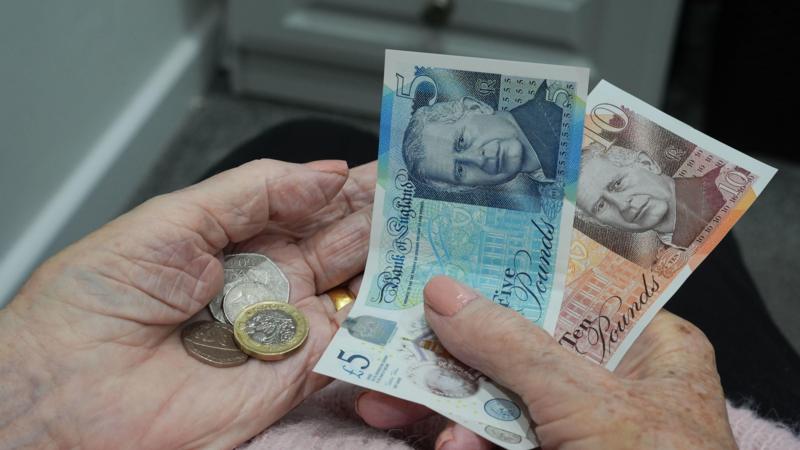
West Devon Council has given out 78 crisis grant payments since April to help people facing financial difficulties, especially with rising heating oil costs. The council received over £300,000 from a larger Devon fund and plans to provide quick payments and long-term support through an advice team and other aid programs.
Key Facts
Since April, West Devon Council has made 78 crisis grant payments to people in financial trouble.
Many payments help families struggling with higher heating oil prices.
The Crisis and Resilience Fund replaced the earlier Household Support Fund.
New government rules require payments to be made within 48 hours after a completed application.
West Devon received more than £300,000 from an £8.4 million fund for Devon, with two-thirds for immediate crisis help.
The council approved spending £20,000 on a part-time case worker who specializes in benefits and debt advice.
Homemaker Southwest, supported by the council, previously helped residents gain £20,600 over six months.
Around £10,000 will be reserved to provide items like slow cookers, electric blankets, and warm clothes for people in need.
Read the Original
Want the full story? Tap a source to open the original
article.
Ticket prices for events like concerts, sports games, and the World Cup are going up. This article explains the reasons for these price increases and offers tips on how people can save money when buying tickets.
Key Facts
Ticket prices are rising for concerts, sports events, and major competitions like the World Cup and NBA Finals.
Several factors contribute to higher prices, including increased demand and higher costs for event organizers.
Technology and online platforms have changed how tickets are sold, sometimes leading to higher fees.
Resale and secondary markets can also drive up ticket costs.
Consumers can save money by buying tickets early, using trusted sellers, and looking for discounts.
Event popularity and limited seat availability influence ticket price increases.
Organizers face higher expenses for security, venues, and production, impacting ticket costs.
Understanding these factors helps consumers make better decisions when purchasing event tickets.
Read the Original
Want the full story? Tap a source to open the original
article.
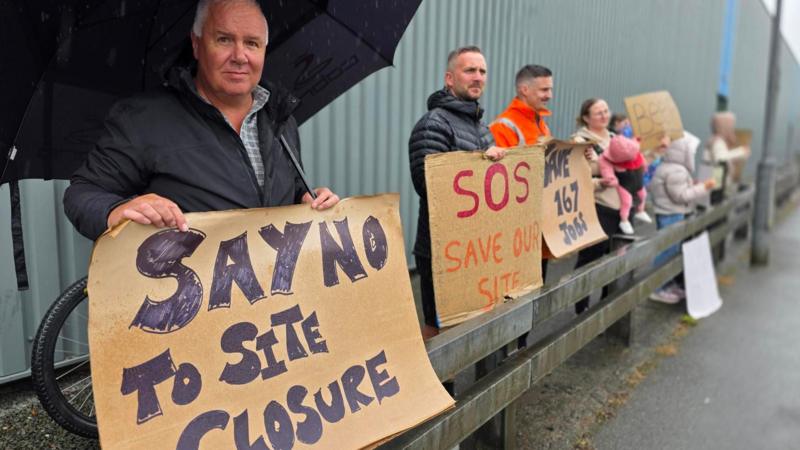
DS Smith, a paper packaging company, is considering closing its factory in Launceston, where 167 people work. Workers and local residents protested because they worry the closure would hurt the community and cause job losses.
Key Facts
DS Smith has employed workers in Launceston for nearly 60 years.
The company is reviewing its UK packaging operations due to difficult market conditions.
A consultation is ongoing between management, workers, and unions about the factory’s future.
The proposed closure could lead to job losses for 167 employees.
Local people, including families of workers, organized a protest to highlight the importance of the plant.
DS Smith recently made 70 job cuts at another UK site in Louth.
Several other DS Smith factories in the UK have closed after consultations last year.
The company said it supports workers during the consultation but cannot give more details until it ends.
Read the Original
Want the full story? Tap a source to open the original
article.
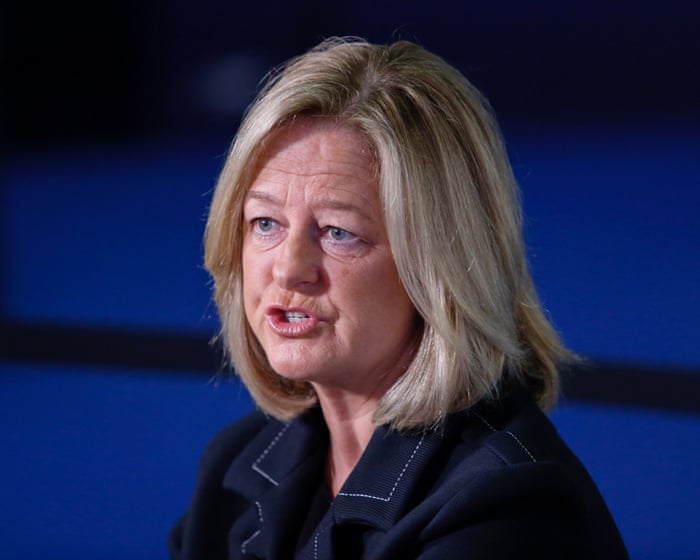
The chief executive of BT, Allison Kirkby, received a pay and bonus package of £5.6 million for the year ending March 2024, more than double her previous year's total. This is the largest pay award for a BT boss in over ten years, reflecting the company's improved share price and progress in its network upgrade projects.
Key Facts
Allison Kirkby became BT’s chief executive in February 2024.
Her total pay, including bonuses and shares, was £5.58 million for the year ending March 2024.
This amount more than doubled her £2.48 million package from her first year as CEO.
The package is larger than the £3.7 million paid to her predecessor Philip Jansen.
The highest BT CEO pay before was £9.4 million to Ian Livingston in 2012-13.
Kirkby received a £1 million cash bonus and £3.25 million in share awards to be paid over three years.
BT’s share price rose nearly 80% since Kirkby started, boosting the value of her bonuses.
The company announced a £15 billion investment to upgrade to full fibre broadband and 5G.
BT plans to cut 55,000 jobs by 2030 as part of efficiency improvements and the end of its building phase.
Read the Original
Want the full story? Tap a source to open the original
article.
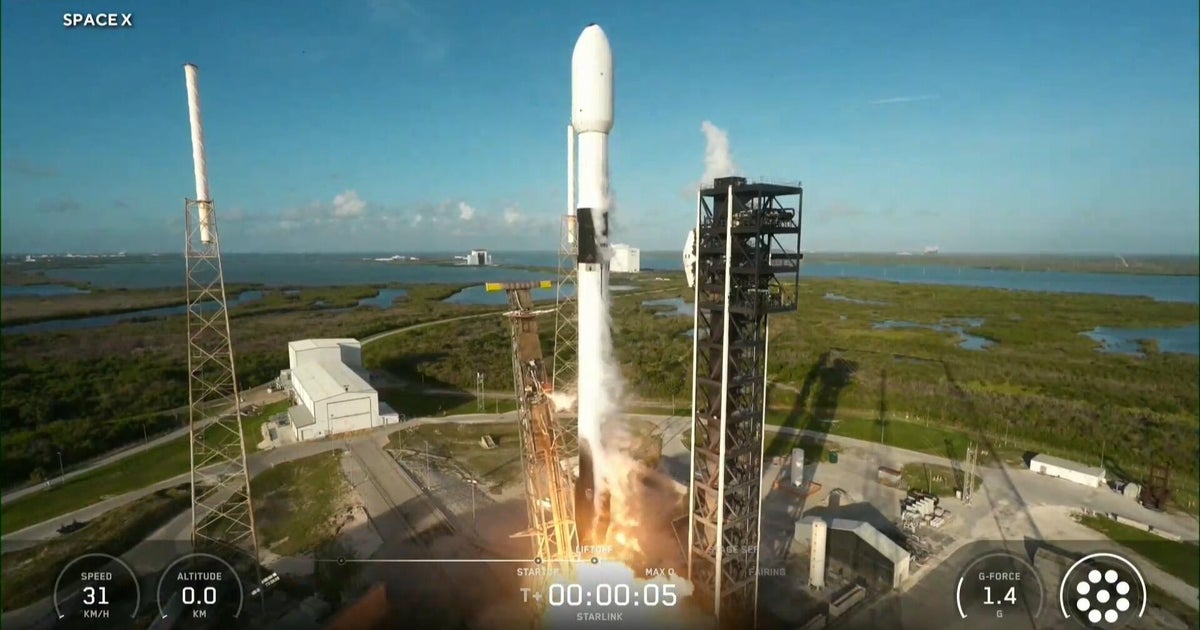
Elon Musk's company SpaceX will start selling shares to the public on Friday. This move highlights how the space industry is growing quickly as more companies join in and compete.
Key Facts
SpaceX, owned by Elon Musk, is going public by offering shares to investors.
The space economy is expanding rapidly with many companies involved.
Going public means SpaceX will allow outside investors to buy parts of the company.
This step aims to raise money and grow SpaceX’s businesses.
The space industry includes activities like satellite launches and space travel.
Investors are interested because space is seen as a new area for business growth.
Read the Original
Want the full story? Tap a source to open the original
article.
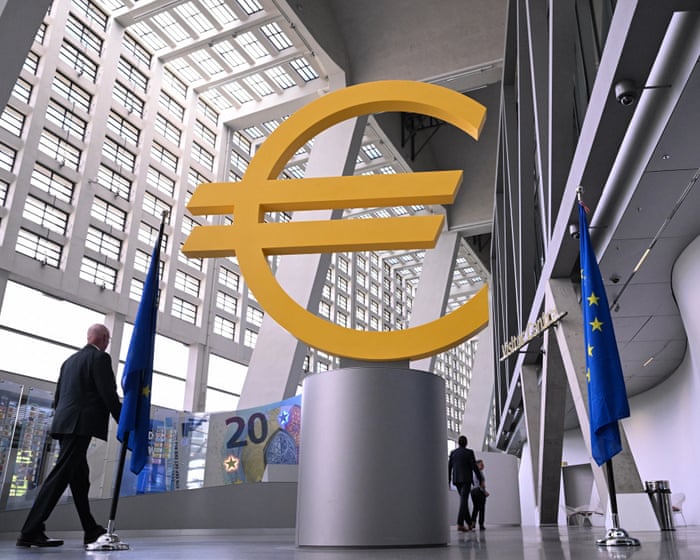
The European Central Bank (ECB) raised interest rates for the first time since 2023 to tackle rising inflation linked to the war in Iran. The ECB increased its main deposit rate from 2% to 2.25% and expects to raise rates further by next spring to control price growth in the eurozone.
Key Facts
The ECB raised its main deposit interest rate from 2% to 2.25%.
Eurozone inflation rose to 3.2% in May 2026, up from 3% in April.
The war in Iran has contributed to higher inflation by increasing costs for manufacturers and retailers.
Oil prices remain above $90 a barrel, higher than about $70 before the war.
Financial markets expect two more ECB interest rate increases by next spring.
The ECB delayed rate hikes in 2022, hoping for a peace deal between President Donald Trump and Iran.
No peace deal has been reached so far, increasing inflation risks.
ECB President Christine Lagarde said raising borrowing costs is needed to control inflation.
Read the Original
Want the full story? Tap a source to open the original
article.
The European Central Bank (ECB) has raised interest rates by 0.25 percentage points for the first time since September 2023. This decision comes because inflation in the eurozone increased to 3.2% last month, partly due to higher energy prices caused by the war in the Middle East.
Key Facts
The ECB increased its deposit facility rate from 2.0% to 2.25%.
The main refinancing rate rose from 2.15% to 2.4%.
The marginal lending rate went up from 2.4% to 2.65%.
Inflation in the eurozone reached 3.2% last month.
The war in the Middle East has caused energy prices to rise, pushing inflation higher.
The ECB lowered its economic growth forecasts for 2026 and 2027 due to the conflict’s effects.
Inflation forecasts have been increased for 2026 and 2027 because of expected higher energy price impacts.
The ECB is the first major central bank among the G7 countries to raise interest rates in response to the Middle East war.
Read the Original
Want the full story? Tap a source to open the original
article.
GoPro is facing serious financial problems due to rising costs, weaker demand, and strong competition, especially from smartphones. The company is exploring options like a sale or merger to stay afloat, while also trying to find new markets in defense and aerospace.
Key Facts
GoPro has been losing money and has negative cash flow from its operations.
Auditors warned there is doubt GoPro can continue operating without financial support.
The company is in talks with lenders like Farallon Capital Management and Wells Fargo.
GoPro hired a financial advisor to explore a possible sale or merger but no buyer has appeared yet.
Revenue dropped 44% over four years, with latest quarterly sales also down significantly.
GoPro introduced a new Mission 1 camera line with advanced features in May.
The company is cutting 23% of its staff to reduce costs.
GoPro is trying to expand its technology into defense and aerospace industries.
Read the Original
Want the full story? Tap a source to open the original
article.
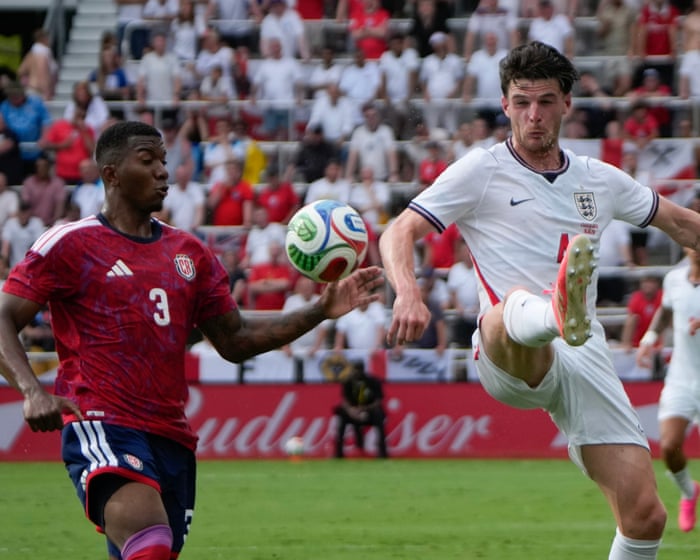
ITV expects the 2026 World Cup, co-hosted by the US, Mexico, and Canada, to be its most profitable sports event ever, calling it a “six-week summer Super Bowl moment” for advertising. The channel will air 51 out of 104 matches and has already sold ad packages to over 220 advertisers, including tech companies and new TV advertisers like Jeremy Clarkson’s lager brand.
Key Facts
The 2026 World Cup has expanded to 48 teams and features 104 matches.
ITV will broadcast 51 matches and expects its advertising revenue to be about 30% higher than during Euro 2024.
A 30-second ad during an England game can cost up to £300,000.
Nike will air a six-minute-long commercial, the longest ever UK TV ad, during England’s first game.
Around 220 advertisers have bought TV ad slots, with about 70 new to football ads and 8 new to TV advertising altogether.
Major tech companies advertising include Google, Amazon Web Services, Apple, Dell, Microsoft, and Meta.
Kick-off times for England’s early matches are 9pm or 10pm UK time, which could attract larger audiences.
ITV emphasizes that live, free-to-air sports events bring unique large audiences that streaming and social media cannot match.
Read the Original
Want the full story? Tap a source to open the original
article.
Gold prices reached record highs in 2025 but have been unstable recently, ranging from $4,300 to $5,500 per ounce. Experts believe that if inflation stays high, gold prices will likely remain steady or rise, but if inflation falls, gold prices may drop somewhat.
Key Facts
Gold hit record prices multiple times in 2025, fluctuating between $4,300 and $5,500 per ounce.
Rising inflation reached its highest level in over three years as of recent data.
Inflation reduces the buying power of the U.S. dollar, making gold a popular choice to protect wealth.
Experts say high inflation may increase demand for gold and push prices higher, possibly to around $5,000 per ounce by the end of 2026.
If the Federal Reserve raises interest rates to fight inflation, it could lower demand and prices for gold.
Higher interest rates encourage investors to choose assets with better returns instead of gold.
If inflation eases, demand for gold may decrease but prices should remain relatively high due to other economic factors.
Gold is mainly seen as a way to preserve wealth, not to grow money quickly.
Read the Original
Want the full story? Tap a source to open the original
article.
Inflation in the U.S. rose to 4.2% in May, the highest in three years, mainly due to higher energy prices linked to the conflict involving Iran. This rise in inflation makes it less likely that the Federal Reserve will lower interest rates soon, which could keep mortgage rates high and affect the housing market’s affordability.
Key Facts
Inflation increased to 4.2% in May, up from 3.8% in April, the highest since 2023.
Higher energy costs, including a 3.9% rise in May, were a major cause of inflation.
The Iran conflict disrupted oil markets and shipping routes, pushing energy prices up.
Gasoline prices averaged $4.13 per gallon nationally as of the article’s date.
Shelter costs grew 3.4% over the year, while food prices rose 0.3% in May.
Real wages fell by 0.1% in May, meaning earnings did not keep up with rising prices.
The Federal Reserve is unlikely to cut interest rates soon and might even raise them.
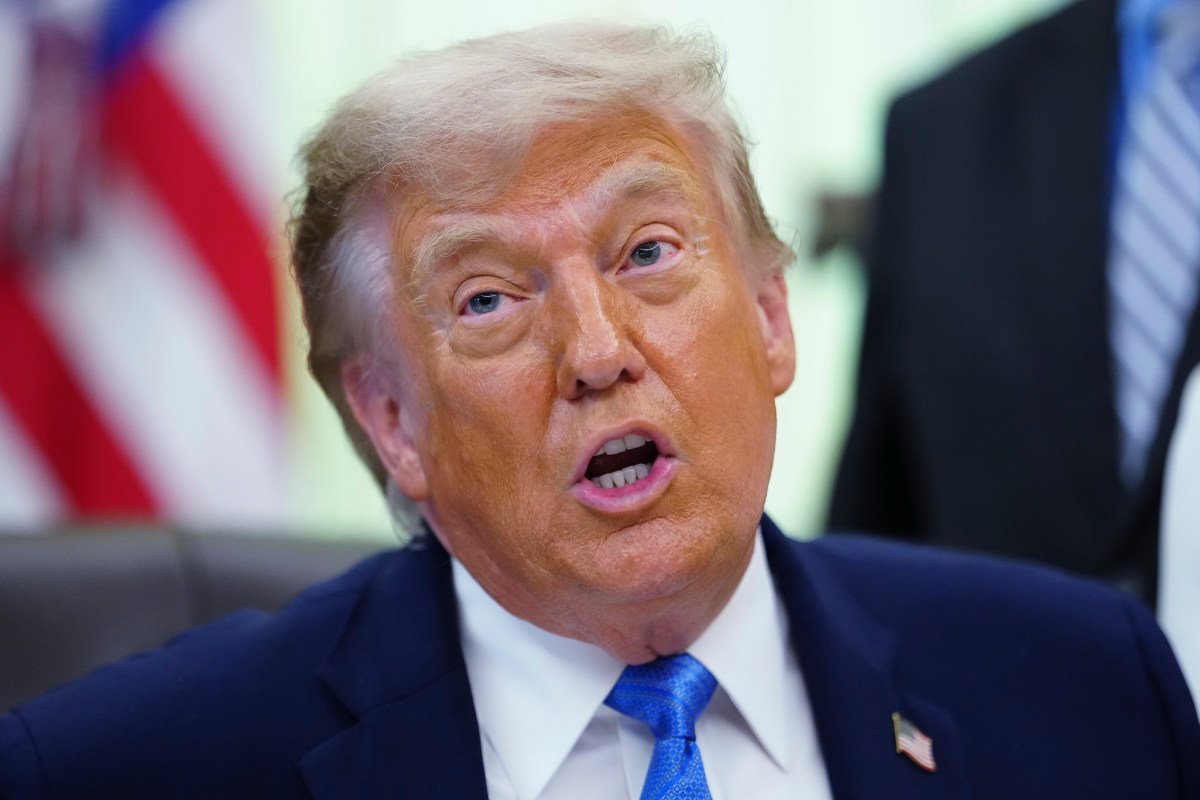
President Donald Trump expressed support for current inflation numbers and mentioned secret plans to move oil tankers to lower fuel costs.
Read the Original
Want the full story? Tap a source to open the original
article.
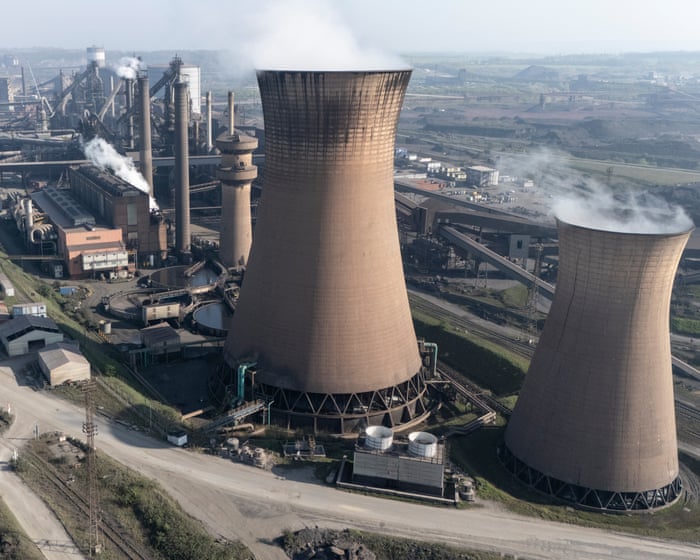
The Chinese company Jingye Steel is seeking compensation from the UK government after the UK took control of British Steel's Scunthorpe plant. Jingye is using an international treaty between China and the UK to try to recover money following the nationalisation of the steelworks.
Key Facts
Jingye Steel owns British Steel and is pursuing payment under the China-UK bilateral investment treaty.
The UK nationalised British Steel in April 2023, citing national security and job concerns.
Jingye had planned to close the Scunthorpe plant, risking 2,700 jobs and large losses.
Jingye initially aimed to recover about £711 million but may seek over £1 billion.
The dispute could be decided by an international arbitrator after six months of consultations.
The UK government intends to fully nationalise British Steel and later sell it to new private owners.
The UK plans to reduce tariff-free steel imports, potentially benefiting British Steel.
New owners will likely need subsidies to update the plant with modern, eco-friendly technology.
Read the Original
Want the full story? Tap a source to open the original
article.
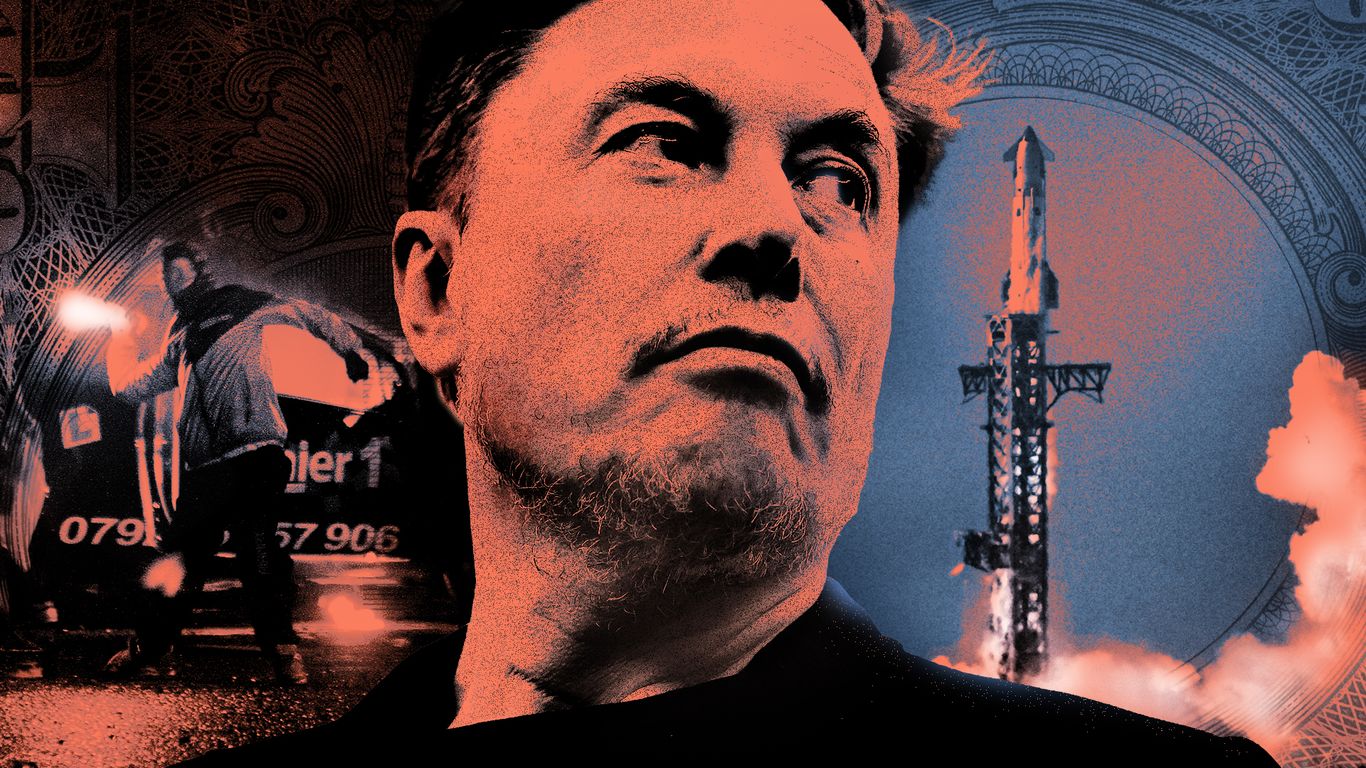
Elon Musk, the world’s richest person, is preparing SpaceX for a very large public stock offering. At the same time, he frequently shares strong opinions about immigration and politics that have sparked controversy but have not reduced investor interest in his companies.
Key Facts
Elon Musk is close to becoming the first trillionaire.
SpaceX is planning a huge initial public offering (IPO) expected to be worth $1.75 trillion.
Musk often posts on social media about violence and immigration issues, which has led to criticism from political leaders.
Recently, Belfast saw riots sparked by violence claimed to involve a migrant, and Musk encouraged protests there.
Musk supports claims about voter fraud related to immigrants in the U.S., especially in California.
Musk promotes a belief that Western white culture is being threatened by migration and social changes.
Despite controversies, Musk’s companies remain highly valued and important to the economy.
Investors continue to want shares in Musk’s businesses, showing tolerance for his political statements.
Read the Original
Want the full story? Tap a source to open the original
article.
The 2026 FIFA World Cup, starting in Mexico, is expected to generate nearly $41 billion in economic activity worldwide. FIFA, the organization that runs the tournament, is forecasted to make a record $11 billion in revenue.
Key Facts
The 2026 FIFA World Cup begins this Thursday in Mexico.
The tournament is predicted to create about $41 billion in economic output globally.
FIFA expects to earn a record $11 billion from the World Cup.
The economic boost includes spending on hotels, travel, and local businesses in host countries.
The report highlights the financial impact on both the global economy and the World Cup host nations.
Other news mentioned includes market reactions to violence in the Strait of Hormuz and a lawsuit against SpaceX before its stock market debut.
The article is mainly focused on the business and economic aspects of the World Cup event.
Read the Original
Want the full story? Tap a source to open the original
article.
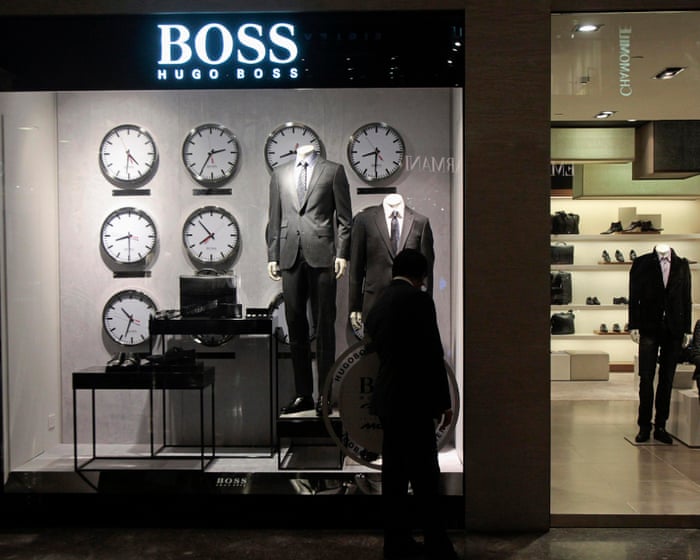
Hugo Boss shares rose nearly 7% after the company said it will carefully review a nearly €2 billion takeover offer from Frasers Group, owned by Mike Ashley. Frasers already owns about 26% of Hugo Boss and is offering €38 per share in cash to take full control of the German fashion brand.
Key Facts
Frasers Group, led by Mike Ashley, proposed to buy all Hugo Boss shares for about €1.98 billion.
The offer price is €38 per share, which is 4.3% higher than the previous closing price.
Hugo Boss shares increased from €39 to €38.84 after the news, while Frasers shares fell 2.5%.
Hugo Boss generated €4.3 billion in sales last year and is Germany’s biggest luxury fashion group.
The Hugo Boss board said the offer was not coordinated with the company and will be thoroughly examined.
Frasers owns other retail brands like Sports Direct, House of Fraser, Flannels, and Gieves & Hawkes.
Hugo Boss has been working on a turnaround plan, updating stores and products, focusing more on womenswear.
JP Morgan Chase said the bid sets a near-term price floor for Hugo Boss shares but sees little chance of a competing offer.
Read the Original
Want the full story? Tap a source to open the original
article.
Asian stock markets showed mixed results after U.S. markets fell due to another drop in artificial-intelligence (AI) stocks. Oil prices went down slightly after rising earlier, following a U.S. airstrike against Iran.
Key Facts
Asian markets had mixed movements: Tokyo's Nikkei barely rose, Seoul's Kospi went up 0.4%, while Hong Kong’s Hang Seng and Shanghai’s Composite index fell.
On Wall Street, major indexes dropped sharply: S&P 500 fell 1.6%, Dow Jones lost 1.9%, and Nasdaq dropped 2%.
AI stocks led the decline, with big companies like Nvidia falling 3.7% and Broadcom down 5.1%.
Some investors worry AI stock prices rose too fast and may be correcting.
Super Micro Computer's stock fell 28% after announcing plans to raise $7 billion through stock sales, which can reduce current shareholders’ control.
Micron Technology experienced large price swings in recent days, reflecting market uncertainty.
Some investors might be selling AI stocks to prepare for upcoming initial public offerings (IPOs), like SpaceX’s potential debut.
Brent crude oil prices dropped 0.3% to about $92.81 a barrel after earlier increases related to U.S. military actions against Iran.
Read the Original
Want the full story? Tap a source to open the original
article.
Central banks around the world are buying more gold than ever before as a safe investment. Countries like China and BRICS nations are working to use other currencies besides the U.S. dollar in global trade. Despite these changes, the U.S. dollar remains the main currency used worldwide.
Key Facts
U.S. assets were long seen as the safest investment globally.
Central banks are buying gold at record levels.
China is trying to increase the use of its currency, the yuan, in global finance.
BRICS countries (Brazil, Russia, India, China, South Africa) want to rely less on the U.S. dollar.
Conflicts like the situation in Iran and growing U.S. debt are influencing these changes.
Uncertainty about President Donald Trump’s trade tariffs is affecting global markets.
The U.S. dollar still leads in global trade, finance, and currency exchange.
However, more countries are looking for alternatives to the dollar.
Read the Original
Want the full story? Tap a source to open the original
article.
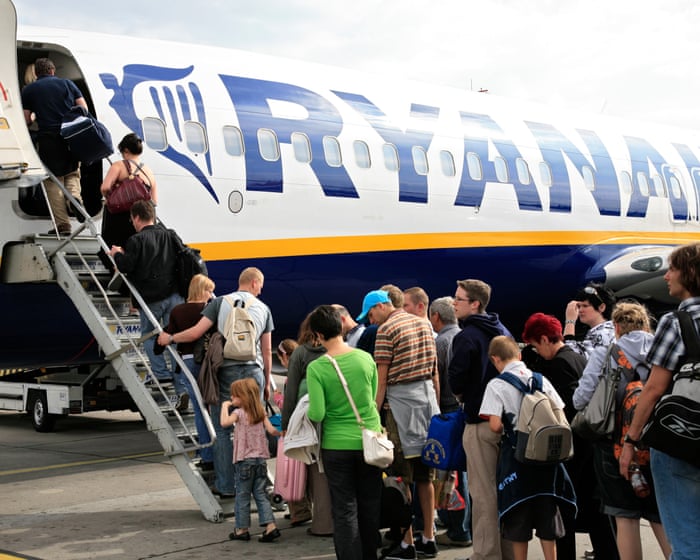
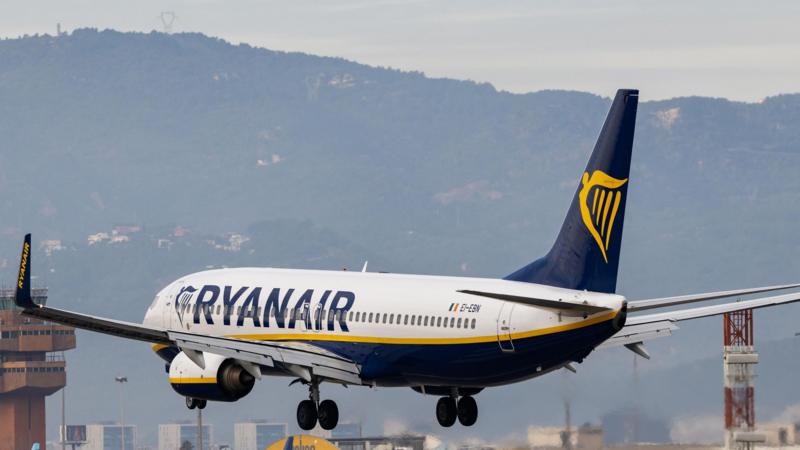
Ryanair is under investigation by the UK’s Competition and Markets Authority (CMA) for charging parents a mandatory fee to sit next to their children on flights. The CMA is checking if this charge is unfair under consumer law and if Ryanair fully informs customers about the cost during booking.
Key Facts
Ryanair requires at least one parent to sit with children aged 2-11 on flights.
The airline charges about £8 per flight for a parent to reserve this seat next to their child.
This fee applies on both outbound and return flights and affects many UK routes.
Other airlines usually let children sit with a parent at no extra cost or assign seats automatically.
The CMA is investigating if this fee breaches consumer fairness rules and if parents are charged for Ryanair’s legal obligations.
Ryanair says adults traveling with children pay one reserved seat fee and can reserve seats next to up to four children free of charge.
The CMA is also looking into whether Ryanair hides this fee during booking, which is banned under 2024 rules against “drip pricing.”
The CMA has not yet decided if Ryanair has broken any laws but is conducting the investigation to protect consumers.
Read the Original
Want the full story? Tap a source to open the original
article.
The UK’s Competition and Markets Authority (CMA) is investigating Ryanair over charges parents must pay to sit next to their children on flights. Ryanair says parents pay a fee for a "mandatory family seat," but the airline insists it follows all laws and that this fee covers only one adult seat, with children's seats being free.
Key Facts
Ryanair requires parents to pay a fee to sit next to children aged 2 to 11 on flights.
This fee is called a "mandatory family seat" and usually costs about £8 each way.
The UK’s CMA is investigating if these fees violate consumer laws by charging parents to meet safety and disability rules.
Ryanair says adults traveling with children pay one reserved seat fee but can reserve seats for up to four children free of charge.
The CMA is checking if Ryanair’s seat reservation policy is fair and legal.
Ryanair called the investigation "bogus" and stated its policy complies with all relevant rules.
The investigation focuses on whether Ryanair improperly charges parents for complying with aviation safety laws.
Read the Original
Want the full story? Tap a source to open the original
article.
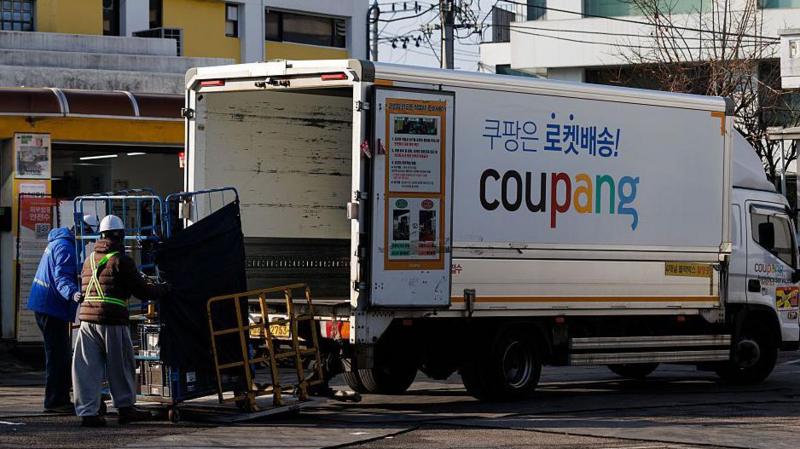
South Korea's Personal Information Protection Commission fined Coupang, the country's largest online shopping company, over $400 million for a major data breach. The breach exposed personal information of more than 30 million users, over half the population, and involved weaknesses in data security measures.
Key Facts
Coupang was fined 624.68 billion won (over $400 million) for a data breach.
The breach exposed names, contact details, delivery addresses, and order histories of about 37.5 million users.
This incident is the largest data breach fine ever issued by South Korea's data privacy authority.
The breach started around June and was discovered officially in November.
Coupang initially reported a smaller breach affecting 4,500 accounts but later found millions more affected.
Weak security practices, like poor management of authentication keys, led to the data exposure.
Coupang's CEO resigned after the breach, and an interim CEO was named.
The company plans to challenge the fine and said it will improve security.
Read the Original
Want the full story? Tap a source to open the original
article.