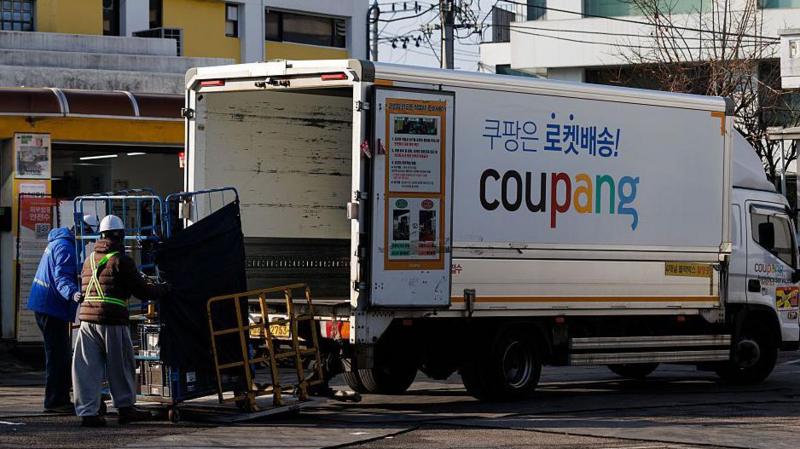
South Korea's Personal Information Protection Commission fined Coupang, the country's largest online shopping company, over $400 million for a major data breach. The breach exposed personal information of more than 30 million users, over half the population, and involved weaknesses in data security measures.
Key Facts
Coupang was fined 624.68 billion won (over $400 million) for a data breach.
The breach exposed names, contact details, delivery addresses, and order histories of about 37.5 million users.
This incident is the largest data breach fine ever issued by South Korea's data privacy authority.
The breach started around June and was discovered officially in November.
Coupang initially reported a smaller breach affecting 4,500 accounts but later found millions more affected.
Weak security practices, like poor management of authentication keys, led to the data exposure.
Coupang's CEO resigned after the breach, and an interim CEO was named.
The company plans to challenge the fine and said it will improve security.
Read the Original
Want the full story? Tap a source to open the original
article.
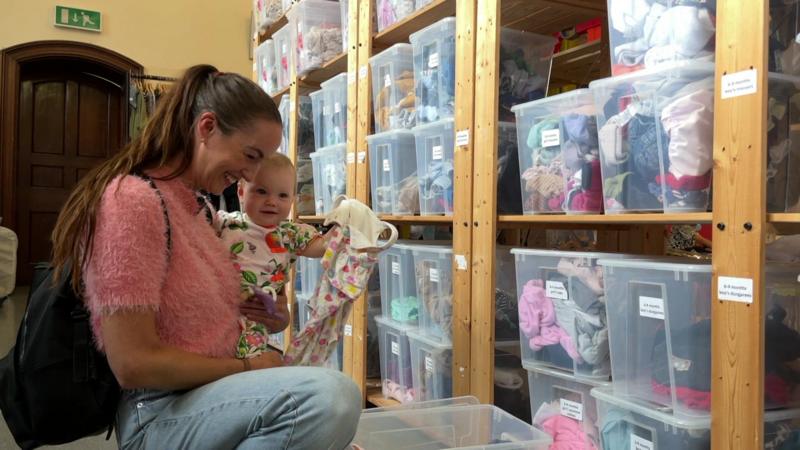
A shop called Kids Stuff in Bristol sells second-hand children’s clothes at very low prices, helping families cope with rising costs. Started as a monthly event, it is becoming a frequent store because more families need affordable clothing and community support.
Key Facts
Kids Stuff began in late 2024 as a once-a-month pop-up but may open five days a week by late 2026 due to demand.
Prices start as low as 50 pence for baby clothes, with older children’s clothes costing a few pounds.
The cost of children’s clothing has risen by at least 30% since 2021.
The shop offers a pay-what-you-can hot meal and a soft play area for children, creating a community space.
Kids Stuff works with groups helping families in crisis, including those escaping domestic abuse and refugees.
Families referred to the shop receive vouchers so they choose the clothes themselves, supporting dignity and choice.
Parents find the shop more affordable than charity shops and avoid the uncertainty of buying second-hand clothes in bundles online.
Shopping second-hand also helps with sustainability by reducing the need to buy new clothes that children quickly outgrow.
Read the Original
Want the full story? Tap a source to open the original
article.
South Korea fined the e-commerce company Coupang $408 million for leaking personal data of over 33 million customers and not reporting the leak within the required time. The data breach was caused by poor safety measures, and Coupang plans to challenge the fine in court.
Key Facts
Coupang leaked personal information of more than 33 million customers.
The company failed to report the breach within 72 hours, as South Korean law requires.
The fine of $408 million is the largest ever for a data leak in South Korea.
The breach happened because a former employee stole a security key and accessed customer accounts.
South Korea’s privacy regulator criticized Coupang for weak safety systems and delayed notifications.
Coupang is based in Seattle but earns most of its money in South Korea.
US lawmakers have expressed concern that South Korea’s investigation might unfairly target US-listed companies.
Coupang holds about 40% of South Korea’s logistics market, making it a major player in e-commerce.
Read the Original
Want the full story? Tap a source to open the original
article.
Australian billionaire Brett Blundy is trying to remove the long-term chair of Victoria’s Secret, Donna James, at the company’s annual meeting in the US. Blundy’s investment firm owns about 13% of the company and is pushing for changes after a years-long disagreement over the company’s strategy and governance.
Key Facts
Brett Blundy’s firm, BBRC International, owns roughly 13% of Victoria’s Secret, making it the second-largest shareholder.
Blundy wants to remove Donna James, the current long-term chair, and another director from the board.
Blundy has been pushing for changes at Victoria’s Secret since 2021 but has not been appointed to the board.
Victoria’s Secret rejected Blundy’s requests due to concerns about reputational risk related to his other business interests.
The company has a “poison pill” plan, which allows current shareholders to buy more shares if any investor tries to buy over 15%, to prevent hostile takeovers.
Proxy advisory firms supporting the board say the company’s performance has improved since its spin-off in 2021.
Blundy claims shareholders have lost value due to poor decisions and lack of oversight by the current board.
The annual shareholder vote is scheduled for Thursday at 8:30 a.m. Eastern Time (10:30 p.m. Australian Eastern Standard Time).
Read the Original
Want the full story? Tap a source to open the original
article.
President Donald Trump said he might not continue the United States-Mexico-Canada Agreement (USMCA) when it expires. This agreement replaced the North American Free Trade Agreement (NAFTA) six years ago during his first term.
Key Facts
USMCA is a free trade deal between the U.S., Mexico, and Canada.
It replaced the older NAFTA agreement.
President Trump said he is “not looking to renew” USMCA.
The agreement has been in place for six years.
President Trump made this statement during a media interview.
The USMCA affects trade and business between the three countries.
The decision could impact trade relations in North America.
Read the Original
Want the full story? Tap a source to open the original
article.
Candy stores in and around New York City are growing despite wider economic struggles and low consumer confidence in the US. These shops offer affordable treats that people continue to buy even when cutting back on bigger expenses.
Key Facts
Economy Candy, the oldest candy store in New York, has been open since 1937 and adapted from a repair shop to selling sweets during the Great Depression.
US retail sales rose 4.9% in April compared to last year, but consumer confidence hit a record low in May.
Candy has a low price, allowing many people to buy it even when money is tight, a behavior linked to the "lipstick effect" where people buy small luxuries during hard times.
New candy stores like The Village Confectionery and shops by BonBon and Candy King are opening in and around New York City.
BonBon prefers smaller store locations on side streets with lower rent to keep costs down and create cozy atmospheres.
Swedish candy, known for natural ingredients, is growing in popularity and is featured in some new stores.
Candor Candy’s in Brooklyn also sells pantry items to increase sales but focuses mainly on candy because it has a long shelf life and doesn’t need refrigeration.
Read the Original
Want the full story? Tap a source to open the original
article.
Candy stores are growing in New York City despite low consumer confidence and economic challenges. People still buy affordable treats like candy, which offers a small luxury during tough times. Several new and established candy shops are opening or expanding in the area.
Key Facts
Economy Candy, the oldest candy shop in NYC, has been open since 1937 and thrives even in hard times.
US retail sales grew by 4.9% in April, but consumer sentiment reached an all-time low in May 2026.
Candy is affordable, so people buy it as a small treat when avoiding bigger expenses.
This idea relates to the "lipstick effect" where people buy small luxuries during economic downturns.
New stores like The Village Confectionery will open soon in the Hudson Valley area.
BonBon, a Swedish candy company, has five stores in Manhattan and Brooklyn and is opening a new location in Connecticut.
BonBon chooses smaller, less expensive locations and uses unique details like themed staff uniforms.
Brooklyn’s Candor Candy's sells candy plus other pantry goods to increase income and benefits from candy’s long shelf life.
Read the Original
Want the full story? Tap a source to open the original
article.
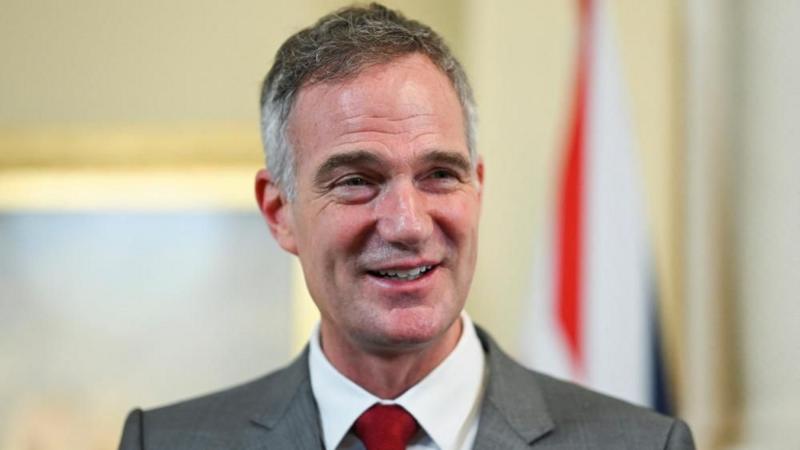
Business Secretary Peter Kyle said he would have stopped the sale of UK microchip company ARM Holdings to a foreign buyer if he had been in government then. He spoke about plans to support British tech companies and keep them growing in the UK, while also noting challenges in other industries like hospitality.
Key Facts
ARM Holdings was sold to Japanese company Softbank in 2016 for £24 billion.
ARM is now listed on the New York Stock Exchange and valued at around £285 billion.
Peter Kyle regrets the sale of UK AI firm DeepMind to Google in 2014, saying wealth from it goes abroad.
The government plans to invest more public money in promising UK tech companies.
A new government service will help tech firms get skills, financing, and other support.
The government wants to create conditions so tech companies do not want to leave the UK.
Some sectors such as hospitality are struggling due to wage increases and higher employer costs.
The government is working with experts to address challenges faced by young workers entering the job market.
Read the Original
Want the full story? Tap a source to open the original
article.
Rising energy prices caused inflation to reach its highest point in three years in May, increasing by 4.2% compared to the previous year. The cost of energy made up over 60% of this increase, while inflation without food and energy prices rose by 2.9%.
Key Facts
Inflation in May rose 4.2% compared to the same month last year.
Energy prices were responsible for more than 60% of the inflation increase.
Core inflation, which does not include food and energy costs because they change often, increased by 2.9%.
The Labor Department provided the inflation data.
Rising energy costs are partially linked to ongoing conflicts in Iran.
Geoff Bennett and Roben Farzad discussed the inflation report on Full Disclosure.
Read the Original
Want the full story? Tap a source to open the original
article.
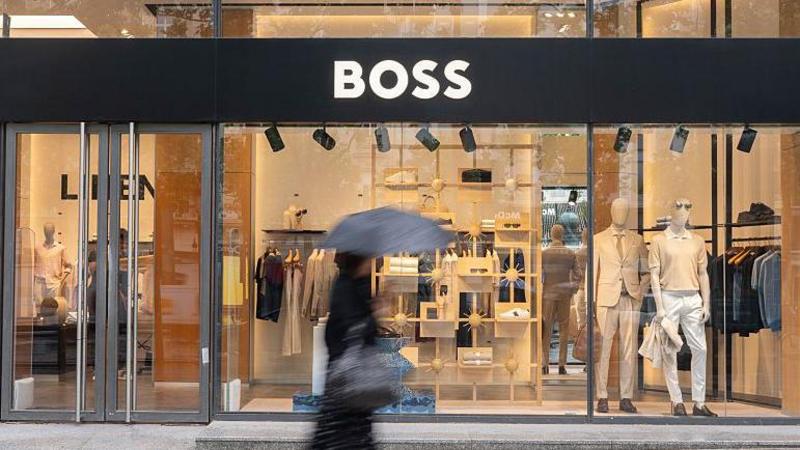
Mike Ashley's Frasers group has offered to buy the entire German fashion brand Hugo Boss for about £1.73 billion. Frasers already owns over 25% of Hugo Boss and plans to complete the purchase by the end of the year if approved.
Key Facts
Frasers owns just over a quarter of Hugo Boss, having increased its stake since 2020.
The offer to buy all of Hugo Boss is valued at €1.98 billion (£1.73 billion).
The proposed price is €38 per Hugo Boss share, higher than the recent closing price of €36.5.
German law requires a shareholder with close to 30% ownership to make an offer for the entire company.
Hugo Boss said the offer was unsolicited and not coordinated with them but will review it carefully.
Frasers owns several other retail brands like House of Fraser, Game, and Jack Wills.
Frasers also holds the largest share in Boohoo and has had a tense relationship with them.
Mike Ashley founded Frasers (formerly Sports Direct) and remains the largest shareholder with his son-in-law as CEO.
Read the Original
Want the full story? Tap a source to open the original
article.
Meta has launched a free five-week training program called America’s Workforce Academy. The program aims to quickly prepare people for skilled trade jobs like fiber technicians, welders, plumbers, and electricians. Graduates of the program are guaranteed a job to help build data centers.
Key Facts
Meta created a free training course lasting five weeks.
The program is named America’s Workforce Academy.
It focuses on skilled trade jobs such as fiber technicians, welders, plumbers, and electricians.
The goal is to address shortages in these trade jobs.
Graduates of the program get guaranteed employment.
The jobs mainly involve building data centers.
Meta partnered with the National Urban League on this project.
Marc Morial, president of the National Urban League, discussed the partnership on CBS News.
Read the Original
Want the full story? Tap a source to open the original
article.
Consumer prices in the U.S. increased significantly in May. Inflation reached its highest level in more than three years, rising at an annual rate of 4.2%.
Key Facts
Consumer prices went up again in May.
Inflation rate was 4.2% for the year ending in May.
This is the highest inflation level seen in over three years.
The information comes from the U.S. Bureau of Labor Statistics.
Higher inflation means people pay more for goods and services.
Read the Original
Want the full story? Tap a source to open the original
article.
Employers are debating whether to cover GLP-1 therapies, medicines that help treat obesity and related health issues. While these drugs can be expensive, experts say not covering them may lead to higher health problems and costs in the future. Employers face challenges because benefits from these treatments may take years to appear, and workers often change jobs before then.
Key Facts
GLP-1 therapies are medicines used to manage obesity and type 2 diabetes.
About 100 million U.S. adults have obesity, contributing to over $261 billion in health costs yearly.
Only 36% of employers currently offer coverage for GLP-1 treatments for both diabetes and weight loss.
Employers find it hard to invest in obesity treatments because financial benefits may take years to show.
Average U.S. employee stay at a job is 3.9 years, but some drug benefits may take up to 12 months to appear.
Some employers delay paying for these treatments, hoping others will cover costs first.
Making GLP-1 coverage part of long-term employee benefits could help retain workers.
Offering GLP-1 coverage may attract new employees in a competitive job market.
Read the Original
Want the full story? Tap a source to open the original
article.
Facebook set up a large $725 million fund to pay people affected by a certain issue. However, the actual money each person is receiving is much less than expected.
Key Facts
Facebook created a $725 million settlement fund.
The fund is meant to pay people involved in a specific case or claim.
Individual payments are significantly smaller than the total fund amount.
Many recipients feel the payouts are disappointing.
The payment process is currently underway.
The article focuses on reactions to the payout amounts.
Read the Original
Want the full story? Tap a source to open the original
article.
Environmental groups have filed a lawsuit to stop the Trump administration from swapping more than 700 acres of a wildlife refuge in Texas with SpaceX land. The deal would exchange land SpaceX owns for federal land near its launch site, and some worry this will harm the local environment.
Key Facts
The US Fish and Wildlife Service approved a land swap between the federal government and SpaceX involving 683 acres in the Lower Rio Grande Valley wildlife refuge.
The refuge covers 103,000 acres across four counties on the Texas border and includes animal habitats and historical sites.
The land SpaceX would receive is closer to its rocket launchpad near the US-Mexico border.
Environmental groups, including the Center for Biological Diversity, sued to stop the exchange, fearing ecological damage.
The lawsuit argues the government should protect the refuge rather than give more land to SpaceX.
The Fish and Wildlife Service claims the swap will create a net conservation benefit and improve protection across the refuge.
SpaceX has expanded rapidly in Texas and plans to go public soon, with Elon Musk on track to become the first trillionaire.
SpaceX employees recently voted to form their own local government, called Starbase, near the launch site.
Read the Original
Want the full story? Tap a source to open the original
article.
Three dairy farmers from Wisconsin sued the Trump administration because they must give business data and pay fees to the Dairy Checkoff Program. The program collects money from milk sales to fund advertising and research for the dairy industry.
Key Facts
The lawsuit was filed by three farmers from Wisconsin.
It targets the Trump administration’s rules for the Dairy Checkoff Program.
Farmers must share operational data with the program.
Dairy producers pay 15 cents for every 100 pounds of milk sold.
The fees fund advertising and research for dairy products.
Dairy importers also pay 7.5 cents per 100 pounds of imported dairy.
The complaint challenges these mandatory contributions and data sharing.
The program’s goal is to support the dairy market through promotion.
Read the Original
Want the full story? Tap a source to open the original
article.
China exported about 809,000 passenger cars in May, which is 73% more than the same month last year. Higher fuel prices caused by the war in Iran increased interest in electric vehicles, leading to a big rise in exports of new energy cars like electric and plug-in hybrid vehicles.
Key Facts
China’s passenger car exports in May reached about 809,000 vehicles.
This is a 73% increase compared to May of the previous year.
Exports in May were slightly higher than April’s 796,000 cars.
Increased fuel prices from the war in Iran made electric vehicles more popular.
New energy vehicle exports (electric and plug-in hybrids) more than doubled year-on-year in May.
About 435,000 new energy vehicles were exported in May, making up over half of total car exports.
Read the Original
Want the full story? Tap a source to open the original
article.
Residents near a data center and power plant owned by Elon Musk’s companies xAI and SpaceX in Southaven, Mississippi, have filed a class-action lawsuit. They claim the noise from the facility is constant and very disruptive to their community.
Key Facts
The lawsuit was filed by three people who live close to the data center and power plant.
The facility is located in Southaven, Mississippi, near Memphis, Tennessee.
The complaint describes the noise as “pervasive and inescapable,” meaning it happens all the time and cannot be avoided.
The lawsuit targets Musk’s companies xAI and SpaceX.
This is a class-action suit, meaning it represents a group of residents affected by the noise.
The case focuses on the impact of the facility’s noise pollution on local people’s quality of life.
Read the Original
Want the full story? Tap a source to open the original
article.
SpaceX is preparing to sell shares to the public for the first time, a process called an IPO. The company's value is expected to reach $1.75 trillion, which would make founder Elon Musk the world's first person worth over one trillion dollars.
Key Facts
SpaceX plans to launch an initial public offering (IPO) soon.
The IPO could value SpaceX at $1.75 trillion.
Elon Musk is the founder of SpaceX.
If the valuation is reached, Musk would become the first trillionaire.
Rising inflation in the U.S. has been linked to higher energy prices connected to the Iran war.
President Donald Trump called the inflation data "great."
The news comes amid other major business stories like OpenAI and Anthropic filing for IPOs.
Read the Original
Want the full story? Tap a source to open the original
article.