Kevin O’Leary announced he will reduce the size of his planned 40,000-acre AI data center campus in Utah. This decision comes after people, including politicians, raised concerns about the project’s large size and effect on the environment.
Key Facts
Kevin O’Leary is a businessman and investor known from the TV show “Shark Tank.”
He planned to build a 40,000-acre data center campus in Utah focused on artificial intelligence.
The project faced strong criticism from local communities and political leaders.
Concerns include the campus’s large size and potential environmental damage.
In response, O’Leary said he will reduce the scale of the development.
The announcement was made to NBC News on a Wednesday evening.
The data center campus is seen as a major business and technology investment.
Read the Original
Want the full story? Tap a source to open the original
article.
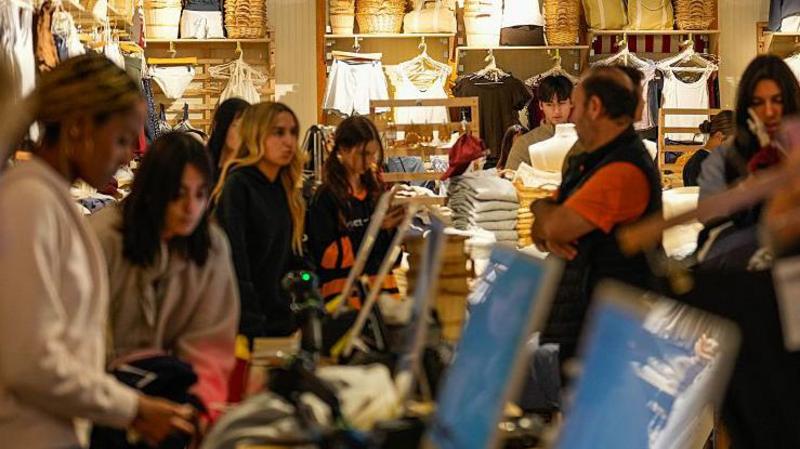
Brandy Melville, a teen-focused clothing store in the US, is closing all its fitting rooms. Employees say the change is due to damage caused by customers, and shoppers are upset because the store only sells one size per style and many want to try clothes on before buying.
Key Facts
Brandy Melville is shutting down all changing rooms in its US stores.
Employees in New York City, Boston, and Austin confirmed the fitting rooms will no longer be available.
The company has not made an official public statement about this decision.
The closure is reportedly related to vandalism, including customers sticking chewing gum to fitting room walls.
The brand is known for selling clothing in only one size, mostly targeting teenage girls.
Shoppers have expressed frustration on social media because they cannot try on clothes before buying.
Brandy Melville has faced past criticism for promoting narrow body standards and alleged unhealthy body image ideals.
A 2024 HBO documentary accused the brand of encouraging eating disorders and sexualizing young female employees.
Read the Original
Want the full story? Tap a source to open the original
article.
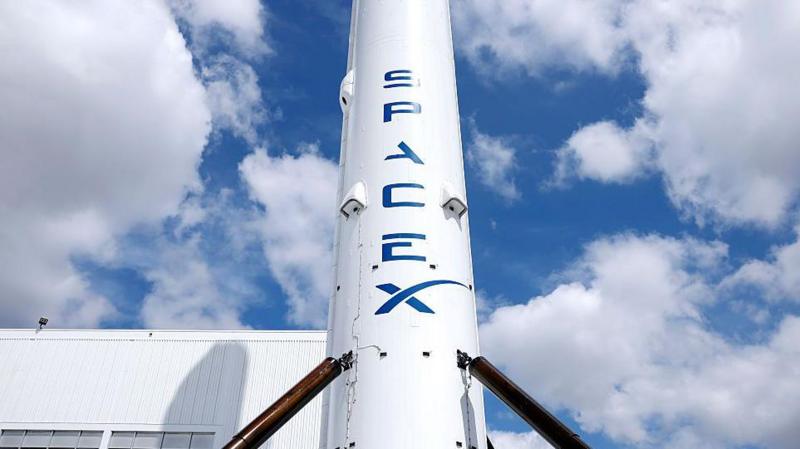
SpaceX plans to offer shares on the US stock market with a very high valuation of $1.77 trillion, despite reporting a loss of $4.9 billion in 2025 on $18.7 billion in revenue. Much of this value is linked to Elon Musk’s artificial intelligence project xAI, with SpaceX’s core space and satellite services contributing less to this high valuation.
Key Facts
SpaceX aims to become a multi-planet life-supporting company, according to its IPO document.
The company lost $4.9 billion in 2025 while earning $18.7 billion in revenue.
SpaceX will be listed on Nasdaq with a valuation almost 100 times its revenues.
Starlink, its satellite broadband service, makes up 60% of SpaceX’s revenues and leads the global market in remote internet connectivity.
Reusable rocket technology reduces launch costs from billions to tens of millions of dollars.
The AI division xAI was added to SpaceX in 2024, valued at $250 billion at that time, and will get most of the IPO funds.
The social media platform X, connected to xAI, holds little financial importance within SpaceX.
Some analysts estimate a more realistic SpaceX valuation around $780 billion, significantly lower than the IPO price.
Major Wall Street banks are managing the IPO and will support share sales.
Passive index funds must buy SpaceX shares because of its inclusion in market indices, regardless of price.
Read the Original
Want the full story? Tap a source to open the original
article.
A major US airline has temporarily stopped flying on six routes because fuel prices have gone up a lot. This change is a response to the ongoing war in the Middle East, which has made oil and fuel costs unstable.
Key Facts
Fuel prices have increased sharply this year.
The rise in fuel costs is linked to the war in the Middle East.
The airline is cutting six flight routes for a short time.
Airlines are adjusting schedules and ticket prices due to uncertain fuel costs.
The changes aim to manage costs amid the unstable fuel market.
Read the Original
Want the full story? Tap a source to open the original
article.
The Credit Card Competition Act (CCCA) aims to stop Visa and Mastercard from controlling credit card swipe fees. These fees add about $1,200 in extra costs for each American family every year. The act would encourage more competition in the credit card market.
Key Facts
Visa and Mastercard currently dominate the credit card swipe fee market.
Swipe fees are charges retailers pay when customers use credit cards.
These fees raise prices and cost American families roughly $1,200 more each year.
The Credit Card Competition Act (CCCA) seeks to break this monopoly.
Greater competition could lower fees and costs for consumers.
Some states have made laws to address this issue, but a national law is needed.
The goal of the CCCA is to improve fairness in the credit card industry.
Read the Original
Want the full story? Tap a source to open the original
article.
The Abba Voyage virtual concert in east London launched an expanded education program to help local young people enter creative jobs. The program includes school activities, mentoring, and apprenticeships with local entertainment venues that grew after the 2012 Olympics.
Key Facts
The launch event was held at the Abba Arena in east London and included a live concert attended by hundreds of schoolchildren.
Abba members Benny Andersson and Anni-Frid Lyngstad made a surprise appearance and performed live.
The education program offers autumn school activities, mentoring, and apprenticeship opportunities in local venues.
Many local entertainment venues expanded after Stratford’s regeneration for the 2012 Olympics.
The program has already engaged 8,500 young people through concerts and other initiatives.
Abba Voyage aims to connect young people with arts and entertainment careers and build their skills and confidence.
The program supports local jobs by committing to hire at least 50% of employees from the surrounding area.
The virtual concert uses de-aged holograms of the band and has brought over two million visitors and £1.4 billion to the UK economy in two years.
Read the Original
Want the full story? Tap a source to open the original
article.
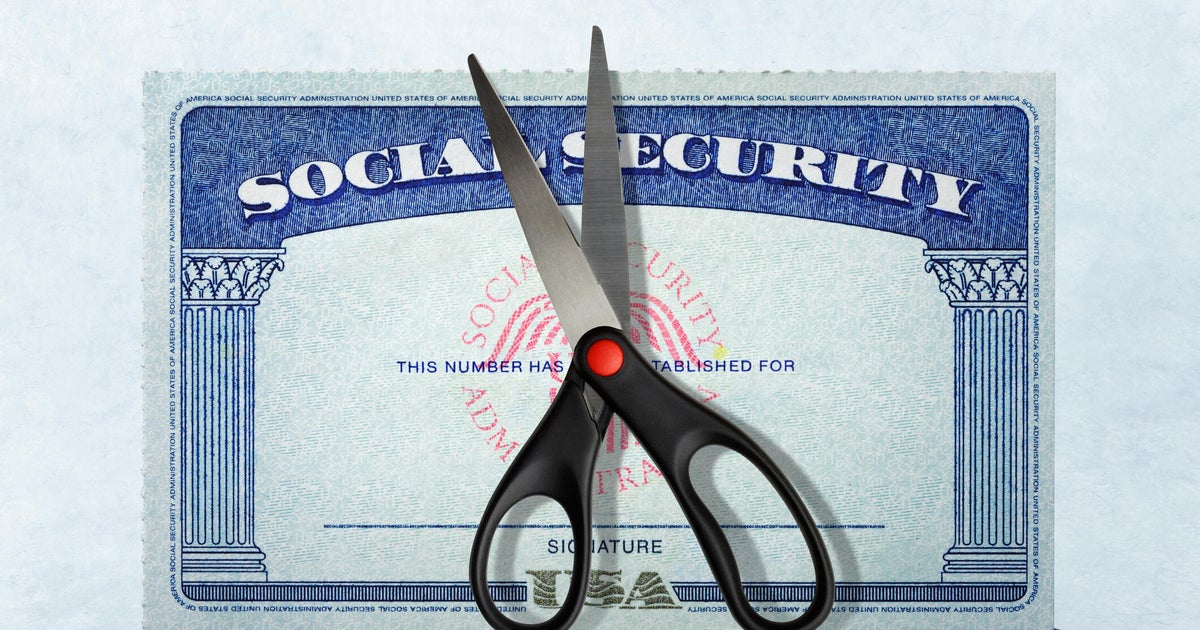
A new report warns that Social Security benefits could be cut by up to 24% in 2032 if the retirement trust fund runs out of money, which might reduce monthly payments by about $500. To prepare, people are advised to consider saving money in accounts that offer higher interest rates, such as certificates of deposit (CDs), high-yield savings accounts, or money market accounts.
Key Facts
Social Security’s retirement trust fund may become insolvent by 2032.
This could lead to a 24% cut in monthly Social Security benefits, about $500 less per month.
The cut would impact 10% to 23% of Social Security recipients in each state.
The possible cut would erase any cost-of-living adjustment expected this year, which is estimated at about 4%.
Inflation and higher borrowing costs already strain many Americans’ budgets.
Savers can earn around 4% interest by using certificates of deposit (CDs) with fixed rates.
High-yield savings accounts offer competitive but variable interest rates with easy access to funds.
Money market accounts provide about 3.9% interest and allow check writing for spending flexibility.
Read the Original
Want the full story? Tap a source to open the original
article.
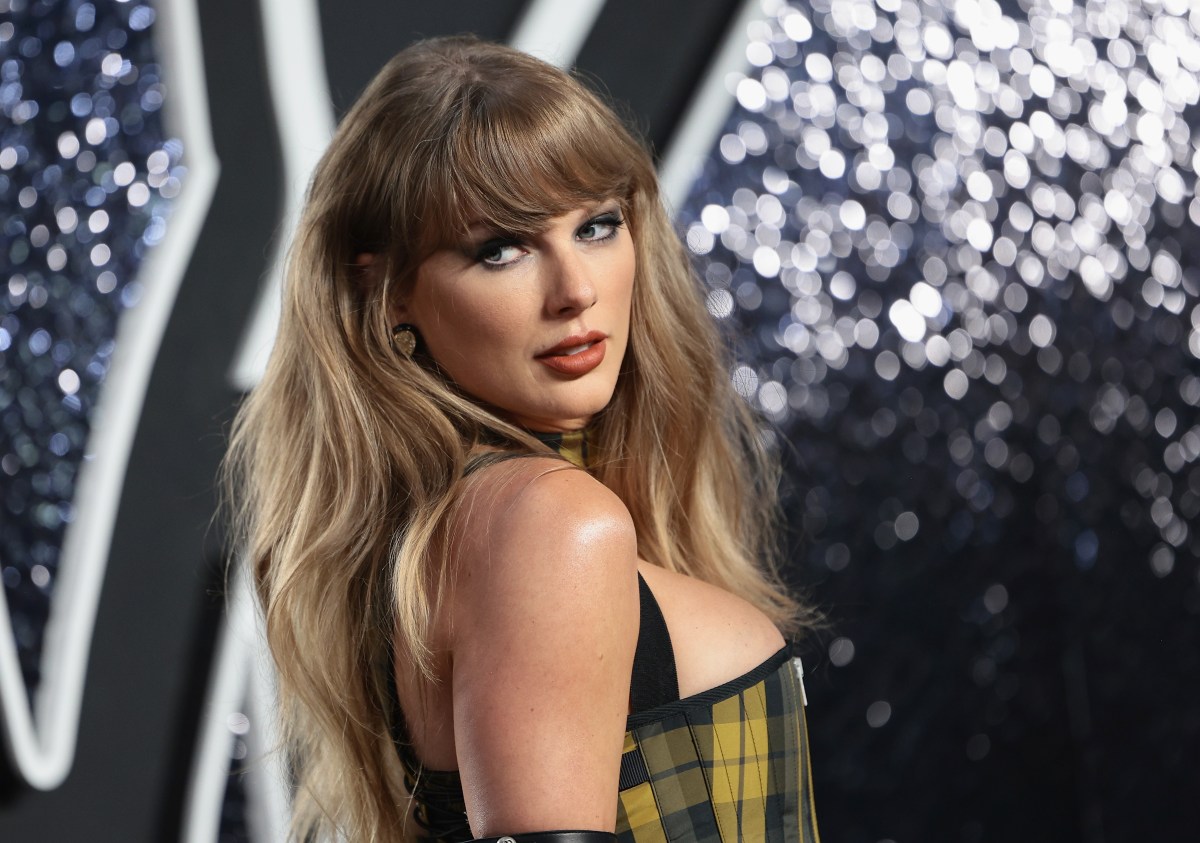
Forbes released its list of America’s richest self-made women for 2025, including musicians Beyoncé, Taylor Swift, and Rihanna. Beyoncé made the list for the first time, largely due to her successful 2025 tour, while Taylor Swift ranks highest among musicians with a $2 billion net worth. Rihanna also made the list, with most of her wealth coming from her cosmetics and lingerie businesses.
Key Facts
Beyoncé joined Forbes' list of richest self-made women for the first time in 2025.
Her 2025 Cowboy Carter tour earned over $450 million in ticket sales and merchandise.
Beyoncé ranks No. 39 on the list, tied with other women.
Taylor Swift ranks highest among musicians at No. 23 with a $2 billion net worth.
Most of Swift’s wealth comes from music, touring, music rights, and $110 million in real estate.
Rihanna is also No. 39 on the list with a $1 billion net worth.
Rihanna earned most of her wealth from her Fenty Beauty cosmetics and Savage X Fenty lingerie brands.
Forbes highlights that these women built their fortunes through a mix of music and business ventures.
Read the Original
Want the full story? Tap a source to open the original
article.
Several frozen snack products are being recalled because they may contain dry milk powder contaminated with salmonella. This recall affects multiple food items to protect consumers from potential illness.
Key Facts
A recall has been issued for frozen snack foods.
These snacks use dry milk powder that may be contaminated.
The contaminant is salmonella, a bacteria that can cause illness.
The recall includes several different food items.
Authorities advise consumers to avoid eating the recalled products.
The recall aims to prevent health risks related to salmonella infection.
Consumers should check product labels and follow recall instructions.
Read the Original
Want the full story? Tap a source to open the original
article.
Retirees can improve their financial situation by managing debt, moving money to higher-interest accounts, and reviewing their insurance plans. These steps can help them save money and increase their income despite current economic challenges like inflation and rising interest rates.
Key Facts
Inflation is high and interest rate cuts are unlikely this year; rates might actually increase.
Many retirees rely on limited savings, retirement funds, and Social Security.
Average credit card interest rates are over 20%, making debt costly for retirees.
Retirees should explore debt relief options like debt forgiveness, management programs, and consolidation.
Traditional savings accounts offer very low interest rates (around 0.38%).
Certificates of deposit (CDs) and high-yield savings accounts offer rates near 4%, which can help grow money faster.
Reviewing insurance options, including life insurance and Medicare supplements, might reduce costs and better fit current needs.
Changing insurance coverage amounts can lower premiums and increase available funds.
Read the Original
Want the full story? Tap a source to open the original
article.
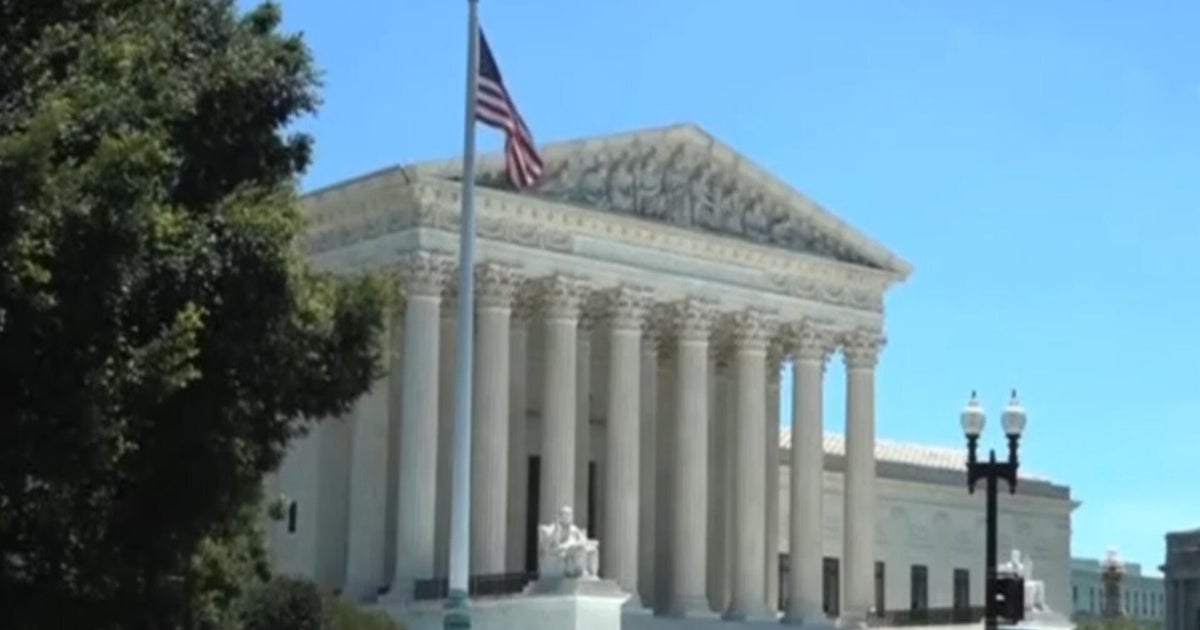
The Supreme Court made a decision about a legal fight between drug companies over "skinny labels," which are limited uses approved for generic drugs to avoid patent problems. The Court sided with a generic drugmaker accused of violating Amarin Pharma's patents.
Key Facts
The Supreme Court ruled on a patent dispute involving drugmakers.
The case focused on "skinny labels," which are specific uses generic drugs are approved for to respect existing patents.
Amarin Pharma owns patents that the generic company was accused of infringing.
The Court supported the generic drugmaker in this case.
This ruling affects how generic drug companies can market their products without breaking patents.
The decision may influence patent laws and competition in the drug industry.
Read the Original
Want the full story? Tap a source to open the original
article.
A 1-year certificate of deposit (CD) can help savers earn interest while keeping their money safe for one year. Interest rates vary by bank, but one example shows a 4.11% rate, meaning a $1,000 deposit could earn about $41 after one year.
Key Facts
A CD is a savings account with a fixed interest rate and set term length.
1-year CDs allow access to funds after 12 months without penalty.
Current competitive 1-year CD rates are around 4.11%.
At 4.11%, $1,000 earns about $41 in interest after one year.
Larger deposits earn proportionally more—for example, $50,000 earns about $2,055.
Withdrawing money early from a CD usually results in penalties that can reduce or wipe out earned interest.
Savers should choose an amount they can leave untouched for the full term.
Interest earned on CDs may have tax implications.
Read the Original
Want the full story? Tap a source to open the original
article.
New research from the Federal Reserve Bank of Boston shows that the current oil price shock linked to the Iran war raises inflation but has little effect on U.S. employment. The U.S. economy is better able to handle high oil prices now, with oil-producing states benefiting more than oil-importing ones.
Key Facts
The U.S.-Iran conflict caused a 33% increase in oil prices, a large but not unprecedented shock.
Unlike in the 1970s, this oil price spike is not reducing overall U.S. employment much.
Higher energy prices mainly increase inflation, putting pressure on the cost of goods like shipping and groceries.
Oil-producing states like Texas see stronger job and home price growth, while oil-importing states like Massachusetts see weaker growth.
The Boston Fed estimates that in the 1970s, such a shock would have raised inflation by 2.2% and lowered employment by 1.8%, much larger effects than today.
Most Federal Reserve districts report stable employment despite inflation driven by energy costs.
Energy producers are cautious about expanding activity, expecting the price increase to be temporary.
The U.S. economy’s structure has changed, making it less vulnerable to job losses from oil shocks but more exposed to inflation risks.
Read the Original
Want the full story? Tap a source to open the original
article.
National Donut Day on June 5, 2026, will feature free donuts, discounts, and special merchandise from major chains like Dunkin’, Krispy Kreme, and 7-Eleven. Many stores are offering deals for rewards members and limited-edition items, making it a popular event for donut fans across the U.S.
Key Facts
Krispy Kreme offers one free donut of any kind and a $2 dozen with purchase of a regular dozen.
Dunkin’ gives a free donut with any drink purchase and is releasing limited-edition bags and accessories.
Tim Hortons allows one free donut daily with any beverage purchase through June 7 via their app.
7-Eleven and Speedway offer 50-cent glazed donuts for rewards members and $1 mini donut packs.
Duck Donuts gives a free classic donut with no purchase needed and six donuts for $6.
Bonchon offers a free Korean donut with a $15 purchase using a special code.
Lidl and Winn-Dixie provide free or discounted donuts through loyalty programs.
National Donut Day began in 1938 to honor women who served donuts to soldiers during World War I.
Read the Original
Want the full story? Tap a source to open the original
article.
U.S. stocks mostly rose on Thursday as oil prices fell, with the Dow Jones gaining 841 points. However, some popular artificial intelligence (AI) stocks dropped, which limited overall gains in the market.
Key Facts
The Dow Jones Industrial Average rose 1.7% or 841 points as of midday trading.
The S&P 500 increased by 0.2%, while the Nasdaq composite dropped 0.2%.
Brent crude oil prices fell 2.7% to $95.21 per barrel after recent tensions between the U.S. and Iran.
Investors hope the U.S. and Iran will reopen the Strait of Hormuz for oil shipments, easing oil supply and inflation concerns.
Many U.S. companies reported better-than-expected profits, boosting confidence.
AI-related stocks, including Broadcom, Micron Technology, and CrowdStrike, experienced significant declines despite strong earnings.
Broadcom’s AI semiconductor revenue more than doubled to $10.8 billion, with expected growth over 200% next quarter.
Some analysts think AI stocks have become too expensive after strong gains earlier in the year.
Read the Original
Want the full story? Tap a source to open the original
article.
When a court orders wage garnishment, your employer must withhold part of your paycheck to pay your debt. Employers cannot decide to garnish your wages themselves, and federal law protects you from being fired for a single garnishment.
Key Facts
Wage garnishment means a portion of your paycheck is redirected to pay a creditor.
Your employer is legally required to follow a valid garnishment order.
Usually, employers can withhold up to 25% of your disposable earnings, which is your pay after taxes and other mandatory deductions.
Employers may charge a small fee to cover the cost of handling garnishments.
Employers can ask you for information to process the garnishment correctly.
Federal law prevents employers from firing you because of garnishment for a single debt.
Being fired may be possible if you have garnishments for two or more different debts.
Garnishment orders come from courts or government agencies, not employers.
Read the Original
Want the full story? Tap a source to open the original
article.
Federal regulators understand how to use side underride guards on trucks to prevent deadly accidents. These guards are designed to stop smaller vehicles from sliding under the sides of large trucks, which can save lives and reduce costs from crashes.
Key Facts
Side underride guards are safety devices attached to the sides of large trucks.
They prevent smaller vehicles from going underneath trucks in side collisions.
Using these guards can reduce deaths and serious injuries.
Federal regulators have clear knowledge about how these guards work.
Installing these guards can also make economic sense by lowering accident costs.
The technology is available and proven effective.
Wider use of side underride guards can improve road safety.
Read the Original
Want the full story? Tap a source to open the original
article.
The Chamber of Commerce announced it received a $100 million donation, its largest ever, to support its efforts promoting free enterprise. The donor is a longtime member who chose to remain anonymous.
Key Facts
The Chamber of Commerce received a $100 million donation.
This is the largest donation in the Chamber’s 114-year history.
The donation will help expand the Chamber’s free enterprise initiative.
The donor is a longtime member of the Chamber.
The donor requested to stay anonymous.
Read the Original
Want the full story? Tap a source to open the original
article.
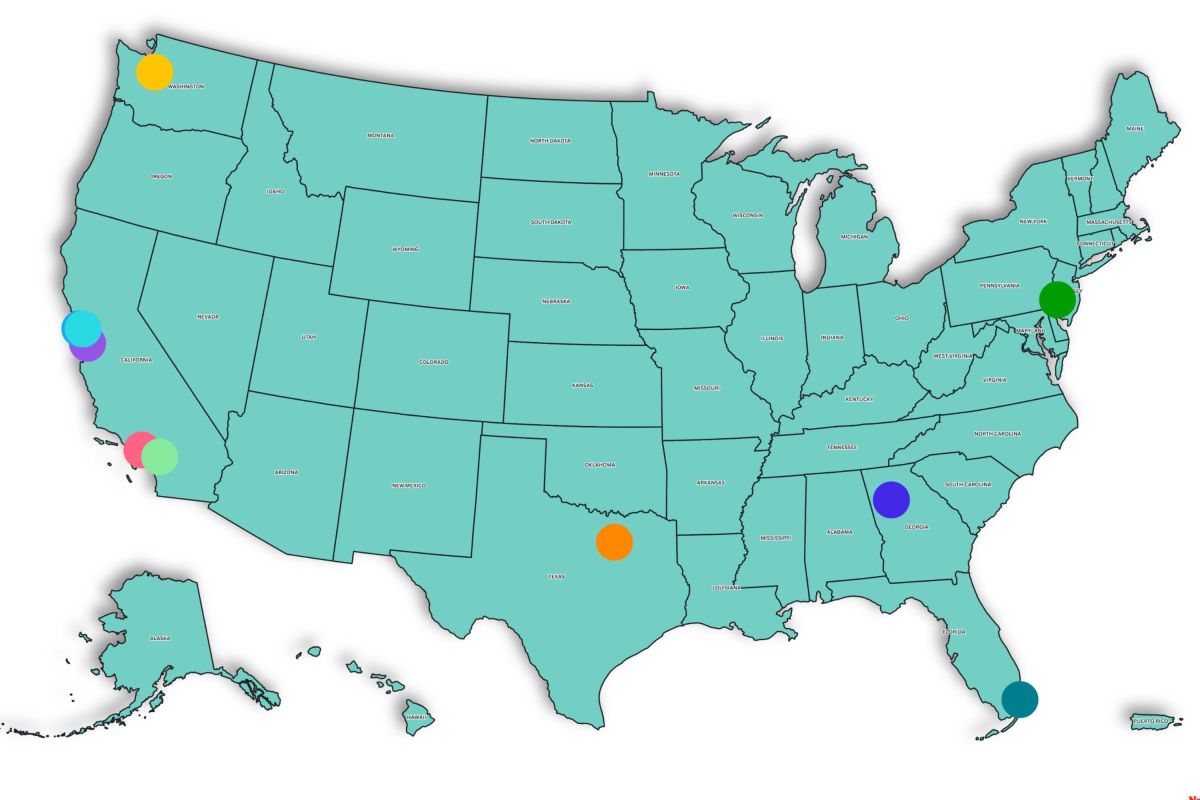
Many home sellers in large U.S. cities are taking their houses off the market because they are not getting good offers or the homes are staying unsold too long. A recent report by Redfin shows this trend is strongest in cities like Atlanta, San Jose, and Los Angeles, and overall delisting rates are now as high as during the start of the COVID-19 pandemic.
Key Facts
In April, 5.8% of all U.S. home listings were withdrawn from the market, tying the highest level since March 2020.
Atlanta had the highest percentage of homes pulled from the market at 10.7%.
Other cities with high delisting rates include San Jose (9.3%), Los Angeles (7.8%), Dallas (7.8%), and Seattle (7.7%).
High delisting rates often happen in strong buyer’s markets, where buyers have more power to negotiate lower prices or better conditions.
Rising living costs and higher interest rates have made buyers less willing to pay high prices for homes.
Some sellers refuse to lower prices or change terms, leading them to remove listings instead.
Cities with the lowest delisting rates include Pittsburgh (3.5%), Columbus (3.6%), and Chicago (3.6%), where sellers face less pressure.
The housing market has changed greatly since before 2020, with delistings now more common than ever.
Read the Original
Want the full story? Tap a source to open the original
article.
SpaceX, Elon Musk's space exploration company, will start selling shares to the public through an Initial Public Offering (IPO) on June 12. The company hopes to raise at least $75 billion to fund current projects and new ambitions like Mars colonization and space-based AI centers. Shares will be traded on the Nasdaq stock market, available to both large investors and individuals.
Key Facts
SpaceX is currently privately owned by Elon Musk and other investors.
The IPO will offer over 550 million shares at an initial price of $135 each.
SpaceX aims to raise $75 billion, potentially valuing the company around $1.75 trillion.
The company works on space exploration, satellite communication, social media platform X, and an AI platform called Grok.
SpaceX made $18.6 billion in revenue last year but had a net loss of $4.9 billion.
Shares will be traded on Nasdaq, a U.S. stock market focused on technology companies.
Investors include large institutions and individual buyers via investment platforms.
SpaceX warns it has a history of losses and may not become profitable soon.
Read the Original
Want the full story? Tap a source to open the original
article.