Marc Bolland, a former chief of Marks & Spencer, has been appointed as a government adviser to address youth unemployment in the UK. He will lead efforts with business leaders to create job opportunities for young people, following a report warning that youth unemployment could rise significantly without action.
Key Facts
About 1 million young people aged 16 to 24 in the UK are not in education, work, or training, known as "Neets."
The number of Neets could rise to 1.25 million by the 2030s if nothing changes.
Marc Bolland will serve as lead non-executive director at the Department for Work and Pensions (DWP).
Bolland has experience with the charity Movement to Work, which has helped over 200,000 young people find jobs.
He will work with top business leaders and charities, especially supporting disabled young people’s access to training and jobs.
About 60% of young people have never had a job, compared with 40% in 2005.
The youth unemployment crisis is estimated to cost the UK economy around £125 billion.
The government currently spends much more on benefits for young people than on programs to help them find work.
Read the Original
Want the full story? Tap a source to open the original
article.
The U.S. Supreme Court ruled that President Donald Trump did not have the authority to impose certain tariffs on imports. Businesses have started receiving refunds for those tariffs, but the Trump administration plans to appeal a court order that would allow all companies who paid the tariffs to get refunds, not just those who sued.
Key Facts
The Supreme Court struck down higher import taxes imposed under President Trump on goods from many countries.
U.S. Customs and Border Protection (CBP) began issuing refunds to importers starting May 12.
So far, CBP accepted refund claims totaling $85 billion and directed $20.6 billion in refunds to be paid.
The Trump administration plans to appeal a federal judge’s order allowing all importers who paid the tariffs to seek refunds.
The Department of Justice argued that only companies who filed lawsuits should be eligible for refunds.
Judge Richard K. Eaton scheduled a June 9 hearing to discuss speeding up the refund process.
Over 1,000 companies, including Costco and Dole, have filed lawsuits to reclaim tariff costs.
CBP is processing refunds in phases, starting with payments made after the Supreme Court decision.
Read the Original
Want the full story? Tap a source to open the original
article.
Australian truck drivers are facing serious financial hardships due to a sharp rise in diesel prices caused by the global fuel crisis linked to war in Iran. Owner-drivers like Frank Black struggle to cover their high operating costs, forcing some to stop working temporarily.
Key Facts
Diesel prices in Australia rose from about $1.80 to $3.20 per litre in April due to the global fuel crisis.
Truck drivers often spend about one-third of their job pay on fuel, one-third on truck maintenance, and the rest on wages.
High fuel costs made it impossible for some drivers to earn enough, leading them to stop working for weeks.
Long-haul truck drivers in Australia drive up to 200,000 km per year with total costs exceeding hundreds of thousands of dollars.
Many drivers face delayed payments of 30 to 120 days, increasing financial pressure.
Small operators have low profits and growing risk of bankruptcy.
Drivers often use personal assets like their homes as collateral to buy trucks, risking losing them if they default on payments.
The Transport Workers’ Union is pushing for permanent fuel surcharges and better regulations to protect drivers from price volatility.
Read the Original
Want the full story? Tap a source to open the original
article.
The article explains that new ways of paying for job training, called outcomes-based repayment models, can improve how workforce education is funded in the United States. These models share the financial risk between workers and those who provide or fund training, while also protecting workers and involving employers.
Key Facts
Outcomes-based repayment means payments depend on how well the training helps workers find jobs or earn more.
This method shifts some financial risk from workers to training providers or funders.
It aims to protect workers from debt if the training does not lead to good results.
Employers are included in the process to ensure training matches job needs.
The focus is on improving job training funding without increasing overall debt.
This approach is suggested as a solution to problems in America's workforce financing system.
Read the Original
Want the full story? Tap a source to open the original
article.
Ariana Grande released a new single called "hate that i made you love me" from her upcoming album "petal." She shared that the song is very special to her and plans to release the music video soon, with the full album coming on July 31.
Key Facts
Ariana Grande’s new single is titled "hate that i made you love me."
The song is from her upcoming album called "petal."
The single was released on May 29.
The song can be understood as about a romantic relationship or about people who judge her.
Ariana shared on Instagram that the song is one of her favorites.
The music video for the single will be released on Monday at 11 a.m. ET.
The full "petal" album will be available on July 31.
Ariana mentioned that her upcoming tour will begin soon and this marks a new phase in her career.
Read the Original
Want the full story? Tap a source to open the original
article.
A U.S. federal judge allowed all companies that paid certain import tariffs to claim refunds after the Supreme Court ruled President Trump did not have authority to impose these tariffs. The government is planning to appeal this order, which may slow down the refund process that has already returned billions of dollars to businesses.
Key Facts
The Supreme Court decided President Donald Trump lacked the constitutional power to impose higher import taxes on many goods.
U.S. Customs and Border Protection started refunding companies that paid these tariffs in early May 2024.
So far, the government has accepted refund claims totaling $85 billion and issued $20.6 billion in refunds.
A federal judge ordered that all importers who paid the struck-down tariffs can seek refunds, not just those who sued.
The Department of Justice is appealing this order, arguing that only some companies should get refunds initially.
The judge scheduled a hearing for June 9, 2024, to discuss speeding up the refund process.
The government is resisting having the CBP Commissioner testify about the refund timeline.
Some national retail chains, like Walmart, plan to lower prices using the tariff refunds.
Read the Original
Want the full story? Tap a source to open the original
article.
Kidilum is a new and popular restaurant in New York City. It is led by head chef Vinu Raveendran, who brings global cooking experience to create a special style of South Indian food.
Key Facts
Kidilum is a recently opened restaurant in New York.
The restaurant focuses on South Indian flavors and cuisine.
Vinu Raveendran is the head chef at Kidilum.
Chef Raveendran has worked in well-known kitchens around the world.
Kidilum offers a high-end or upscale dining experience.
The restaurant brings a unique New York twist to traditional South Indian dishes.
Read the Original
Want the full story? Tap a source to open the original
article.
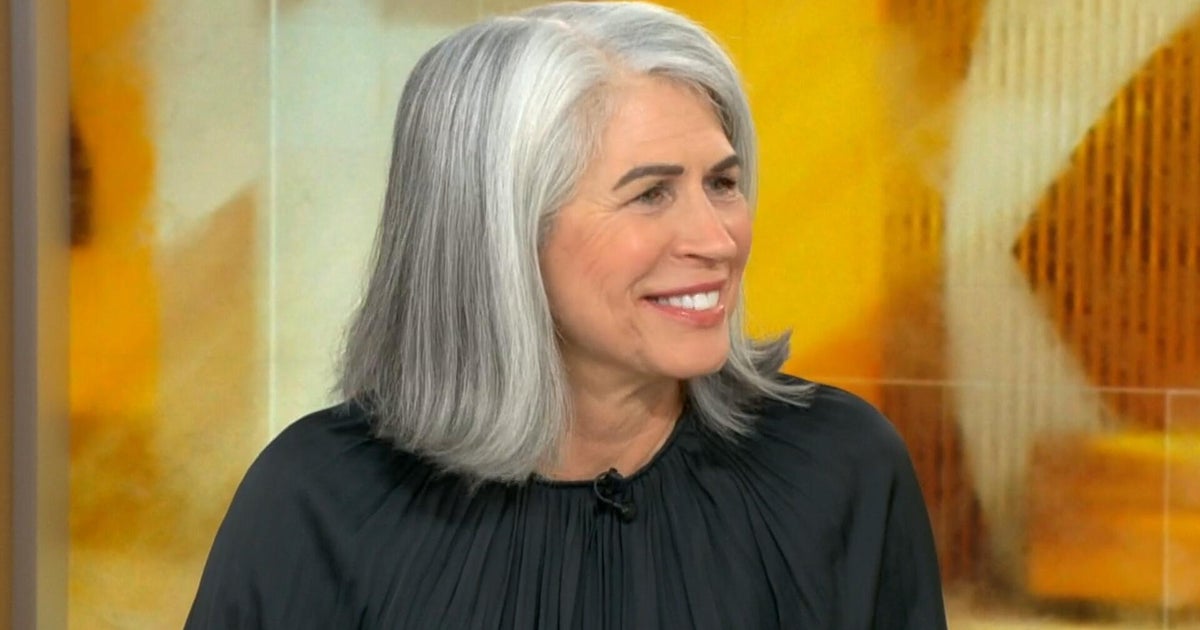
Monica Nassif, who started the cleaning product company Mrs. Meyer’s Clean Day, spoke with CBS News about her experience as a business owner. She also talked about her new book called "I Bottled My Mother."
Key Facts
Monica Nassif is the founder of Mrs. Meyer’s Clean Day cleaning products.
She appeared on CBS Saturday Morning to share her story.
Nassif discussed how she began and grew her business.
She recently published a book titled "I Bottled My Mother."
The interview was shown on CBS News.
Read the Original
Want the full story? Tap a source to open the original
article.
CBS Mornings Deals is sharing special discounts on products that can help improve daily life. People can visit the website cbsdeals.com to find these deals and buy items at lower prices.
Key Facts
CBS Mornings Deals offers exclusive discounts on various products.
The deals aim to improve everyday lifestyle.
Shoppers can access these offers by visiting cbsdeals.com.
CBS earns a commission when people buy products through the website.
The deals are featured on CBS Mornings, a news and information program.
Read the Original
Want the full story? Tap a source to open the original
article.
A family-owned ice cream shop called McGroggan's in Ballymena, Northern Ireland, is closing after 103 years in business. The shop's closure is due to rising costs and fewer customers visiting the town center.
Key Facts
McGroggan's ice cream shop was founded in 1922 by Hugh and Annie McGroggan.
The shop was run by four generations of the McGroggan family.
It was known for homemade ice cream and had won several awards.
Rising business costs and fewer people visiting the town caused the closure.
Customers traveled long distances to buy ice cream on the last day.
The closure affects other local businesses due to less foot traffic.
A business group says the government should lower business rates to help shops survive.
The shop’s final day was marked by many well-wishers and sad goodbyes.
Read the Original
Want the full story? Tap a source to open the original
article.
The cost of owning an electric vehicle (EV) varies depending on the state where you live. Gas prices recently reached their highest level in four years, which may encourage more people to consider EVs.
Key Facts
Gas prices hit a four-year high over Memorial Day weekend.
Rising gas costs could make electric vehicles more attractive to buyers.
The total cost of owning an EV changes from state to state.
Factors like electricity rates, taxes, and incentives affect EV ownership costs.
Some states offer financial benefits that lower the cost of EVs.
Other states might have higher costs due to less support or higher fees.
Location plays a key role in how much you pay to own and operate an EV.
Read the Original
Want the full story? Tap a source to open the original
article.
In the first quarter of the year, over 13% of credit card balances were unpaid for 90 days or more. This is the highest level of late payments on credit cards since 2011.
Key Facts
More than 13% of credit card balances were at least 90 days past due in the first quarter.
This is the highest rate of overdue credit card debt since 2011.
Being 90 days late means people have not made payments on their credit cards for at least three months.
A high rate of late payments can indicate financial difficulties for many credit card holders.
This trend may affect lenders and the overall economy.
Read the Original
Want the full story? Tap a source to open the original
article.
Everyman Cinemas, a luxury movie theater chain known for its comfy seats and gourmet food, is facing financial problems after strong growth. The company has lost money for several years, its shares dropped, and its top executives recently left. The new interim chief executive is focusing on reducing debt and improving operations to try to restore the company’s success.
Key Facts
Everyman started in London and grew to 49 locations across the UK.
The company warned of lower profits in December 2024, causing its share price to drop almost 20%.
The finance director and CEO both resigned recently.
Everyman has lost over £56 million before tax in the last six years and has not made a profit since 2019.
Debt stands at about £21.6 million.
Expansion has been paused to focus on paying down debt and improving existing cinemas.
Plans to increase profits may include letting customers pre-order food and improving the membership program, which had 67,000 members last year.
The new interim CEO has a background in TV and advertising and aims to reset the company for growth.
Read the Original
Want the full story? Tap a source to open the original
article.
Unpaid caregiving causes financial, physical, and emotional challenges. It also harms people’s ability to save and plan for retirement, threatening their future security.
Key Facts
Caregiving includes helping family or friends without pay.
It creates financial strain because caregivers often spend their own money.
Caregivers face physical and emotional health challenges.
Time spent caregiving can reduce work hours or job opportunities.
This loss of income and savings affects retirement security.
Recognizing and supporting caregiving can help protect retirement savings.
The article suggests it is important to find ways to credit caregiving in social and financial systems.
Addressing caregiving’s impact could improve people’s economic futures.
Read the Original
Want the full story? Tap a source to open the original
article.
Winning the lottery can bring a big cash prize, but lottery winnings are often reduced by taxes. The amount you lose to taxes depends on where you live.
Key Facts
Lottery prizes are subject to taxes.
Tax rates on lottery winnings vary by location.
Some places take a bigger share of lottery winnings than others.
The final amount a winner receives can be much less than the announced prize.
Understanding local tax rules helps lottery winners know how much they keep.
Read the Original
Want the full story? Tap a source to open the original
article.
While many pubs in Britain closed in early 2026 due to rising costs and taxes, Wales is seeing new pub openings. In Cardiff and other Welsh towns, entrepreneurs like Lewis Dwyer have opened new pubs, supported by the local community and crowdfunding.
Key Facts
In the first quarter of 2026, 161 pubs closed across Britain, about two per day.
The closures increased by 26% compared to the same period in 2025.
These closures resulted in the loss of around 2,400 jobs.
Wales was the only part of Britain where new pubs opened, with at least three new venues starting in early 2026.
The Pig & Swill in Cardiff is one new pub opened by local restaurateurs Lewis Dwyer and Andy Aston.
The Pig & Swill raised £29,000 through a Kickstarter campaign to help with renovations.
Local hospitality in Wales still faces challenges, including closures of restaurants and hotels.
Industry leaders call for government support on taxes and costs to help hospitality businesses survive and grow in Wales.
Read the Original
Want the full story? Tap a source to open the original
article.
French President Emmanuel Macron is hosting the annual "Choose France" summit to attract foreign investment, with about 200 business leaders expected. This event comes as France faces economic challenges, including more factory closures than openings, high national debt, and rising unemployment.
Key Facts
President Macron visited a Thermomix kitchen appliance factory in France, owned by a German company.
Over 100 industrial and business sites will open to the public before the "Choose France" summit.
The summit will be held at the Versailles palace and expects around 200 foreign business leaders.
France aims to set a new record for foreign investment at this summit.
France’s economy is struggling with more factory closures than openings.
The country is dealing with increasing national debt and rising unemployment.
Global economic difficulties, including effects from the war in Iran, are impacting France’s economy.
The event is taking place a year before the next French presidential election.
Read the Original
Want the full story? Tap a source to open the original
article.
A heatwave in Britain is affecting people differently based on where and how they live. Wealthier workers in air-conditioned offices and homes are comfortable, while people in poorer areas suffer in overheated flats without air conditioning, which can cause health risks.
Key Facts
London experienced the hottest days in May ever recorded, reaching 35°C.
Many poorer homes are not built to handle extreme heat and can get dangerously hot inside.
Almost half of the poorest fifth of English households have homes that are likely to overheat, compared to 17% of the richest fifth.
Air conditioning units and fans have increased in price, making them harder for some people to buy.
Wealthier office workers often have air-conditioned offices, trains, and homes, staying cool during the heatwave.
Some people in deprived areas have to sit outside or use fans to try to stay cool because their flats are too hot to sleep in.
Health risks increase when indoor temperatures go above 25°C, especially for older people.
The heatwave has highlighted the uneven effects of extreme weather on different income groups in the UK.
Read the Original
Want the full story? Tap a source to open the original
article.
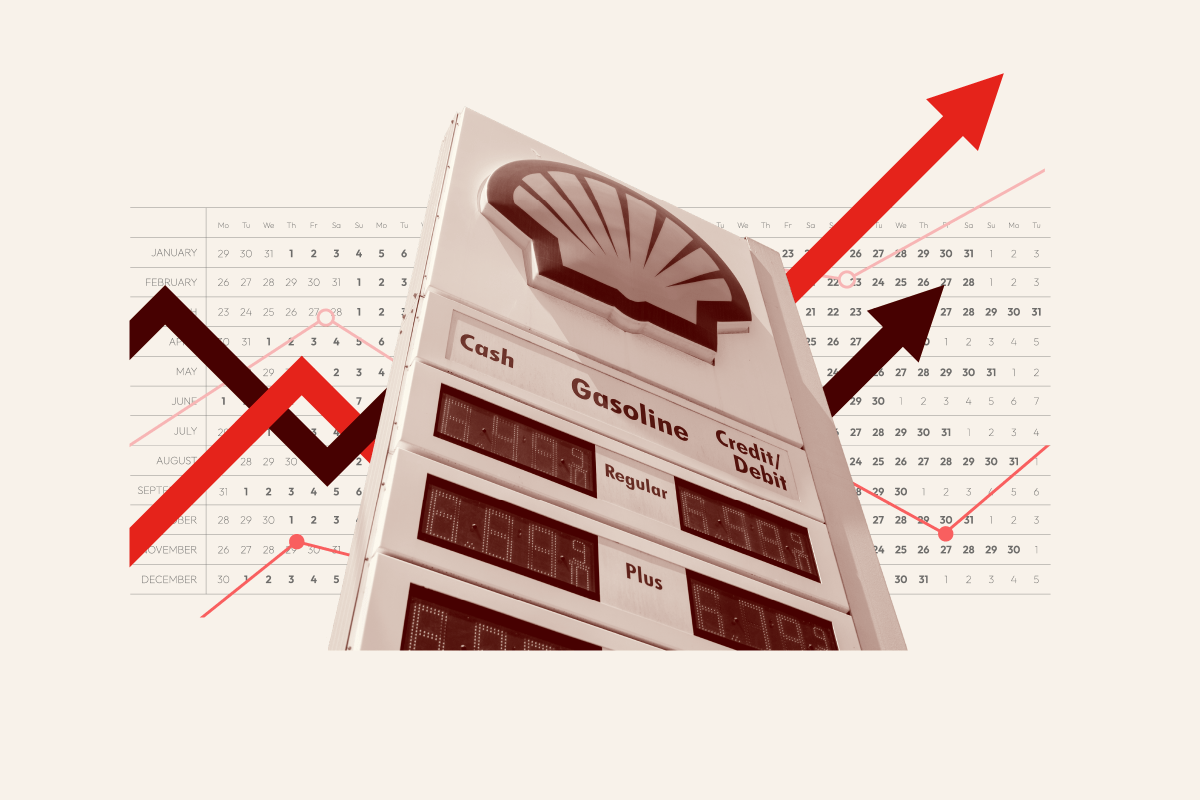
Gasoline prices in the U.S. have risen sharply since the start of the war with Iran and are unlikely to fall back to prewar levels soon. Experts say that even if the conflict ends now, it could take many months or even years for gas prices to return to where they were before the war.
Key Facts
Before the Iran war started, the average U.S. gas price was $2.98 per gallon.
As of May 11, 2026, the national average price was about $4.52 per gallon.
The conflict caused a major disruption in oil supply due to reduced shipping through the Strait of Hormuz, a key route for about 20% of global oil.
California has the highest gas prices in the U.S., averaging over $6 per gallon, while Mississippi has the lowest, just under $4.
Experts agree that reopening the Strait of Hormuz fully is necessary to lower gas prices significantly.
Even if the strait reopens now, it may take weeks or months for oil shipments to resume normal levels and reach markets.
Analysts predict gas prices may not drop to prewar levels until the second half of 2027 or later.
President Donald Trump has expressed optimism that prices will drop quickly if the war ends, but experts disagree.
Read the Original
Want the full story? Tap a source to open the original
article.
The UK government is trying to make it easier for people to charge electric cars parked on the street by using special charger gullies. However, many local councils, especially in London, are still not allowing cables to cross sidewalks due to safety and access concerns, which limits the use of this cheaper charging method for many households without private parking.
Key Facts
Energy Secretary Ed Miliband supports charger gullies to reduce costs for electric vehicle (EV) drivers.
Over 20 local councils, including many in London, do not allow charging cables across pavements.
London has the most electric cars and the most households without off-street parking in the UK.
Charging EVs at home using domestic electricity is cheaper because VAT on electricity is 5%, compared to 20% on public chargers.
About 9.3 million UK households lack off-street parking, making street charging important.
Gully makers say their products create safe cable channels that do not cause trip hazards.
Councils oppose gullies due to concerns about safety, liability, parking, and pavement damage.
The government removed the need for planning permission for gullies but local councils still control street work licenses, causing delays.
Read the Original
Want the full story? Tap a source to open the original
article.