The United States Postal Service (USPS) announced that the Mister Rogers Forever Stamp won its Stamp Encore contest after receiving over half a million votes. The stamp, first issued in 2018, will be available for purchase again starting June 1 at post offices and online.
Key Facts
The Mister Rogers Forever Stamp originally came out in 2018 and sold 12 million copies quickly.
USPS ran a Stamp Encore contest where the public voted on their favorite stamp over 10 weeks.
More than 500,000 votes were cast in the contest.
The Mister Rogers stamp received 40,000 more votes than the second-place stamp.
The stamp was designed by USPS art director Derry Noyes.
The stamp will be available nationwide from June 1 in post offices and online.
The contest winner was announced at the Boston 2026 World Exposition.
Read the Original
Want the full story? Tap a source to open the original
article.
Women often face more paperwork than men when dealing with banks because of common life events like marriage, divorce, and changes in last names. These events require extra documents that men usually do not need to provide.
Key Facts
Many women change their last names after marriage or divorce.
Banks often require updated documents to reflect these changes.
Men usually do not face the same level of documentation adjustments.
Life events such as marriage and divorce trigger additional paperwork for women.
Financial institutions are not fully prepared to handle these unique situations for women.
Read the Original
Want the full story? Tap a source to open the original
article.
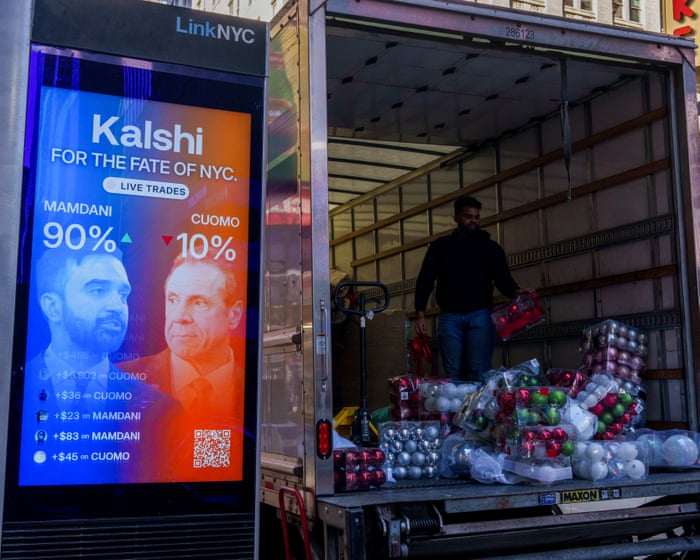
US-based prediction market websites are allowing bets on Australian elections and events related to Prime Minister Anthony Albanese, despite not being licensed in Australia. Australian regulators are watching closely as these sites are accessed by Australians using VPNs, raising concerns about gambling risks and lack of oversight.
Key Facts
Prediction markets like Kalshi and Polymarket let users buy shares in outcomes of events, including political and cultural topics.
These platforms are not approved or licensed in Australia, and their Australian users access them via VPNs.
The Australian government blocked Polymarket in 2025 for offering gambling services without a license.
Australians have traded large sums on these sites, including bets on election results and words spoken by Prime Minister Albanese.
Gambling harm experts worry these markets can be easily manipulated and that current laws don’t cover them well.
Both Kalshi and Polymarket have hosted markets on Australian economic figures, political events, and government decisions.
Australian regulators and gambling reform groups are concerned about the rapid rise of these unregulated markets.
The government plans to expand regulatory powers to better cover and control online gambling platforms.
Read the Original
Want the full story? Tap a source to open the original
article.
In California, two car events happen each year showing very different types of cars. The Pebble Beach Concours d'Elegance shows rare and expensive cars, while the Concours d'Lemons celebrates old, unusual, and less popular cars in a fun way.
Key Facts
Pebble Beach Concours d'Elegance is an invite-only event for exclusive and valuable collector cars.
Sandra Button is the chairperson of the Pebble Beach event and emphasizes preserving car authenticity.
The Concours d'Lemons started in 2009 and honors cars that are less prestigious and more ordinary or quirky.
Alan Galbraith founded the Concours d'Lemons and calls himself its "head gasket."
The Concours d'Lemons has humorous categories like "Swedish Meatball" and "Rust Belt American Junk."
There is no “Best of Show” at the Concours d'Lemons, only awards for the "Worst of Show."
People enjoy the Concours d'Lemons because it brings fun and stories about everyday cars.
Alan Galbraith also works as a respected guide at the Pebble Beach Concours d'Elegance.
Read the Original
Want the full story? Tap a source to open the original
article.
The Pebble Beach Concours d'Elegance in California is a special event for some of the most valuable and rare collector cars. Nearby, Concours d’LeMons is a yearly event that celebrates inexpensive and less admired cars. Both events highlight very different parts of the automotive world.
Key Facts
Pebble Beach Concours d'Elegance is an invitation-only car show.
It features some of the most prestigious and valuable collector cars.
This event happens in California.
Concours d’LeMons is held nearby and focuses on old, cheap, or unusual cars.
Concours d’LeMons celebrates the least attractive or least popular cars.
Both events happen around the same time each year.
They show two opposite sides of car collecting: luxury versus odd or low-cost cars.
Read the Original
Want the full story? Tap a source to open the original
article.
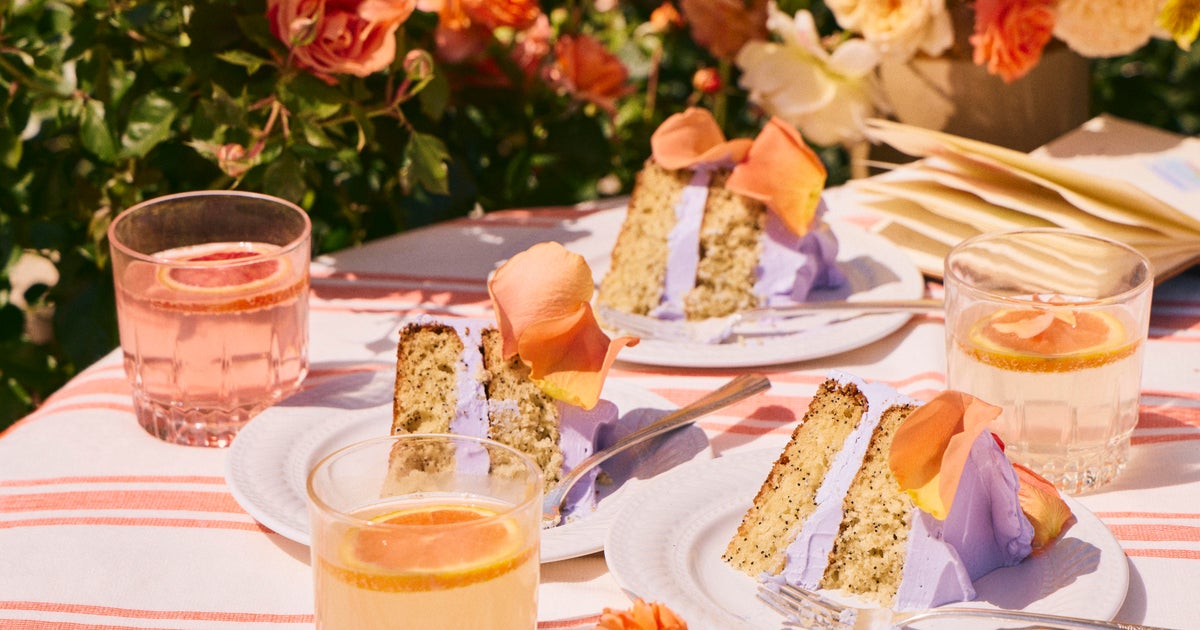
Elisa Sunga, founder of Cake Picnic, has released a new cookbook called "Cake Picnic: Recipes for the Love of Cake & Friends." The book includes recipes and advice on hosting cake picnic gatherings. She shares a recipe for a lavender and lemon poppy seed cake from her book.
Key Facts
Elisa Sunga is the founder of Cake Picnic, a group that hosts baking events in multiple cities.
Her new cookbook combines cake recipes with tips on hosting cake picnics.
The lavender and lemon poppy seed cake recipe uses food-grade lavender extract for flavor.
The cake includes two layers of lemon poppy seed yogurt cake.
The frosting is a lavender Swiss meringue buttercream made by whipping egg whites and butter.
Decorations can include candied lavender, fresh lavender sprigs, lemon slices, and more.
The recipe provides detailed instructions for baking and assembling the cake.
The cookbook is published by Chronicle Books.
Read the Original
Want the full story? Tap a source to open the original
article.
The 2026 Met Gala, co-chaired by Jeff Bezos and Lauren Sánchez Bezos, faced protests and criticism due to Bezos’s growing wealth and his company Amazon’s labor practices. Activists and some fashion insiders protested the event, highlighting concerns about inequality and working conditions at Amazon, while a recent movie also reflected public skepticism toward tech billionaires’ influence in fashion.
Key Facts
The Met Costume Institute’s 2026 spring exhibition press conference was attended by Lauren Sánchez Bezos and featured praise from Anna Wintour.
Jeff Bezos and Lauren Sánchez Bezos sponsored the Met Gala with $10 million, marking Jeff Bezos’s continued support since 2012.
Protests outside the event included projecting Amazon workers’ complaints onto Bezos’s building and distributing fake urine to symbolize the harsh conditions for Amazon delivery drivers.
Some fashion insiders, like former US Vogue editor Gabriella Karefa-Johnson, boycotted the event and organized rival activities supporting Amazon workers.
Criticism also appeared in the movie "The Devil Wears Prada 2," which features a tech billionaire trying to take over a fashion magazine, paralleling real-world rumors about Bezos.
The backlash shows rising tensions between the fashion industry and wealthy tech figures supporting the arts, reflecting debates about inequality and corporate influence.
The Met Gala remains a unique event where fashion designers showcase extravagant work alongside celebrity and patronage culture.
Read the Original
Want the full story? Tap a source to open the original
article.
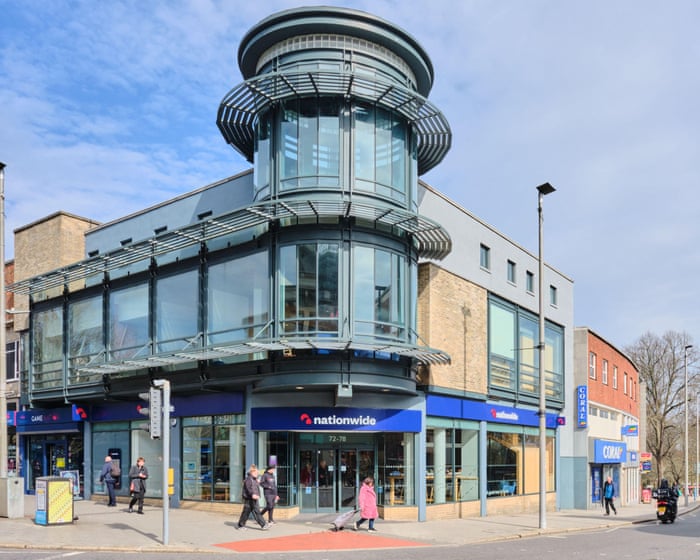
Nationwide, a large UK building society, is facing pressure to improve how it involves its members in governance decisions. Concerns include bundled voting options, limited board seats for members, online-only meetings, and non-binding votes on executive pay.
Key Facts
Nationwide holds £382 billion in assets after acquiring Virgin Money for £2.9 billion.
Stockport Labour MP Navendu Mishra sent a letter to Nationwide’s chair and the UK chancellor about governance concerns.
Members ultimately own building societies, but their direct representation on boards remains rare.
“Quick vote” options allow members to approve all recommendations with one click but may reduce careful review and favor current board members.
One member running for a board seat has asked Nationwide to stop using quick votes at the upcoming annual meeting.
Nationwide currently holds only online annual general meetings (AGMs), which may exclude members without internet access and limit question opportunities.
The society does not hold binding votes on executive pay, unlike some listed banks; the CEO received a 43% pay rise up to £7 million last year without a binding member vote.
Nationwide says quick votes are widely used and well received and online meetings have reversed falling attendance.
Read the Original
Want the full story? Tap a source to open the original
article.
Oil prices are rising because of tensions around the Strait of Hormuz, a key shipping route for oil. Experts warn that oil supplies are running low and prices could go very high soon, which may harm the global economy. A deal between the US and Iran could help calm the market and prevent further problems.
Key Facts
Oil prices have bounced around $100 per barrel since Iran closed the Strait of Hormuz.
Some measures have helped ease supply issues, like releasing oil reserves and rerouting Gulf oil shipments.
The International Energy Agency (IEA) says oil stocks are being used up faster than ever.
Analysts warn that oil supplies might hit crisis levels by the end of June if the strait stays closed.
High oil prices could force consumers and industries to use less oil, which can damage economies.
The US, although a net oil exporter, still faces higher gas prices for consumers due to global market changes.
Disruptions are now spreading beyond oil to natural gas, fertilizers, shipping, and other industrial supplies.
Oil markets are very volatile and sensitive to any news about peace talks or deals.
Read the Original
Want the full story? Tap a source to open the original
article.
A nationwide recall was announced for several powdered drink mixes due to possible contamination with salmonella bacteria. The products, distributed in 25 states, include popular beverage mixes like matcha green tea and milk tea. No illnesses were reported at the time of the recall.
Key Facts
The recall covers specialty powdered drink mixes from brands such as Angel Specialty Products, Royal Gold, and Boba Time.
Products affected include matcha green tea, taro powder, milk tea mixes, cappuccino, latte powders, and smoothie bases.
The contamination risk comes from nonfat dry milk powder used in manufacturing.
Recalled products were sold in 25 U.S. states, including California, New York, Texas, and Florida.
Consumers should check package lot codes to see if their products are affected.
People who have the recalled products should not consume them and should return or dispose of them.
Salmonella is a bacteria that can cause serious stomach illness, especially in children, seniors, and people with weak immune systems.
Symptoms usually appear within 1 to 3 days and can include diarrhea, fever, and stomach cramps.
Read the Original
Want the full story? Tap a source to open the original
article.
Rising gas prices in the U.S. have increased interest and sales in electric vehicles (EVs), especially used EVs. Demand and prices for used EVs have grown as they offer a more affordable alternative during fuel price spikes caused by global events.
Key Facts
Gas prices in the U.S. rose from under $3 to over $4.50 per gallon between March and mid-May 2024.
Online searches for new EVs increased by 62%, and searches for used EVs rose by 49% in the same period.
Used EV sales grew 17% year-over-year, with prices increasing nearly 9% since February.
Used EVs are selling faster, with the average time on car lots dropping from 50 to 42 days.
The recent spike in gas prices is linked to conflicts in the Middle East affecting oil supply.
Prices for some used EV models, like Chevy Equinox EV and Hyundai Ioniq 5, have decreased 17-20% year-over-year.
Used Tesla Model 3 vehicles average around $25,700, making them competitive with used gas cars.
A wave of three-year EV leases returning to the market is increasing supply and affordability for buyers.
Read the Original
Want the full story? Tap a source to open the original
article.
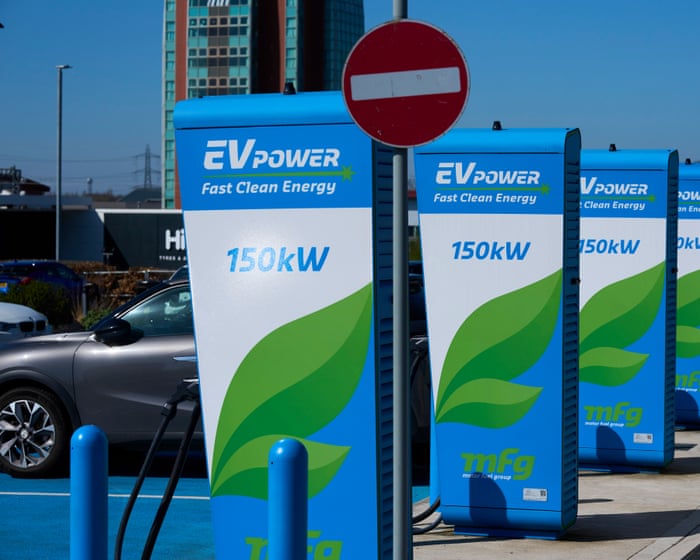
The UK Treasury rejected a government plan to reduce VAT on electricity used at public electric vehicle (EV) chargers from 20% to 5%. This decision followed disagreements between departments, even though lowering VAT on public EV charging is supported by transport officials to help consumers amid rising living costs.
Key Facts
The government considered cutting VAT on public EV charging electricity from 20% to 5% during the last budget.
The Treasury, led by Chancellor Rachel Reeves, rejected the proposal because of concerns about lost tax revenue.
Electricity charged at home for EVs is charged VAT at 5%, while public chargers are charged at 20%.
Transport officials encouraged EV charging companies to explain how they would lower prices if VAT was cut; companies said they would pass savings to consumers.
The difference in VAT rates is called a “pavement tax” by critics who say it discourages electric car use, especially for those without home charging.
A London tax tribunal ruled that VAT on public EV charging should be 5%, but HM Revenue & Customs (HMRC) is appealing this decision.
The government plans to review public EV charging costs in the autumn, which includes the VAT issue.
The government promotes EV use through car discounts and investments but also plans a new 3p-per-mile charge for EVs starting in 2028 to replace lost fuel taxes.
Read the Original
Want the full story? Tap a source to open the original
article.
Tourists in Rio de Janeiro have been tricked by beach vendors using card payment scams that add extra zeros to prices, charging hundreds of pounds instead of a few. Victims often struggle to get their money back because these transactions are considered authorized payments, making refunds difficult without proof like a receipt.
Key Facts
A visitor was charged £590 instead of £5.90 for two slices of barbecued cheese after the vendor secretly added zeros to the card reader.
Similar scams have charged tourists £1,500 for a kebab and £3,000 for corn on the cob.
Scammers manipulate the card payment terminal after showing the correct amount to the customer.
UK consumer protection typically allows refunds for bank transfer scams, but not for face-to-face transaction scams without evidence.
One victim’s bank first said the payment could be reversed, but later said authorized payments cannot be undone.
The victim’s attempt to use a chargeback failed due to lack of a receipt.
The bank refunded the victim as a goodwill gesture after media attention.
Authorities advise tourists to pay vendors in cash or handle their own card payments to avoid scams.
Read the Original
Want the full story? Tap a source to open the original
article.
The prices of everyday food items like eggs, milk, and bread have risen significantly in the UK over the past few years. Factors driving these price increases include poultry culling due to avian flu, higher grain and energy costs, and global conflicts affecting supply chains.
Key Facts
In 2022, a box of six free-range eggs cost £1, but in 2024 it costs about £1.80.
Egg prices rose due to bird culling from avian flu and increased energy costs for indoor housing.
Ukraine is a key grain supplier, and prices rose after Russia’s invasion in 2022, pushing up feed costs.
The price of four pints of semi-skimmed milk went from £1.29 in 2022 to £1.65 now.
Energy price increases have raised costs in dairy farming and processing.
Bread prices increased from 65p to 74p per loaf since 2022, partly due to wheat cost changes.
Producer costs have increased faster than inflation, but contracts with supermarkets limit price rises mid-term.
Ongoing global conflicts, like in the Middle East, continue to affect food supply and prices.
Read the Original
Want the full story? Tap a source to open the original
article.
East African countries want to reduce the import of used clothes because they hurt local clothing businesses. However, many people in the region rely on buying and selling second-hand clothes because they are cheaper than new clothes.
Key Facts
East Africa imports large amounts of second-hand clothing from the US, Europe, and China.
Kenya is the biggest importer in Africa, bringing in nearly 180,000 tonnes of used clothes in 2022.
The East African Community tried to ban second-hand clothing imports before but gave up after pressure from the US.
Uganda added a 30% tax on used clothes to help its local clothing makers and protect the environment.
Kenya charges a 30% customs duty on used clothes, which is higher than the tax on new clothes.
Many people work in the second-hand clothing trade, with an estimated 4.9 million people across East Africa depending on it for jobs.
Some local clothing designers say used clothes make it hard to sell their more expensive products.
Traders and sellers argue that the used clothing business supports many people and should remain free of heavy restrictions.
Read the Original
Want the full story? Tap a source to open the original
article.
A New York City official, Comptroller Mark Levine, warned that artificial intelligence (AI) could lead to the loss of thousands of jobs in the city. He discussed how AI might affect the economy and the job market in New York in the future.
Key Facts
Comptroller Mark Levine spoke about potential job losses due to AI in New York City.
AI could negatively impact many workers in the city.
The warning suggests thousands of jobs might disappear because of AI technologies.
Levine described different scenarios about AI’s impact on the economy and employment.
The focus is on how the city's workforce and economy might change as AI develops.
Read the Original
Want the full story? Tap a source to open the original
article.
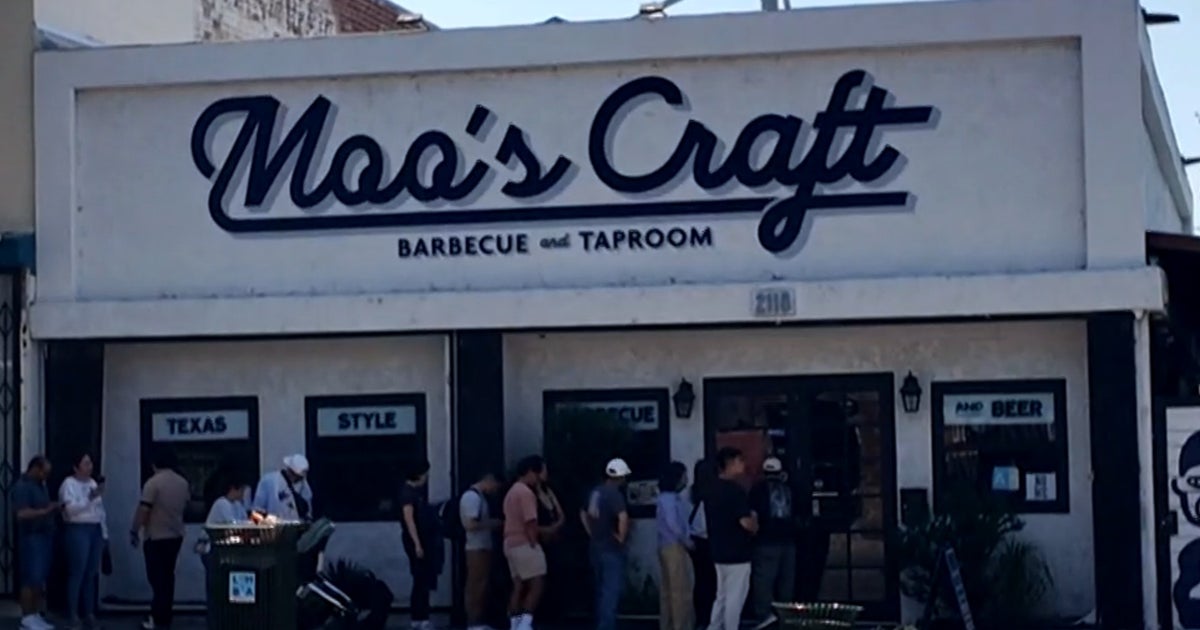
Moo's Craft Barbecue is a new barbecue restaurant in Los Angeles that serves Texas-style barbecue. It has quickly become one of the city's most popular barbecue spots.
Key Facts
Moo's Craft Barbecue offers barbecue food in the style common in Texas.
The restaurant is located in Los Angeles.
It has gained popularity fast and is considered one of the top barbecue places in the city.
CBS News featured Moo's Craft Barbecue on their program "CBS Saturday Morning."
The article highlights the connection between Texas barbecue tradition and the restaurant's menu.
People interested in barbecue food in Los Angeles are visiting Moo's Craft Barbecue.
Read the Original
Want the full story? Tap a source to open the original
article.
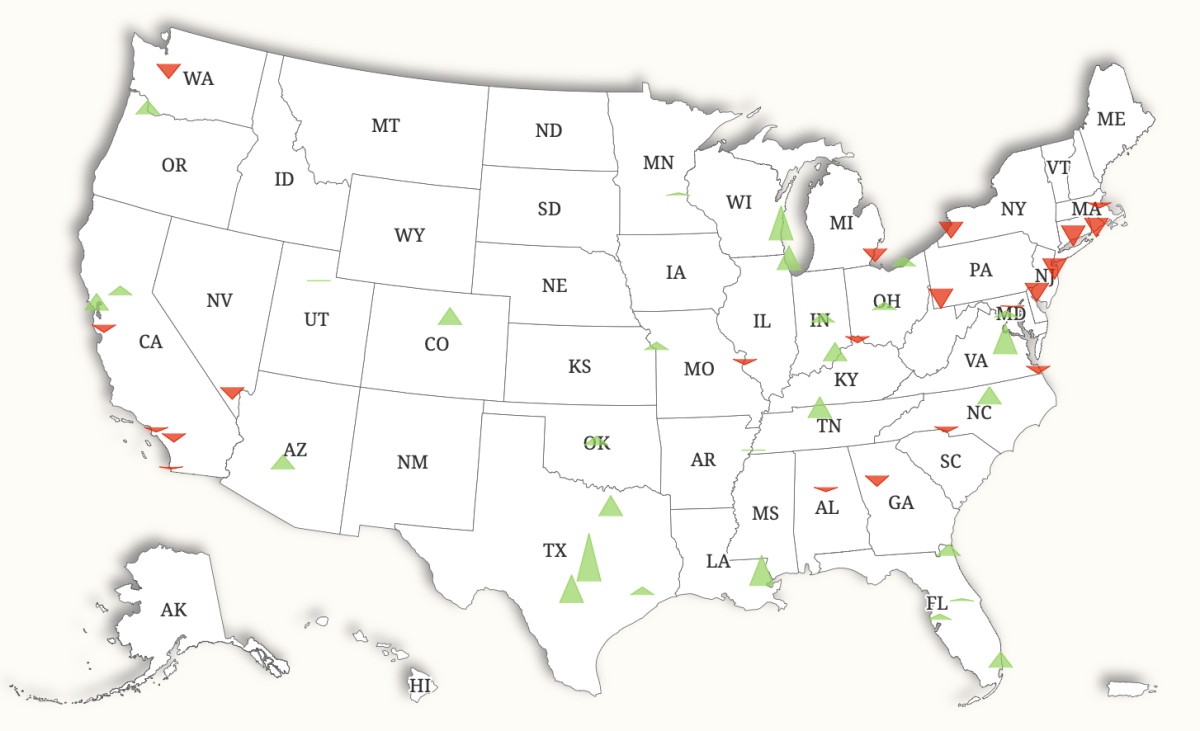
Home sales are increasing fastest in several Southern and Midwestern U.S. cities where the number of homes for sale has risen above levels seen before the COVID-19 pandemic. Austin, Texas leads with a 20 percent rise in home sales thanks to more available homes and better affordability.
Key Facts
Austin, Texas had a 20 percent increase in home sales compared to last year.
Austin also has 52 percent more homes for sale than before the pandemic.
Other Texas cities saw sales rises: San Antonio 11.7%, Dallas 8.6%, Houston 3.3%.
Nashville, Raleigh, Miami, Phoenix, and Denver also had good increases in home sales.
Milwaukee, Richmond, New Orleans, Chicago, and Louisville outperformed in mostly Midwestern and Southern cities.
Many Northeastern cities, including New York and Pittsburgh, saw home sales drop.
The supply of homes has improved in 19 of the 50 largest U.S. metro areas, mostly in the South and West.
The pandemic caused a surge in demand and low supply for homes, pushing prices up, but increased building in some areas has improved inventory and sales recently.
Read the Original
Want the full story? Tap a source to open the original
article.
The article discusses how the concept of the office lunch has changed over time. Once a relaxing break or even a social event, office lunches now feel like a rushed, inconvenient task during the workday.
Key Facts
Office lunch breaks are mandatory by law in some places, like California.
Traditionally, lunch was a leisure time and important break, especially during industrial work.
Modern office lunches focus on quick, convenient food to return to work fast.
The author feels the current office lunch is less enjoyable and more of a distracting obligation.
Lunch has become less about nourishment and more tied to work routines and personal habits.
Industrialization helped establish lunch as a main meal during the day.
Some people prefer smaller snacks or skipping the traditional lunch to stay more productive.
Venture capitalists may promote upscale takeout options to profit from office workers' lunchtime habits.
Read the Original
Want the full story? Tap a source to open the original
article.
CBS Mornings is offering special discounts on various products through its website, cbsdeals.com. Viewers can find useful everyday items at reduced prices and support CBS as it earns commissions on sales made through the site.
Key Facts
CBS Mornings features exclusive discounts on selected products.
The deals are available on the website cbsdeals.com.
The products showcased may become helpful in daily life.
Purchases made through CBS Deals generate commissions for CBS.
The promotion is part of the CBS News programming.
Read the Original
Want the full story? Tap a source to open the original
article.