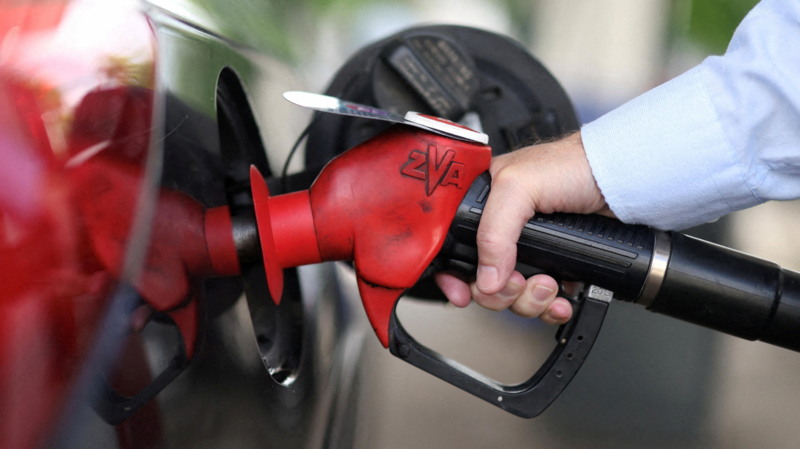
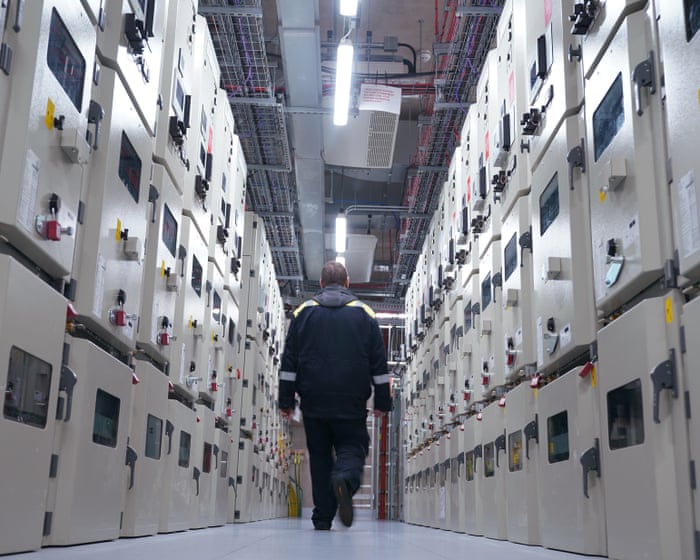
Energy bills in Great Britain are expected to rise by nearly 13% this summer, pushing the average cost to about £1,900. Government officials and experts say the increase is due to higher gas prices caused by tensions in the Middle East and warn that many households will face ongoing high energy costs.
Key Facts
The typical gas and electricity bill is forecast to increase by £209 per year from this summer.
The increase is linked to the rise in global gas prices after the conflict involving Iran.
The government’s energy price cap will stay higher than pre-crisis levels into early winter.
The Treasury announced reduced VAT on attraction tickets and children’s meals to help with living costs but no direct support for energy bills yet.
Experts say targeted help might be needed for vulnerable households if the price cap doesn't decrease in autumn.
Ofgem, the energy regulator, may adjust the average energy usage assumptions, affecting how the price cap is calculated.
The government stated it is focusing on affordable energy and moving towards clean, homegrown power to avoid future crises.
Uncertainty remains over how much prices will rise this winter, depending on international events like a possible peace deal between the US and Iran.
Read the Original
Want the full story? Tap a source to open the original
article.
The new Star Wars movie, The Mandalorian and Grogu, earned $102 million in North America during its opening weekend, the lowest for a Star Wars film since Disney bought the franchise. Although it made $165 million worldwide, this is less than the opening of other recent Star Wars films, showing weaker box office results for the series on the big screen.
Key Facts
The Mandalorian and Grogu made $102 million in North America over a four-day Memorial Day weekend.
The global box office total for the opening weekend was $165 million.
This is the lowest opening weekend for a Star Wars movie since Disney acquired the franchise in 2012.
The 2018 Star Wars spin-off Solo made $103 million domestically and $171 million globally in its opening weekend, both higher than The Mandalorian and Grogu.
Solo’s total global earnings were $392.9 million, but it was seen as a flop due to its $275 million budget.
The Mandalorian and Grogu had a lower budget of $165 million, which may help its financial success despite the lower earnings.
Disney paused making new Star Wars films after 2019’s The Rise of Skywalker, aiming to avoid over-saturating the market.
Disney expects The Mandalorian and Grogu to perform well over time and boost sales of merchandise, theme park visits, and Disney+ subscriptions.
Read the Original
Want the full story? Tap a source to open the original
article.
This news segment looks at three topics: lessons learned from the Wall Street crash of 1929, new research on mouse DNA related to fighting Lyme disease, and a piano learning technique called the "Payam Method." Each topic is briefly explored to provide insights into history, science, and music education.
Key Facts
The Wall Street crash of 1929 was a major financial collapse that led to a large economic downturn.
Experts analyze what caused the 1929 crash and what can be learned from it.
Scientists study mouse DNA to help find ways to combat Lyme disease, an illness spread by ticks.
Lyme disease is a health problem that affects many people, especially where ticks are common.
The "Payam Method" is a new way to learn piano that focuses on a specific teaching approach.
The report includes insights into how this piano method can help learners improve.
The news is part of a CBS News program covering different topics in one episode.
Read the Original
Want the full story? Tap a source to open the original
article.
Oil prices dropped after President Donald Trump gave mixed messages about a possible peace deal between the US and Iran. The deal could reopen a key shipping route, the Strait of Hormuz, which Iran has blocked, affecting global oil supplies.
Key Facts
Brent crude oil price fell about 5 percent on Sunday.
As of early Monday, Brent futures for July were $98.47 per barrel, down 9 percent from a month ago but still higher than before the conflict.
President Trump said talks with Iran were moving well but told officials not to rush the deal.
The potential deal includes reopening the Strait of Hormuz, a vital route for about 20% of the world’s oil trade.
Iran has blocked this strait since February, which has stopped 10-11 million barrels of oil per day from moving.
The US has imposed a blockade on Iranian ports since April, adding to shipping disruptions.
Experts say it could take 3 to 6 months after a deal to return oil production and refineries to normal.
Japan’s Nikkei 225 stock index rose more than 3 percent, reaching record highs amid the news.
Read the Original
Want the full story? Tap a source to open the original
article.
More than one million people in the UK have second jobs due to rising living costs, insecure work, and changes in industries. Many workers combine multiple jobs or gig work (short-term contracts or freelance) to make ends meet and manage financial insecurity.
Key Facts
About 1.3 million people in the UK currently hold second jobs, slightly down from a record high in 2025.
Rising costs and job insecurity push workers into multiple jobs or gig economy roles such as food delivery, freelance design, and online selling.
UK unemployment recently rose to 5%, while job vacancies are at a five-year low.
Billy-Jo Pierce works 50-60 hours weekly across different jobs to cover living costs in Bristol, one of the UK's most expensive cities.
Pierce had a first-class degree but struggled to find work in her field and now runs a cosmetic teeth decoration business while working other jobs.
The cost of materials in the beauty industry has increased by over 90% in the last decade.
Freelance graphic designer Engy Elboreini says AI and design tools like Canva have reduced demand for her traditional design work.
Many workers feel that relying on a single employer is no longer secure and are diversifying their income sources.
Read the Original
Want the full story? Tap a source to open the original
article.
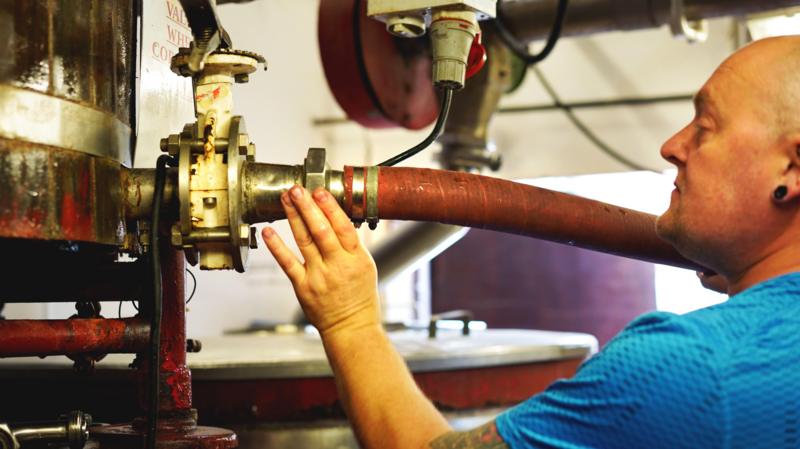
The number of beer breweries in the UK is shrinking, with many closing in recent years. Smaller breweries face challenges like big companies controlling pubs and supermarkets, making it hard to sell their products. Despite these struggles, some traditional and craft beers are still popular, and breweries are finding new ways to stay open.
Key Facts
In the UK, 320 beer businesses closed last year, while only 170 opened, causing a net loss of 150 breweries.
As of April 2026, there are 2,320 beer brewing companies in the UK, down from a peak of 2,594 in 2022.
Big brewery companies control draught beer lines in pubs, limiting market access for smaller breweries.
Smaller breweries are also blocked from supermarket sales due to price competition.
Beer consumption in the UK has dropped to about half of what it was in the early 1990s.
Some breweries, like Oxfordshire’s Hook Norton, have diversified by offering visitor centers and taprooms to attract customers.
Demand for independent and craft beers remains relatively strong despite the overall decline in the beer market.
The Society of Independent Brewers is calling for lower taxes on draught beer in pubs to help breweries survive.
Read the Original
Want the full story? Tap a source to open the original
article.
As summer begins, Americans face higher costs for gas and groceries. Food prices are about 20% higher compared to four years ago, and inflation increased by nearly 1% this month, mostly because of rising gas prices.
Key Facts
Food prices in the U.S. have increased by around 20% over the past four years.
Inflation rose by nearly 1% this month.
The main reason for the inflation increase is higher gas prices.
These rising costs affect everyday products, especially fuel and groceries.
The news report comes from CBS News.
Read the Original
Want the full story? Tap a source to open the original
article.
Workers at Guzman y Gomez’s US stores have filed a class action lawsuit after the company suddenly closed all its Chicago locations. They claim they were not given proper notice or pay as required by law when the stores shut down.
Key Facts
Guzman y Gomez (GyG) closed all its Chicago stores immediately in May.
The US workers say they were informed of the closure only through an internal message on the day the stores closed.
The lawsuit claims federal and state laws require 60 days’ advance written notice before a mass layoff.
Over 500 US employees are estimated to be affected by the closures.
The workers seek pay and benefits for up to 60 days and want a trial by jury.
Guzman y Gomez is a fast-growing Australian fast food chain with top rankings in Australia.
The company stopped its US expansion plans due to losses in a competitive market with established players like Chipotle.
The lawsuit argues that Guzman y Gomez’s Australian and US operations acted as one employer, increasing their legal responsibility.
Read the Original
Want the full story? Tap a source to open the original
article.
Oil prices dropped sharply due to hopes of a peace deal between the US and Iran. President Donald Trump said an agreement with Iran had been mostly negotiated but advised caution to avoid mistakes.
Key Facts
Oil prices fell about 5% as talks between the US and Iran advanced.
President Trump said a deal involving Iran and other countries is close to final.
The Strait of Hormuz, a vital shipping route for oil, has been closed since February due to conflict.
Trump spoke with leaders from Saudi Arabia, the UAE, Qatar, and Israel about the peace agreement.
Iran and the US have seen some progress but still have major disagreements.
Iran threatened attacks on ships using the Strait of Hormuz after US and Israeli strikes.
A ceasefire was agreed upon in early April, leading to ongoing peace talks.
Experts say oil prices may stay high for years due to damage and supply issues caused by the conflict.
Read the Original
Want the full story? Tap a source to open the original
article.
Scotland's policy promoting "green datacentres" lacks a clear definition of what makes a datacentre environmentally friendly. This gap may let datacentres with high carbon emissions still claim to be green, potentially ignoring their real impact on climate change.
Key Facts
Scotland encourages building datacentres as part of economic growth and AI investment plans.
There is no official definition of "green datacentre" in Scotland’s current policy.
Datacentres in Scotland could use about 6.2 gigawatts of power, more than 1.5 times Scotland’s peak winter electricity use.
Some datacentres claiming to be green rely on backup diesel generators, which produce high emissions.
The government’s planning framework assumes datacentres will have little impact on emission targets, based on analysis done before the rise of AI tools like ChatGPT.
Over 100 datacentre projects have requested gas connections due to delays in connecting to the National Grid, which may increase gas consumption.
A Scottish charity, Action to Protect Rural Scotland, raised concerns about underestimating the carbon footprint of large datacentres.
Scottish government officials have not provided clear information on how the energy needs of datacentres will fit with existing electrical infrastructure.
Read the Original
Want the full story? Tap a source to open the original
article.
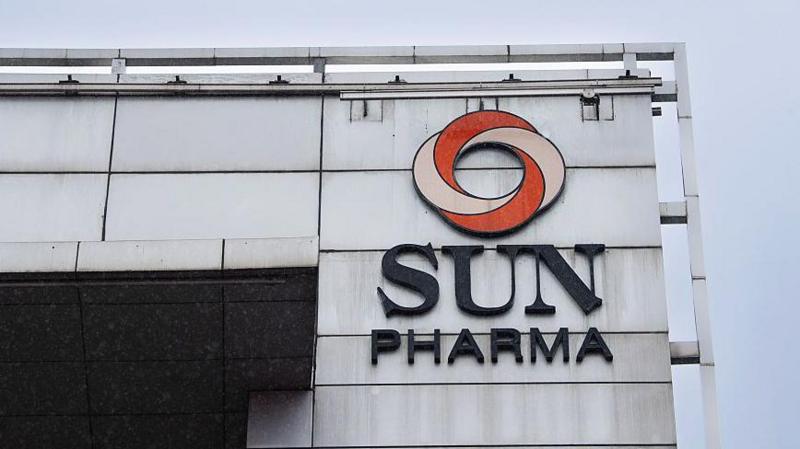
Indian companies are buying foreign businesses at a fast pace as growth slows in India. In 2025, they spent over $18 billion on overseas deals, including big purchases like Sun Pharmaceuticals acquiring Organon & Co for $11.75 billion.
Key Facts
Sun Pharmaceuticals paid $11.75 billion to buy Organon & Co, a New York-listed company, in 2025.
Tata Motors acquired Italian vehicle maker Iveco for $4.4 billion.
Indian IT company Coforge bought Silicon Valley AI firm Encora for $2.35 billion.
The Bajaj Group bought a 23% stake in German insurance company Allianz SE.
Indian firms spent over $18 billion on foreign acquisitions in 2025, a 34% increase from 2024.
Many Indian companies want to expand abroad to gain new markets, brands, technology, and supply chain security.
India’s domestic growth is slowing, with less foreign investment and weak private sector investment.
Smaller Indian companies are also investing in foreign factories and acquisitions, not just large firms.
Read the Original
Want the full story? Tap a source to open the original
article.
Payam Khastkhodaei developed the "Payam Method" of teaching piano, which focuses on making learning fun and personalized. Instead of starting with scales and classical pieces, students play music they enjoy and learn techniques through those songs, encouraging creativity and emotional expression.
Key Facts
The Payam Method lets students choose songs they like instead of following a strict curriculum.
Younger kids start with simple tunes like nursery rhymes, and older kids may play music from movies or video games.
Formal music theory and scales are taught later, after students are engaged and motivated.
Students learn to express emotions through music, playing the same notes differently based on mood.
The method includes learning jazz, waltzes, and international music styles, not just classical.
Payam Music offers online lessons and has physical schools in California, Maryland, New York, and Washington state.
More Payam Music locations are planned across the United States.
The approach aims to make piano playing creative, fun, and personal for each student.
Read the Original
Want the full story? Tap a source to open the original
article.
Payam Khastkhodaei created a new way to teach piano that helps students learn faster and enjoy playing more. His method focuses on using numbers and games first before moving to traditional sheet music, and it has helped many students reach advanced levels much quicker than usual. The approach is now expanding across the U.S. with support from investors and education leaders.
Key Facts
Payam Khastkhodaei’s piano teaching method uses numbers and games instead of starting with sheet music.
About 96% of students using his method reach the piano diploma level in about four years, compared to 1-2% in 12 years with traditional methods.
The method encourages students to compose their own music and experiment with style and tempo.
Khastkhodaei runs his teaching school in Bothell, Washington, with former students as teachers.
Piano lessons cost between $75 and $100 each.
Hadi Partovi, CEO of code.org and father of one student, supports and leads the expansion of the Payam Method nationwide.
The goal is to open about 100 schools across the U.S., serving around 10,000 students in total.
Investor Hans Zimmer, a famous film composer, is among those funding the expansion.
Read the Original
Want the full story? Tap a source to open the original
article.
Payam Khastkhodaei, a piano teacher in Washington, has created a new teaching method called the "Payam Method" that helps children enjoy learning piano and achieve success in national competitions. His method uses familiar concepts like numbers and letters instead of traditional sheet music to make learning easier and faster.
Key Facts
Payam Khastkhodaei is 32 years old and the son of Iranian immigrants.
His piano teaching method focuses on making lessons fun and using simple concepts like ABCs and 123s instead of sheet music.
Students using his method reach a musical diploma level much faster than normal—96% achieve it in about four years, compared to 1-2% in 12 years with traditional methods.
His students are winning national piano competitions.
The teaching happens in a converted home in Bothell, Washington, where Payam and former students now teach others.
Lessons cost between $75 and $100 each and serve kids from preschool to high school.
Payam’s approach helps students build coordination and musical skills by treating learning as a fun game.
The method has attracted attention from well-known innovators and musicians.
Read the Original
Want the full story? Tap a source to open the original
article.
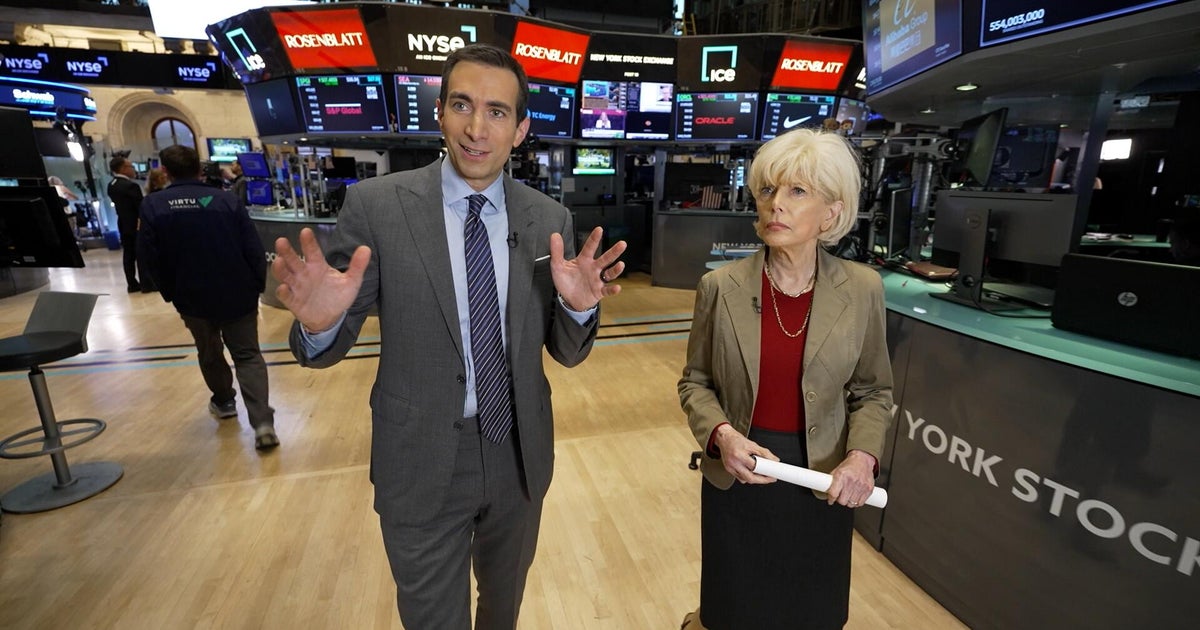
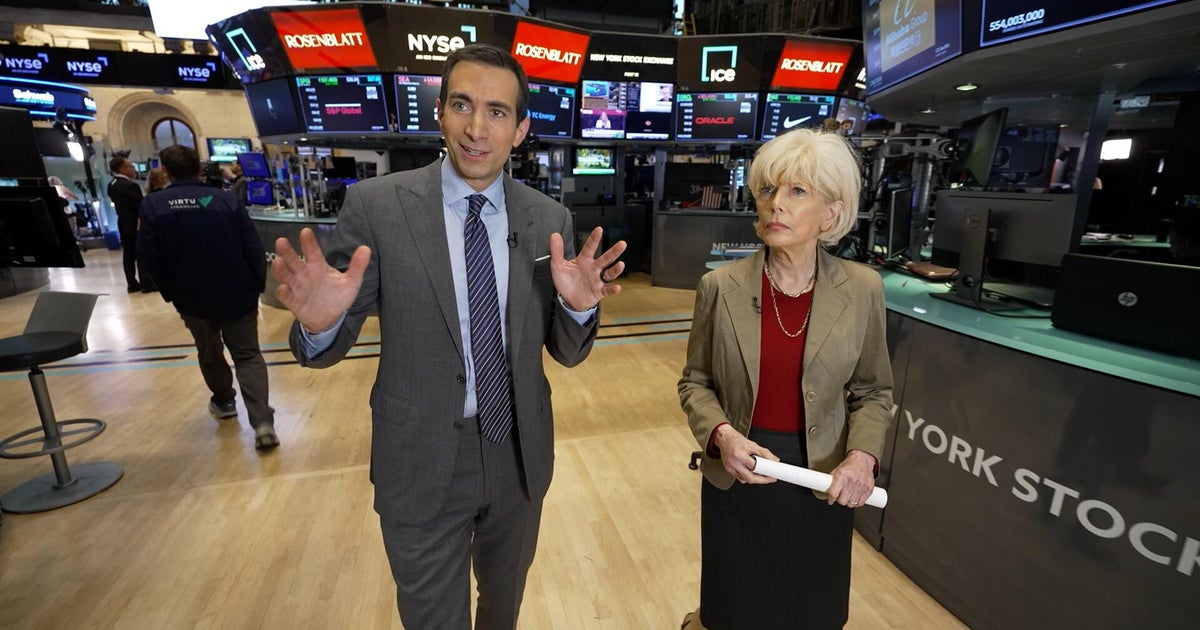
Financial reporter Andrew Ross Sorkin compares the current stock market rise to the market boom before the 1929 crash. He warns that while new technology and artificial intelligence are driving growth, there is concern that stock prices may be too high and a market bubble could be forming.
Key Facts
The stock market has been rising steadily for many months despite some ups and downs.
Andrew Ross Sorkin wrote a book about the 1929 market crash.
The stock market rose about 90% from 1928 to 1929 before crashing.
Sorkin sees similarities between the current market and the 1920s boom.
Artificial intelligence investments are contributing to the current market rise.
There is uncertainty whether this is a lasting boom or a bubble that will burst.
In 1929, easy credit allowed many people to buy stocks they could not afford.
Using borrowed money (credit) to buy stocks was new and risky then, and regulation has changed since.
Read the Original
Want the full story? Tap a source to open the original
article.
Payam Khastkhodaei, whose parents immigrated from Iran, created a new way to teach piano that makes lessons enjoyable for students. His students have been successful in winning national piano contests.
Key Facts
Payam Khastkhodaei is the son of Iranian immigrants.
He developed a new piano teaching method.
This method makes piano lessons fun and easy to follow.
Students taught with this method enjoy their lessons more.
Many of his students have won national piano competitions.
The teaching approach focuses on being accessible to all students.
The story was featured on CBS News’ program 60 Minutes.
Read the Original
Want the full story? Tap a source to open the original
article.
The stock market has gone up recently, but author Andrew Ross Sorkin thinks it might crash again soon. He compares today’s market situation to what happened during the 1929 Wall Street crash and discusses when the market bubble might burst and how much prices could fall.
Key Facts
Stocks have been rising on Wall Street in the past few months.
Andrew Ross Sorkin, a financial author, predicts a market crash may happen.
He uses the 1929 Wall Street crash as a lesson to understand today’s market risks.
The main questions are when the market bubble will burst and how big the decline will be.
The article comes from a CBS News feature on the 60 Minutes program.
The market bubble refers to when stock prices are higher than their real value.
A crash means a sudden and significant drop in stock prices.
Read the Original
Want the full story? Tap a source to open the original
article.
Oil prices fell by about $5 per barrel after news of a possible deal to end tensions between the U.S. and Iran. Although the Strait of Hormuz blockade is easing concerns, energy markets will remain unstable for months because restarting oil flow and production takes a long time.
Key Facts
Crude oil prices dropped around $5 per barrel to about $98.76, down 4.62% from the previous Friday.
The Strait of Hormuz blockage has been blocking about 14 million barrels of oil daily.
The price drop happened after tentative agreement outlines emerged to resolve the U.S.-Iran conflict.
Saudi Arabia and the UAE have increased pipeline use to bypass the Strait, but it does not fully replace blocked oil flow.
Gas prices in the U.S. remain high, about $1.50 per gallon more than before the conflict.
Repairing damaged oil facilities and restoring production could take months to years.
Even with an agreement, shipping companies may be hesitant to resume full oil transport quickly.
Oil inventories worldwide are being used up at a record rate, increasing market pressure.
Read the Original
Want the full story? Tap a source to open the original
article.
Livestock traders in Pakistan are facing challenges ahead of the Eid al-Adha festival because the conflict involving Iran has caused fuel prices to rise. Higher fuel costs have increased transportation and animal feed expenses, which led to higher prices for animals and lower sales at a major cattle market in Islamabad.
Key Facts
The conflict involving Iran has led to increased fuel prices in Pakistan.
Higher fuel prices have raised transportation costs for livestock traders.
The cost of animal feed has also increased.
These higher costs have caused animal prices to rise.
As a result, sales at one of Islamabad’s largest cattle markets have dropped.
Eid al-Adha is an important festival when many livestock are sold.
Traders are struggling due to the combination of war-related factors and local market conditions.
Read the Original
Want the full story? Tap a source to open the original
article.
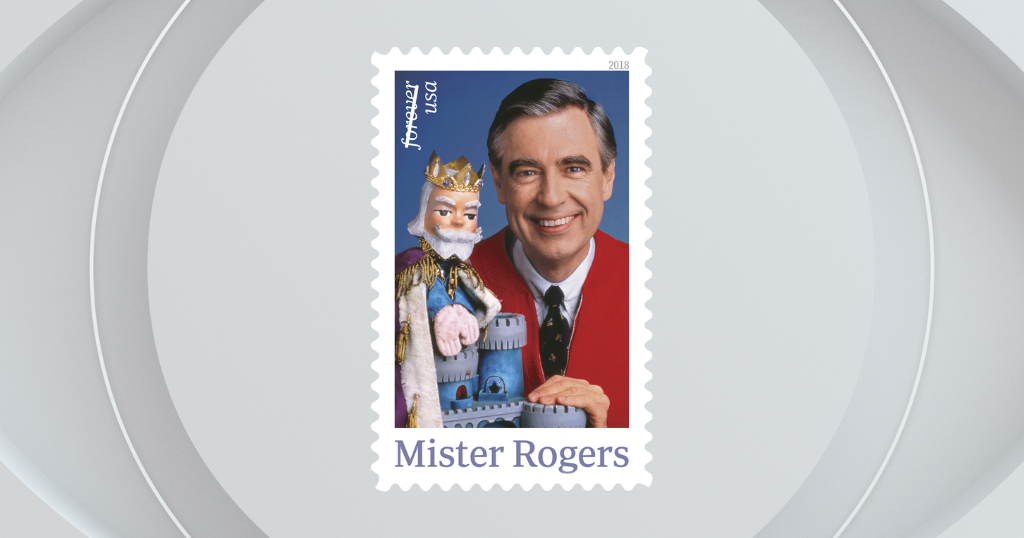
The United States Postal Service (USPS) announced that the Mister Rogers Forever Stamp won its Stamp Encore contest after receiving over half a million votes. The stamp, first issued in 2018, will be available for purchase again starting June 1 at post offices and online.
Key Facts
The Mister Rogers Forever Stamp originally came out in 2018 and sold 12 million copies quickly.
USPS ran a Stamp Encore contest where the public voted on their favorite stamp over 10 weeks.
More than 500,000 votes were cast in the contest.
The Mister Rogers stamp received 40,000 more votes than the second-place stamp.
The stamp was designed by USPS art director Derry Noyes.
The stamp will be available nationwide from June 1 in post offices and online.
The contest winner was announced at the Boston 2026 World Exposition.
Read the Original
Want the full story? Tap a source to open the original
article.