SpaceX has filed to sell its shares to the public through an initial public offering (IPO), with a planned stock market debut expected next month. The company, led by Elon Musk, reported large losses but also high revenue, and it aims to start trading on the Nasdaq under the symbol "SPCX."
Key Facts
SpaceX filed confidentially for an IPO with the U.S. Securities and Exchange Commission on April 1.
The IPO could be the largest ever and may make Elon Musk the first trillionaire.
Elon Musk owns 85.1% of voting power at SpaceX because of a special stock structure.
SpaceX had a net loss of $4.9 billion on $18.67 billion revenue in 2025, including its recent merger with xAI.
In the first quarter of 2026, SpaceX lost $4.27 billion on $4.69 billion in revenue.
SpaceX plans to start trading on the Nasdaq stock exchange in late June under the ticker "SPCX."
The filing did not specify how many shares will be offered or the price; details will come later.
SpaceX is known for working with NASA, creating the Starlink satellite internet, and acquiring Musk’s AI company xAI.
Read the Original
Want the full story? Tap a source to open the original
article.
Two child safety groups have asked the Federal Trade Commission (FTC) to look into the gaming platform Roblox. They claim Roblox is acting unfairly and in ways that could harm children’s safety.
Key Facts
Child safety groups Fairplay and the National Center on Sexual Exploitation (NCOSE) filed a complaint with the FTC.
The complaint accuses Roblox of "unfair and deceptive" practices.
These groups say Roblox’s actions put children’s safety and well-being at risk.
The complaint was submitted on a Wednesday.
Other child advocacy organizations also joined in the complaint.
The investigation request focuses on how Roblox protects children on its platform.
Read the Original
Want the full story? Tap a source to open the original
article.
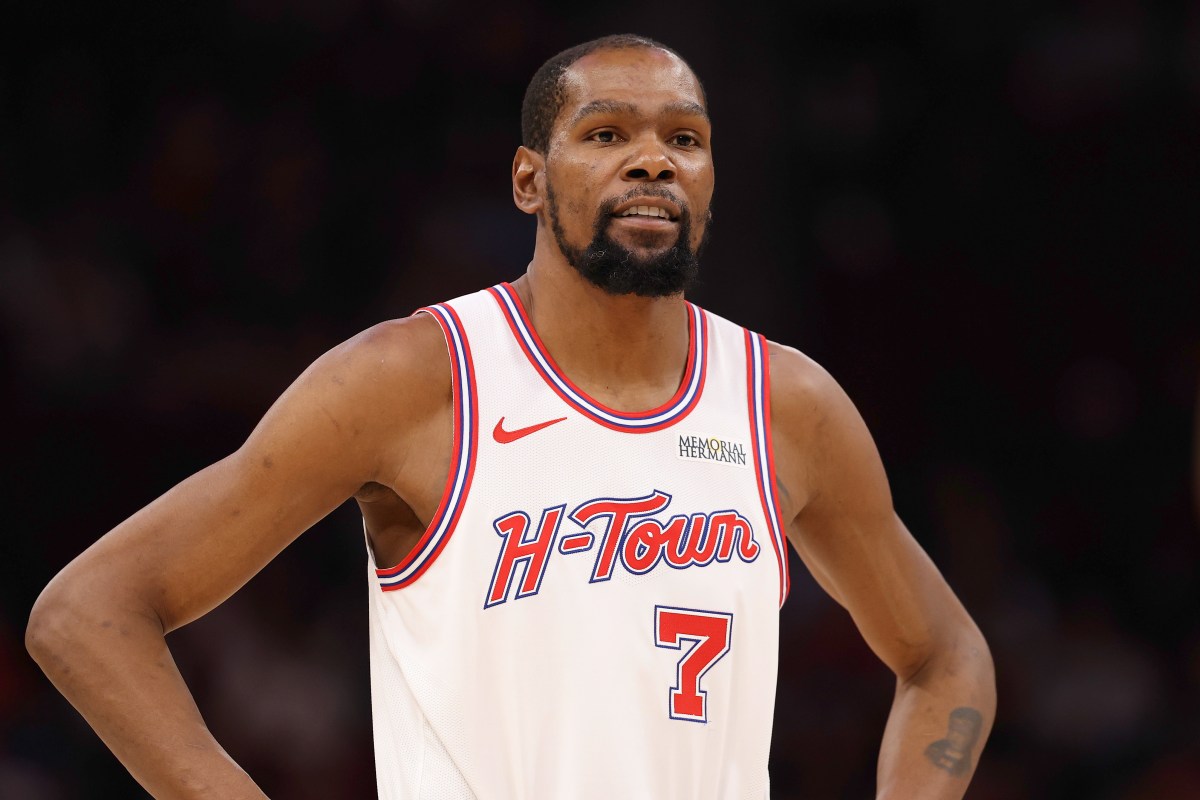
Basketball star Kevin Durant and rapper Drake appeared together in a new Nike commercial for Durant's 19th signature sneaker, the KD 19. The ad shows them humorously reacting to different shoe designs before revealing the official new sneaker, which will be launched on June 13 through Nike's app and on June 17 worldwide.
Key Facts
Kevin Durant has promoted his Nike KD 19 shoe since March, including special colorways like "Orange Crush" and red.
Toronto rapper Drake co-stars in the official Nike ad for the KD 19 sneaker.
The ad shows Durant and Drake in a locker room, sharing playful reactions to fake and real shoe designs.
The official new sneaker revealed in the ad is called the "Candy's" in a light blue color.
The KD 19 design is inspired by Durant's nickname, "Slim Reaper," according to Nike.
The KD 19 sneaker will first be available on Nike's SNKRS app on June 13.
The global launch of the KD 19 sneaker will take place on June 17.
Drake posted the ad on Instagram encouraging viewers to "Normalize glazing the bros," meaning to openly admire friends.
Read the Original
Want the full story? Tap a source to open the original
article.
A woman from California has filed a lawsuit against Walt Disney Company. She claims that Disney's use of facial recognition technology at its theme parks breaks privacy laws.
Key Facts
The lawsuit was filed in the Southern District of New York.
Summer Christine Duffield, from Riverside County, is the lead plaintiff.
The complaint accuses Disney of using facial recognition at park entrances without proper consent.
The lawsuit is a class-action, meaning it may represent many people.
The claim is based on consumer privacy laws that protect personal information.
The issue focuses on visitors to Disneyland and Disney California Adventure parks.
Facial recognition technology reads and identifies people's faces automatically.
The case challenges whether the technology's use is legal and ethical in this context.
Read the Original
Want the full story? Tap a source to open the original
article.
James Murdoch’s company, Lupa Systems, will buy New York Magazine and the Vox Media Podcast Network from Vox Media for over $300 million. The deal includes Vox.com and aims to grow Murdoch’s presence in news and entertainment.
Key Facts
James Murdoch is buying New York Magazine and Vox Media’s podcast division.
The purchase price is more than $300 million.
The deal includes the politics site Vox.com but not some other Vox Media brands like Eater and The Verge.
James Murdoch and his wife actively recruited top podcast talent such as Kara Swisher and Scott Galloway.
Vox’s podcast network has a large audience that advertisers want to reach, comparable to cable news.
New York Magazine covers culture, politics, and fashion and has over 400,000 paying subscribers.
Vox Media CEO Jim Bankoff will join Lupa Systems and keep leading the Vox brands.
James Murdoch previously left News Corp over editorial disagreements and started Lupa Systems in 2019.
Read the Original
Want the full story? Tap a source to open the original
article.
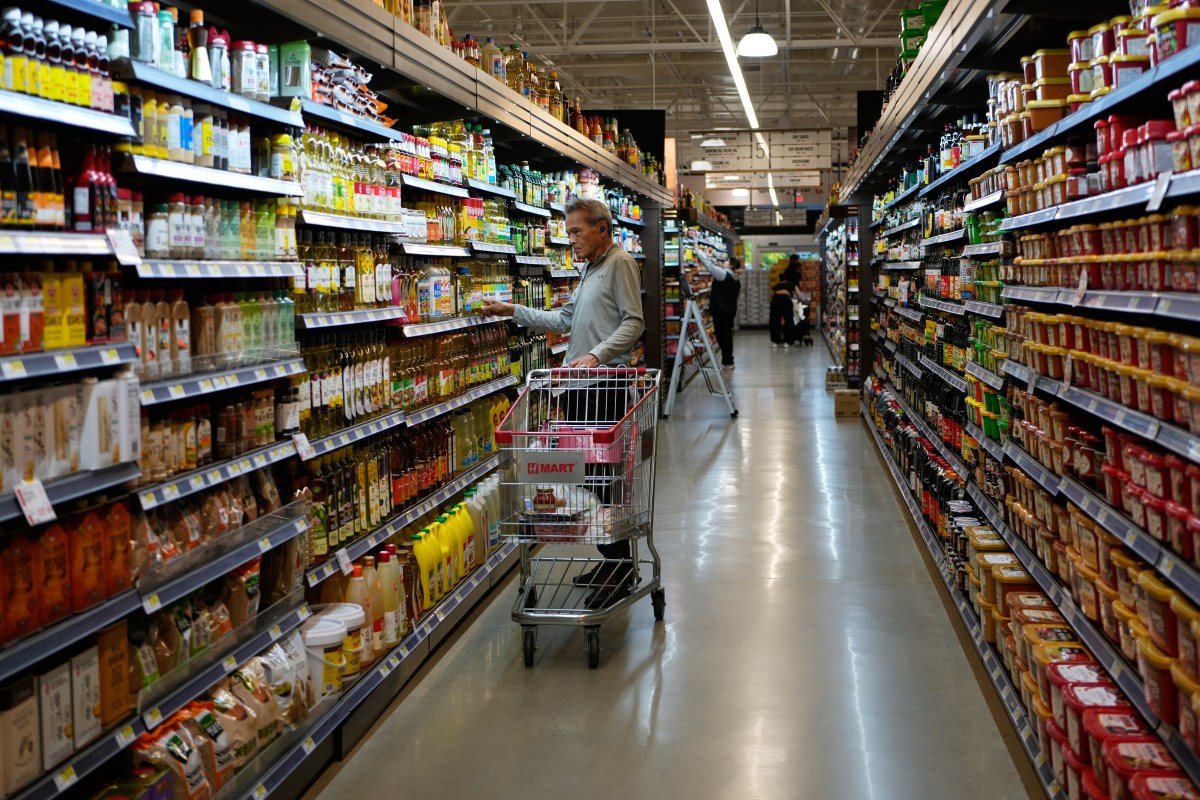
Food prices in the U.S. are expected to rise sharply due to higher oil prices and disruptions in fertilizer supplies caused by conflict-related supply chain issues. Farmers face increasing costs for fuel and fertilizers, which may lead to higher grocery costs later this year and into 2026.
Key Facts
Oil prices have increased by over 50% since the conflict began on February 28, causing gas prices to rise above $4.50 per gallon nationwide.
Higher oil prices increase fuel costs for farmers, which raises their overall production costs.
The Strait of Hormuz, a key shipping route for fertilizer, remains nearly closed, disrupting supply and raising fertilizer prices in the U.S. by about 20%.
The World Bank forecasts a 31% global increase in fertilizer prices in 2026, especially a 60% rise in urea fertilizer costs.
An April survey found that 70% of U.S. farmers cannot afford all the fertilizer they need, with diesel fuel costs up 46% since the war started.
The U.S. Department of Agriculture has raised its forecast for food price increases in some food groups for 2026.
Experts warn the full impact on food prices will appear later in the year and into 2026, with inflation possibly reaching 11% year-over-year.
Rising food prices will affect many Americans who already face challenges in affording groceries.
Read the Original
Want the full story? Tap a source to open the original
article.
A $100,000 certificate of deposit (CD) can earn fixed interest over different time periods, with rates currently around 4%. CDs offer a safer way to earn money compared to stocks because the interest rate and principal are protected from market ups and downs. The amount earned depends on how long the money stays in the CD.
Key Facts
CD interest rates vary by term but are currently close to 4%.
A 3-month CD at 3.90% can earn about $961 in interest.
A 1-year CD at 4.10% can earn $4,100 in interest.
A 5-year CD at 4.15% can earn $22,545 in interest.
CDs guarantee the principal and interest rate, offering protection from market changes.
CDs are insured by the FDIC up to $250,000 per account, ensuring safety of the money.
Early withdrawal from a CD may result in fees, especially with large amounts.
Online banks often offer higher CD rates than traditional banks with branches.
Read the Original
Want the full story? Tap a source to open the original
article.
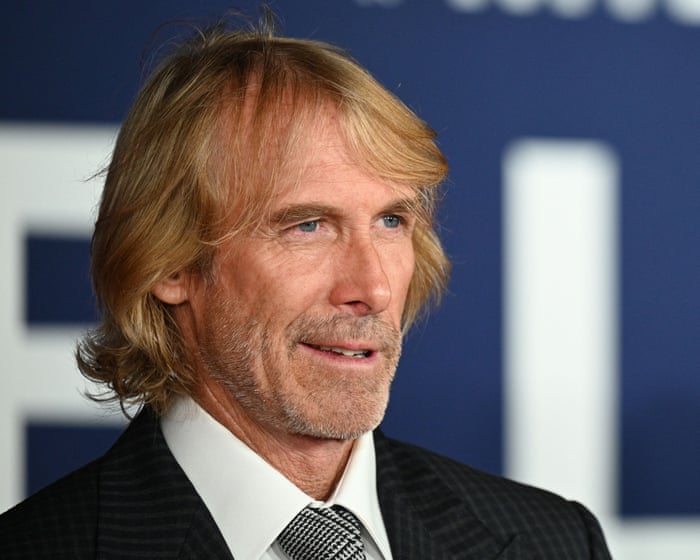
Michael Bay will direct a new movie about a recent U.S. military rescue mission in Iran. The film, made with Universal Pictures, is based on a book by Mitchell Zuckoff and will highlight the bravery of U.S. service members.
Key Facts
Michael Bay, known for films like Armageddon and Transformers, is directing the film.
The movie is about the rescue of two U.S. soldiers whose fighter jet crashed in Iran.
President Donald Trump called this rescue “one of most daring search-and-rescue operations in US history.”
The film is based on an upcoming book by Mitchell Zuckoff, expected in 2027.
Zuckoff’s earlier book, 13 Hours, was also made into a film directed by Bay in 2016.
Bay’s previous films, including 13 Hours and Ambulance, did not perform well at the box office.
Bay had planned a new Will Smith action movie in 2024, but the project was canceled due to creative disagreements.
Bay recently directed a Super Bowl commercial for the Secret Service and shared a story about meeting President Trump during filming.
Read the Original
Want the full story? Tap a source to open the original
article.
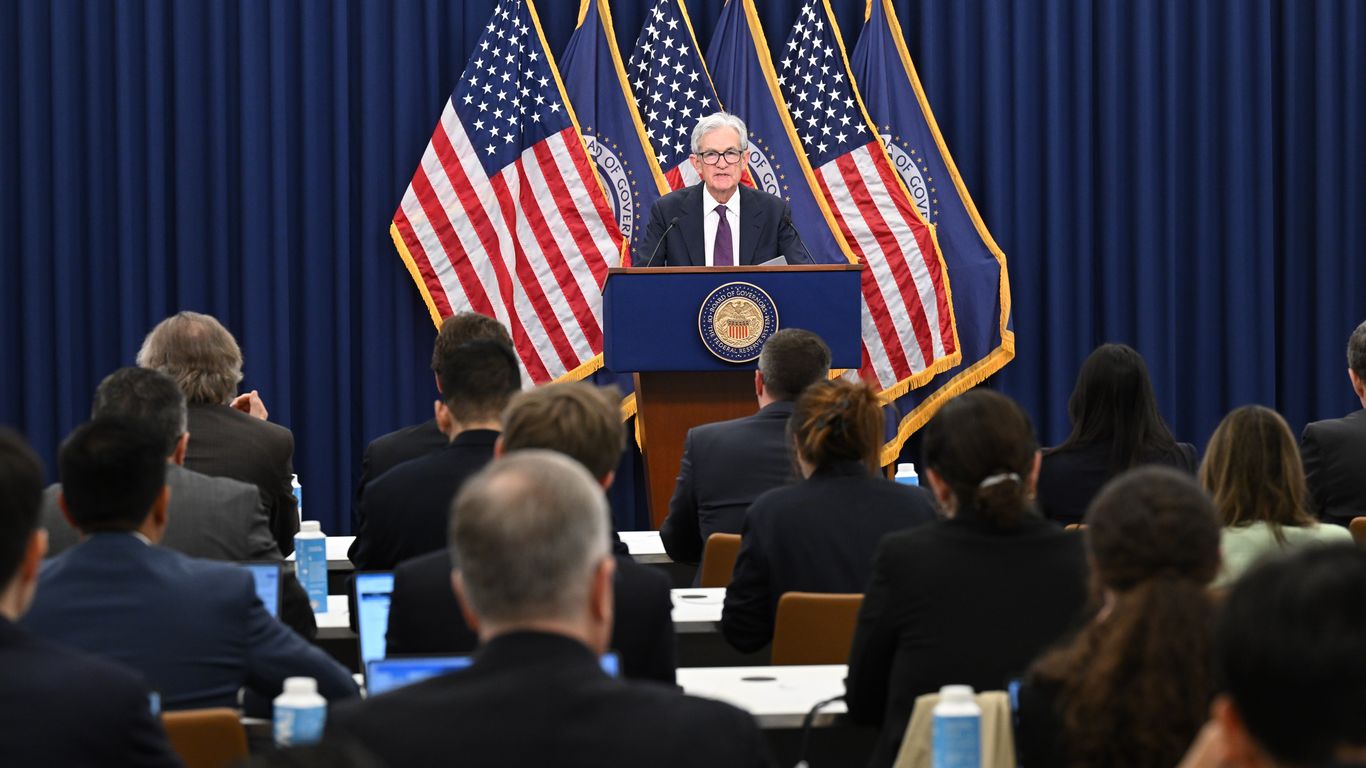
Federal Reserve officials mostly agree they may raise interest rates if inflation remains high, according to April meeting minutes. The Fed kept rates steady last month but showed readiness to act depending on how inflation behaves, while also discussing concerns about rising energy prices and cybersecurity risks.
Key Facts
A majority of Federal Reserve officials think raising interest rates may be needed if inflation stays above 2%.
The Fed’s last meeting in April ended with no rate changes, but officials debated the wording of their policy statement.
Four voting members disagreed with the statement, preferring language that allowed for either rate increases or cuts next.
Rising energy prices, linked to the Iran war, have pushed inflation higher and complicated the Fed’s decisions.
Jerome Powell’s last Fed meeting was in April; Kevin Warsh is expected to become the next Fed chair.
Some officials said that if the war ends soon, rate cuts might be possible later in the year as price pressures ease.
Several Fed officials expressed worries about cybersecurity risks, especially related to the growing use of AI in the financial system.
Discussions included recent concerns about AI’s ability to find security weaknesses and the potential for cyber attacks on banks and markets.
Read the Original
Want the full story? Tap a source to open the original
article.
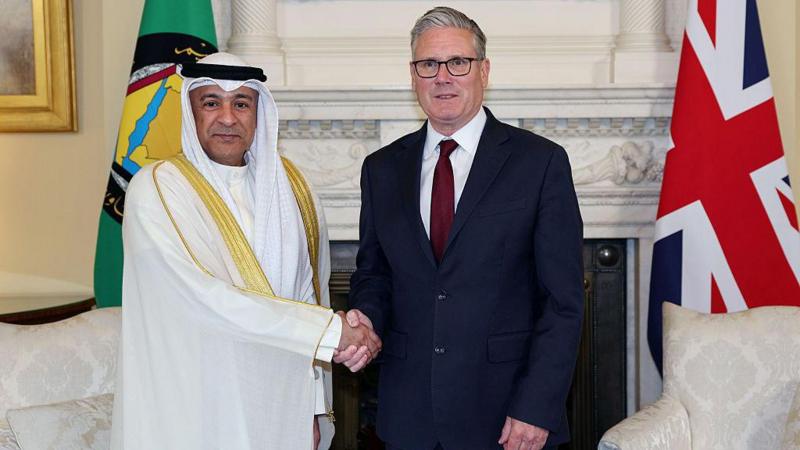
The UK government has agreed to a trade deal worth £3.7 billion with six Gulf Cooperation Council (GCC) countries: Oman, Bahrain, Kuwait, Qatar, Saudi Arabia, and the UAE. The deal will remove tariffs on British exports to the region, helping British businesses grow and supporting jobs, but some groups have raised concerns about human rights and environmental issues.
Key Facts
The UK-GCC trade deal is valued at £3.7 billion.
Tariffs worth about £580 million a year will be removed from British goods exported to the GCC countries once the deal is fully in effect.
The deal includes Gulf states Oman, Bahrain, Kuwait, Qatar, Saudi Arabia, and the UAE.
British products like cheddar cheese, butter, and chocolate will benefit from tariff removal.
This is the third trade agreement made by Prime Minister Keir Starmer’s government, following deals with India and South Korea.
It is the first trade deal between a G7 country and the GCC.
Some human rights groups have criticized the deal for lacking protections on labor rights, free press, and climate concerns related to the GCC’s oil industries.
UK government officials say the deal supports jobs, business growth, and gives exporters more certainty.
Read the Original
Want the full story? Tap a source to open the original
article.
Oil prices dropped by about 6% after President Donald Trump said talks with Iran were close to a deal. However, experts remain cautious because oil supply in the Middle East is still uncertain.
Key Facts
Brent crude oil fell nearly 6% to $104.64 per barrel.
U.S. West Texas Intermediate oil dropped about 6.2% to $97.66 per barrel.
President Trump said Iran negotiations are in final stages but warned of more attacks if no deal is reached.
Iran offered to work on safe shipping protocols with nearby countries but gave no details.
Analysts say oil prices may rise due to ongoing supply risks and possible continued disruptions.
The number of ships passing through the Strait of Hormuz, a key oil route, remains much lower than before the conflict.
Some countries are lifting sanctions on Russian oil because the world needs its supply.
The price difference between near-term and future oil contracts shows the market expects supply to remain tight.
Read the Original
Want the full story? Tap a source to open the original
article.
Rising U.S. Treasury bond yields show that investors are worried inflation will stay high, making it less likely the Federal Reserve will cut interest rates soon. Higher bond yields also lead to higher mortgage rates and affect borrowing costs for companies and homebuyers.
Key Facts
U.S. Treasury bonds are seen as very safe investments and their yields reflect investor views on inflation and the economy.
Inflation rose quickly in April, mainly due to higher oil and gas prices.
Rising inflation makes investors expect the Federal Reserve to keep interest rates high or even raise them this year.
The yield on the 30-year Treasury bond reached 5.19%, the highest since 2007.
The 10-year Treasury yield increased to 4.69%, the highest since January 2025.
Higher Treasury yields lead to higher mortgage rates; the average 30-year mortgage rate rose from 5.98% in February to 6.36% recently.
Investors are selling bonds, pushing bond prices down and yields up.
Some experts believe this bond selloff does not indicate a major economic problem, but they will watch closely if yields rise above 5%.
Read the Original
Want the full story? Tap a source to open the original
article.
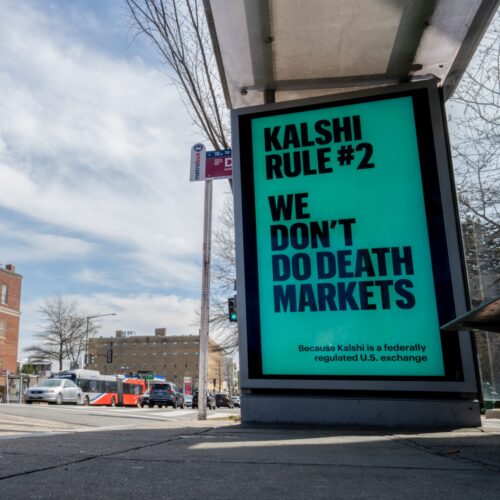
The Trump administration sued Minnesota to stop a new state law that bans prediction markets, which are markets where people bet on future events. The federal Commodity Futures Trading Commission (CFTC) says Minnesota’s law conflicts with federal rules that regulate these markets, and it asked the court to stop the law before it begins on August 1.
Key Facts
Minnesota passed a law making it a felony to create, run, or advertise prediction markets.
Prediction markets let people bet on events like sports, elections, weather, and more.
The CFTC, a federal agency, claims it has exclusive control over these markets under a 50-year-old law.
The Trump administration filed the lawsuit in federal court in Minnesota to block the state law.
Minnesota’s Attorney General will defend the law, arguing prediction markets can harm people by encouraging gambling and inequality.
The CFTC has won similar legal battles against New Jersey and Arizona over prediction markets.
Other states like Connecticut, Illinois, and New York also face lawsuits or legal challenges from the CFTC.
Courts have given mixed rulings, and some cases are still moving through appeals courts.
Read the Original
Want the full story? Tap a source to open the original
article.
Travel costs in the U.S. are rising ahead of Memorial Day weekend and the summer season. Airfare, gas prices, lodging, and activities are all more expensive than last year, leading many Americans to consider shorter or closer trips.
Key Facts
Flights to Nashville cost $121 more than last year; the national average airfare is $383, up $89 from last year.
Gas prices have increased by $1.42 per gallon compared to a year ago.
Activities for travelers cost 5.5% more than last year.
Lodging prices have risen by 4.3%, and dining out costs are up 3.6%.
Despite higher costs, some popular destinations like Nashville expect more visitors than last year.
Many travelers plan to stay closer to home to manage rising travel expenses.
The overall rise in travel costs is being called "vacation inflation."
Read the Original
Want the full story? Tap a source to open the original
article.
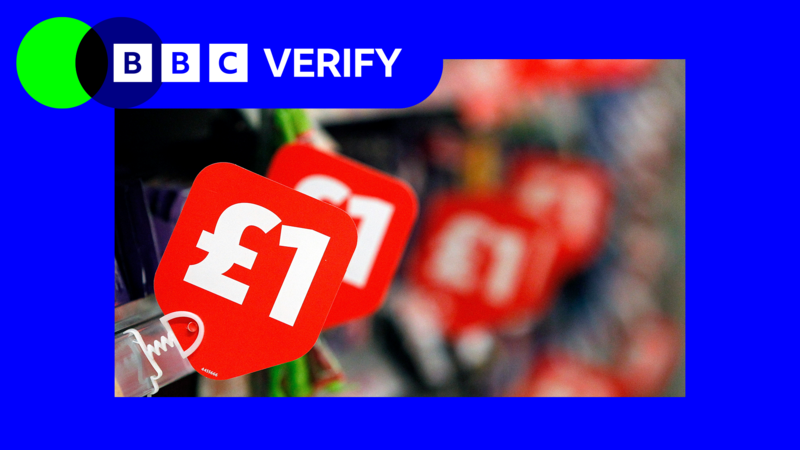
The article discusses whether supermarkets are making extra profits because food prices have gone up. It looks at how higher food costs affect supermarket earnings.
Key Facts
Food prices have increased recently.
The article questions if supermarkets benefit more when food costs rise.
It explores the impact of inflation on supermarkets.
Inflation means prices for goods and services go up over time.
Supermarkets sell food and household items.
The story aims to clarify the relationship between price changes and supermarket profits.
It addresses public concerns about rising grocery bills.
No detailed data or specific supermarket names are provided in the excerpt.
Read the Original
Want the full story? Tap a source to open the original
article.
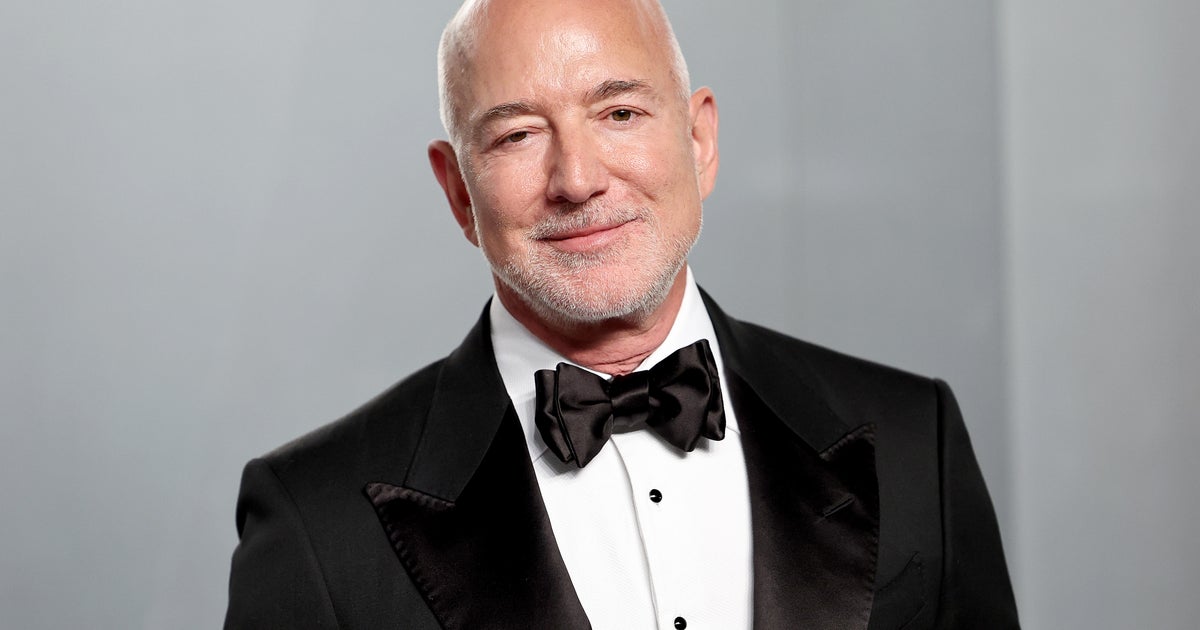
Jeff Bezos said that the bottom half of people in the U.S. should not pay any federal income tax. He thinks this would help people who struggle with money and could encourage them to start new businesses.
Key Facts
The bottom 50% of U.S. earners currently pay about 3% of federal income taxes.
Bezos suggests this share should be reduced to zero, meaning no federal income tax for the bottom half.
The top 1% of households pay about 40% of federal income taxes.
Bezos is one of the richest people in the world, worth about $279 billion.
Some Democrats are proposing new taxes on very wealthy people, like billionaires.
Republicans recently passed a tax and spending bill that includes tax breaks for wealthy households.
Senator Elizabeth Warren proposed a tax bill on very rich people, including a tax on those who leave the country.
The average tax rate for the bottom half of earners was 3.7% in 2023, while the top 1% paid 26.3%.
Read the Original
Want the full story? Tap a source to open the original
article.
Iran’s stock market reopened after nearly three months of closure with restrictions on some companies and extended trading hours. The reopening showed small improvements, but many major firms stayed offline due to ongoing security concerns linked to the conflict involving the United States and Israel.
Key Facts
Iran’s stock market was closed for almost three months before reopening on Tuesday and Wednesday.
About 36 percent of major companies, including big petrochemical and steel firms, did not participate to protect shareholders amid the US-Israel conflict.
Trading hours were extended by one hour each day to help recovery.
Share price changes were limited to 3 percent to prevent market instability.
Equity funds with heavy investments in affected companies remain suspended.
The Tehran Stock Exchange’s main index, TEDPIX, showed modest gains during the reopening.
Economic challenges like inflation and the falling value of Iran’s currency affect market conditions.
Smaller brokerage firms and traders who used credit faced difficulties due to the market shutdown.
Read the Original
Want the full story? Tap a source to open the original
article.
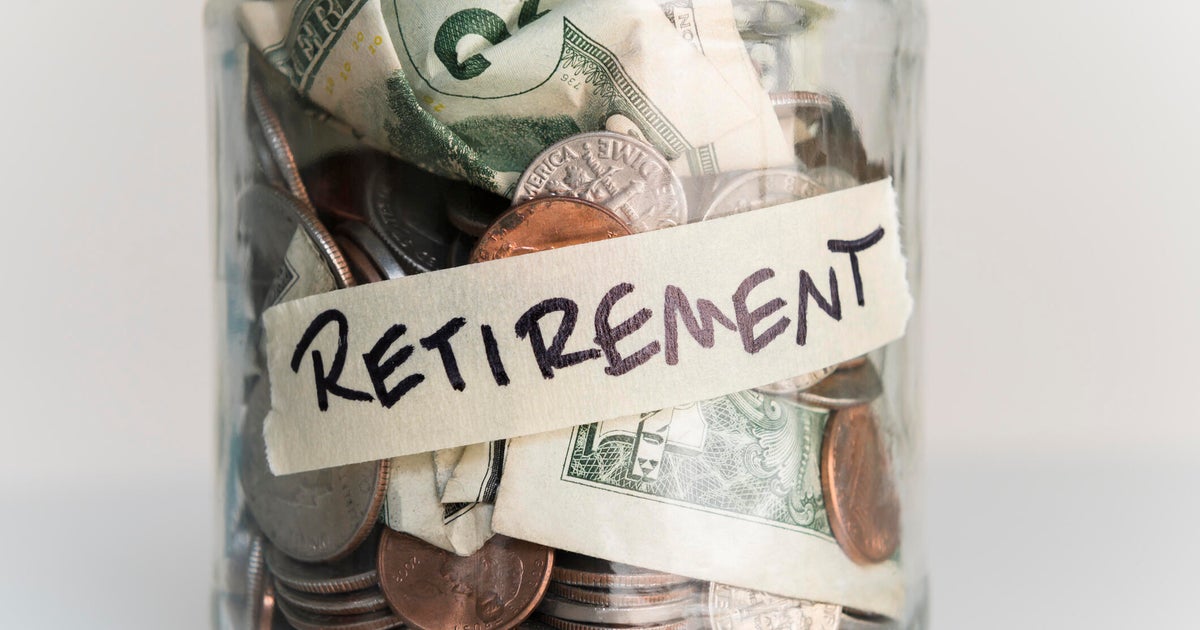
Retirement income, like Social Security and pension payments, is not always fully protected from creditors. While Social Security benefits have strong federal protections against most private creditors, federal debts such as taxes and student loans can lead to garnishment. Pension protections depend on the type of plan and state laws, with some pensions partially exposed to creditors after payments are distributed.
Key Facts
Many retirees face financial pressure due to higher healthcare and living costs and entering retirement with more debt than past generations.
Social Security benefits are mostly protected from private creditors but can be garnished up to 15% for federal debts like unpaid taxes, student loans, or child support.
Employer-sponsored pensions under federal law (ERISA) often have strong protections while funds remain inside the plan.
Once pension payments are received by retirees, protections can vary by state, and creditors may garnish some of that income with a court order.
Federal law limits wage garnishments to either 25% of disposable earnings or the amount exceeding 30 times the federal minimum wage, which can apply to pension income.
Retirement income rules become more complex when funds are deposited into personal bank accounts, which may expose them to creditors.
Medical debts, credit cards, and personal loans can lead to collection actions if retirees fall behind on payments.
Different types of creditors have varying rights to access retirement income depending on the type of debt and income source.
Read the Original
Want the full story? Tap a source to open the original
article.