CBS Mornings Deals is offering special discounts on products that could be useful daily. Customers can visit the website cbsdeals.com to access and buy these discounted items.
Key Facts
CBS Mornings Deals features products with exclusive discounts.
The deals are shown during the CBS Mornings program.
Shoppers can visit cbsdeals.com to use these discounts.
CBS earns a commission when people buy through their website.
The products are chosen to be helpful in everyday life.
The offer is promoted through CBS News and its app.
The website can be accessed using common web browsers like Chrome and Safari.
Read the Original
Want the full story? Tap a source to open the original
article.
This article shares advice for teenagers and young adults on how to make the most money from their summer jobs. A business expert discusses ways to improve earnings and job experiences during the summer work period.
Key Facts
The article focuses on young people working summer jobs.
It aims to help them increase their earnings.
Tips come from Jill Schlesinger, a business analyst.
The advice was shared on a CBS News program.
The information is available through the CBS News app and website.
The goal is to help teens and young adults improve their work experience and finances over summer.
Read the Original
Want the full story? Tap a source to open the original
article.
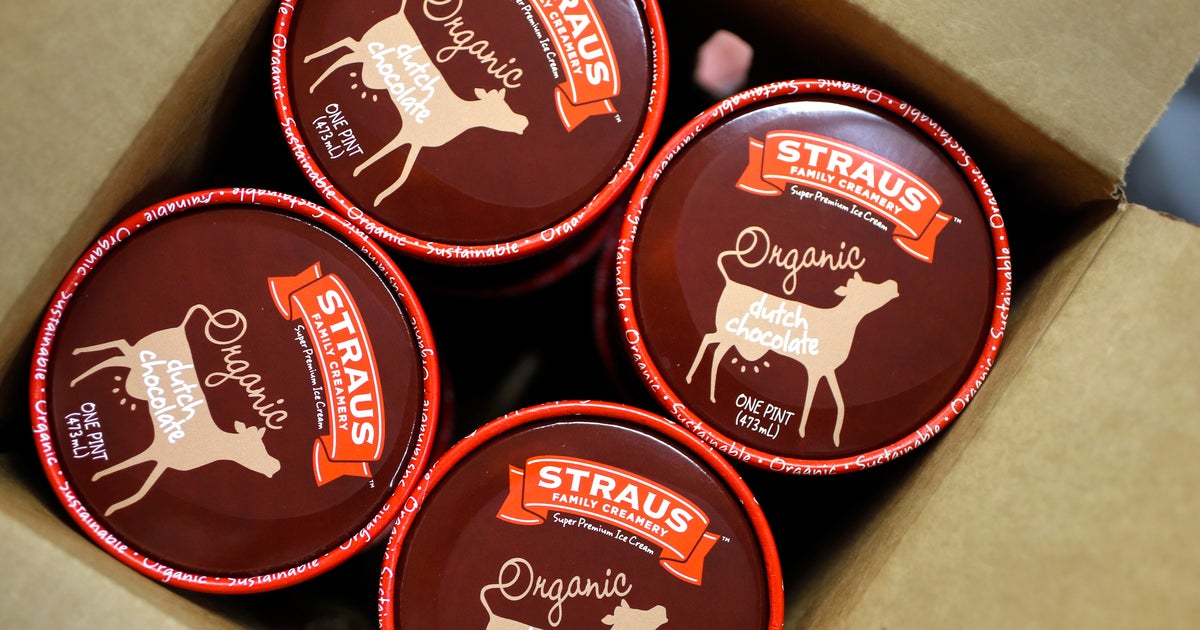
Straus Family Creamery is recalling certain organic ice cream products sold in 17 states because they might contain small metal pieces. No one has been hurt, and the company is working to remove these items from stores and is offering vouchers for replacements.
Key Facts
The recall involves ice cream sold in 17 states including California, Texas, Florida, and New Jersey.
The products were available on store shelves starting May 4.
The recall covers several flavors and sizes, such as vanilla bean pints, strawberry pints and quarts, cookie dough pints, dutch chocolate quarts, and mint chip quarts.
Best-by dates and manufacturing codes on the bottom of containers help identify affected products.
Straus Family Creamery is removing these products from stores and advises customers to throw away any they have.
The company will not give cash refunds but will provide vouchers for buying new products.
The Food and Drug Administration reported no injuries related to the issue.
Straus Family Creamery emphasizes that food safety and quality are their highest priorities.
Read the Original
Want the full story? Tap a source to open the original
article.
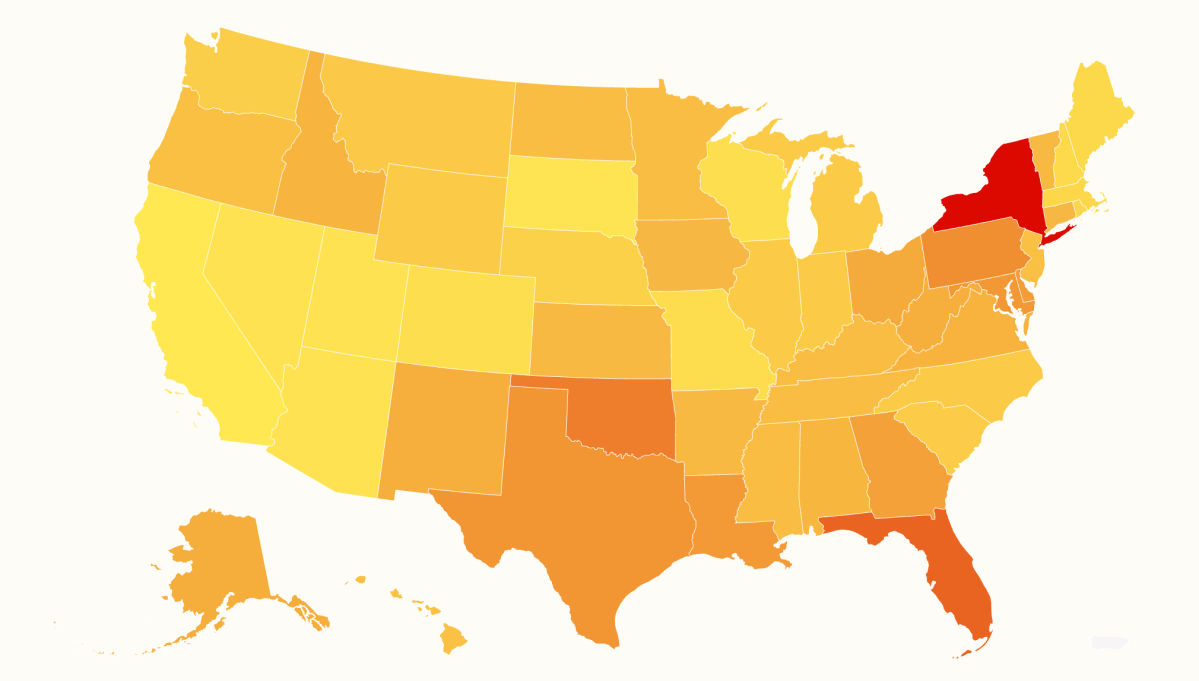
Mortgage refinancing has become more popular as rates dropped below past levels, but recent geopolitical events caused rates to rise again above 6 percent. Closing costs for refinancing vary widely by state, with New York having the highest average costs and California the lowest.
Key Facts
Mortgage refinancing applications increased 14.9% year-over-year but dropped 4.4% in one recent week.
As of May 14, the average 30-year fixed mortgage rate was 6.36%, lower than last year’s 6.81%.
The average refinance loan amount in the U.S. is $330,622.
Average total closing costs for refinancing are $2,207, or 0.67% of the loan amount.
New York has the highest refinance closing costs at 2.06% of the loan amount, averaging $10,553.
Other states with high costs include Florida (1.36%), Oklahoma (1.13%), Pennsylvania (1.01%), and Texas (0.96%).
States with the lowest closing costs include California (0.32%), South Dakota (0.35%), and Arizona (0.37%).
Closing costs include fees like transfer taxes, recording charges, settlement fees, and lender title policies.
Read the Original
Want the full story? Tap a source to open the original
article.
This article discusses the different amounts drivers pay in gas taxes depending on their state. It looks at how much states add on top of the federal gas tax, which is a fee included in the price of gasoline.
Key Facts
The federal gas tax is a set amount charged per gallon of gasoline.
Each state can add its own tax to the federal gas tax.
Some states have higher gas taxes than others, making gas more expensive there.
State gas taxes can vary due to decisions by state governments.
The total gas tax affects how much drivers pay at the pump.
There is ongoing conversation about possibly suspending the federal gas tax.
State gas taxes help fund road and transportation projects.
Understanding state gas taxes can help drivers know why gas prices differ across the country.
Read the Original
Want the full story? Tap a source to open the original
article.
Zimbabwe’s real estate and farming sectors are seeing more investment from Zimbabweans living abroad, influenced by social media content creators who share information about opportunities in the country. Two young influencers, Kundai Chitima and Kelvin Birioti, use platforms like YouTube and Instagram to show property tours, farming tips, and market trends, helping diaspora members make decisions about investing or returning home.
Key Facts
Diaspora Zimbabweans are increasing investments in real estate and farming in Zimbabwe.
Social media influencers Kundai Chitima and Kelvin Birioti share videos and posts about opportunities in these sectors.
Their content provides real-life perspectives that differ from previous narratives about Zimbabwe.
Catherine Mutisi, who lived 17 years in the UK, decided to relocate permanently after watching these online videos.
Many in the diaspora want to reconnect with Zimbabwe and contribute to its development.
Lower living costs and chances to build businesses attract diaspora investors despite economic instability.
Birioti started his platform to protect diaspora Zimbabweans from scams in real estate and rural projects.
Chitima returned to Zimbabwe after working in South Africa and now educates and trains other content creators.
Read the Original
Want the full story? Tap a source to open the original
article.
A seasoning product sold at Walmart stores across the United States is being recalled because it might contain salmonella bacteria. Federal health officials are warning customers not to use the product to prevent illness.
Key Facts
A seasoning product sold at Walmart stores nationwide is being recalled.
The recall is due to possible salmonella contamination.
Salmonella is a bacteria that can cause food poisoning.
The recall was announced by federal health officials.
Customers are advised to avoid using the seasoning.
The recall covers all stores in the United States selling this product.
Read the Original
Want the full story? Tap a source to open the original
article.
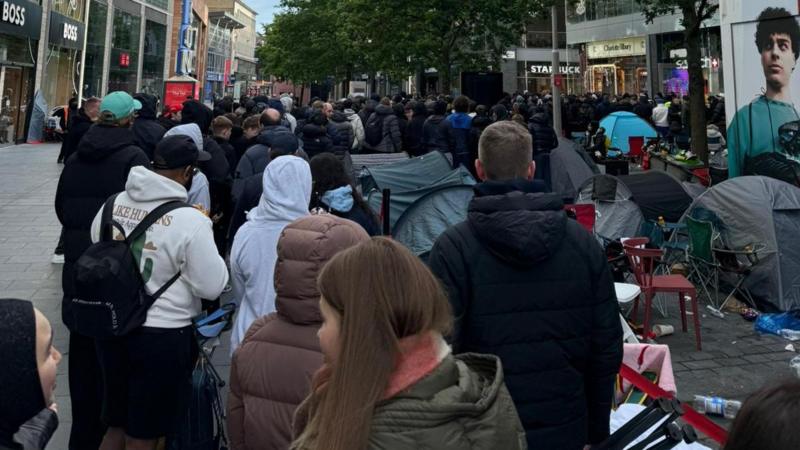
Swatch closed many of its stores in the UK and other countries after large crowds gathered to buy its new limited edition watch, called the Royal Pop. The watch, starting at £335, quickly appeared online with much higher resale prices, and safety concerns led to store closures and event cancellations.
Key Facts
Swatch closed stores in London, Birmingham, Cardiff, Glasgow, Liverpool, Manchester, and Sheffield due to safety concerns.
The new watch, Royal Pop, is a collaboration between Swatch and luxury brand Audemars Piguet.
The Royal Pop watches cost from £335 but some were resold online for up to £16,000.
People queued or camped outside stores for days, including in Liverpool and New York.
Police responded to reports of aggressive behavior outside the Liverpool store.
Swatch canceled its launch event in Dubai after a large crowd showed up.
The watch design is inspired by the Pop Art movement from the 1950s and 60s.
Swatch described the collection as combining bold design with fine watchmaking.
Read the Original
Want the full story? Tap a source to open the original
article.
Farmers in the Midwest are facing serious financial problems as diesel and fertilizer prices rise due to conflicts involving Iran. This situation is making it harder for family farms to survive and could lead to higher food prices and stress on rural communities.
Key Facts
Rising diesel and fertilizer costs are linked to the Iran conflict and the closing of the Strait of Hormuz, a key route for fuel shipments.
Many farmers are struggling because crop prices have dropped and loans are harder to get.
The current farming crisis is described as the worst since the 1980s when similar economic challenges hit agriculture.
Increases in fuel bills and fertilizer costs are affecting farmers in states like Arkansas, Ohio, Iowa, and Minnesota.
The U.S. cattle herd is at a low point due to drought, pushing beef prices up by about 19% compared to last year.
Mental health calls from farmers in Minnesota are rising, indicating increased stress within farming communities.
Agriculture Secretary Brooke Rollins announced $900 million in grants to help fertilizer companies and legislation to lower costs.
President Trump has provided $11 billion in aid to farmers facing trade and price challenges, with most of it already distributed.
Read the Original
Want the full story? Tap a source to open the original
article.
Walmart and Amazon are competing to deliver online orders faster to rural areas in the U.S. Both companies are using new technology and opening small delivery centers to serve towns that were previously hard to reach or not seen as profitable. This competition comes as major delivery services like FedEx and UPS reduce service in these locations.
Key Facts
About 90% of U.S. people live within 10 miles of a Walmart store.
Nearly half of Walmart’s Supercenters are in small towns with fewer than 20,000 residents.
Morgan Stanley estimates rural online sales could be worth up to $1 trillion each year.
Remote work is increasing populations in many small towns.
Amazon spent $4 billion to provide same-day or next-day delivery to 4,000 smaller cities and towns.
Amazon doubled the number of customers getting same-day delivery in 2025 compared to 2024.
Amazon uses artificial intelligence to predict demand and opens micro delivery hubs in rural areas.
FedEx, UPS, and the U.S. Postal Service are reducing or slowing deliveries in some rural places to save money.
Read the Original
Want the full story? Tap a source to open the original
article.
Reed Jobs, son of Apple co-founder Steve Jobs, runs a venture capital fund called Yosemite that invests in cancer care and healthcare startups. He is visiting the UK to find new opportunities and partnerships to help improve cancer diagnosis and treatment, especially using gene therapy, vaccines, and artificial intelligence.
Key Facts
Reed Jobs is motivated by his father’s death from pancreatic cancer to improve cancer outcomes.
Yosemite manages over $1 billion and invests in about 20 healthcare startups in the US and UK.
The fund focuses on gene therapy, cancer vaccines, radiopharmaceuticals, and AI applications in cancer care.
Yosemite receives investment from the UK group LifeArc, which supports rare disease research and has ties to Oxford and Cambridge universities.
Reed Jobs interned in oncology and started pre-medical studies before moving to history.
Yosemite was created in 2023 as a spin-off from Emerson Collective, founded by Reed’s mother, Laurene Powell Jobs.
Backers of Yosemite include biotech company Amgen, MIT, Memorial Sloan Kettering Cancer Center, and investor John Doerr.
Reed Jobs aims to make cancer a treatable and early-diagnosed disease, similar to progress made with HIV and heart disease.
Read the Original
Want the full story? Tap a source to open the original
article.
Many American companies are reducing employee benefits that grew during the COVID-19 pandemic and labor shortages. Rising health care costs and increased spending on AI technology are leading businesses to cut perks like paid family leave, retirement matches, and fertility support.
Key Facts
Companies like Deloitte and Zoom have reduced paid parental leave and cut back on vacation and health-related perks.
TTEC paused 401(k) matching to allocate funds toward AI tools and employee training.
Over half of 500 surveyed U.S. business leaders said they are cutting benefits, bonuses, and raises to invest in AI.
Rising health care costs, especially for prescription drugs, are pushing companies to reevaluate employee benefits.
Health care spending on drugs increased from 21% to 24% of total health care costs in three years.
White collar workers may have less leverage for perks as AI technology may replace some jobs.
The tech industry has seen significant reductions in perks and increased layoffs.
Companies still want skilled workers and try to maintain benefits but face challenges balancing costs and talent retention.
Read the Original
Want the full story? Tap a source to open the original
article.
The US Commodity Futures Trading Commission (CFTC) is increasing its efforts to detect and stop insider trading on prediction markets, especially those based offshore. The agency uses artificial intelligence (AI) and blockchain tools to spot suspicious trades and plans to take legal actions against offenders.
Key Facts
Prediction markets saw suspicious trading around events like the Venezuela raid and the Iran War.
Polymarket’s crypto-based platform operates offshore and is blocked in the US, but some traders use virtual private networks (VPNs) to access it from the US.
The CFTC is hiring more staff and using AI tools to analyze large amounts of trading data for signs of manipulation.
Tools used include proprietary systems, Chainalysis (for crypto tracing), and Nasdaq Smarts (for market abuse detection).
US-based Kalshi and offshore Polymarket have both taken steps to stop insider trading by suspending users and updating rules.
Polymarket partnered with Chainalysis and Palantir to improve market oversight.
Several US lawmakers have expressed concern about possible insider trading on war-related prediction contracts and asked the CFTC to investigate.
The CFTC chairman said the agency is working on hundreds or thousands of insider trading tips.
Read the Original
Want the full story? Tap a source to open the original
article.
Data centers are growing quickly in many U.S. areas and sometimes cause local concerns about noise and energy use. A study in Northern Virginia found that homes near data centers actually sell for higher prices on average, showing that these facilities do not necessarily lower nearby home values.
Key Facts
Windowless data center buildings are expanding near towns and farmland across the U.S.
People worry about noise, energy use, and water demand from data centers.
A study from George Mason University looked at home sales in Northern Virginia near data centers.
Homes closer to data centers sold for higher prices on average than homes farther away.
Northern Virginia is called “data-center alley” because it has many large data centers.
Data centers need strong power, internet fiber, roads, and space, which attracts developers.
The U.S. has the most data centers worldwide, with 4,184 as of April 2026.
New proposals for huge data centers are causing fights and legal actions in states like Utah, Ohio, and Florida.
Read the Original
Want the full story? Tap a source to open the original
article.
Many Americans believe starter homes—smaller, more affordable houses for first-time buyers—are disappearing. Rising home prices and low supply have made it harder for people to buy their first home, pushing the median age of first-time buyers to an all-time high.
Key Facts
A survey found 61% of U.S. adults think starter homes are mostly gone.
The median age of first-time homebuyers is now 40 years old, a historic high.
First-time buyers make up only 21% of the housing market, the lowest share ever.
The median price of a typical U.S. home in March 2026 was about $436,500, up from $295,100 in 2019.
Starter homes usually cost less, about $195,388 nationally by the end of 2025, but their prices are rising faster than other homes.
Smaller homes with two or fewer bedrooms saw price increases of over 77% from 2019 to 2026.
In 233 U.S. cities, the typical starter home costs at least $1 million, five times the national average.
New homes are generally getting larger, with very few new homes under 1,400 square feet being built.
Read the Original
Want the full story? Tap a source to open the original
article.
UK drivers who buy Chinese electric and hybrid cars often find it harder to get car insurance compared to those with vehicles from Europe, the US, or South Korea. When insurance is available, it usually costs more, sometimes nearly double the price of similar petrol cars from other countries.
Key Facts
UK insurers are more reluctant to cover some Chinese hybrid and electric vehicles (EVs).
Insurance for Chinese EVs like Jaecoo 7, XPeng G6, and BYD Seal U can cost significantly more than for petrol cars.
The Jaecoo 7 was the UK’s bestselling new car in March 2024.
Carwow’s survey found that about half of insurance quote requests for Chinese EVs were declined by insurers.
Only a few insurers, such as Aviva and Admiral, provided coverage for these Chinese models.
The average insurance cost for Chinese EVs was about £901 per year, compared to £646 for similar petrol models.
Insurers say limited repair data and parts supply for new Chinese cars make them cautious.
UK car sales rose in April 2024, with larger increases for Chinese brands like BYD and Jaecoo.
Read the Original
Want the full story? Tap a source to open the original
article.
A record number of people in the UK are using crowdfunding websites like GoFundMe to raise money for rent and bills. Donations for rent support have increased by 60% since 2022, as many struggle with rising costs and housing insecurity.
Key Facts
More rent-related fundraisers were created on GoFundMe in April than any month before.
Over 100,000 people each month donate to help others pay housing costs on the platform.
Rent increases and lower incomes have forced many to seek public help or crowdfunding.
More than 300,000 families a year in England and Wales apply to local councils for emergency housing grants.
The number of rejected housing grant applications rose from 96,000 in 2021-22 to over 134,000 in 2023-24.
Individuals like Andrew Foster and Nick Jardine turned to crowdfunding after rent hikes and eviction notices threatened their housing.
Homelessness and the number of children in temporary housing in England have reached record highs.
Crowdfunding donations sometimes prevent people from going further into debt or becoming homeless.
Read the Original
Want the full story? Tap a source to open the original
article.
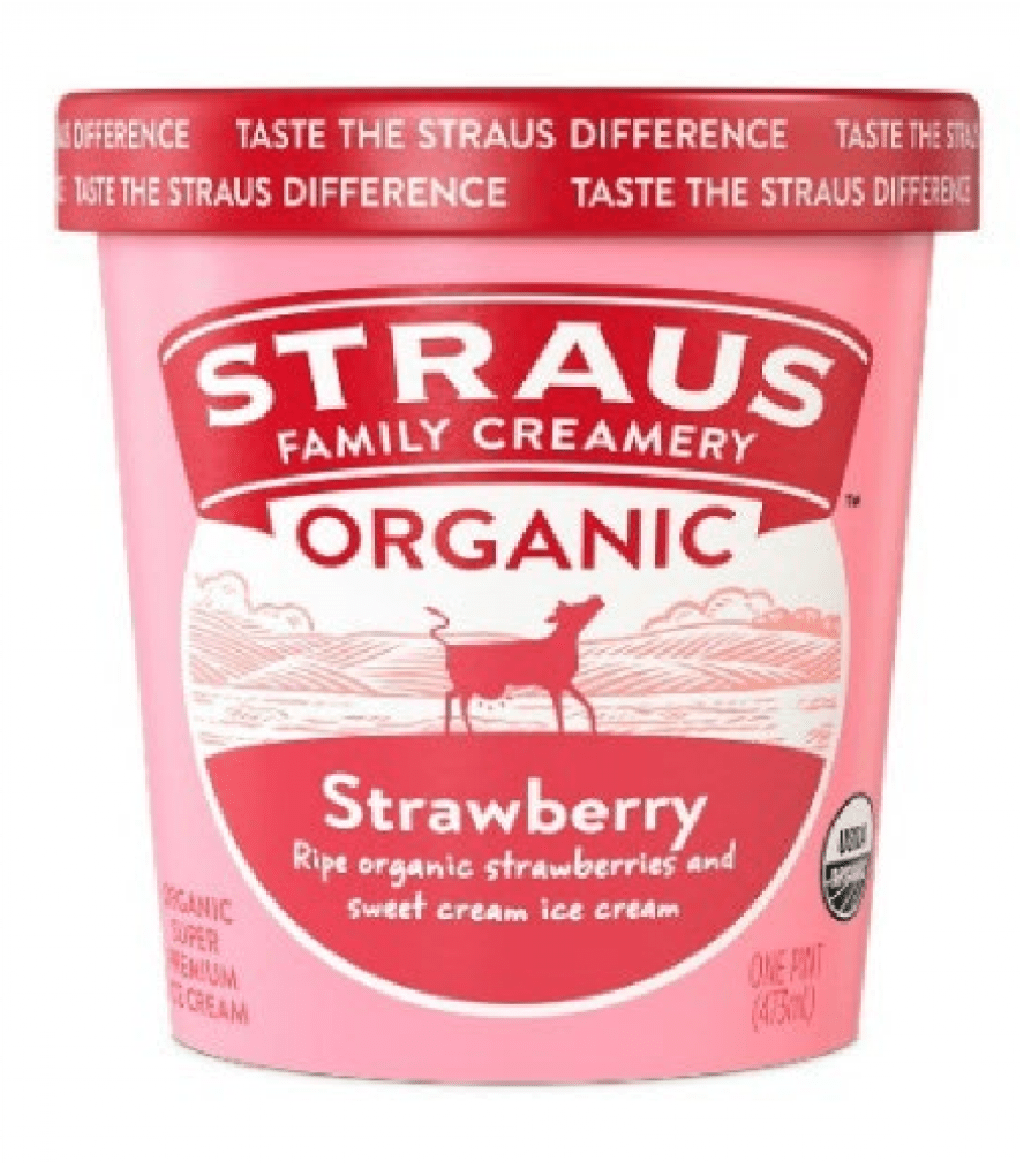
Straus Family Creamery is recalling some flavors and sizes of its organic ice cream because metal pieces might be in the product. The ice cream was sold in 17 states starting May 4, and no injuries have been reported so far.
Key Facts
The recall is voluntary and involves certain flavors and sizes of Straus Family Creamery’s organic ice cream.
The ice cream might contain foreign metal parts.
The recalled products were sold in 17 states including Arizona, California, Florida, Texas, and others.
The ice cream was sold starting May 4 and comes in paper cups with seals, in quart and pint sizes.
Customers should throw away the recalled products and not return them to stores.
Consumers can get a replacement voucher by visiting the company’s website or contacting them by phone or email.
This recall follows other recent food recalls due to contamination or mislabeling in products like potato chips, noodles, muffins, and hot cocoa mixes.
Read the Original
Want the full story? Tap a source to open the original
article.
Fidelity Investments has agreed to pay $2.5 million to settle a lawsuit about a data breach that happened in 2024. The settlement includes payments of up to $5,000 for people affected by the breach.
Key Facts
Fidelity Investments faced a lawsuit due to a data breach in 2024.
The company agreed to pay a total of $2.5 million to settle the case.
Individuals affected by the breach may receive payouts up to $5,000.
The settlement is a class action, meaning it covers a group of people affected.
The agreement was reached and announced on a Wednesday.
Read the Original
Want the full story? Tap a source to open the original
article.
Jerome Powell finished his term as Chairman of the Federal Reserve on Friday. His time leading the Fed focused on managing the U.S. economy and dealing with financial challenges.
Key Facts
Jerome Powell's last day as Federal Reserve Chairman was on Friday.
He served as the leader of the U.S. central bank, known as the Federal Reserve or Fed.
The Fed’s role includes managing interest rates and supporting the economy.
Powell faced economic challenges during his term, including inflation and market uncertainty.
His decisions affected borrowing costs, inflation, and overall economic growth.
Powell was appointed by President Donald Trump and served through multiple economic cycles.
The Federal Reserve’s leadership changes impact financial markets and policy direction.
Read the Original
Want the full story? Tap a source to open the original
article.