A federal judge has blocked the $6.2 billion merger of Nexstar Media Group and Tegna until an antitrust lawsuit is settled. The lawsuit, brought by eight state attorneys general and DirecTV, argues the merger could raise consumer prices and reduce competition in local TV markets.
Key Facts
Nexstar and Tegna planned to merge, creating a company owning 265 TV stations in 44 states plus Washington, D.C.
The merger was approved by the Federal Communications Commission (FCC) and the U.S. Department of Justice.
Eight state attorneys general and DirecTV filed a lawsuit opposing the merger on antitrust grounds.
The plaintiffs argue the deal would increase prices, reduce local journalism quality, and break monopoly laws.
Judge Troy L. Nunley issued a temporary order blocking the merger and extended it until the lawsuit resolves.
Nexstar already owns Tegna since closing the deal over four weeks ago, and plans to appeal the judge’s ruling.
The FCC waived ownership rules to allow this merger but required Nexstar to sell six stations.
The judge said Nexstar could have multiple major network affiliates in many markets, giving it strong power to raise fees for providers like DirecTV.
Read the Original
Want the full story? Tap a source to open the original
article.
Australia’s richest person, Gina Rinehart, faces a court ruling requiring her company to pay hundreds of millions of dollars in royalties to a rival mining family. The Western Australian supreme court found Wright Prospecting is entitled to half the royalties from the Hope Downs iron ore project, while Hancock Prospecting keeps other assets.
Key Facts
Gina Rinehart is Australia’s richest person and controls Hancock Prospecting.
The court ordered Hancock Prospecting to pay royalties to Wright Prospecting, a rival mining family.
The dispute involves royalties from Hope Downs, a major iron ore project producing 45 million tonnes annually.
The case is based on business dealings from 1967 to 2005, originating from a partnership in the 1950s.
Justice Jennifer Smith presided over a 51-day trial in 2023 with over 4,000 documents reviewed.
Hancock Prospecting retains ownership of other mining assets; Wright Prospecting did not win those claims.
Gina Rinehart’s children are involved in a separate inheritance dispute linked to the company shares.
Rinehart controls 76.55% of Hancock Prospecting, and her children own 23.45%; the children claim they should own 49%.
Read the Original
Want the full story? Tap a source to open the original
article.
The U.S. Justice Department says iLearning, a tech company, lied about nearly all its customers and income. The company is accused of a $420 million scam involving artificial intelligence services.
Key Facts
iLearning claimed to have many customers and high revenues.
The Justice Department says these claims were mostly false.
The case involves a scam worth $420 million.
The scam relates to artificial intelligence products or services.
Legal action is being taken against the company and its CEO.
The company’s business model was based on fabricated information.
Read the Original
Want the full story? Tap a source to open the original
article.
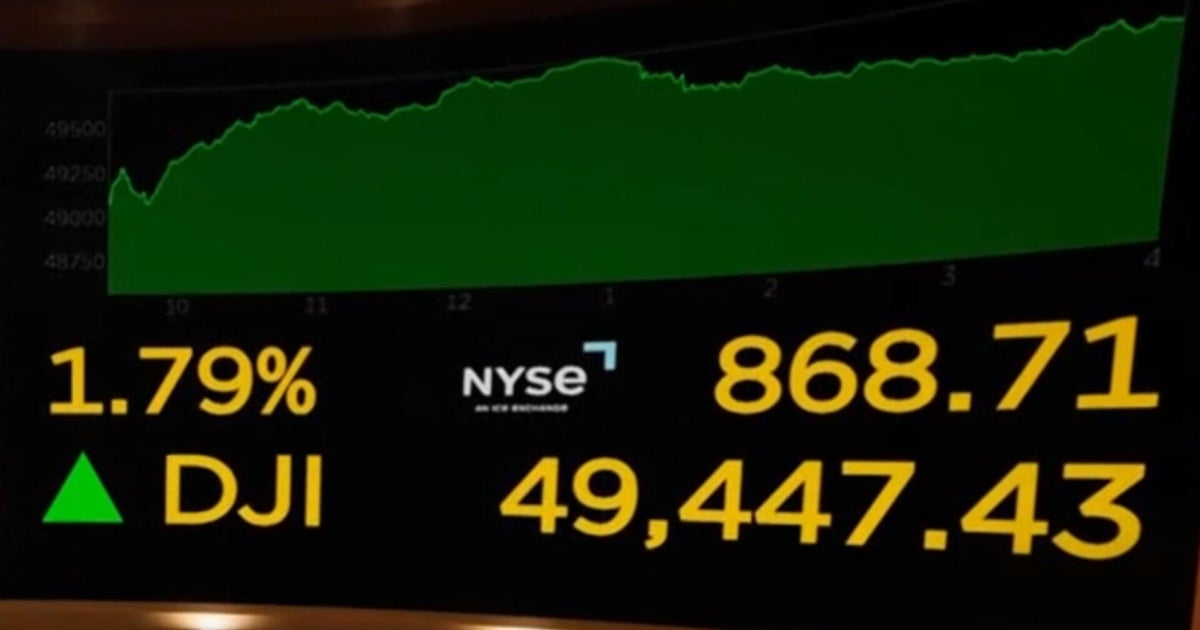
The stock market went up and oil prices dropped sharply after Iran announced that the Strait of Hormuz is open again. This caused gas prices to fall slightly.
Key Facts
Iran said the Strait of Hormuz, a key global oil shipping route, is open for passage.
Following this announcement, stock markets rose.
Oil prices fell by about 10%.
Lower oil prices led to a small decrease in gas prices.
The Strait of Hormuz is important because a large part of the world's oil supply passes through it.
Read the Original
Want the full story? Tap a source to open the original
article.
Major mortgage lenders have started lowering interest rates on new home loans after a recent peak caused by economic uncertainty from the war in Iran. This change offers some relief to first-time homebuyers, though buying a home remains expensive due to rising overall living costs.
Key Facts
Mortgage rates rose sharply during the peak of the Iran war but are now beginning to fall.
Major lenders like Halifax, HSBC, and Santander are cutting rates on new fixed mortgage deals.
The average rate on a two-year fixed mortgage rose from 4.83% to 5.90%, then fell slightly to 5.87%.
Changes in mortgage rates are influenced by financial market "swap rates," which react to expected Bank of England interest rate moves.
The reported reopening of the Strait of Hormuz has eased market fears, helping lower mortgage rate expectations.
Borrowers who locked in rates recently might soon get better offers as lenders reduce rates.
First-time buyers continue to face challenges affording homes amid higher living costs, including fuel and food prices.
Mortgage rates usually stay fixed for two to five years before borrowers need a new deal.
Read the Original
Want the full story? Tap a source to open the original
article.
In Honiara, the capital of the Solomon Islands, a card game called Pass has become very popular as a way for people to try to win money quickly. Many players, including young and low-income individuals, join these informal gambling games despite the risks and official bans, largely because of high unemployment and few job opportunities.
Key Facts
Pass is an illegal street card game growing rapidly in Honiara's shelters and backstreets.
Players bet money and try to play cards in numerical order; the first to use all their cards wins the pot.
Games can have up to 30 rounds per hour, involving large sums of money changing hands quickly.
Irene, a teacher, relies on gambling winnings to nearly match her salary, despite losing some hands.
Dealers like 19-year-old Ben earn about SBD$500 per week, while table bosses can make much more.
The growing popularity is linked to high unemployment rates, especially among youth in Honiara (12-15%).
Some business owners use Pass games to help pay bills and supplement income.
Youth advocate Phillip Subu says gambling through Pass is a survival tactic due to the lack of jobs.
Read the Original
Want the full story? Tap a source to open the original
article.
Philz Coffee, a San Francisco-based coffee chain, initially decided to remove Pride flags from their stores but reversed this decision after receiving strong backlash from employees and customers. The company’s chief executive apologized and reinstated the flags, emphasizing their importance as symbols of safety and belonging for LGBTQ+ people.
Key Facts
Philz Coffee decided to take down Pride flags and other flags for consistency.
This decision caused quick negative reactions from employees, customers, and local leaders.
An online petition against the flag removal gained over 7,300 signatures.
CEO Mahesh Sadarangani apologized, calling the removal a mistake.
The CEO credited local Pride leaders for helping him understand the issue and led to the reversal of the policy.
Philz Coffee is known as an ally to the LGBTQ+ community and has over 80 locations in California and Chicago.
Pride flags have recently been politically controversial, with some government actions removing them from public spaces.
Some cities have found new ways to show LGBTQ+ support, like rainbow benches and plaques, in response to flag removals.
Read the Original
Want the full story? Tap a source to open the original
article.
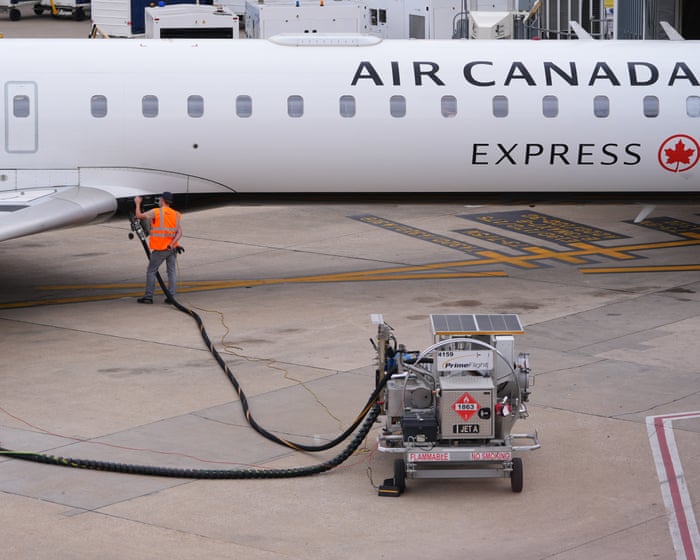
Airlines are cutting some flight routes this summer because jet fuel prices have risen sharply due to the Iran war. The high fuel costs make some flights too expensive to operate, leading to cancellations and schedule changes.
Key Facts
Jet fuel prices have doubled since the war in Iran began on February 28.
Jet fuel makes up about 25% to 30% of an airline’s total operating costs.
Airlines like Delta, Air Canada, KLM, and Lufthansa are cutting or adjusting routes due to higher fuel prices.
Delta is cutting flights from New York, Detroit, and Boston during the summer months.
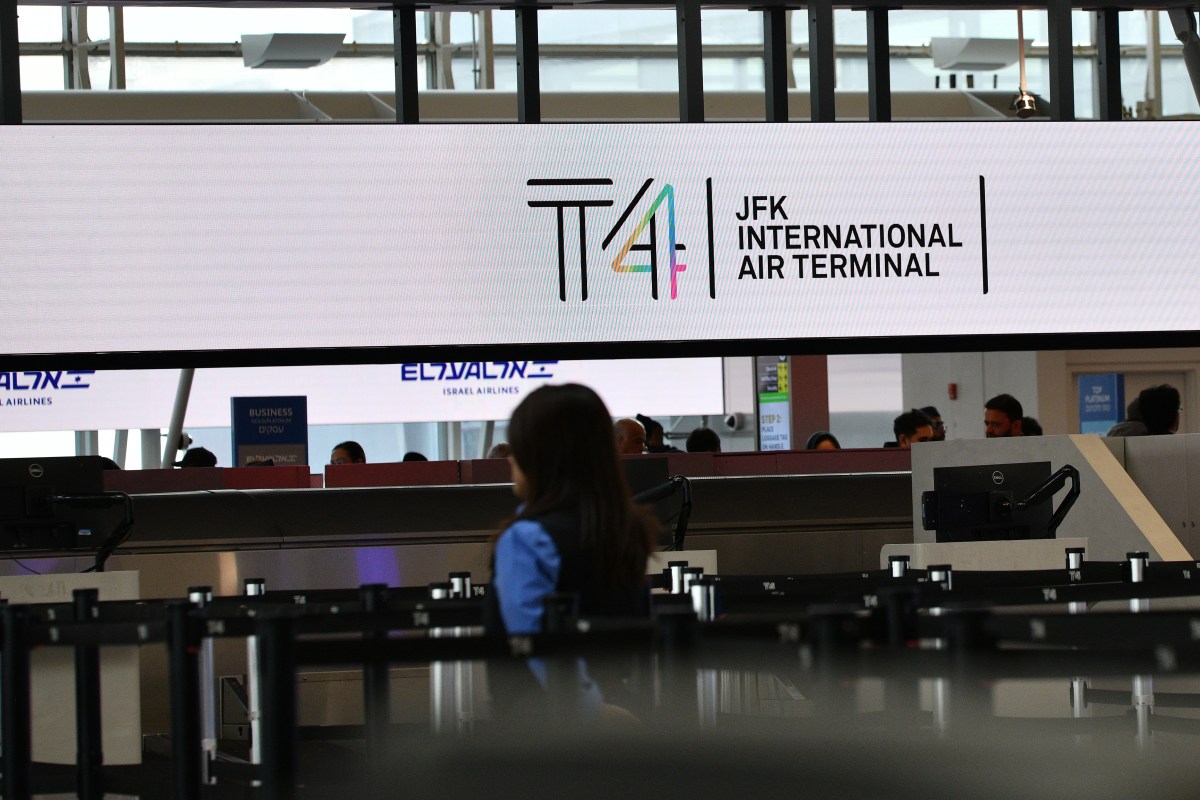
Air Canada is reducing flights between Toronto, Montreal, and New York’s JFK Airport through October.
European airports have around a six-week supply of jet fuel, and shortages may cause more flight cancellations.
U.S. airlines are less affected since the U.S. produces most of its own jet fuel.
Some flights to Europe may have longer travel times due to necessary refueling stops because of jet fuel shortages.
Read the Original
Want the full story? Tap a source to open the original
article.
Commerce Secretary Howard Lutnick criticized Canada’s trade strategy during the Semafor World Economy Summit. He described the approach suggested by Canada’s former trade chief—delaying trade talks with the U.S.—as very poor.
Key Facts
Commerce Secretary Howard Lutnick spoke at Semafor’s World Economy Summit.
Lutnick criticized Canada’s trade strategy with the U.S.
He said the strategy “sucks” and called it the worst he had heard.
The criticism targeted a proposal from Canada’s former trade chief.
That proposal suggested Canada could slow down trade negotiations with the U.S.
The slow-walking idea came amid rising political tensions.
Lutnick spoke directly to Semafor’s Ben Smith during the event.
Read the Original
Want the full story? Tap a source to open the original
article.
Markets went up and oil prices fell after President Donald Trump and Iran said the Strait of Hormuz is open. This news made investors feel more hopeful about global trade and energy supplies.
Key Facts
President Donald Trump and Iran announced that the Strait of Hormuz is open.
The Strait of Hormuz is a key waterway for global oil shipping.
Oil prices dropped sharply after the announcement.
Stock markets rose in response to the news.
The announcements helped ease fears about disruptions to oil supplies.
The positive market reaction happened on Friday.
CBS News reported the story through correspondent Kelly O’Grady.
Read the Original
Want the full story? Tap a source to open the original
article.
Air Canada will temporarily stop some flights from Toronto and Montreal to New York City starting June 1, due to high jet fuel prices. The airline plans to restart these flights on October 25, while continuing other flights to New York-area airports.
Key Facts
Air Canada is pausing one Montreal-New York flight and three Toronto-New York flights from June 1 to October 25.
The suspension is because jet fuel prices have roughly doubled since the start of the US-Israel and Iran conflict.
Fuel price rises have made some routes unprofitable for Air Canada.
Air Canada will still fly 34 times daily to New York’s LaGuardia and Newark airports from six Canadian cities.
Additional changes include pausing the Salt Lake City-Toronto route from June 30 until 2027 and delaying a Montreal-Guadalajara service.
These changes affect about 1% of Air Canada’s passenger capacity.
Rising fuel costs have also led other airlines like easyJet, Qantas, and Virgin Australia to cut flights or raise ticket prices.
The International Energy Agency warns Europe has only six weeks of jet fuel left, risking more flight cuts if Middle East oil supplies don’t improve soon.
Read the Original
Want the full story? Tap a source to open the original
article.
The San Diego Padres baseball team is close to being sold to billionaire José E. Feliciano and his wife, Kwanza Jones, for about $3.9 billion. This would make the Padres the most expensive Major League Baseball (MLB) team ever sold, surpassing the previous record of $2.4 billion for the New York Mets.
Key Facts
The Padres are currently second in MLB standings, just behind the Los Angeles Dodgers.
The sale price of $3.9 billion is the highest ever for an MLB team.
José E. Feliciano and Kwanza Jones are the prospective buyers.
The sale still needs approval from 75% of MLB team owners to be completed.
Previously, Steve Cohen bought the New York Mets in 2020 for $2.4 billion.
Todd Boehly and Clearlake Capital Group, which include Feliciano, bought English soccer team Chelsea F.C. for $5.3 billion in 2022.
The Padres have shown strong performance in the current season, with a winning streak and an impressive record.
The team has made large investments in players with expensive contracts to aim for their first World Series title.
Read the Original
Want the full story? Tap a source to open the original
article.
Fans attending World Cup matches at MetLife Stadium in New Jersey will pay $150 for a round-trip train fare, much higher than the usual $12.90 fare. New Jersey officials say the price helps cover the high cost of transportation during the tournament, while other host cities are keeping fares low or unchanged.
Key Facts
Round-trip train fare from New York City to MetLife Stadium will be $150 for each World Cup match.
The usual fare for this 14 km (9-mile) trip is about $12.90.
About 40,000 fans per match are expected to use mass transit to reach MetLife Stadium.
NJ Transit estimates transportation costs of $62 million for the tournament but received only $14 million in outside funding.
New Jersey Governor Mikie Sherrill said the increased fare helps avoid passes the cost to state taxpayers.
FIFA said fan transport should be free and expressed surprise at New Jersey’s fare hike.
Other host cities like Los Angeles, Philadelphia, and Houston plan to keep fares the same or low.
Boston and New England will have higher fares for transit to Gillette Stadium, with round-trips costing up to $95.
Read the Original
Want the full story? Tap a source to open the original
article.
Alec Baldwin will face a civil trial over claims that he was careless when he fired a gun on the set of the movie "Rust," which led to the death of the film’s cinematographer. A crew member who worked on the set has sued Baldwin and the production company, saying he experienced emotional harm because of the shooting.
Key Facts
Alec Baldwin is being sued in a civil court for alleged negligence in a 2021 shooting on the "Rust" movie set.
The shooting resulted in the death of the film’s cinematographer.
Serge Svetnoy, a lighting technician (called a gaffer), filed the complaint.
Svetnoy claims he suffered emotional distress due to the fatal shooting incident.
The case involves both Baldwin and Rust Movie Productions.
A judge decided that Baldwin should face the civil trial.
The incident happened in New Mexico.
This legal case is separate from any criminal charges.
Read the Original
Want the full story? Tap a source to open the original
article.
NJ Transit has announced train tickets priced at $150 for travel to MetLife Stadium during the World Cup. The agency stated that it is not aiming to make a profit from these ticket sales despite the high price.
Key Facts
NJ Transit set train ticket prices at $150 for trips to MetLife Stadium during the World Cup event.
The pricing has raised public concerns and controversy in the New York-New Jersey region.
NJ Transit said the ticket prices are not designed to generate profit.
The World Cup event is expected to draw large crowds to MetLife Stadium.
NJ Transit is the main public transportation provider for the area.
High prices could affect how many people choose to use the train to get to the games.
Read the Original
Want the full story? Tap a source to open the original
article.
There are many used electric vehicles (EVs) available in the $20,000 to $25,000 price range across the U.S. This price range lets buyers choose newer models with better features compared to very cheap EVs, despite some earlier government tax credits for used EVs being removed.
Key Facts
The used clean vehicle tax credit was ended last year by the Trump administration.
EVs priced between $20,000 and $25,000 are mostly newer and offer more range than very cheap older models.
Around half of the used EVs in this price range are Tesla Model 3 and Model Y cars.
Hyundai electric models like the Ioniq 5, Kona, and Ioniq 6 are also commonly available in this price range.
The Ioniq 6 sedan did not sell well, so Hyundai is limiting imports of that model.
Chevrolet Bolt EVs are usually cheaper, but newer models like the Bolt EUV, Equinox EV, and Blazer EV can appear near $20,000–$25,000.
Some GM EVs lack popular smartphone integration features like Apple CarPlay and Android Auto, which could affect buyer choice.
The Honda Prologue shares parts with the Chevy Blazer EV but offers more interior features, including Apple CarPlay and Android Auto.
Read the Original
Want the full story? Tap a source to open the original
article.
Oil prices dropped sharply after Iran announced the Strait of Hormuz is fully open for commercial ships during a ceasefire between Israel and Lebanon. This led to lower gasoline prices in the U.S. and gains in the stock market, while President Trump indicated progress in peace talks with Iran.
Key Facts
Oil prices fell about 10% after Iran declared the Strait of Hormuz open for commercial vessels.
The U.S. oil benchmark, West Texas Intermediate, dropped to $84.36 per barrel.
Brent crude, the global oil price standard, fell to $90.05 per barrel.
U.S. gasoline prices decreased to an average of $4.08 per gallon.
Nearly 20 ships turned back to Iran following a U.S. blockade of Iranian ports and vessels, which remains in effect.
President Trump said a deal with Iran to end the war is nearly complete, including Iran suspending its nuclear program.
The stock market rose, with key indexes like the S&P 500 and Dow Jones up more than 1%.
A two-week ceasefire between the U.S. and Iran was agreed on April 8, with President Trump open to extending it.
Read the Original
Want the full story? Tap a source to open the original
article.
The UK government plans to increase a special tax on profits made by older low-carbon energy producers like nuclear and renewable power plants. This tax rise aims to help lower UK household energy bills while the government works on longer-term changes to how electricity prices are set.
Key Facts
Chancellor Rachel Reeves is preparing to raise the windfall tax on low-carbon electricity generators.
The tax targets extra profits from older renewable and nuclear plants due to high electricity prices.
Electricity prices have risen sharply because UK costs are linked to expensive gas power prices.
The government wants to protect consumers from high bills by changing how electricity costs relate to gas prices.
Plans include moving older low-carbon projects to contracts that guarantee fixed prices.
The current windfall tax rate is 45% on profits above £75 per megawatt-hour and runs until 2028.
The government is also considering reserving gas plants for emergency use to lower overall electricity costs.
Industry leaders were warned about upcoming discussions on these major changes.
Read the Original
Want the full story? Tap a source to open the original
article.
Air Canada will stop flying to New York's JFK airport from June 1 to October 25 due to high jet fuel prices caused by the conflict in Iran. The airline will still fly to New York’s other airports, LaGuardia and Newark Liberty, and will offer alternative options to affected passengers.
Key Facts
Air Canada will suspend flights to JFK airport between June 1 and October 25.
Flights to other New York airports (LaGuardia and Newark) will continue.
Jet fuel prices have risen from $2.50 to $4.32 per gallon because of the Iran conflict.
Higher fuel prices make some routes unprofitable, forcing airlines to change schedules.
Fuel and labor costs are the largest expenses for airlines.
Delta Air Lines expects fuel costs to add $2 billion to its expenses in the second quarter.
Other airlines are raising fees and reducing some route services due to fuel costs.
The International Energy Agency warns that jet fuel supplies in Europe are low amid a major energy crisis.
Read the Original
Want the full story? Tap a source to open the original
article.
Interest rates on certificates of deposit (CDs) have fallen compared to one year ago, so a $10,000 CD opened now will earn less interest by maturity than one opened in April 2025. However, rates remain around 4%, making CDs and high-yield savings accounts still attractive options for saving money, depending on your preferences for fixed or variable interest.
Key Facts
Interest rates on CDs peaked alongside high inflation and the Federal Reserve's high interest rates.
CD rates have dropped since last year, reducing potential earnings on a $10,000 deposit.
In April 2025, a 1-year CD at 4.40% would have earned $440 in interest; now, a 1-year CD at 4.10% would earn $410.
Rates for other CD terms (9 months to 3 years) have also decreased but remain near 4%.
CDs have fixed interest rates that do not change during the term, providing predictable returns.
High-yield savings accounts offer similar interest rates but have variable rates that can go up or down.
The Federal Reserve is unlikely to cut rates in 2026, so savings returns may remain steady.
Online banks often offer better rates on CDs and savings accounts than traditional banks with physical branches.
Read the Original
Want the full story? Tap a source to open the original
article.