The article discusses the idea of making nursing contracts more flexible by offering a menu of options, similar to prix fixe menus in restaurants. OhioHealth, a healthcare organization, has started implementing this approach, allowing nurses to select benefits that match their personal needs and goals, such as sign-on bonuses or student loan repayment plans. This strategy aims to make the positions more appealing and reduce reliance on staffing agencies.
Key Facts
OhioHealth is exploring flexible nursing contracts similar to prix fixe menus.
Nurses can pick benefits like sign-on bonuses, loan repayment, or travel opportunities.
Flexible contracts aim to keep nurses permanently instead of relying on staffing agencies.
OhioHealth found some traveling nurses stayed many years, sparking the contract idea.
Listening sessions with traveling nurses helped identify important contract features.
The initiative has contributed to OhioHealth's lowest nurse vacancy rates since before COVID-19.
OhioHealth packaged existing benefits into a menu to offer more choice to nurses.
Read the Original
Want the full story? Tap a source to open the original
article.
In September, the United States added 119,000 new jobs, but the unemployment rate slightly increased to 4.4%. Most job gains were in healthcare, while some sectors like transportation and warehousing lost jobs. The September jobs report was delayed because of a government shutdown.
Key Facts
The U.S. economy added 119,000 jobs in September.
The unemployment rate went up to 4.4% from 4.3% in August.
Healthcare saw the highest job growth, adding 43,000 positions.
Food and beverage services gained 37,000 jobs, and social assistance grew by 14,000 jobs.
Sectors like construction, retail, and business services saw little change.
The federal workforce reduced by 3,000 jobs, with a total of 97,000 jobs cut since the start of the year.
Transportation and warehousing lost 25,000 jobs in September.
Average wages increased slightly by 0.2% to $36.67.
The jobs report was delayed due to a 43-day U.S. government shutdown.
Read the Original
Want the full story? Tap a source to open the original
article.
Chili's is introducing a new drink called the Merry Maker Marg, available for just December at $6. This seasonal drink aims to attract customers during the holiday season. The restaurant also adjusted its holiday hours, closing early on Christmas Eve and remaining closed on Christmas Day.
Key Facts
Chili's will offer a special holiday drink, the Merry Maker Marg, throughout December.
The drink is priced at $6 and contains Lunazul Blanco Tequila, Cointreau, Monin Blackberry, strawberry puree, and house-made sour.
This menu change is part of a strategy to attract more customers during the holiday season.
Chili's will close early on Christmas Eve and remain closed on Christmas Day.
Similar seasonal promotions at other restaurants have helped boost sales.
The Merry Maker Marg follows earlier November promotions featuring Wicked-themed cocktails.
The drink comes with a reusable Santa 'stache straw.
Read the Original
Want the full story? Tap a source to open the original
article.
The U.S. added 119,000 jobs in September, more than expected, though the unemployment rate increased slightly to 4.4%. A long government shutdown delayed the release of this job data, which comes as policymakers consider whether to adjust interest rates. The Federal Reserve is debating rate cuts amid concerns about inflation and other economic challenges.
Key Facts
The U.S. added 119,000 jobs in September, surpassing expectations.
The unemployment rate rose from 4.3% to 4.4%.
A government shutdown delayed the release of job data for several weeks.
Since April, job growth has been minimal.
The Federal Reserve is considering interest rate cuts to help the economy.
Inflation went up to 3% in September, higher than the Fed's target of 2%.
Concerns include the impact of artificial intelligence on jobs and changes in immigration affecting labor.
Private reports note significant job cuts from companies like Amazon and Target in October.
Read the Original
Want the full story? Tap a source to open the original
article.
Five Below's collaboration with the musical Wicked is facing criticism because Elphaba products have a watermelon scent. Some people online say this scent choice is racially insensitive due to historical stereotypes. Five Below has not yet commented on the controversy.
Key Facts
Five Below partnered with Wicked to create Elphaba-scented products.
The products are scented with watermelon, causing backlash over racial insensitivity.
Watermelon has been historically linked to negative African American stereotypes.
Critics argue other green scents like cucumber or kiwi could have been used.
Some suggest the scent choice was based on cost and ease of production.
Social media users have expressed a mix of outrage and explanations for the choice.
Read the Original
Want the full story? Tap a source to open the original
article.
Panera Bread plans to update its menu, improve its ingredients, and add new drink options as part of a strategy to increase sales and regain market share. The company aims to reach $7 billion in sales by 2028 through these changes and improvements in customer experience.
Key Facts
Panera Bread is introducing better ingredients and new drinks to its menu.
The company has a goal of reaching $7 billion in sales by 2028.
Sales at Panera fell by 5% last year, and it wants to regain market share from competitors like Chipotle and Panda Express.
The new strategy, called “Panera RISE,” focuses on refreshing the menu and improving customer service.
Changes include using romaine lettuce instead of iceberg lettuce in salads and adding more ingredients.
New drinks will include options with lower caffeine levels than previous offerings.
Panera plans to hire more staff and upgrade its self-service kiosks as part of this strategy.
Read the Original
Want the full story? Tap a source to open the original
article.
The number of Americans who are not seeking jobs has increased, as reported by the U.S. Bureau of Labor Statistics. Despite a decrease in people wanting jobs, various factors such as mismatched wages and increased job searching frustrations are keeping many out of the workforce.
Key Facts
The number of people not in the workforce who want a job dropped by 421,000 to 5.9 million in September.
The national unemployment rate was 4.4% in September.
Individuals not actively searching for jobs are not considered unemployed in official statistics.
Wages are not keeping up with the cost of living, causing some to stop looking for work.
Different groups, including retirees, students, and caregivers, contribute to the increase in people not looking for jobs.
Frustrations with the job search process are leading some to give up searching entirely.
The perceived "tight" labor market hides deeper issues like a smaller workforce and reliance on benefits.
Read the Original
Want the full story? Tap a source to open the original
article.
Nurses at Henry Ford Genesys Hospital in Michigan, represented by the Teamsters union, have been on strike since September 1 over contract issues. The union claims the hospital is not negotiating fairly, while the hospital argues it is following the law and has proposed wage increases and better staffing. Ongoing disputes involve both sides accusing each other of misrepresenting facts and motives.
Key Facts
Teamsters Local 332 represents nurses at Henry Ford Genesys Hospital.
The union files unfair labor practice charges against the hospital.
Nurses are striking for better working conditions and safer nurse-to-patient ratios.
The hospital claims to be negotiating in good faith and following labor laws.
Henry Ford Health says its financial situation is affected by the union's demands.
The union disputes the hospital's claim of reaching an "impasse" in negotiations.
Both parties accuse each other of spreading misinformation.
The hospital has implemented some terms like a salary increase while negotiations continue.
Read the Original
Want the full story? Tap a source to open the original
article.
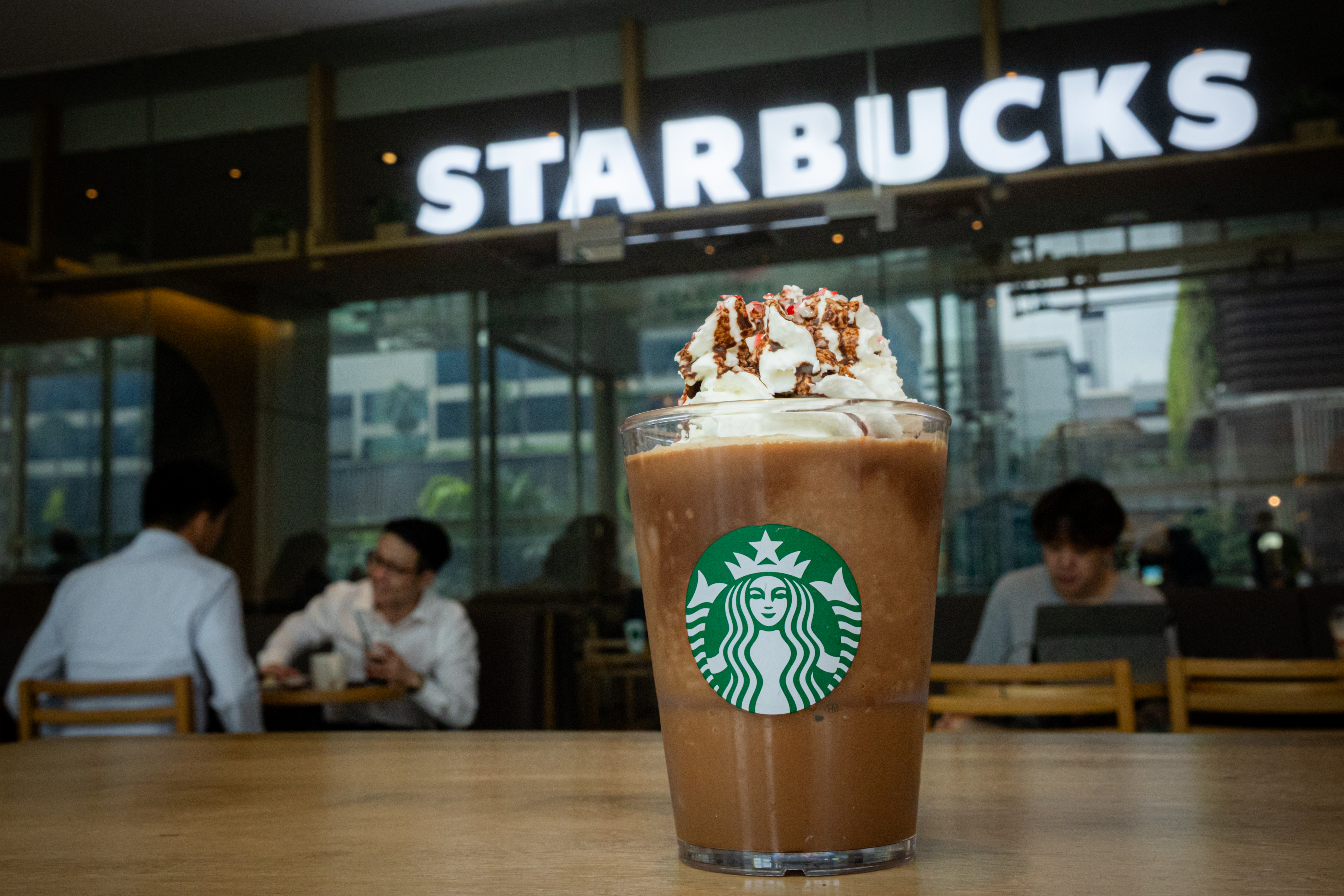
Starbucks has introduced a new holiday drink called Frozen Peppermint Hot Chocolate, which is only available in Starbucks cafes located within Target stores. This limited-time drink is part of the festive offerings from Starbucks and will be available throughout the holiday season while supplies last. Additionally, Starbucks is offering free limited-edition reusable holiday cups to customers who order certain drinks.
Key Facts
The new holiday drink is named Frozen Peppermint Hot Chocolate.
It is exclusively sold in Starbucks cafes inside Target stores.
The drink is a blend of mocha sauce, milk, ice, and peppermint-flavored whipped cream, topped with red and green sprinkles.
Prices for the drink start at $5.95 for a grande size, but may vary by location.
The drink will be available through the holiday season, while supplies last.
Starbucks is also giving away free limited-edition 2025 reusable red cups with the purchase of handcrafted holiday or fall drinks.
The new drink aims to enhance the shopping experience at Target, offering something festive for customers.
There is no confirmation if the drink will return next year.
Read the Original
Want the full story? Tap a source to open the original
article.
America's largest landlord, Greystar, has agreed to a $7 million settlement with nine states. The settlement addresses accusations that the company used rent-setting algorithms illegally to increase rental prices. This deal is part of ongoing efforts to regulate anti-competitive practices in the rental market.
Key Facts
Greystar is accused of using software to align rental prices with competitors, allegedly inflating costs.
The $7 million settlement involves attorneys general from nine states.
The software, RealPage, is said to have allowed data sharing between companies to coordinate prices.
Greystar can no longer use software that depends on competitors' data for setting rents.
The settlement awaits judicial approval in a North Carolina court.
This is part of broader legal actions against rent-setting algorithms, including a previous $50 million class-action settlement with Greystar.
State officials claim such practices harm competition and worsen the housing affordability crisis.
RealPage has denied any allegations of wrongdoing, stating its software is used in less than 10% of U.S. rental units.
Read the Original
Want the full story? Tap a source to open the original
article.
Taco Bell added three new menu items in the U.S. These items, called the "Fan Style Menu," were designed by fans who submitted their ideas through a contest. The new dishes will be available for a limited time starting November 20.
Key Facts
Taco Bell introduced three new limited-edition items to its menu in the U.S.
The new dishes were designed by Taco Bell customers through a contest held earlier this year.
Over 40,000 custom order ideas were submitted by fans via the Taco Bell app.
The new items are part of the "Fan Style Menu" and will be on sale starting November 20.
The three new dishes include a steak Crunchwrap, a vegetarian burrito, and a chicken taco.
The fan-designed dishes will be available in Taco Bell stores or via the app at participating locations.
Taco Bell called the winners “Fan Chefs” and might run similar contests in the future.
Read the Original
Want the full story? Tap a source to open the original
article.
The U.S. stock market rose significantly on Thursday, led by strong financial results from Nvidia, which boosted confidence in AI-related stocks. A jobs report suggested a mixed economic outlook, maintaining hopes that the Federal Reserve could lower interest rates. Major stock indexes such as the S&P 500, Dow Jones, and Nasdaq saw notable increases.
Key Facts
The S&P 500 index increased by 1.7%, moving closer to its all-time high.
Nvidia's stock rose 3.9% after announcing higher-than-expected profits and future revenue forecasts.
Other AI-related stocks like Palantir and Oracle also saw gains following Nvidia's report.
The U.S. jobs report showed stronger hiring but a slight increase in the unemployment rate.
Traders now see a 42% chance of the Fed cutting interest rates next month, up from 30% the day before.
Walmart's stock rose 3.3% after reporting strong sales and profits, surpassing expectations.
Major global stock indexes in Europe and Asia also reported gains.
Read the Original
Want the full story? Tap a source to open the original
article.
The U.S. government reported that employers added 119,000 jobs in September, despite delays in the data release due to a government shutdown. The unemployment rate increased slightly to 4.4%, partly because more people entered the job market. Some sectors like health care and construction saw job growth, while factories and government jobs declined.
Key Facts
U.S. employers added 119,000 jobs in September.
The unemployment rate rose to 4.4% from 4.3% in August.
470,000 people joined the labor market in September.
The Labor Department revised job numbers, showing fewer jobs gained in previous months than initially reported.
Health care and social assistance added 57,000 jobs, construction added 19,000, while factories lost 6,000 jobs.
The U.S. government shutdown delayed the jobs report for seven weeks.
The Labor Department will not release a full jobs report for October due to the shutdown.
Read the Original
Want the full story? Tap a source to open the original
article.
In 2026, the world might produce more oil than needed, causing prices to drop. OPEC+ has paused increasing oil output because their forecasts show that demand and supply will balance out early in the year.
Key Facts
The world could see more oil production than needed in 2026.
An oversupply of oil typically leads to lower prices.
Lower oil prices mean cheaper costs for transport, shipping, and flights.
OPEC+ has stopped increasing oil production for the first quarter of 2026.
OPEC+ forecasts indicate that demand will match supply in early 2026.
The Chinese yuan's role in the global economy is increasing.
South Africa received a credit rating upgrade.
Read the Original
Want the full story? Tap a source to open the original
article.
A dairy farmer in South Scotland, David Finlay, is using a cow-with-calf system where calves stay with their mothers for about six months, aiming to increase animal welfare and profitability. This approach contrasts with traditional practices where calves are separated from their mothers shortly after birth. While the system has faced skepticism, it claims benefits such as healthier animals and higher milk productivity.
Key Facts
Traditional dairy farms separate calves from mothers within 24 hours to collect milk for sale.
David Finlay farms 130 cows and allows calves to stay with their mothers for around six months.
Finlay claims this method improves animal welfare and business profitability.
Initially, the farm faced financial struggles but later adapted to make the system viable.
The system reportedly results in faster-growing calves and 25% more milk production per cow.
Rainton Farm is the largest commercial cow-with-calf dairy farm in Europe.
The Scottish government is interested in supporting high animal welfare practices.
Some farmers remain skeptical about the system's suitability for the broader dairy industry.
Read the Original
Want the full story? Tap a source to open the original
article.
Delta Airlines has launched a new digital tool called Delta Locals to help travelers plan trips with advice from locals. The tool is available online and on in-flight screens, offering video guides with recommendations from residents in several global destinations, including Los Angeles and Tokyo.
Key Facts
Delta Locals is a digital trip-planning tool available online and in-flight.
Travelers receive recommendations from locals, including chefs and artists.
Featured destinations include Los Angeles, Tokyo, Patagonia, and Sicily.
The tool provides video guides showcasing local food, drinks, and activities.
Additional destinations are expected to be added in 2026.
The tool aims to replace traditional in-flight magazines that offered travel tips.
United Airlines and KLM offer similar digital or exclusive magazine content.
Read the Original
Want the full story? Tap a source to open the original
article.
A report shows that U.S. clean-energy investments reached a record high of $75 billion in the third quarter, driven by electric car sales as tax credits expired. President Trump's recent tax law changes, including the removal of subsidies, influenced this surge. However, some areas like EV manufacturing saw a decline compared to the previous year.
Key Facts
Clean-energy investments in the U.S. reached $75 billion in the third quarter.
Sales of electric cars mainly drove this increase, totaling $31 billion.
Electric vehicle (EV) tax credits expired at the end of the third quarter.
EV manufacturing investments fell by 30% compared to the same period last year.
Globally, electric vehicles are growing, mainly in China, the EU, and the U.S.
New clean energy projects worth $6 billion were announced, focused on EVs and batteries.
Companies canceled $2 billion in projects, also mainly in battery manufacturing.
Tax credits for heat pumps and distributed energy technologies will expire at the end of the year.
Read the Original
Want the full story? Tap a source to open the original
article.
Ripley's Believe It or Not! bought a golden toilet for $12.1 million at a Sotheby's auction. The toilet, called "America," is made of solid gold and was created by artist Maurizio Cattelan. Ripley's announced their purchase after its previous version was stolen from Blenheim Palace in 2019.
Key Facts
Ripley's Believe It or Not! bought the golden toilet for $12.1 million at a Sotheby's auction.
The artwork, named "America," is a functioning toilet made of 18-carat gold, weighing about 101 kg.
Italian artist Maurizio Cattelan created the toilet, first displayed at the Guggenheim Museum in New York in 2016.
A previous casting of the toilet was stolen from Blenheim Palace in 2019 by a group of thieves.
Ripley's, known for their museums of oddities, revealed their purchase in an Instagram post.
The auction offered the toilet starting at the gold's weight value, approximately $10 million.
Two men were jailed earlier in 2024 for the theft of the first version of the golden toilet.
Read the Original
Want the full story? Tap a source to open the original
article.
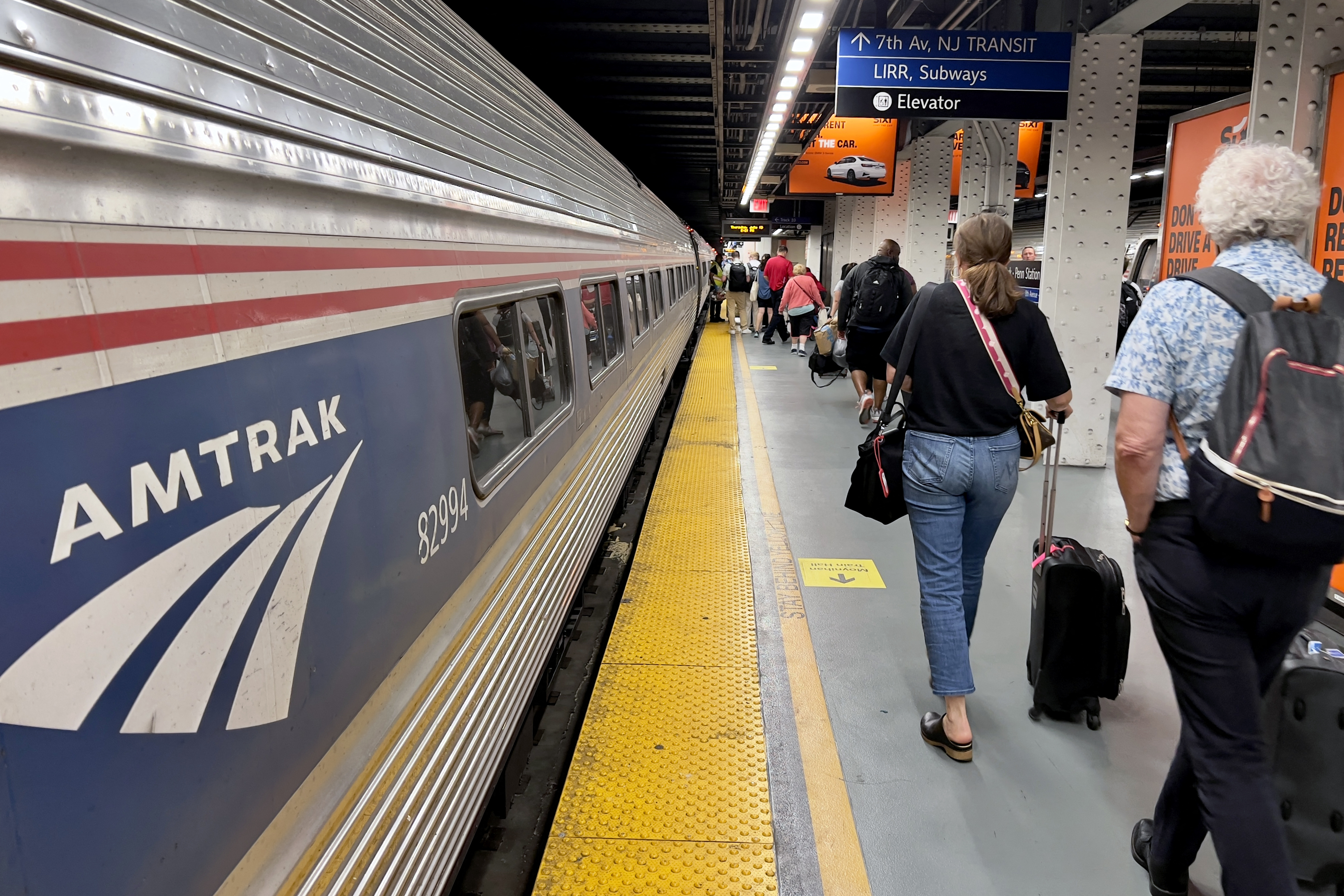
A record number of 34.5 million people traveled on Amtrak trains in the 2025 fiscal year. Amtrak invested $5.5 billion in infrastructure improvements and achieved significant milestones in ridership, ticket sales, and customer satisfaction.
Key Facts
Amtrak had a record 34.5 million passengers in FY 2025.
This is a 5.1% increase from the previous year when 32.8 million people used Amtrak.
The company invested $5.5 billion in infrastructure projects, including track, signal, and station upgrades.
Amtrak recorded $2.7 billion in adjusted ticket sales and $3.9 billion in total operating revenue.
Passengers traveled a total of 6.9 billion miles in 2025.
Long-distance routes and state-supported services like the Pacific Surfliner saw increased ridership.
New services included the Mardi Gras route and NextGen Acela on the Northeast Corridor.
Amtrak plans to introduce more NextGen Acela trains and new Airo fleets by FY 2028.
Read the Original
Want the full story? Tap a source to open the original
article.
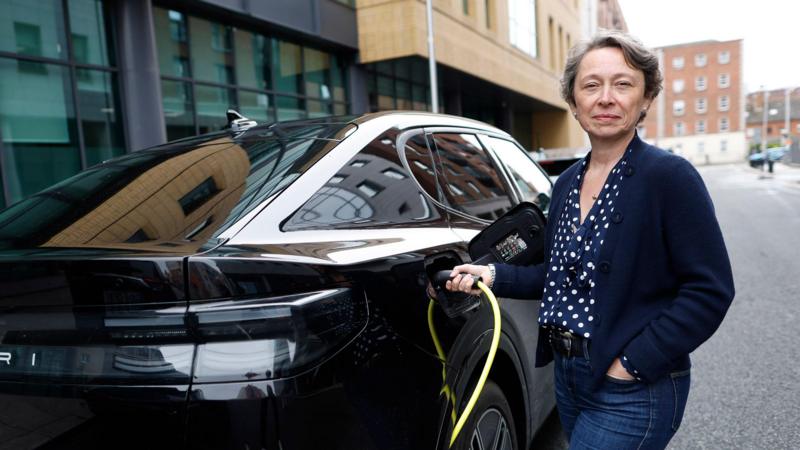
Ford's UK boss, Lisa Brankin, has expressed concerns about potential new taxes on electric vehicles (EVs), arguing that imposing these taxes now could deter buyers. The UK government is considering measures like a pay-per-mile charge for EVs to create a fairer tax system. Ford is under pressure to increase EV sales to meet environmental targets and suggests government incentives are needed.
Key Facts
Ford's UK boss warns that taxes on electric vehicles could discourage buyers as demand is currently weak.
The UK government is considering a pay-per-mile charge for EVs to ensure fairer vehicle tax systems by 2028.
Ford's managing director says calculating mileage for this tax may deter potential EV buyers.
The UK aims for 80% of new car sales to be electric vehicles by 2030 to meet environmental goals.
Ford indicates it might struggle to meet the 80% target without government incentives.
Fully-electric vehicles accounted for about 22.4% of new car sales in the UK by October 2025.
A large portion of new EVs are sold to businesses, benefiting from lower company car taxes.
The future of Ford's diesel engine plant in Dagenham, employing nearly 1,800 staff, is uncertain beyond 2030 due to the shift to EVs.
Read the Original
Want the full story? Tap a source to open the original
article.