Gustav Klimt's painting "Portrait of Elisabeth Lederer" sold for $236.4 million at Sotheby's auction in New York City. This sale makes it the most valuable modern artwork ever sold and the second-most expensive auctioned artwork overall.
Key Facts
The painting is called "Portrait of Elisabeth Lederer."
It was created by Austrian artist Gustav Klimt.
The painting sold for $236.4 million at an auction.
Sotheby's held the auction in New York City.
It is now the most valuable modern artwork in terms of auction sales.
The painting is also the second-most expensive artwork ever sold at an auction.
Read the Original
Want the full story? Tap a source to open the original
article.
The Advertising Standards Authority (ASA) has banned ads from four major hotel and travel companies in Britain for showing misleading prices for rooms. The companies involved include Hilton, Travelodge, Booking.com, and Accor. The ASA found that these ads promoted prices that were not widely available, which could mislead customers.
Key Facts
The ASA banned ads from Hilton, Travelodge, Booking.com, and Accor for misleading price promotions.
The ads used "from" prices, suggesting more rooms were available at the stated rates than actually were.
ASA found only a few rooms were available at the advertised prices, which could mislead consumers.
Hilton and Travelodge had specific ads banned for not having enough availability of rooms at the promoted rates.
The ASA used artificial intelligence to identify these misleading advertisements.
The investigation is part of a larger effort by the ASA to ensure advertised prices align with actual availability.
The ASA also criticized Butlins for extending the deadline of a sale, which could pressure consumers unfairly.
The action coincides with a probe by the Competition and Markets Authority into misleading online price claims by several companies.
Read the Original
Want the full story? Tap a source to open the original
article.
Polymarket CEO Shayne Coplan criticized traditional sportsbooks, calling them a "scam" and suggested that the Supreme Court may eventually decide on the legality of prediction markets for sports betting. He highlighted issues with current state regulations on sports gambling and suggested that Polymarket aims to offer novel solutions to potential sports corruption challenges.
Key Facts
Polymarket CEO Shayne Coplan called traditional sportsbooks scams.
Coplan believes the U.S. Supreme Court might eventually rule on prediction markets for sports betting.
Prediction markets use "event contracts" to legally offer sports betting in some states.
Coplan criticized state regulations and the dominance of DraftKings and FanDuel in the U.S.
Polymarket is not currently profitable but plans to charge a fee in the future.
DraftKings and FanDuel are developing prediction market products where they can't offer traditional sports betting.
Less than 1% of bettors in Massachusetts face betting limits to prevent large wins.
Sports gambling scandals have raised concerns about how betting could affect the fairness of games.
Read the Original
Want the full story? Tap a source to open the original
article.
The Baby Shark video, published in 2016 by Pinkfong, became a global hit and led to the creation of a $400 million business. Pinkfong, originally known as SmartStudy, launched on the South Korean stock market, gaining a valuation of over $400 million. The company grew from a small startup to a firm with 340 employees and international offices.
Key Facts
The Baby Shark video was released in June 2016 and became YouTube's most viewed video with over 16 billion views.
Kim Min-seok, the CEO of Pinkfong, initially did not expect the video to become such a massive success.
Pinkfong started as SmartStudy in 2010, focusing on digital content for children.
The company debuted on the Korea Exchange with shares rising by over 9%, valuing the company at more than $400 million.
Pinkfong has grown to around 340 employees with offices in major cities like Tokyo, Shanghai, and Los Angeles.
In 2019, Pinkfong faced a legal challenge for plagiarizing an American composer's work, but the South Korean Supreme Court ruled in Pinkfong's favor.
The company aims to diversify its content beyond Baby Shark, with other projects underway like Bebefinn and Sealook.
Read the Original
Want the full story? Tap a source to open the original
article.
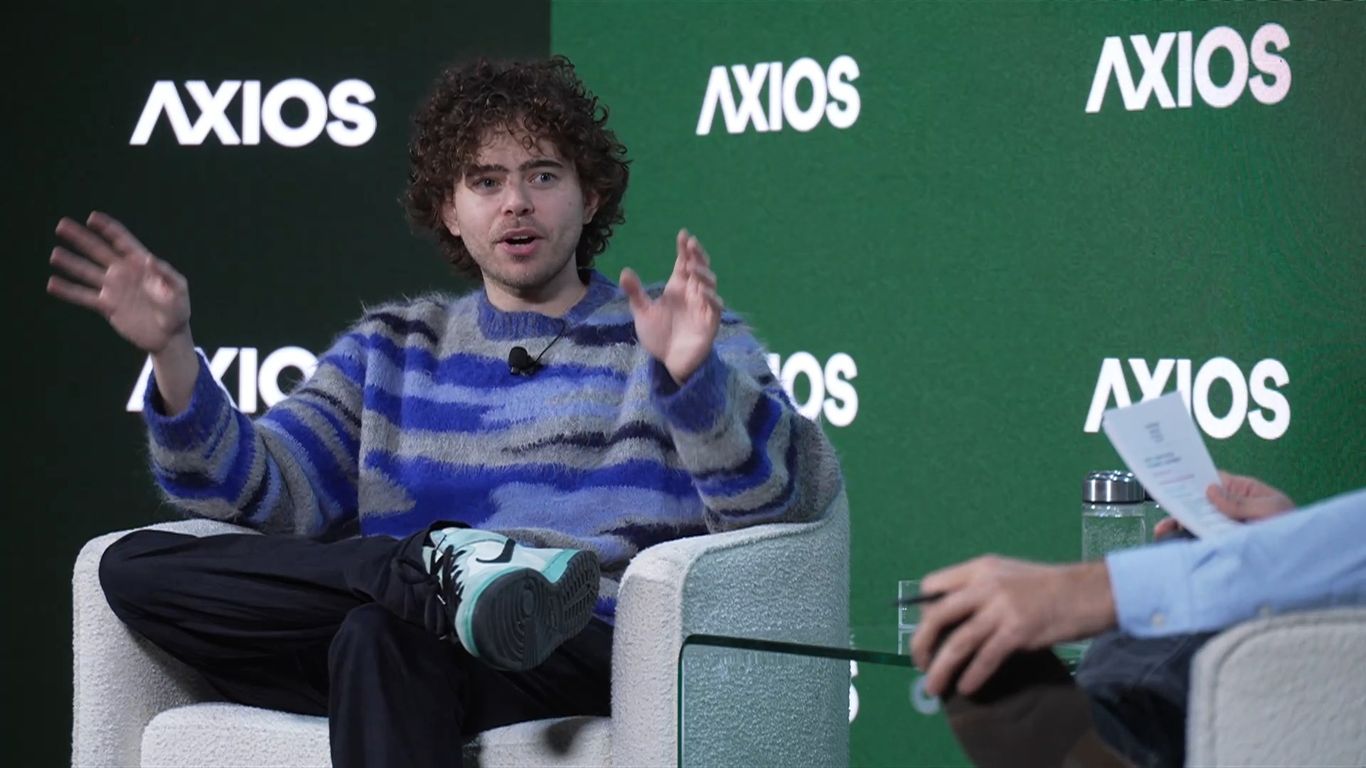
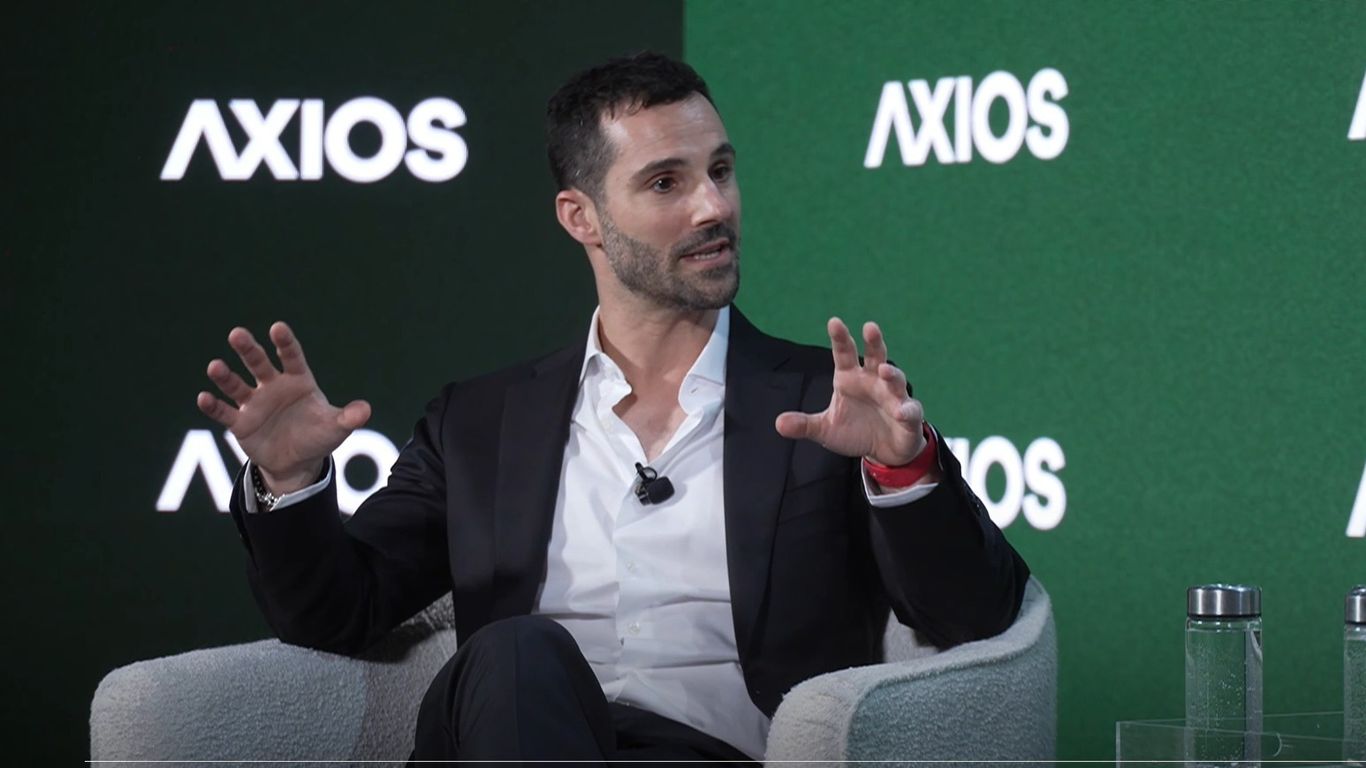
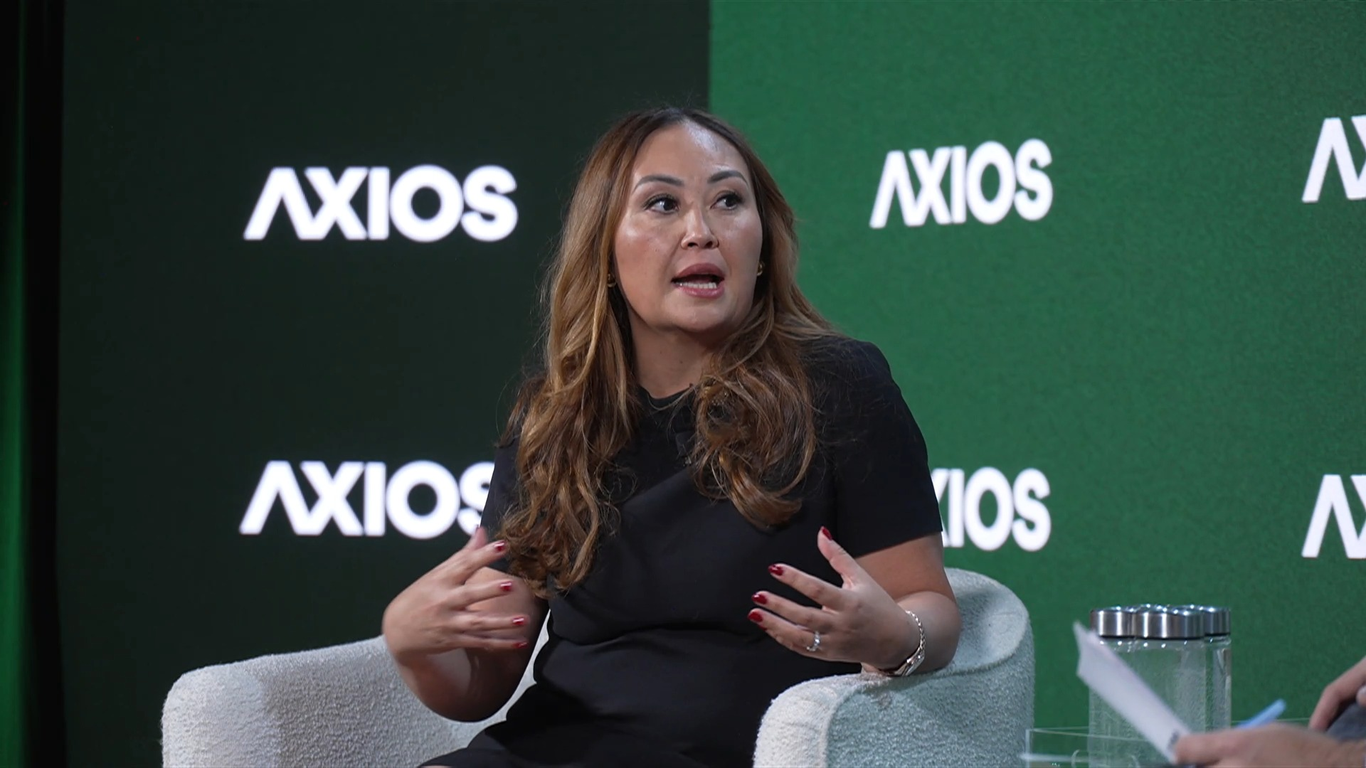
Jesse Cohn from Elliott Investment Management spoke about the importance of active investing at an Axios event. He believes active investors play a crucial role in ensuring companies are held accountable and perform well. Elliott has been actively pushing companies to make changes that it believes will improve performance.
Key Facts
Jesse Cohn is associated with Elliott Investment Management.
He spoke at Axios' BFD event about active investing.
Cohn believes active investors help keep companies accountable.
He argued that passive investors can lead to less dynamic markets.
Elliott Investment Management has pushed companies like Phillips 66 and PepsiCo to make changes.
The firm manages around $76.1 billion in assets.
Elliott's involvement with PepsiCo led to a significant rise in PepsiCo's stock price.
Read the Original
Want the full story? Tap a source to open the original
article.
Entrepreneur Emma Grede spoke about her views on work/life balance and challenges women face in business. She defended her earlier comments that hard work, including nights and weekends, is needed for success. Grede is involved in successful fashion ventures like Good American and Skims.
Key Facts
Emma Grede discussed work/life balance and women's expectations in business during an interview.
A video of her earlier comments about working extra hours for success went viral.
Grede believes men do not face as much backlash for similar views on hard work.
She stated that women can be both empathetic leaders and focused on their careers.
Grede cofounded Good American and is a founding partner of Skims.
Skims recently raised $225 million in funding, valuing it at $5 billion.
The funding will help open more physical Skims stores, with about one new store opening each month.
Read the Original
Want the full story? Tap a source to open the original
article.
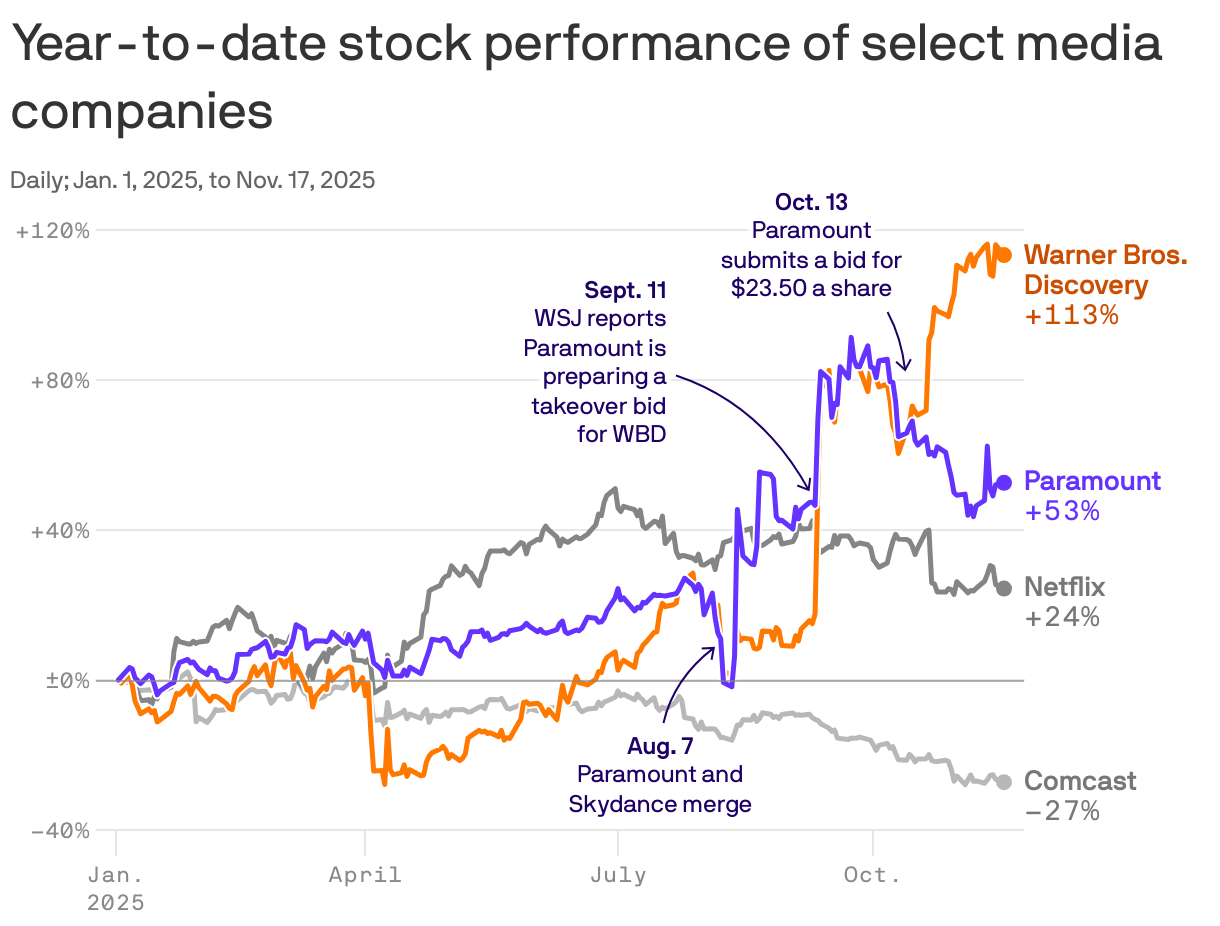
Paramount Skydance is reportedly planning to bid $71 billion to acquire Warner Bros Discovery. The bid reportedly involves sovereign wealth funds from Saudi Arabia, Qatar, and Abu Dhabi, though Paramount Skydance denies their involvement. Warner Bros Discovery is currently exploring financial options, including potential sales, due to struggles in its TV business.
Key Facts
Paramount Skydance plans to bid $71 billion to acquire Warner Bros Discovery.
The bid includes involvement from sovereign wealth funds, although Paramount Skydance disputes this.
Paramount Skydance's CEO, David Ellison, is the son of Oracle co-founder Larry Ellison.
Warner Bros Discovery is facing financial issues and considering different business strategies.
Paramount Skydance is reportedly the only company seeking a full acquisition.
Donald Trump's administration influences the media landscape, impacting potential deals.
Other companies like Netflix and Comcast are also considering bids, requiring regulatory approval.
The merger of large media outlets raises antitrust and civic concerns about media diversity and independence.
Read the Original
Want the full story? Tap a source to open the original
article.
Major companies like Paramount, Comcast, and Netflix are preparing bids to acquire Warner Bros. Discovery (WBD) before the November 20 deadline. Paramount is seeking to buy the entire company and is negotiating to increase its offer, while Comcast and Netflix are mainly interested in WBD's studio and streaming services. WBD's board is still considering splitting the company into two separate entities.
Key Facts
Paramount, Comcast, and Netflix plan to make formal bids for Warner Bros. Discovery by November 20.
Paramount wants to buy all of WBD and is working on increasing its offer to $30 per share.
WBD is considering splitting into two companies: one for studio and streaming, another for cable networks.
WBD's stock price increased significantly after news of a possible takeover by Paramount.
Comcast and Netflix are mainly interested in WBD's studio and streaming parts.
The deal would require approval from the U.S. Department of Justice (DOJ), but not the Federal Communications Commission (FCC).
Paramount argues it can keep WBD together, including its cable assets, if it succeeds in buying the company.
The DOJ's decision history shows they might face challenges in blocking such mergers, based on past cases.
Read the Original
Want the full story? Tap a source to open the original
article.
Coinbase, along with major companies like Google and Amazon, donated to President Trump's $300 million White House ballroom renovation. The donations, managed by a nonprofit, have raised concerns about influencing government decisions. Ethics experts warn that such contributions may lead to expectations of favors in return.
Key Facts
Coinbase contributed to a $300 million renovation project for a ballroom at the White House.
Emilie Choi of Coinbase mentioned the donation was partly to maintain good relations with the White House.
The project has received donations from companies such as Google, Amazon, and Apple.
Funds are managed by The Trust for the National Mall, a nonprofit organization.
President Trump hosted a dinner for donors, some giving up to $25 million.
Ethics experts expressed concerns about donations influencing government actions.
The project supporters argue private donations help improve government buildings.
Read the Original
Want the full story? Tap a source to open the original
article.
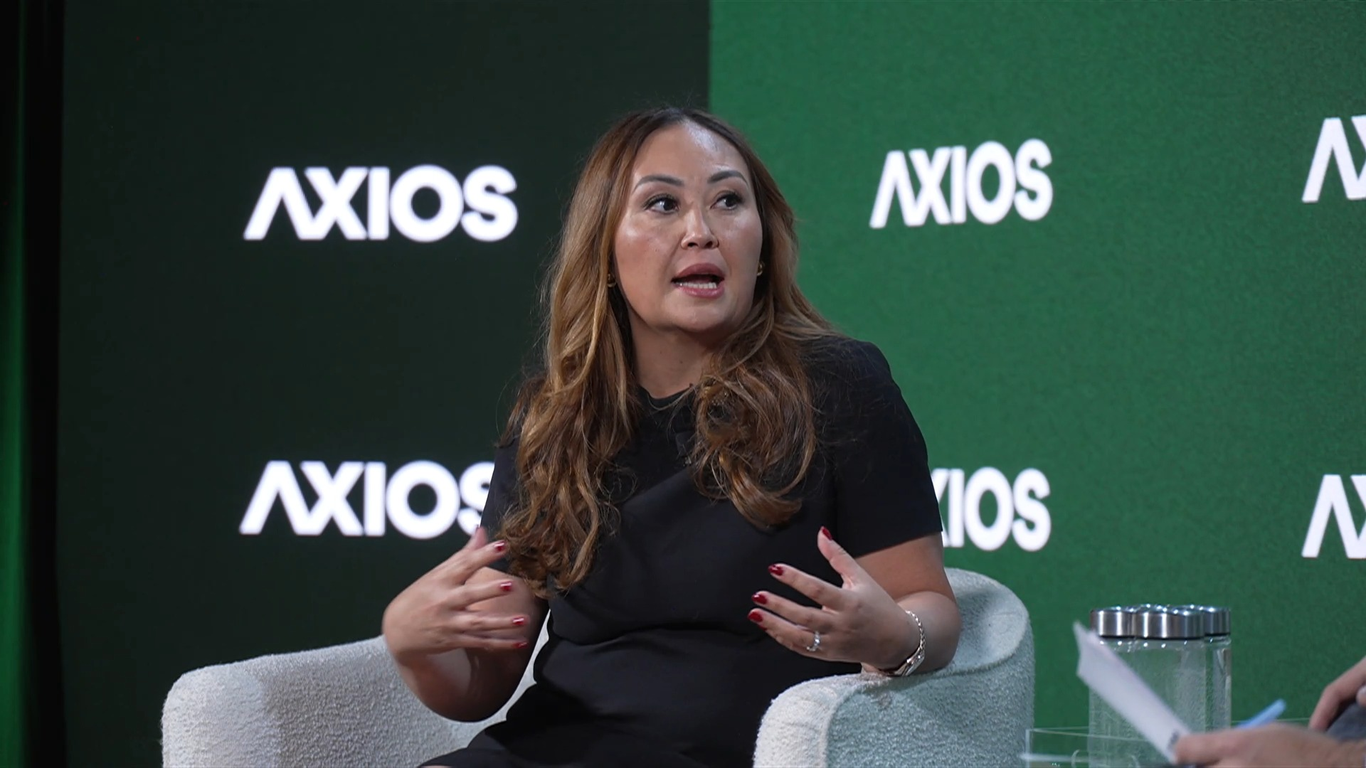
Coinbase's president, Emilie Choi, suggested that more companies might leave Delaware due to concerns about activist judges. Coinbase itself plans to move its corporate base from Delaware to Texas, partially because of a recent court decision in Delaware involving Tesla.
Key Facts
Coinbase announced plans to relocate from Delaware to Texas.
The move is partly due to concerns about activist judges affecting business decisions in Delaware.
Emilie Choi mentioned a Delaware judge's decision that led to Tesla's exit from the state.
Choi highlighted that the company is looking for business-friendly environments.
She also spoke about the potential for a slowdown in the cryptocurrency market, known as a "mini winter."
Despite possible downturns, Choi believes that quieter times often lead to significant innovation in the crypto sector.
Read the Original
Want the full story? Tap a source to open the original
article.
The U.S. Department of Energy will lend $1 billion to restart a nuclear reactor at Three Mile Island in Pennsylvania. The plant, which has been inactive since 2019, will supply power to Microsoft data centers once operational again in 2027.
Key Facts
The U.S. Department of Energy plans to loan $1 billion for the Three Mile Island nuclear reactor restart.
The reactor, owned by Constellation Energy, has been offline since 2019.
Microsoft has a 20-year agreement to purchase power from the restarted reactor.
The reactor can produce 835 megawatts, enough to power about 800,000 homes.
The restart is part of a broader effort to support nuclear energy and AI development.
This initiative is funded through a $250 billion federal energy infrastructure program.
The Three Mile Island site experienced a major nuclear incident in 1979.
Read the Original
Want the full story? Tap a source to open the original
article.
Jeep is introducing new electric and hybrid SUV models, including the fully electric Recon, to expand its lineup and appeal to more customers. The company is working to improve relationships with U.S. dealers and rebuild confidence after a period of sales decline and leadership changes.
Key Facts
Jeep is showcasing its new electrified SUVs at the LA Auto Show, including the fully electric Recon model.
The Grand Cherokee now offers models that can drive about 25 miles using only electricity.
The Grand Wagoneer will have an extended-range electric vehicle system, which uses a gas engine to charge a battery that powers the car wheels.
Jeep faced challenges with U.S. dealers, leading to leadership changes at Stellantis, Jeep's parent company.
New Jeep CEO Bob Borderdorf is optimistic about the brand's future and is focusing on improving dealer relationships.
Jeep's diverse mix of powertrains aims to meet varying customer needs and support the brand's electrification goals.
The company aims to capture a range of customers, including those interested in off-road capabilities and mainstream electric vehicle consumers.
Read the Original
Want the full story? Tap a source to open the original
article.
A record number of loan applications were rejected by banks last month, as reported by the New York Federal Reserve. This rise in rejections is linked to economic challenges like rising inflation and tariffs. Banks are being more cautious in their lending due to these conditions.
Key Facts
The New York Federal Reserve reported that nearly one in four credit applications was rejected in October.
There is an increase in auto loan rejections and nonperformance of subprime debts.
Higher interest rates have made debt-to-income ratios exceed what lenders allow.
Banks have become more protective of their finances since the pandemic.
New tariffs could increase costs for consumers, especially during the holiday season.
Banks are rejecting loans not because applicants are riskier but because financial conditions have worsened.
Stricter lending means loans will be harder to get unless applicants have strong credit histories.
Read the Original
Want the full story? Tap a source to open the original
article.
Bitcoin's value dropped below $90,000 for the first time in seven months, erasing all gains from 2025. The decline is linked to waning investor interest and uncertainties about future U.S. interest rate cuts. Cryptocurrency markets lost significant value recently, impacting companies holding large crypto investments.
Key Facts
Bitcoin fell under $90,000, erasing gains for the year 2025.
It rebounded slightly as U.S. markets opened but remained about 30% below an October peak of $126,000.
The overall value of cryptocurrencies dropped by $1.2 trillion in the past six weeks.
Concerns include potential delays in U.S. Federal Reserve interest rate cuts and a risk-averse market sentiment.
Companies and institutions are selling off positions, increasing market risks.
Recent outflow includes exchange-traded funds (ETFs) as retail investors react to last month's market volatility.
The value of crypto investments by public companies is at risk, with some being "underwater" if Bitcoin drops further.
Ethereum, another major cryptocurrency, also lost significant value, down nearly 40% from a recent high.
Read the Original
Want the full story? Tap a source to open the original
article.
Jeni’s Splendid Ice Creams is recalling some of its Passion Fruit Dreamsicle Ice Cream Bars because they might contain soy and wheat not listed on the packaging. The recall is nationwide, but no illnesses have been reported. Customers can return the bars to stores for a refund.
Key Facts
Jeni’s Splendid Ice Creams is recalling Passion Fruit Dreamsicle Ice Cream Bars.
The recall is due to undeclared soy and wheat in the ice cream bars.
The problem happened when a topping with soy and wheat was accidentally added during production.
The recalled products have a specific lot code: 25-210.
The affected ice cream bars were distributed across the United States.
No injuries or illnesses related to the product have been reported.
Customers can return the ice cream bars to the store for a refund.
Contact information for Jeni’s Splendid Ice Creams is available for any questions.
Read the Original
Want the full story? Tap a source to open the original
article.
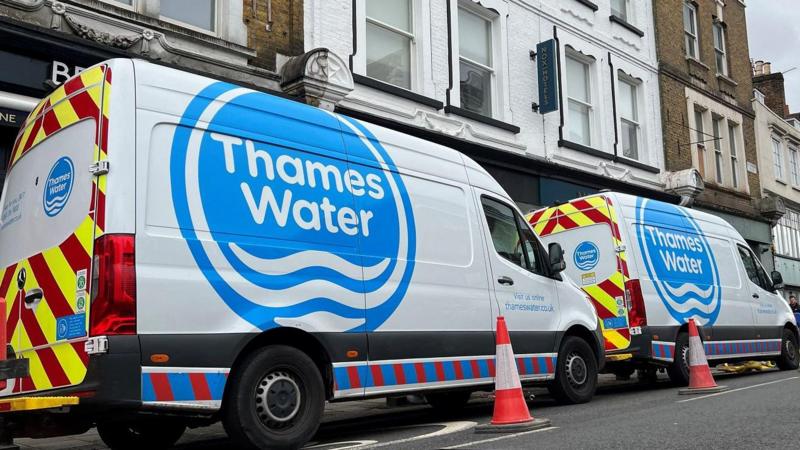
Thames Water, a major UK water utility, is in financial trouble and heavily in debt. A group of lenders has proposed a rescue plan, but other bidders are upset they were not included in talks. If the company does not receive help soon, it may go into government control.
Key Facts
Thames Water is struggling financially with nearly £20 billion in debt.
The current rescue plan involves writing off 25% of the debt and adding over £4 billion in new funds.
The plan requires leniency from regulators to avoid fines for pollution incidents.
Other bidders, such as CKI Holdings and Castle Water, were not allowed to participate in creating the rescue plan.
If the plan goes through, consumers might see their bills go up by nearly 20% over five years.
CKI Holdings already owns other utilities and wants to participate, but there are concerns about national security due to its ties to China.
Castle Water is willing to invest more money upfront to improve the utility's infrastructure and performance.
Read the Original
Want the full story? Tap a source to open the original
article.
Nexus Health Systems appointed Erin Cassidy as the new CEO. Cassidy, who joined the organization in 2008, has played a key role in expanding its facilities in Texas and promoting integrated care for complex medical needs.
Key Facts
Erin Cassidy is the new CEO of Nexus Health Systems.
Cassidy has been with Nexus Health since 2008 and held various leadership roles.
She previously served as CEO/Administrator of Nexus Specialty Hospital in Shenandoah, Texas.
Under Cassidy's leadership, Nexus expanded its facilities to Dallas and San Antonio.
Nexus Health focuses on integrated care for patients with medical, behavioral, and psychiatric needs.
The organization offers care for conditions like autism, neurological injuries, and other complex diagnoses.
Cassidy emphasizes the importance of collaboration and trust in healthcare.
Nexus Health notes a rising demand for specialized treatment, especially in underserved states.
Read the Original
Want the full story? Tap a source to open the original
article.
Disney secured a legal advantage when the law firm Morgan & Morgan withdrew its lawsuit about the use of early Mickey Mouse imagery from "Steamboat Willie" in ads. This withdrawal allows Disney to still use trademark laws to challenge uses of this early Mickey Mouse image even though the original work is now public domain.
Key Facts
Disney achieved a legal win when Morgan & Morgan dropped their lawsuit about early Mickey Mouse imagery.
The original cartoon, "Steamboat Willie," entered the public domain in 2024.
Morgan & Morgan wanted to use the cartoon's imagery in a commercial and sought a court ruling to avoid trademark issues.
Disney did not provide clarity on whether they would take legal action, leading the law firm to file a lawsuit for a ruling.
The case was dismissed without explanation, leaving open the possibility for it to be filed again.
Disney said that they remain focused on protecting Mickey Mouse as a trademark, which helps prevent unauthorized uses.
Trademark protections do not expire if they remain in commercial use, giving Disney ongoing legal options.
Read the Original
Want the full story? Tap a source to open the original
article.
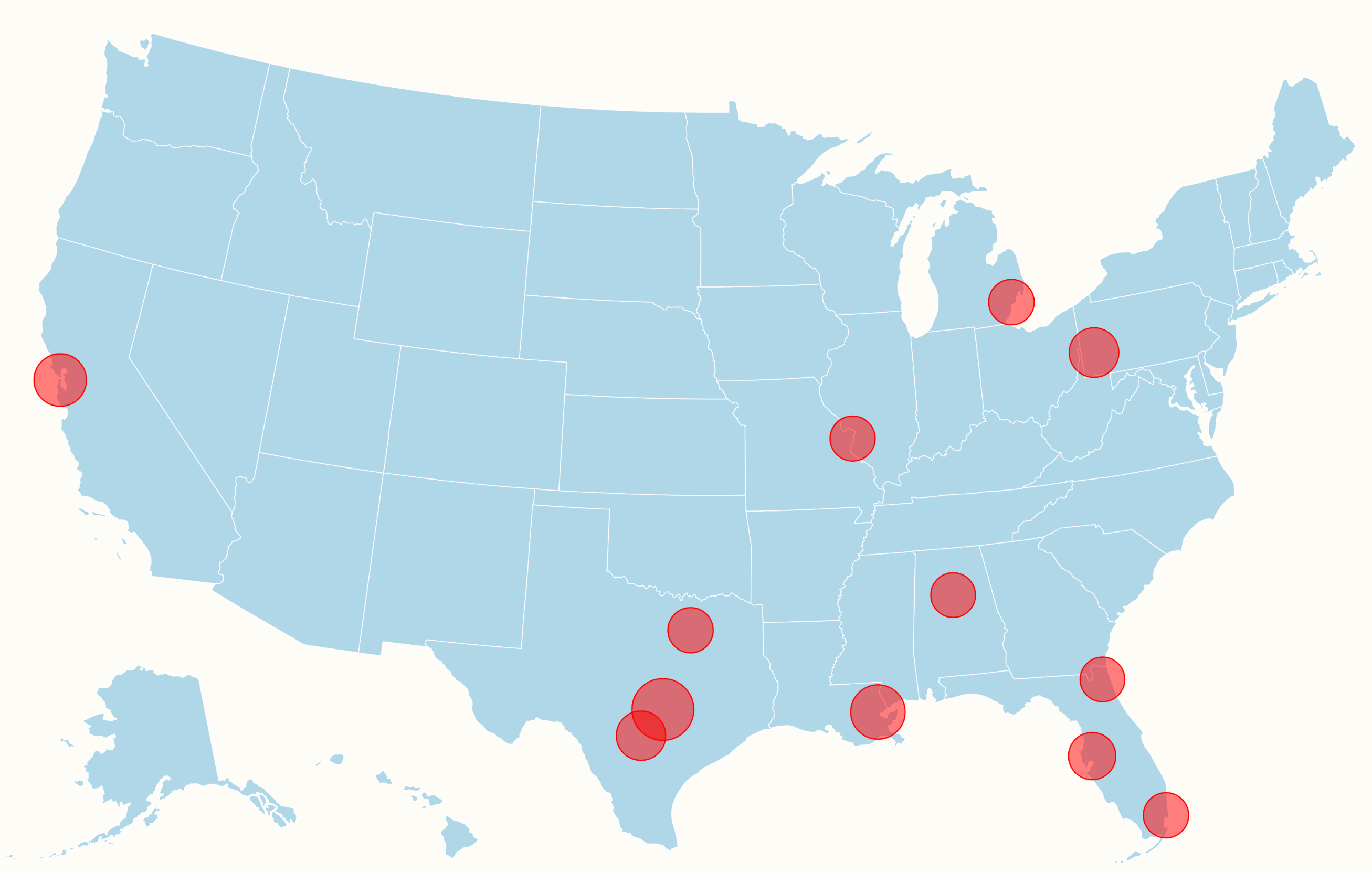
A report from Zillow shows that more than half of homes in the United States are losing value. As of this year, over 53% of U.S. homes have decreased in value compared to the previous year, with Austin, Texas experiencing the largest drop.
Key Facts
Zillow reports that 53% of U.S. homes have decreased in value compared to last year.
The average home value decline nationwide is 9.7% from their peak prices.
Austin, Texas has the highest decline at 20.5%, followed by New Orleans (15.9%), San Francisco (14.8%), and Pittsburgh (13.2%).
Many areas that saw a price drop had strong demand during the pandemic, like Denver and Sacramento.
Despite value declines, home values are up 67% on average since their last sale.
In October, only 4.1% of homes were valued lower than their last sale price.
Experts note that there is still significant home equity for most homeowners.
Easing mortgage rates may help stabilize the housing market.
Read the Original
Want the full story? Tap a source to open the original
article.
The UK government is introducing new rules to stop people from reselling event tickets for much higher prices than they originally cost. These rules aim to make tickets more affordable and to prevent "ticket touting," where people buy many tickets and sell them at high prices. The rules will apply to concerts, sports, theater, and other live events.
Key Facts
It will be illegal to resell tickets above their original cost.
Service charges on resale tickets will have limits.
Resale platforms must enforce these rules and can be fined if they don't.
People cannot sell more tickets than they were allowed to buy in the first sale.
The new rules will cover concerts, sports, theater, and more.
The government aims to lower ticket prices, saving fans an average of £37 per ticket.
Some in the ticket industry worry this could push reselling to less secure platforms.
Businesses breaking the rules could face fines up to 10% of their global sales.
Read the Original
Want the full story? Tap a source to open the original
article.