A portrait by Austrian artist Gustav Klimt sold for $236.4 million at a Sotheby's auction in New York, setting a new record for modern art prices. The painting, "Portrait of Elisabeth Lederer," played a key role in helping its Jewish subject survive during the Holocaust. The sale surpassed the previous record held by an Andy Warhol piece, with several other notable pieces, including a gold toilet sculpture, also auctioned.
Key Facts
Gustav Klimt's "Portrait of Elisabeth Lederer" sold for $236.4 million.
This sale set a new record for a piece of modern art.
The portrait helped the Jewish subject survive Nazi persecution during WWII.
The painting was part of billionaire Leonard A. Lauder's art collection.
The auction included other famous art pieces by van Gogh, Matisse, and Munch.
A solid gold toilet, created by artist Maurizio Cattelan, also sold for $12.1 million.
The Klimt sale surpassed a previous modern art record set by an Andy Warhol painting.
Sotheby's did not disclose the buyer of Klimt's portrait.
Read the Original
Want the full story? Tap a source to open the original
article.
Inflation in the UK has slowed to 3.6%, which means prices are still increasing but at a slower rate. This change might lead to lower interest rates for mortgages, providing relief to homeowners. However, food prices continue to rise, making grocery shopping more expensive for consumers.
Key Facts
The UK inflation rate has decreased to 3.6%, meaning prices are rising more slowly.
The Office for National Statistics (ONS) reports inflation rates monthly.
Food prices, including items like fish, vegetables, and chocolate, have increased, while fruit prices have slightly decreased.
The Bank of England may reduce interest rates to get closer to its target inflation rate of 2%.
Major lenders are already lowering mortgage rates—average rates for new two-year fixed deals have dropped to 4.88%.
First-time buyers are seeing some of the lowest mortgage rates in years if they have a small deposit.
Borrowing costs might drop because lenders expect a slow housing market during the Christmas season.
Despite lower borrowing costs, savings rates are not increasing due to limited competition among lenders.
Read the Original
Want the full story? Tap a source to open the original
article.
Target has updated its return policy to allow more time for holiday returns. Purchases made between November 1 and December 24 can be returned until January 24, except for Apple and Beats products and mobile phones, which have earlier return deadlines.
Key Facts
Target's new return policy applies to items bought from November 1 to December 24.
Shoppers can return most purchases until January 24.
Apple and Beats products, as well as mobile phones, have a return deadline of January 9.
This change aligns Target with other major retailers like Amazon and Walmart, which have also extended their return periods.
Walmart allows returns until January 31 for items bought from October 1 to December 31, with some restrictions on electronics.
The move is part of a trend where retailers extend return windows to enhance customer satisfaction during holidays.
Easy and flexible return policies are seen as a competitive advantage in the retail market.
Read the Original
Want the full story? Tap a source to open the original
article.
The U.S. government and California are in a legal dispute over $4 billion in federal funds for a high-speed rail project. The U.S. seeks to reclaim the funds, arguing California missed certain project terms, while California contends the court has authority over the grant and argues the funding is vital for the state. The decision from the court is pending.
Key Facts
The U.S. government wants to reclaim $4 billion in funds given to California's high-speed rail project.
This dispute is between California and the federal government under President Donald Trump.
The high-speed rail project has faced issues like missed deadlines and higher costs.
California argues that the funds help the public and should not be revoked.
The legal disagreement is about whether a district court or the U.S. Court of Federal Claims should handle these types of cases.
An interim agreement currently holds the $4 billion in a legal trust until the court decision.
The proposed rail would connect major cities in California over a 494-mile route.
The next legal steps involve both sides preparing and filing detailed legal motions.
Read the Original
Want the full story? Tap a source to open the original
article.
Shake Shack, a U.S. fast-food chain, has introduced three new holiday-themed shakes: Peppermint Bark Chocolate Shake, Christmas Cookie Shake, and Sticky Toffee Pudding Shake. These shakes are available nationwide for a limited time during the holiday season.
Key Facts
Shake Shack has launched three seasonal shakes for the holiday season.
The new flavors are Peppermint Bark Chocolate, Christmas Cookie, and Sticky Toffee Pudding.
The Peppermint Bark Chocolate Shake includes chocolate custard and white chocolate peppermint bark.
The Christmas Cookie Shake is a returning favorite with sugar cookie custard and festive sprinkles.
The Sticky Toffee Pudding Shake blends sticky toffee cake with vanilla custard and toffee sauce.
All three shakes are available at all 371 Shake Shack locations in the U.S.
The holiday shakes are available for a limited time, but an end date is not yet specified.
Read the Original
Want the full story? Tap a source to open the original
article.
Honda has bought carbon credits from farmers in the United States to help offset its carbon emissions. This is part of Honda’s plan to become carbon neutral by 2050 and aids farmers by supporting sustainable farming practices. The project involves 150 farmers working on 214,000 acres across several states.
Key Facts
Honda purchased carbon credits to offset 1,800 metric tons of carbon dioxide.
The credits help farmers increase profits and improve soil health.
Honda aims to achieve carbon neutrality by 2050.
The project involves 150 farmers in Alabama, Indiana, North Carolina, Ohio, and South Carolina.
Farmers generate carbon credits by using sustainable farming techniques.
Soil carbon credits are certified and tradable under a cap and trade system.
Honda estimates that these farming practices saved 69,000 gallons of water per metric ton of carbon removed.
All credits are verified by Aster Global Environmental Solutions and issued by the Climate Action Reserve.
Read the Original
Want the full story? Tap a source to open the original
article.
Newsweek's "New & Noteworthy" feature highlights new consumer products in various categories, including beauty, household items, and food and beverages. The article introduces innovations such as NIVEA's men's serum, Whirlpool's dishwasher, and Pampers diapers for active babies. It aims to help readers find the latest product trends and innovations.
Key Facts
Newsweek's "New & Noteworthy" helps consumers find new products each week.
NIVEA launched a men's anti-aging serum to reduce signs of aging.
Whirlpool introduced a new dishwasher featuring a convenient lower rack.
Lactéol released a postbiotic for children's digestive health.
Pampers created diapers with a 360-degree waistband for active babies.
STōK offers decaf cold brew coffee for those who want the taste without caffeine.
Products featured cover a range of categories like beauty, household, and children's health.
Read the Original
Want the full story? Tap a source to open the original
article.
A painting by Austrian artist Gustav Klimt sold for $236.4 million at an auction in New York, becoming the second most expensive artwork ever sold at auction. The painting, "Portrait of Elisabeth Lederer," had a history involving Nazi looting and was once part of the collection of Leonard A. Lauder.
Key Facts
The painting "Portrait of Elisabeth Lederer" sold for $236.4 million in New York.
It is the second most expensive artwork sold at auction, after Leonardo da Vinci's "Salvator Mundi."
Six people bid on the painting, with the auction lasting 20 minutes.
The artwork was almost destroyed in a fire during World War Two after being looted by the Nazis.
The painting was returned to Erich Lederer, Elisabeth Lederer's brother, in 1948.
Leonard A. Lauder, an Estée Lauder heir, purchased the painting for his private collection in 1985.
Other Klimt paintings were also auctioned, selling for $60 million to $80 million each.
The buyer of the Klimt painting was not disclosed by Sotheby's.
Read the Original
Want the full story? Tap a source to open the original
article.
Many restaurants across the U.S., including some large chains, are closing or planning to close in 2025. This occurs even though the fast-casual restaurant market is expected to grow significantly. Restaurants like Hooters and On The Border have filed for bankruptcy and are shutting down multiple locations.
Key Facts
Restaurants in the U.S. are closing, including chains like Hooters and Wendy’s.
The fast-casual restaurant market is expected to grow from 2025 to 2029, adding $84.5 billion in revenue.
In January 2025, restaurant sales reached $98.6 billion, up 5.4% from the previous year.
These closures impact jobs and communities that rely on these businesses.
Hooters has filed for bankruptcy and closed at least 30 locations in 2025.
On The Border Mexican Grill entered Chapter 11 bankruptcy and closed 77 locations.
Wendy’s plans to close a “mid-single-digit percentage” of its U.S. stores, approximately 300 locations, starting late 2025.
Other chains like Jack in the Box and Abuelo’s have also announced closures.
Read the Original
Want the full story? Tap a source to open the original
article.
The launch of a new £7 billion railway line called East West Rail may be delayed due to a disagreement over who should control train doors. Chiltern Railways and the Rail, Maritime and Transport (RMT) union are in a standoff about whether train drivers or guards should operate the doors. The plan was for passenger trains to start by the end of December, but there is now no set timeline.
Key Facts
A new railway line, East West Rail, is a £7 billion project.
Chiltern Railways and the RMT union are disputing who should control train doors.
The RMT union opposes the idea of driver-only operations (DOO) for door control.
Passenger service was supposed to start between Oxford and Milton Keynes by the end of December.
The first phase of East West Rail was completed in December 2024.
The line is expected to extend to Cambridgeshire by the 2030s.
Chiltern Railways plans to create nearly 100 new jobs with this project.
A report from the National Audit Office in December 2023 valued the investment at £6-7 billion.
Read the Original
Want the full story? Tap a source to open the original
article.
A U.S. court blocked an increase in fees for the EB-5 investor visa program, which helps foreign investors get green cards by investing in U.S. projects that create jobs. This court decision means that the fees will return to their lower, earlier amounts, making it cheaper for investors seeking green cards.
Key Facts
A court ruling stopped fee increases for the EB-5 investor visa program.
The EB-5 program lets foreign investors obtain green cards by creating jobs in the U.S.
A new rule aimed to raise the fees starting April 1, 2024, but the court reversed this change.
The U.S. District Court for the District of Colorado issued the decision.
Fees for forms like Form I-526 will now revert to the old rate, such as dropping from $11,160 to $3,675.
Applicants must pay the reduced rates for forms sent after November 26, 2025, or they risk having their petitions rejected.
The Department of Homeland Security (DHS) and USCIS disagree with the court but are following the decision.
There is a possibility of an appeal or new rules in the future.
Read the Original
Want the full story? Tap a source to open the original
article.
Larry Summers has resigned from the OpenAI board following the release of emails showing his connections with Jeffrey Epstein. This has led to bipartisan calls for organizations to cut ties with him. Meanwhile, a House bill to release Epstein case files passed with strong support and is now heading to the Senate.
Key Facts
Larry Summers confirmed his resignation from OpenAI's board due to scrutiny over emails about his ties to Jeffrey Epstein.
The OpenAI board thanked Summers for his work and perspective after he stepped down.
A House panel released years of emails between Summers and Epstein, which included personal exchanges.
Lawmakers from both parties are urging institutions to end their associations with Summers.
The Senate has passed a bill unanimously, which demands the Justice Department release Epstein's case files.
The House passed this bill with a 427-1 vote, marking a political setback for President Trump.
Representative Ro Khanna co-sponsored the bill and played a key role in its passage.
The Epstein files bill is expected to proceed to President Trump's desk for signing.
Read the Original
Want the full story? Tap a source to open the original
article.
The UK's inflation rate decreased to 3.6% in the year leading up to October. This marks the lowest rate in four months, influenced by smaller increases in gas and electricity prices compared to the previous year.
Key Facts
UK's inflation rate was 3.6% in October.
This is the lowest rate in four months.
Gas and electricity prices did not rise as much as they did last year.
Hotel costs also contributed to the lower inflation rate.
Food prices increased after they had dropped in September.
Inflation was at 3.6% in June before it rose to 3.8% and then fell back down in October.
Lower inflation may lead to reduced interest rates in the future.
Read the Original
Want the full story? Tap a source to open the original
article.
Some wealthy individuals in the UK are asking the government to increase taxes on the very rich, including themselves. This call comes as part of a campaign for a special tax on wealth over £10 million. Meanwhile, uncertainty over tax changes has caused businesses, especially in the housing industry, to delay decisions until the government's budget plan is clearer.
Key Facts
Millionaires in the UK are calling for higher taxes on wealth over £10 million.
Dale Vince, a renewable energy company founder, supports paying more taxes and is part of a campaign with over 85 millionaires.
Stephen Kinsella, a lawyer, also joined the campaign, advocating for a fairer society through increased taxes on the wealthy.
UK Chancellor Rachel Reeves has stated there is no need for a new wealth tax, pointing to existing taxes on the wealthy.
Businesses, particularly in the housing sector, are delaying actions due to uncertainty over potential tax changes in the upcoming budget.
The housing market is experiencing a slowdown, with buyers hesitating on purchases until more is known about the budget.
The company Clarkson Evans, which trains apprentices for home electrical work, reports its business is affected by the housing market stall.
The managing director of Business West notes a widespread pause in business activities as companies await the budget's outcome.
Read the Original
Want the full story? Tap a source to open the original
article.
The owner of a bar in Altrincham, Greater Manchester, has banned solo drinkers after 9 PM, citing safety reasons. This policy, which intends to protect patrons from potential disturbances, has sparked varied reactions on social media.
Key Facts
A bar in Altrincham, Greater Manchester, has a rule blocking solo drinkers after 9 PM.
The bar owner, Carl Peters, says the policy aims to keep the environment safe for all customers.
The rule has faced mixed comments online, with some calling it discriminatory and others supportive.
Mr. Peters believes solo patrons can pose risks, such as needing help in emergencies or bothering groups.
He stated the policy has been in place since the bar opened in 2022.
Peters posted about the policy on Instagram, leading to increased online discussion.
Read the Original
Want the full story? Tap a source to open the original
article.
Richard Taite, once a homeless drug addict, founded the luxury rehab center Cliffside Malibu and sold it for a large sum. Despite the success, he continues to address America's drug crisis, particularly focusing on fentanyl, by opening new treatment centers. Taite's experiences with addiction shape his work, and his focus is on helping others recover.
Key Facts
Richard Taite is the founder of Cliffside Malibu, a luxury treatment center for addiction recovery.
He sold Cliffside Malibu for a nine-figure amount in 2018.
Taite has personal experience with addiction, having struggled with drugs for 25 years.
He has opened new treatment centers to tackle the U.S. fentanyl crisis.
Before achieving sobriety, Taite tried multiple recovery methods, including therapy and Alcoholics Anonymous.
Taite helps others in recovery, believing in making a living through helping people.
His work in recovery is influenced by his early life experiences and struggles.
Read the Original
Want the full story? Tap a source to open the original
article.
In 2025, many well-known retail stores are closing locations across the United States. This is happening despite an increase in the number of people visiting malls. Retailers such as Macy's, JCPenney, and Forever 21 are among those closing stores due to factors like expiring leases and a shift to online shopping.
Key Facts
Macy's plans to close 66 stores in 2025, with the total rising to around 150 in 2026.
JCPenney will close eight stores because of expiring leases and market conditions.
Forever 21 is closing all 350 of its U.S. stores after declaring bankruptcy.
Claire's is shutting down 235 stores in North America as part of restructuring.
Torrid will close 180 stores as it focuses more on online sales.
Party City is closing approximately 700 stores nationwide after filing for bankruptcy.
Walgreens plans to close 450 locations to reduce its physical presence.
Overall, over 3,700 retail locations are expected to close in 2025, a significant increase from previous years.
Read the Original
Want the full story? Tap a source to open the original
article.
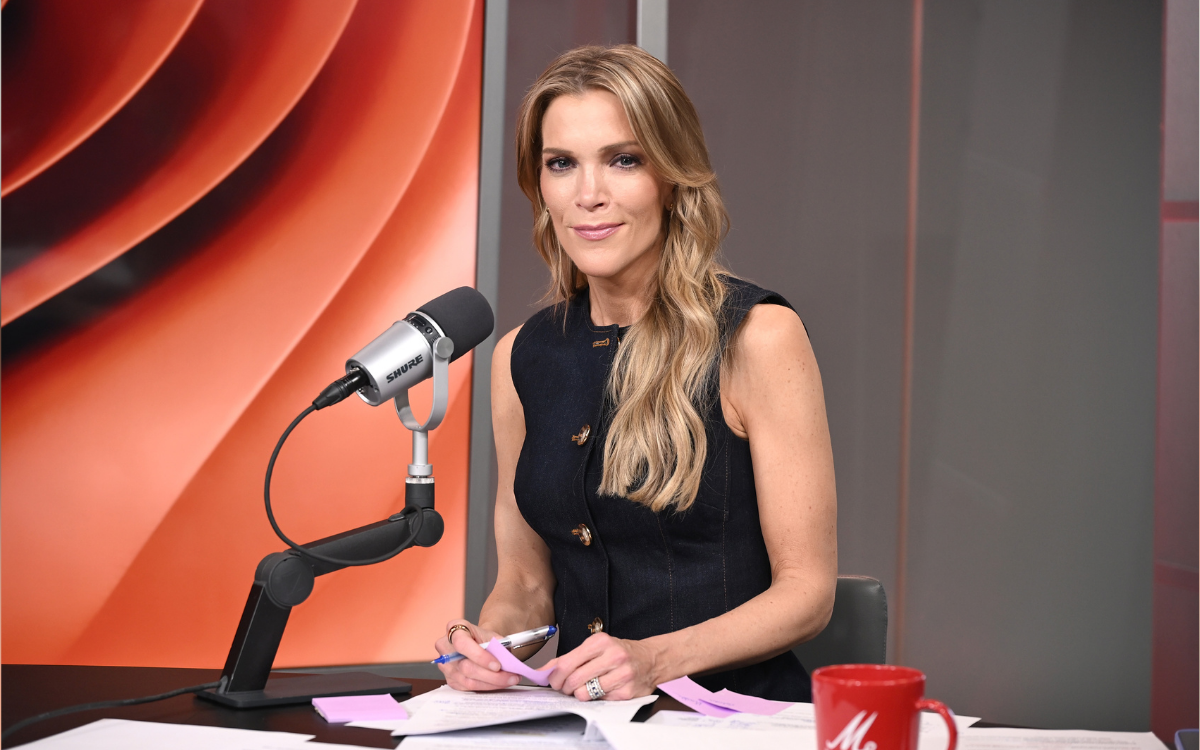
Some Sirius XM subscribers are cancelling their subscriptions after Megyn Kelly made comments about Jeffrey Epstein on her show. Kelly questioned the age of the victims involved with Epstein, which led to backlash and calls for boycotts. Social media users are expressing their reasons for cancelling, saying they do not want to support a service that airs her views.
Key Facts
Megyn Kelly made comments about Jeffrey Epstein on her Sirius XM show, raising questions about the ages of his victims.
Some subscribers stated their intention to cancel Sirius XM in protest of Kelly's comments.
Kelly described Epstein's behavior as "sick" and "disgusting" but suggested a "distinction" in the ages of the victims.
Epstein was a convicted sex offender who faced federal charges of sex trafficking minors before his death in 2019.
The legal age of consent is 17 in New York and 18 in Florida, the locations tied to Epstein's activities.
Social media users have been sharing their subscription cancellations, stating they do not support Sirius XM's platforming of Kelly.
Online discussions include calls for boycotts and detailed guides on how to cancel subscriptions.
Read the Original
Want the full story? Tap a source to open the original
article.
Jose Da Costa Diogo faces losing his home due to an unpaid interest-only mortgage. Many people in England and Wales are experiencing similar issues, with a rise in home repossessions. Experts link these cases to rising interest rates and living costs.
Key Facts
Jose Da Costa Diogo cannot pay £80,000 on an interest-only mortgage and risks losing his home.
His home in Thetford, Norfolk, is subject to repossession after a short court hearing.
Jose cannot sell the property because his ex-wife is still on the mortgage documents.
England and Wales saw 10,853 mortgage repossession orders in 2024-25, the highest in five years.
The number of people reporting homelessness due to repossession doubled over recent years.
Housing legal aid availability is low, making it hard for many to get legal advice.
Local councils struggle with increased demand for temporary housing due to repossessions.
Read the Original
Want the full story? Tap a source to open the original
article.
Gustav Klimt's painting "Portrait of Elisabeth Lederer" sold for $236.4 million at Sotheby's auction in New York City. This sale makes it the most valuable modern artwork ever sold and the second-most expensive auctioned artwork overall.
Key Facts
The painting is called "Portrait of Elisabeth Lederer."
It was created by Austrian artist Gustav Klimt.
The painting sold for $236.4 million at an auction.
Sotheby's held the auction in New York City.
It is now the most valuable modern artwork in terms of auction sales.
The painting is also the second-most expensive artwork ever sold at an auction.
Read the Original
Want the full story? Tap a source to open the original
article.