The article discusses several economic updates. Palantir, a tech company, exceeded one billion dollars in revenue for one quarter. Meanwhile, funding for mRNA vaccine research has been reduced, and a climate disaster database has been given renewed support.
Key Facts
Palantir reported over one billion dollars in revenue for a recent quarter.
The company Palantir works in the technology sector.
Funding for research on mRNA vaccines was cut by the health department.
mRNA vaccines are used for fighting diseases like COVID-19.
A database that tracks climate disasters has received new support.
The database is meant to help understand and respond to climate-related events.
Read the Original
Want the full story? Tap a source to open the original
article.
Shares of Crocs fell nearly 30% after the company warned of declining sales. The company pointed out that U.S. shoppers are being more careful with spending, especially on non-essential items.
Key Facts
Crocs shares dropped nearly 30% after warning of potential lower sales.
Crocs expects its revenue for the three months to the end of August to fall by about 10% from the previous year.
The company's share price reached its lowest point in nearly three years.
High living costs and U.S. trade policies are concerns for Crocs' future business.
The firm will face a $40 million impact in 2025 due to tariffs.
Crocs' customers are spending less and visiting stores less frequently.
The company will continue to reduce discounting, which might further affect sales.
Crocs' revenue in the second quarter grew by 3% to $1.1 billion compared to the same period last year.
Read the Original
Want the full story? Tap a source to open the original
article.
Actress Gina Carano has settled her lawsuit against Disney and Lucasfilm after being fired from The Mandalorian in 2021. She was dismissed following controversial comments and claimed wrongful termination and discrimination. The terms of the settlement were not disclosed.
Key Facts
Gina Carano, former star of The Mandalorian, settled her lawsuit with Disney and Lucasfilm.
Carano was removed from the show in 2021 due to comments comparing political situations to historical events.
Elon Musk financially supported Carano's lawsuit.
The actress initially sued for $75,000 and wanted to be recast in the series.
Disney's statement post-settlement acknowledged her respect among colleagues.
Carano has a background in mixed martial arts and has made controversial public statements in the past.
The specifics of the settlement agreement have not been revealed publicly.
Read the Original
Want the full story? Tap a source to open the original
article.
Many people in the UK are booking holidays later, staying closer to home, and opting for shorter trips. This trend helps people save money and fit spontaneous trips into their schedules. Major booking platforms and holiday parks have noticed an increase in last-minute and local bookings.
Key Facts
Many UK holidaymakers are booking trips later and opting for shorter stays closer to home.
Booking.com saw a 28% increase in searches for UK trips for the next six weeks compared to last year.
Airbnb has noted more people choosing short, spontaneous getaways nearby.
Pitchup.com reported that 25% of bookings this year were made with just two days' notice.
Sykes Holiday Cottages observed that the time between booking and travel is down by 8% compared to last year.
The Butlin's holiday park in Skegness saw a 22% rise in bookings over the past two weeks.
Camping equipment sales have surged, with Decathlon selling 60% more family tents than last year.
Travel trends are influenced by people looking to manage their budgets and enjoy good UK weather.
Read the Original
Want the full story? Tap a source to open the original
article.
Former President Donald Trump is pushing for changes to make it easier for Americans to invest their retirement savings in cryptocurrencies and other non-traditional assets. He has instructed regulators to revise rules that currently deter employers from including such options in 401k retirement accounts. This proposal aims to provide everyday workers with investment choices traditionally available only to wealthy individuals and large institutions.
Key Facts
Trump wants to allow Americans to use retirement savings for cryptocurrencies and similar investments.
Regulators have been asked to change rules for 401k accounts to include these options.
The goal is for ordinary workers to access investments typically reserved for the wealthy.
Most U.S. workers currently use 401k accounts as they lack traditional pension plans.
The Department of Labor will review these rules and has 180 days to do so.
Companies like State Street and Vanguard are teaming up with asset managers to create new investment opportunities.
Trump has personal business ties with firms related to crypto and investment accounts.
In 2023, the Department of Labor removed previous guidance that advised caution with crypto investments.
Read the Original
Want the full story? Tap a source to open the original
article.
Category: business
President Trump asked Intel CEO Lip-Bu Tan to resign because of concerns about Tan's connections to Chinese companies. This comes as Intel is working to improve its performance in the U.S. chip industry. Intel stated they and Tan are committed to supporting U.S. security and economic goals.
Key Facts
President Trump demanded Intel CEO Lip-Bu Tan resign over supposed ties to Chinese companies.
The request followed a letter from Senator Tom Cotton raising concerns about Tan's China connections.
Intel received an $8 billion grant under the CHIPS Act, and there are questions about whether the company can fulfill its responsibilities because of Tan's ties.
Intel appointed Tan as CEO in March.
Intel reported better-than-expected revenue in Tan's early months as CEO, despite reducing factory construction plans.
Intel stated Tan and the board are committed to supporting U.S. national and economic security.
Tan is known for cross-border investments, focusing on operations with China through Walden International.
Intel's stock dropped 3.1% after Trump's comments, on a generally positive day for chip stocks.
Read the Original
Want the full story? Tap a source to open the original
article.
The Trump administration has implemented large tariffs on goods from almost 100 countries, increasing import taxes significantly. Economist Diane Swonk explained how these tariffs might affect inflation and the risk of a recession.
Key Facts
The U.S. has increased tariffs on imports from nearly 100 countries.
These tariffs have raised U.S. import taxes to the highest levels in almost 100 years.
Economist Diane Swonk discussed the effects of the tariffs with Geoff Bennett.
Tariffs are taxes on goods brought into a country from abroad.
Inflation means prices for goods and services go up.
A recession is when the economy gets smaller for a period of time, like when businesses make less money, and there are fewer jobs.
Swonk analyzed how the tariffs could influence inflation and the chances of a recession happening.
Read the Original
Want the full story? Tap a source to open the original
article.
The U.S. has imposed increased tariffs on goods from countries believed to be involved in transshipping Chinese products to avoid higher tariffs. However, immediate penalties for these practices are not expected. Southeast Asian countries like Vietnam and Thailand are particularly affected, but there is confusion about what constitutes transshipment under U.S. rules.
Key Facts
The U.S. has placed higher tariffs on goods to prevent transshipment of Chinese products through other countries.
Transshipment refers to sending goods from one country through another to hide their true origin.
Goods found to be transshipped face an additional 40% duty, according to a new U.S. executive order.
Southeast Asia, including countries like Vietnam and Thailand, is impacted by these trade measures.
U.S. customs guidance currently lacks a clear definition of what constitutes illegal transshipment.
The absence of clear rules has left exporters uncertain about how to comply with these tariffs.
Some trade advisors suggest having at least 40% local content in exports to avoid penalties.
U.S. and Southeast Asian officials have provided conflicting messages about tariff rates and rules.
Read the Original
Want the full story? Tap a source to open the original
article.
An executive order signed by President Donald Trump could allow 401(k) retirement plans to include private equity and cryptocurrency investments. This would require changes to existing rules and regulations, which could take months to implement. The move aims to provide more investment options for these retirement accounts.
Key Facts
President Trump signed an executive order that might let 401(k) plans invest in private equity and cryptocurrency.
Current investment rules for 401(k) accounts would need to be updated before any changes happen.
Federal agencies, like the Labor Department, will be involved in changing regulations.
The Employee Retirement Income Security Act of 1974 (ERISA) currently governs retirement plans.
These changes are seen as benefits for the private equity and cryptocurrency industries.
Bitcoin prices rose by 2% after the announcement.
The executive order reflects support from the crypto industry, which backed Trump's previous campaign.
Private equity firms could gain access to a large pool of retirement assets with these changes.
Read the Original
Want the full story? Tap a source to open the original
article.
The Bank of England has reduced its interest rate from 4.25% to 4%, marking the fifth cut since August last year. This brings borrowing costs to their lowest point in over two years.
Key Facts
The Bank of England cut interest rates from 4.25% to 4%.
This is the fifth interest rate cut since August of the previous year.
The current interest rate is now at the lowest level in more than two years.
Lower interest rates generally reduce borrowing costs for individuals and businesses.
Interest rate changes can impact economic growth and consumer spending.
Read the Original
Want the full story? Tap a source to open the original
article.
Toyota estimates a $9.5 billion impact from U.S. tariffs on cars, announced by President Donald Trump. This resulted in Toyota lowering its profit predictions for the year, primarily due to increased costs. The company faces significant losses in its North American business due to these tariffs.
Key Facts
Toyota expects a $9.5 billion loss due to U.S. tariffs on imported cars.
The company reduced its profit forecast by 16 percent for the financial year ending March 2026.
Toyota's North American business reported a $431.3 million operating loss in the first quarter.
Tariffs have increased costs for Japanese automakers, despite a trade pact between the U.S. and Japan potentially offering relief.
Toyota's production includes operations in the U.S., Canada, Mexico, and Japan.
Tariffs also impact suppliers importing parts from Japan to the U.S.
Toyota announced plans to build a new vehicle factory in Japan due to declining sales in its home market.
Toyota's stock price fell 1.6 percent on Wall Street following the news.
Read the Original
Want the full story? Tap a source to open the original
article.
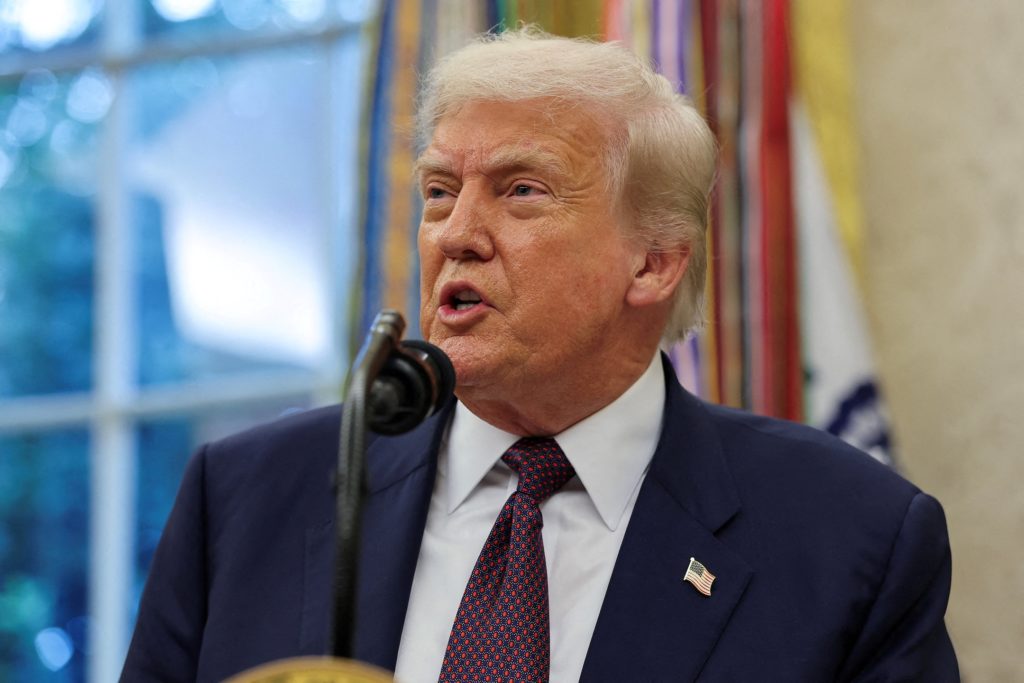
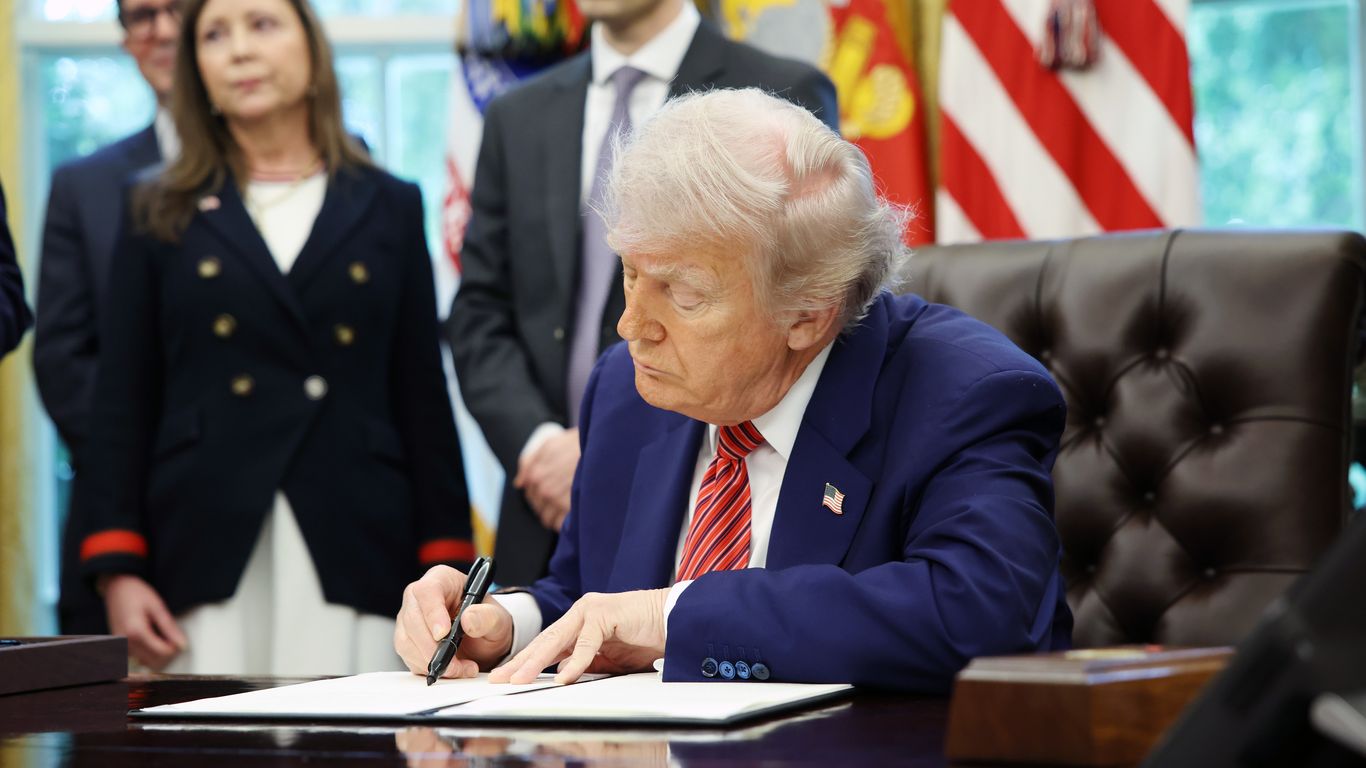
Former President Trump signed an executive order to allow private equity and other alternative investments in 401(k) retirement accounts. This order directs government agencies to review and possibly change rules to let these new types of investments into retirement savings plans. The move could significantly increase investment in private equity and cryptocurrencies.
Key Facts
An executive order was signed to allow private equity in 401(k) retirement accounts.
Current rules mostly limit 401(k) investments to stocks and bonds.
Trump's order asks the Department of Labor to re-evaluate investment rules.
The Securities and Exchange Commission is also asked to review relevant guidelines.
The change could open trillions of dollars for private equity investments.
Retirement plan administrators might hesitate due to high fees and limited transparency.
Cryptocurrency markets could benefit from this change.
The final outcome depends on new rules being established after the review period.
Read the Original
Want the full story? Tap a source to open the original
article.
President Trump is set to sign an order allowing 401(k) retirement plans to invest in cryptocurrencies, private equity, and other assets. This move would involve the Labor Department and other agencies evaluating regulatory changes to facilitate these investments.
Key Facts
President Trump is expected to sign an executive order related to 401(k) plans.
The order could permit these retirement plans to include cryptocurrencies and private equity.
The Labor Department must examine and update its guidance on this matter.
Other agencies are asked to determine if regulatory changes are needed.
Cryptocurrencies and private equity are often considered high-risk investments.
The effect on management fees for 401(k) plans is unclear.
The signing is expected to happen at 4 p.m. EDT.
Read the Original
Want the full story? Tap a source to open the original
article.
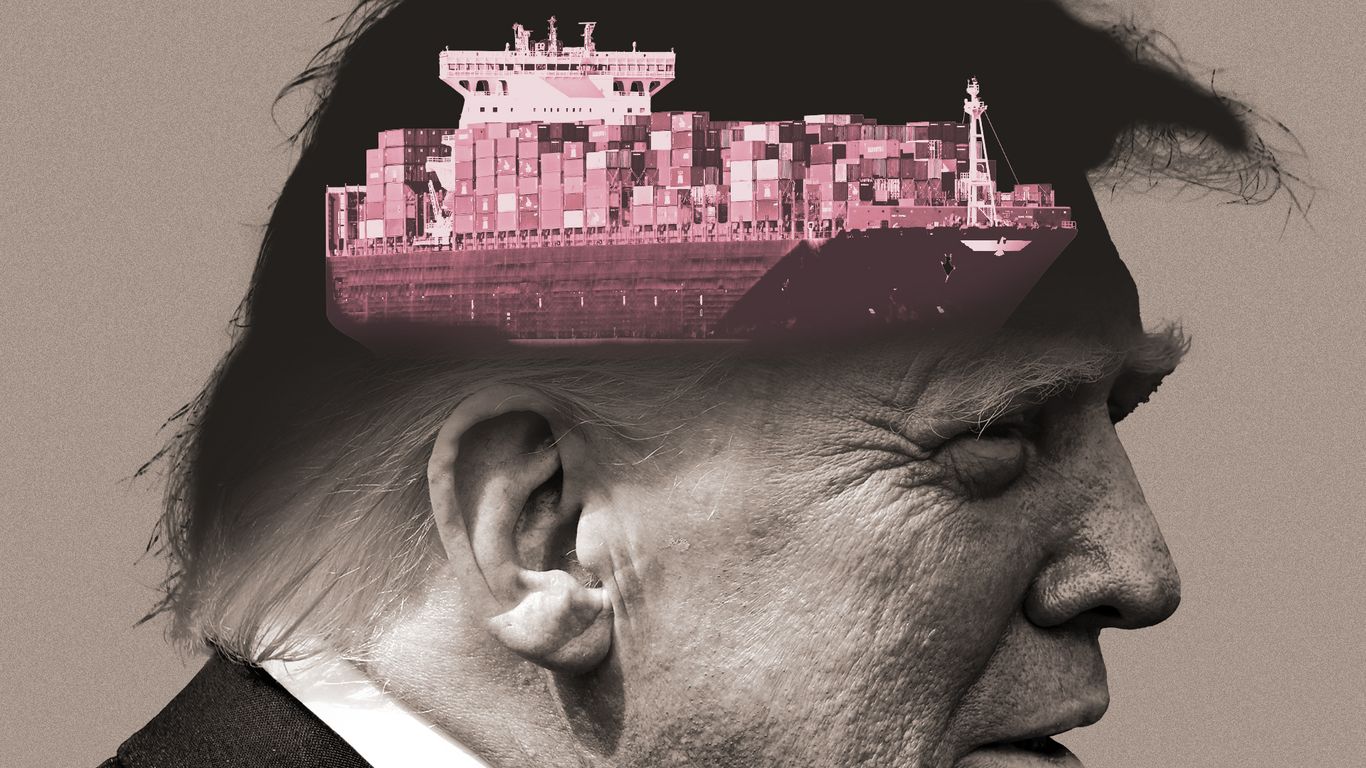
President Donald Trump is changing the global trade system by imposing new tariffs. These tariffs have led to some trade deals that align more with his goals. However, there is concern that Americans might end up paying more for goods due to these changes.
Key Facts
President Trump announced new tariffs on multiple countries.
The purpose of these tariffs is to change the global trading system.
Some major trading partners have agreed to deals that favor the U.S. more than before.
Financial markets have not been significantly affected by these new tariffs.
Revenues from tariffs are increasing for the U.S. government.
Economists warn that U.S. consumers might face higher prices for many products.
The article also mentions concerns about how tariffs might affect manufacturing in Asia and discusses the broader issue of ending global hunger.
Read the Original
Want the full story? Tap a source to open the original
article.
Category: business
American Eagle's ad featuring actress Sydney Sweeney sparked debate over its portrayal of beauty standards and politics. The campaign received mixed reactions, causing American Eagle's brand reputation to decline despite initial positive exposure. The controversy is linked to broader shifts in corporate approaches to social issues and market positioning.
Key Facts
American Eagle's ad with Sydney Sweeney focused on her wearing jeans.
The ad stirred discussions about race, beauty standards, and social issues.
Former employees criticized it as moving away from the brand's inclusive image.
President Trump and other political figures praised the ad, labeling it "anti-woke."
The campaign was covered in around 3,000 articles, reaching 50 million readers.
Despite increased exposure, American Eagle's brand sentiment dropped significantly.
American Eagle's response emphasized the focus on jeans, not addressing criticisms.
American Eagle's stock rose after Trump's praise but remains down 30% for the year.
Read the Original
Want the full story? Tap a source to open the original
article.
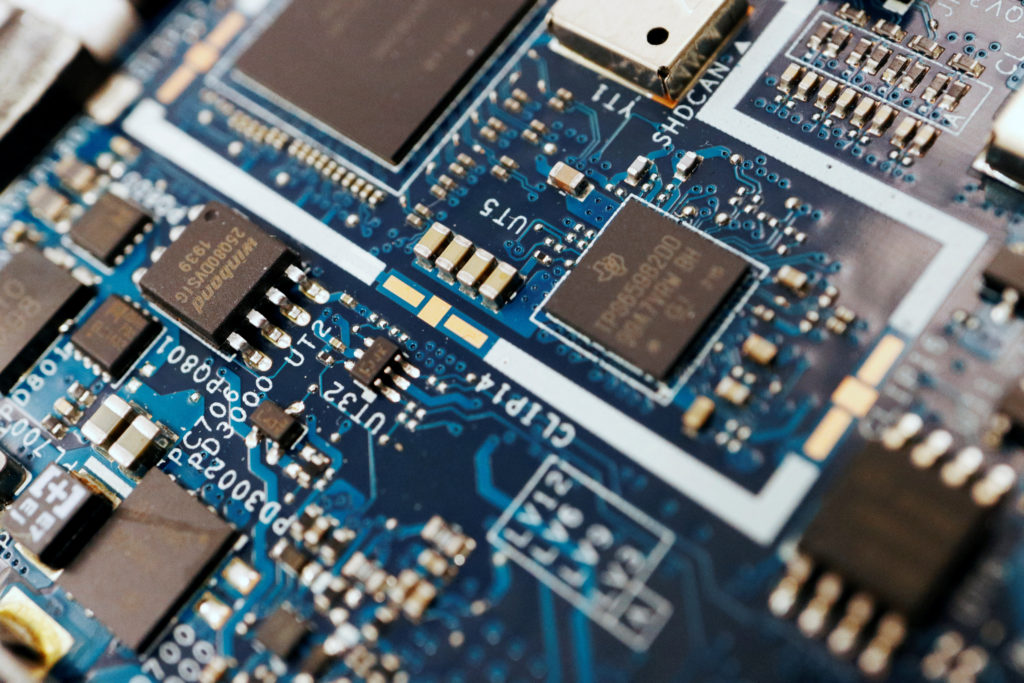
President Trump plans to impose a 100% tariff on computer chips not made in the U.S., causing uncertainty among businesses. This decision may increase costs for electronics and has led to concerns from both large and small chipmakers about their financial impact. There is also confusion about how these tariffs will apply to chips that are part of assembled products.
Key Facts
Trump plans a 100% tariff on non-U.S.-made computer chips.
Businesses are unsure about the effect on electronics costs and availability.
The U.S. imports many chips as parts of finished goods, complicating tariff calculations.
Companies with plans to build in the U.S. may avoid these tariffs.
Major chip producers like Intel and Nvidia could benefit if they produce domestically.
Smaller chipmakers, especially in Europe and Asia, face uncertainty due to potential cost increases.
Previous chip shortages have already increased the price of products like cars.
It is unclear how these new tariffs align with existing international trade agreements.
Read the Original
Want the full story? Tap a source to open the original
article.
New global tariffs are being introduced, suggesting that the trade disputes are ongoing rather than resolved. President Trump has recently imposed and increased tariffs on countries like India and announced tariffs on semiconductors. There are various international disagreements and new tariffs expected in the coming weeks.
Key Facts
The U.S. has begun new global tariffs under President Trump's administration.
A 25% tariff was imposed on India, which was later doubled, due to its oil purchases from Russia.
A 100% tariff on semiconductors was announced, but exemptions exist for companies building in the U.S.
Discrepancies exist between U.S. and Japanese understandings of tariff deals, and negotiations continue.
China's exports increased in July, partly to avoid U.S. tariffs through intermediate countries.
The Conference Board reported improved CEO sentiment as tariffs became less of a concern.
More tariffs could be introduced soon on items like lumber, pharmaceuticals, and via sanctions on Russia.
The U.S.-China trade truce is set to expire on August 12, with future negotiations uncertain.
Read the Original
Want the full story? Tap a source to open the original
article.
New tariffs introduced by President Trump have taken effect, raising taxes on goods from many countries. These tariffs are expected to lead to price increases on several consumer goods, impacting costs for American families and businesses. Companies and economists are monitoring how these higher tariffs might affect the economy and consumer prices.
Key Facts
President Trump's tariffs, some as high as 50%, started early Thursday.
These tariffs are part of an ongoing trade war that could lead to higher prices on items like furniture and clothing.
The Yale Budget Lab estimates these tariffs could cost the average family around $2,400 in 2025.
Economists and businesses are unsure of the full economic impact, but signs of inflation related to tariffs are beginning to appear.
A survey showed 77% of U.S. companies might raise their prices by at least 5% due to tariffs.
Brands such as Adidas, Procter & Gamble, and Walmart could increase their prices in response to rising costs.
Coffee from Brazil and products from Switzerland may become more expensive due to new tariffs.
Some companies stocked up on goods before tariffs hit, which may temporarily shield consumers from immediate price hikes.
Read the Original
Want the full story? Tap a source to open the original
article.
The Bank of England has cut interest rates to 4% in a close decision by its Monetary Policy Committee. This move aims to address expected changes in the job market and future inflation, despite high current inflation rates. The Bank predicts that economic growth may improve slightly in the coming quarters with support from increased exports.
Key Facts
The Bank of England cut interest rates to 4% recently.
Inflation in the UK is currently above the Bank's 2% target.
Future interest rate cuts are uncertain after a close vote among the committee members.
The decision reflects expected decreases in job vacancies and a rising jobless rate.
Some officials wanted to keep rates steady, highlighting differing opinions within the Bank.
The Bank forecasts slight economic growth improvement in the next quarters.
Lower confidence in consumer spending is due to high previous interest rates and government messaging.
The Bank anticipates improvements if consumer spending and savings habits return to normal.
Read the Original
Want the full story? Tap a source to open the original
article.
The Bank of England has reduced the UK interest rate from 4.25% to 4%. This change can influence mortgage and savings rates, impact prices, and affect the job market.
Key Facts
The Bank of England cut the interest rate to 4%, the lowest since March 2023.
This rate impacts mortgage rates, which can change based on the type of mortgage.
A standard variable rate mortgage of £250,000 over 25 years will see a £40 monthly payment decrease.
Fixed-term mortgage rates are falling, with five-year rates at 5.01% and two-year rates at 5%.
Lower interest rates may lead to reduced savings returns, with average savings rates at 3.5%.
The Bank's target is to keep inflation at 2%, but current inflation stands at 3.6%.
Inflation is expected to rise to 4% by September, partly due to higher food prices.
Employment concerns include rising job vacancies and businesses reducing staff due to operating cost pressures.
Read the Original
Want the full story? Tap a source to open the original
article.