Canada is imposing tariffs on about $19.9 billion worth of U.S. products in response to new U.S. tariffs. These Canadian tariffs will affect over 700 products and start on September 8. Canada also announced financial support for businesses hurt by the trade conflict.
Key Facts
Canada will match U.S. tariffs dollar for dollar, targeting $19.9 billion in American goods.
The tariffs will range from 15% to 50% and cover sectors like steel, aluminum, dairy, electronics, and agriculture.
Canadian tariffs take effect on September 8.
Canada plans a $5.42 billion funding package to help small and medium businesses affected by tariffs.
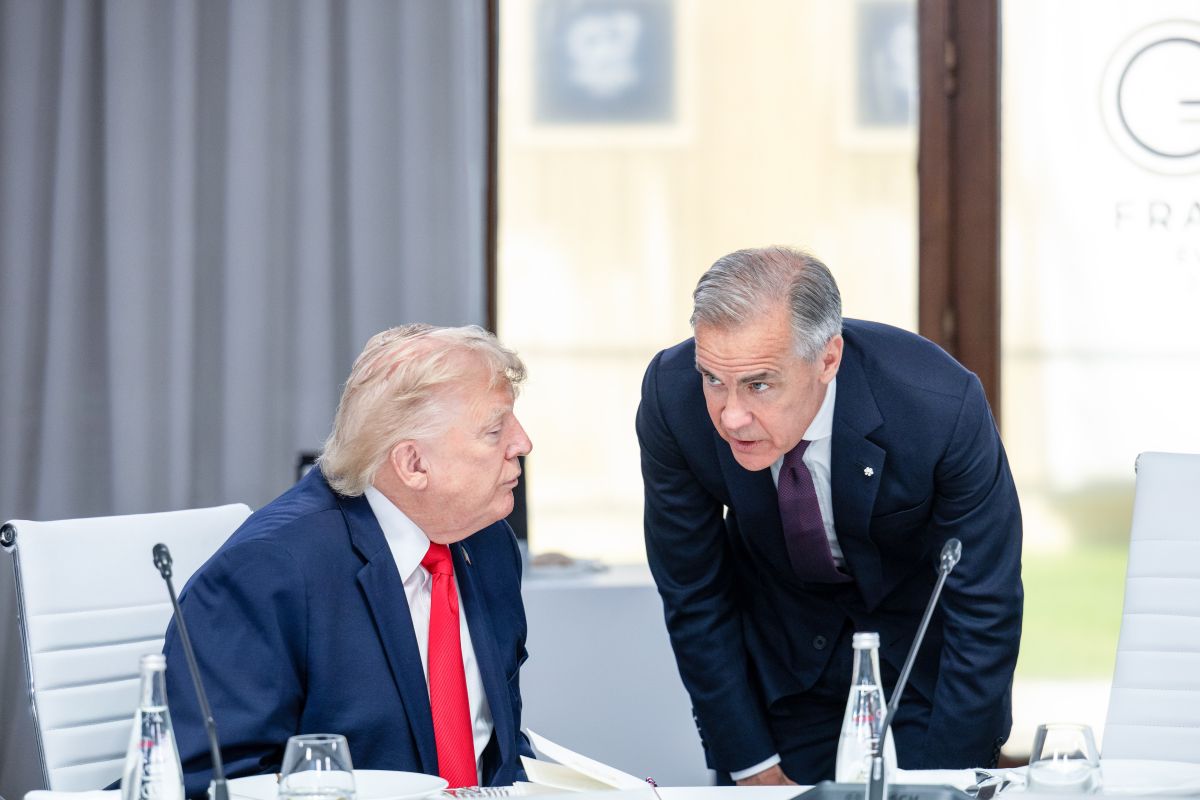
U.S. President Donald Trump recently imposed 50% tariffs on $20 billion of Canadian products and plans to raise auto tariffs to 50%.
Canada has a trade surplus of about $7.1 billion with the U.S., despite President Trump’s claim of a $60 billion loss.
The tariffs will likely cause higher prices for some American consumers on goods like ice skates, toilet paper, and paint.
Stock markets show mixed reactions, with slight changes in gold prices, U.S. and Canadian currencies, and major stock indexes.
Read the Original
Want the full story? Tap a source to open the original
article.
The article explains that when settling credit card debt, it is important to understand the payment schedule, not just the reduced amount agreed upon. Payment could be due immediately, within a few days, or in installments depending on what the creditor agrees to during negotiations.
Key Facts
Credit card debt has increased by $21 billion in the second quarter of this year, totaling $1.26 trillion.
Average credit card interest rates are over 22%, making debt more expensive for borrowers.
Debt settlement means negotiating with creditors to pay less than the full amount owed.
Most settlements require a lump-sum payment by a specific deadline, often soon after the agreement.
Some creditors may allow installment payments, but this depends on negotiation.
The agreed payment schedule should be written in the settlement agreement.
Missing payment deadlines can cancel the settlement and the debt reduction.
Debt relief companies can help by letting you save money monthly while they negotiate with creditors.
Read the Original
Want the full story? Tap a source to open the original
article.
Australia's recorded music industry will ban songs fully made by artificial intelligence (AI) from its official music charts starting next week. Songs made with some AI help can still qualify if humans wrote and performed the main parts.
Key Facts
Australian music charts will not allow tracks created entirely by AI.
Some AI-assisted music remains eligible if humans wrote the song and performed lead vocals and main instruments.
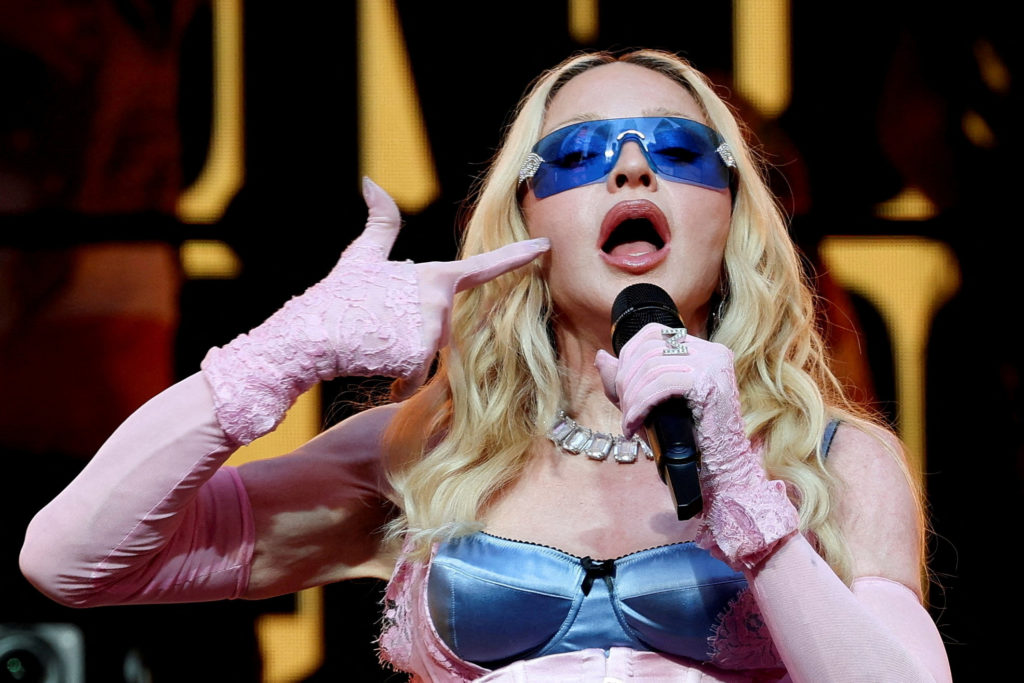
A recent AI-made version of Madonna's "Like a Prayer" stayed in the top 20 for 16 weeks, causing debate.
AI-generated music will also be barred from the Australian music industry's ARIA awards.
Eligible music must be made using authorized AI tools and follow legal requirements.
This rule aligns with international guidelines requiring music charts to reflect mostly human-created songs.
ARIA aims to protect artists’ work and support human creativity amid growing AI use in music.
The rules respond to concerns about AI tools producing music from artists’ work without permission.
Read the Original
Want the full story? Tap a source to open the original
article.
Stand Up for Heroes is a fundraiser event marking its 20th anniversary this fall in New York City. The event supports injured veterans and their families and will feature performances by Bruce Springsteen, Hasan Minhaj, Jon Stewart, and others.
Key Facts
The event will take place on November 9 at David Geffen Hall, Lincoln Center for the Performing Arts.
Stand Up for Heroes has raised $117 million since it started in 2007.
The fundraiser was created by the New York Comedy Festival and the Bob Woodruff Foundation.
Bob Woodruff, the foundation’s founder, was injured while reporting in Iraq in 2006.
Performers this year include Bruce Springsteen, Hasan Minhaj, Jon Stewart, The Resilient, Alex Warren, and Josh Johnson.
Previous events have featured celebrities like Stephen Colbert, John Oliver, and the Red Hot Chili Peppers.
Tickets for the event are currently available for purchase.
Read the Original
Want the full story? Tap a source to open the original
article.
Canada will impose tariffs on over 700 U.S. products starting September 8 to match new import taxes imposed by President Donald Trump's administration. This move is part of an ongoing trade dispute between the two countries, affecting items like steel, fish, cheese, and electronics.
Key Facts
Canada plans "dollar-for-dollar" countertariffs on U.S. goods in response to U.S. tariffs.
The tariffs will affect more than 700 U.S. products starting September 8.
Tax rates will be 15%, 25%, or 50%, matching U.S. tariff rates on Canadian products.
Targeted goods include fish, crustaceans, cheese, honey, makeup, steel and aluminum products, and smartphones.
The U.S. imposed 50% tariffs on about $20 billion of Canadian goods recently.
These measures are part of a growing trade war between Canada and the U.S. during President Trump’s second term.
Both countries’ businesses and consumers may face higher prices due to these tariffs.
The U.S. has also put tariffs on more than 550 Canadian products, including honey, alcoholic drinks, and sports equipment.
Read the Original
Want the full story? Tap a source to open the original
article.
Putting $100,000 into a 2-year certificate of deposit (CD) account can earn savers about $8,681 to $8,889 in interest at current top rates between 4.25% and 4.35%. CDs offer a fixed interest rate and protect the initial deposit, but withdrawing money early will cause penalties.
Key Facts
Current top interest rates for 2-year CDs range from 4.25% to 4.35%.
At these rates, a $100,000 deposit would earn between $8,681 and $8,889 after two years.
CDs guarantee the interest rate and principal protection for the term of the deposit.
Early withdrawal from a CD results in penalties that can reduce earnings.
High-yield savings accounts offer slightly lower rates around 4.10%, with earnings that depend on rate changes.
Unlike CDs, high-yield savings accounts usually allow easy access to funds without penalties.
Inflation is currently above the Federal Reserve's 2% goal, and interest rates could rise further this year.
Online banks often provide some of the most competitive CD rates.
Read the Original
Want the full story? Tap a source to open the original
article.
Canada has announced new tariffs on about $20 billion worth of U.S. goods, including steel and dairy products, in response to President Donald Trump's tariffs on Canadian products. This action is part of an escalating trade conflict between the two countries, with Canada also offering financial help to businesses affected by the tariffs.
Key Facts
Canada imposed tariffs on $19.94 billion of American goods like steel, dairy, appliances, and farm equipment.
The tariffs match the rates set by the U.S., ranging from 15% to 50% on over 700 products.
Tariffs impact everyday items such as seafood, cheese, clothing, cosmetics, and toilet paper.
Canada announced a $7.5 billion aid package to support businesses and workers hit by the trade war.
The new tariffs take effect on September 8, 2026.
President Trump had previously set 50% tariffs on Canadian goods after trade talks failed.
Trump threatened even higher tariffs on Canadian vehicles, steel, and auto parts if Canada did not comply.
The overall goal of Canada’s tariffs is to protect its industries and reduce imports from the U.S., not to generate revenue.
Read the Original
Want the full story? Tap a source to open the original
article.
Canada announced it will impose new tariffs on hundreds of American products, matching the U.S. tariffs dollar for dollar and rate for rate. These Canadian tariffs will begin on September 8, following the breakdown of trade talks between the two countries.
Key Facts
Canada plans to add tariffs on many U.S. products, with rates up to 50%.
The tariffs will match exactly the amount and rate of U.S. tariffs applied.
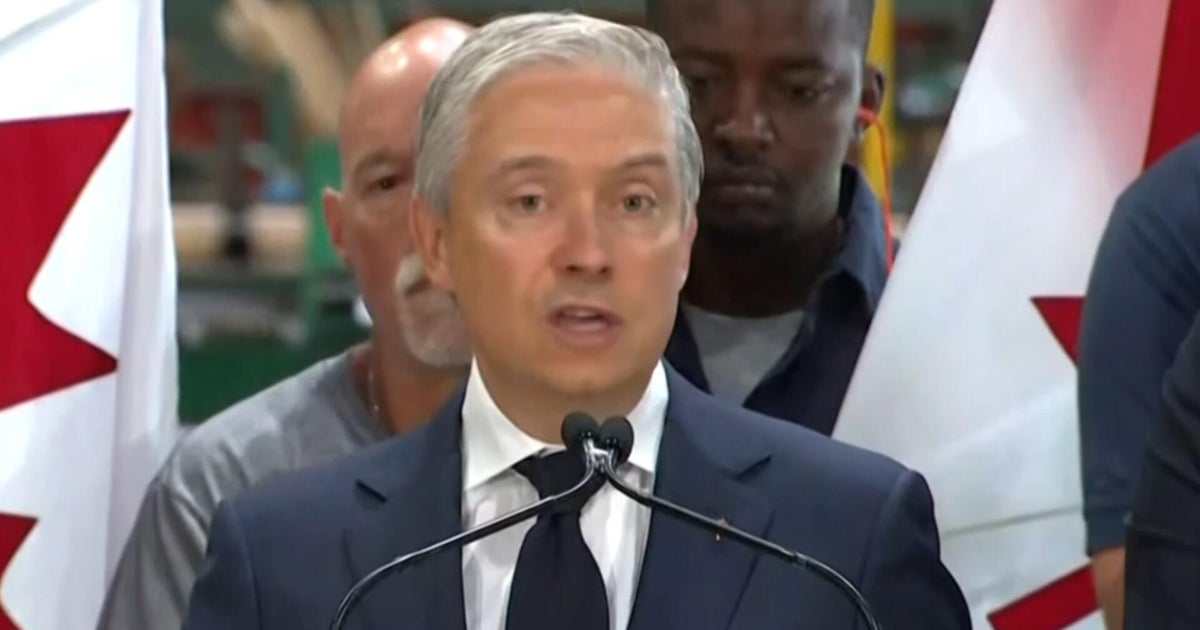
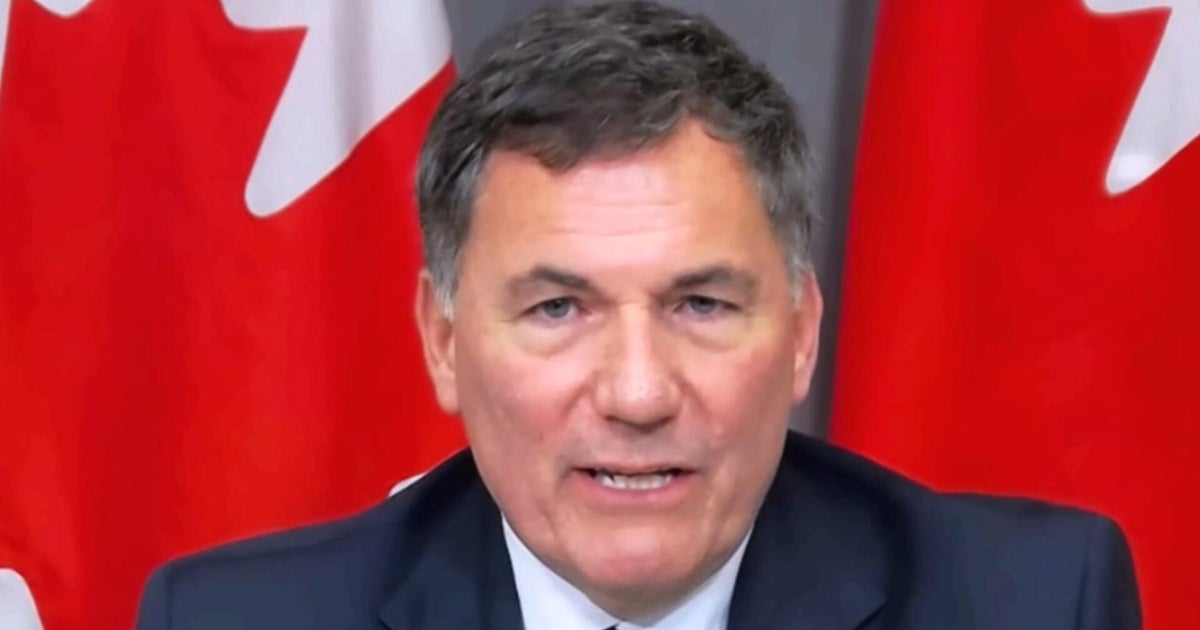
Canadian Finance Minister François-Philippe Champagne announced this decision.
The tariffs will start on September 8.
This move follows failed negotiations between Canada and the United States.
The action is meant to respond to recent U.S. trade measures affecting Canada.
The Canadian government is using tariffs as a way to protect its industries.
Read the Original
Want the full story? Tap a source to open the original
article.
Canada has started charging extra fees called tariffs on goods from the United States in response to new U.S. tariffs on Canadian products. Canada is also giving financial support to workers and encouraging people to buy products made in Canada to help its industries during this trade conflict.
Key Facts
Canada imposed tariffs on goods imported from the United States as a retaliation.
The new Canadian tariffs respond to recent U.S. tariffs on Canadian products.
The Canadian government announced a multi-billion-dollar aid package for workers affected by the trade dispute.
Canadian officials urged citizens to support local businesses by buying Canadian-made goods.
The trade tensions between Canada and the U.S. are described as a deepening trade war.
The Canadian government frames the tariffs as a matter of national control, or sovereignty.
The conflict is affecting industries like steel, as seen in facilities like ArcelorMittal Dofasco in Ontario.
The news was reported on August 25, 2026.
Read the Original
Want the full story? Tap a source to open the original
article.
Nayeema Raza talks about why she created her podcast called "Smart Girl Dumb Questions." She shares what inspired her and discusses some fun questions from the show with the hosts of "CBS Mornings."
Key Facts
Nayeema Raza is the host of the podcast "Smart Girl Dumb Questions."
She appeared on the TV show "CBS Mornings."
Raza explained the reasons she started her podcast.
She shared examples of interesting and simple questions from the show.
She joined the hosts to have a lighthearted conversation about flirting.
The podcast focuses on exploring common and fun questions people have.
The interview is available on the CBS News app and website.
Read the Original
Want the full story? Tap a source to open the original
article.
Volkswagen’s CEO, Oliver Blume, told thousands of workers that the company needs a big reorganization, which may include job cuts and closing some factories, to secure its future. Workers protested his speech by booing and holding banners, while union leaders criticized the lack of clear information about the plans.
Key Facts
Volkswagen plans a major restructuring that could include cutting about 50,000 jobs worldwide.
About half of the job cuts could happen in Germany, with the rest spread across other countries.
The company aims to reduce costs, which are currently about 30% higher than similar competitors.
VW prefers voluntary measures to reduce staff, such as phased retirement and hiring restrictions, rather than forced layoffs.
Some factory closures are planned or considered, but are described as a last resort by VW management.
Potential new factory uses include producing electric vehicles for the Chinese market and manufacturing defense products.
The VW work council strongly opposes factory closures and says trust in the CEO has been damaged.
VW faces challenges like strong competition from Chinese automakers, falling sales in China, and US import tariffs.
Read the Original
Want the full story? Tap a source to open the original
article.
Reports say that Commerce Secretary Howard Lutnick made last-minute demands during trade talks between the U.S. and Canada. These demands caused the negotiations to fail, leading to a trade war between the two countries.
Key Facts
The U.S.-Canada trade talks lasted for several weeks.
Officials from both countries had agreed on a trade deal outline before the deadline.
Commerce Secretary Howard Lutnick made new demands just before the talks ended.
These demands caused the trade negotiations to collapse.
As a result, the U.S. and Canada entered a trade war.
President Donald Trump was involved in the situation as the U.S. leader.
Read the Original
Want the full story? Tap a source to open the original
article.
The United States, under President Trump's administration, has imposed new tariffs on goods from Canada. In response, Canadian government officials have announced several countermeasures to protect their economy and workers as the trade dispute between the two countries grows.
Key Facts
President Trump's administration introduced new tariffs on Canadian products.
Canada announced plans to respond with countermeasures against these tariffs.
The dispute is part of a growing trade war between the US and Canada.
Canadian officials aim to protect workers and the economy with their response.
The trade tensions have increased with threats of further US tariffs.
This situation involves economic policies and trade regulations between neighboring countries.
Both countries are using tariffs, which are taxes on imports, as a tool in this conflict.
The ongoing trade war affects industries and markets in both nations.
Read the Original
Want the full story? Tap a source to open the original
article.
Target removed a Halloween costume from its online store after people said it resembled racist minstrel show characters from the 1800s. The costume was called "Kids’ Glows Under Blacklight Circus Clown Halloween Costume."
Key Facts
Target took the costume off its website on Monday.
The costume was meant to be a circus clown outfit for children.
Critics compared the costume’s look to racist images used in minstrel shows in the 19th century.
Social media users highlighted similarities in hand gestures and clothes between the costume and those racist images.
The removal came after public criticism on social media.
The costume featured materials that glow under blacklight.
Target responded by pulling the item rather than defending it.
Read the Original
Want the full story? Tap a source to open the original
article.
Canada's Finance Minister François-Philippe Champagne said that Canada will impose tariffs on the United States starting September 8. These tariffs will match the tariffs set by President Trump, meaning Canada will charge the same amount in taxes on goods from the U.S.
Key Facts
Canada is responding to U.S. tariffs by introducing its own tariffs.
The Canadian tariffs will be equal in value to the U.S. tariffs ("dollar for dollar").
The new tariffs will start on September 8.
The announcement was made by Canada's Finance Minister François-Philippe Champagne.
The tariffs are a form of trade retaliation, where countries tax imports to protect their economies or respond to other countries’ actions.
These measures relate to ongoing trade tensions between Canada and the U.S.
The tariff decision was reported by CBS News.
Read the Original
Want the full story? Tap a source to open the original
article.
Canada's trade minister said that trade talks with the United States did not succeed. After the failure of these talks, Canada decided to apply tariffs—extra taxes—on certain American goods as a response.
Key Facts
Trade discussions between Canada and the U.S. ended without an agreement.
Canada announced retaliatory tariffs against the U.S. after the talks failed.
Dominic LeBlanc is Canada's minister of internal trade.
He explained Canada's reasons for responding with tariffs during a CBS News interview.
Retaliatory tariffs mean Canada added taxes on some U.S. products to balance trade disagreements.
The talks aimed to resolve trade issues between the two countries.
The failure of talks and tariffs may affect trade relations and economic exchange between Canada and the U.S.
Read the Original
Want the full story? Tap a source to open the original
article.
Canada announced $20 billion in new tariffs on U.S. goods starting September 8 in response to failed trade talks with the United States. The tariffs apply to about 700 products, and Canada also introduced a $7.5 billion aid package to support businesses and workers affected by these measures.
Key Facts
Canada will impose tariffs of 15%, 25%, and 50% on around 700 U.S. products.
The new tariffs take effect on September 8.
Canada’s aid package includes $7.5 billion to help businesses and workers impacted by the trade dispute.
The tariff rates are 50% on steel, aluminum, furniture, and clothing; 25% on cheese, appliances, and certain seafood; 15% on electronics and tools.
The dispute escalated after President Trump threatened 50% tariffs on Canadian vehicles, auto parts, and steel.
Canadian officials warn these trade tensions could also hurt U.S. businesses, with possible restrictions on electricity and mineral exports.
Canada is the largest foreign buyer of U.S.-made vehicles but fears U.S. tariff demands could damage its auto industry.
The breakdown in talks has led to ongoing tensions between President Trump and Canadian leadership.
Read the Original
Want the full story? Tap a source to open the original
article.
Target removed a children's Halloween costume from sale after people said it looked like a racist image. The company apologized, saying the costume was offensive and hurtful to Black customers and workers.
Key Facts
Target sold a "Kids' Glows Under Blacklight Circus Clown Halloween Costume" that some people said resembled blackface and minstrel shows.
The company called the costume offensive and said it should never have been sold.
Target apologized publicly and said it is reviewing how this mistake happened to prevent it from happening again.
Target declined to give more details when asked by the BBC.
The store has recently faced supply shortages and criticism for ending diversity and inclusion goals.
Target was also criticized last year for how it handled its Pride Collection products.
Target is a large retail company known for selling affordable clothing, groceries, electronics, and toys.
Read the Original
Want the full story? Tap a source to open the original
article.
Many Americans have high credit card debt, which is hard to pay back due to rising interest and other costs. Debt forgiveness can sometimes be negotiated before an account goes to collections if the borrower faces financial hardship, but this depends on the lender’s policies and the borrower's situation.
Key Facts
Credit card debt in the U.S. increased by $21 billion in the second quarter of 2026, reaching $1.26 trillion.
New credit card delinquencies remain high, even though overall delinquency rates improved slightly.
Debt forgiveness does not always require the debt to be in collections.
Lenders may accept a partial payment if the borrower shows real financial hardship.
Being current on payments can make lenders less likely to forgive part of the debt.
Accounts in collections may be easier to settle for less, but this is not guaranteed.
Letting debt go to collections can cause more fees, hurt credit scores, and risk legal actions.
It can be risky to let accounts become delinquent on purpose to try to get better debt forgiveness offers.
Read the Original
Want the full story? Tap a source to open the original
article.
United Airlines will add 10 new international flight routes starting in 2027, expanding its network to more cities in Europe and Asia. Most of these new flights will operate from Newark Liberty International Airport, which has become more reliable for takeoffs and landings.
Key Facts
United Airlines plans to start 10 new international routes as early as March 2027.
The new destinations include cities in Japan, France, Luxembourg, Spain, Portugal, Slovenia, and Italy.
Eight of the new routes will begin from Newark Liberty International Airport in New Jersey.
Newark airport has improved its reliability for flights after the FAA granted more flight slots, or permissions to take off and land.
United’s current international network includes 160 destinations.
CEO Scott Kirby said aircraft manufacturers have increased production, helping them add more routes.
Airline ticket prices are rising due to strong traveler demand but remain lower than before the COVID-19 pandemic.
Airfare inflation was more than 25% higher in July 2023 compared to the previous year.
Read the Original
Want the full story? Tap a source to open the original
article.