A $100,000 home equity loan taken out in September 2026 will have monthly payments between about $964 and $1,221, depending on the loan term and interest rate. Interest rates for home equity loans have risen compared to spring 2026 but are slightly lower than at the start of the year.
Key Facts
Homeowners can borrow money using the value built up in their homes, called home equity.
As of August 24, 2026, the median interest rate for home equity loans is 8.14%.
Monthly payments on a $100,000 loan at 8.14% interest are approximately $1,221 for 10 years or $964 for 15 years.
Compared to April 2026, when rates were 6.96%, monthly payments were lower ($1,159 for 10 years, $897 for 15 years).
Home equity loans have fixed interest rates, making payments predictable.
Borrowers must begin repaying the full amount quickly since funds are given in a lump sum.
There is a risk of losing the home if payments are not made on time, as the home serves as collateral.
It is wise to shop around for the best loan rates, as rates may rise if the Federal Reserve increases interest rates.
Read the Original
Want the full story? Tap a source to open the original
article.
CBS Mornings Deals offers special discounts on products that aim to improve daily life. Customers can visit cbsdeals.com to find and buy these discounted items. CBS earns money when people purchase products through their website.
Key Facts
CBS Mornings Deals features special discounts on useful products.
The deals focus on items that can improve everyday life.
Shoppers can access these offers on the website cbsdeals.com.
CBS earns commissions from sales made through this site.
The deals are promoted during the CBS Mornings news program.
The service is part of CBS News’ efforts to provide consumer recommendations.
Customers can use web browsers like Chrome or Safari to visit the site.
Read the Original
Want the full story? Tap a source to open the original
article.
Callaway Golf's CEO apologized for an online ad showing a male golfer pushing a female golfer to the ground, which caused public upset. The ad was removed, and the company said approving it was a mistake that they take seriously.
Key Facts
The ad showed a man shoving a woman during a dispute over a golf driver.
The ad was made by Good Good Golf and approved by Callaway before release.
Both Callaway and Good Good apologized and pulled the ad after backlash.
Some people said they might stop buying Callaway products because of the ad.
Critics said Callaway’s apology did not fully address the problem and called for donations to women's golf and domestic violence groups.
Women make up 28% of golfers, the highest on record, and their numbers have grown faster than men’s in recent years.
The National Golf Foundation reports a 45% increase in female golfers from 2020 to 2025 predictions.
Read the Original
Want the full story? Tap a source to open the original
article.
An island in the Venice lagoon called Crevan, featuring a Napoleonic fort turned villa and gardens, is for sale. The island has a rich history and is close to Venice but offers privacy away from crowds.
Key Facts
Crevan island is slightly smaller than a football pitch.
The fort on the island was built in 1806 by the French military during the Napoleonic era.
The island was used for military purposes until after World War I.
It was later restored for residential use, including a villa with four bedrooms.
The property includes manicured gardens, a private mooring, and a helipad.
Several luxury real estate agencies are handling the sale, but the price is not publicly disclosed.
Another Venetian island, Isola Santa Cristina, with luxury features, was recently listed for about €24 million.
A third island near Venice’s Lido, dating back to the 1500s, is also for sale.
Read the Original
Want the full story? Tap a source to open the original
article.
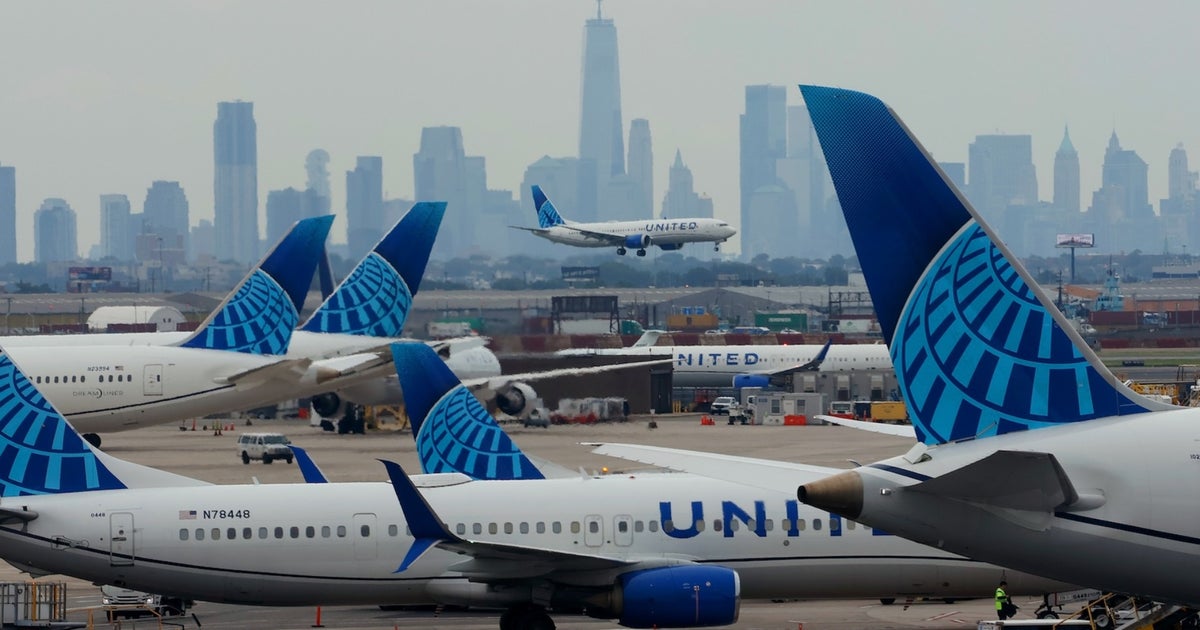
United Airlines is adding flights to 10 new international places, such as Okinawa in Japan and Ibiza in Spain. The airline's CEO, Scott Kirby, spoke about this major expansion on CBS Mornings.
Key Facts
United Airlines is starting flights to 10 new international destinations.
New destinations include Okinawa, Japan, and Ibiza, Spain.
The expansion is the largest in United Airlines’ history.
Scott Kirby is the CEO of United Airlines.
Kirby discussed the expansion during an interview on CBS Mornings.
This growth aims to increase the airline's global reach and options for travelers.
The announcement was featured by CBS News.
Read the Original
Want the full story? Tap a source to open the original
article.
Billionaire investor Stanley Druckenmiller criticized the U.S. Treasury Department’s plan to expand buybacks of government bonds. He said this move tries to artificially influence the bond market, and the effect on bond yields was temporary.
Key Facts
Stanley Druckenmiller is a billionaire investor.
The U.S. Treasury Department announced a plan to expand bond buybacks.
Bond buybacks occur when the government buys back its own debt securities.
After the announcement, bond yields first fell but then returned to earlier levels quickly.
Druckenmiller argues the Treasury’s plan interferes with natural market forces.
The comments appeared in an opinion article in the Wall Street Journal.
Bond yields are important because they affect borrowing costs for the government and others.
Read the Original
Want the full story? Tap a source to open the original
article.
A study of about 165,000 employees in over 73,000 U.S. companies found that the benefit of working remotely on job satisfaction disappears when factors like workplace culture, trust in managers, communication, chances to grow professionally, and pay are considered.
Key Facts
The study involved nearly 165,000 employees.
These employees worked at more than 73,000 firms in the United States.
Initially, working remotely seemed linked to higher job satisfaction.
When other factors like company culture and trust in management were included, the remote work advantage disappeared.
Other important factors for satisfaction included communication, professional development, and compensation.
The research suggests that where people work is less important than the quality of the overall work environment.
Read the Original
Want the full story? Tap a source to open the original
article.
Renting a small home is still cheaper than buying one in major U.S. cities, but fewer rental homes are available. Many Americans now rent in large apartment buildings instead of single-family homes, which are becoming harder to find and more expensive to own.
Key Facts
In July 2026, the median monthly rent for 0-2 bedroom homes in 50 large metro areas was $1,695, down slightly from last year.
Buying a starter home in the same areas costs about $2,553 per month, which is $858 more than renting.
Only 13.7% of single-family homes in the U.S. are rented, the third lowest level recorded.
Large apartment buildings have the most rental units, with 12.1 million units in 2024, the highest on record.
Since 2021, large apartments surpassed single-family homes as the main rental option for many Americans.
Multifamily homes (buildings with 20+ units) have been built faster than single-family homes since the Great Recession and during the pandemic.
High mortgage rates (about 6.65% nationally) are keeping many current homeowners in their homes.
Starter homes are less common today, making up only 7% of new home construction in 2019, compared to 40% in the 1980s.
Read the Original
Want the full story? Tap a source to open the original
article.
Canada is trying to reduce its economic dependence on the United States after trade talks failed and the U.S. imposed high tariffs on Canadian goods. Canada plans to expand trade with other regions like Europe, Asia, and South America by building better infrastructure and making new trade agreements.
Key Facts
U.S.-Canada trade talks collapsed, leading to tariffs from the U.S. on $20 billion of Canadian goods.
The U.S. tariffs are 50 percent on certain Canadian imports.
Canada plans to retaliate with tariffs of equal value.
Canada aims to double its exports to countries other than the U.S. within the next 10 years.
Canada is seeking new trade deals with Europe, Asia, India, Southeast Asia, and South America.
Investments are being made in ports, transportation, energy, and critical mineral projects to support alternative trade routes.
The European Union is also pursuing trade deals with India and South America to reduce dependency on the U.S. market.
The article explains that tariffs are paid by importers in the U.S., which can raise costs for American companies and consumers, not directly generate U.S. government revenue from other countries.
Read the Original
Want the full story? Tap a source to open the original
article.
Canada plans to announce new tariffs on U.S. goods as a response to President Trump's recent 50 percent tariffs on more than $20 billion of Canadian products. This move aims to match the U.S. tariffs "dollar for dollar," escalating the trade tensions between the two countries.
Key Facts
Canada will introduce retaliatory tariffs against the United States.
The announcement is expected on Tuesday.
President Trump imposed 50 percent tariffs on over $20 billion of Canadian goods.
These U.S. tariffs took effect on the previous Saturday.
Canadian Prime Minister Mark Carney said the response will be "dollar for dollar," meaning equal in value to the U.S. tariffs.
The tariffs are part of an ongoing trade dispute between Canada and the U.S.
Both countries are escalating the trade war with these tariff measures.
Read the Original
Want the full story? Tap a source to open the original
article.
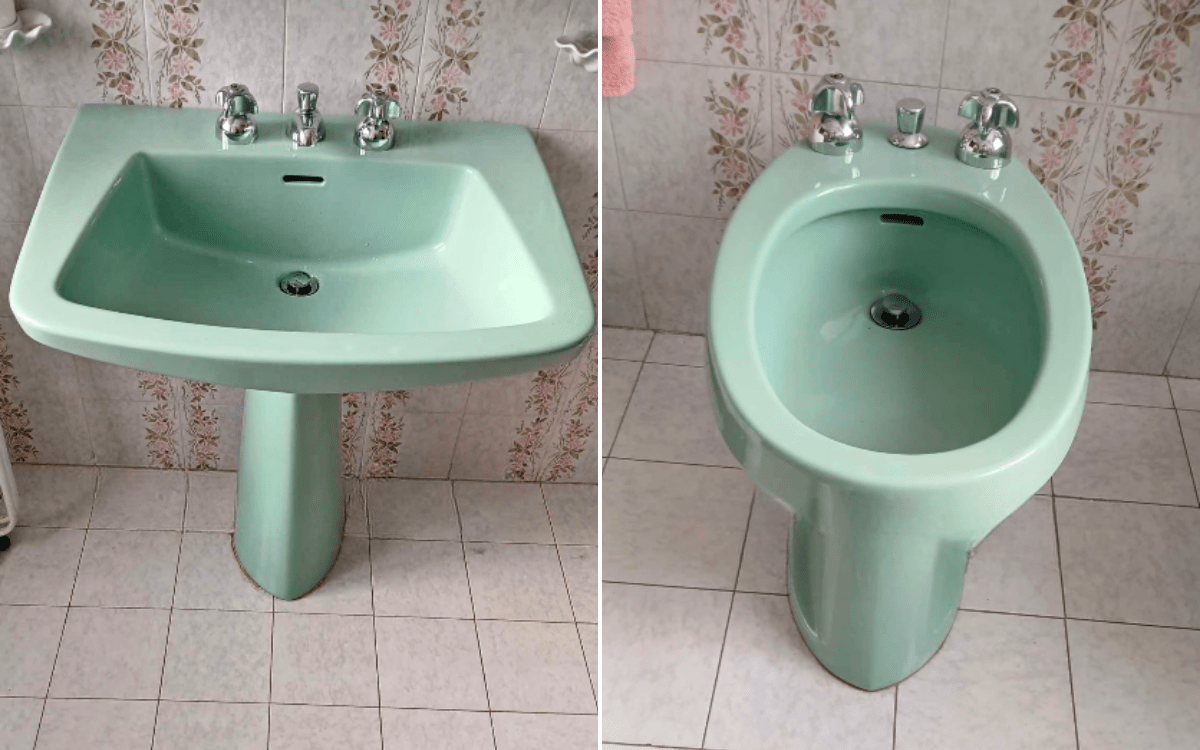
A couple renovating a 300-year-old house by Lake Como, Italy, found a rare vintage bathroom set for about €110 ($128). The set, designed by famous architect Gio Ponti in the 1960s, is now worth around €4,000 to €4,600 ($4,600 to $5,200) online.
Key Facts
The couple, Tess and Tom, are Australian and French and met in Milan before buying the house together.
Their house was built in 1719 and has many original features hidden under newer renovations.
They searched for months to find matching vintage bathroom fixtures.
They found a green bathroom set on Facebook Marketplace for €110 ($128).
The bathroom set is from the 1960s and was designed by Gio Ponti, a well-known Italian architect.
Individual parts of the set, like a pedestal sink, can sell for up to €2,500 ($2,900).
The complete set’s online price ranges from €4,000 to €4,600 ($4,600 to $5,200).
The seller also had a matching bathtub still available at the time of purchase.
Read the Original
Want the full story? Tap a source to open the original
article.
A sequel to the movie How to Lose a Guy in 10 Days is being planned more than 20 years after the original came out. Kate Hudson will produce the new film and may again star alongside Matthew McConaughey, who played the main roles in the first movie.
Key Facts
The original movie was released over 20 years ago and earned nearly $180 million worldwide.
Kate Hudson, who played a journalist named Andie, will be a producer for the sequel.
Matthew McConaughey, who starred as Benjamin, might also return to his role.
The story in the first film was about a woman trying to get a man to leave her for an article, while the man bets he can make her fall in love with him.
The yellow dress worn by Hudson in the original became a famous piece of movie fashion.
Hudson’s latest film role was in Song Sung Blue (2025), earning her a second Oscar nomination.
McConaughey won an Oscar for Dallas Buyers Club and has acted in many popular movies, including Magic Mike and The Wedding Planner.
The sequel is still in early development and follows a trend of Hollywood making sequels to popular older films.
Read the Original
Want the full story? Tap a source to open the original
article.
Gold prices have reached their highest level in three months due to concerns about US inflation and instability in the bond market. Meanwhile, the UK government sold seven-year bonds at yields not seen since 2002, indicating higher borrowing costs. In the US, car parts maker First Brands Group went into liquidation after a bankruptcy court rejected its restructuring plan.
Key Facts
Gold prices rose to a three-month high because traders worry about US inflation and bond market problems.
The UK government sold £3.9 billion in seven-year bonds at a yield of 4.761%, the highest since 2002.
The high bond yields show the UK government’s borrowing costs are increasing.
The US Treasury Department recently intervened to calm the US bond market amid global bond sell-offs.
First Brands Group, a US car parts maker, has entered liquidation after a bankruptcy court rejected its plan to restructure debt.
The company tried to pay creditors by suing insiders, but the court said the plan broke bankruptcy laws and was unworkable.
First Brands sold some parts of its business for much less than its debt and failed to find a buyer for the entire company.
The US bankruptcy judge said the company’s litigation plan to raise money for creditors was unlikely to succeed.
Read the Original
Want the full story? Tap a source to open the original
article.
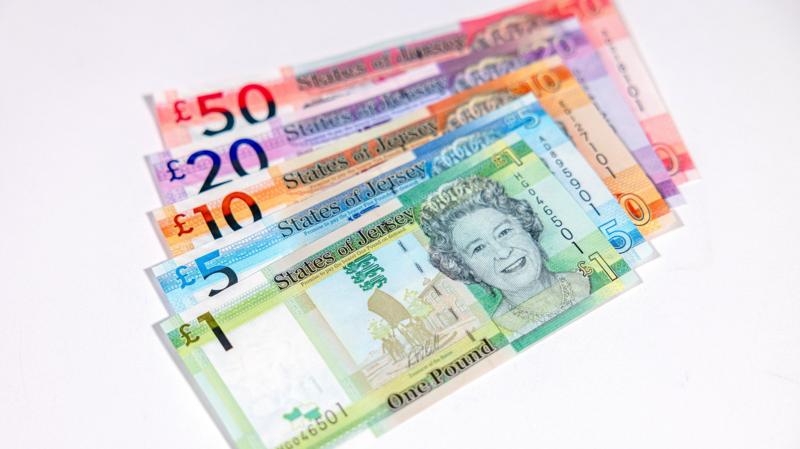
Average earnings in Jersey rose by 4.1% between June 2025 and June 2026. After adjusting for inflation at 2.8%, the real increase in earnings was 1.2%, showing that pay growth was slower than inflation.
Key Facts
Earnings per full-time worker increased by 4.1% over the year to June 2026.
Inflation in Jersey was 2.8% during the same period.
When inflation is considered, earnings grew by only 1.2% in real terms.
This 1.2% rise is below the five-year average increase of 5.6% and the long-term average of 4.2%.
Private sector earnings grew by 0.9% in real terms over 12 years, while public sector earnings grew by 2.9% during that time.
Over 25 years, public sector real earnings dropped by 3%, but private sector real earnings increased by 1.2%.
The data comes from a compulsory survey of employers and government departments conducted by Statistics Jersey.
Rising costs like petrol have affected people’s perception of their earnings and the cost of goods.
Read the Original
Want the full story? Tap a source to open the original
article.
The UK government is investing £71 million into reopening the Hemerdon tungsten and tin mine in Devon. This funding will help restart mining operations, with half of the tungsten produced kept for use within Britain.
Key Facts
The National Wealth Fund will provide £71 million to Tungsten West to reopen the Hemerdon mine near Plymouth.
The investment includes £36 million in equity and up to £35 million in loans.
Hemerdon holds one of the world’s largest tungsten deposits.
Tungsten is important for industries like steel, electronics, aerospace, defense, and energy.
The government plans to reserve 50% of the mine’s production for UK use.
The mine aims to reach full production by 2027.
This investment supports economic growth and job creation in the South West of England.
The project builds on recent government investments in mining, like funding to reopen a tin mine in Cornwall earlier in 2025.
Read the Original
Want the full story? Tap a source to open the original
article.
Two planned datacentres in England are expected to produce more carbon emissions than ExxonMobil’s total UK emissions. Experts warn this could harm the UK’s climate goals, as these datacentres will use a lot of power and some plan to run on their own gas-fired power stations.
Key Facts
The Wapseys Wood and Quest Park datacentres will use 1.3 gigawatts of power and produce over 4.5 million tonnes of carbon emissions annually.
ExxonMobil’s UK emissions in 2023 were 3.9 million tonnes.
There are 315 datacentres waiting to connect to the UK electricity grid, which would demand 73 gigawatts—almost twice the UK’s peak winter energy use.
Due to delays in connecting to the grid, the two datacentres plan to build their own gas power plants on-site.
The government says the emissions estimates are misleading because they assume the datacentres operate at full capacity from the start.
Critics argue that it is reasonable to estimate emissions at full capacity since that is the goal for these datacentres.
The government claims there are ways to meet climate targets despite datacentre growth, but uncertainty remains.
The two datacentres are being fast-tracked by the government, bypassing local planning, which has raised concerns among campaigners and politicians.
Read the Original
Want the full story? Tap a source to open the original
article.
This episode of Money Moves with Jill Schlesinger gives career advice. It discusses choosing between a good mentor and a higher salary, when it makes sense to change careers, and whether owning a business is better than working for someone else. It also covers office dress codes, saying men should not wear shorts to work.
Key Facts
The episode focuses on career and money advice.
It explores the choice between working for a great mentor or getting a bigger paycheck.
It talks about when switching career fields might be a good idea.
It compares owning a business with being an employee.
The hosts say men should not wear shorts to the office.
They also discuss personal spending habits on accessories.
The show is part of CBS News programming.
Read the Original
Want the full story? Tap a source to open the original
article.
OnlyFans, a subscription-based content platform known for adult material, made $714 million in profit before tax in 2025. The company’s owner, Leonid Radvinsky, who died earlier this year, received over $700 million in dividend payments before his death, and the company is now owned by his widow.
Key Facts
OnlyFans made $714 million profit before tax in 2025, a 5% increase from the previous year.
Owner Leonid Radvinsky was paid over $700 million in dividends before he died from cancer at age 43.
OnlyFans has 132 million paying subscribers and 2.5 million active content creators as of 2025.
The site takes a 20% cut from all payments made to creators.
OnlyFans employs only 47 people, which is very small for a company with such high profits.
The platform’s popularity rose sharply during the Covid-19 pandemic.
The company faced regulatory scrutiny over age verification and content safety, including a UK investigation that ended with a fine of about £1 million.
OnlyFans CEO stated the company has paid over $30 billion to content creators since its start and has contributed over £600 million in UK corporate taxes.
Read the Original
Want the full story? Tap a source to open the original
article.
Data centers in the U.S. are receiving massive investments, mainly from big tech companies like Amazon and Microsoft, to support AI development. This growth creates challenges such as competition for resources, strain on the electrical grid, and political debates about their construction.
Key Facts
The top five large tech companies plan to spend over $750 billion on data centers this year, a 67% increase from last year.
About 75% of this spending is for AI-related infrastructure.
Data centers require a lot of physical resources like land, cooling systems, and energy, leading to competition with other industries.
Utilities expect electric demand to increase six times more by 2030 than previously thought, mainly due to data centers.
Political leaders on both sides support limiting or pausing new data center projects because of concerns about jobs, environment, and energy use.
There are around 4,000 data centers in the U.S., with 580 classified as very large "hyperscale" facilities.
In early 2026, about 75 data center projects worth roughly $130 billion were delayed due to political reasons.
Building a large data center typically costs around $2.1 to $2.4 billion and employs about 50 people for operations, with up to 1,500 workers needed during construction.
Read the Original
Want the full story? Tap a source to open the original
article.
The cost of after-school care for primary school children in parts of the UK has risen significantly over the past decade, now exceeding £2,800 per child in some areas. Parents also face high expenses for holiday childcare, school uniforms, and extracurricular activities, which add to their financial stress.
Key Facts
After-school childcare costs in England have increased by 42% over the last 10 years, reaching an average of £2,636 per year.
In Scotland, the average yearly cost is £2,701, and in Wales it has risen by 64% in 10 years to £2,824.
Holiday childcare costs add about £191 per child each week, totaling over £1,700 annually.
Extracurricular activities such as sports and music lessons cost around £700 per year.
Parents spend an average of £381 yearly on school uniforms and sports equipment.
Nearly half of UK parents feel stressed about the costs of sending children back to school.
Some families adjust their work schedules to reduce childcare costs.
Additional school equipment costs, like tablets and special calculators, add to parents’ financial burdens.
Read the Original
Want the full story? Tap a source to open the original
article.