CrossCountry train services were severely disrupted on Sunday due to a power outage at their Birmingham control centre, causing many cancellations. The company plans to run a limited service Sunday evening and a full train schedule on Monday while working with partners to restore normal operations.
Key Facts
A power failure at CrossCountry’s control centre in Birmingham caused widespread train cancellations on Sunday.
CrossCountry will operate a small number of trains from 6:00 pm Sunday, focusing on routes to Leicester and Derby.
The company aims to resume a full train service on Monday.
Passengers delayed by more than 30 minutes may get compensation; those who do not travel can get a refund.
Transport Secretary Heidi Alexander expressed support for the recovery efforts and mentioned plans to nationalize rail services next year.
The rail union RMT called for a review of control centres to prevent future power-related disruptions.
Some passengers were stranded overnight due to the cancellations, causing inconvenience and extra expenses.
National Rail updates confirmed partial service resumption on some routes Sunday evening.
Read the Original
Want the full story? Tap a source to open the original
article.
The Boston Symphony Orchestra and its musicians have agreed to extend their contract by 48 hours to continue talks and avoid a possible strike. This would be the first strike in the orchestra’s 145-year history if it happens.
Key Facts
The current contract between the Boston Symphony Orchestra and its musicians was set to expire at 11:59 p.m. Sunday.
Both parties agreed to extend the contract until 11:59 p.m. Tuesday.
The extension allows more time for collective bargaining negotiations to avoid a strike.
The Boston Musicians’ Association authorized a strike before the contract expiration.
The extension still needs to be approved by a vote from the musicians’ union and players’ committee.
The orchestra’s management and musicians have had tense relations since March.
The orchestra plans to start its new season on September 17.
Music director Andris Nelsons will be leaving the orchestra next summer after 13 years.
Read the Original
Want the full story? Tap a source to open the original
article.
“Spider-Man: Brand New Day” stayed number one at the box office for its fourth weekend, earning $39 million in the U.S. and Canada. Christopher Nolan’s film “The Odyssey” became his highest-grossing movie ever, making $1.4 billion worldwide.
Key Facts
“Spider-Man: Brand New Day” earned $39 million from 4,006 theaters in its fourth weekend.
The movie has made over $854.9 million in North America.
“Spider-Man” is close to surpassing “Avengers: Endgame” as the second highest-grossing domestic film.
“The Odyssey” earned $19.5 million in its sixth weekend in North America.
“The Odyssey” surpassed “Deadpool & Wolverine” to become the highest-grossing R-rated film.
Worldwide, “The Odyssey” has made $1.4 billion, led by strong sales in China and Korea.
“Insidious: Out of the Further,” the sixth in its series, earned $25.3 million domestically and $35 million internationally.
New movie “Mutiny,” starring Jason Statham, had a $7.5 million opening but was accidentally available for free briefly on Prime Video before release.
Read the Original
Want the full story? Tap a source to open the original
article.
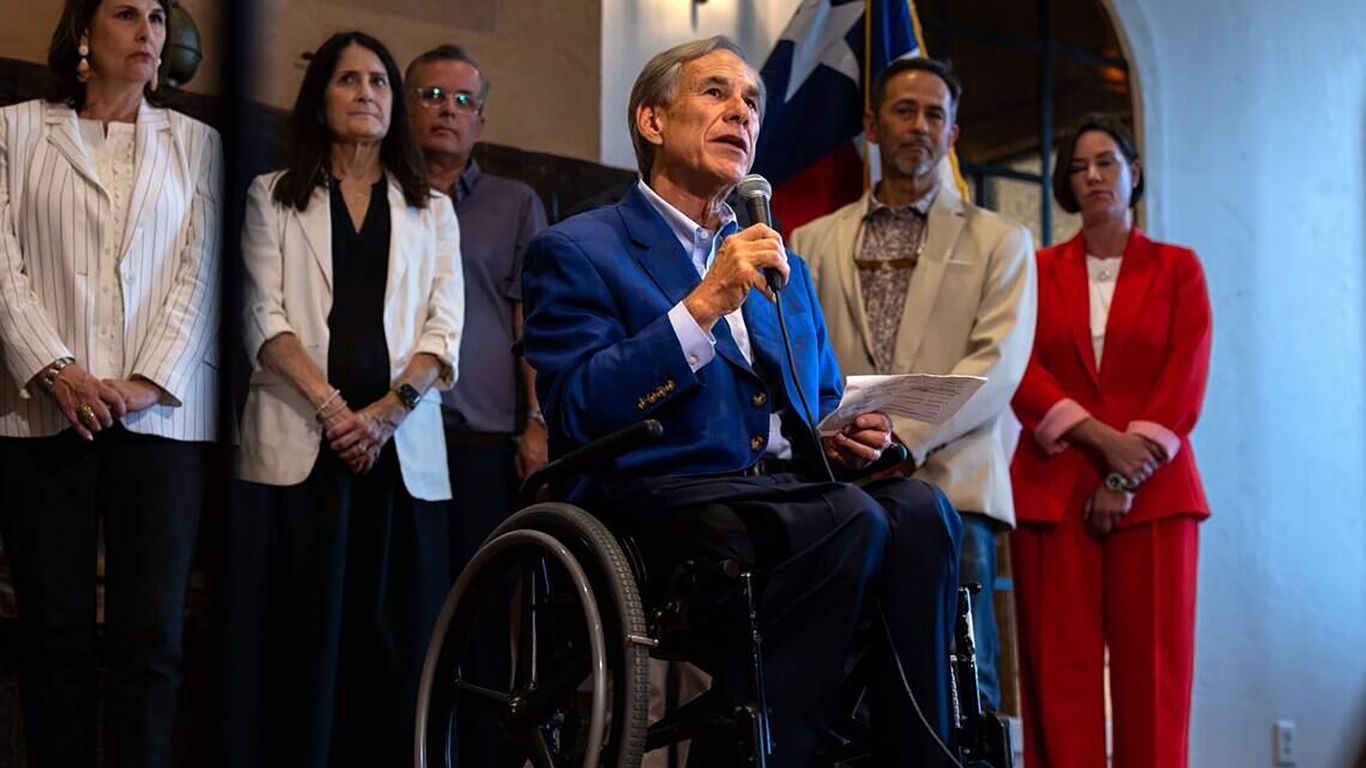
Texas Governor Greg Abbott criticized data center companies for ignoring community concerns, leading to growing opposition against the AI data center boom. This backlash is causing several states, including Texas, Pennsylvania, and New York, to impose new rules or slow down data center projects, which may affect the AI industry's growth.
Key Facts
Governor Abbott said data center firms "dug their own grave" by failing to gain local support.
Texas once welcomed AI investments, including a $40 billion Google data center deal announced in 2023.
Abbott now demands data centers pay full costs for electricity infrastructure and is phasing out tax breaks.
Other states like Pennsylvania and New York have imposed restrictions or moratoriums on new data centers.
Data centers need large amounts of power, water, and land, causing community concerns.
Only a small number of data centers have responded to Texas requests about future power needs.
Polls show 61% of Americans oppose building new data centers near them, including many Republicans.
Data center development is important for the U.S. economy and AI progress but may be limited by voter opposition.
Read the Original
Want the full story? Tap a source to open the original
article.
The war in Iran has affected natural gas supply worldwide, giving Nigeria a chance to increase its gas exports. Nigeria plans to boost gas production, attract foreign investment, and supply more liquefied natural gas (LNG), especially to Europe, while working to lower gas prices for its own people.
Key Facts
The war in Iran is putting pressure on global natural gas markets.
Nigeria wants to become a bigger supplier of natural gas.
Nigeria is working on the Nigeria-Morocco gas pipeline project.
The country aims to attract investments to expand gas production.
Nigeria plans to increase LNG exports to meet growing demand in Europe.
Nigerians are currently paying high prices for cooking gas at home.
The government wants to lower liquefied petroleum gas (LPG) costs for households.
There are efforts to reduce gas flaring (burning off excess gas) and replace firewood, charcoal, and kerosene with cleaner gas options.
Nigeria is pushing 20 gas projects towards investment approval by 2030.
Read the Original
Want the full story? Tap a source to open the original
article.
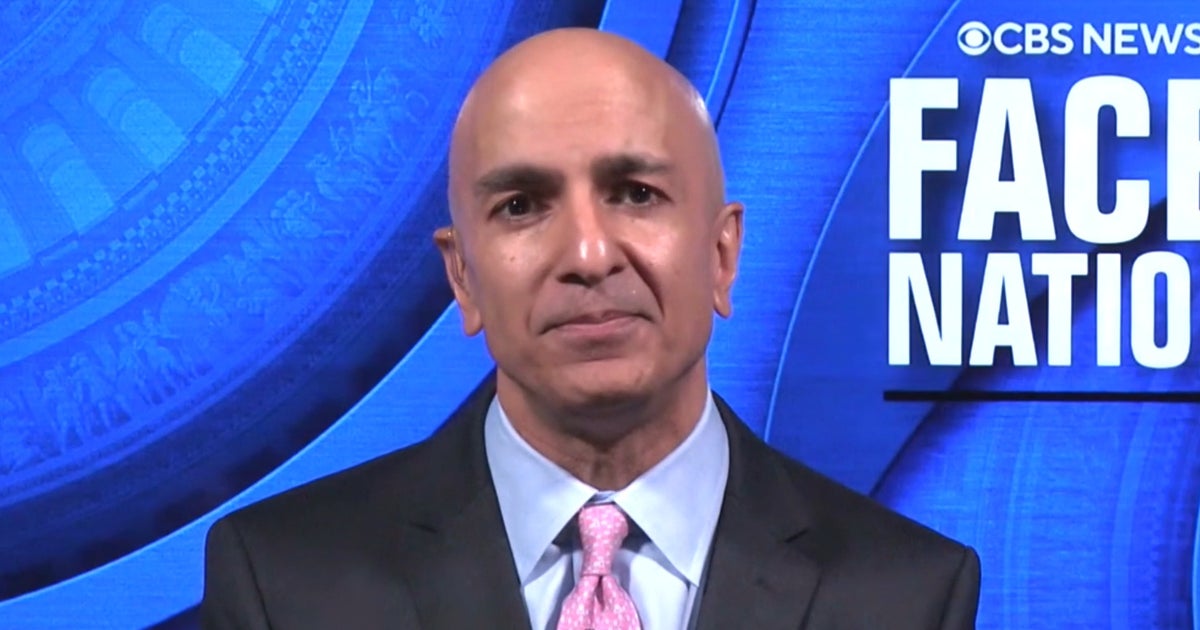
Neel Kashkari, leader of the Minneapolis Federal Reserve, said that ongoing tariff disputes between the U.S. and Canada could make inflation last longer. He explained that the longer the two countries keep changing tariffs on each other, the more inflation problems will be delayed and extended.
Key Facts
Neel Kashkari is the president and CEO of the Minneapolis Fed (Federal Reserve Bank).
Kashkari spoke about inflation during an interview on "Face the Nation."
He referred to the ongoing tariff conflict between the U.S. and Canada.
Tariffs are taxes on imported goods that can raise prices.
Kashkari said that continual back-and-forth changes in tariffs make inflation last longer.
The longer the tariff issues continue, the longer inflation problems remain.
Inflation means prices for goods and services go up over time.
Read the Original
Want the full story? Tap a source to open the original
article.
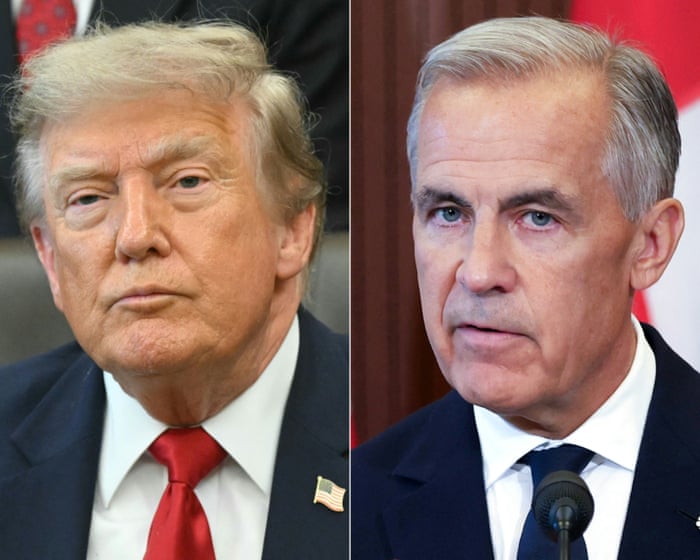
Canada will impose tariffs that match the new U.S. tariffs imposed by President Donald Trump on $20 billion worth of Canadian goods. These tariffs affect many product categories and mark a breakdown in trade negotiations between the two countries. Both nations have now set additional tariffs on each other’s products, escalating their trade conflict.
Key Facts
The U.S. imposed a 50% tariff on about $20 billion of Canadian goods, covering over 500 types of products.
Canadian Prime Minister Mark Carney announced that Canada will respond with tariffs equal in value to the U.S. tariffs.
The tariffs affect goods such as alcoholic drinks, dairy products (except cheese), technology items, sports equipment, wood products, and holiday gifts.
Negotiations between the U.S. and Canada failed after the U.S. made demands that Canada considered unfair and restricting to its trade rights and culture.
The new tariffs add to earlier U.S. tariffs on Canadian steel, lumber, and cars.
President Trump said Canada has charged U.S. farmers high tariffs and criticized Canada’s trade stance.
Canada recalled its negotiators from Washington after rejecting last-minute U.S. conditions.
The trade conflict raises questions about the future of the US-Mexico-Canada Agreement, a trade deal signed during President Trump’s first term.
Read the Original
Want the full story? Tap a source to open the original
article.
Some travel experts say that airfares tend to get cheaper after the summer travel rush and before the holiday season begins. August 23 is known as National Cheap Flight Day, a time when travelers might find better ticket deals for holiday travel.
Key Facts
National Cheap Flight Day is on August 23.
Airplane ticket prices often drop after summer ends.
Prices may be lower before the busy holiday travel season starts.
Travel experts suggest this period as a good time to buy flights.
The holiday season usually sees higher airfare prices due to demand.
Watching airfare trends can help travelers save money.
The article focuses on holiday travel and airfare timing.
Read the Original
Want the full story? Tap a source to open the original
article.
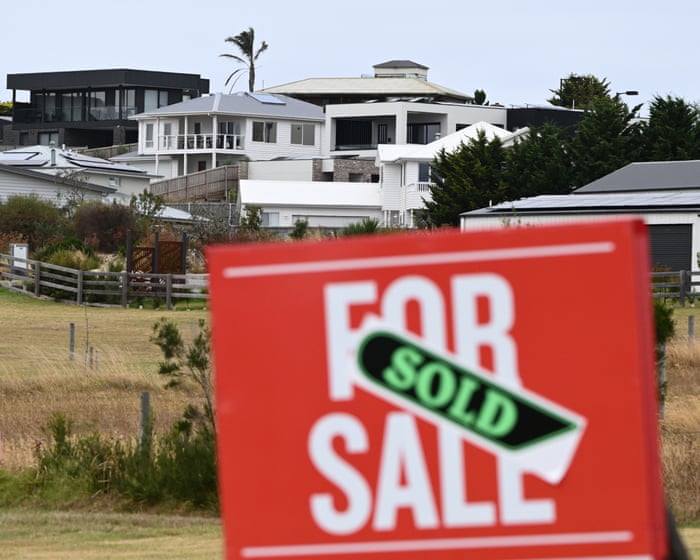
First-time home buyers in Australia continue to take out many mortgage loans with government support, while property investors are borrowing less. The government’s 5% deposit loan guarantee program has helped new buyers get into the market by reducing upfront costs like mortgage insurance.
Key Facts
New data shows only first-time buyers are applying for more home loans compared to June.
Home loan demand dropped overall by 5.4% by June, with investor loans falling 8.6% and first-time buyer loans dropping only 2.9%.
First home purchase activity increased in some states like New South Wales, South Australia, Tasmania, and the Australian Capital Territory.
The 5% deposit scheme lets eligible buyers borrow up to 95% of a home's price with a government guarantee, removing the need to pay costly mortgage insurance.
Property prices have fallen in Australia, but those eligible under the scheme have seen smaller price drops.
Housing Australia says scheme users saved more than $15,000 on average by not paying mortgage insurance.
Over 320,000 people have bought homes with help from the scheme since 2020.
The scheme led to more than 5,000 new guarantees issued monthly since February, slightly dipping below that in July but still higher than before the scheme’s expansion.
Read the Original
Want the full story? Tap a source to open the original
article.
A financial planner shared five tips for protecting money in romantic relationships. These tips focus on preparing for possible breakups by maintaining financial independence, understanding each other’s money situation, being cautious with joint debts, formalizing major financial agreements, and protecting individual credit.
Key Facts
Couples should keep some money in accounts under their own name for financial independence.
It is important to talk openly about income, debts, credit history, and spending habits before combining finances.
Taking on joint debt, like cosigning loans, can be risky because both people are responsible for payments.
Major financial arrangements, such as buying a house together, should be put in writing through agreements.
Written agreements like prenuptial or cohabitation agreements help avoid future conflicts if the relationship ends.
Having savings to cover basic living costs for several months can help if someone needs to leave the relationship suddenly.
Protecting personal credit and continuing to build individual assets is important even while sharing finances.
Financial preparation in relationships is about planning, not distrust, to prevent serious money problems in case of breakups.
Read the Original
Want the full story? Tap a source to open the original
article.
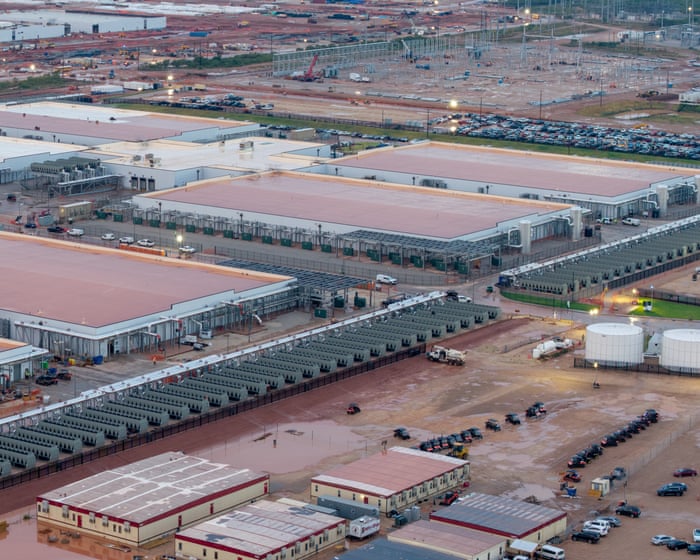
Some experts are concerned that big tech companies are creating hidden debt by using off-balance-sheet financing to build AI datacenters. However, this practice is not new and is generally well-regulated, with significant disclosure requirements, unlike past cases such as Enron.
Key Facts
Companies like Meta, Oracle, xAI, and CoreWeave are raising billions of dollars to build AI datacenters using special financial entities.
These financial entities borrow money independently, so the debt does not appear on the parent companies’ main financial reports.
Experts have reported over $120 billion of AI datacenter spending moved off company balance sheets.
Goldman Sachs projects that hyperscale tech companies might spend $5.3 trillion on AI and datacenters by 2030.
Some worry this hidden debt could be risky, comparing it to the Enron scandal, but experts say this is unlikely to reach that scale or cause systemic problems.
Off-balance-sheet financing has been used for decades, including in biotechnology companies in the 1980s and 1990s to spread financial risks.
Financial disclosures and market scrutiny today are much stronger than in past decades, making hidden risks more manageable.
The current approach helps companies finance expensive construction projects while limiting reported liabilities, but carries different and generally more transparent risks than older practices.
Read the Original
Want the full story? Tap a source to open the original
article.
The article discusses a plan to reduce government rules that businesses must follow. It aims to support fair chances for everyone and help companies focus on creating value and jobs.
Key Facts
The goal is to lower regulatory burdens on businesses.
The plan supports equal opportunity for all people.
It intends to shift focus away from counting people by demographic groups.
The idea is to help businesses concentrate on work and growth.
The article emphasizes fairness without heavy regulation.
Read the Original
Want the full story? Tap a source to open the original
article.
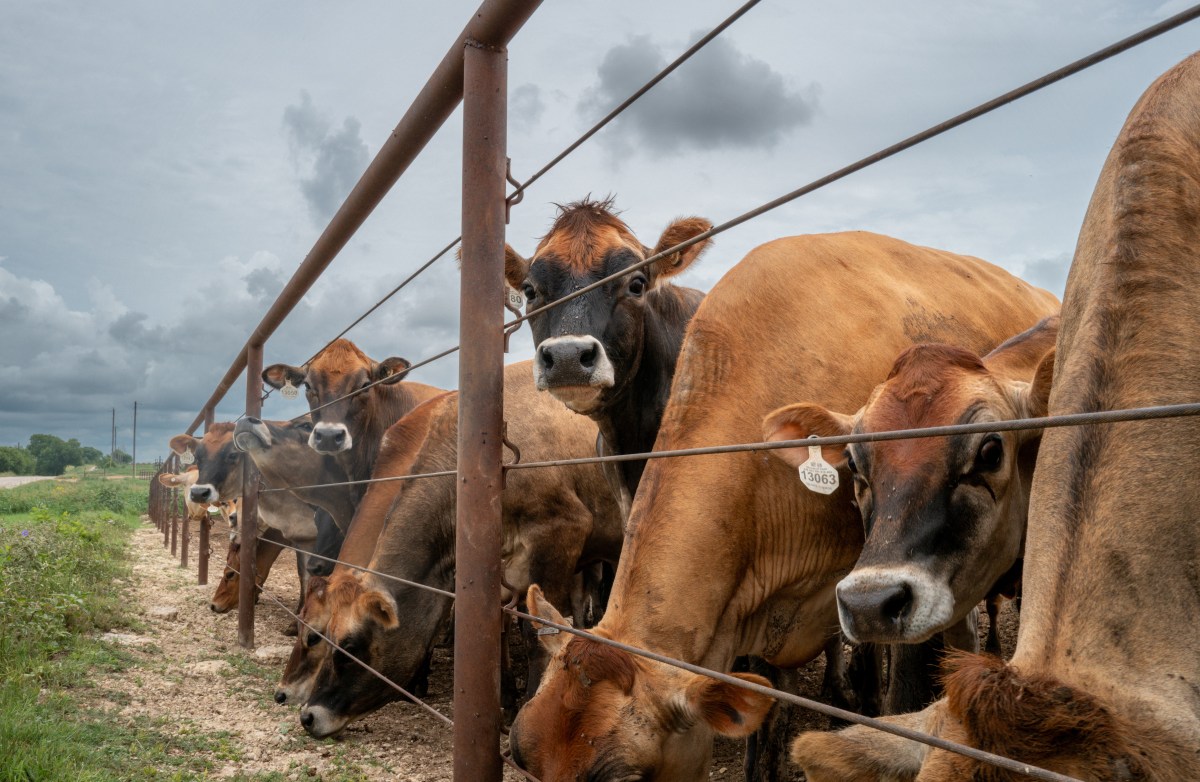
President Donald Trump announced a deal to allow up to 300,000 metric tons of ground beef to be imported into the U.S. without extra tariffs. He said this beef would be sold at 25% below current market prices to lower costs for American consumers. However, many details about the deal, such as the source of the beef and how the price cuts will be enforced, remain unclear.
Key Facts
The deal allows importing up to 300,000 metric tons of beef without extra tariffs if imports exceed certain limits.
President Trump stated the imported beef would cost 25% less than current U.S. market prices.
It is not yet known which countries will supply the beef, but likely sources include Mexico, Canada, Australia, Brazil, and Argentina.
The National Cattlemen’s Beef Association and senators from beef-producing states criticized the announcement.
The White House plans to issue an executive order within two weeks that may provide more details.
Importing more beef follows rising beef prices caused by a smaller U.S. cattle herd due to drought and high feed costs.
Details about who made the price commitment and how it will be enforced are still missing.
It is unclear how these lower prices will be passed on to consumers at stores.
Read the Original
Want the full story? Tap a source to open the original
article.
New information has emerged about the failed trade talks between the United States and Canada, which led to each country imposing 50 percent tariffs on some goods from the other. The U.S. Trade Representative revealed that the United States had previously offered to lower tariffs before the recent escalation. Separately, President Donald Trump is set to participate in a celebratory lap during the IndyCar Grand Prix.
Key Facts
The U.S. and Canada had trade negotiations that did not succeed.
As a result, both countries charged 50 percent tariffs on certain imported goods from each other.
U.S. Trade Representative Jamieson Greer disclosed details of these talks in an interview.
The U.S. had made offers to reduce tariffs before the situation worsened.
The tariffs are part of a trade dispute causing economic tension between the two countries.
President Donald Trump will take an honorary lap at the IndyCar Grand Prix, a racing event.
The tariff conflict originated from disagreements over trade policies and rules.
Officials from both countries have been negotiating to resolve the issue.
Read the Original
Want the full story? Tap a source to open the original
article.
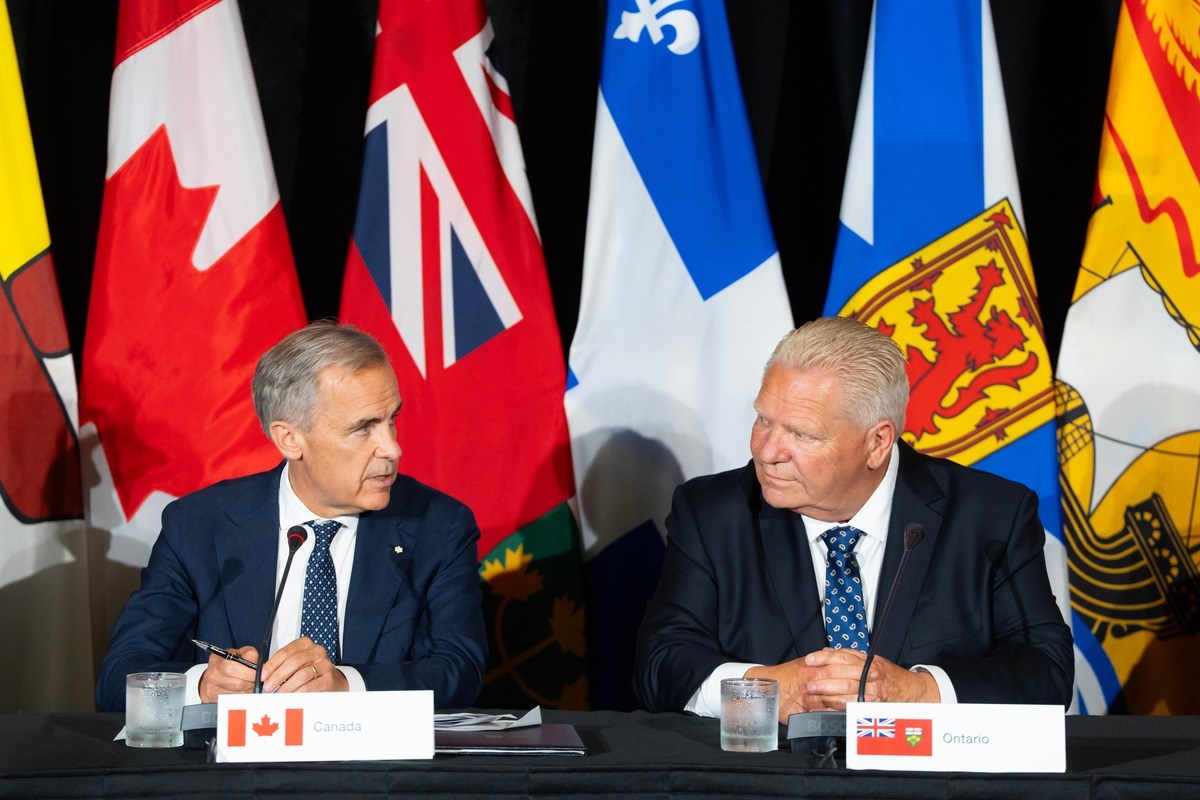
Ontario Premier Doug Ford wants Canada to impose extra tariffs on eight U.S. states after trade talks between Canada and the U.S. failed. The U.S. recently set a new 50% tariff on Canadian goods, leading Canada to consider retaliatory measures.
Key Facts
Doug Ford asked Canada to target Alabama, Arkansas, Florida, Iowa, Missouri, Montana, Texas, and Wisconsin with new tariffs.
Canada suspended trade negotiations with the U.S. after last-minute changes proposed by the U.S. were called "unfair."
The U.S. introduced a 50% tariff on nearly $20 billion worth of Canadian imports.
Over 75% of Canadian exports go to the U.S., and Canada is the second-largest market for U.S. goods.
Canada and the U.S. have a closely linked economy, especially in energy, minerals, and manufacturing parts.
Canadian Prime Minister Mark Carney said Canada will apply counter-tariffs in September but does so reluctantly.
President Donald Trump criticized Canada on social media, accusing it of unfair tariffs on U.S. farmers.
Some U.S. politicians expressed concern that tariffs will hurt businesses and families in their states.
Read the Original
Want the full story? Tap a source to open the original
article.
Stores are starting to sell Halloween decorations and candy in August, much earlier than in the past. This change reflects a trend of stretching holiday seasons longer, influenced by business decisions and customer demand.
Key Facts
Halloween products like costumes, treats, and decorations are available in stores like Target and CVS starting in August.
Some customers question the timing because August is still very hot, making it feel out of season.
Retailers use data about buying habits to decide when to stock holiday items.
People who collect holiday decorations might end up storing Halloween items for many months before use.
There is a concern that holiday seasons are overlapping more, shrinking the time between celebrations.
The expansion of holiday display periods is partly driven by retailers wanting to maximize sales.
Climate changes affecting seasons may also change how people think about holiday timing.
Online shopping allows consumers to buy holiday items anytime, adding to the trend of year-round availability.
Read the Original
Want the full story? Tap a source to open the original
article.
A new study tested over 110 personal care products like shampoos and lotions and found that about 85% contained toxic chemicals not listed on their labels. Some products marked as “eco,” “natural,” or “phthalate-free” still had harmful substances, raising concerns about product safety and the need for stronger regulations.
Key Facts
Researchers tested 113 personal care items bought from major stores like Target and Amazon.
About 85% of the products contained toxic chemicals not mentioned on their labels.
Products labeled as “eco,” “green,” or “natural” still had unsafe chemicals in 26% of cases.
Harmful chemicals found included phthalates, parabens, Pfas, formaldehyde, and hormone disruptors.
Some toxic chemicals may come from product ingredients, illegal additions, or plastic packaging.
Many unlabeled chemicals fall under “fragrance” on ingredient lists, which can include over 1,200 hazardous substances.
The study used a wide-ranging chemical test to detect 303 different chemicals, some being carcinogens or linked to health problems.
Researchers and small businesses want stronger laws to ensure product safety and help honest producers avoid contamination.
Read the Original
Want the full story? Tap a source to open the original
article.
President Trump and Canada have entered a trade war after talks broke down. The US imposed 50% tariffs on $20 billion of Canadian goods, and Canada plans to respond with matching tariffs, raising tensions between the countries.
Key Facts
The US placed 50% tariffs on $20 billion worth of Canadian products starting Saturday.
Canadian Prime Minister Mark Carney pledged to match these tariffs “dollar for dollar” beginning September 8.
Products affected by US tariffs include hockey sticks and tongue depressors.
Both sides blamed each other for the failed trade negotiations.
President Trump criticized Canada on social media for charging US farmers high tariffs.
The trade conflict threatens the North American trade agreement USMCA, which governs $2 trillion in trade.
Canada views the tariff conflict as a trade war initiated by the US.
US trade representative Jamieson Greer said the US acted to protect American workers and supply chains after a year of Canadian retaliations.
Read the Original
Want the full story? Tap a source to open the original
article.
The US is seeing rising government bond yields, which means investors want higher interest to hold government debt. This has caused the US Treasury to intervene in the bond market to try to lower those yields, showing concern about the country’s growing debt. Several factors like inflation fears, increased corporate borrowing by tech companies, and the rising US public debt are contributing to this market tension.
Key Facts
The US debt recently passed $40 trillion.
The US Treasury intervened in bond markets to reduce high bond yields, including increasing purchases of long-term bonds.
Rising bond yields can increase the cost for the government to borrow money.
Inflation worries, partly due to continued conflicts affecting oil prices, are pushing investors to demand higher yields.
Large amounts of corporate debt from big tech companies investing in AI data centers compete with government bonds for investors’ money.
US public debt has grown rapidly during President Trump’s second term, partly due to tax cuts and other spending decisions.
The Congressional Budget Office predicts US debt could grow from 100% to 175% of GDP over the next 30 years without major policy changes.
The US Treasury allowed foreign central banks like Japan to borrow against US Treasury holdings instead of selling them, aiming to stabilize markets.
Read the Original
Want the full story? Tap a source to open the original
article.
Saudi Arabia is investing billions of dollars to become a leader in the global video game industry. This includes buying the game company Electronic Arts for $55 billion and hosting the Esports World Cup outside Saudi Arabia for the first time, in Paris. These actions aim to reduce the country's reliance on oil and gas money.
Key Facts
Saudi Arabia made a $55 billion purchase of Electronic Arts, a major video game company.
The Esports World Cup, a top gaming competition, is being held in Paris instead of Saudi Arabia.
The country is focusing on the gaming industry to diversify its economy.
Diversifying means finding new sources of income beyond oil and gas.
Saudi Arabia aims to become a global power in Esports, which refers to competitive video gaming.
Hosting international events helps the country gain more influence in the global gaming scene.
The move reflects a broader economic shift in Saudi Arabia’s national strategy.
This investment is one of the biggest in the gaming industry by any country.
Read the Original
Want the full story? Tap a source to open the original
article.