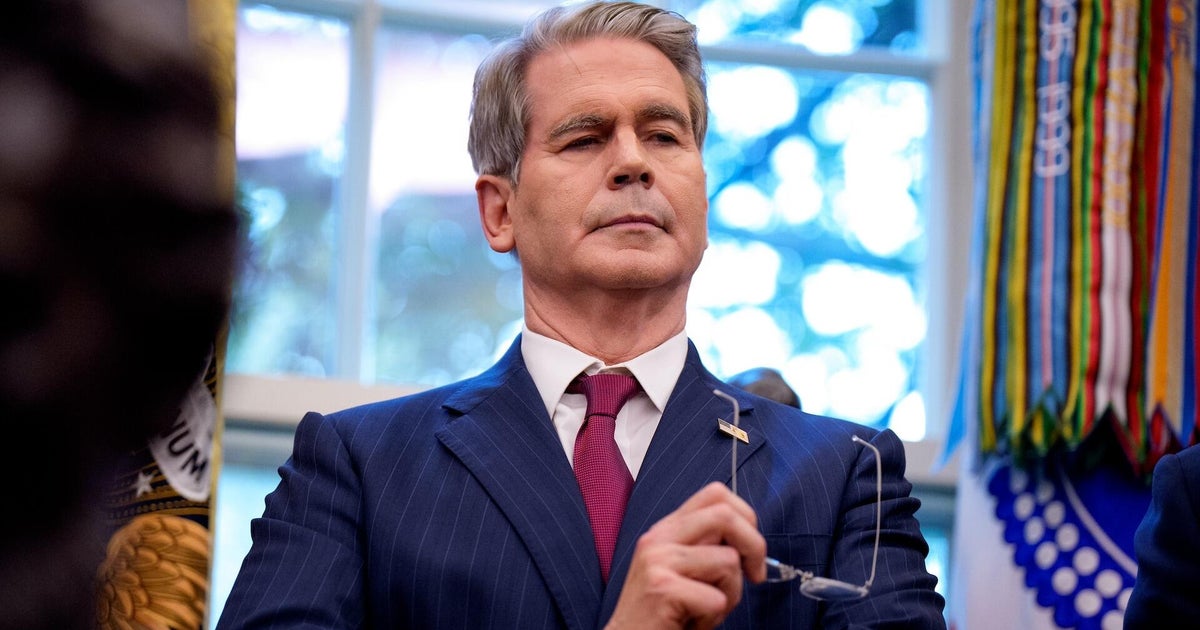
President Donald Trump threatened tough economic actions against Iran, calling it an “economic D-Day.” After his announcement, US oil prices rose, and US stock markets experienced their biggest losses in three weeks, while US government debt reached a new record.
Key Facts
President Trump warned of severe economic sanctions on Iran and any country doing business with it.
Iran dismissed Trump’s threats, calling them a distraction from US problems.
The Strait of Hormuz remains closed, disrupting about 20% of the world’s oil and gas shipments.
US crude oil prices rose to about $86.70 per barrel after Trump’s statement.
The Dow Jones Industrial Average dropped 703.84 points (1.32%) on the day following the threat.
The 30-year US Treasury bond yield rose to over 5.25%, near a 20-year high, showing reduced investor confidence.
The US Treasury tried to calm markets by increasing debt buybacks to $4 billion but was unsuccessful.
US government total debt passed $40 trillion recently.
Read the Original
Want the full story? Tap a source to open the original
article.
The bond market is experiencing problems because borrowing costs are going up. Treasury Secretary Scott Bessent is working to ease worries in the market as these issues continue.
Key Facts
Borrowing costs in the bond market are rising.
This increase is causing concern globally.
Treasury Secretary Scott Bessent is addressing these concerns.
The situation is affecting how investors view bonds.
The bond market plays a key role in government and corporate borrowing.
Higher borrowing costs can lead to more expensive loans for governments and companies.
The market is still adjusting to these changes.
Officials are closely monitoring the bond market situation.
Read the Original
Want the full story? Tap a source to open the original
article.
Waymo, a company owned by Alphabet, has doubled its spending on lobbying the U.S. government to support faster approval for fully autonomous taxi services. This increase is part of a growing competition with Uber, which prefers a gradual introduction of robotaxis alongside human drivers.
Key Facts
Waymo spent over $1 million on lobbying between April and June, more than twice the amount it spent a year earlier.
Waymo’s lobbying expenses are now close to Uber’s and higher than other rivals like Amazon’s Zoox and Tesla.
Waymo wants faster approval for fully driverless taxis, while Uber supports a mixed model with both robotaxis and human drivers.
The two companies’ different approaches have worsened their partnership in cities like Austin and Atlanta.
Both Waymo and Uber face resistance from politicians and labor groups concerned about job losses for human drivers.
Waymo increased its lobbying spending by 93% in the first half of 2026, reaching over $2 million.
Waymo has pushed local governments, including Washington, DC, and New York, to approve autonomous vehicle services.
Uber advocates for hybrid networks where at least 85% of rides in pilot programs include human drivers.
Read the Original
Want the full story? Tap a source to open the original
article.
A 9-month certificate of deposit (CD) can earn more interest than a regular savings account, with rates around 4.00% to 4.40% currently available. A $25,000 deposit in such CDs could earn about $746 to $820 in interest over nine months, but the money is locked in until the term ends.
Key Facts
A CD (certificate of deposit) is a savings product with a fixed interest rate for a set time.
Current 9-month CD rates range from about 4.00% to 4.40% APY (annual percentage yield).
A $25,000 deposit at 4.40% APY could earn about $820 in interest in nine months.
At 4.00%, the same deposit might earn around $746 in interest over nine months.
CDs offer predictable returns since rates stay fixed until the CD term ends.
Early withdrawal from a CD may result in a penalty, reducing flexibility.
High-yield savings accounts offer similar interest rates but allow easier access to funds.
Choosing the highest CD rate can increase earnings by about $74 over nine months on $25,000.
Read the Original
Want the full story? Tap a source to open the original
article.
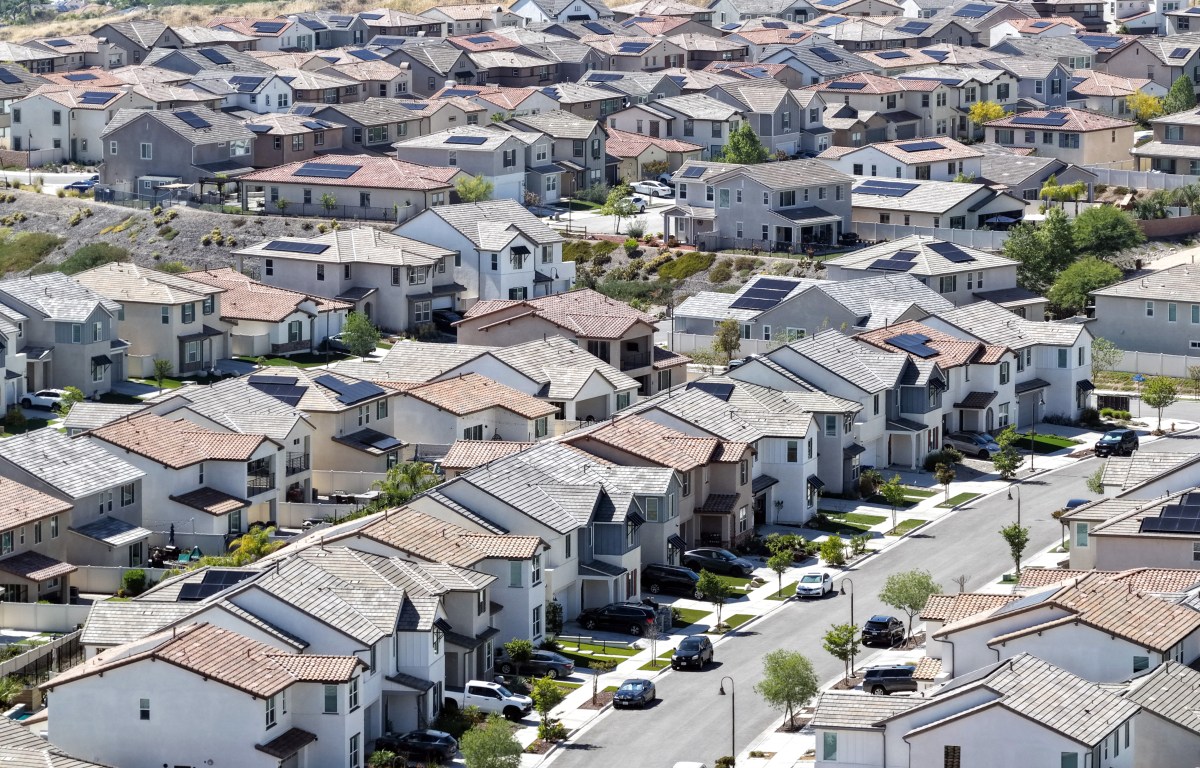
U.S. homeowners now have a record $34.9 trillion in home equity, according to LendingTree. The highest home equity is found in states like Hawaii and California, while southern states have much lower home equity. Home equity is the part of a home’s value that owners truly own after paying off any mortgage debt.
Key Facts
Total U.S. home equity reached $34.9 trillion as of early 2026.
Hawaii leads with the highest median home equity at $425,000.
California has the second highest median home equity at $350,000.
The top five states for home equity include Massachusetts, Utah, and New Jersey.
Southern states like Louisiana and Alabama have the lowest median home equity, around $130,000 to $150,000.
Rise in home values benefited existing homeowners but made buying homes harder for many new buyers.
Home equity can be used by owners to get loans for home repairs, debt consolidation, or other big expenses.
Home prices per square foot grew much faster in the West (105%) than in the Midwest (63%) over the past decade.
Read the Original
Want the full story? Tap a source to open the original
article.
A campaign called BackBlack is encouraging everyday people to donate to Black-led nonprofits, aiming to increase their funding. Over the past three years, the initiative has raised more than $12 million and is now using social media creators to reach young Black donors.
Key Facts
BackBlack supports underfunded Black-led nonprofits and has raised over $12 million in three years.
The campaign runs in August and uses online donation platforms to focus on Black-led groups.
Last year, more than 130,000 donors gave, mostly donating less than $100 each.
This year, the campaign is working with social media creators to attract Black Gen Z donors.
Research shows most smaller Black-led nonprofits did not receive significant funding increases after 2020’s racial justice attention.
The campaign aims to empower Black communities and shift the view from a lack of resources to abundance.
Founder Floyd Jones highlights the historic tradition of Black communities supporting themselves, like entrepreneur Madam C.J. Walker.
The campaign welcomes donors regardless of how much money they have, focusing on collective effort.
Read the Original
Want the full story? Tap a source to open the original
article.
Jamie and Jools Oliver paid themselves £1.7 million in dividends in 2025, which is over 40% less than the previous year. Their company’s profit almost halved to £1.25 million due to costs from restructuring and new projects, although sales stayed about the same.
Key Facts
Jamie Oliver Holdings had sales of £28.4 million in 2025, slightly down by £160,000 from the previous year.
Pre-tax profits dropped from £2.4 million to £1.25 million because of £1.46 million in special costs and expenses for new projects.
The company lost about 20 jobs during a restructuring process.
Restaurant sales increased by 17% to £4.3 million, and franchise restaurant sales grew by 6.5% to £4 million.
Cookery school income rose 48% to £1.6 million, helped by a new school in London’s Oxford Street.
Jamie Oliver re-opened a Jamie’s Italian restaurant in London in 2024 with plans for more locations in the UK and worldwide franchises.
Revenue from royalties, licensing, and endorsements dropped by nearly £2 million to £15.9 million.
Jamie Oliver promoted the Life360 app using short video episodes on social media.
Read the Original
Want the full story? Tap a source to open the original
article.
Airbus has reduced its plans to limit remote work after several strikes by employees in Spain, France, and the UK. Instead of working from the office four days a week, staff can now work from home about two days a week.
Key Facts
Airbus wanted to cut remote work to one day per week starting in September.
Employees previously could work remotely two days a week.
Strikes happened in Spain, France, and the UK over remote work rules and other issues.
About 40% of Airbus workers in Spain joined the strikes.
Airbus CEO Guillaume Faury wanted more staff back in the office to meet demand and improve teamwork.
Production was not affected by the strikes.
Airbus agreed to a slower transition and kept two remote workdays per week based on employee feedback.
The company aims for more on-site work to improve decision-making and knowledge sharing.
Read the Original
Want the full story? Tap a source to open the original
article.
Chinese courts have begun formal bankruptcy proceedings against Evergrande’s main property development unit and sentenced its founder, Hui Ka Yan, to life in prison for financial crimes. Evergrande, once the world’s most indebted property developer, collapsed under massive debt in 2020, and efforts to resolve its financial problems are expected to take a long time.
Key Facts
A court in Guangzhou accepted a bankruptcy liquidation case against Evergrande’s mainland Chinese property unit.
Hui Ka Yan, Evergrande’s 67-year-old founder, was sentenced to life in prison for financial crimes.
Several others related to Evergrande, including Hui’s sons, received prison sentences up to 18 years.
Evergrande defaulted on about $300 billion in liabilities in 2020.
The company’s collapse was triggered by government regulations limiting borrowing in China’s real estate sector.
The real estate market in China has suffered a downturn, with home prices falling over 20% since 2021.
Hong Kong and mainland China legal systems differ, complicating efforts to recover Evergrande’s assets and pay creditors.
Analysts say the bankruptcy process will be lengthy due to Evergrande’s size and complexity.
Read the Original
Want the full story? Tap a source to open the original
article.
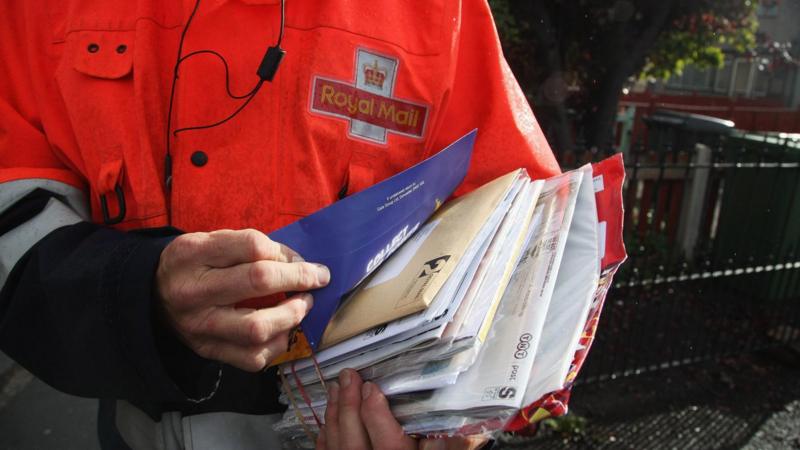
Royal Mail has missed its goals to deliver first and second class mail on time but has improved from last year. The company plans to invest £500 million over five years to meet official delivery targets by May 2027.
Key Facts
Between March and June, Royal Mail delivered 85% of first class mail the next day, below the 90% target.
Second class mail was delivered within three days 91% of the time, under the 95% target.
These numbers are better than the same period last year, when first class was 76% and second class was lower.
Royal Mail is owned by International Distribution Services, which was bought in 2025 by Czech billionaire Daniel Kretinsky.
The company faces fines and an ongoing investigation by the regulator Ofcom for missing delivery targets.
In October last year, Royal Mail was fined a record £21 million for poor service in 2024-25.
Royal Mail admits service delays in some areas have been "totally unacceptable," with some mail delayed for weeks or months.
Chief Operating Officer Jamie Stephenson says progress is being made but more work is needed as part of a £500 million investment plan.
Read the Original
Want the full story? Tap a source to open the original
article.
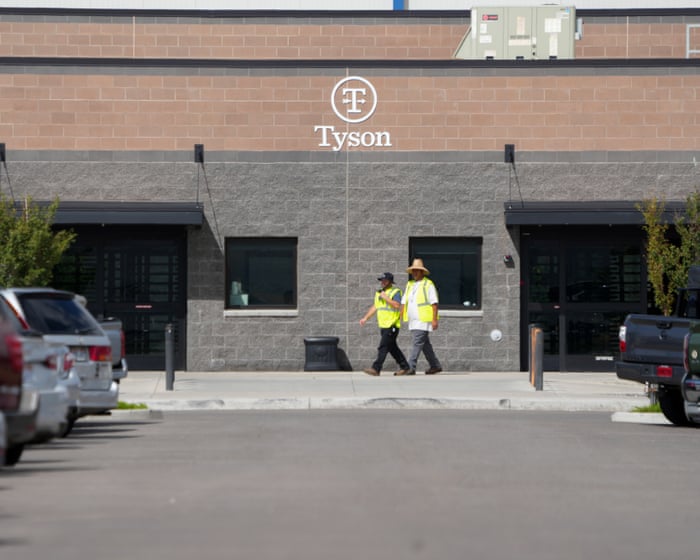
Tyson Foods is closing two beef plants in Iowa and Utah and selling another in Washington due to a very low supply of cattle, the lowest in 75 years. Despite these closures, experts say beef prices are unlikely to rise sharply because the US has enough processing capacity and demand is the main factor pushing prices up.
Key Facts
Tyson Foods is the largest meatpacking company in the US.
Two Tyson beef plants in Iowa and Utah are closing; a plant in Washington is being sold.
The US cattle supply is at its lowest point in 75 years, caused by drought, rising costs, and fewer ranchers.
Beef prices have increased about 9% over the past year, while pork and chicken prices have fallen.
Tyson reported a 15.9% drop in beef volume and a $138 million operating loss in the last quarter.
The US meatpacking industry has more processing capacity than needed, so beef from closed plants can be processed elsewhere.
The Federal Trade Commission (FTC) warned companies that secretly changing prices based on personal data may break the law. This kind of personalized pricing means different people could see different prices for the same product, raising questions about fairness and transparency.
Key Facts
The FTC says businesses must reveal if a price is personalized and explain why it differs for each customer.
Personalized pricing uses individual data to set unique prices instead of a single posted price for all shoppers.
Traditional pricing gave everyone a common price, which consumers expected to be the same for all.
The FTC cannot fully ban personalized pricing but may act against hidden or misleading pricing under existing law.
Different kinds of pricing include dynamic pricing (based on demand), personalized offers (coupons, promotions), and person-specific pricing (individual price changes).
Political discussions about affordability often focus on overall inflation, but personalized pricing shifts the debate to fairness in how individuals are charged.
Surveys show many voters are concerned about cost of living and how pricing impacts their personal finances.
A Senate subcommittee recently held a hearing on pricing fairness shortly before the FTC’s statement.
Read the Original
Want the full story? Tap a source to open the original
article.
This article presents five notable books being released this fall from diverse authors including Marlon James and President Joe Biden. The books cover different styles, from fantasy and fiction to political biography and memoir.
Key Facts
Marlon James’ new novel, "The Disappearers," is a mix of fantasy and real events set in Jamaica, involving a violent attack on eight gay men in 1988.
"American Scoundrel" by Kai Bird and Susan Goldmark explores Roy Cohn’s political influence, including his work with Senator McCarthy and mentor role to Donald Trump.
President Donald Trump spoke briefly to the authors of "American Scoundrel" but declined a full interview due to his presidential duties.
Emma Cline’s "Switzy" is a story about a retired businessman headed to an assisted dying center, highlighting themes of memory and mental decline.
Joe Biden’s book "Promise Me, America," is also among the fall releases, adding presidential memoir to the collection.
Yiyun Li’s "Music Against the Night" and other books offer a variety of genres including fiction, poetry, and nonfiction.
Several of these books have been longlisted for the prestigious Booker Prize for literature.
The article highlights the diverse topics and voices in prominent upcoming book releases this season.
Read the Original
Want the full story? Tap a source to open the original
article.
As midterm election news dominates the fall, bookstores are seeing more interest in fiction books than political or nonfiction works. Political books, including those about President Donald Trump and President Joe Biden, are less popular, while presidential memoirs remain notable exceptions.
Key Facts
Fiction books are expected to be more popular than political or nonfiction books this fall.
President Joe Biden’s memoir "Promise Me, America" is a rare notable political book release.
Political books have lower sales compared to the peak during President Trump's first term.
Analysts say readers are tired of political news and the fast news cycle makes it hard for political books to stand out.
Michael Lewis' book "Blockers" about Trump’s second term is among the few new political books gaining attention.
Other new political books focus on President Biden’s years in office and related topics.
Presidential memoirs continue to be important events in publishing despite the general slump in political book sales.
Read the Original
Want the full story? Tap a source to open the original
article.
A recent poll shows that most Americans under 30 do not have a very positive view of capitalism, with only 9 percent expressing strong support. Older generations, like Baby Boomers, have a more favorable opinion, with 33 percent viewing capitalism very positively. This difference highlights a growing divide in attitudes toward the economy between younger and older people.
Key Facts
Only 9 percent of Americans under 30 have a very positive view of capitalism.
33 percent of people over 65 have a very positive view of capitalism.
The data comes from a poll conducted by CBS and YouGov.
This shows a clear difference in economic opinions between Generation Z and older generations.
The trend reflects changing attitudes toward the current economic system among younger Americans.
The article links these views to the rising popularity of the Democratic Socialists of America (DSA).
The DSA is gaining more support among younger voters who are critical of capitalism.
This shift could influence future political and economic debates in the U.S.
Read the Original
Want the full story? Tap a source to open the original
article.
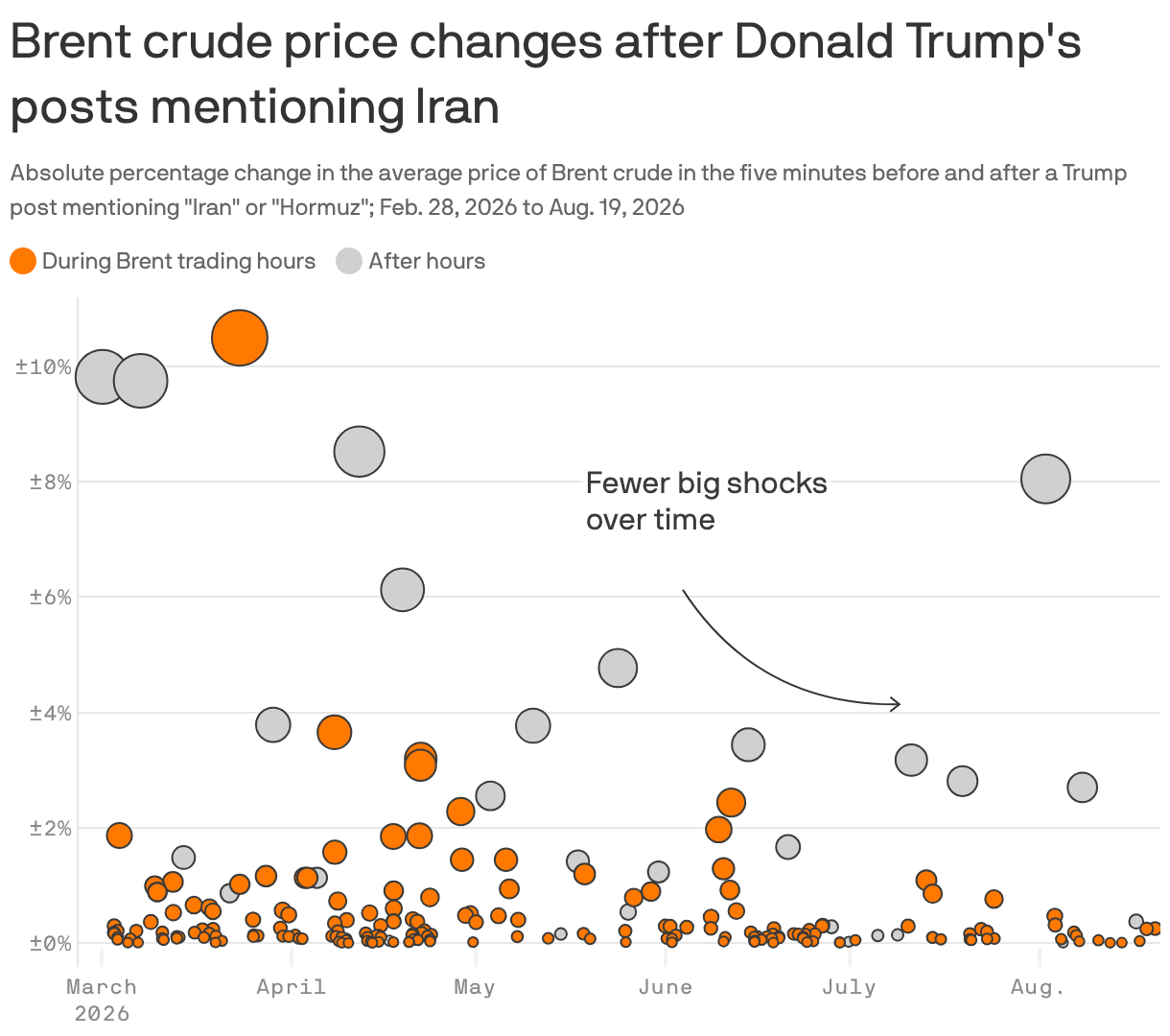
Oil price changes caused by President Trump's social media posts about the Iran war have become smaller over time. At first, these posts affected oil prices a lot, but now the market is less influenced because traders rely more on real-world information.
Key Facts
An analysis tracked 269 posts by President Trump about Iran or the Strait of Hormuz from Feb. 28 to Aug. 19.
Initially, oil prices changed by about 0.73% shortly after these posts appeared, nearly four times the usual short-term change.
Over time, the influence of these posts on oil prices has decreased.
Traders now pay more attention to actual events on the ground than to social media posts.
The Strait of Hormuz is a key waterway for oil transport, making it important to global oil supply.
President Trump’s Truth Social platform charges Wall Street firms up to $1.2 million annually for early access to posts.
This paid service is currently involved in legal challenges.
The reduced impact of Trump’s posts on oil prices affects political debates, especially energy prices discussed in the upcoming midterm elections.
Read the Original
Want the full story? Tap a source to open the original
article.
The Los Angeles Lakers basketball team, originally bought for $16 million in 1979, is now potentially being sold for $12.5 billion to Bob Iger and Josh Kushner. This sale would make the Lakers the most valuable basketball team and shows a growing trend of big investors and private equity buying sports teams.
Key Facts
Jerry Buss bought the Lakers in 1979 for $16 million and owned the team until his death in 2013.
At Jerry Buss’s death, the Lakers were worth $1 billion.
Bob Iger, former Disney CEO, and Josh Kushner, brother-in-law to President Trump’s son-in-law, are negotiating to buy the Lakers for $12.5 billion.
The NBA must approve the sale, and the Buss family is debating whether to sell their minority 17.8% stake.
The Lakers were sold in June 2025 to private equity investors Mark Walter and Todd Boehly for $10 billion, who may now sell it again for a profit.
This quick resale reflects a shift in sports ownership where teams are bought and sold for investment, not just tradition or family ties.
Some NBA teams, like the Indiana Pacers and Chicago Bulls, still have long-term family owners.
Many sports teams are becoming financial assets for investors rather than community symbols.
Read the Original
Want the full story? Tap a source to open the original
article.
Retail sales in Great Britain fell by 0.5% in July despite hot weather and the men’s football World Cup increasing demand for food and drink. Non-food stores, especially clothing and furniture, saw declines as people stayed home due to the heat and shopped less in stores.
Key Facts
Retail sales volume dropped 0.5% in July after rising in May and June.
Non-food stores fell 1.3%, mainly because of less clothes shopping and fewer furniture purchases.
Heatwaves made people stay home more, reducing visits to high street shops.
Food and drink sales rose due to hot weather and World Cup-related demand.
Pubs and sports bars had higher sales during the World Cup but are counted separately from retail.
The British Beer & Pub Association reported pubs sold 30 million extra pints during the tournament, adding £150 million in sales.
Retail experts noted consumers spent more on barbecue supplies and fans but visited shops less.
Some stores had delivery delays due to the heatwave affecting stock availability.
Read the Original
Want the full story? Tap a source to open the original
article.
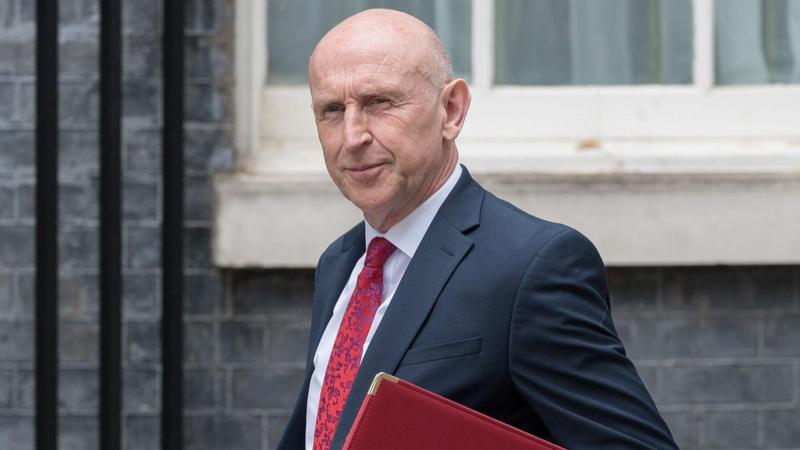
The UK government borrowed more money in July than expected, with borrowing reaching £1.8 billion, which is higher than last year. Chancellor John Healey is preparing his first Budget, aiming to control spending while helping households with rising living costs.
Key Facts
The UK government borrowed £1.8 billion in July, £2.3 billion more than official forecasts.
Borrowing in July was about two-thirds higher than the same month last year.
Increased welfare spending, including benefits and state pensions, raised borrowing by £2 billion compared to last year.
From April to July, the government borrowed £56.7 billion, lower than last year but higher than expected.
Chancellor John Healey plans to maintain strong fiscal discipline and limit day-to-day spending increases.
Government debt is nearing £3 trillion, growing by £127.2 billion over the past year.
Economists warn there is little room to increase borrowing in the upcoming Budget due to economic pressures.
The Conservative party criticized Labour’s spending, highlighting high interest costs on debt.
Read the Original
Want the full story? Tap a source to open the original
article.
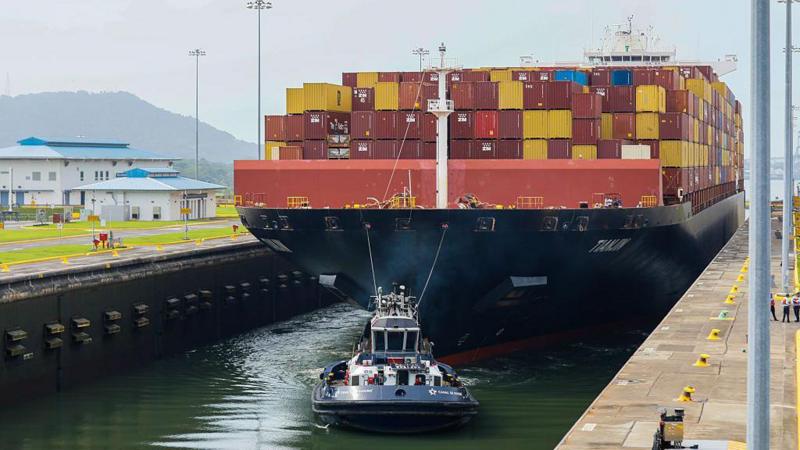
The Panama Canal will reduce the number of ships passing through daily from 36 to 32 starting September 15 due to low rainfall caused by the El Niño weather pattern. This measure aims to protect water supplies and ensure the canal’s long-term operation, which is vital for global trade and Panama’s economy.
Key Facts
The Panama Canal Authority announced a cut in daily ship traffic from 36 to 32 vessels starting September 15.
Low rainfall caused by El Niño is affecting water levels needed to operate the canal.
El Niño is a natural warming pattern of sea surface temperatures with global weather effects, intensified by climate change.
The canal is open 24/7, 365 days a year, and serves about 14,000 ships annually.
Panama earns about $3 billion a year from the canal, which shortens travel between the Atlantic and Pacific oceans.
Water-saving measures have already been introduced, but more restrictions are needed to maintain service reliability.
In 2023, similar cuts were made due to a very dry October during the last El Niño period.
The current El Niño is expected to be unusually strong, potentially causing global disruptions in weather and food supplies.
Read the Original
Want the full story? Tap a source to open the original
article.