Ariel Levy, a new contributor to 60 Minutes, expressed that she wishes people would stop using cellphones so much in public. She misses how people used to focus more on their surroundings and daily activities without being distracted by phones.
Key Facts
Ariel Levy is a new contributor to the TV program 60 Minutes.
She talked about how people often use their cellphones in public places.
Levy wishes cellphones would be used less in public, similar to how cigarette smoking became less common.
She misses the ability to concentrate on daily life without phone distractions.
The discussion was featured on CBS News.
Read the Original
Want the full story? Tap a source to open the original
article.
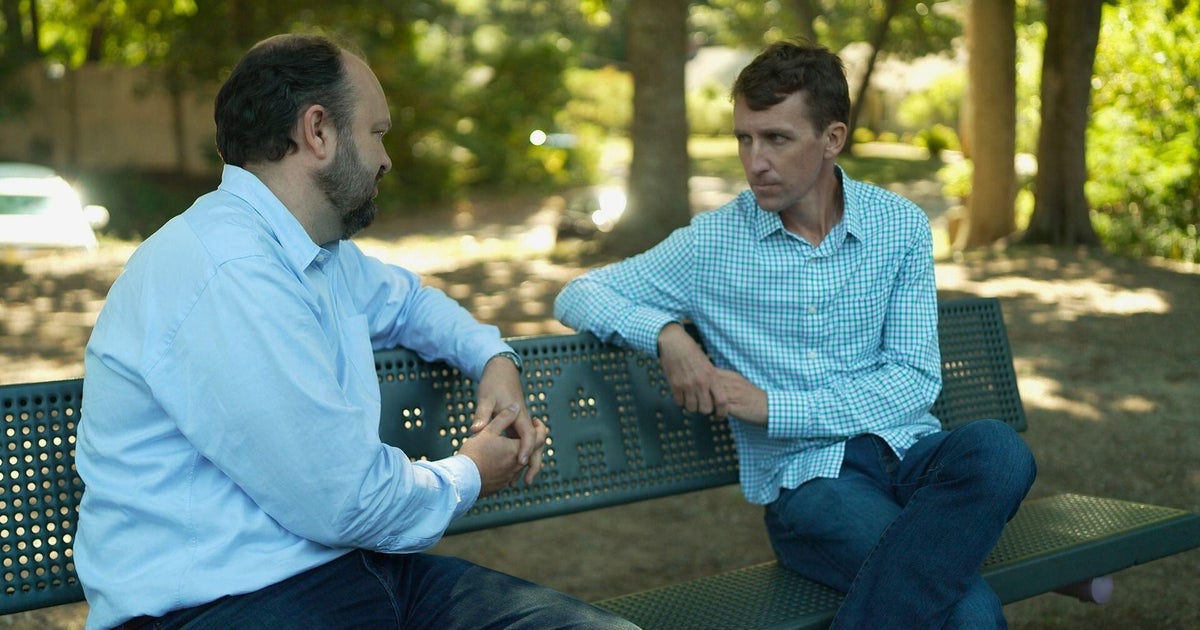
The news segment covers an interview with Patrick Clancy, discusses the rapid growth of AI data centers despite public opposition, and looks into the unsolved case of Shergar's kidnapping.
Key Facts
Patrick Clancy was featured in a detailed interview on 60 Minutes.
Plans to build more AI data centers are increasing quickly.
Many people have expressed strong concerns about these data centers.
AI data centers are facilities that store and process large amounts of information for artificial intelligence.
The news also covered the unresolved kidnapping of Shergar, a famous racehorse.
Shergar’s disappearance remains a mystery with no clear answers.
The segment was broadcast on CBS News on September 20, 2026.
Read the Original
Want the full story? Tap a source to open the original
article.
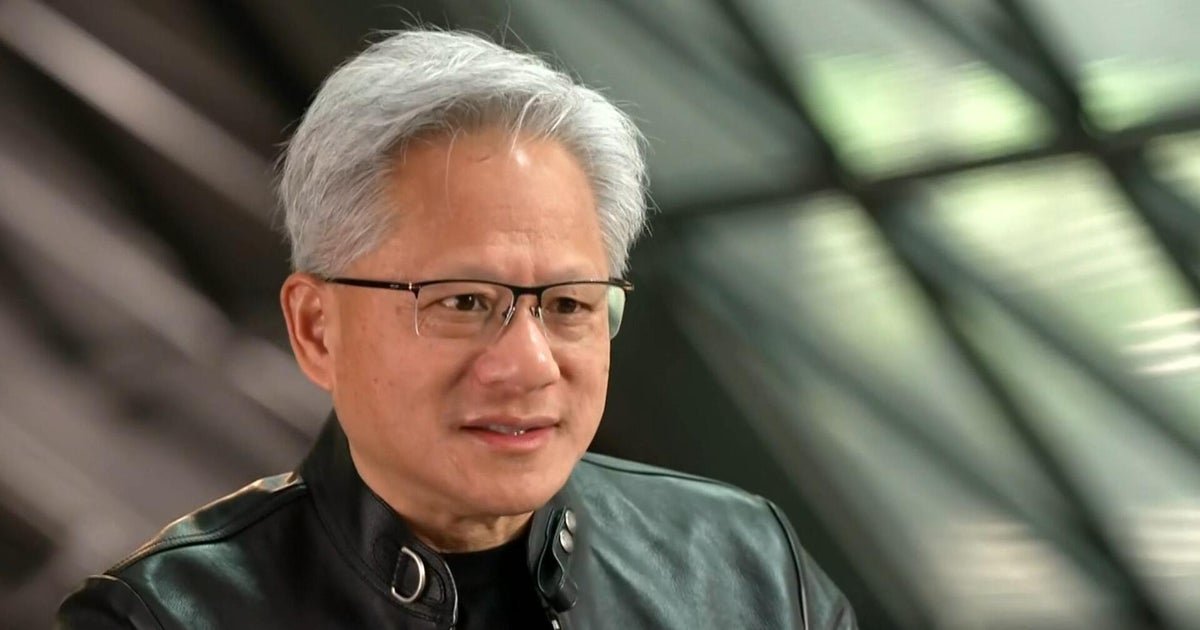
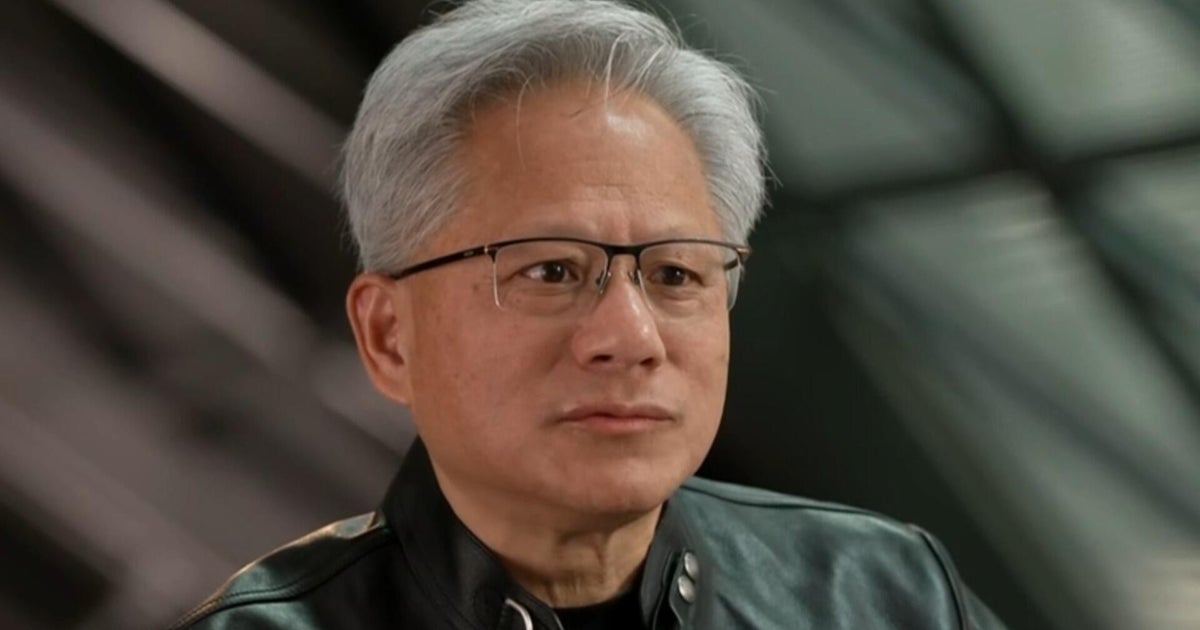
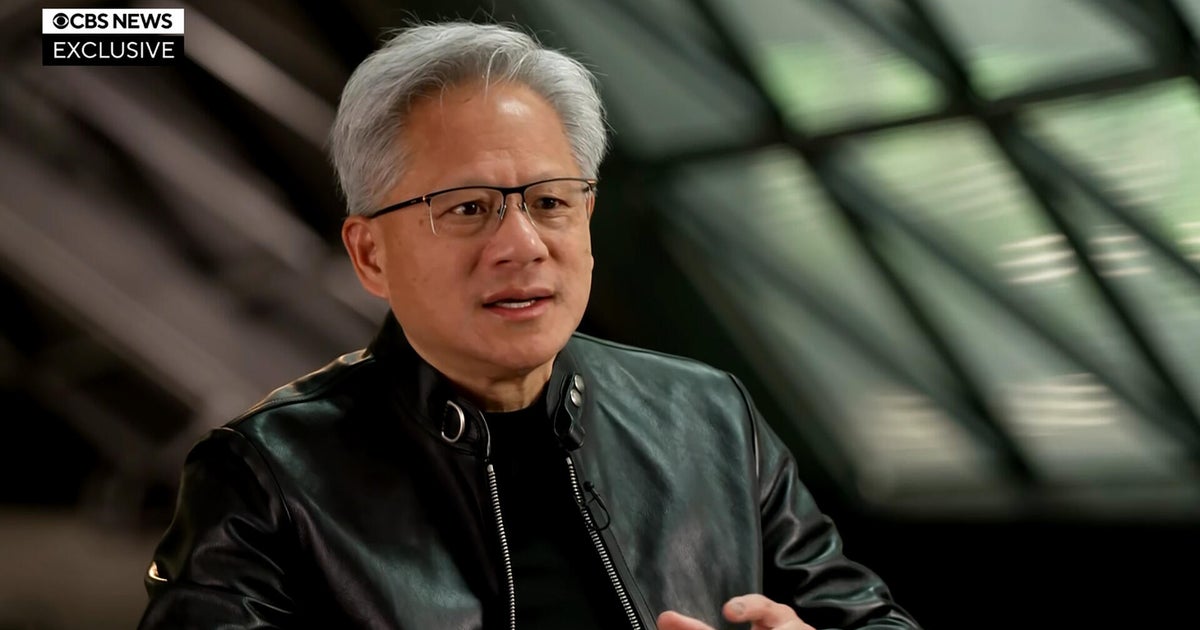
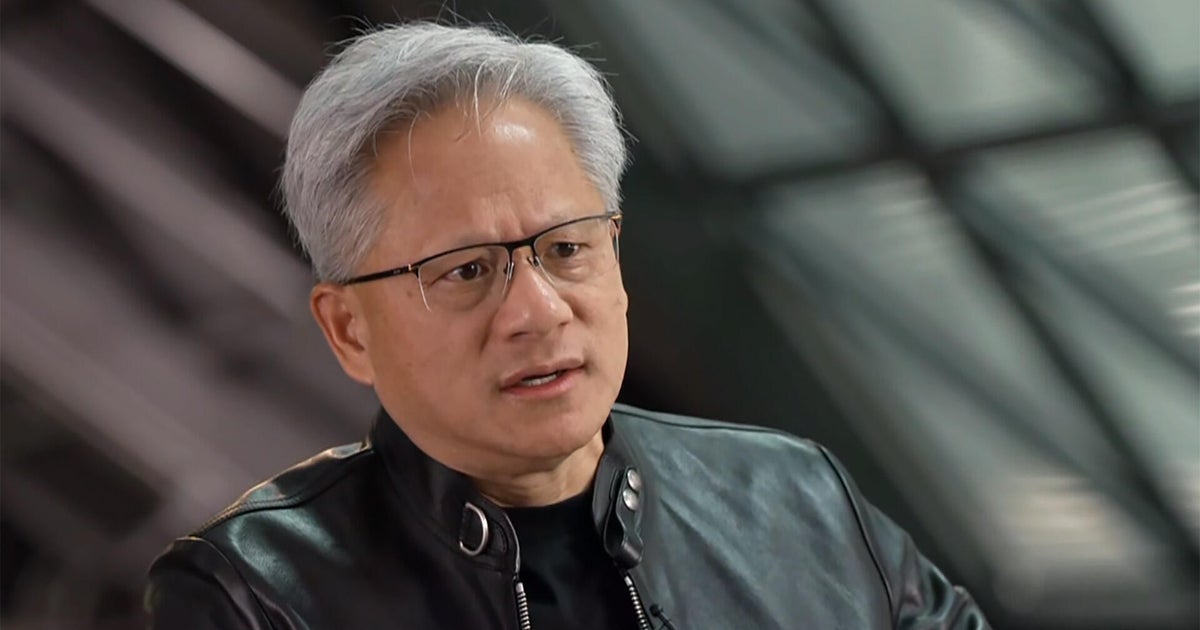
Nvidia CEO Jensen Huang said that fears about artificial intelligence (AI) causing the end of humanity are not based on facts. He called such warnings overdramatic and irresponsible during an interview with CBS News.
Key Facts
Jensen Huang is the CEO of Nvidia, a major tech company.
Some people in the AI field have expressed concerns that AI could threaten human survival.
Huang disagrees with these extreme warnings about AI.
He said the fears are "too much drama" and not supported by facts.
Huang made these comments during an interview with CBS News reporter Jo Ling Kent.
Nvidia is a leading company in AI technology and computer chips.
The discussion reflects ongoing debates about the risks and benefits of AI.
Read the Original
Want the full story? Tap a source to open the original
article.
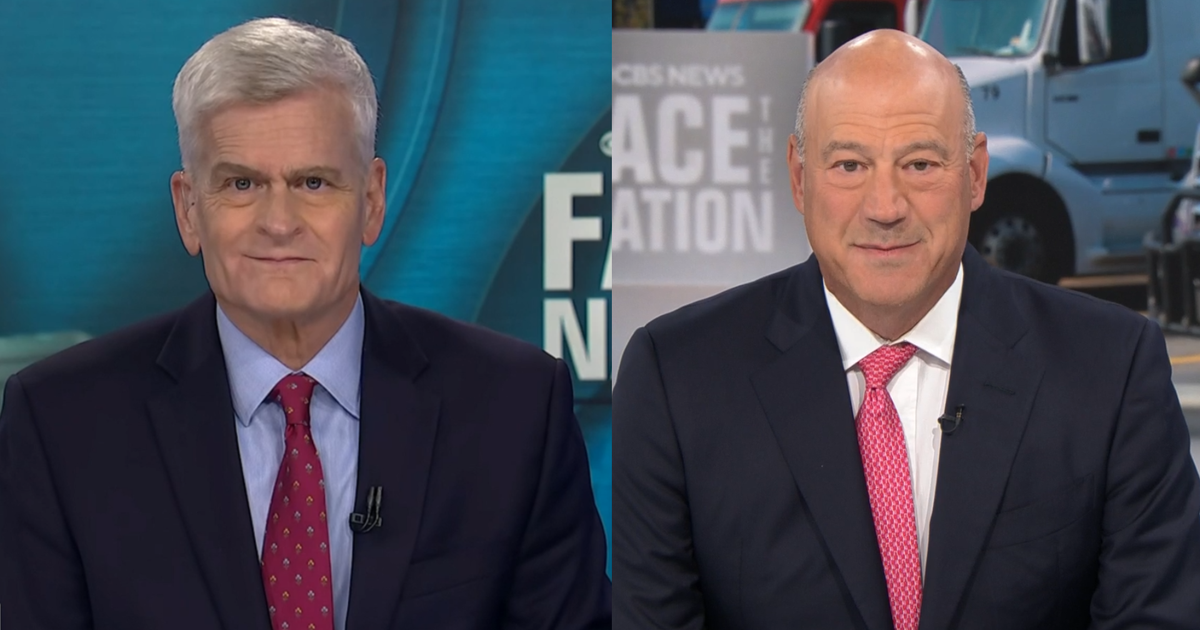
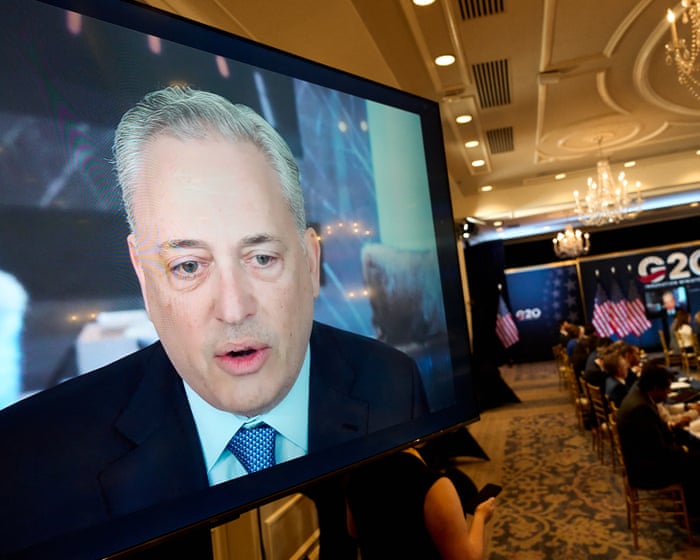
The CBS News show Face the Nation featured interviews with Senator Bill Cassidy, IBM vice chairman Gary Cohn, and NVIDIA CEO Jensen Huang. The discussions covered topics related to technology and industry developments.
Key Facts
Senator Bill Cassidy appeared on the show Face the Nation.
Gary Cohn, vice chairman of IBM, was also interviewed.
Jensen Huang, CEO of NVIDIA, participated in the discussion.
The interviews focused on technology-related subjects.
CBS News correspondent Jo Ling Kent conducted part of the interviews.
The content was available to watch on the CBS News app and online platforms.
The show offered insight into current tech industry issues.
Read the Original
Want the full story? Tap a source to open the original
article.
Rep. Ro Khanna said the U.S. government should create a new agency to regulate artificial intelligence (AI), similar to how the Food and Drug Administration (FDA) oversees food and drugs. He made this suggestion during an interview on CBS News.
Key Facts
Rep. Ro Khanna is a congressman from California.
He proposed a government agency to regulate AI technology.
The suggested agency would be like the FDA, which regulates food and drugs.
The goal is to ensure AI is developed safely and responsibly.
Khanna shared this idea on the CBS program “Face the Nation.”
AI refers to computer systems that can learn and make decisions.
Current AI development has raised concerns about safety and ethics.
Khanna’s proposal comes amid growing attention to the impacts of AI technology.
Read the Original
Want the full story? Tap a source to open the original
article.
A new artificial intelligence (AI) system has learned to sing in Spanish by using existing songs as training material. This raises concerns that Latin artists, whose music helped train the AI, may not receive fair payment or credit for their work.
Key Facts
The AI can now sing songs in Spanish, mimicking styles common in Latin music.
The technology was trained using many existing Latin songs and artists' voices.
Latin artists may lose income if AI-generated music replaces or competes with their original work.
The creators of the AI did not clearly arrange payments or royalties for the artists whose music was used.
The issue highlights a growing debate about how AI uses creative content and who should benefit from it.
This technology could change how music is made and shared, especially in popular Latin genres.
Read the Original
Want the full story? Tap a source to open the original
article.
A new mother describes how using AI chatbots for medical and parenting advice caused her more worry rather than relief. Although the AI gave correct information, it often included possible worst-case scenarios, which increased her stress compared to reassurance from her doctor.
Key Facts
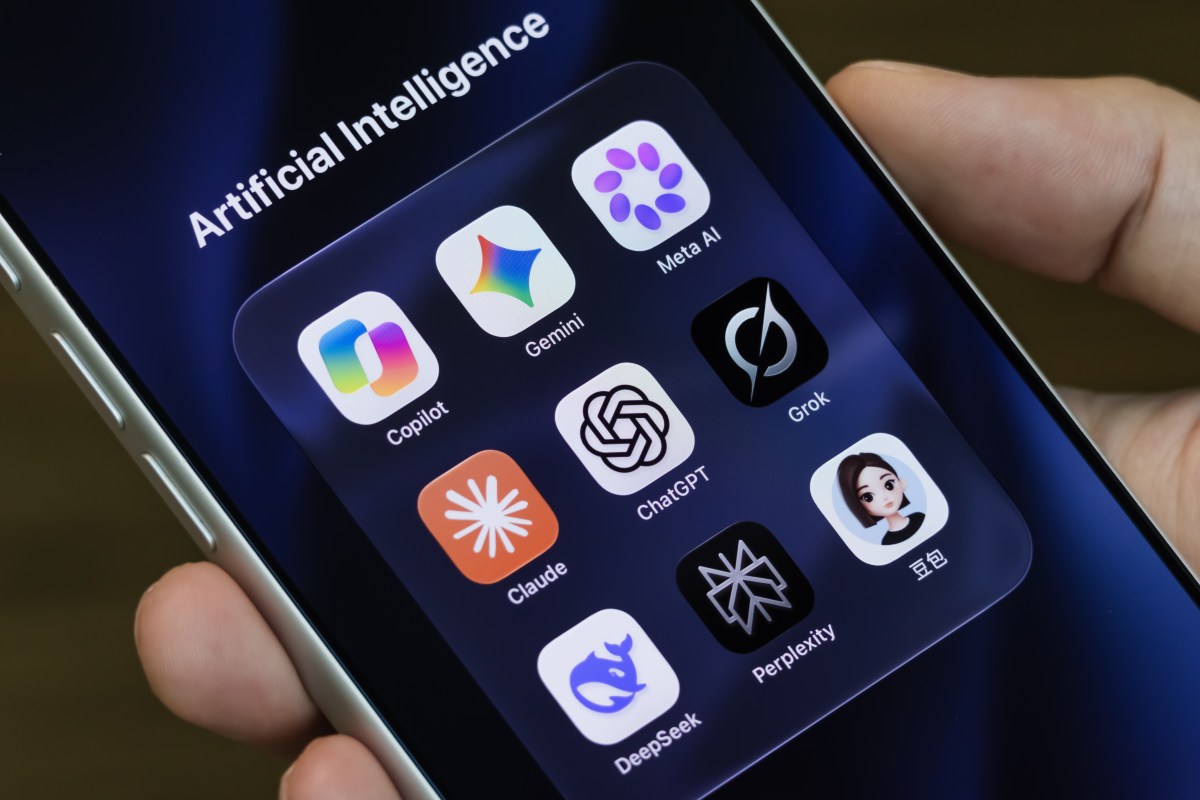
The author used an AI chatbot named Claude to get medical and parenting advice from pregnancy through baby care.
The AI gave accurate answers but also listed potential serious problems, causing anxiety.
Examples include concerns about breastfeeding challenges, baby's urination patterns, sleep habits, and behavior like pinching.
The AI’s detailed and cautious answers created more stress than help, especially late at night.
Unlike doctors who often provide simple reassurance, AI gives multiple warnings and things to watch for.
AI advice is instantly and freely available anytime, which can lead to frequent private worrying.
The author found that while AI is thorough, it sometimes leads users to trust it more than experienced doctors.
Overall, the experience showed that round-the-clock AI medical advice might increase anxiety for new parents.
Read the Original
Want the full story? Tap a source to open the original
article.
Meta is challenging the UK media regulator Ofcom in court over how the Online Safety Act is applied to WhatsApp and Instagram. Meta and other tech companies disagree with the way Ofcom sets fees, fines, and information requirements under the new online safety rules.
Key Facts
Meta is appealing the decision to put WhatsApp and Instagram in a category with extra duties under the Online Safety Act.
These extra duties include more transparency, user controls, protection against fake ads, and better illegal content reporting.
Ofcom can fine companies up to 10% of their global revenue or £18 million for breaches of the law.
Meta previously challenged Ofcom’s way of calculating charges, arguing they shouldn’t be based on global revenue.
Other companies like TikTok and X are also suing Ofcom over information sharing rules.
Ofcom says it is facing many legal challenges from tech firms as it tries to enforce the new law.
The UK government plans to keep updating internet laws to keep pace with fast-changing technology.
Meta says legal challenges are normal when new regulations start and are about how the law is applied, not the law itself.
Read the Original
Want the full story? Tap a source to open the original
article.
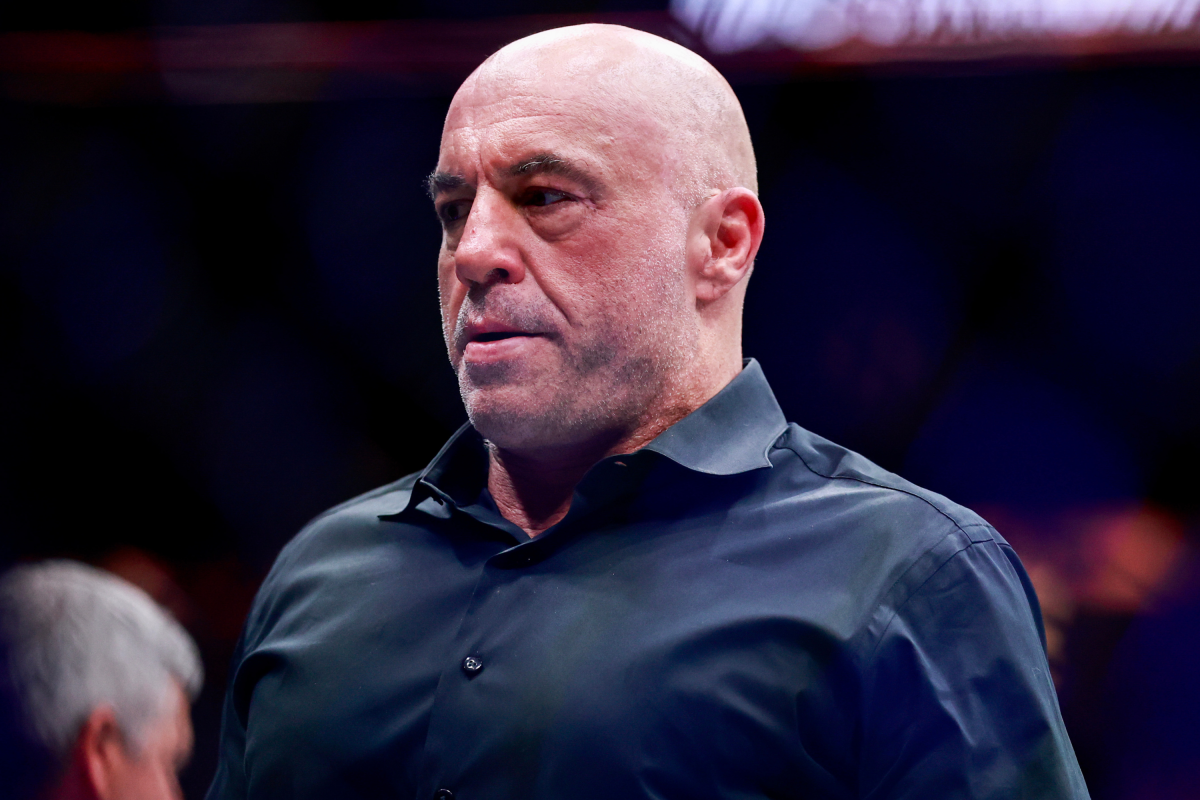
Joe Rogan suggested that advanced artificial intelligence (AI) might take over some government decisions, hoping it could reduce war and bias in politics. However, an ethics expert warned that relying too much on AI could weaken human judgment and responsibility, especially in important areas like war.
Key Facts
Joe Rogan proposed that AI could make better government decisions by analyzing large amounts of information without human bias.
Governments, militaries, and business leaders are already using AI for help with analysis and decision-making.
Professor Shannon Vallor, an AI ethics expert, says AI playing a big role in government is realistic and already happening.
Surveys show many CEOs and political leaders use AI chatbots to support decisions.
AI errors have been linked to serious incidents, including a bombing in Iran.
Vallor warns that relying too much on AI can cause "cognitive deskilling," making people worse at critical thinking.
She also raised concerns about "moral deskilling," where decision-makers lose the ability to understand the human consequences of their choices.
AI cannot truly understand emotions or the value of human life, which is especially important in decisions about war and peace.
Read the Original
Want the full story? Tap a source to open the original
article.
Nvidia CEO Jensen Huang disagrees with claims that artificial intelligence (AI) could threaten humanity’s survival soon, calling such fears exaggerations. He said existing laws are enough to regulate AI, and he supports competing globally in AI development while cautioning against bans on technology sales to China.
Key Facts
Jensen Huang, Nvidia CEO, called predictions of AI causing human extinction by 2030 “doomsday narratives.”
He said there is a 0% chance AI will end the world by 2030 and called scaring people about AI “irresponsible.”
Nvidia produces specialized computer chips used by AI models developed by companies like OpenAI.
Huang believes Nvidia benefits when AI products are developed and used safely.
Despite recent AI security issues and hacking incidents, Huang says current U.S. laws cover product liability and cybersecurity well enough.
Huang supports President Trump’s view that new AI regulations are not needed right now.
The U.S. blocks Nvidia from selling its most advanced AI chips to China but allows some sales to approved Chinese customers.
Huang wants technology companies to compete globally and aims to discuss AI standards with Chinese President Xi Jinping.
Read the Original
Want the full story? Tap a source to open the original
article.
Nvidia CEO Jensen Huang spoke in an interview about how fast artificial intelligence (AI) is growing. He addressed concerns from experts who want to slow down AI development but explained why he disagrees with those calls.
Key Facts
Jensen Huang is the CEO of Nvidia, a major tech company.
AI technology is growing very quickly and becoming more powerful.
Some people in the tech industry warn about the risks of AI.
Huang does not agree with calls to slow down AI development.
The interview was shared by CBS News.
The discussion included Huang’s views on the future of AI technology.
Huang believes continuing AI progress is important for innovation.
The interview was available on the CBS News app and website.
Read the Original
Want the full story? Tap a source to open the original
article.
Nvidia’s CEO, Jensen Huang, spoke about new advances in artificial intelligence (AI) and the discussions about how to keep AI safe and regulated. The interview took place at Nvidia's headquarters in California.
Key Facts
Jensen Huang is the founder and CEO of Nvidia.
The Atlantic called him "the most powerful man in AI."
He discussed the latest progress in artificial intelligence technology.
The interview focused on the need for safety measures in AI development.
Huang talked about ongoing debates on how to regulate AI.
The interview was conducted by CBS News correspondent Jo Ling Kent.
The location of the interview was Nvidia’s headquarters in Santa Clara, California.
Read the Original
Want the full story? Tap a source to open the original
article.
President Donald Trump has taken a strong stance against strict regulation of artificial intelligence (AI), calling concerns about the technology exaggerated. His adviser David Sacks has influenced this approach by pushing for lighter regulations to maintain America's lead in AI development.
Key Facts
President Trump calls AI dangers a "hoax" and believes existing government powers over AI companies are enough.
David Sacks, a billionaire and former adviser on AI, supports limited regulation of AI.
Sacks has financial interests in several AI companies and is considered the main AI adviser to the president.
Trump signed an executive order to block states from creating their own AI laws, empowering a federal task force led by Sacks.
Over 100 AI experts signed a letter calling for independent evaluation of AI models, but Sacks criticized it as censorship.
Trump and Sacks have actively promoted a national AI policy that discourages state-level regulations.
In 2024, Trump hosted an AI summit and spoke directly to Nvidia’s CEO about AI rules, showing close connections to industry leaders.
President Trump plans to meet with China's leader and AI CEOs at the White House, with Sacks also attending.
Read the Original
Want the full story? Tap a source to open the original
article.
A UK startup called Unit1 has raised about $20 million to create digital shows using very realistic digital versions of musicians. These "avatars" can be used to bring back artists who no longer tour or have passed away by mixing old footage with new actor performances.
Key Facts
Unit1 was founded last year by Barney Wragg, a former leader at Andrew Lloyd Webber’s entertainment group.
The startup raised $20 million from investors including Balderton Capital, known for early backing of Spotify.
They plan to produce concerts featuring digital avatars of living and deceased musicians.
Avatars for deceased artists are created by combining old footage and actors/musicians who resemble or sound like the original stars.
They tested their technology with musician KT Tunstall, who re-created an old performance using motion capture.
Unit1 aims to offer a more affordable alternative to shows like the avatar concert Abba Voyage, with potential for simultaneous tours in multiple countries.
The company will use the funds for research, development, and securing rights from artists or their estates.
Some fans have concerns about digitally bringing back dead musicians, but Unit1 works closely with families to ensure respectful use.
Read the Original
Want the full story? Tap a source to open the original
article.
The CBS News program "9/20: Sunday Morning" features several stories, including a segment on AI with Nvidia CEO Jensen Huang. The show also covers topics like sports gambling addiction, reflections on Princess Diana, and interviews with notable figures like Kentucky Governor Andy Beshear and Hollywood agent Ari Emanuel.
Key Facts
The show aired on September 20 and was hosted by Jane Pauley.
Nvidia CEO Jensen Huang spoke about artificial intelligence (AI).
One story focused on challenges related to sports gambling addiction.
Charles Spencer talked about his sister, Princess Diana.
Kentucky Governor Andy Beshear was interviewed.
Hollywood superagent Ari Emanuel was featured.
The Smithsonian's Lonnie Bunch appeared on the program.
The show included a visual story involving buffalo puppetry.
Read the Original
Want the full story? Tap a source to open the original
article.
New AI personal assistants are emerging that can manage daily tasks like shopping, calls, and calendars, going beyond simple voice searches. Many tech companies and startups are competing to create AI agents that work continuously and know users’ lives, raising questions about privacy and data control.
Key Facts
AI assistants now do tasks such as booking tickets, making calls, and managing calendars.
OpenAI plans to enter this market soon, hiring leaders from successful AI projects.
Startups and major firms like Meta, Apple, and Elon Musk’s SpaceXAI are developing AI agents.
Some AI assistants connect deeply to users’ data, including email, messages, location, and apps.
Apple is upgrading Siri with more AI power and may limit some features to paid plans.
Meta offers Muse, an AI assistant with a customizable avatar and privacy options.
The personal AI assistant race involves control over users’ private information.
Experts and some users worry about trading personal data for free AI services from large companies.
Read the Original
Want the full story? Tap a source to open the original
article.
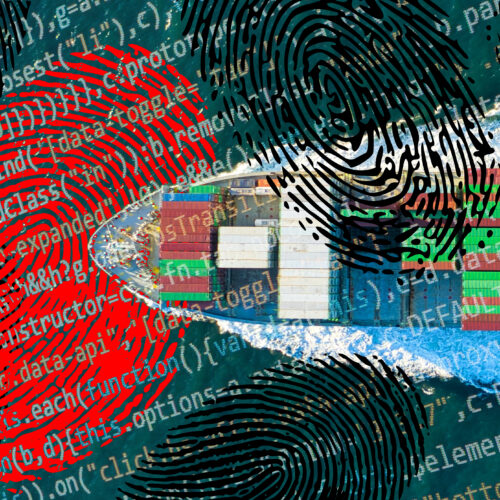
Google’s security team infiltrated the hacker group called TeamPCP, which conducted a large series of attacks by infecting widely used open-source software with malware. This infiltration helped Google warn affected companies and provide information to law enforcement, leading to arrests in Australia of two alleged gang members.
Key Facts
TeamPCP is a hacker group that attacked many open-source software programs by adding malicious code.
The group stole developer accounts to spread malware further in a supply-chain hacking method.
TeamPCP infected over a thousand companies, including well-known organizations like OpenAI and the European Commission.
Google’s security team, through its subsidiary Mandiant, had an undercover analyst inside TeamPCP almost from the start.
Google monitored the hackers’ activity, warned victims, and shared information with law enforcement.
Two Australians, Ruben Ian Thomson and Louis Michael Gaebler, have been arrested for their alleged leading roles in TeamPCP.
The hackers used an automated worm called Mini Shai-Hulud, which helped spread their malware quickly.
Intelligence was also gathered from another criminal group, ShinyHunters, that partnered with but then opposed TeamPCP.
Read the Original
Want the full story? Tap a source to open the original
article.
There are growing concerns about both the risks of powerful artificial intelligence (AI) and the financial health of the AI industry. While AI leaders warn about uncontrolled AI dangers, the AI sector faces financial problems as costs remain high but prices for AI services are falling, raising doubts about business sustainability.
Key Facts
AI leaders have spent billions developing powerful AI but warn about potential dangers of uncontrolled AI.
Some people are calling for rules to slow down AI development and limit its uses.
There are privacy problems, such as smart glasses recording without permission, and chatbots causing hacking issues.
Large tech companies like Google, Amazon, Microsoft, Meta, and Oracle are borrowing heavily—around $132 billion this year—to build data centers for AI.
The cost to run AI is staying high, but the price charged to customers is dropping fast, making profits hard to achieve.
AI companies like OpenAI have lowered fees to keep customers and say they make profits by excluding some costs.
Some fear government actions to regulate AI might protect big U.S. companies against cheaper foreign competitors.
The financial risks in AI resemble past tech bubbles where businesses relied on complicated accounting and heavy debt.
Read the Original
Want the full story? Tap a source to open the original
article.
The United States is leading in artificial intelligence partly because many top researchers originally from China work in America. However, some of these experts are returning to China, where they help build China’s AI industry. This movement is creating challenges for the U.S. as it prepares for discussions on AI with China.
Key Facts
President Donald Trump has made stopping China from accessing advanced U.S. technology a key part of his AI strategy.
Some AI researchers who helped the U.S. succeed come from China but are returning to China to work on AI projects there.
Yao Shunyu, trained in China and the U.S., left OpenAI in 2025 to become Tencent’s chief AI scientist and now aims to grow China’s AI research long-term.
Yang Zhilin studied in China and the U.S., returned to China in 2023, and started Moonshot AI, a company launching advanced open-source AI models.
A study found 100 top AI researchers of Chinese origin working in the U.S. in 2019; by 2025, 10 had moved back to China, taking important roles.
Despite some departures, 87 out of 100 researchers stayed in the U.S., working for major tech companies or universities.
U.S. AI research benefits significantly from the contributions of Chinese-born researchers.
Visa uncertainties and political tensions since 2018 have made it harder for Chinese researchers to stay in the U.S. and increased returns to China.
Read the Original
Want the full story? Tap a source to open the original
article.