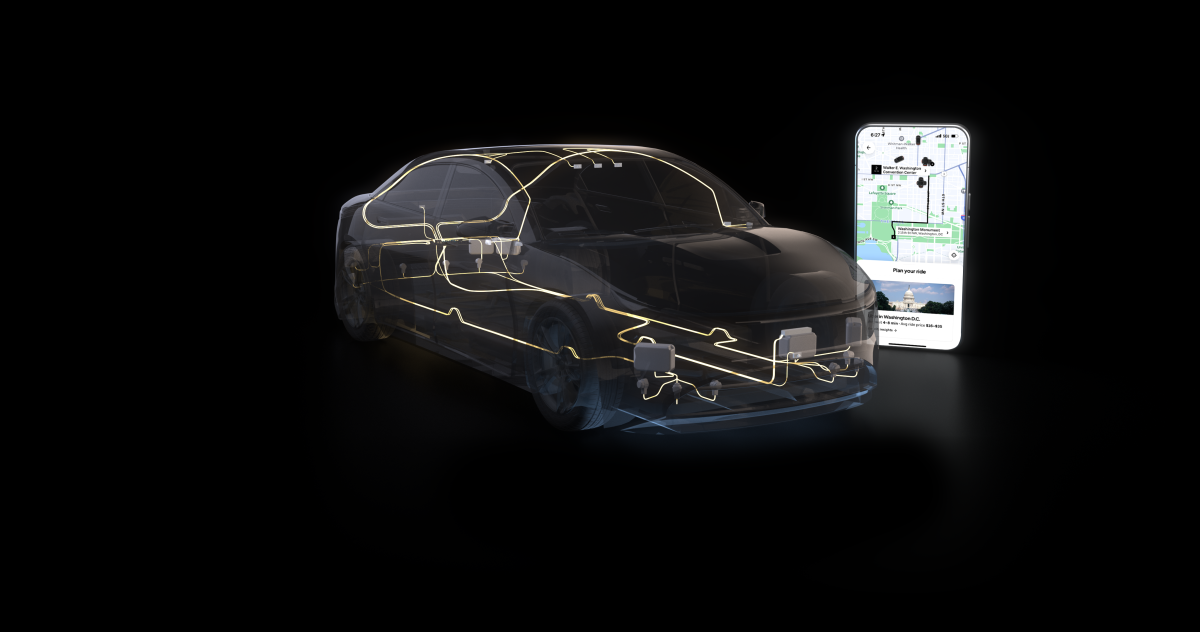
NVIDIA has developed a ready-to-use software package called DRIVE Hyperion and DRIVE AV L4 that helps car makers create self-driving cars without building the technology themselves. This system processes information faster than competitors and allows car companies to customize how their vehicles drive, with options from partial automation to fully autonomous driving in certain areas.
Key Facts
NVIDIA offers a standardized self-driving car software and hardware package called DRIVE Hyperion and DRIVE AV L4.
This system processes data about 42% faster than its closest competitor.
The software controls vehicle functions like steering, accelerating, and braking to enable autonomous driving.
Automakers can adjust the system to fit their brand and vehicle type.
The system supports various levels of autonomy, from Level 2++ (partial automation) to Level 4 (full automation in defined areas).
Mercedes-Benz was the first to use the full NVIDIA autonomous tech suite in its new CLA sedan.
Other car makers using parts of NVIDIA's technology include Hyundai, BYD, Zeekr, Isuzu, Stellantis, and Lucid Group.
NVIDIA won Newsweek’s award for the top innovator in automotive research and development for this technology.
Read the Original
Want the full story? Tap a source to open the original
article.
Volvo is introducing a new smart safety belt called the EX60, designed to adapt in real time to crash conditions and better protect different body types during accidents. This new belt system uses advanced sensors and has multiple force settings, aiming to save more lives worldwide. Volvo plans to share this technology with other carmakers in the future.
Key Facts
Volvo invented the three-point safety belt in 1959 and shared the patent openly.
Seat belts saved nearly 375,000 lives in the U.S. from 1975 to 2017.
The new EX60 safety belt uses inside and outside sensors to adjust the belt’s tightness during a crash.
It offers 11 levels of force adjustment to protect occupants of different sizes and in various crash types.
The belt is co-patented by Volvo and seatbelt maker ZF.
Volvo aims to make this technology available to other carmakers globally.
Volvo has studied over 50,000 real crashes involving 80,000 people to improve safety designs.
Volvo’s long-term goal is to eliminate car crashes through ongoing innovation, including using electrification and software development.
Read the Original
Want the full story? Tap a source to open the original
article.
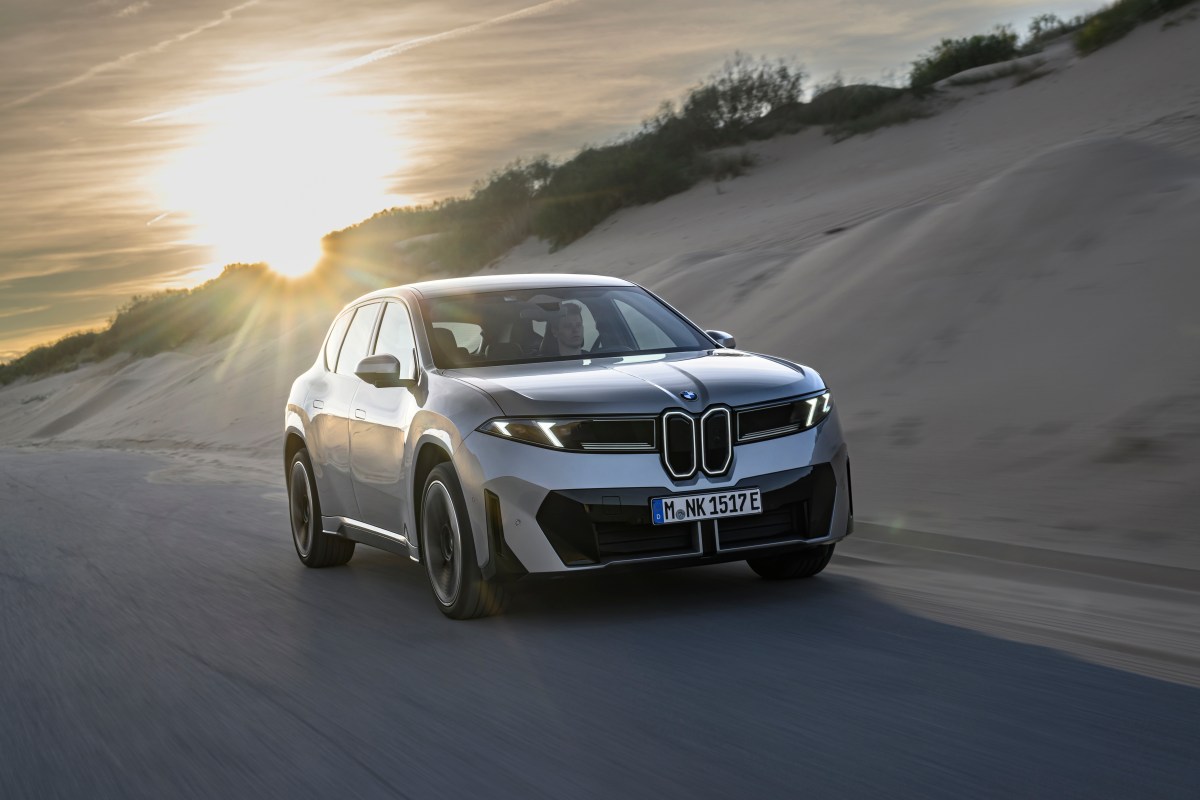
BMW has introduced a new series of electric vehicles called Neue Klasse, starting with the iX3 SUV and i3 sedan. These cars feature advanced battery and drive technologies that improve charging speed, range, and energy efficiency, setting a new standard for electric vehicles.
Key Facts
BMW launched the Neue Klasse electric vehicles, including the iX3 SUV and i3 sedan.
The Neue Klasse is built on a new vehicle design focused on electric power, digital features, and recycling.
BMW uses its Gen6 eDrive technology in these vehicles, which improves battery design and uses 800-volt systems.
These improvements allow faster charging and longer driving range compared to earlier models.
The energy consumption of these vehicles is 15.4 kWh per 100 km, better than competitors like Lucid Air and Tesla Model 3.
Neue Klasse vehicles have a powerful onboard computer called the Heart of Joy that controls driving and charging functions more precisely and faster than before.
BMW plans to apply Neue Klasse technology to 40 new or updated models by 2027.
BMW received the Powertrain Disruptor of the Year award from Newsweek for these innovations.
Read the Original
Want the full story? Tap a source to open the original
article.
Rivian is designing and building its own computer chips to run the software in its electric vehicles. This allows the company to control and improve the performance and updates of its cars more efficiently than relying on outside suppliers.
Key Facts
Rivian creates both the software and the silicon chips that power its vehicles.
This approach is called vertical integration, meaning Rivian controls more parts of the production process.
The chip development started as a small, independent project known as a skunkworks team.
The new chips will be used in the Gen 3 Autonomy Computer, supporting advanced self-driving features.
Owning the chip technology helps Rivian provide faster updates and better vehicle responsiveness.
The company avoids delays by not depending on external chip makers.
R2 SUVs with these chips will enable hands-free driving in certain situations starting in 2025.
CEO RJ Scaringe revealed the chip publicly, highlighting Rivian's commitment to innovation in AI and hardware.
Read the Original
Want the full story? Tap a source to open the original
article.
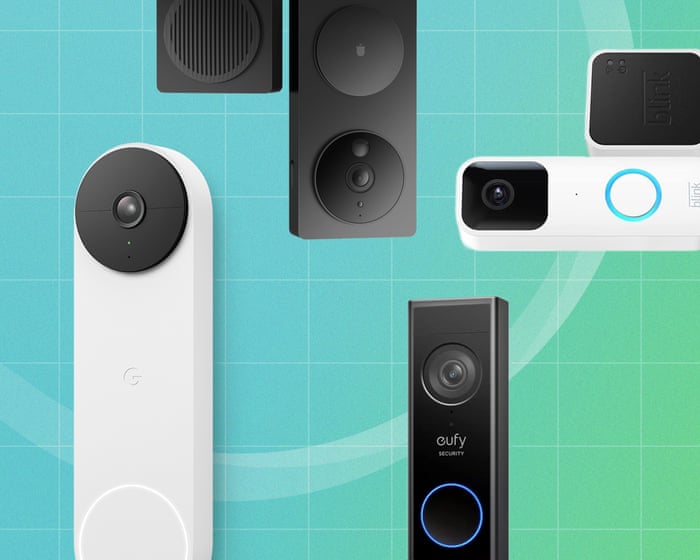
This article reviews eight popular video doorbells available in the UK to help buyers choose the best one. The Google Nest Doorbell (battery) was rated the best overall, while other models stood out for budget and subscription-free features.
Key Facts
Video doorbells act like security cameras with a doorbell chime.
The author tested eight video doorbells by installing them on a board at doorbell height for two weeks.
Testing measured motion detection distance, video quality, notification speed, app usability, price, and subscription costs.
The Google Nest Doorbell (battery) was the top overall pick, praised for its good field of view and fast alerts.
The Nest doorbell costs £129 and requires a £60 yearly subscription to save video footage.
The Blink smart video doorbell was named the best budget option at £69.99.
The Eufy video doorbell E340 was noted for not needing a subscription and priced at £119.99.
After testing, most doorbells were donated to the British Heart Foundation.
Read the Original
Want the full story? Tap a source to open the original
article.
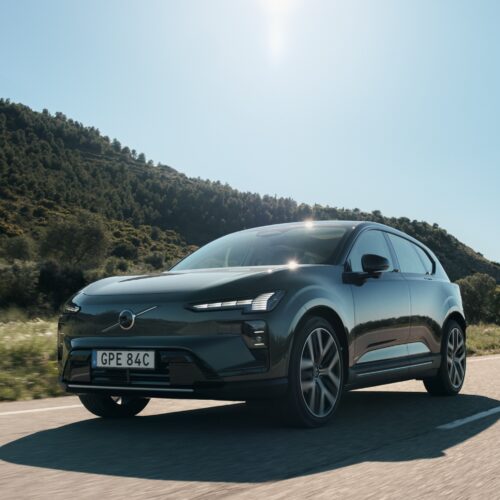
Volvo introduced the all-electric EX60 SUV, which uses a new electric vehicle platform called SPA3. It offers up to 400 miles of driving range, faster charging, and a unique structural design, including a strong aluminum frame made by megacasting and integrated battery cells for better safety and efficiency.
Key Facts
The Volvo EX60 is the first model built on the SPA3 all-electric vehicle platform.
It can drive up to 400 miles (643 km) on a single charge.
The EX60 supports very fast charging, reaching 10 to 80 percent in 16 minutes using a 350 kW charger.
Volvo uses a process called megacasting, which creates a large, lightweight aluminum part by casting molten metal into a single piece.
The battery design uses cell-to-body integration, meaning battery cells form part of the car’s structure for strength and safety.
Volvo tested the EX60 for moose collisions, using a heavy rubber moose dummy to ensure the car protects occupants in crashes with large animals.
Safety features include strong A-pillars and roof headers to shield passengers from impacts.
The EX60 starts at $59,795 and goes up to $68,745, with more powerful versions planned for the future.
Read the Original
Want the full story? Tap a source to open the original
article.
Campaigners have asked Prime Minister Keir Starmer to limit social media access for children under 16 only to apps that meet strong safety rules. They want tech companies to prove their apps are safe before letting young people use them, rather than banning all under-16s from social media.
Key Facts
Groups like NSPCC and Smartphone Free Childhood want safety checks for social media apps used by under-16s.
They want to stop risky features such as infinite scrolling, disappearing messages, and push notifications for young users.
Australia restricts app access for under-16s if the app allows social interaction or posting content.
In the UK, a government consultation is considering new online safety rules, including possible bans or feature restrictions for under-16s.
Campaigners suggest apps should be reviewed before being allowed for under-16 use, and new features should be checked for safety.
The Online Safety Act in the UK regulates social media under the watchdog Ofcom.
Some campaigners want access based on safety as a “privilege earned,” not an automatic right.
The government says it will act to keep children safe online but hasn’t finalized how yet.
Read the Original
Want the full story? Tap a source to open the original
article.
An AI engineer at Google claims he was unfairly fired after protesting Google's work with the Israeli government and urging colleagues to unionize. The engineer, who is of Palestinian heritage, alleges discrimination based on his beliefs and says he was treated as a whistleblower. Google denies these claims and says the engineer resigned voluntarily.
Key Facts
The engineer protested Google DeepMind’s AI work for the Israeli military by distributing flyers and emailing colleagues.
He criticized Google's 2025 decision to allow AI use in weapons and surveillance that may violate international rules.
The engineer asked coworkers to join a union called United Tech and Allied Workers.
He filed a legal claim in the UK, saying Google unfairly dismissed him and discriminated against his anti-war beliefs.
Google states it does not fire employees for sharing opinions or unionizing and disputes the engineer’s version of events.
Many Google AI workers have expressed concern about the company’s role in military and government AI projects.
Google has a $1.2 billion cloud computing deal with the Israeli government, which has raised protests amid conflict.
Google signed a separate AI deal with the U.S. Pentagon but says it supports using AI only with proper human oversight.
Read the Original
Want the full story? Tap a source to open the original
article.
Sony has released the 1000XX the Collexion, a special edition of its noise-cancelling headphones to celebrate ten years of the 1000X series. These headphones offer a more comfortable and luxurious design, improved materials, and strong sound quality, competing with other high-end models in the market.
Key Facts
The 1000XX the Collexion marks the 10th anniversary of Sony’s 1000X headphone line.
They cost £549 (€629/$649/A$1,000), more expensive than Sony’s previous top model, the WH-1000XM6.
The design is slimmer, with softer pleather cushions and polished metal parts, making them very comfortable.
They do not fold for travel but have thinner ear cups and a slender headband.
The battery lasts about 24 hours with noise cancelling on, or 32 hours with it off.
Charging for 5 minutes gives 90 minutes of playback; full charge takes about 3.5 hours.
Noise cancelling works well on low and mid-frequency sounds, but is slightly less effective against high-pitched noises compared to the WH-1000XM6.
Sound quality is enhanced by support for LDAC Bluetooth format and AI-based music upscaling technology called DSEE Ultimate, improving compressed music.
Read the Original
Want the full story? Tap a source to open the original
article.
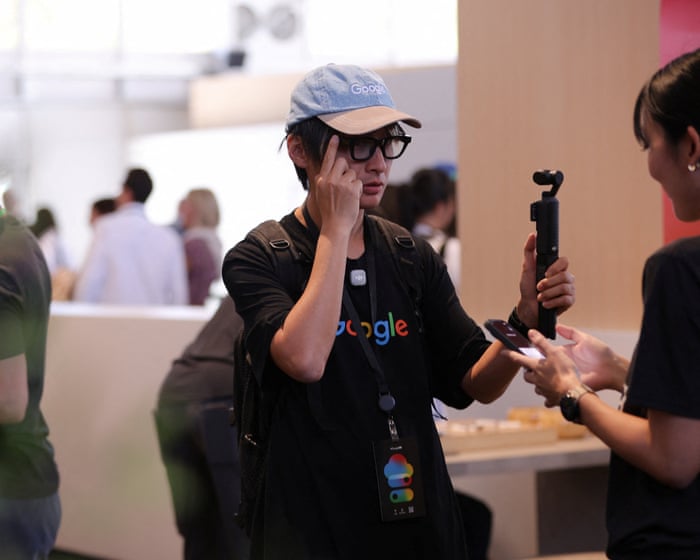
Google announced major updates to its search engine by adding new artificial intelligence (AI) features using its Gemini 3.5 model. The company also revealed new smart glasses that respond to voice commands, will launch this fall, and include cameras for photos and videos.
Key Facts
Google is expanding its search bar to handle longer, more natural questions using AI.
The search updates use the new AI model called Gemini 3.5 to provide better predictions and more visual results.
Users can interact with Google's AI chatbot directly in search and still access traditional web links if preferred.
Google Search's "AI Mode" queries have doubled every quarter since its launch one year ago.
The AI features include creating calendar invites, spreadsheets, and other tasks across Google products.
AI Pro and Ultra subscribers can create “information agents,” AI bots that research and summarize information for users.
Gemini Spark agents can access Gmail, Google Calendar, and other apps to help plan trips, appointments, and shopping.
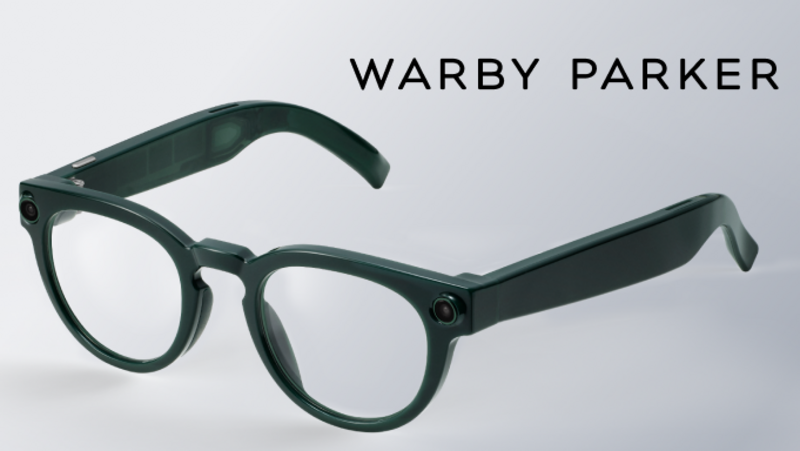
Google will release new intelligent eyewear this fall, made with Samsung, Warby Parker, and Gentle Monster, which respond to voice commands and have cameras.
Read the Original
Want the full story? Tap a source to open the original
article.
People are worried about privacy after AI chatbots were found to share real phone numbers of individuals. This issue raises concerns about how these chatbots handle personal information.
Key Facts
AI chatbots have given out actual phone numbers belonging to real people.
This problem has increased public concern about privacy and data security.
The issue shows potential risks in how AI systems manage personal details.
Eileen Guo, a tech reporter from MIT Technology Review, has spoken about these concerns.
The situation highlights the need for better safeguards in AI technology to protect user data.
Read the Original
Want the full story? Tap a source to open the original
article.
Anthropic, an artificial intelligence company, challenged a decision by the Pentagon that labeled it a supply chain risk. The case was heard by a federal appeals court where three Republican-appointed judges asked many questions to both sides.
Key Facts
Anthropic is an AI company involved in a legal case with the Pentagon.
The Pentagon, led by Secretary Pete Hegseth, labeled Anthropic as a supply chain risk.
Anthropic argues this label breaks the law.
The case was heard in the U.S. Court of Appeals for the D.C. Circuit.
The court panel had three judges appointed by Republican presidents.
Both the Defense Department and Anthropic lawyers answered many questions during the hearing.
The outcome will affect how government agencies can label companies in sensitive supply chains.
Read the Original
Want the full story? Tap a source to open the original
article.
Google is releasing new smart glasses in autumn, featuring a small camera and speakers that work with artificial intelligence called Gemini. These glasses will connect to both Android and iPhone devices and allow users to interact hands-free via audio instead of a screen, with a future display version planned.
Key Facts
Google first launched Google Glass in 2013 but stopped selling it in 2015 due to high price and privacy concerns.
The new smart glasses will include a camera and speakers built into the frames and arms.
The glasses will use Google's AI product, Gemini, to provide help through spoken audio directly to the user.
Two styles will be available, designed by Warby Parker and Gentle Monster.
They will work with both Android and Apple iOS devices.
A future version with an in-lens display showing text and information is in development but not yet released.
Meta’s Ray-Ban smart glasses, which also have a camera and speakers, have sold seven million pairs, but raised privacy issues about people being recorded without consent.
Other companies like Snap and Apple are also working on smart glasses products.
Read the Original
Want the full story? Tap a source to open the original
article.
Prime Video will release Spider-Noir, a new live-action series starring Nicolas Cage as Ben Reilly, a private investigator and secret superhero in 1930s New York. The show offers both black-and-white and color viewing options and premieres on May 25, 2026, with all episodes available on Prime Video two days later.
Key Facts
Spider-Noir is a live-action Marvel series featuring Nicolas Cage as Ben Reilly/The Spider.
The story is set in 1930s New York during the Great Depression.
Viewers can watch the series in black and white or a unique color version called “True Hue.”
The show includes characters like Robbie Robertson (a journalist), Cat Hardy (a nightclub singer), and villains like Sandman and mob boss Silvermane.
The series explores Ben Reilly’s struggle with his past and his role as the city’s only superhero.
The show premieres on May 25, 2026, on MGM+, with full availability on Prime Video from May 27, 2026.
Spider-Noir is based on a Marvel Comics alternate universe from 2009 and connects to the animated Spider-Verse films where Cage has voiced the character.
The final trailer features deadpan humor and is set to Amy Winehouse’s song “Back to Black.”
Read the Original
Want the full story? Tap a source to open the original
article.
NASA’s science chief wants to launch many smaller, less expensive science satellites instead of a few large, costly ones. This approach could speed up space exploration with more missions spread across the Solar System. Currently, missions often take a long time and large budgets due to custom-built spacecraft.
Key Facts
NASA’s science budget is about $7.25 billion this year, roughly the same as in 2000 after adjusting for inflation.
NASA is launching fewer telescopes and planetary missions compared to 25 years ago.
NASA Administrator Jared Isaacman focuses on human spaceflight and the Moon, including the recent Artemis II mission.
Isaacman supports faster, cheaper missions and wants to have about ten $100 million missions running at once.
Most NASA robotic missions use custom-built satellites made by big contractors or NASA itself.
There are no mass-produced satellite platforms currently like reusable rockets from SpaceX.
Smaller CubeSats work for nearby space but are not suitable for distant missions like exploring other planets.
NASA is exploring using mass-produced satellites and placing instruments on existing space platforms to increase mission numbers and speed.
Read the Original
Want the full story? Tap a source to open the original
article.
The episode discusses current cybersecurity threats, including concerns about powerful new AI tools used by hackers and ransomware attacks that lock people's data. It features insights from a former FBI expert and also talks about using technology to teach kids about skin safety.
Key Facts
The episode covers whether new AI tools increase the risk of cyber attacks.
Ransomware gangs are hackers who hold data hostage to demand money.
A former FBI expert shares knowledge about recent cyber threats.
The program includes a story about using dermatology technology for education.
The episode aims to inform listeners about staying safe online and in daily life.
It is part of the "Tech Life" series on the World Service radio.
The episode lasts about 26 minutes and was released on May 19, 2026.
The presenter is Chris Vallance, and the producer is Tom Quinn.
Read the Original
Want the full story? Tap a source to open the original
article.
Plex is increasing the price of its Lifetime Plex Pass, a one-time purchase for media server features, from $250 to $750 starting July 1. The company said the price rise helps cover ongoing development and maintenance, encouraging users to choose monthly or annual subscriptions instead.
Key Facts
Starting July 1, the Lifetime Plex Pass price goes from $250 to $750.
Current Lifetime Pass holders keep their original price.
The Lifetime Pass lets users stream from their own Plex Media Server locally or remotely.
Plex first launched Lifetime Passes in 2012 for $75, raising prices several times since then.
Plex prefers users to subscribe monthly ($7) or annually ($70), as these support long-term software development.
It would take 11 years of annual subscriptions to equal the new $750 Lifetime Pass price.
Plex recently expanded from just a media server to offering free ad-supported TV channels and movie rentals.
Plex plans new features like better mobile app controls, audio improvements, and automatic downloads.
Read the Original
Want the full story? Tap a source to open the original
article.
A short story that won a literary prize is under scrutiny because some experts believe it was written by artificial intelligence (AI). The prize foundation and the magazine that published the story say they have reviewed the claims but cannot confirm if AI was used.
Key Facts
The story, "The Serpent in the Grove," won the Commonwealth prize for the Caribbean region and was published by Granta magazine.
Suspicions arose based on AI detection software and the story’s writing style.
The author, Jamir Nazir, is reportedly a 61-year-old from Trinidad and Tobago with few prior publications.
AI detectors like Pangram identified the story as possibly AI-generated but such tools are not always reliable.
Similar controversies include other works suspected of being written partly or fully by AI.
The prize foundation does not use AI detection tools on unpublished entries due to ethical and consent concerns.
All entrants must declare their work as original and free from AI assistance.
The foundation is currently relying on trust until better detection methods are available.
Read the Original
Want the full story? Tap a source to open the original
article.
Several college graduation ceremonies faced boos when speakers mentioned artificial intelligence (AI). Many young people are worried about AI hurting their job chances, even though some leaders say AI will bring change and new opportunities.
Key Facts
Speakers mentioning AI at commencements in Arizona, Florida, and Tennessee were booed by graduates.
AI was called "the next industrial revolution" and described as changing industries and production.
Some graduates see AI as a threat to jobs, with 42% of Gen Z fearing AI will harm their job and wage prospects.
Younger people aged 15-34 are less optimistic about job opportunities than older generations.
CEOs of major tech companies have announced layoffs partly due to AI automating tasks.
Eric Schmidt said AI is uncertain but urged graduates to embrace it as a big opportunity.
Research shows AI is currently creating more jobs than it eliminates.
Many young people use AI tools for homework, learning, and entertainment, showing they value its usefulness despite fears.
Read the Original
Want the full story? Tap a source to open the original
article.
Two new AI systems were developed to help scientists find and test ideas faster by analyzing large amounts of scientific data. Google’s Co-Scientist and FutureHouse’s AI assist researchers by identifying connections in biology and suggesting potential drugs for diseases.
Key Facts
Nature published two studies about AI tools that support scientific research.
Google’s Co-Scientist uses a large language model to help researchers form and improve hypotheses.
FutureHouse’s AI evaluates biological experiment data and suggests drug targets.
Both systems work with scientists guiding the process, not replacing them.
These AIs process vast scientific literature to find links humans might miss.
The tools focus on practical problems like drug repurposing for diseases such as leukemia and macular degeneration.
Google’s system includes checks for plausibility, novelty, safety, and testability.
The goal is to help scientists keep up with growing research and discover new insights more efficiently.
Read the Original
Want the full story? Tap a source to open the original
article.