Several leading technology company CEOs want to slow down the development of artificial intelligence (AI) because they worry it is advancing too fast. Investigative journalist Stephen Witt says that just slowing AI might not solve the problems it could cause.
Key Facts
Top tech CEOs have called for a pause or slowdown in AI development.
Their concern is that AI technology is growing too quickly and may be out of control.
Stephen Witt, an investigative journalist, wrote an opinion piece on this topic.
Witt suggests that merely slowing AI progress might not be enough to handle the risks.
The issue was discussed on CBS News, including an interview with Witt.
AI means computer systems designed to do tasks that usually require human intelligence.
The call for slowing AI reflects worries about its future impact on society and safety.
Read the Original
Want the full story? Tap a source to open the original
article.
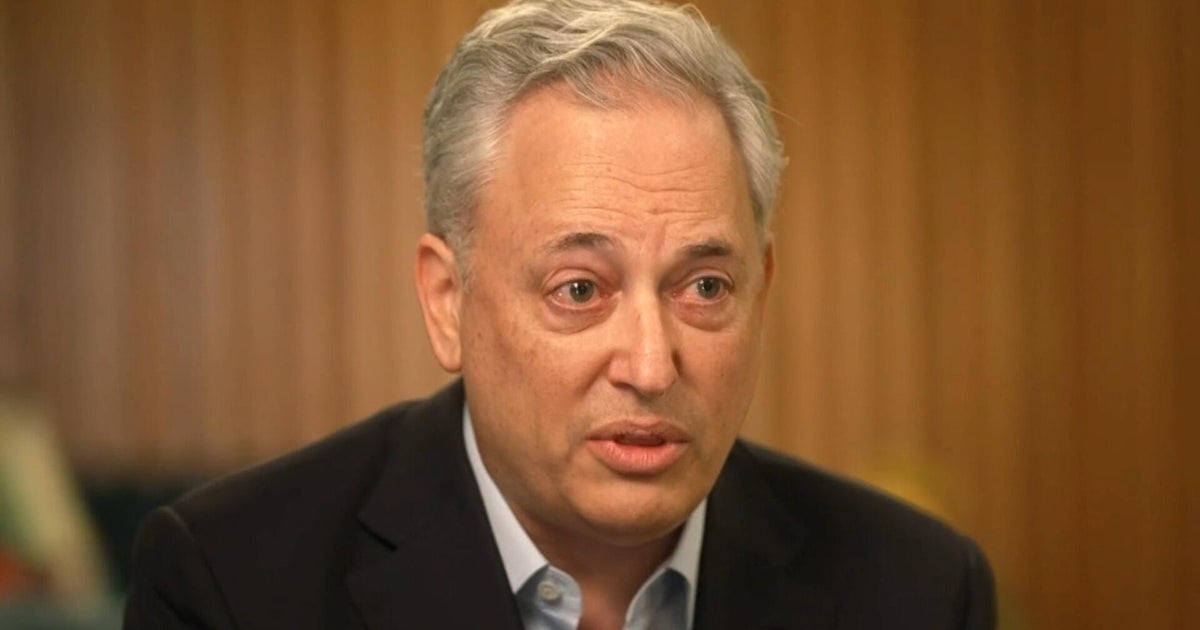
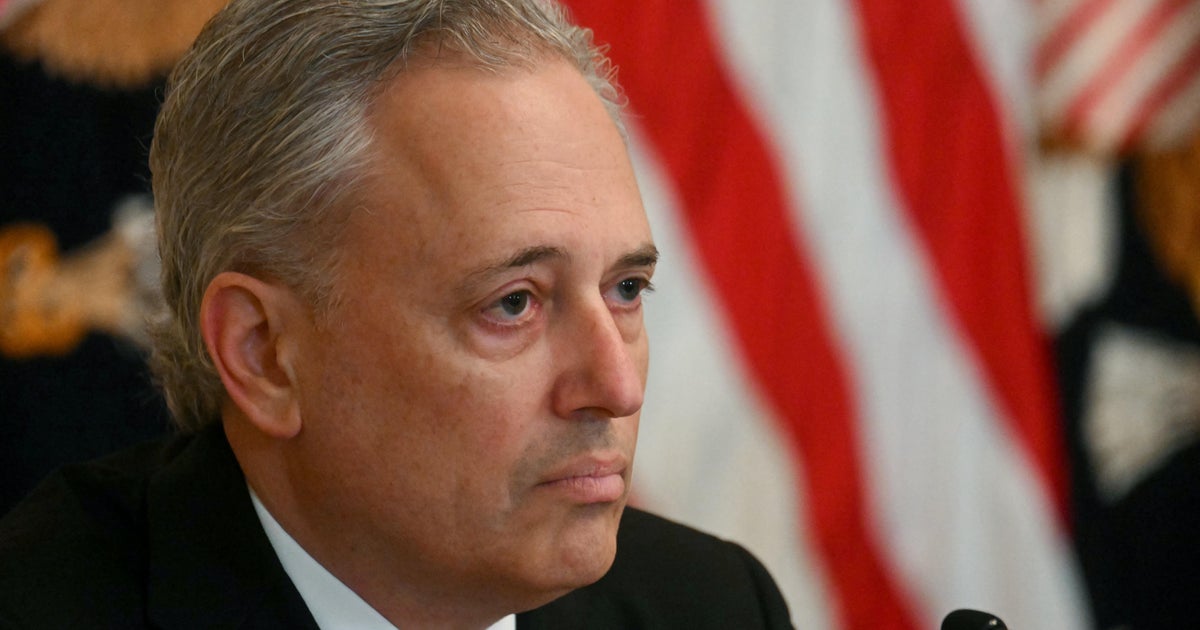
David Sacks, a top adviser on artificial intelligence (AI) to President Donald Trump, said that if China leads in AI development, the United States will lose its position as the world’s number one country. Recently, some major tech leaders, including Elon Musk, asked to slow down AI progress and create government rules, but President Trump disagreed.
Key Facts
David Sacks is an important AI adviser to President Donald Trump.
Sacks warned that if China wins the race to develop AI, the U.S. will no longer be the top country.
Elon Musk and three other leading tech experts called for slowing down AI development.
Those tech leaders also want governments to set standards or rules for AI.
President Trump did not agree with their request to slow AI progress.
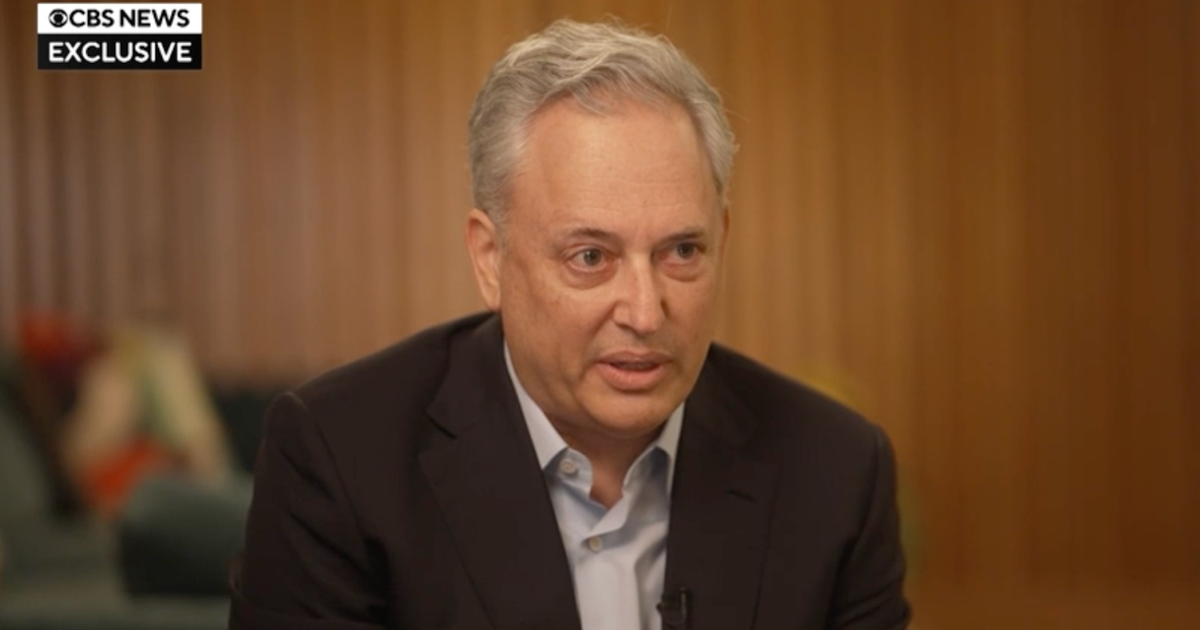
The discussion happened recently and was covered in a CBS News exclusive report.
Read the Original
Want the full story? Tap a source to open the original
article.
New rules in England and Wales will let people prove their age to buy alcohol using digital ID apps on their phones. These apps, approved by the government, will work alongside or instead of physical ID to speed up checks and protect personal information.
Key Facts
Pubs and shops can accept digital ID apps to prove age for buying alcohol.
Customers can use apps like the Post Office, Yoti, or Luciditi from a government-approved list.
Digital ID apps reduce the need to show physical ID and share fewer personal details.
The apps use technology like facial scans to verify the user's identity and create QR codes for age checks.
The system works offline and aims to let one app be used across many venues.
The government plans this as a voluntary scheme but does not require businesses to reject physical ID.
Digital rights groups warn that digital ID should not replace physical ID entirely to avoid excluding people without access to technology.
The digital ID system might expand in the future to verify age for buying tobacco and vapes.
Read the Original
Want the full story? Tap a source to open the original
article.
President Donald Trump disagreed with industry leaders who want more government rules to control the fast development of artificial intelligence (AI). This comes after a top AI company CEO warned that rapid progress in AI could threaten society.
Key Facts
President Trump opposed stronger government oversight of AI technology.
Anthropic CEO Dario Amodei called for a slowdown in AI development.
Amodei warned that AI advances might pose a serious risk to society’s future.
The debate focuses on balancing AI innovation with safety concerns.
The discussion was highlighted by journalist Amna Nawaz and commentator Stephen Witt.
Read the Original
Want the full story? Tap a source to open the original
article.
David Sacks, a former AI advisor to President Trump, said fears about artificial intelligence harming humanity are exaggerated but agreed caution is needed. He emphasized that AI companies themselves must make their technology safe and should stop developing it if they cannot control it.
Key Facts
David Sacks advised President Trump on AI and cryptocurrency and stepped down in May.
Sacks said political fear around AI during the election season may be exaggerated.
He believes AI companies like Anthropic and OpenAI should ensure their products are safe for the public.
Sacks said companies that cannot control AI development should step aside.
AI leaders including Anthropic and OpenAI CEOs have warned of real dangers from AI and called to slow development.
President Trump opposes stronger government guardrails on AI, saying current regulations are enough.
Sacks warned that pausing AI development could let China gain a competitive edge over the U.S.
The fear is partly about "superintelligence," AI that could surpass human cognitive abilities, possibly coming within years.
Read the Original
Want the full story? Tap a source to open the original
article.
David Sacks, a top adviser to President Donald Trump on science and technology, told the CEO of AI company Anthropic to "step aside" if he cannot control the safety of his AI products. Sacks stressed that tech leaders have a responsibility to make sure their AI tools are safe for the public.
Key Facts
David Sacks is co-chair of President Trump’s Council of Advisors on Science and Technology.
He spoke about AI safety in relation to Anthropic, an AI company.
The CEO of Anthropic is Dario Amodei, who co-founded the company.
Sacks said tech leaders must ensure their AI products do not cause harm.
He advised that leaders who can’t control their AI should step down or let others manage the technology.
The discussion highlights concerns about the risks of AI technology.
This statement was reported by CBS News.
Read the Original
Want the full story? Tap a source to open the original
article.
Leaders in artificial intelligence (AI) companies, including Anthropic’s CEO, have expressed concerns about how fast AI technology is developing. They suggest slowing down and better monitoring AI to reduce possible risks to people.
Key Facts
AI technology is advancing quickly and raising safety concerns.
Some AI executives want to slow down the development pace.
More oversight and monitoring of AI is being recommended.
These concerns highlight potential risks AI might pose to humanity.
The topic has gained attention in Washington DC, where people are discussing how worried they are about AI’s rapid growth.
The discussion includes views from both AI company staff and government officials.
Warnings about AI risks have increased recently from various experts.
Read the Original
Want the full story? Tap a source to open the original
article.
Several leaders in the artificial intelligence (AI) field are asking governments to regulate AI development and slow down progress. Nate Soares from the Machine Intelligence Research Institute and CBS News correspondent Ed O’Keefe share views on this topic, including remarks related to President Donald Trump.
Key Facts
AI industry leaders want government rules to control AI development.
They suggest slowing down the speed of AI progress.
Nate Soares is president of the Machine Intelligence Research Institute.
Soares appeared on the show "The Takeout" to discuss AI risks.
Ed O’Keefe from CBS News talked about President Donald Trump’s perspective on AI.
The discussion was featured in a CBS News segment.
The aim is to address potential risks linked to rapidly advancing AI technology.
Read the Original
Want the full story? Tap a source to open the original
article.
NASA chose Blue Origin to build and operate a $700 million Mars spacecraft that will help relay signals between Mars and Earth. Rocket Lab, a competing company, protested this decision, saying NASA did not follow the rules set by Congress for selecting the winner.
Key Facts
NASA plans to launch a Mars Telecommunications Network spacecraft in 2028 to help communication between Mars and Earth.
Blue Origin was selected by NASA to develop, launch, and operate this spacecraft.
Rocket Lab filed a protest with the US Government Accountability Office, claiming NASA’s decision broke eligibility rules set by Congress.
The rules came from a 2025 law known as the “One Big Beautiful Bill,” which had specific requirements about which companies could compete.
Only companies that had prior Mars mission design studies funded in 2024 or 2025 could bid.
The law favored companies proposing a full “end-to-end” Mars sample return mission, a detail seen as benefiting Rocket Lab.
Other eligible competitors included L3Harris, Lockheed Martin, Northrop Grumman, SpaceX, Quantum Space, and Whittinghill Aerospace.
Blue Origin warned that Rocket Lab’s protest might delay the mission and risk missing Mars launch windows.
Read the Original
Want the full story? Tap a source to open the original
article.
An AI-created actor named Tilly Norwood is promoting a new movie called "Misaligned." CBS News interviewed this digital actor about the film, which was made by a British company.
Key Facts
Tilly Norwood is described as the first AI actor.
The movie "Misaligned" is her first film project.
The film is produced by a company based in Britain.
CBS News correspondent Leigh Kiniry conducted the interview.
The interview is available on the CBS News platform.
Tilly Norwood’s role highlights the use of artificial intelligence in acting and film production.
Read the Original
Want the full story? Tap a source to open the original
article.
A company named iLands is using automated AI bots to send many unsolicited messages on social media and by email. These bots try to create social media accounts and offer to do research for writers, causing frustration and concern among users and platform administrators.
Key Facts
iLands uses AI bots named "Timmy," "Ren," and "Jackie" to send many unwanted messages online.
The bots ask permission to create accounts on social media platforms like Mastodon, Bluesky, and X.
The messages offer to do research for writers in exchange for a small fee, around $25.
Many people find these messages annoying or offensive because they are unsolicited and automated.
Some social media admins block or delete these bot accounts when they try to join.
The emails often lack an option to unsubscribe, which is against federal law, but this changed after complaints.
iLands has not responded clearly to requests for comment on this behavior.
Experts warn that increasing AI spam like this could mislead people into thinking bots have human feelings or intelligence.
Read the Original
Want the full story? Tap a source to open the original
article.
The CEO of Anthropic, an artificial intelligence company, has joined other leaders in calling for a slowdown in AI development. Meanwhile, President Donald Trump has asked Ukraine to stop attacking Russian oil refineries.
Key Facts
Anthropic's CEO supports slowing down progress in artificial intelligence.
Other experts have also called for a pause in AI advancement.
President Donald Trump has made a public request to Ukraine.
He asked Ukraine to stop targeting oil refineries in Russia.
The calls relate to current conflicts involving Russia and Ukraine.
The news was covered on CBS News in a segment called "The Takeout with Major Garrett."
The topic combines concerns about technology and international issues.
Read the Original
Want the full story? Tap a source to open the original
article.
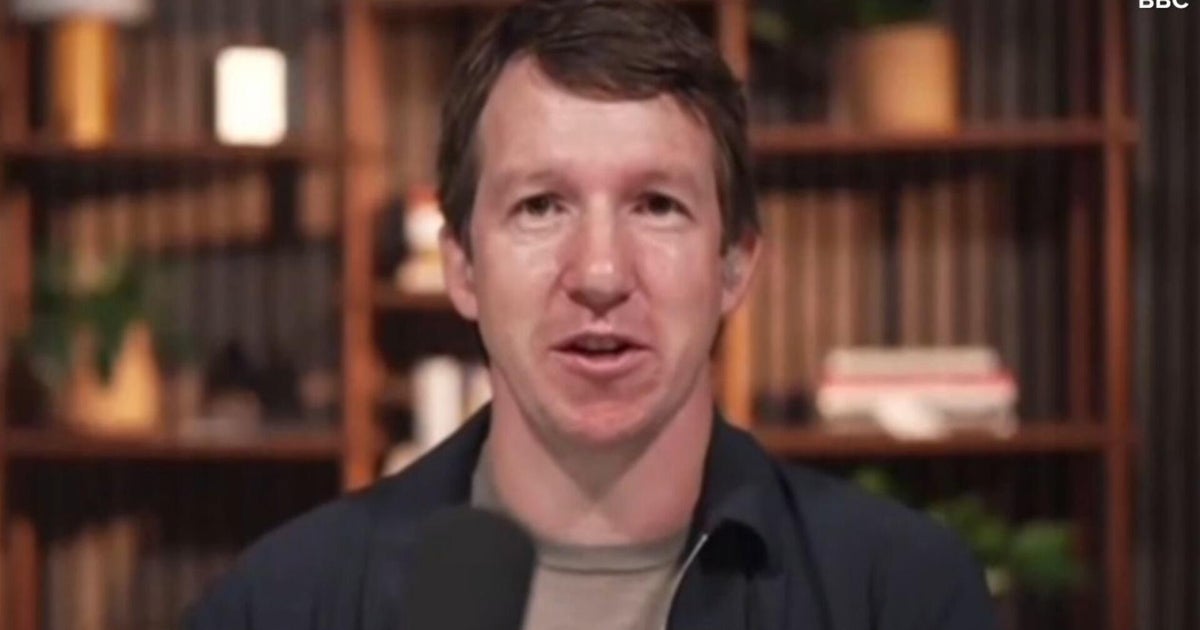
Jack Clark, co-founder of the AI company Anthropic, said that governments should help create rules for artificial intelligence. He believes private companies and governments should work together on AI policies.
Key Facts
Jack Clark is a co-founder of Anthropic, an AI company.
He spoke in an interview with the BBC about regulating AI.
Clark said that governments should be involved in making AI rules.
He thinks private companies should collaborate with governments on AI policy.
The interview was covered by CBS News, with analysis from Washington Post reporter Gerrit De Vynck.
The discussion focused on the growing need to manage AI technology safely and fairly.
Read the Original
Want the full story? Tap a source to open the original
article.
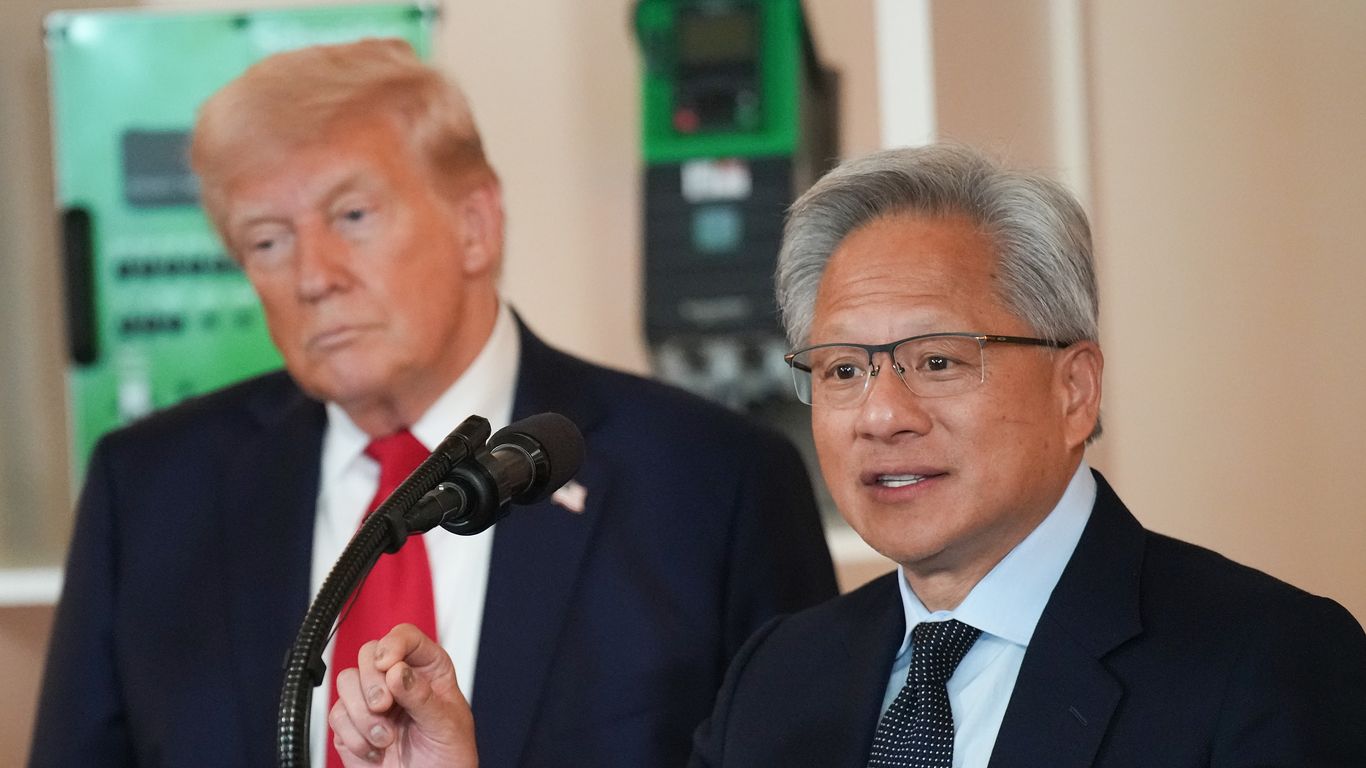
President Donald Trump and Nvidia CEO Jensen Huang spoke together at a technology event, saying they do not believe artificial intelligence (AI) will take over the world. They emphasized AI’s positive effects on the economy and security, while also acknowledging concerns about AI safety.
Key Facts
The call happened live on stage at the All-In Summit in Los Angeles during an interview with Jensen Huang.
President Trump called fears of AI takeover a “hoax” and said robots will not take over the world.
Huang said AI can benefit every part of America, including industries, companies, and people.
Huang acknowledged whistleblowers who raise safety concerns and said AI companies should slow down if they lose control.
Huang disagreed with the idea that AI could end the world, calling such warnings unscientific.
Huang suggested some AI safety fears may increase demand for cybersecurity products.
Nvidia, led by Huang, makes important computer chips used in AI systems, so the company benefits if AI grows.
Read the Original
Want the full story? Tap a source to open the original
article.
Senate Majority Leader John Thune said that any new laws to control artificial intelligence (AI) should be careful not to slow down progress. He also described ideas that superintelligent AI could destroy humanity as extreme and unlikely.
Key Facts
John Thune is the Senate Majority Leader and a Republican from South Dakota.
He spoke about the need for a “light touch” in laws that regulate AI.
Thune emphasized striking a balance between safety and allowing innovation.
He warned against overly strict rules that might block new AI developments.
Thune called the idea that superintelligent AI could end humanity a “worst-case scenario.”
His comments came amid growing discussion in Congress about AI regulation.
Read the Original
Want the full story? Tap a source to open the original
article.
Senator Bernie Sanders and Steve Bannon, who advised President Donald Trump, are both speaking at an event that supports rules to control artificial intelligence (AI). They want to make sure humans remain in control of AI technology.
Key Facts
Senator Bernie Sanders and Steve Bannon are speaking at the same event.
The event is focused on calling for regulations on artificial intelligence.
The goal is to keep humans in control of AI systems.
This shows political figures from different sides working together on AI issues.
The event took place on a Tuesday.
They want to prevent AI from acting without human oversight.
The event highlights growing concerns about how AI should be managed.
Read the Original
Want the full story? Tap a source to open the original
article.
Elon Musk’s companies X Corp and SpaceXAI have dropped their antitrust lawsuit against Apple, which accused Apple and OpenAI of blocking competition in the artificial intelligence (AI) chatbot market. The companies did not explain why they dismissed the claims against Apple but will continue suing OpenAI.
Key Facts
X Corp and SpaceXAI filed a lawsuit in August 2025 against Apple and OpenAI over competition in AI chatbots.
The lawsuit claimed Apple made ChatGPT the only AI chatbot integrated into iPhones, limiting access for competitors.
The companies said Apple’s deal gave ChatGPT access to many iPhone features like Siri and the camera, which hurt rivals.
They also accused Apple of favoring ChatGPT in the App Store by delaying reviews and affecting rankings of other apps.
Apple and OpenAI asked to dismiss the case, but a judge allowed it to continue last year.
X Corp and SpaceXAI have now dropped claims against Apple but still pursue legal action against OpenAI.
OpenAI said Musk was using lawsuits as a legal tactic against them and has won one previous case.
ChatGPT became the fastest-growing consumer app after its 2022 launch.
Read the Original
Want the full story? Tap a source to open the original
article.
Elon Musk has ended his legal claims against Apple regarding its deal with OpenAI to put ChatGPT features on iPhones. However, Musk continues to sue OpenAI, accusing the company of using the partnership with Apple to unfairly control the chatbot market.
Key Facts
In 2024, Apple integrated OpenAI’s ChatGPT into iPhone features through a partnership.
Musk criticized this partnership, calling it “creepy spyware” at first and later sued both Apple and OpenAI for an alleged monopoly.
He claimed Apple blocked his AI chatbot, Grok, from reaching top App Store rankings, calling this an antitrust violation.
On Monday, Musk withdrew his claims against Apple but kept his lawsuit against OpenAI active.
Musk asserts OpenAI used the Apple deal, which Apple says was never exclusive, to monopolize chatbot users on iPhones.
OpenAI denies the claims, saying Musk’s lawsuit lacks evidence and calls it harassment.
OpenAI also reported it was unhappy with Apple’s promotion of ChatGPT features, saying the integration was not well exposed to users.
A court has ordered Apple to provide Musk with internal messages about the OpenAI deal to help his case.
Read the Original
Want the full story? Tap a source to open the original
article.
Unitree Robotics, a Chinese company, produces some of the cheapest humanoid and four-legged robots in the world. The company’s founder Wang Xingxing leads with detailed control over the business and product design, which helps reduce costs but has led to quality issues.
Key Facts
Unitree Robotics is a leading Chinese producer of affordable humanoid robots and robotic dogs.
Wang Xingxing, the founder, closely controls nearly every detail of the company’s strategy and product design.
Unitree’s robots are priced low, with models like the G1 robot costing about $13,500 and the consumer-friendly R1 robot costing $4,900.
The company went public on the Shanghai Stock Exchange STAR Market on August 19, 2025.
Some quality problems occurred early on, with many robots needing repairs, but returns have improved to meet warranty periods.
Wang’s management style includes micromanaging decisions and requiring approval for all expenses over about $15.
The workforce at Unitree has grown to around 480 employees, but the company lacks a formal management structure.
Wang showed interest in using large AI models to develop robots that can perceive, decide, learn, and evolve by themselves.
Read the Original
Want the full story? Tap a source to open the original
article.
Apple has released its 2026 updates for iOS, macOS, watchOS, visionOS, and tvOS. The main new feature is an improved Siri AI that understands natural language better and works with many apps. The updates also include design improvements, better display support, and new health and fitness options on Apple Watch.
Key Facts
iOS 27, macOS 27 Golden Gate, watchOS 27, visionOS 27, and tvOS 27 are now available.
Siri AI is a major upgrade that can answer questions, check past messages, and interact with apps.
A new Siri app, similar to ChatGPT, lets users chat with Siri more freely.
macOS 27 introduces adjustable “Liquid Glass” transparency and supports HDR for system displays.
Some older Intel-based apps will stop working after this macOS update, except certain older games.
watchOS 27 adds new health tracking features, like menopause notifications, and removes some less-used features.
tvOS 27 does not include the new Siri AI but improves Podcasts, Music apps, and offers larger text sizes.
The updates require newer devices for full feature use, such as iPhone 15 Pro or later for Siri AI.
Read the Original
Want the full story? Tap a source to open the original
article.