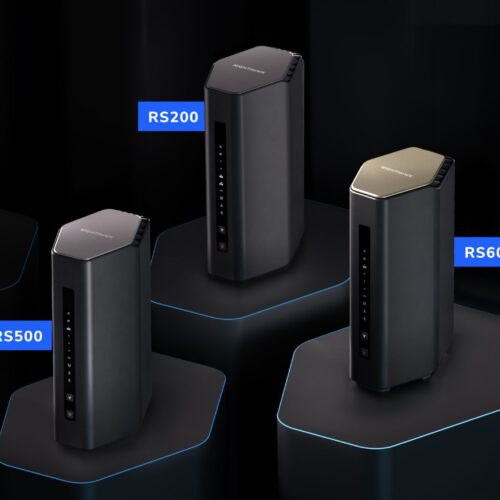
The Federal Communications Commission (FCC) has given Netgear an exemption from a U.S. ban on selling foreign-made consumer routers. This exemption allows Netgear’s routers to be sold in the U.S. until October 2027, but the FCC has not explained why Netgear was granted this special permission.
Key Facts
The FCC banned consumer routers made partly or fully outside the U.S. due to national security concerns.
Netgear is the first major consumer router company to receive an exemption from this ban.
The exemption covers Netgear’s Nighthawk and Orbi routers, plus cable gateways and modems.
Exemptions require companies to justify foreign manufacturing and provide a plan to increase U.S. production, but details from Netgear were not shared.
The exemption lasts until October 1, 2027, and can be renewed.
Adtran, a company mainly serving businesses, also received a similar exemption.
The FCC may block future software updates for routers after March 2027.
Most consumer routers are made with parts and assembly outside the U.S., so nearly all companies will need to seek exemptions for new devices.
Read the Original
Want the full story? Tap a source to open the original
article.
Iran criticized YouTube for banning a group that creates Lego-style videos using artificial intelligence. These videos support Iran's views, and the ban is part of ongoing conflicts over war-related messages on social media.
Key Facts
YouTube banned a pro-Iranian group making videos with Lego figures and AI technology.
The banned group uses these videos to share messages supporting Iran.
Iran has publicly condemned YouTube's decision to remove the content.
The videos are part of a larger use of social media for war-related messaging.
The ban reflects tensions over controlling information and propaganda online.
Read the Original
Want the full story? Tap a source to open the original
article.
Nike Skateboarding (Nike SB) is featured in the new video game "skate." with a special in-game event called the Nike SB Pop-Up. This event includes a nighttime skating area, new challenges, and exclusive Nike SB-themed items for players to earn or buy. The event will run until May 2026, with some features available until June 2026.
Key Facts
Nike SB started in 1997 and became popular with the Nike SB Dunk Low shoe in 2004.
The game "skate." launched last year and is inspired by skateboarding culture and history.
The Nike SB Pop-Up event adds a nighttime skating mode called Grom at Night.
Players can skate in a special Nike SB-themed park with new tasks and rewards.
In-game rewards include Nike SB Dunk High shoes and Nike SB Logo Socks.
Players can buy items like Dunk Low Pro shoes, hoodies, and t-shirts in the event.
The event lasts until May 5, 2026, but the water taxi feature to Grom at Night is available until June 2, 2026.
The game and event are published by Electronic Arts and developed by Full Circle.
Read the Original
Want the full story? Tap a source to open the original
article.
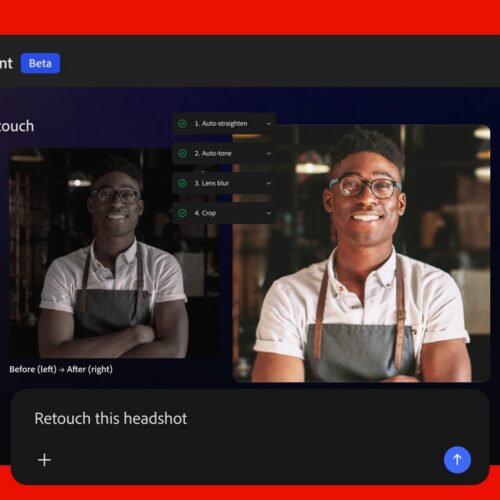
Adobe has introduced Firefly AI Assistant, a new chat-based tool that helps users manage creative projects across multiple Adobe apps like Photoshop and Illustrator. This tool aims to simplify complex tasks for both experienced and casual users and will be available soon in a public beta.
Key Facts
Firefly AI Assistant is a chat interface that works across many Adobe Creative Cloud apps.
It helps users handle multi-step creative workflows by communicating with them during the process.
The assistant can show helpful controls, like sliders, depending on the type of task.
It learns user preferences over time to personalize the experience.
Users can access pre-made task workflows called "skills" or create their own.
This tool marks a shift from Adobe’s previous strategy of adding AI features only inside individual apps.
Firefly AI Assistant was first previewed as “Project Moonlight” in October before the current release.
Adobe has not yet shared details about pricing, limits, or availability for different user plans.
Read the Original
Want the full story? Tap a source to open the original
article.
Anthropic experienced a major technical problem on Wednesday morning that caused many users to have trouble logging into and using their Claude AI platform. The company began investigating the issue around 11 a.m. Eastern and later said login success was improving but work was still ongoing to fix everything.
Key Facts
Anthropic’s Claude AI platform faced widespread outages on Wednesday morning.
Users reported login failures, access problems, and errors on Claude’s website, API, and coding tool.
The outage issues started around 11 a.m. Eastern time according to Anthropic’s status page.
Downdetector showed over 20,000 user complaints during the outage period.
Anthropic provided an update at 12:29 p.m. saying login success rates had improved.
The company has not given a specific time for full recovery.
Claude is an AI system released in 2023 that helps with writing, coding, and answering questions.
Anthropic designed Claude using a “constitutional AI” approach to make it safer and more reliable.
Read the Original
Want the full story? Tap a source to open the original
article.
Snap, the company that owns Snapchat, has cut about 1,000 jobs, which is 16% of its workers, to save money and adjust to new ways of working with artificial intelligence (AI). The CEO, Evan Spiegel, said AI will help remaining employees do repetitive tasks faster and more efficiently.
Key Facts
Snap cut roughly 1,000 jobs and canceled hundreds of open positions.
These layoffs are expected to reduce yearly costs by $500 million.
CEO Evan Spiegel mentioned AI tools will help employees work faster and reduce repetitive tasks.
This is at least the third large layoff at Snap since 2022.
An activist investor criticized Snap for being unprofitable despite many users and 15 years in business.
Other tech companies like Amazon, Meta, and Pinterest have also cut jobs citing AI as a reason.
Executives say AI allows companies to spend more on AI development by cutting other costs.
Jack Dorsey, CEO of Block, said AI will change how companies are built and run, predicting more job cuts in tech.
Read the Original
Want the full story? Tap a source to open the original
article.
Artificial intelligence (AI) is changing how software services are created and paid for. While it takes less effort and fewer people to make software, the value of the software itself is rising. This shift means companies must focus less on charging for labor and more on the actual results and value they provide.
Key Facts
AI reduces the time and work needed to build software.
The value of the software produced is increasing even as effort decreases.
Traditional pricing models based on hours worked and team size are becoming outdated.
Companies need to switch to pricing based on the outcomes or value delivered, not just labor.
More importance is now placed on problem definition, planning, and ensuring software reliability and security.
Work is becoming more modular, allowing smaller teams to complete projects faster.
Businesses that do not adapt to AI-driven changes risk losing ground to more efficient competitors.
This change affects not only pricing but also the entire structure and strategy of IT services.
Read the Original
Want the full story? Tap a source to open the original
article.
Scientists in the United States have created a new self-healing material that can repair damage inside fiber composites used in planes, cars, and other structures. This material can fix cracks many times, which could extend the life of these parts from decades to centuries.
Key Facts
The new material is a fiber composite that repairs a type of internal damage called delamination.
Delamination causes layers inside composites to separate, reducing strength.
The material can heal itself more than 1,000 times, extending durability.
It includes a special thermoplastic layer (made from EMAA) that prevents cracks.
Thin carbon-based heaters embedded in the material melt the thermoplastic to repair damage when electrical current passes.
The material starts tougher than standard composites and resists cracking better.
Researchers estimate that parts made with this material could last about 125 years with regular healing or up to 500 years with less frequent healing.
This technology could reduce waste by allowing critical parts to be repaired rather than replaced.
Read the Original
Want the full story? Tap a source to open the original
article.
The term "unc game" refers to video games mostly played by older players, typically those over 30 years old. These games, often from the 1990s and 2000s, remain popular among older gamers who enjoy slower-paced, story-driven experiences. The article suggests that game makers should continue creating games for this older, wealthier group as they make up a large and profitable part of the gaming market.
Key Facts
"Unc" is slang for "uncle" and is used by younger players to describe older gamers or older games.
Unc games are typically older titles or styles of games favored by millennials and older.
Older gamers often face less harassment in some online communities, like in the game Marathon.
About 50-60% of all gamers are over 30 years old, and the average age of gamers is 41.
In the US, 97% of console buyers are over 25 years old.
Older gamers tend to have less free time but more spending power and remain active players into later life.
The gaming industry has been focusing on live-service and free-to-play games, which may overlook the preferences of older players.
Nostalgia and interest in retro games keep older games and the unc game culture alive.
Read the Original
Want the full story? Tap a source to open the original
article.
NASA astronauts completed the Artemis 2 mission around the moon and inspired many people. A woman asked NASA on social media for help with a tattoo idea related to the mission, and NASA responded, creating a popular online exchange.
Key Facts
The Artemis 2 crew traveled around the far side of the moon and returned safely to Earth.
The mission tested deep space systems for future Moon landings.
Ariel Lynn, a social media user, wanted an Artemis 2–inspired tattoo with the phrase "Copy, moon joy."
She asked NASA to get astronaut Christina Koch to write the phrase in her handwriting.
NASA replied publicly they would try to help, but made no promises.
"Moon joy" is a phrase from the Artemis 2 mission symbolizing strong happiness about going to the Moon.
The exchange between Ariel and NASA went viral, with thousands liking their comments.
NASA's social media team was praised for engaging with fans.
Read the Original
Want the full story? Tap a source to open the original
article.
Booking.com, a popular website for booking places to stay, had a data breach where unauthorized people accessed some customer booking information. The company fixed the issue by changing reservation pin numbers and told affected customers, saying no financial data was taken.
Key Facts
Booking.com detected suspicious activity and unauthorized access to customer booking details.
The breach exposed information like names, emails, addresses, phone numbers, and booking details.
No financial information, such as payment details, was accessed in this incident.
Booking.com updated pin numbers for affected reservations and notified customers by email.
This is not the first data breach at Booking.com; previous incidents occurred in 2018 and 2025.
In 2018, Booking.com was fined about $559,700 for reporting a breach late.
Marriott and Starwood Hotels, similar large travel companies, also suffered major data breaches affecting hundreds of millions of customers.
Marriott paid a $52 million fine and agreed to improve data security after their breaches.
Read the Original
Want the full story? Tap a source to open the original
article.
Booking.com experienced a data breach that allowed hackers to steal customer information like names, emails, phone numbers, and booking details. This has led to scams called "reservation hijacks," where criminals pretend to be hotels to trick customers into sending money.
Key Facts
Hackers accessed Booking.com customer data including names, email addresses, phone numbers, and booking details.
Financial information such as credit card details was not accessed in the breach.
"Reservation hijacking" scams involve criminals contacting customers with real booking details to appear trustworthy.
Booking.com updated reservation PINs and is warning affected customers by email.
Booking.com does not disclose how many customers or which regions were affected.
The company says it will never ask customers for credit card info by email, phone, text, or WhatsApp.
Experts warn this stolen data makes scams more convincing and dangerous.
The hospitality industry faces increased cyber threats following breaches at large platforms like Booking.com.
Read the Original
Want the full story? Tap a source to open the original
article.
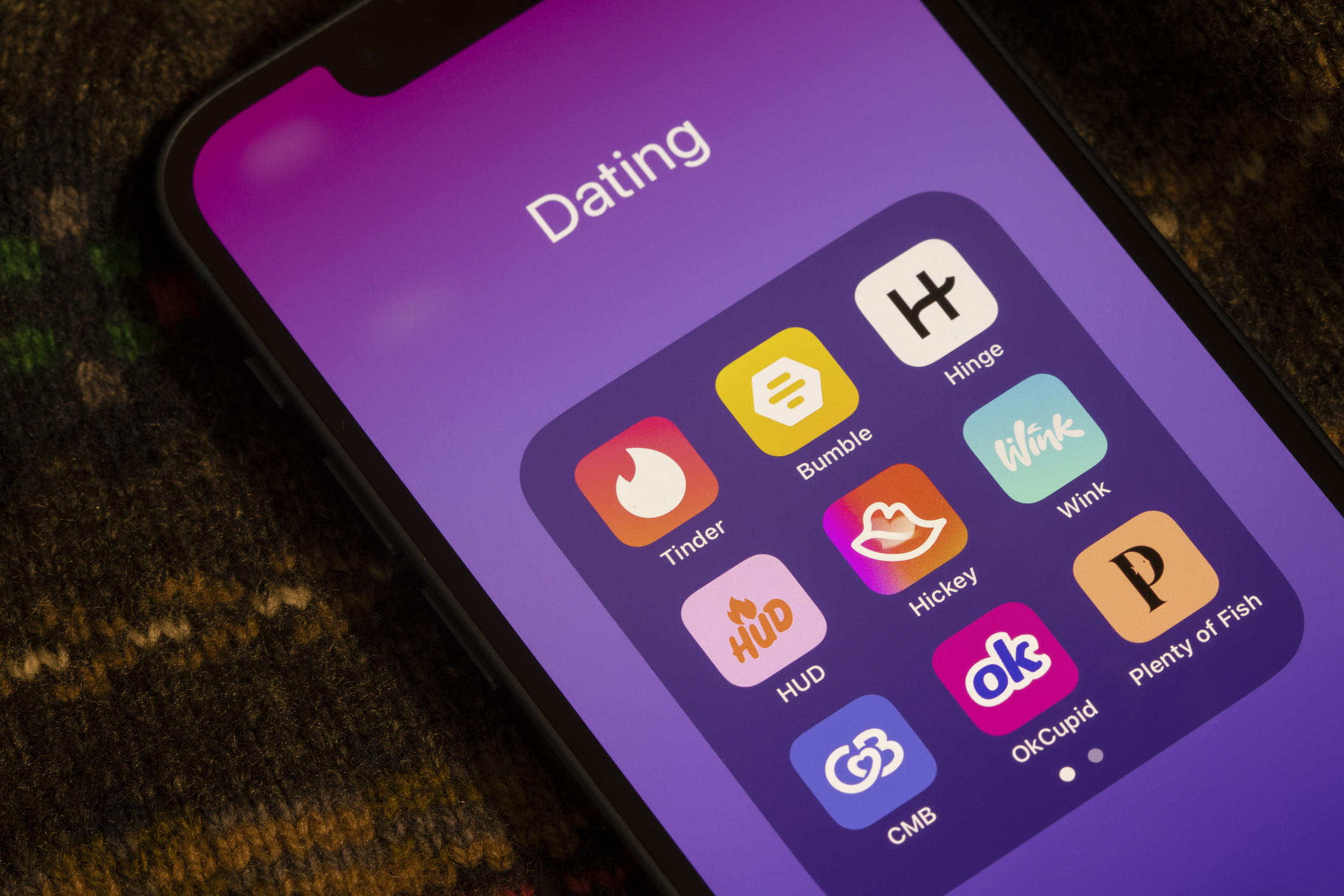
A new dating app concept called Pixel Societies uses artificial intelligence (AI) agents that mimic a person's personality and chat style to interact with others in virtual settings. These AI agents aim to find better romantic matches by testing compatibility in many simulated conversations before people meet in real life.
Key Facts
Pixel Societies creates AI “digital twins” that copy a person’s personality, interests, and way of talking.
These AI agents interact with others in a virtual environment to find potential matches based on behavior patterns.
The system runs many simulations quickly to explore matches beyond basic profile details like photos.
Early tests showed AI agents sometimes gave wrong information about the real person.
Researchers doubt that dating success can be predicted only by data without real-world interaction.
Some people online expressed concern about privacy and the idea of AI managing friendships or love life.
Developers say their goal is to help users spend less time on screens and more time meeting in person.
Pixel Societies does not yet have a business plan; they want to improve online social experiences by reducing awkwardness.
Read the Original
Want the full story? Tap a source to open the original
article.
The CEO of Perplexity, Aravind Srinivas, said the benefits of artificial intelligence (AI) are worth the job losses it may cause in the long term. Studies show AI could lead to millions of job losses over the next decade, but Srinivas believes people can use AI to create new businesses and improve their lives.
Key Facts
A Goldman Sachs study estimates that 6-7% of workers could lose their jobs to AI in the next ten years.
Job losses related to technology often cause longer and harder unemployment than other types of job loss.
Perplexity CEO Aravind Srinivas thinks AI offers new opportunities despite temporary job loss.
Srinivas encourages people to learn AI tools and start small businesses to improve work-life balance.
A Senate report warns AI and automation might destroy up to 100 million jobs in the next decade.
Many young workers resist AI, with 44% of Gen Z reportedly sabotaging AI transitions at work.
Some online commenters argue that job losses cause serious economic problems and worry about how people will survive without jobs.
Srinivas compares AI’s impact to historical job changes, saying it could spark new kinds of work and innovation.
Read the Original
Want the full story? Tap a source to open the original
article.
Google will start punishing websites that stop the back button in browsers from working normally. Starting June 15, sites using tricks to trap users and stop them from leaving will be marked as doing something bad and could be ranked lower or removed from Google Search.
Key Facts
"Back button hijacking" means a website blocks the browser back button from going to the previous page.
This trick often keeps people on the site or shows ads they did not ask for.
Google has noticed more websites are using this trick and wants to stop it.
From June 15, Google will call this practice "malicious" and may lower or remove those sites in search results.
Google says this behavior makes users frustrated and less likely to visit new sites.
Site owners are told not to block users from using their browser history to navigate.
Websites that fix the problem can ask Google to remove penalties.
Experts agree that back button hijacking harms how people expect the web to work.
Read the Original
Want the full story? Tap a source to open the original
article.
Apple may release its first foldable iPhone under the name "iPhone Ultra" instead of using the usual "Fold" name like other brands. The new phone could have features like a different button setup and a redesign to reduce the crease that normally appears on foldable screens.
Key Facts
The foldable iPhone might be called "iPhone Ultra," based on a Chinese leaker’s report.
Apple has used "Ultra" in other products such as Apple Watch Ultra and CarPlay Ultra.
Competitors like Samsung use names like "Galaxy Z Fold" that highlight the folding feature.
Apple wants to focus on the phone being a premium, high-end device rather than just a foldable screen.
Rumored design updates include a new button layout and a redesigned "dynamic island" feature.
Apple is working to minimize the crease that appears on foldable smartphone screens.
A clamshell foldable design is also under consideration but would be a second model, not a replacement.
The foldable iPhone is expected to be announced later this year alongside other new Apple products.
Read the Original
Want the full story? Tap a source to open the original
article.
A small British company called Skycutter won a U.S. military drone competition with its attack drone, which was developed with a Ukrainian partner. The competition aims to improve drone technology for U.S. troops by creating many reliable and affordable drones.
Key Facts
The U.S. held a drone competition called Gauntlet in February at Fort Benning, Georgia.
Skycutter scored 99.3 points, beating other competitors like California’s Neros.
Skycutter’s drone is based on a Ukrainian design made by SkyFall, a company producing many drones very quickly.
The drone was redesigned to avoid using any Chinese parts, meeting U.S. program rules.
The drone can be controlled over fiber optic cable, which helps prevent electronic interference like jamming.
About 25 companies joined the competition, including Auterion and Teal Drones.
The U.S. Defense Department’s Drone Dominance program wants many affordable and expendable drones for the military.
Skycutter holds contracts for over 2,500 drones and plans to expand manufacturing in the U.S.
Read the Original
Want the full story? Tap a source to open the original
article.
Three companies—Waymo, Tesla, and Uber—are leading the development of self-driving vehicle technology in the United States. Each company has different strengths and strategies as they work to build large-scale autonomous vehicle services like robotaxis.
Key Facts
Waymo operates robotaxis in 11 cities and completes 500,000 paid trips per week.
Waymo has driven 200 million miles fully without drivers and has $16 billion in funding from its parent company Alphabet.
Waymo provides self-driving technology but does not make cars or run full vehicle maintenance.
Uber has a strong ride-matching platform from 15 years of experience and is investing $100 million in charging hubs for autonomous vehicles.
Uber partners with many autonomous vehicle developers but depends on others to supply and maintain robotaxi cars.
Tesla collects data from over 3 million vehicles, including 1.1 million on its supervised driving system, to improve its self-driving tech.
Tesla’s full self-driving system still requires driver supervision and has only a limited robotaxi service running.
Tesla’s robotaxi plans include a Cybercab without traditional controls, but it hasn’t yet received regulatory approval.
Read the Original
Want the full story? Tap a source to open the original
article.
Arc Raiders is a popular video game set in a dangerous future where players must avoid deadly robots and survive by scavenging. Unexpectedly, many players have chosen to cooperate, talk, and help each other instead of fighting, creating a more peaceful gameplay experience than the developers expected.
Key Facts
Arc Raiders is a shooter game released late last year with over 14 million copies sold.
The game takes place in a post-apocalyptic world where humans live underground and face killer AI robots called Arcs.
Players can shoot each other to steal loot, which is common in extraction shooter games.
About 20% of players have never attacked another player, and half have attacked fewer than 10 times.
Many players cooperate to fight robots together or sneak around to collect resources quietly.
Some players organize informal gatherings where they chat and play music through their microphones.
Conversations between players often include personal topics like family, work, and health struggles.
The game designers were surprised and pleased that players preferred cooperation over conflict.
Read the Original
Want the full story? Tap a source to open the original
article.
The article compares the approaches of the U.S. and China toward artificial intelligence (AI) development. While the U.S. leads in AI research and innovation, China has a strong national strategy that integrates AI into its industries and government planning, giving it an edge in practical AI use, especially robotics.
Key Facts
The U.S. created leading AI companies like OpenAI, Google, and Meta, supported by universities and investors.
The U.S. government released a short AI policy framework in March, which is a proposal, not a law, and may take years to implement.
China’s AI strategy is deeply linked to state planning and coordinated across industries, military, and the Communist Party.
Chinese AI companies include ByteDance, Baidu, Alibaba, Tencent, and Huawei.
China has been focused on AI for over 15 years and has developed strong national rules for robotics since 2015.
Unlike the U.S., China quickly integrates AI into factories and other real-world uses.
The U.S. is still debating whether it needs a national robotics strategy.
Experts warn that while the U.S. leads in AI models and chips, China may lead in data, implementation, and robotics, which could affect global power dynamics.
Read the Original
Want the full story? Tap a source to open the original
article.