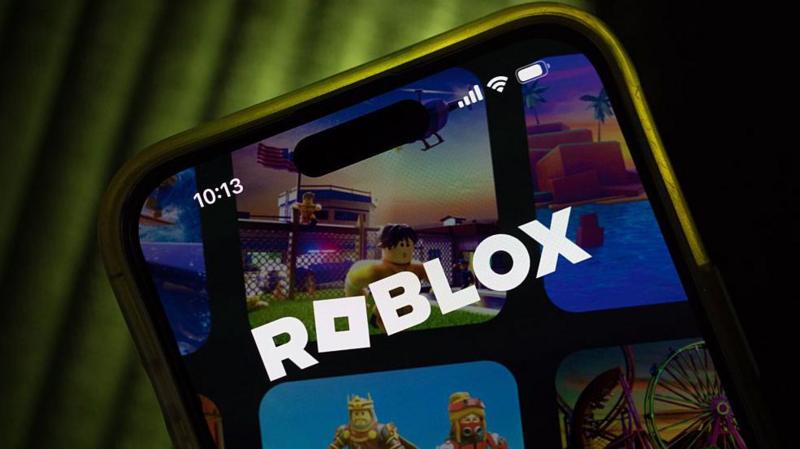
Roblox is expanding its child safety system with new age-specific accounts called Roblox Kids and Roblox Select. This expansion has raised concerns among parents due to potential misclassification of children's ages, affecting parental controls. Roblox defends the new system, saying it aims to improve safety by using advanced age estimation technology.
Key Facts
Roblox has 144 million daily users worldwide.
The company is introducing age-specific accounts: Roblox Kids for younger children and Roblox Select for users aged 9 to 15.
Some parents report their children being incorrectly classified as adults, affecting parental controls.
Age estimation is determined using facial analysis and usually estimates ages within about 1.4 years of accuracy.
Users not completing the age check can only access children-specific content and are barred from communication on the platform.
Concerns were raised after a 14-year-old was groomed on the platform, leading to safety scrutiny.
Roblox has over two million developers creating content for the platform.
Parents can reset age checks, submit appeals, and use ID verification if errors occur in age classification.
Read the Original
Want the full story? Tap a source to open the original
article.
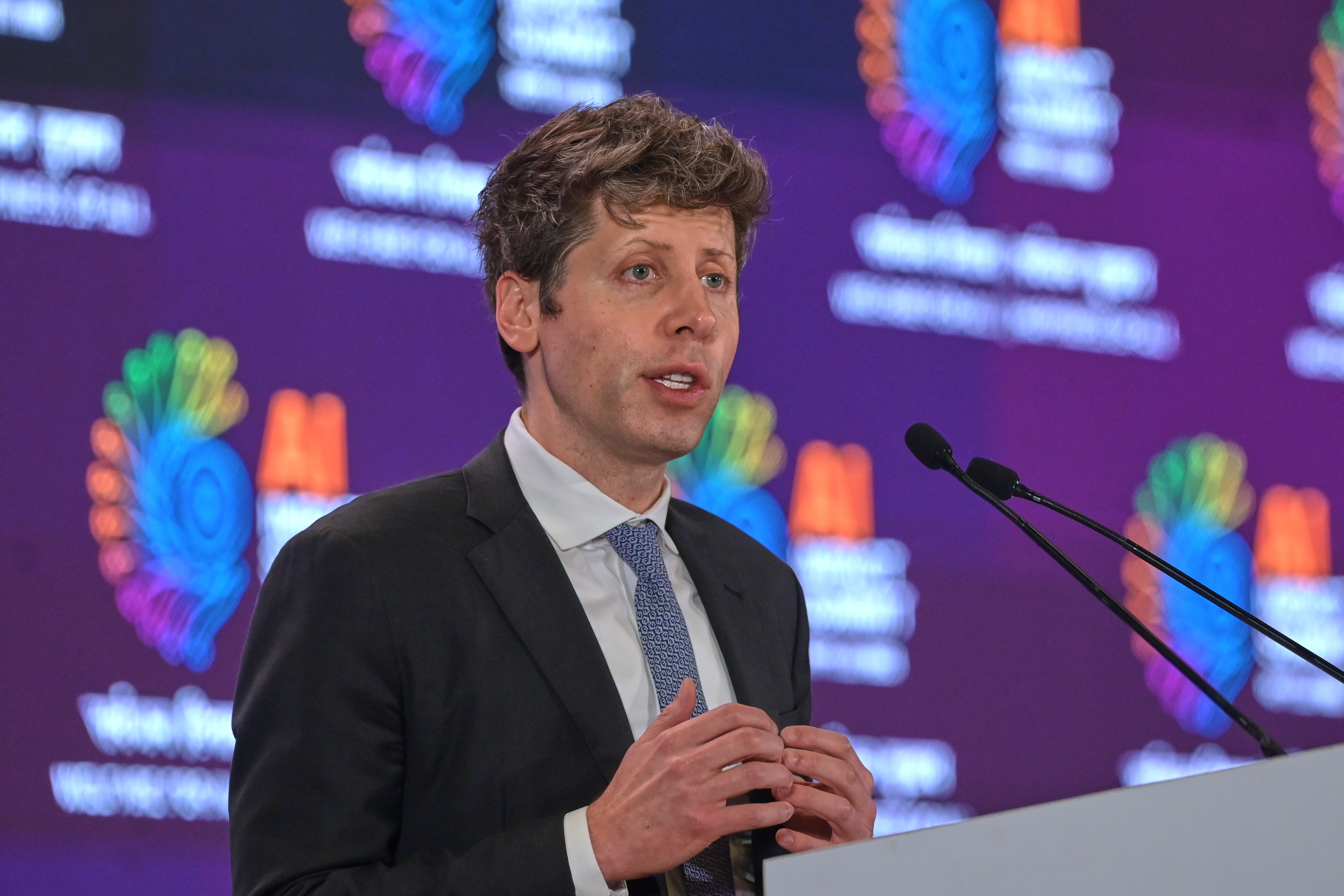
A potential shooting occurred outside the home of Sam Altman, the CEO of OpenAI. Police arrested two people, Amanda Tom and Muhamad Tarik Hussein, in connection with the incident and seized three guns from a related residence. The investigation is still ongoing.
Key Facts
Two people, Amanda Tom and Muhamad Tarik Hussein, were arrested after a potential shooting outside Sam Altman's home.
The incident happened at around 2:56 a.m. in the Russian Hill area of San Francisco.
Police seized three firearms from a residence linked to the suspects.
The police did not officially name Altman, but the location was identified by other reports.
SFPD Chief Derrick Lew emphasized the seriousness of crimes involving guns.
The investigation into the incident is open and active.
Earlier, a different man was arrested for throwing a Molotov cocktail at the same home and making threats against OpenAI.
Read the Original
Want the full story? Tap a source to open the original
article.
Rockstar Games, the maker of Grand Theft Auto, experienced another hack, with hackers claiming responsibility and threatening to release stolen data unless paid a ransom. Rockstar confirmed that some non-essential information was accessed but stated it does not affect the company or its players.
Key Facts
Rockstar Games was hacked for the second time in three years.
Hackers called ShinyHunters claim they accessed Rockstar's servers via a third-party cloud provider.
Hackers demanded a ransom, threatening to release data if not paid.
Rockstar stated that the accessed information was not important and would not impact the company or players.
Law enforcement advises not to pay ransoms, as there's no guarantee that data will be deleted.
In a previous incident, the Lapsus$ group hacked Rockstar in 2023, leading to the early release of Grand Theft Auto VI footage.
ShinyHunters are known for data theft and extortion, targeting several companies.
Read the Original
Want the full story? Tap a source to open the original
article.
A video of a two-year-old girl singing a song from the movie "Frozen" has gone viral on TikTok, capturing the admiration of viewers for her impressive memory and performance. The video, shared by TikTok user sky.kellisa, features the child singing with her dad, which has sparked discussions about how children can easily memorize and recall songs.
Key Facts
A TikTok video shows a two-year-old girl singing a song from "Frozen" with accuracy.
The video is framed humorously as an "audition" for "Frozen 3."
Many viewers praised the child's memory and stage presence.
Experts suggest children connect deeply with music, aiding their memory through enjoyment and repetition.
Songs' patterns and rhythms help children remember them better.
Online reactions included amazement and suggestions for a future in theater.
The video was shared by the TikTok user sky.kellisa and gained widespread attention.
Read the Original
Want the full story? Tap a source to open the original
article.
The article discusses how people are forming three distinct groups in response to AI technology: power users, doubters, and resisters. These groups differ in how much they use AI and their concerns about it. There are protests and incidents involving AI, showing that public opinion is divided.
Key Facts
There are three main groups regarding AI: power users, doubters, and resisters.
Power users actively use AI to automate tasks and boost productivity.
Doubters view AI as unreliable and often underuse its capabilities.
Resisters understand AI but reject its development and impact.
Protests and violence related to AI are occurring, such as a legislative home shooting in Indianapolis.
A man was arrested for allegedly attacking OpenAI CEO Sam Altman's home.
Workers worry about job loss due to AI, with public concerns growing.
AI is bringing significant societal changes, creating fear and anxiety.
Read the Original
Want the full story? Tap a source to open the original
article.
Billy Magnussen stars in AMC's show "The Audacity," playing Duncan Park, a tech CEO. The show is about more than just technology; it explores the personal stories and ethical dilemmas of people in the tech world. Magnussen discusses how he prepared for his role and the show's focus on characters rather than tech offices.
Key Facts
Billy Magnussen plays Duncan Park, a tech CEO in AMC's "The Audacity".
The show is not just about tech but also covers personal and ethical stories.
Magnussen chose varied roles in his career to avoid being typecast.
He believes every character sees themselves as the hero of their story.
The show explores how tech leaders' decisions impact billions of people.
"The Audacity" does not focus on office drama but on people's lives in the tech bubble.
Magnussen relates his character's journey to real-life tech figures like Elon Musk.
Read the Original
Want the full story? Tap a source to open the original
article.
Meta has created AI-powered glasses that aim to help users stay focused on the present. A journalist tried the glasses for a month and shared both positive and negative experiences, including benefits for people with vision or hearing challenges and concerns about privacy risks.
Key Facts
Meta’s glasses use artificial intelligence (AI) to assist users.
Mark Zuckerberg described the glasses as “personal super intelligence.”
The glasses are designed to help people stay more present in daily life.
A journalist wore the glasses for a month to test how they work.
The glasses could be very helpful for people with vision or hearing problems.
There are privacy concerns connected to wearing this technology.
The article also mentions a case where someone was secretly filmed by an influencer.
Read the Original
Want the full story? Tap a source to open the original
article.
NASA is planning its next moon mission, Artemis III, after the successful return of the Artemis II crew. This new mission will involve practicing docking maneuvers with a lunar lander around Earth. Private companies SpaceX and Blue Origin are developing landers for future NASA moon landings.
Key Facts
Artemis III is NASA's next planned mission following the Artemis II moon flyby.
The Artemis III mission will practice docking maneuvers in Earth's orbit with a lunar lander.
SpaceX and Blue Origin are competing to build lunar landers for future missions.
Elon Musk’s Starship and Jeff Bezos’ Blue Moon are the two lander contenders.
Artemis III will prepare for a lunar landing mission planned for 2028.
The Artemis missions aim to explore the moon’s south polar region, potentially rich in ice.
NASA has not yet announced the crew for Artemis III.
Artemis II included the first woman and first person of color to orbit the moon.
Read the Original
Want the full story? Tap a source to open the original
article.
A man in the United States shared an experience where he accidentally clicked a scam link while setting up a Google profile for his business. This link led him to a fake website designed to trick him into giving out important information. Fortunately, he realized the scam in time and avoided providing his password.
Key Facts
The man tried setting up a Google profile and clicked a scam link by mistake.
The link was a sponsored result on Google and looked legitimate.
The domain name was misspelled as "goolge," which led the man to a fake page.
The scam involved tricking him into running a command and entering his password.
He noticed the suspicious request for his password and restarted his computer.
He later advised others not to run commands they don't understand and to verify online information.
He highlighted the attack as "AMOS infostealer," a known threat to Mac users.
Newsweek has reached out to Google for a response.
Read the Original
Want the full story? Tap a source to open the original
article.
The article describes the author’s experience using an AI journalling app called Mindsera, which provides users with feedback on their diary entries. The app responds to thoughts and feelings and aims to support mental wellbeing by interacting like a conversation partner.
Key Facts
The author has kept diaries since being a teenager and tried AI journalling out of curiosity.
Mindsera has about 80,000 users in 168 countries, with an equal number of men and women.
Unlike traditional journalling, Mindsera talks back and offers instant comments on entries.
The author found the app helpful during a stressful period, as its responses made her feel understood.
Mindsera supports input via text, audio, or handwriting scan and provides AI-generated illustrations.
Users can get psychological analysis based on different mental frameworks or feedback styled after a chosen voice.
The app costs £10.99 per month, which the author considers a significant price but finds value in the experience.
The AI encourages users and responds to achievements, making journalling feel like interacting with a supportive friend.
Read the Original
Want the full story? Tap a source to open the original
article.
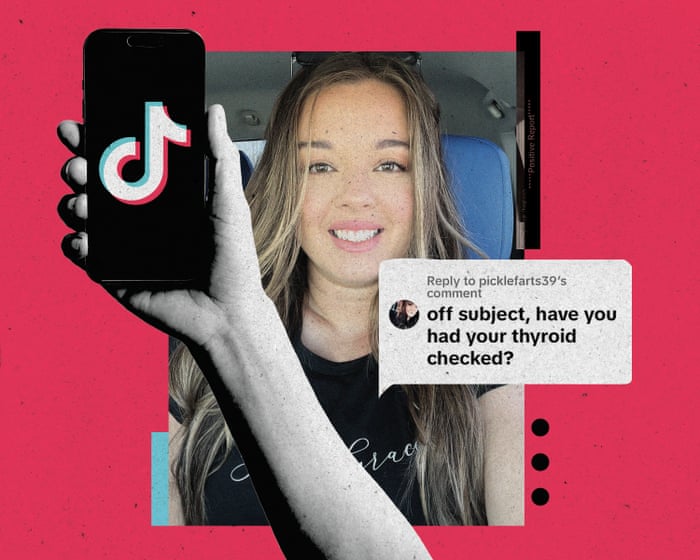
People on TikTok are helping each other spot serious health problems like thyroid cancer by commenting on videos when they notice unusual signs. One woman was warned about a possible thyroid issue by a TikTok user, which led to an early cancer diagnosis and successful treatment.
Key Facts
Malina Lee, a baker from Texas, was told by a TikTok commenter that her neck looked unusual, suggesting a thyroid problem.
The commenter, known as “PickleFart,” correctly identified a possible goiter, which led Lee to get tested and discover thyroid cancer early.
Lee was treated quickly and became cancer-free less than a year later.
“PickleFart” is Billie Jean Tuomi, who survived thyroid cancer herself and now helps others by spotting neck asymmetry in TikTok videos.
Tuomi encourages people to see doctors but uses her experience to suggest when medical checks are needed.
The American Thyroid Association recommends adults start thyroid testing at age 35 every five years, or more often if at high risk.
Other TikTok users inspired by this approach have also begun alerting people to possible thyroid issues.
Read the Original
Want the full story? Tap a source to open the original
article.
The article describes the animated film "Puss in Boots," a spin-off from the "Shrek" series. It follows Puss, a cat voiced by Antonio Banderas, who goes on a quest with a thieving feline and Humpty Dumpty.
Key Facts
"Puss in Boots" is an animated adventure film connected to the "Shrek" movies.
Antonio Banderas provides the voice for the main character, Puss.
The story focuses on Puss teaming up with another cat who is a thief and his old friend Humpty Dumpty.
The film's duration is about 1 hour and 21 minutes.
It was first released in 2011.
The article also lists similar family-friendly animation titles available on the same platform.
Features like audio description and sign language support are available for viewers.
JavaScript needs to be enabled on the website to fully access the content.
Read the Original
Want the full story? Tap a source to open the original
article.
The article discusses seven modern storage trends in kitchen and bathroom design for 2026. These trends focus on increasing storage space and enhancing the visual appeal of these areas using innovative designs.
Key Facts
Best of Houzz awards highlight seven storage trends for 2026.
Ceiling-height cabinets add extra storage and make rooms look taller.
Glass-front cabinet doors allow visibility and add interest to rooms.
In-cabinet lighting has increased in popularity, aiding visibility.
Bifold and retractable cabinet doors offer flexible storage options.
Countertop towers add vertical storage space, useful in small areas.
Longer vanities are popular in bathrooms for a unified look and more storage.
Read the Original
Want the full story? Tap a source to open the original
article.
Major AI companies like OpenAI and Anthropic are trying to improve their public image by creating policy papers and think tanks that focus on the social effects of AI. OpenAI released a paper suggesting changes like a four-day workweek and a public wealth fund to help society manage AI’s impact, while also opening new offices and acquiring media outlets to influence the conversation.
Key Facts
OpenAI published a 13-page policy paper called Industrial Policy for the Intelligence Age, suggesting new rules and ideas for AI’s role in society.
OpenAI bought a tech-focused podcast, TBPN, and plans to open a Washington DC office with a space for policy discussions.
Anthropic, another AI company, launched the Anthropic Institute to study AI's societal effects.
Polls show increasing public disapproval of AI technologies in the US.
OpenAI’s CEO Sam Altman noted that AI is unpopular and often blamed for job layoffs and energy price rises.
The companies are spending money on lobbying while promoting ideas for regulation, but some experts say this might weaken independent efforts to control AI.
OpenAI’s paper includes proposals like a four-day workweek and a public wealth fund to share AI profits with citizens.
Critics say the paper may be more about public relations and shifting responsibility for AI’s impact from companies to the government and society.
Read the Original
Want the full story? Tap a source to open the original
article.
The AI company Anthropic announced it developed a very powerful AI model called Mythos but decided not to release it publicly due to safety concerns. The company has received a lot of media attention and mixed reactions from experts, with some praising and others questioning the model’s capabilities and Anthropic’s marketing approach.
Key Facts
Anthropic created an AI model named Mythos but chose not to release it to the public.
US Treasury Secretary Scott Bessent met with major bank leaders to discuss potential risks related to Mythos.
A UK politician warned the government about possible cybersecurity threats from Mythos.
Some AI experts are skeptical about Anthropic’s claims and its marketing style.
Anthropic has been featured in major media outlets, including The New Yorker, Wall Street Journal, and Time magazine.
The company’s AI product, Claude, is used commercially for tasks like cryptocurrency trading and military target designation.
Anthropic accidentally leaked some of Claude’s source code but said no sensitive data was exposed.
Experts note Anthropic’s public claims about Mythos lack clear evidence or proof.
Read the Original
Want the full story? Tap a source to open the original
article.
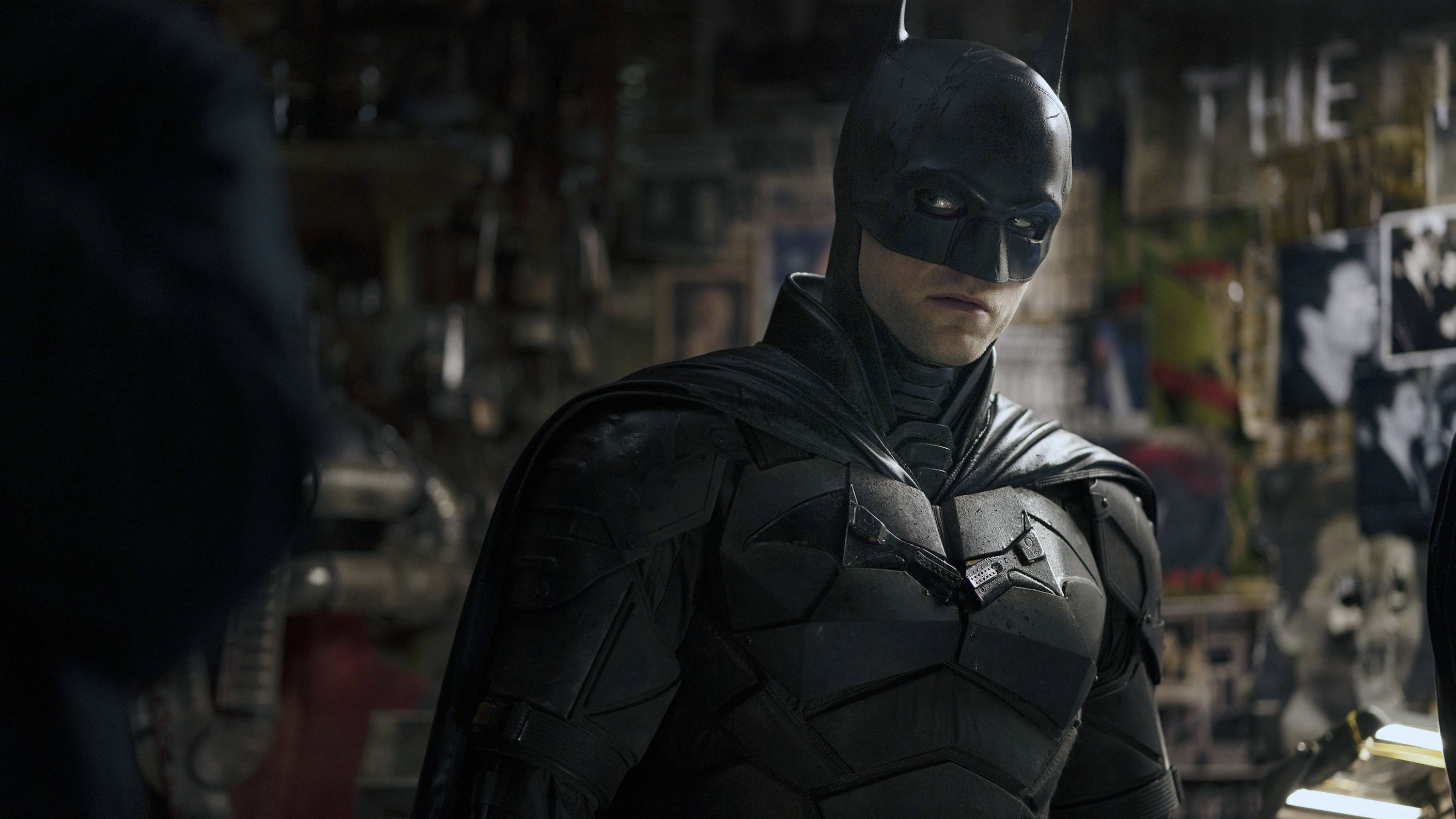
Andy Serkis will return as Bruce Wayne's butler, Alfred Pennyworth, in "The Batman Part II." The movie's shooting starts in June 2026, and its release is expected around late 2027. Serkis has prior commitments, which causes a delay in his joining the production.
Key Facts
Andy Serkis plays Alfred Pennyworth in "The Batman" series.
"The Batman Part II" is a sequel by Warner Bros.
Filming for the sequel starts in June 2026.
The expected release date for the film is late 2027.
Serkis is also working on "The Lord of the Rings: The Hunt for Gollum" and "Animal Farm."
"The Batman" previously earned $772 million worldwide.
Read the Original
Want the full story? Tap a source to open the original
article.
Netflix has confirmed plans for a third season of its live-action series "One Piece". The show, based on a famous manga, will continue with new characters and storylines, with a focus on Princess Vivi's homeland.
Key Facts
"One Piece" is a live-action series on Netflix, adapted from a popular manga.
Netflix will continue the show with a third season.
The show has been highly rated, with a 93% score on Rotten Tomatoes.
Season 3 will introduce a new character, Karoo, linked to Princess Vivi.
The story will cover events in the desert kingdom of Alabasta.
The series follows the manga closely, not the anime version.
Read the Original
Want the full story? Tap a source to open the original
article.
Rockstar Games, the developer of Grand Theft Auto 6, confirmed a data breach by a hacker group demanding a ransom. The hackers accessed the company's data using a weakness in a cloud tool. Rockstar states that the breach won't affect the game or its release plans.
Key Facts
Rockstar Games confirmed a data breach.
The hacker group involved is called ShinyHunters.
Hackers used a cloud tool called Anodot to access Rockstar's data.
The hackers are demanding a ransom with a deadline of April 14.
Rockstar says the breach involved "non-material" information.
The breach is not expected to impact the release or gameplay of GTA 6.
GTA 6 is scheduled to release on November 19, 2026.
Read the Original
Want the full story? Tap a source to open the original
article.
Several musicians have found fake albums that use their names on Spotify, but the music and style are not theirs. These fake albums seem to be created using artificial intelligence (AI). Spotify is aware of the problem and is working on tools to help artists control what appears under their names.
Key Facts
Jazz pianist Jason Moran discovered a fake album under his name on Spotify, with music different from his style.
Many musicians, including jazz, indie rock artists, and even rapper Drake, have faced similar fake AI-generated content.
Spotify removed over 75 million spam tracks in the past year and is strengthening rules against impersonation.
Spotify plans to give artists a tool to approve or reject releases under their names before they appear on the platform.
The tool will also be available to rights holders of deceased artists if they have accounts, helping to protect artist identity posthumously.
Spotify uses systems, human review, and reporting to detect and remove unauthorized content.
Some musicians think these measures are not enough and worry about ongoing misuse of their names.
Artificial intelligence is contributing to an increase in fake music content on streaming platforms.
Read the Original
Want the full story? Tap a source to open the original
article.
The Artemis II mission by NASA successfully sent astronauts around the moon and brought them back to Earth safely. However, NASA acknowledges that there is still more work to be done.
Key Facts
The Artemis II mission involved sending astronauts around the moon.
All astronauts returned safely to Earth on Friday.
NASA describes this mission as a major achievement.
Despite the success, NASA says additional work is needed.
The mission is part of a broader plan to explore the moon.
Read the Original
Want the full story? Tap a source to open the original
article.