The British Museum hosted tech billionaire Peter Thiel for a private viewing of the Bayeux tapestry before it opened to the public. Thiel is the founder of Palantir, a software company with controversial government contracts, including a large deal with the NHS in the UK.
Key Facts
Peter Thiel visited the British Museum for a special preview of the Bayeux tapestry on August 18.
The museum’s director of development, Charlotte Appleyard, hosted the viewing, and museum chair George Osborne knew about it but did not attend.
Some museum staff worried about giving special access to Thiel due to his ties to Jeffrey Epstein and Palantir’s controversial role in public contracts.
The museum uses a system called “lux hours” to limit light exposure and protect the tapestry; no public viewing hours were taken away for this private event.
Thiel is not a donor to the British Museum and no money was received from him or his companies.
Public ticket sales for the Bayeux tapestry had long online queues, with tens of thousands waiting for a chance to visit.
Palantir has multiple contracts with UK public agencies, including a £330 million NHS deal that has drawn criticism.
London’s mayor blocked a £50 million Palantir contract with the Metropolitan Police, and the company is challenging the decision in court.
Read the Original
Want the full story? Tap a source to open the original
article.
Several major video games are scheduled for release in autumn 2026, including new titles from popular series like Onimusha, Marvel’s Wolverine, and Grand Theft Auto VI. These games offer a variety of gameplay styles, from action adventures and tactical role-playing to horror and innovative puzzle mechanics.
Key Facts
Onimusha: Way of the Sword releases on 4 September for PC, PS5, Switch 2, and Xbox.
Screenbound, described as a 5D platformer with intertwined 3D and 2D gameplay, comes out on 10 September for PC, PS5, and Xbox.
Marvel’s Wolverine launches on 15 September exclusively for PS5 with a globe-trotting story.
Fire Emblem: Fortune’s Weave releases on 17 September for Switch 2, featuring tactical combat and a competition for a wish.
Silent Hill: Townfall, a horror game set in Scotland, is available on 24 September for PC and PS5.
Control Resonant, a sequel with a new main character, releases on 24 September for PC, PS5, and Xbox.
Call of Duty: Modern Warfare 4 arrives on 23 October for PC, PS5, Switch 2, and Xbox with action set in Korea.
Grand Theft Auto VI, following two criminals in Vice City, launches on 19 November for PS5 and Xbox after a long development.
Read the Original
Want the full story? Tap a source to open the original
article.
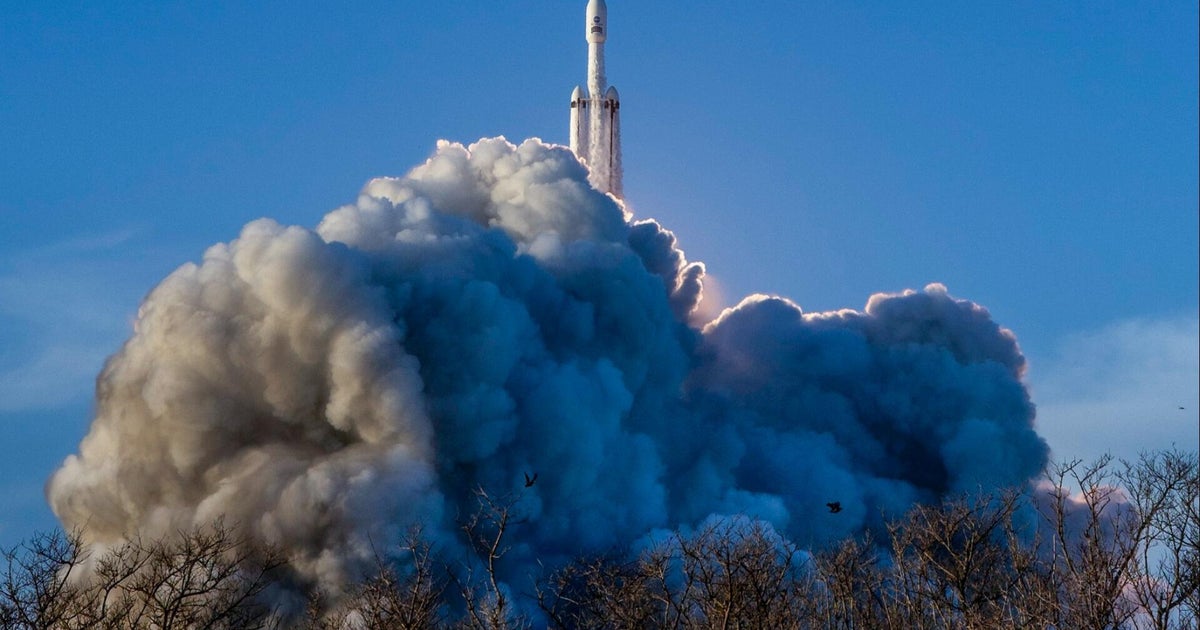
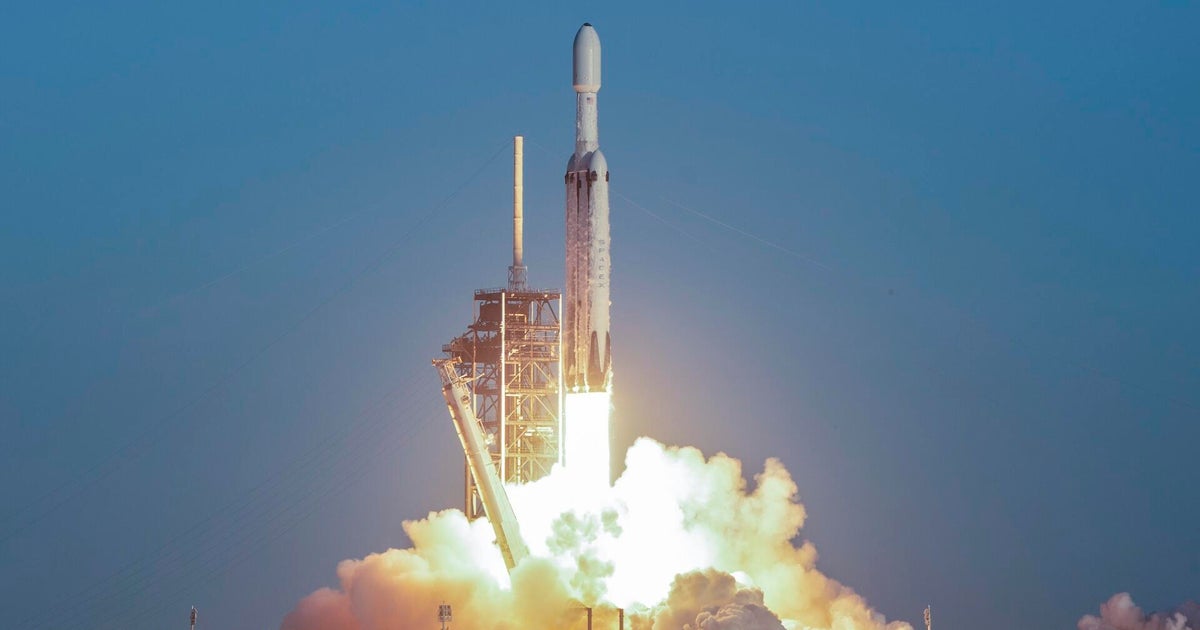
NASA launched the Roman Space Telescope on a SpaceX rocket from Kennedy Space Center. The $4.3 billion telescope will study distant stars and galaxies to help scientists learn more about the universe.
Key Facts
The Roman Space Telescope is NASA’s new, advanced space telescope.
It launched on a SpaceX rocket from Kennedy Space Center.
The telescope cost $4.3 billion to build and launch.
It will observe faraway stars and galaxies in deep space.
Scientists hope it will help discover new things about the universe.
Read the Original
Want the full story? Tap a source to open the original
article.
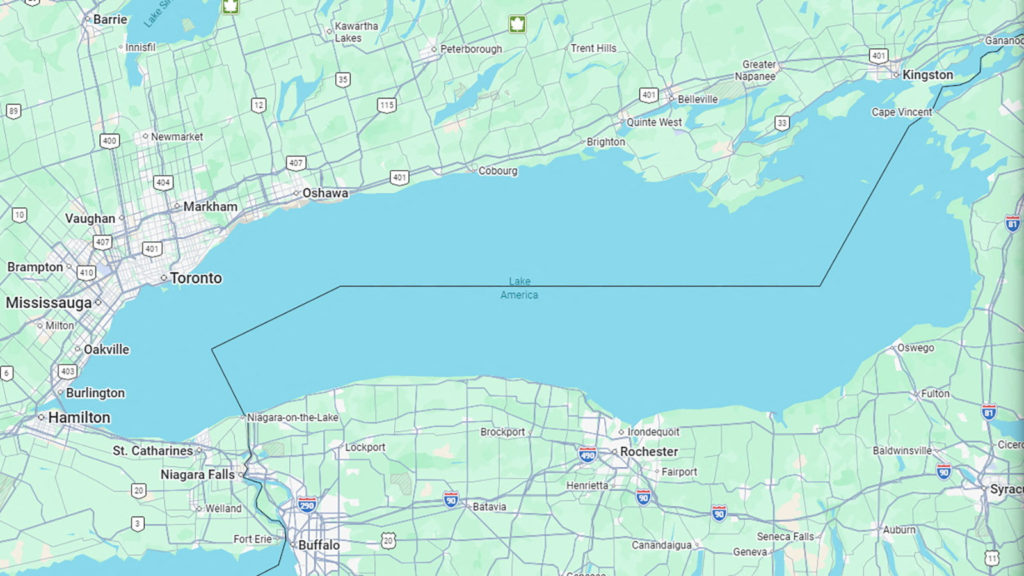
Google Maps now shows Lake Ontario as "Lake America" for users in the United States after President Donald Trump ordered the name change. In Canada, the lake is still called Lake Ontario, and outside these two countries, both names appear on the map.
Key Facts
President Trump ordered the renaming of Lake Ontario to "Lake America" amid a trade dispute with Canada.
Google updated its US version of Maps to reflect this change, following rules from the U.S. Geographic Names Information System (GNIS).
In Canada, the lake's name remains Lake Ontario on Google Maps.
Outside the US and Canada, both "Lake Ontario" and "Lake America" are shown on Google Maps.
The change is part of Google's policy to display names based on local government decisions.
A similar renaming happened in 2025 when President Trump renamed the Gulf of Mexico as the Gulf of America on Google Maps.
The renaming order has been met with little support and some mockery in Canada and the US.
Ontario Premier Doug Ford responded with a large sign on the Canadian shore saying "Lake Ontario. Now and forever."
Read the Original
Want the full story? Tap a source to open the original
article.
Google Maps changed the name of Lake Ontario to "Lake America" for users in the United States after President Donald Trump ordered the renaming. The change follows the U.S. Geographic Names Information System's naming and affects only U.S. users, while Canadians still see "Lake Ontario."
Key Facts
President Donald Trump ordered the renaming of Lake Ontario to "Lake America."
Google Maps updated its app to show "Lake America" for users in the U.S.
In Canada, the lake name remains "Lake Ontario."
Users outside the U.S. and Canada see both names on Google Maps.
Google bases the naming on the U.S. Geographic Names Information System (GNIS).
The renaming order comes amid a trade dispute between the U.S. and Canada.
This is similar to a past renaming where the Gulf of Mexico became the Gulf of America on U.S. Google Maps.
Ontario Premier Doug Ford displayed a billboard saying "Lake Ontario. Now and forever." on the Canadian shore.
Read the Original
Want the full story? Tap a source to open the original
article.
A huge leak of more than 12 terabytes of data from Steam's old servers has appeared online. This leak includes almost every game found on Steam from 2003 to 2013, with many versions, including early and test builds. The leaked files come from the Steam2 system, which Valve replaced in 2013 with a newer distribution method.
Key Facts
The leak contains over 12 terabytes of data related to Steam games from 2003 to 2013.
It includes thousands of game versions, such as public releases and unreleased prototypes.
The data comes from Steam’s old “Steam2” server system, replaced by SteamPipe in 2013.
The leak was found on a BitTorrent tracker, making it widely accessible.
Experts say the data was available through an unprotected public API before being leaked.
It is unclear if the data was recently accessed or collected quietly over many years.
Some people in the gaming community had privately saved parts of this data before.
The leak encourages sharing and mirroring to keep the files available to the public.
Read the Original
Want the full story? Tap a source to open the original
article.
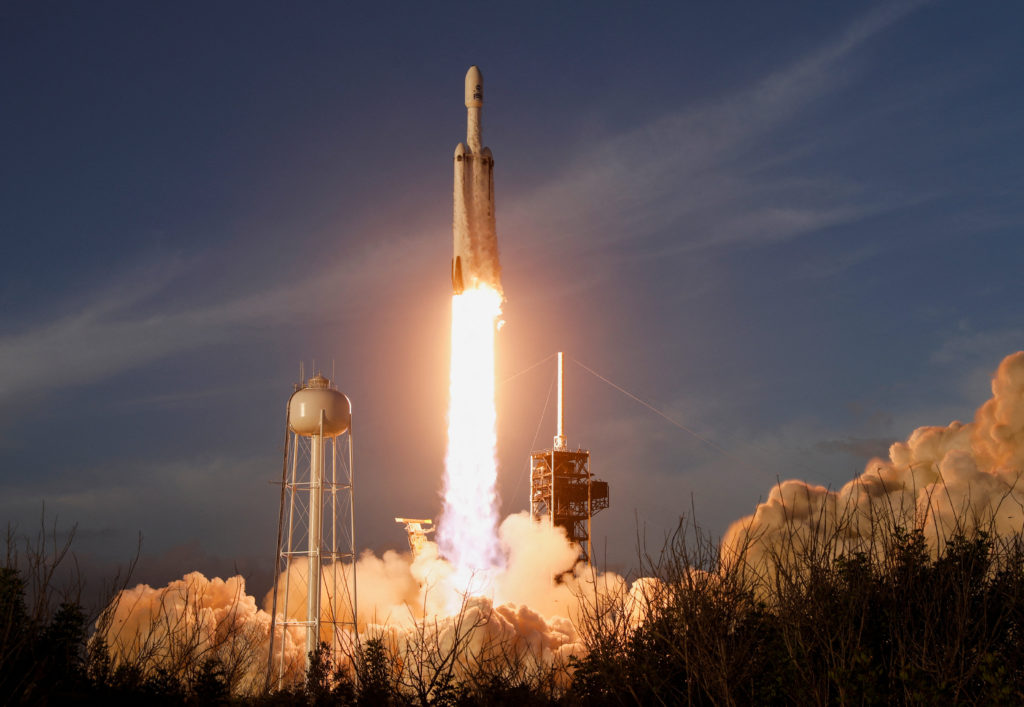
NASA launched the Nancy Grace Roman Space Telescope on Sunday using a SpaceX Falcon Heavy rocket. This new telescope will study the universe with a much larger view than Hubble, aiming to find planets, galaxies, and other cosmic phenomena over a five-year mission.
Key Facts
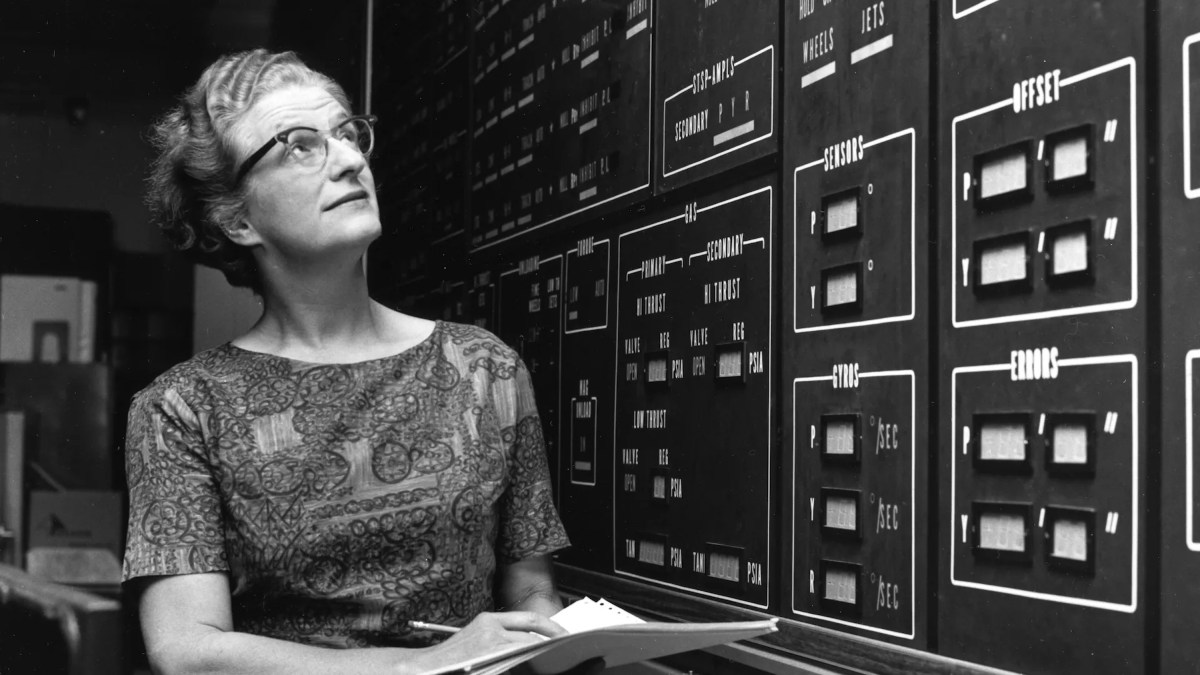
The telescope cost $4.3 billion and is named after Nancy Grace Roman, NASA’s first chief astronomer.
Nancy Grace Roman helped create NASA’s astronomy program and supported putting telescopes in space.
The telescope has a field of view more than 100 times larger than Hubble’s.
It will travel to a stable point in space about 1 million miles from Earth, near where the James Webb Telescope is located.
The mission will last five years and focus on discovering planets, galaxies, black holes, dark energy, and dark matter.
Scientists hope the telescope’s wide view will help find new objects and better understand how the universe has changed over time.
Nancy Grace Roman was known as the “Mother of Hubble” for her role in developing the Hubble Space Telescope.
Read the Original
Want the full story? Tap a source to open the original
article.
The article discusses the most searched slang words in 2026. It highlights how staying updated with new language used by younger generations like Gen Z and Gen Alpha can be challenging for many people.
Key Facts
The article focuses on slang words popular in 2026.
Slang terms often come from online communities and younger generations.
Gen Z refers to people born roughly between 1997 and 2012.
Gen Alpha includes those born after 2012.
Many people who are not active online may not know current slang.
Understanding slang can help people communicate better with younger groups.
The article implies language is always changing, especially with social media influence.
Read the Original
Want the full story? Tap a source to open the original
article.
NASA launched the $4.3 billion Nancy Grace Roman Space Telescope to study planets outside our solar system, dark energy, and the structure of the universe. The telescope will orbit 1.6 million kilometers from Earth and is expected to operate for at least five years, with potential for longer missions if refueled.
Key Facts
The Roman Telescope was launched by SpaceX on a Falcon Heavy rocket from Florida.
It will travel to Lagrange Point 2, orbiting the sun about 1 million miles from Earth.
The mission aims to study dark energy, dark matter, and exoplanets (planets outside our solar system).
Roman’s field of view is over 100 times wider than the Hubble Space Telescope’s.
The telescope may discover thousands of new exoplanets and survey over 2 billion galaxies.
It is NASA’s first space telescope named after a woman, Nancy Grace Roman, NASA’s first chief astronomer.
Roman’s mission could last 5 years, with extra years possible if refueled by robotic tankers in the future.
The telescope will complement other space telescopes like Hubble and Webb to better understand the universe.
Read the Original
Want the full story? Tap a source to open the original
article.
NASA launched the Roman Space Telescope on a mission to take very wide and sharp pictures of space. The telescope uses a special mirror that was first made for a spy satellite.
Key Facts
The Roman Space Telescope launched on Sunday.
It cost $4.3 billion to build and launch.
The telescope uses a mirror originally made for a spy satellite.
The mirror is similar in quality to the Hubble Space Telescope's mirror.
The telescope can take wide-angle images that are extremely clear.
To display one image fully, it would take about 500,000 4K TV screens.
Read the Original
Want the full story? Tap a source to open the original
article.
Nasa has launched the Nancy Grace Roman Space Telescope to study dark energy, black holes, and planets outside our solar system. The telescope has a much larger view than the Hubble Space Telescope and will travel about one million miles from Earth to begin its mission.
Key Facts
The Nancy Grace Roman Space Telescope launched from Kennedy Space Center in Florida.
It has a field of vision 100 times larger than the Hubble Space Telescope.
The telescope will take about 100 days to reach its orbit about one million miles from Earth.
It aims to discover tens of thousands of exoplanets and study dark energy and dark matter.
The telescope is named after Nancy Grace Roman, Nasa’s first female chief astronomer.
Its primary mission is planned to last five years, with a goal of 10 years of operation.
Dark matter and dark energy are invisible forces that make up about 95% of the Universe.
President Donald Trump congratulated the Nasa team during the launch event.
Read the Original
Want the full story? Tap a source to open the original
article.
NASA launched a new space telescope designed to search for planets outside our solar system, study dark energy, and take detailed surveys of space. The launch happened on Sunday from Cape Canaveral, Florida.
Key Facts
NASA launched a new space telescope on Sunday.
The telescope aims to find planets orbiting other stars, called exoplanets.
It will study dark energy, a mysterious force causing the universe to expand faster.
The telescope will survey the cosmos with improved detail.
The launch site was Cape Canaveral in Florida.
Read the Original
Want the full story? Tap a source to open the original
article.
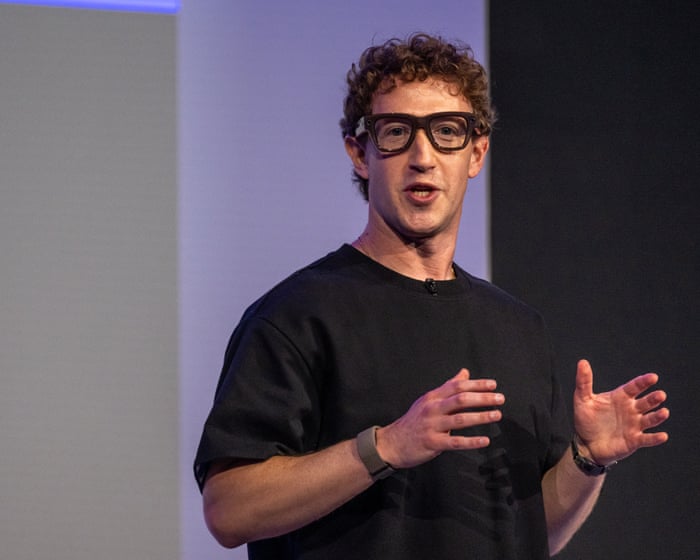
Australia’s online safety regulator has asked smartglasses companies to add features that blur people’s faces automatically and show clearly when filming is happening. The regulator warns these glasses, which have cameras, can invade privacy and cause harm by recording people without permission.
Key Facts
Smartglasses with cameras, like Meta’s Ray-Ban, can help people with low vision but also raise privacy concerns.
There are reports of women being filmed without consent, sometimes called “pervert glasses.”
The eSafety commissioner says companies should not just rely on users to be responsible but must build safer designs into the glasses.
Suggested safety features include clear indicators when recording and automatic face blurring for people who have not agreed to be filmed.
Current laws do not give the eSafety commissioner power to force companies to make these changes.
The Australian government is considering privacy law changes related to smartglasses but is not planning to ban them outright yet.
Some local councils want to ban recording devices, including smartglasses, in certain public places.
A temporary ban has been proposed by some lawmakers while privacy laws are updated to better cover these devices.
Read the Original
Want the full story? Tap a source to open the original
article.
NASA launched a new space telescope named after Nancy Grace Roman from the Kennedy Space Center in Florida. The telescope reached orbit 10 minutes after liftoff and will start studying important questions about the universe.
Key Facts
The telescope was launched by NASA.
Launch location was the Kennedy Space Center in Florida.
It reached orbit 10 minutes after liftoff.
The telescope is named after astronomer Nancy Grace Roman.
Scientists call it a “discovery machine.”
Its mission is to study big unsolved mysteries in space.
The launch took place on August 30, 2026.
Read the Original
Want the full story? Tap a source to open the original
article.
Google Maps changed the name of Lake Ontario to "Lake America" for users in the United States. The name remains Lake Ontario for Canadian users, and international users see both names. This change follows an executive order by President Donald Trump.
Key Facts
Google Maps renamed Lake Ontario to "Lake America" for people using U.S. phones.
Canadian users still see the lake called Lake Ontario.
Users outside the U.S. and Canada see both "Lake America" and "Lake Ontario."
The change follows an executive order by President Donald Trump.
Google said the name change followed guidance from the U.S. Geographic Names Information.
Read the Original
Want the full story? Tap a source to open the original
article.
Synaesthesia is a condition where one sense triggers another, like tasting names or seeing colors in sounds. About 2 to 4 percent of people may have it, but many do not realize their experiences are unusual. Scientists are studying how brain connections in synaesthetes work differently, possibly due to less pruning of neural links during childhood.
Key Facts
Synaesthesia means one sense automatically triggers another, like tasting sounds or seeing colors in music.
A Greek jewelry designer, Constantina Makridakis, tastes names as specific foods, like caramel chocolate or pasta with prawns.
Famous synaesthetes include singer Billie Eilish and composer Franz Liszt, who saw musical notes as colors.
Around 2 to 4 percent of the global population experiences some form of synaesthesia.
Many people with synaesthesia may not know they have it because it feels normal to them.
Research suggests synaesthesia happens because the brain keeps more connections between senses than usual, due to less pruning of neurons in childhood.
The neurological basis of synaesthesia is still being explored by scientists.
People with milder synaesthesia might experience time or sequences as shapes in their inner mind.
Read the Original
Want the full story? Tap a source to open the original
article.
China has postponed its Chang’e 7 mission to the moon until 2027. China says the delay is to ensure the mission is safe and successful, but it has not given detailed reasons.
Key Facts
China’s Chang’e 7 moon mission was originally planned for an earlier date but is now delayed to 2027.
Officials stated the delay is to prioritize careful and reliable progress.
The mission will include an orbiter, which is a spacecraft that circles the moon.
China has not shared specific details about the causes of the delay.
The Chang’e 7 mission is part of China’s broader plan to explore the moon.
This delay affects the timeline of international efforts to explore and use the moon.
The United States also has plans to return humans to the moon in the coming years.
Both countries are competing to advance their presence and technology on the moon.
Read the Original
Want the full story? Tap a source to open the original
article.
Adobe is an ancient building method using mud bricks made from earth. Today, people are combining traditional adobe with new 3-D printing technology to build homes and museums.
Key Facts
Adobe means making bricks from mud or earth.
People have used adobe to build houses for thousands of years around the world.
Adobe construction methods include mud bricks, wattle and daub, and rammed earth.
Adobe is becoming popular again as a building material.
New technology, like 3-D printing, is being combined with adobe techniques.
This mix of old and new helps create strong, environmentally friendly buildings.
Some museums use adobe in their architecture today.
Do-it-yourself builders also use adobe to make homes from local dirt.
Read the Original
Want the full story? Tap a source to open the original
article.
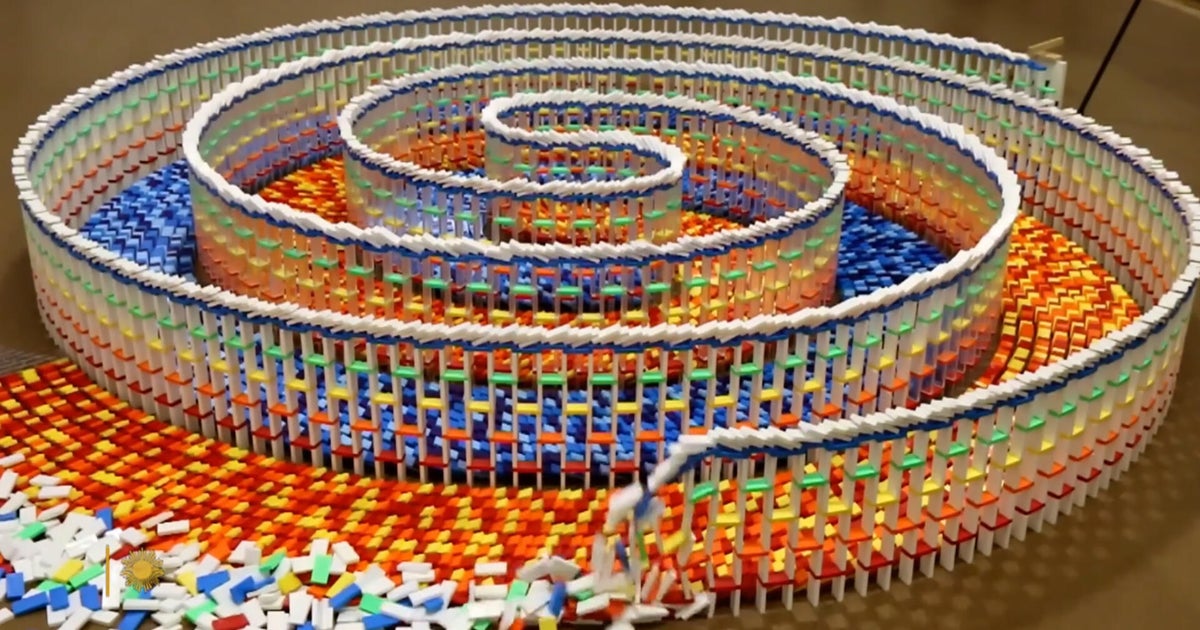
Lily Hevesh is a well-known domino artist who builds detailed designs using thousands of domino pieces. She shared with CBS News how much patience and hard work it takes to set up these patterns before knocking them down.
Key Facts
Lily Hevesh is recognized as possibly the top domino artist in the world.
She creates complex domino structures using many thousands of pieces.
The process requires a lot of patience and steady effort.
After finishing the setup, she often pushes a domino to start a chain reaction.
The article is based on an interview with David Pogue on CBS News.
The topic aired on May 17, 2026.
The story highlights both the art and skill behind domino setups.
Read the Original
Want the full story? Tap a source to open the original
article.
NASA launched the new Roman Space Telescope using a SpaceX Falcon Heavy rocket to study planets, dark energy, and the universe in new ways. The telescope will travel to a point 1 million miles from Earth, where it will observe more stars, galaxies, and planets than ever before with a much wider view than previous telescopes.
Key Facts
The Roman Space Telescope cost $4.3 billion to build and launch.
It launched on August 30, 2026, from Kennedy Space Center in Florida.
The Falcon Heavy rocket used for launch has three boosters; two side boosters landed safely back on Earth.
The telescope will take over three months to reach its final observation location near the Webb Space Telescope.
Roman’s field of view is more than 100 times wider than NASA’s Hubble Space Telescope.
It is designed to find thousands of exploding stars (supernovae), tens of thousands of planets, billions of galaxies, and tens of billions of stars.
Roman will work together with the Webb Space Telescope, the European Space Agency’s Euclid spacecraft, and the Vera C. Rubin Observatory in Chile to study the universe.
The telescope was named after Nancy Grace Roman, NASA’s first chief astronomer.
Read the Original
Want the full story? Tap a source to open the original
article.