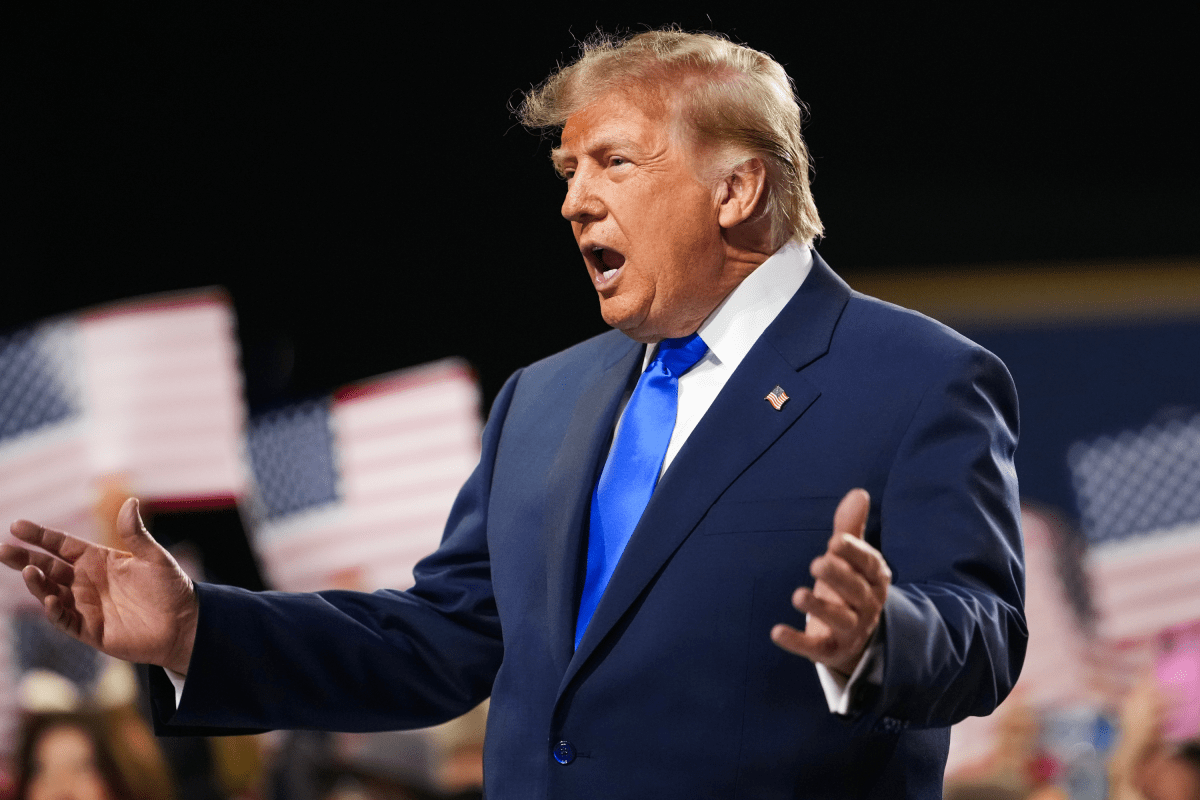
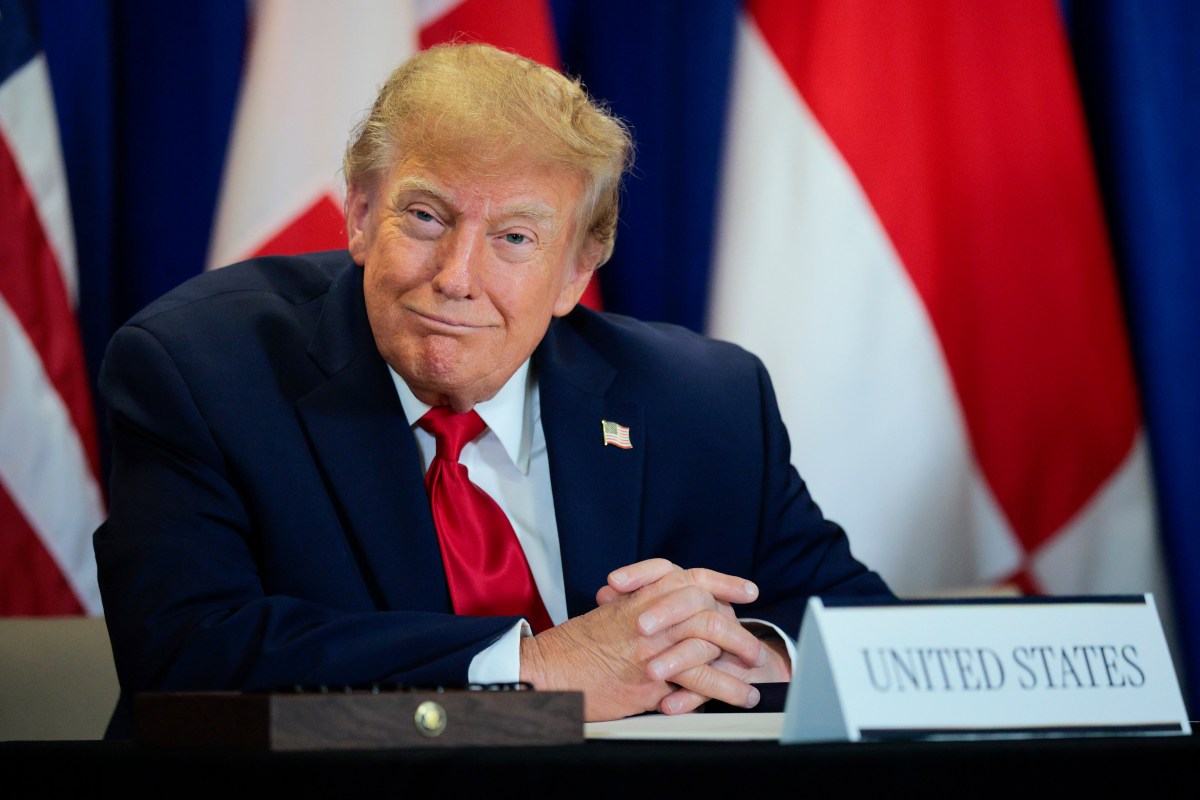
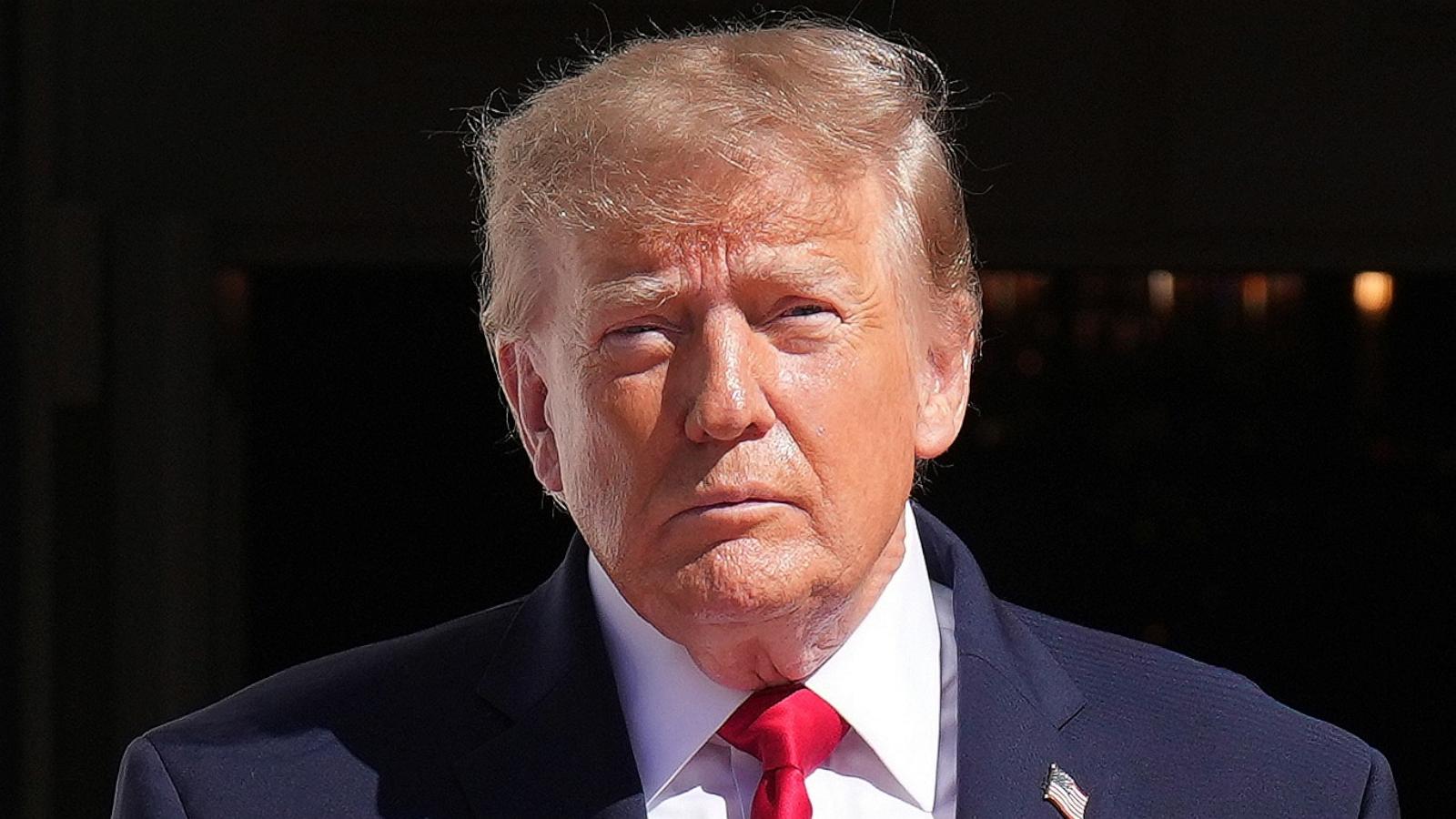
Potential Democratic candidates for the 2028 U.S. presidential election are discussing how to manage artificial intelligence (AI). They focus on creating rules to control AI growth, protect the environment from datacenter impacts, and slow down AI development to reduce risks.
Key Facts
Many voters oppose building new datacenters because they use a lot of energy and resources.
Most Americans believe the government is not doing enough to regulate AI.
President Donald Trump supports leading the world in AI development and does not prioritize slowing it down.
Kamala Harris supports stronger federal rules on AI and has called for slowing down AI progress.
Gavin Newsom, governor of California, pushes for strict AI rules and wants companies to create a “kill switch” to stop AI if needed.
Josh Shapiro, governor of Pennsylvania, supports AI investment but wants strict regulations and limits on datacenter environmental impacts.
Andy Beshear, governor of Kentucky, has made policies to regulate datacenter construction and wants stronger federal AI oversight.
Democratic leaders generally want more guardrails and regulations to manage AI safely.
Read the Original
Want the full story? Tap a source to open the original
article.
President Donald Trump announced a major deal involving U.S. ownership in a Venezuelan oil company after U.S. forces captured Venezuelan president Nicolás Maduro. However, experts say the deal faces serious legal and practical problems and is unlikely to succeed.
Key Facts
In January, U.S. forces captured Venezuelan president Nicolás Maduro and installed Delcy Rodríguez as a replacement.
President Trump claimed the U.S. would gain significant Venezuelan oil through the deal with North American Blue Energy Partners (Nabep).
The Pentagon’s office of strategic capital is said to own about one-third of Nabep.
Venezuelan law limits oil development deals to 25 years, not 100 years as Trump suggested.
The office of strategic capital is not legally authorized to own shares in companies.
Experts doubt the deal will bring new money to Venezuela’s oil industry or help refill the U.S. Strategic Petroleum Reserve.
Alejandro Betancourt López, a Venezuelan businessman with various international connections and investigations into corruption allegations, is a key partner in Nabep.
Former U.S. officials and experts are skeptical the deal will work and compare it to other failed promises.
Read the Original
Want the full story? Tap a source to open the original
article.
The article tells the personal story of a woman whose mother suffered a severe medical emergency requiring surgery and life support. After days in a coma with little hope for recovery, the family decided to remove life support, and the mother died peacefully shortly after.
Key Facts
The author’s mother had a burst aorta, a major artery near the heart.
She underwent a difficult seven-hour heart surgery.
During surgery, she had a heart attack and stroke.
The mother was put on machines to assist breathing, waste removal, and monitor her body.
She remained in a coma with minimal responses for several days.
Medical staff advised the family to be patient and wait for recovery.
When her condition worsened and her fingers turned blue, the family asked when to stop treatment.
The family chose to remove life support; the mother passed away peacefully soon after.
Read the Original
Want the full story? Tap a source to open the original
article.
Some Republican leaders in key U.S. states are disagreeing with President Donald Trump on certain policies. They worry that these policies, such as involvement in the Iran war and high fuel prices, may hurt their chances in upcoming elections.
Key Facts
Republicans in Iowa, Michigan, and Ohio are speaking out against some of President Trump’s policies.
There is growing concern within the GOP about voter backlash in the heartland region.
Lawmakers want to end the war in Iran quickly to reduce tensions and costs.
High gas and diesel prices are causing frustration among voters and politicians.
The disagreement shows a split between President Trump and local Republican officials.
These issues are seen as risks for the Republican Party ahead of upcoming elections.
The focus is on how policy decisions affect everyday Americans in key states.
Read the Original
Want the full story? Tap a source to open the original
article.
President Donald Trump’s approval ratings have dropped to the lowest levels seen in recent polls. This decline is mainly because fewer Republican voters support him and more people have a negative view of the economy. These changes come just weeks before the U.S. midterm elections.
Key Facts
President Trump’s approval rating dropped three points in the latest Reuters/Ipsos poll.
His approval is at its lowest level recorded by this poll.
Support from Republican voters for Trump has decreased.
Views of the economy have worsened among voters.
The decline may affect Republican chances in the upcoming midterm elections.
The midterm elections are scheduled to take place in a few weeks.
Polls like Reuters/Ipsos regularly track how people feel about political leaders.
Read the Original
Want the full story? Tap a source to open the original
article.
Housing Secretary Angela Rayner expressed concerns about Labour's proposed visa rule changes that would make it harder for foreign workers in the UK to get permanent residency. The plan would increase the wait time for most migrants from five to ten years, and to fifteen years for health and social care workers. Rayner criticized the proposal for changing the rules for people who moved to the UK expecting the current system to apply.
Key Facts
Labour wants to change visa rules, increasing residency wait times for most migrants from 5 to 10 years.
Health and social care workers would face a 15-year wait under the new proposals.
Angela Rayner, Housing Secretary, is worried the changes would disrupt people already living in the UK under old rules.
Rayner’s comments challenge a policy introduced during the leadership of Sir Keir Starmer and supported by Prime Minister Andy Burnham.
Several Labour MPs and trade unions have criticized the proposed changes, calling them unfair.
Lisa Nandy, Secretary of State for Culture, Media, and Sport, said the proposals are not “un-British” because permanent residency was never automatic.
The government has not yet made a final decision and may reconsider parts of the plan, especially the retrospective application to migrants already living in the UK.
The debate highlights a split within Labour and opposition parties on immigration policy.
Read the Original
Want the full story? Tap a source to open the original
article.
Many people today feel sad or worried about losing a relationship before it even starts. Therapists call this feeling "anticipatory grief," which means expecting a future loss and feeling upset about it in advance, and it is becoming more common in dating.
Key Facts
Anticipatory grief is when someone feels sad or mourns a loss before it actually happens.
This feeling used to be mostly connected to serious illness or death but now is seen in romantic relationships.
People pre-imagine that a relationship will end, which can stop them from enjoying the present moment.
Dating apps and fast-paced online dating can increase feelings of uncertainty and fear of rejection.
Past experiences like being abandoned in relationships can make anticipatory grief worse.
Therapists say this grief can be managed and treated.
The dating culture today often causes mixed signals, making people expect disappointment.
This emotional state affects how people connect with others and can make dating harder.
Read the Original
Want the full story? Tap a source to open the original
article.
Aminata Seck, a Senegalese college basketball player at Kentucky State University, was detained by Immigration and Customs Enforcement (ICE) at Louisville airport after missing a student visa deadline due to medical issues. Her lawyer says she has moved between four detention centers, suffered injuries without proper care, and did not receive notice of her immigration hearing that resulted in a removal order.
Key Facts
Aminata Seck is a senior women’s basketball player at Kentucky State University and a recognized student-athlete.
She was detained by ICE on August 7 at Louisville’s Muhammad Ali International Airport for missing a student visa deadline.
Seck has been moved through four different ICE detention facilities since her arrest.
Her lawyer claims the visa issue resulted from surgery and paperwork delays, not intentional overstaying.
Seck suffered an ACL knee injury and seizures while in custody, reportedly receiving limited medical care.
ICE and Department of Homeland Security say she ignored immigration rules and missed an immigration hearing.
Her lawyer states she never got notice of the hearing and was trying to maintain her legal student status.
Kentucky State’s coach has been providing personal support, but the case highlights broader concerns about protections for international college athletes.
Read the Original
Want the full story? Tap a source to open the original
article.
A government review in the UK recommends fast-tracking disability benefits for young people with very severe, lifelong disabilities who have little chance of paid work. The review suggests these young people should get quick and guaranteed support without repeated testing to prove they cannot work.
Key Facts
The review covers 16- to 24-year-olds with severe disabilities, such as multiple learning disabilities or serious neurological conditions.
Currently, many young disabled people face long, stressful assessments to get benefits like Personal Independence Payment (PIP) and Universal Credit health support.
The report says there should be no need for repeated testing for young people with permanent disabilities diagnosed early in life.
The aim is to provide faster and unconditional financial help to those who cannot work.
Disability charity Sense supports fast-tracking but stresses that those who can work still need proper job support.
The review highlights the emotional and bureaucratic difficulties families face when applying for benefits.
The UK government has nearly 1 million young people aged 16-24 who are not working, studying, or training.
The review, led by Alan Milburn, was commissioned to address this youth employment issue.
Read the Original
Want the full story? Tap a source to open the original
article.
President Donald Trump's approval rating has dropped among white voters in six states he won in 2024. This decline is especially important in states like Alaska, Ohio, and Texas, where key Senate races are happening and could affect Republican chances.
Key Facts
Trump’s approval among white voters has dropped in Kentucky, Texas, Missouri, Alaska, Ohio, and Arizona.
Kentucky saw the largest drop, with approval falling 32 points since January 2025.
Texas approval among white voters dropped 30 points, putting Trump below 50% approval there.
White voters without college degrees have been a major part of Trump’s support.
Trump’s approval dipped in states with important upcoming Senate races: Alaska, Ohio, and Texas.
These states were easily won by Trump in 2024 but have become competitive for Democrats.
Recent polls show Democrat candidates leading or close in key Senate contests in these battleground states.
The data comes from over 130,000 online responses collected since January 2025 by the polling group Civiqs.
Read the Original
Want the full story? Tap a source to open the original
article.
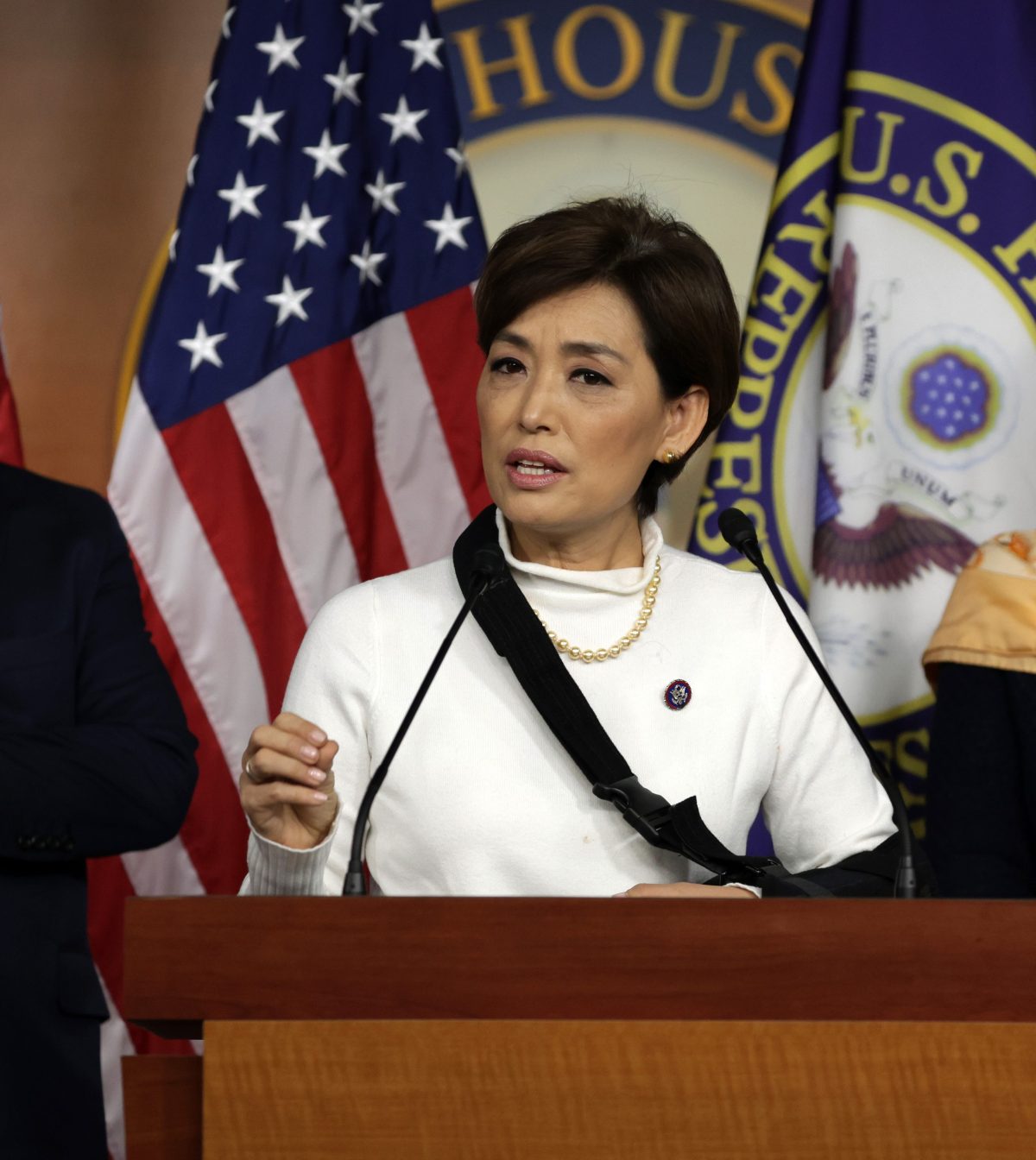
Congresswoman Young Kim highlights concerns about corruption and self-enrichment among U.S. politicians. She supports laws to stop insider trading, ban stock trading by Congress members, end pensions for corrupt officials, and limit members from using federal funds to enrich themselves or their families.
Key Facts
Congresswoman Young Kim says corruption in politics includes bribes, misuse of donor money, insider trading, and politicians benefiting financially.
She points out that investment funds copying Congress members’ stock trades often do better than the market, suggesting misuse of insider information.
Kim worked with Speaker Mike Johnson and President Donald Trump to increase the State and Local Tax (SALT) Deduction by 300% to help families keep more money.
She supports the Stop Insider Trading Act and Restore Trust in Congress Act to ban stock trading by members of Congress.
She cosponsored bills that strip pensions from politicians who break the public’s trust and backs term limits for Congress members.
Kim introduced a resolution to prevent Congress members from using federal funding to increase their own or their families’ wealth.
Current rules require members to declare direct conflicts of interest, but her resolution aims to include indirect financial benefits as well.
Read the Original
Want the full story? Tap a source to open the original
article.
Florida Senate candidate Angie Nixon suggests stopping new artificial intelligence (AI) data centers until more research on their impact is done. She jokingly proposes that if companies must build such centers, they should start at President Donald Trump’s Mar-a-Lago estate. Nixon also suggests communities near data centers could receive financial benefits similar to Alaska’s system for natural resource revenues.
Key Facts
Angie Nixon is a Florida Democratic Senate candidate and state representative.
Nixon calls for a pause (moratorium) on building new AI data centers to study their effects on electricity, water, and the environment.
She joked that new data centers should be built on President Trump’s Mar-a-Lago estate in Florida.
AI data centers are growing rapidly, raising bipartisan concerns over their impact on communities and utilities.
President Trump opposes AI regulations and has dismissed concerns about data centers.
Nixon supports AI innovation but wants stricter rules on privacy, jobs, and data center construction.
Nixon suggests giving financial benefits to communities near data centers, inspired by Alaska’s method of sharing mineral revenue with residents.
Florida is a Republican-leaning state where President Trump won by about 13 points in 2024, making Nixon’s Senate run a challenging race.
Read the Original
Want the full story? Tap a source to open the original
article.
Marines training in cold weather in Norway experienced failures with American-made boots, such as holes and sole separation. To continue training safely, they used boots made by the Norwegian military, highlighting the need for flexibility in military equipment sourcing alongside efforts to support U.S. manufacturing.
Key Facts
Marines had problems with their cold-weather boots during training in Norway, including holes and water getting inside.
Some Marines had to stop training because their boots failed.
After the exercise, hundreds of boots of the same model showed defects.
U.S. forces used Norwegian boots to continue training without delay.
Norway’s military boots are specially made for extreme cold conditions.
The BOOTS Act proposes that all combat boots be made in the U.S. with American materials.
Supporters say this would strengthen U.S. manufacturing and reduce reliance on foreign suppliers.
The article argues for balancing domestic production with operational flexibility to handle different environments and needs.
Read the Original
Want the full story? Tap a source to open the original
article.
Representative Steve Cohen introduced 26 articles of impeachment against President Donald Trump, citing various abuses of power and violations of his oath. The articles cover topics like immigration, military actions, press freedom, and personal financial gains from the presidency.
Key Facts
Steve Cohen, a Democrat from Tennessee, proposed the 26 articles on September 24.
The articles accuse President Trump of undermining democracy and abusing power, including waging war on Iran without permission from Congress.
Immigration issues are heavily featured, including challenges to birthright citizenship and use of laws to deport immigrants.
The articles claim unlawful withholding of government money and improper firing of inspectors general.
Allegations include efforts to control the press by excluding reporters and pressuring news outlets.
One article claims Trump profited personally from his presidency, possibly violating the Constitution.
This impeachment attempt follows a rejected impeachment effort just nine days earlier.
Cohen admits the effort is unlikely to move forward but aims to fulfill his duty to defend the Constitution.
Read the Original
Want the full story? Tap a source to open the original
article.
The White House announced that President Donald Trump is canceling over $800 million in government funds using a method called "pocket rescission," which lets the president try to cancel money near the end of the fiscal year without full approval from Congress. Senator Susan Collins criticized the move, saying it breaks the law because Congress must approve funding changes.
Key Facts
President Donald Trump used the Impoundment Control Act to rescind more than $800 million in funds from several federal programs.
This "pocket rescission" method was also used by Trump in 2025 to cut billions from foreign aid programs.
The Supreme Court allowed the previous rescission to continue temporarily but has not made a final decision on its legality.
Pocket rescissions let the president ask Congress to cancel funding close to the fiscal year's end, but Congress has only 45 days to respond.
The funds being rescinded affect agencies like Health and Human Services, Education, Housing and Urban Development, and Justice.
The administration claims some of the canceled funds supported programs for undocumented immigrants or refugees.
Senator Susan Collins called the rescission illegal and said the White House did not warn Congress before withholding the funds.
Collins plans to work with other lawmakers to stop these actions and protect Congress’s control over spending.
Read the Original
Want the full story? Tap a source to open the original
article.
President Donald Trump threatened military action against Iran during a speech at the United Nations but is facing challenges at home. His influence is weakening due to low approval ratings, legal setbacks, and reduced support within the Republican Party ahead of the November midterm elections.
Key Facts
President Trump threatened to “annihilate” Iran in a United Nations speech.
Trump criticized CNN reporter Kaitlan Collins, despite the network being allowed to cover him again after a court decision.
His approval ratings have dropped to historic lows amid inflation, rising fuel costs, and the ongoing war in Iran.
Federal courts and the Supreme Court have blocked some of Trump’s policy efforts, including restrictions on mail-in ballots and access for certain news outlets.
Some Republican candidates are distancing themselves from Trump fearing his influence may hurt their election chances.
Republican strategist Rick Wilson compared the situation within Republicans to animals sensing danger but unsure how to respond to Trump’s presence.
Trump has faced multiple criminal cases and assassination attempts but continues to maintain strong personal confidence.
The 2024 midterm elections are seen as critical, with concerns that Trump’s unpopularity could lead to losses for Republicans in Congress.
Read the Original
Want the full story? Tap a source to open the original
article.
CNN was removed from the group of reporters traveling with President Donald Trump on a trip to Tennessee, despite a judge’s order to restore their White House access. Last week, President Trump banned CNN and two other news outlets from the White House, but a court ruled that the ban was likely against the law and temporarily allowed them back.
Key Facts
President Trump banned CNN, MS NOW, and Politico from White House access last week, citing negative coverage.
A judge temporarily restored access for these outlets, saying the ban was probably unconstitutional.
CNN was scheduled to travel with the president on Saturday as part of the press pool but was excluded in the final White House schedule.
The press pool is a rotating team of reporters who travel with the president due to limited space.
Instead of CNN, a pro-Trump outlet called Lindell TV was included in the press pool.
Major U.S. TV networks, including ABC, CBS, CNN, Fox, and NBC, protested the White House’s restrictions on the media.
CNN declined to comment on the removal, and the White House did not respond to requests for comments.
The judge’s order to reinstate access was meant to protect the public’s right to independent information about the government.
Read the Original
Want the full story? Tap a source to open the original
article.
The White House did not allow CNN reporters to travel with President Donald Trump on Air Force One for a trip to Tennessee. This comes after recent tensions between the White House and some news organizations over their coverage of the administration.
Key Facts
CNN was scheduled to travel with President Trump to Tennessee but was removed from the media list.
No other news outlet was listed as a replacement for CNN on the trip.
Last week, President Trump banned CNN, Politico, and MS NOW reporters from the White House, accusing them of false reporting.
The banned media groups are considering legal action, citing their free speech and press rights.
Other major networks paused coverage of the president in support of the banned outlets.
A federal judge ruled the ban on news outlets was likely unconstitutional and ordered the White House to allow them back in.
Despite the ruling, some reporters were still denied entry at certain White House events, such as a state dinner for Chinese leader Xi Jinping.
Regular TV coverage from the White House resumed after reporters were allowed back inside.
Read the Original
Want the full story? Tap a source to open the original
article.
A former cabinet minister under Prime Minister Keir Starmer, Peter Kyle, said Andy Burnham's government is not acting quickly enough to improve the economy. Kyle suggested the government should be willing to make tough short-term decisions to boost long-term economic growth.
Key Facts
Peter Kyle served as business secretary and science secretary under Keir Starmer’s government.
Kyle was removed from Burnham’s cabinet two months ago but spoke about the government’s economic plans.
Kyle believes the government needs to act faster to increase economic growth and prosperity.
He suggested delaying some workers' rights changes to help economic growth in the short term.
Kyle proposed creating a “tax growth test” to see how taxes affect the economy.
The Employment Rights Act passed in 2025 but some measures will start next year.
Chancellor John Healey will present his first Budget on October 28, amid concerns about rising debt and slow growth.
Andy Burnham plans to focus on devolving powers to local areas to encourage growth across regions.
Read the Original
Want the full story? Tap a source to open the original
article.
Some schoolchildren in Derbyshire face paying higher bus fares because discounted travel passes are only available through smartphone apps. Parents who choose not to give their children smartphones say this forces them to pay much more to travel, and bus companies are working on physical cards to fix the issue.
Key Facts
A discount scheme by Derbyshire county council requires students to use a smartphone app to get cheaper bus fares.
Children without smartphones must pay up to £546 more a year for school bus travel.
The b_line card limits bus fares to £1.50 per ride for under-19s but must be registered via an app to get the discount.
Trentbarton bus company said their ticket machines cannot read council-issued cards yet but are developing a physical card for those without smartphones.
Some parents choose "brick phones" (basic phones without apps) to limit children's screen time.
Campaign group Smartphone Free Childhood highlights that app-only discounts disadvantage families who delay giving smartphones to children.
A new law bans phones in English schools but does not cover phone use while traveling or bus fare discounts.
Other bus companies like Stagecoach also require smartphone apps for their best youth discounts.
Read the Original
Want the full story? Tap a source to open the original
article.