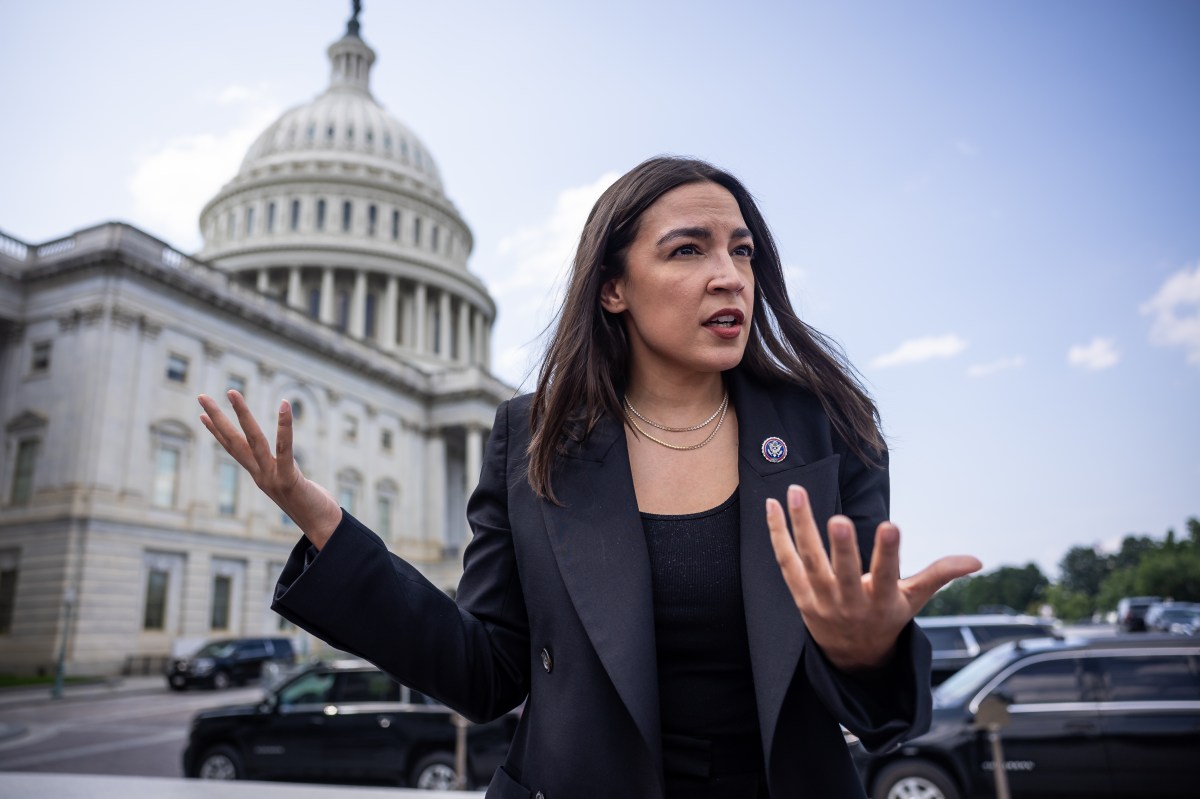
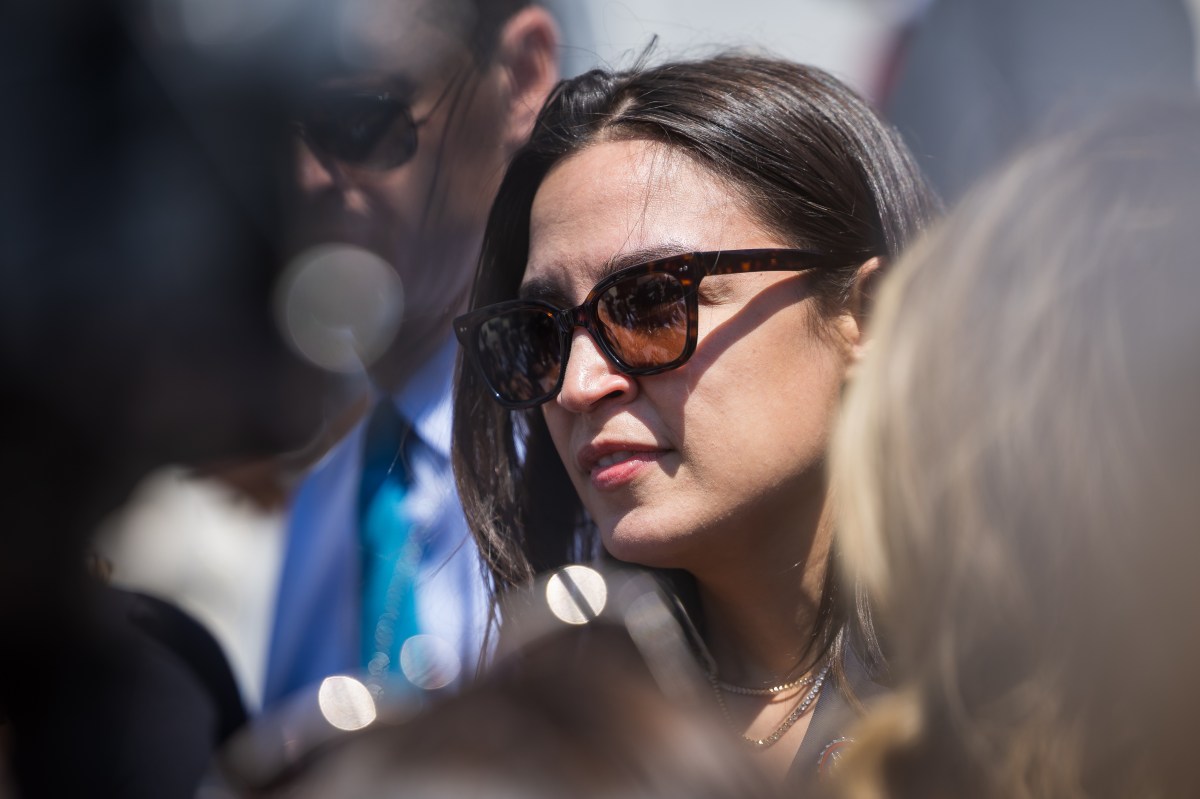
Representative Alexandria Ocasio-Cortez has distanced herself from some of the extreme progressive positions she supported during the COVID-19 pandemic, such as defunding the police. She described the earlier intense "Woke 1" policies as rhetoric she would not use today but said the discussions from that time were still valuable.
Key Facts
Ocasio-Cortez referred to the peak of radical progressive activism during 2020 as "Woke 1."
"Woke 1" policies emerged after the murder of George Floyd and focused on systemic racism and social injustice.
During that period, some progressive positions included calls to defund the police, which Ocasio-Cortez now distances herself from.
She said the rhetoric used then was different from what progressives would use today.
Ocasio-Cortez emphasized that the period led to important conversations about issues like crime and social justice.
The New York City Council member Chi Ossé, who coined "Woke 1," admitted that those earlier stances were extreme.
Ocasio-Cortez supports a renewed focus on improving the lives of working-class Americans ahead of the November midterm elections.
She highlighted issues like healthcare costs and affordable housing as current Democratic priorities.
Read the Original
Want the full story? Tap a source to open the original
article.
Ten Republicans are running in a special primary in South Carolina to replace the late Senator Lindsey Graham on the November ballot. His sister, Senator Darline Graham, who was appointed to fill his seat temporarily, has President Donald Trump's endorsement as the Republican nominee for the general election.
Key Facts
Senator Lindsey Graham passed away unexpectedly on July 11 due to an aortic tear.
Graham had won the June 9 Republican primary for renomination before his death.
Senator Darline Graham, Lindsey Graham’s sister, was appointed to serve the remainder of his term.
Ten Republican candidates, including two congressmen and a former governor, are competing in the special primary.
If no candidate wins more than half of the votes, the top two will compete in a runoff election on August 25.
Republican Governor Henry McMaster appointed Darline Graham to fill the vacant seat.
Donald Trump has endorsed Senator Darline Graham for the general election.
The special primary winner will face Democrat Annie Andrews, a Charleston pediatrician, in November.
Read the Original
Want the full story? Tap a source to open the original
article.
The article discusses the appeal of socialism in America and the confusion surrounding what socialism actually means. It explores why some people are drawn to socialist ideas and what those ideas could mean for the country’s future.
Key Facts
Socialism is gaining interest among some Americans.
There is misunderstanding about what socialism really means.
The article examines reasons why socialism appeals to people.
It explores how socialism might affect happiness and well-being in America.
The discussion focuses on American society and politics.
Read the Original
Want the full story? Tap a source to open the original
article.
Congresswoman Alexandria Ocasio-Cortez announced she is freezing her eggs while considering her future political plans ahead of the 2028 elections. She shared this to encourage open talks about women’s reproductive choices and to highlight the challenges women face under President Donald Trump’s policies.
Key Facts
Alexandria Ocasio-Cortez is freezing her eggs to have more control over her reproductive options.
She is thinking about running for president or U.S. Senate in 2028 but has not decided yet.
Ocasio-Cortez wants to normalize conversations about women’s personal and professional challenges.
She criticized policies from President Trump’s administration that limit reproductive healthcare access.
Trump’s Supreme Court appointees helped overturn Roe v. Wade in 2022, ending federal abortion rights.
In 2025, President Trump signed an order to reduce the cost of in vitro fertilization.
Ocasio-Cortez sponsored a 2022 bill to make abortion rights law at the federal level.
She pointed out that women face more questions about family plans than men in politics and work.
Read the Original
Want the full story? Tap a source to open the original
article.
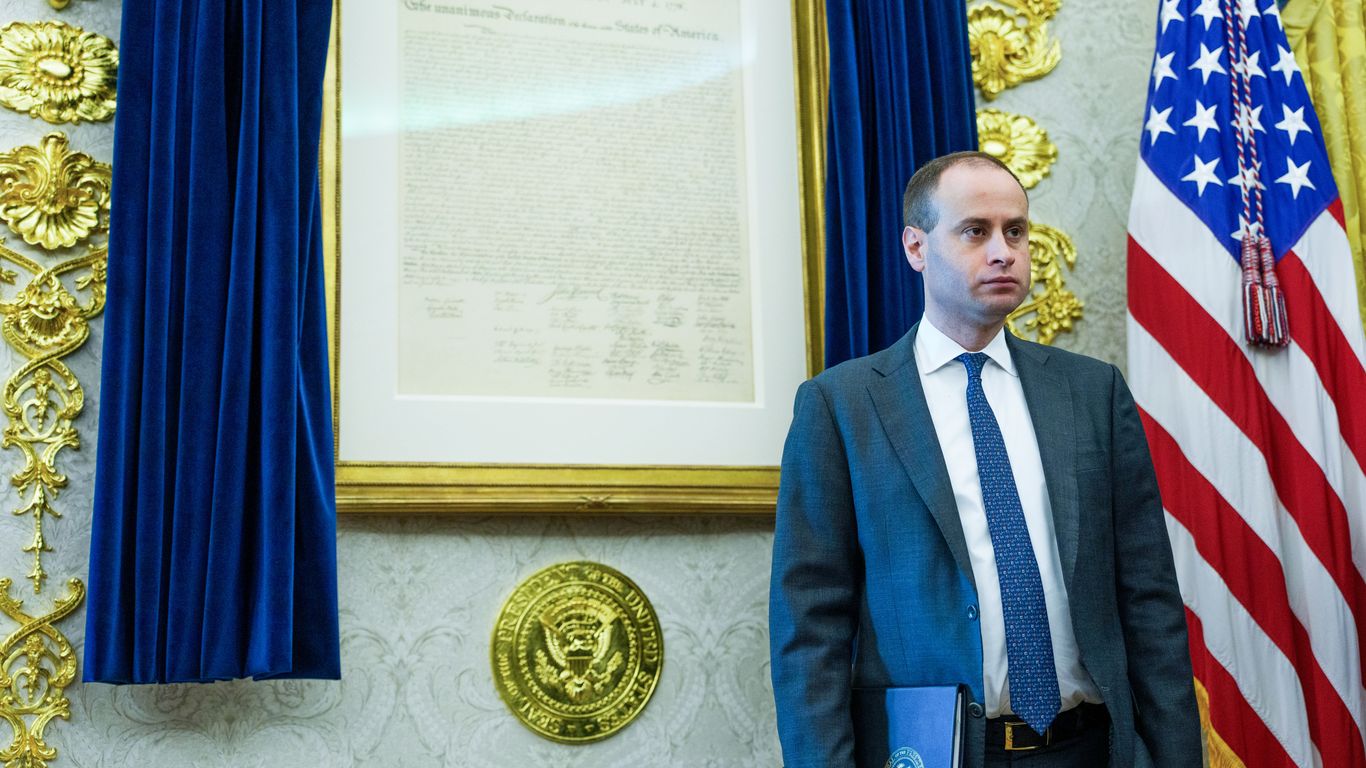
President Donald Trump announced that Will Scharf will become the White House counsel on September 1. Scharf’s role will be important as Congress may issue many legal demands, called subpoenas, especially if Democrats gain control of the House in the upcoming midterm elections.
Key Facts
Will Scharf currently works as the White House staff secretary.
He will replace David Warrington as White House counsel.
Scharf has worked on Trump’s Supreme Court immunity case.
Todd Blanche, another former Trump lawyer, recently became attorney general.
The White House counsel gives legal advice to the president and senior officials.
This role is key during conflicts with Congress, such as investigations and subpoenas.
Democrats are preparing to issue many subpoenas if they win the November elections.
Scharf also chairs the National Capital Planning Commission related to a halted White House ballroom project.
Read the Original
Want the full story? Tap a source to open the original
article.
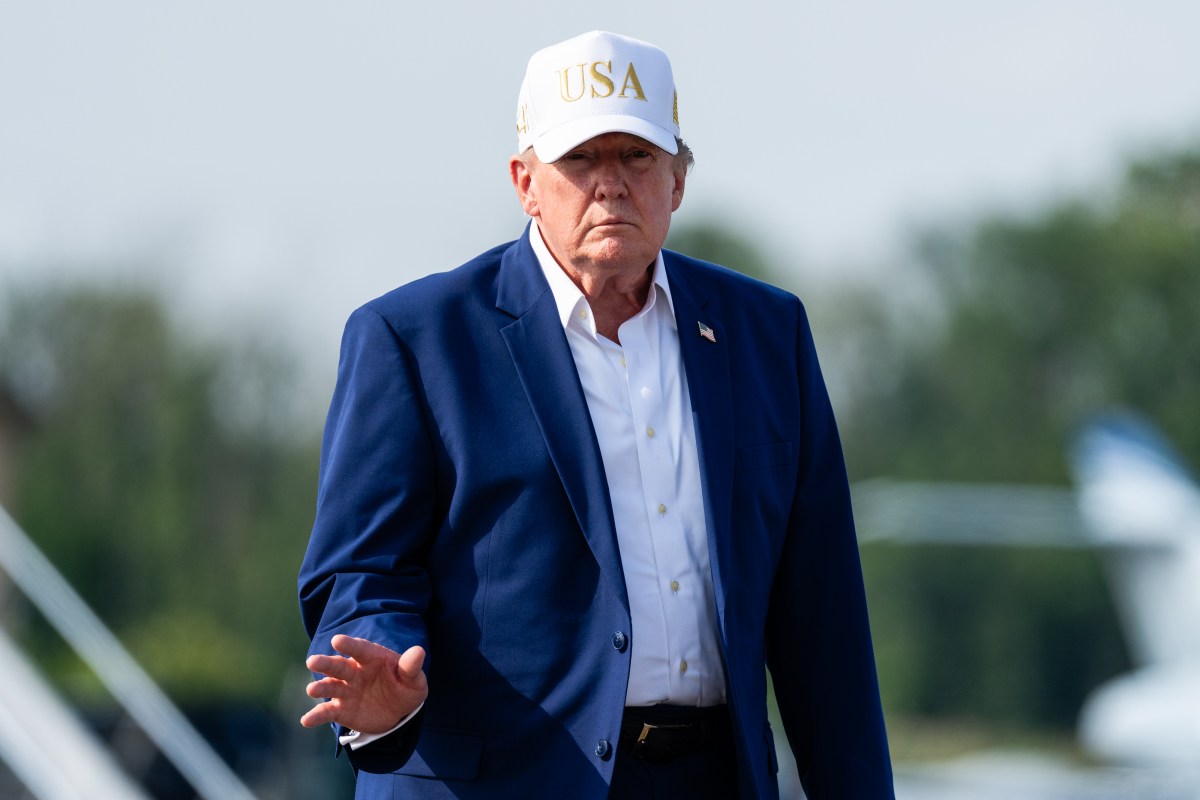
President Donald Trump said he is keeping a low profile about the conflict with Iran as it approaches six months. He mentioned that the U.S. is partly negotiating and closely observing Iran’s economic problems like high inflation and lack of money.
Key Facts
President Trump described his approach to the Iran conflict as “low-keying it.”
The conflict with Iran is nearing its sixth month.
The U.S. is only partially negotiating with Iran at this time.
President Trump highlighted that Iran is dealing with very high inflation.
He also noted that Iran has no money due to its economic situation.
Trump shared these comments in an interview with Axios.
Read the Original
Want the full story? Tap a source to open the original
article.
President Donald Trump shared a chart showing inflation rates during recent presidencies, highlighting his inflation rate at 18 months into his second term as lower than some predecessors. Despite this, many voters remain unhappy with rising prices, and polls show skepticism about his ability to control inflation.
Key Facts
Trump posted a video comparing cumulative inflation over 48 months for the last 10 presidents.
At 18 months into his second term, Trump’s inflation rate was 4.71%, ranking fourth among presidents shown.
The chart used the Consumer Price Index for All Urban Consumers (CPI-U) to measure inflation.
Inflation under President Joe Biden was highest, around 12.5%, influenced by pandemic supply issues and economic factors.
Some economists say the chart is misleading because it only shows Trump’s inflation at 18 months, while it shows longer periods for others.
Inflation slowed to 3.5% in June 2024, but it is still above the Federal Reserve’s 2% target.
Polls show inflation and cost of living are the top concerns for American voters.
Only 25% of voters think Trump is handling inflation well, while 69% disagree with his efforts.
Read the Original
Want the full story? Tap a source to open the original
article.
The article says President Trump has not kept his promises during his second term. It also criticizes his supporters for blaming past leaders like President Joe Biden and former President Barack Obama instead of holding Trump accountable.
Key Facts
The article focuses on President Trump’s second term in office.
It claims President Trump has failed to achieve what he promised.
Supporters of President Trump are criticized for blaming previous administrations.
The past administrations mentioned are those of President Joe Biden and President Barack Obama.
The article is an opinion piece, expressing a particular viewpoint.
Read the Original
Want the full story? Tap a source to open the original
article.
President Donald Trump declared a crime emergency in Washington, D.C. in 2025 and deployed the National Guard to the city. What was supposed to be a short-term operation has been extended and will continue until January 2029, drawing mixed reactions from residents and officials.
Key Facts
The National Guard deployment in Washington, D.C. started in August 2025 under President Trump’s order to combat crime.
The deployment has been extended and will last through January 2029.
Over 4,600 military personnel from D.C. and 24 other states and territories are currently involved.
National Guard troops patrol tourist areas, residential neighborhoods, and assist with various community tasks like medical emergencies and snow removal.
Some residents support the National Guard’s involvement in community projects, while others see the ongoing presence as an infringement on the city’s autonomy.
The cost to continue the deployment until 2029 is estimated at around $1.4 billion.
Local officials and citizens are concerned about the long-term impact and question the necessity of troops on the streets without a clear emergency.
The extended presence of the National Guard is expected to be an issue for new local political leaders after the upcoming midterm elections.
Read the Original
Want the full story? Tap a source to open the original
article.
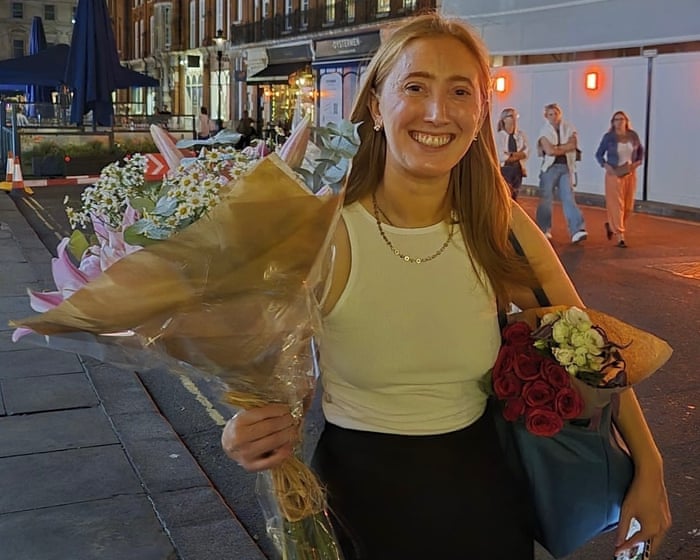
A coroner found that the UK Treasury contributed to the death of Chloe Moffat, a personal assistant who took her own life after a flawed disciplinary process. The coroner warned that similar handling of such cases in the civil service could lead to future deaths and will send a report to top officials to help prevent this.
Key Facts
Chloe Moffat, 26, worked at the Treasury for nearly three years and had a good job record.
She faced an informal meeting about an anonymous complaint accusing her of sharing colleague information, which she denied.
The meeting did not follow Treasury policy, such as no prior notice and no right to have a support person present.
Moffat was not reassured her job was safe and had some responsibilities changed during the process.
The day after the meeting, Moffat died by suicide.
The coroner said the way the Treasury handled the situation caused her distress and contributed to her death.
The coroner will send a prevention of future deaths report to the head of the civil service, Treasury, and Acas (a workplace dispute service).
The Treasury called informal meetings "standard practice," a point the coroner found concerning because it risks serious accusations not being properly handled.
Read the Original
Want the full story? Tap a source to open the original
article.
Representative Alexandria Ocasio-Cortez announced she is freezing her eggs and shared details about the process on social media. She aims to inform others about fertility options while highlighting challenges like high costs and limited insurance coverage.
Key Facts
Alexandria Ocasio-Cortez (AOC), a 36-year-old congresswoman, is freezing her eggs and documenting the process online.
She says this choice helps her feel more in control of her life and wants to educate women about fertility and reproductive health.
The procedure costs her about $8,000 to $9,000 out of pocket, including $3,500 for medication and $1,200 yearly for egg storage.
Her health insurance does not cover egg freezing, so she is paying fully by herself.
AOC explained that many women don’t get enough information about fertility, pregnancy, and menopause.
Elective egg freezing is becoming more common in the U.S., although many who freeze eggs do not immediately use them.
AOC wants to normalize discussions about reproductive care during ongoing nationwide political debates about women’s health.
Some people travel to other countries like Spain or Mexico to freeze eggs at lower costs due to high U.S. prices.
Read the Original
Want the full story? Tap a source to open the original
article.
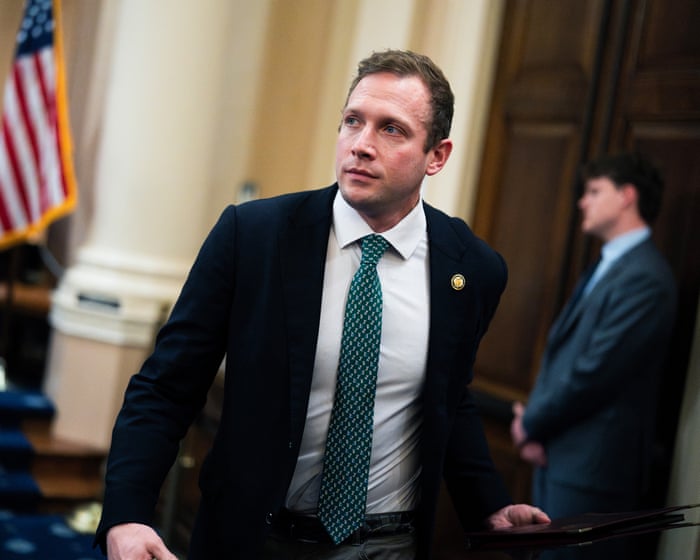
Max Miller, a Republican representative from Ohio, faces calls to resign over serious domestic abuse allegations made by his ex-wife and her family. Meanwhile, President Donald Trump announced Will Scharf as the new White House counsel starting September 1, replacing David Warrington.
Key Facts
Max Miller is a Republican congressman from Ohio accused of domestic abuse by his ex-wife Emily Moreno.
Allegations include Miller pointing a gun at her, pouring hot water on her, and possibly breaking their child's collarbone.
Bernie Moreno, a Republican senator and Miller’s ex-father-in-law, publicly said Miller is unfit for office.
Today is the deadline for Miller to resign as a candidate; he has said he will not step down.
Emily Moreno and Miller are engaged in a custody battle over their child.
President Trump announced Will Scharf will become White House counsel on September 1, replacing David Warrington.
Scharf helped approve a $400 million White House ballroom project and has represented President Trump in court cases.
David Warrington is leaving the administration to work in the private sector.
Read the Original
Want the full story? Tap a source to open the original
article.
President Donald Trump has shifted from threatening military strikes against Iran to focusing on using economic pressure, such as a naval blockade, to weaken Iran’s economy. The U.S. aims to reduce Iran’s oil exports and increase financial hardship to push Iran toward negotiations, while direct talks remain denied by Tehran.
Key Facts
President Trump initially warned of severe military strikes on Iran but has since canceled them in favor of economic tactics.
The U.S. has maintained a naval blockade since April to reduce Iran’s oil exports, which are about 1.5 million barrels per day.
The blockade has heavily restricted Iran’s crude oil exports, worsening its financial situation amid inflation and difficulties paying soldiers.
Oil prices have dropped recently to around $78 a barrel, easing economic impact on U.S. consumers despite earlier spikes above $100.
Iran and Oman are reportedly close to an agreement managing the Strait of Hormuz, although Iran denies direct negotiations with the U.S.
The U.S. military has redirected 53 commercial ships, boarded 2, and disabled 2 others as part of the blockade enforcement.
There are reports that the U.S. is running low on munitions due to conflicts in the Middle East and Ukraine, prompting increased production requests.
Vice President JD Vance stated the U.S. is using diplomatic, economic, and military tools to achieve the best outcome for Americans.
Read the Original
Want the full story? Tap a source to open the original
article.
Matias Alejandro Pourrain, an Argentine soccer player, was arrested by U.S. Immigration and Customs Enforcement (ICE) at a Florida airport while traveling between U.S. cities to play in a national championship match. He had legally entered the U.S. in 2019 but stayed beyond the allowed six months and is now in ICE custody awaiting removal proceedings.
Key Facts
Pourrain was arrested on August 6 at Fort Lauderdale-Hollywood International Airport before flying to Los Angeles for a championship soccer game.
He entered the U.S. legally through Atlanta in November 2019 with permission to stay for six months.
Pourrain stayed in the U.S. beyond the authorized period, which expired in May 2020.
He had applied for asylum and had a Social Security number and work permit but was awaiting an appointment.
ICE is increasing enforcement actions at airports to detain travelers accused of overstaying visas.
Pourrain is being held at an ICE processing center in Miramar, Florida, pending removal hearings.
Miami United FC, his team, expressed support and is helping him and his family.
Pourrain was traveling within the U.S. and not attempting to enter or leave the country when detained.
Read the Original
Want the full story? Tap a source to open the original
article.
PBS aired a NewsHour segment that appeared as straightforward news but focused heavily on promoting left-leaning activism. The broadcast did not critically examine the topics and mainly presented one viewpoint.
Key Facts
PBS recently aired a segment on NewsHour related to activism.
The segment presented information without asking tough questions.
It mainly highlighted left-wing political activism.
The coverage lacked a balanced or critical approach.
The article suggests this raises questions about PBS funding.
PBS is a U.S.-based public broadcasting service funded partly by the government.
The discussion relates to debates about government funding for media outlets.
Read the Original
Want the full story? Tap a source to open the original
article.
Derbyshire Police referred a senior detective to the Independent Office for Police Conduct (IOPC) for investigation over possible misuse of artificial intelligence (AI). The IOPC is investigating the officer for alleged serious misconduct linked to their use of AI in police work.
Key Facts
Derbyshire Police made a voluntary referral to the IOPC on June 23 about a detective’s use of AI.
The IOPC began an investigation into the officer for possible gross misconduct.
The officer is said to be a detective chief inspector who used AI to keep "decision logs" during investigations.
Decision logs explain why investigators take certain steps and can be reviewed by defense lawyers in court.
This case follows an earlier criminal investigation into another Derbyshire officer accused of using AI to create evidence.
The earlier case led to the officer being removed from frontline duties; no arrests have been made yet.
Gloucestershire Police previously dismissed a staff member for unauthorized use of AI chatbots in police work.
Derbyshire Police said the officer’s AI use did not follow the force’s guidelines and rules.
Read the Original
Want the full story? Tap a source to open the original
article.
The Trump administration is offering up to $300 million in federal grants to cities willing to adopt a policing approach like those in Memphis and Washington DC. These grants come with conditions, such as cooperating on immigration enforcement and adopting conservative policies, causing some city leaders to decline applying.
Key Facts
The Department of Justice plans to award $300 million to 2-4 US cities with over 100,000 residents under the Model Cities policing initiative (MCI).
Cities must meet conditions including supporting federal immigration enforcement and conservative anti-homelessness rules.
Cities may have to repay money if violent crime or civil unrest increases after receiving funds.
Memphis and Washington DC, where national guard troops patrol streets, are highlighted as models for this program.
Some Democratic-led cities, like Montgomery, Alabama, have refused to apply for the grant due to concerns about the approach.
The grant is part of Trump’s One Big Beautiful Bill and will last three years, focusing on reducing violent crime.
Unlike previous grants decided by independent review panels, this grant selection is led by political appointees in the Department of Justice.
The Department of Justice says many jurisdictions have shown strong interest and emphasizes the goal of improving public safety through federal-local cooperation.
Read the Original
Want the full story? Tap a source to open the original
article.
A Kurdish asylum seeker named Gabar Choli was held in an ICE detention center in Texas during President Donald Trump’s immigration crackdown. After a hunger strike lasting over two months, Choli was forcibly fed through a tube multiple times a day, a painful and traumatic process he describes as breaking him mentally.
Key Facts
Gabar Choli is a 40-year-old Kurdish film-maker and asylum seeker detained at Port Isabel ICE facility in Texas.
He went on a hunger strike for more than two months demanding better conditions and release or deportation.
ICE staff forcibly inserted a feeding tube through his nose twice daily to force-feed him for nearly eight months.
Force-feeding involved guards restraining him and medical staff pushing a 60 cm tube down his throat into his stomach.
Choli suffered physical injuries like a torn nose, swollen sinuses, and esophagus damage, plus psychological trauma.
The Trump administration has not officially confirmed force-feeding practices in immigration jails.
Several human rights groups consider force-feeding of hunger strikers as a form of torture.
Choli was deported in January after months of force-feeding and solitary confinement.
Read the Original
Want the full story? Tap a source to open the original
article.
Dr. Anthony Fauci, the top infectious disease expert during the Covid-19 pandemic, faced a Senate committee hearing led by Republicans accusing him of wrongdoing. Fauci invoked his right to remain silent many times, and the committee voted to hold him in contempt of Congress and referred the case for possible criminal charges. President Biden had pardoned Fauci for actions before January 2025, but Fauci remains vulnerable to other prosecutions.
Key Facts
Dr. Anthony Fauci was the leading infectious disease expert during the Covid-19 pandemic.
The Republican-led Senate committee, chaired by Senator Rand Paul, held a hearing accusing Fauci of misleading the public and funding risky research.
Fauci invoked the Fifth Amendment right against self-incrimination more than 100 times during the hearing.
The committee voted along party lines to hold Fauci in contempt of Congress and referred the issue to the Justice Department.
President Joe Biden issued a pardon to Fauci covering actions before January 2025.
Fauci denies allegations that he funded research in China that caused the pandemic.
Fauci had received death threats during the pandemic due to political attacks against him.
Many public officials, including President Trump, have invoked the Fifth Amendment in legal proceedings.
Read the Original
Want the full story? Tap a source to open the original
article.
The author describes rediscovering the joy of sending and receiving postcards in middle age. She shares how writing and exchanging postcards during her book tour helped improve her creativity and connections with others in a world dominated by digital communication.
Key Facts
The author first sent a postcard at age six to Olympian Mary Lou Retton, who replied with an autographed photo.
After many years without sending postcards, she began writing and sending many in 2026.
She collected vintage postcards from thrift stores and used them to write to friends and strangers.
On her book tour across 18 states, she encouraged readers to take postcards and write notes to her or others.
People shared that they liked mail but rarely sent it due to bills and email clutter.
She created small watercolor paintings on postcards as a quick way to capture moments from her travels.
The author appreciates the personal and real connections postcards generate, unlike digital messages.
Despite challenges with the U.S. Postal Service, she values the meaningful act of mailing handwritten notes.
Read the Original
Want the full story? Tap a source to open the original
article.