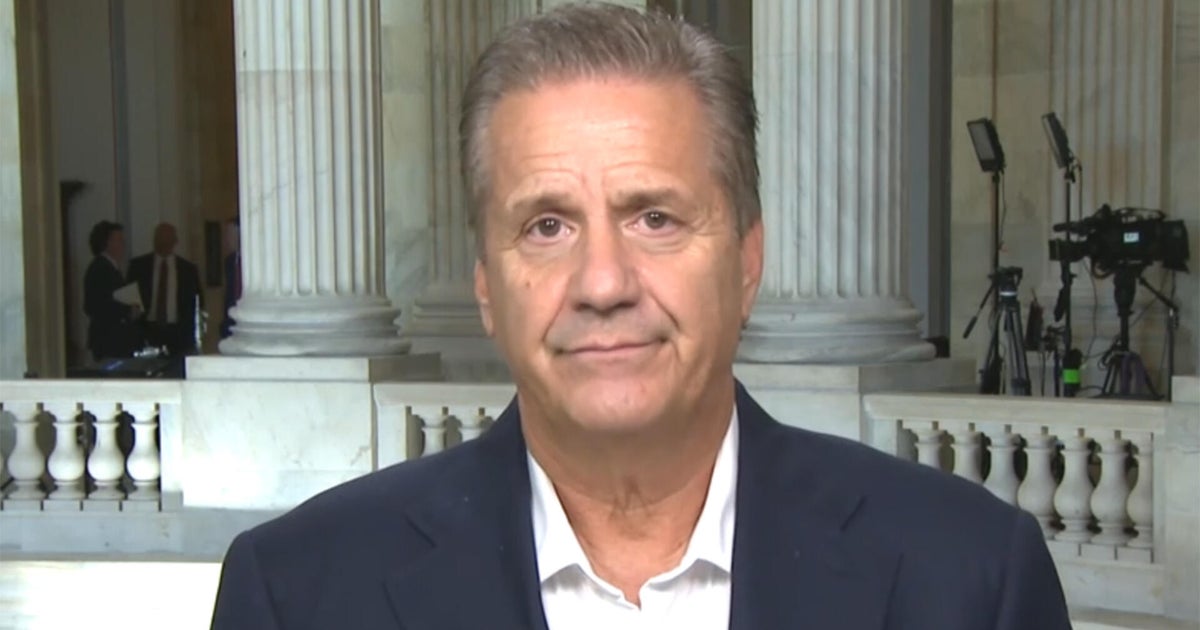
President Donald Trump is encouraging Congress to approve the Protect College Sports Act. Arkansas head coach John Calipari supports the bill, which aims to set new rules for payments to college athletes for their name, image, and likeness, and to regulate player transfers and team spending.
Key Facts
President Donald Trump is pushing for the Protect College Sports Act to pass in Congress.
The bill focuses on controlling payments athletes receive for using their name, image, and likeness (NIL).
It would create rules on the transfer portal, which is the system that allows players to move between schools.
The act would also set limits on how much college teams can spend on their rosters.
John Calipari, head coach at the University of Arkansas, publicly supports the bill.
The goal is to bring more order and fairness to college sports funding and player movement.
Read the Original
Want the full story? Tap a source to open the original
article.
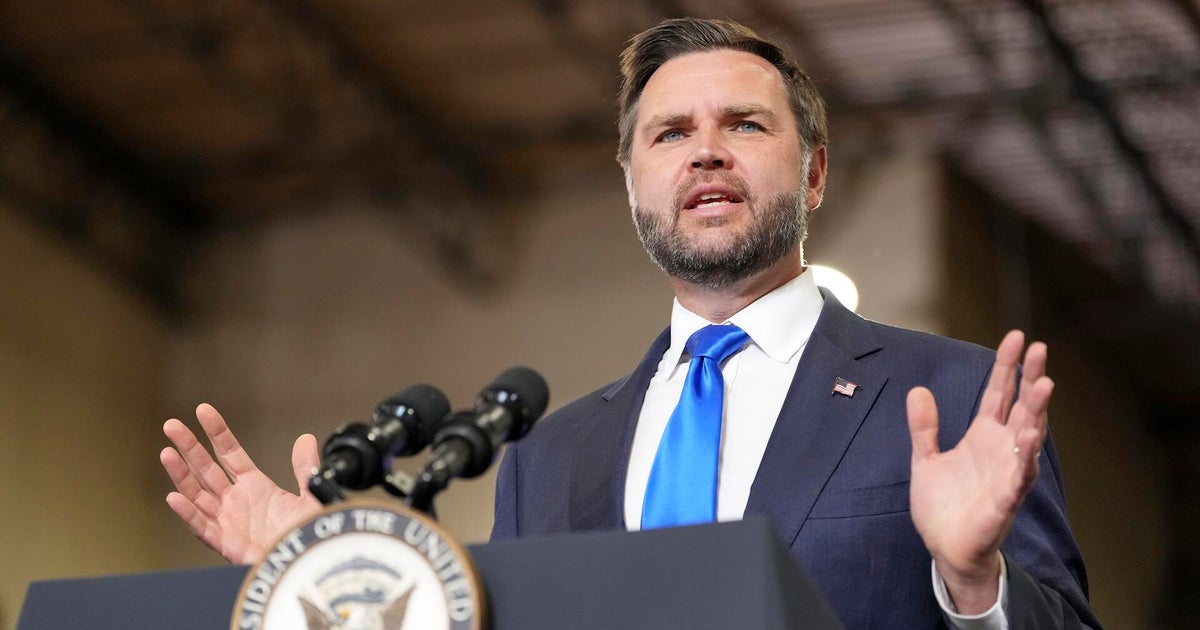
Vice President JD Vance announced that people suspected of cheating on COVID-era government programs will not be allowed to get future federal loans. This action aims to stop fraud and protect government money.
Key Facts
Vice President JD Vance made the announcement on Monday.
People suspected of fraud related to COVID-era programs will be blocked from future federal loans.
The measures target those who may have cheated on financial support during the COVID-19 pandemic.
The goal is to prevent fraud and misuse of government funds.
This policy affects loans given by the federal government.
The announcement was reported by CBS News.
No details were given about how suspicion will be determined or enforced.
Read the Original
Want the full story? Tap a source to open the original
article.
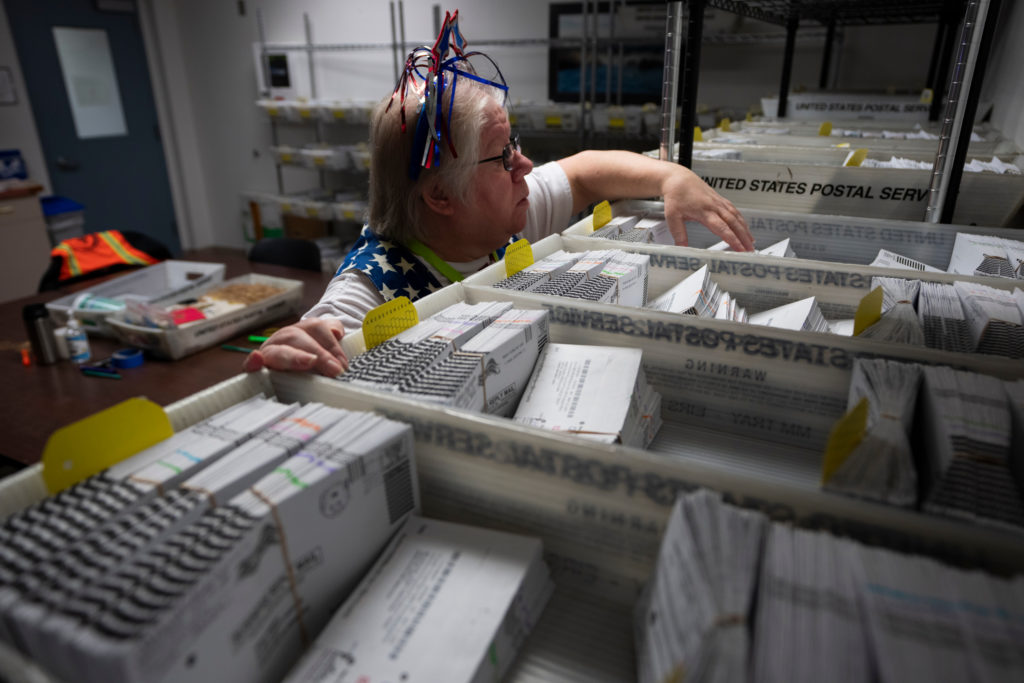
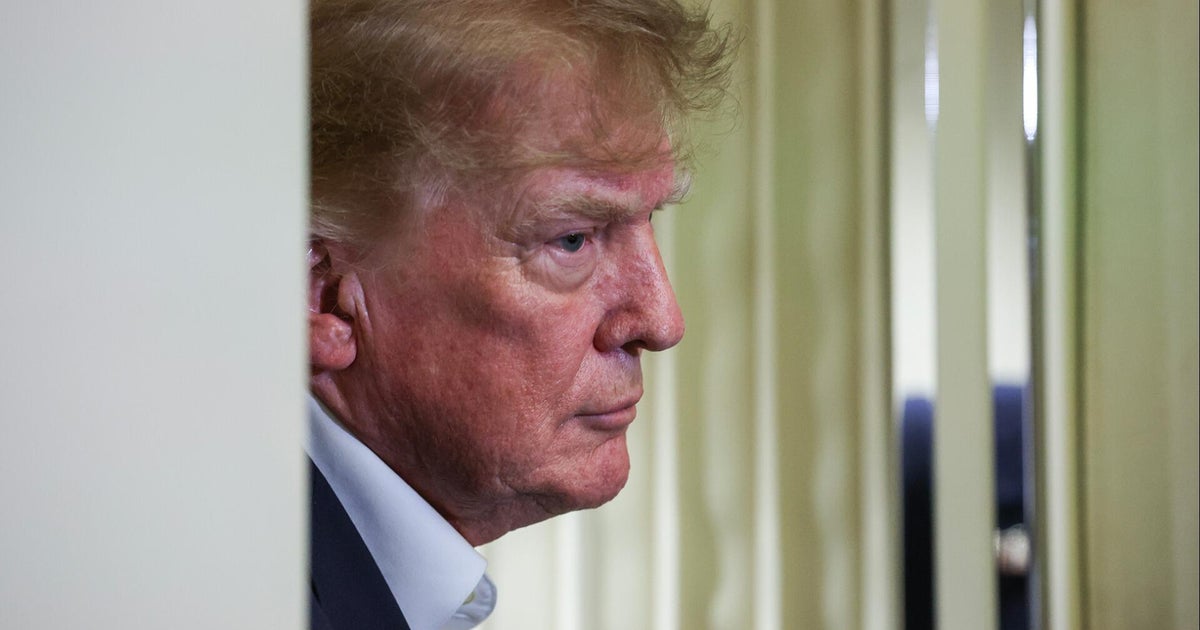
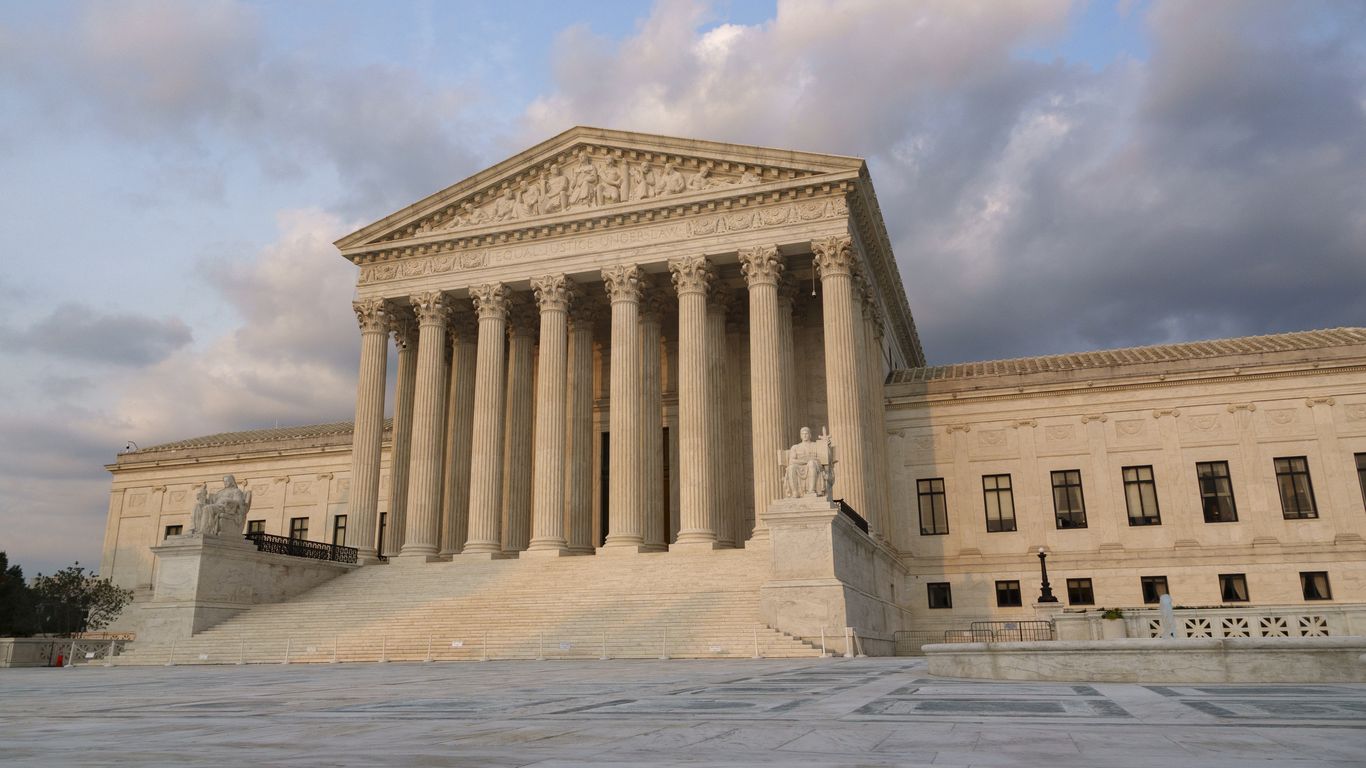
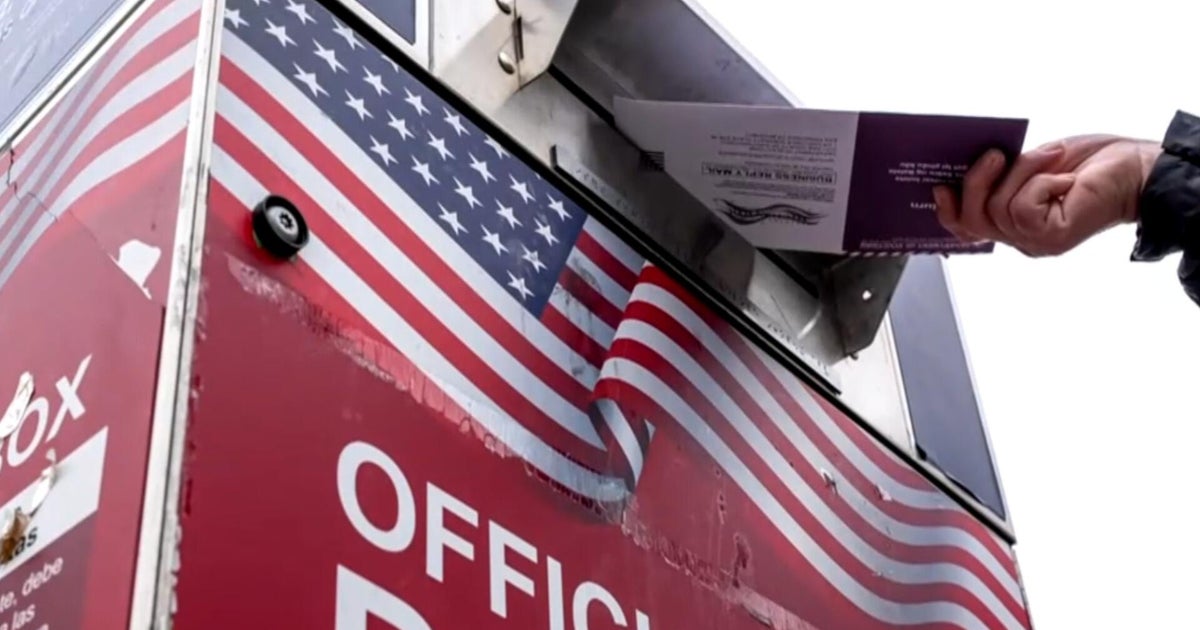
The Supreme Court rejected President Donald Trump's request to limit mail-in ballots for the upcoming midterm elections. This ruling means states can keep using their usual mail ballot procedures, which many voters rely on.
Key Facts
The Supreme Court made the decision on a Monday before the midterm elections.
President Donald Trump wanted to limit or restrict mail-in voting.
The court denied this request, allowing current mail ballot rules to stay in place.
Mail ballots have been used for many years without major changes.
About one-third of votes in recent elections have come from mail ballots.
Voting by mail is already happening as the decision was made.
The ruling removes last-minute legal uncertainty before the elections.
Read the Original
Want the full story? Tap a source to open the original
article.
Nottingham city centre has started a new rule banning face coverings like balaclavas if police believe they are used to hide identities for crimes or anti-social acts. People refusing to remove such items can face fines or court charges, but the ban does not apply to coverings worn for religious, health, cultural, or work reasons.
Key Facts
The new ban lets police and community officers ask people to remove face coverings if they think the coverings hide criminal activity.
Those who refuse removal risk a £70 fine or possible prosecution with fines up to £1,000.
The ban excludes face coverings worn for religious, cultural, health, weather, work, or safety reasons.
Nottingham City Council leader Neghat Khan said the ban aims to reduce fear and intimidation in the city centre.
Public consultation indicated face coverings contributed to feelings of fear when worn by groups involved in troublemaking or anti-social behavior.
Some local people and students expressed support for the ban, saying it would make them feel safer.
Similar bans on balaclavas or face coverings are being considered or introduced in other UK areas, like Stafford and the West Midlands.
Failure to comply with the ban may lead to arrest and court action, as stated by council representatives.
Read the Original
Want the full story? Tap a source to open the original
article.
Democratic lawmakers have promised to investigate a growing market where lobbyists charge fees to help people get pardons from President Donald Trump. A CBS News report showed how some brokers offer to pressure the president outside the normal Justice Department process for large sums of money.
Key Facts
Democrats say pardon power has turned into a business where lobbyists charge felons to seek pardons.
A CBS News hidden-camera investigation exposed lobbyists promising to pressure President Trump for $300,000 or more.
Traditional Justice Department clemency review, which checks for remorse and rehabilitation, has often been bypassed under President Trump.
About 70% of clemency actions in Trump’s second term did not follow the traditional Justice Department process.
Some brokers submit pardon petitions directly to the White House, telling clients the usual process is unlikely to succeed.
Democrats plan to make this pardon system corruption a priority if they win control of the House in the 2026 midterm elections.
The White House and some officials deny any illegal pay-for-pardon dealings, stating a strict review process is in place.
At least one Republican, former Rep. Marjorie Taylor Greene, publicly criticized the current pardon system linked to President Trump.
Read the Original
Want the full story? Tap a source to open the original
article.
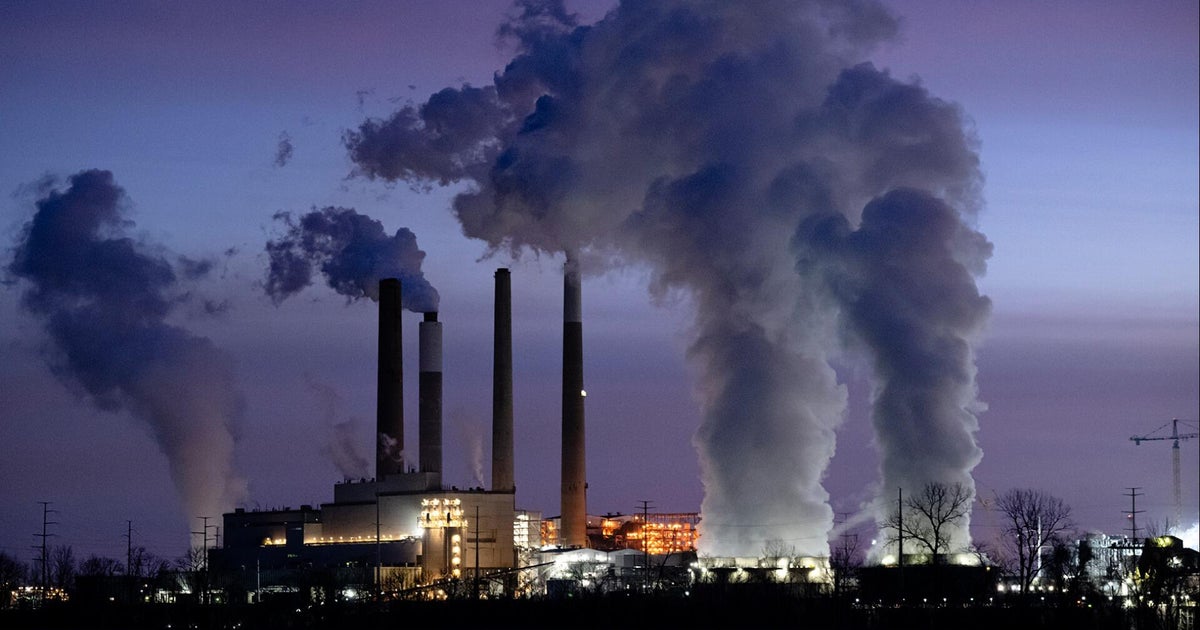
The Environmental Protection Agency (EPA) is planning to remove a rule that limits greenhouse gas emissions from power plants. This change would affect how much pollution power plants can release into the air.
Key Facts
The EPA is the government agency responsible for protecting the environment.
The current rule limits greenhouse gases emitted by power plants.
Greenhouse gases contribute to climate change by trapping heat in the atmosphere.
The EPA plans to eliminate this rule.
The change could lead to more pollution from power plants.
This decision reflects shifts in government environmental policies.
The move is part of ongoing debates over climate regulation in the U.S.
The rule’s removal may impact efforts to reduce emissions and combat climate change.
Read the Original
Want the full story? Tap a source to open the original
article.
Attorney General Todd Blanche will speak to reporters in the White House Rose Garden on Tuesday. He will take over the role of White House press secretary from Karoline Leavitt.
Key Facts
Todd Blanche is the current Attorney General.
He will hold a press briefing in the White House Rose Garden.
The briefing is scheduled for Tuesday.
Blanche will become the new White House press secretary.
He replaces Karoline Leavitt in this role.
This was confirmed by a White House official.
The news was reported by NewsNation and The Hill.
Read the Original
Want the full story? Tap a source to open the original
article.
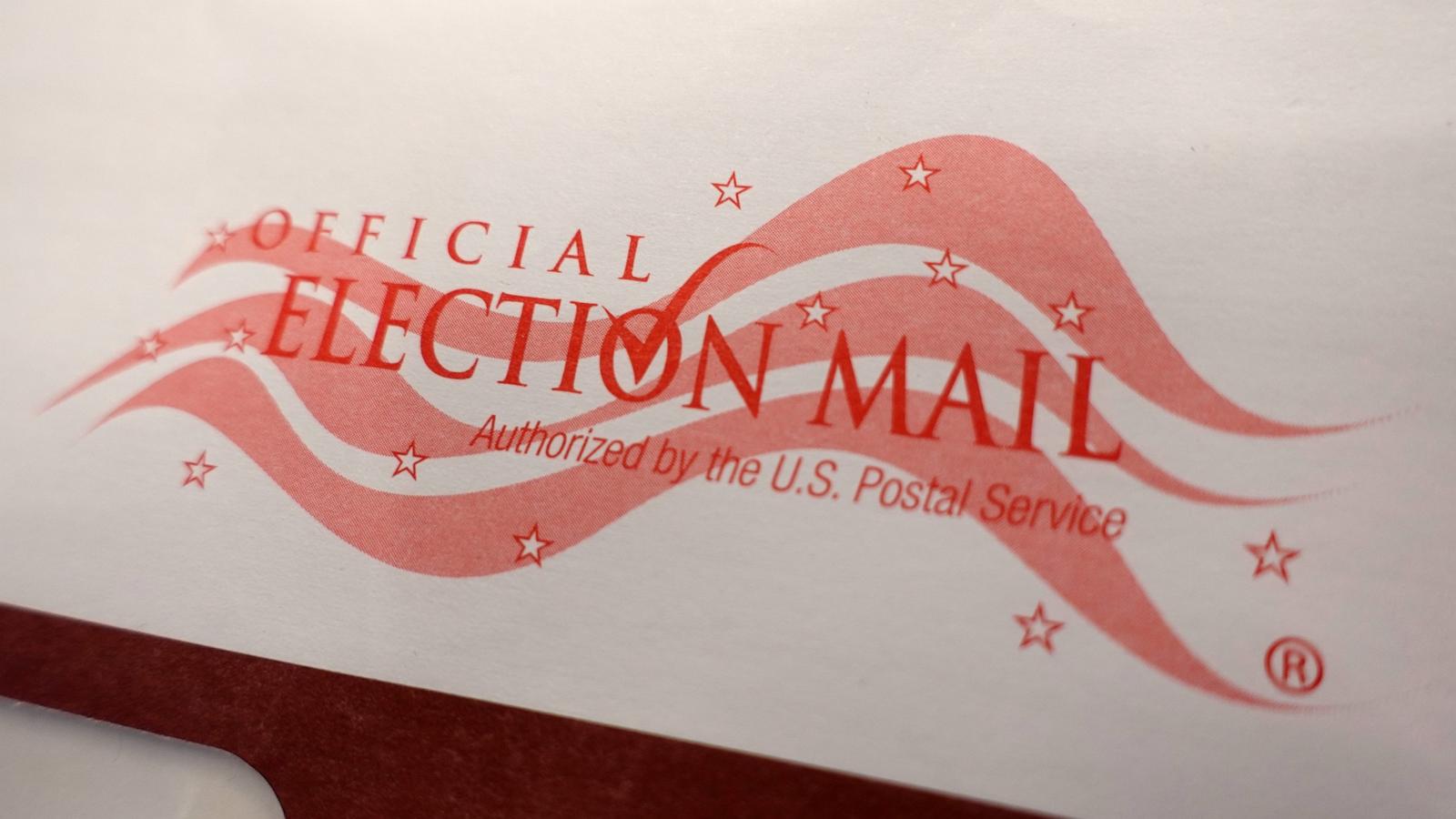
The Supreme Court stopped the Trump administration from adding new rules on mail-in voting. This means states can keep sending mail-in ballots as usual before the upcoming elections.
Key Facts
The Supreme Court blocked the Trump administration’s new mail-in voting rules.
These rules would have required states to give voter information, like name and address, to the Postal Service.
Postal workers would only deliver ballots to voters listed by the states.
The court said the government’s challenge to block the earlier court order is unlikely to win.
The new rules were meant to change how mail-in ballots are handled and reviewed.
Some states and groups said these rules would interfere with state control of elections and make voting harder.
This decision allows states to continue mail-in voting without the new restrictions.
President Trump has claimed mail-in voting fraud without evidence.
Read the Original
Want the full story? Tap a source to open the original
article.
The Supreme Court temporarily stopped new Postal Service rules about mail-in ballots while a legal case is ongoing. This pause affects changes that were part of President Donald Trump's plans related to voting by mail.
Key Facts
The Supreme Court acted on Monday to block new Postal Service rules about mail ballots.
These rules would have changed how mail-in ballots are handled.
The Court's decision is temporary and lasts during a legal challenge.
The change was part of President Donald Trump's efforts concerning mail-in voting.
CBS News legal contributor Jessica Levinson explained the ruling.
The case is still ongoing and has not been finally decided.
Read the Original
Want the full story? Tap a source to open the original
article.
The Supreme Court decided not to allow President Donald Trump’s new rules for mail-in ballots just before the midterm elections. This means states can keep using their usual mail voting process for now.
Key Facts
The Supreme Court rejected the Trump administration’s plan to restrict mail-in voting before the midterm elections.
The plan included requiring states to use a uniform envelope and upload voter lists to an online portal.
The U.S. Postal Service could have refused to deliver ballots from states that didn’t follow these new rules.
Some states had already started sending mail ballots using the old system before the new rules could take effect.
A whistleblower warned that mistakes in the new portal could cause millions of ballots to be discarded.
Courts blocked the plan, saying the president has no constitutional power to change mail voting rules like this.
The Supreme Court allowed the government to challenge the ruling but did not make a final decision on the plan’s legality.
President Trump has criticized mail voting, wrongly blaming it for his 2020 election loss, even though he votes by mail himself.
Read the Original
Want the full story? Tap a source to open the original
article.
Two British billionaires have donated £72 million to the UK political party Reform UK, sparking debate about the rules on political donations from people living abroad. The UK government plans to limit donations from British citizens living outside the country to £100,000 per year, but this law has not yet been made official.
Key Facts
Reform UK received £72 million in donations from two crypto billionaires, Ben Delo and Christopher Harborne.
The law currently allows unlimited donations to UK political parties from British citizens living anywhere in the world.
The government wants to change the law to limit donations from Brits living abroad to £100,000 per year.
The proposed law would apply retroactively starting from March 25, 2024, but it is not yet passed.
Key details like how the government will define "living abroad" or "residency" are still being decided.
Nigel Farage, Reform UK leader, says the donations are legal under current law but questions making them illegal retroactively.
The government says anyone donating without limits must show a strong and ongoing connection to the UK.
The residency rules may require things like being on the UK electoral roll or paying UK taxes.
Read the Original
Want the full story? Tap a source to open the original
article.
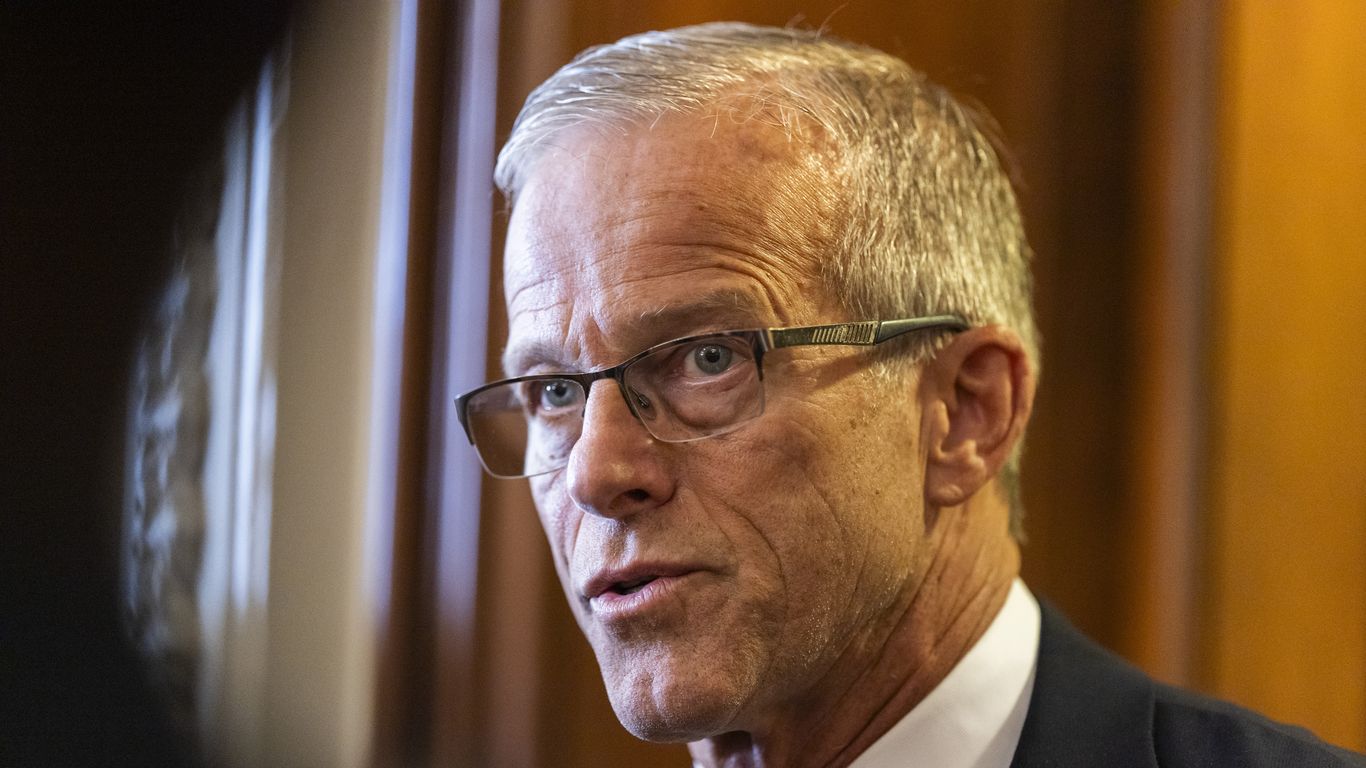
Senate Majority Leader John Thune says Congress should have a role in regulating artificial intelligence (AI), but with light rules to avoid hindering innovation. President Donald Trump, however, believes he alone should control AI regulation and dismisses concerns about its risks.
Key Facts
John Thune supports some AI rules to prevent serious risks but warns against overreaction.
President Trump claims only a strong president is needed to control AI, calling the concern a "hoax."
Democrats are urging slower AI development to avoid dangerous outcomes.
Thune is working with Senator Amy Klobuchar on a bill requiring AI companies to prevent catastrophic risks and accept federal oversight.
House GOP leaders do not plan to stay in session for more AI legislation after this week.
The AI debate has also focused on the energy use of data centers that support AI technology.
Thune has experience with AI laws, having chaired the Senate Commerce Committee.
Republicans acknowledge a race with China in AI development and the potential benefits of the technology.
Read the Original
Want the full story? Tap a source to open the original
article.
The Supreme Court blocked a new U.S. Postal Service rule about mail-in voting, stopping a plan pushed by President Trump's administration. The court said the government probably would lose if the case went forward because states need more time to prepare for the changes before the midterm elections.
Key Facts
The Supreme Court ruled against the USPS rule that changed how mail-in voting is handled.
The court said the government is unlikely to win the case because states need time to implement the rule.
Some justices disagreed, believing the Postal Service might have the authority but the timing was not right.
A lower court judge blocked parts of the rule, saying it was likely unconstitutional.
The USPS was trying to allow states to submit ballot envelopes for review voluntarily.
There are concerns about the USPS rushing to build the ballot system too quickly, risking mail ballots.
President Trump's administration has tried several other election-related changes, some stopped by courts.
The decision likely ends the debate over this rule for the upcoming election.
Read the Original
Want the full story? Tap a source to open the original
article.
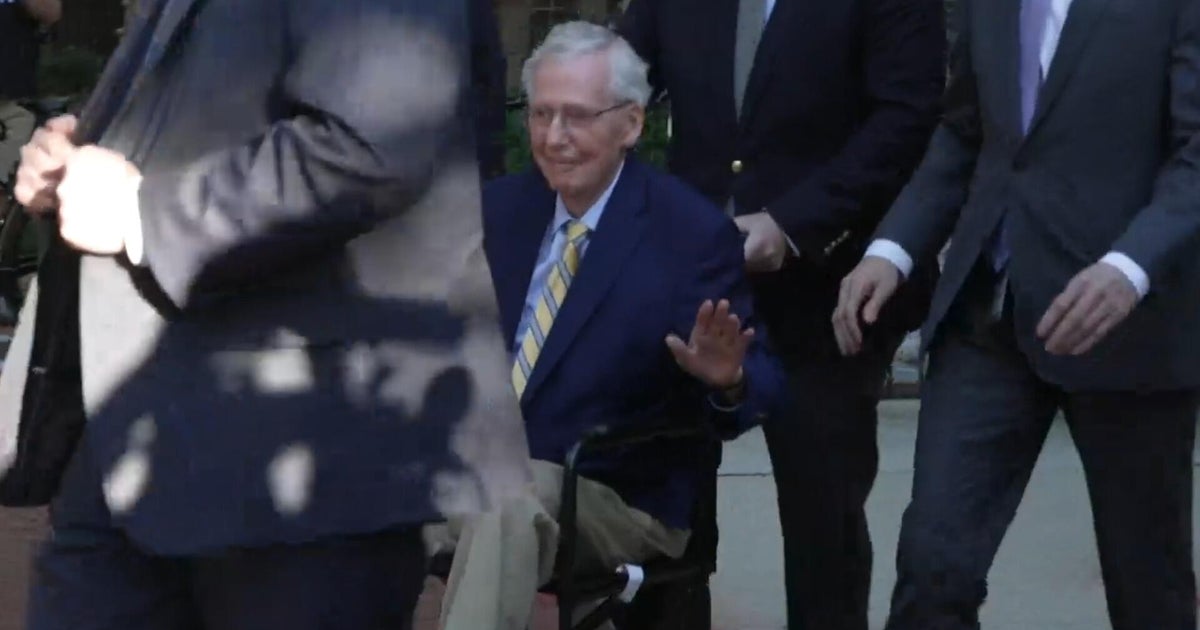
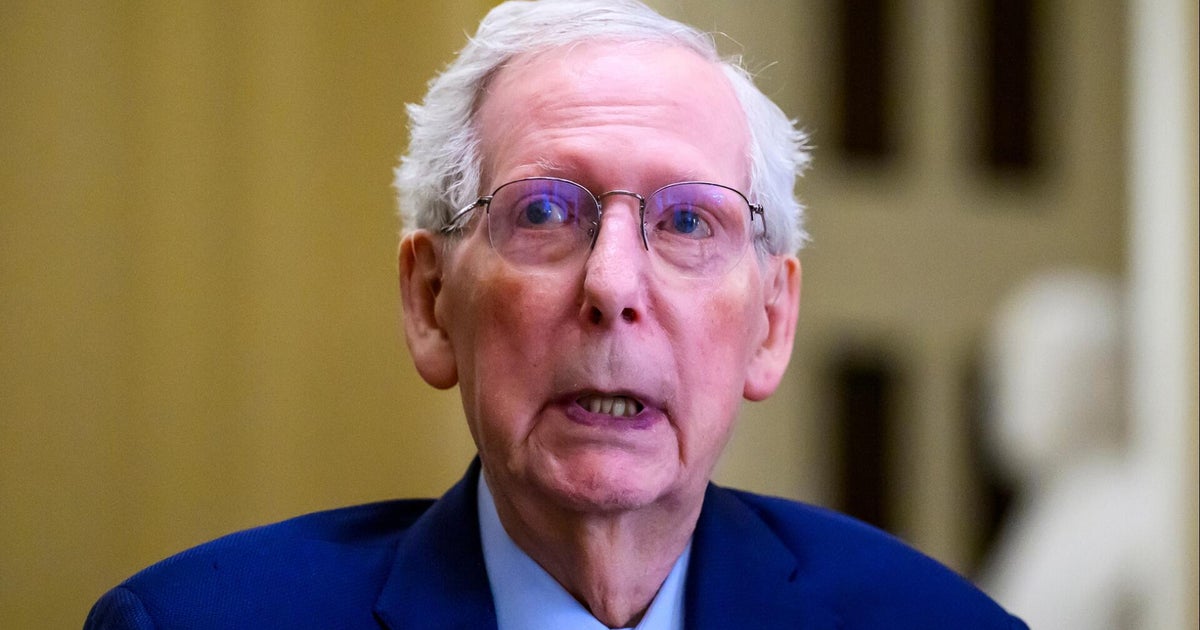
Senator Mitch McConnell from Kentucky was seen in public in Washington, D.C., on Monday for the first time since June. This marked his return after several months away from public appearances.
Key Facts
Mitch McConnell is a Republican Senator from Kentucky.
He had not been seen in public since June.
McConnell appeared publicly in Washington, D.C., on a Monday.
The article does not provide details on why he was absent.
His public appearance was reported by CBS News.
Read the Original
Want the full story? Tap a source to open the original
article.
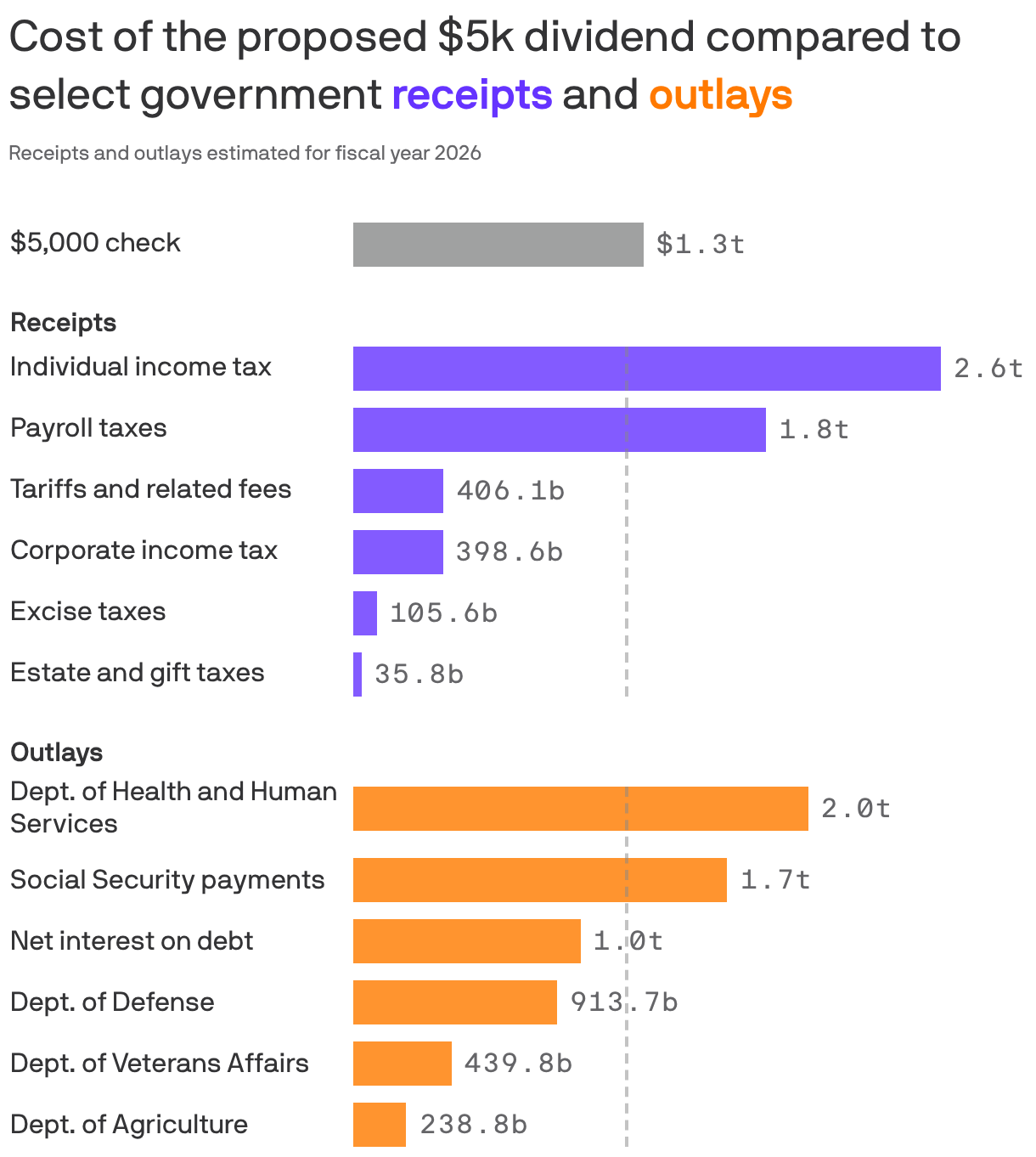
Senate Republicans are doubtful about President Trump’s plan to send $5,000 checks to Americans if Republicans keep control of Congress. They want more details on how the plan would be paid for and are concerned about adding to the national debt.
Key Facts
President Trump proposed giving $5,000 checks to Americans, called the "Trump Dividend."
Senate Republicans said they need more information on how to pay for the plan before supporting it.
Some senators are worried about increasing the U.S. debt, which is already very high.
The total cost could be about $1.3 trillion if all adults in the U.S. receive the checks.
Vice President Vance suggested that wealthy Americans might not get the checks.
Congress, including Speaker Mike Johnson, must approve any payments.
There is no detailed plan yet explaining who qualifies or where the money will come from.
Some members recommend saving the money to handle possible inflation.
Read the Original
Want the full story? Tap a source to open the original
article.
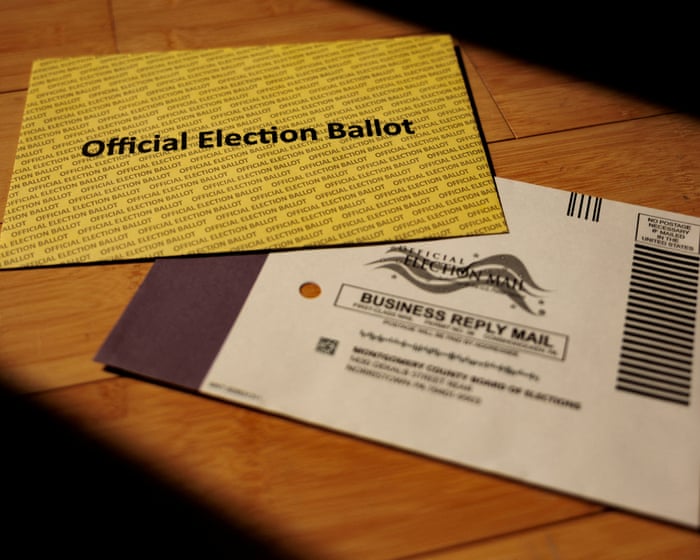
The Supreme Court stopped new U.S. Postal Service rules about mail-in ballots from taking effect just before the November midterm elections. The court delayed the rules while a legal fight continues over whether the Postal Service can set these mail voting rules.
Key Facts
The Postal Service created new rules for mail-in ballot envelopes, including unique barcodes and online tracking of voters receiving mail ballots.
The Supreme Court agreed with a lower court and blocked these rules from being used in the upcoming elections.
The rules were meant to reduce potential fraud in mail voting, but no wide evidence of fraud has been shown.
President Donald Trump’s administration supported the rules, calling mail voting fraud a serious problem.
Some states and voting rights groups said these rules interfere with state control over elections and are impossible to follow before the midterms.
Two conservative justices disagreed with blocking the rules, while a third conservative justice thought the rules might be valid but were unfairly timed.
Election officials worried that enforcing the new rules could cause confusion and stop many people from voting by mail.
The Postal Service said ballots not meeting the new rules would be returned, possibly delaying votes.
Read the Original
Want the full story? Tap a source to open the original
article.
Texas Attorney General Ken Paxton’s Senate campaign received almost $54 million from a political group tied to the Senate Leadership Fund. The money came through a Texas-based political action committee (PAC) connected to the Senate Leadership Fund, according to government filings.
Key Facts
Ken Paxton is the Texas Attorney General and a Senate candidate.
His campaign received about $54 million from a Texas PAC linked to the Senate Leadership Fund.
The donation totaled more than $53.8 million.
The Senate Leadership Fund is a Republican-aligned political group.
The funding was disclosed in a filing to the Federal Election Commission (FEC).
The PAC is based in Austin, Texas.
This financial support is aimed at helping Paxton’s Senate campaign.
The Senate Leadership Fund works to support Republican candidates for the U.S. Senate.
Read the Original
Want the full story? Tap a source to open the original
article.
The Supreme Court decided not to allow President Trump’s plan to use mail-in voting for the midterm elections. This means a judge’s earlier decision blocking the plan will stay in place. Two conservative justices disagreed with the Court’s ruling.
Key Facts
The Supreme Court rejected President Trump’s request to reinstate his mail-in voting plan for the midterm elections.
A lower court judge had already blocked this mail-in voting plan, calling it unlawful.
This is the third time the Trump administration has asked the Supreme Court to review this issue on an emergency basis.
Two conservative justices on the Supreme Court disagreed with the decision not to restore the mail-in voting plan.
The decision means that voting by mail under this plan will not be allowed in the upcoming midterm elections.
Read the Original
Want the full story? Tap a source to open the original
article.
Senator Mitch McConnell returned to the U.S. Senate after being away for three months following a fall and hospital treatment. He said he is still recovering but wants to take part in important Senate votes before his term ends in January.
Key Facts
McConnell is an 84-year-old Republican senator from Kentucky and the longest-serving party leader in Senate history.
He was absent since mid-June due to a fall at home and mild pneumonia.
His health has caused concern due to previous falls and hospital stays in recent years.
McConnell appeared in a wheelchair when leaving his home but later joined Senate sessions.
He is not running for re-election, and his current Senate term ends in January 2025.
His return comes as the Senate resumes work before the November midterm elections.
McConnell is aiming to participate in tough votes despite not feeling fully recovered.
McConnell has had lingering effects from childhood polio that complicate recovery.
Read the Original
Want the full story? Tap a source to open the original
article.
Senator Mitch McConnell from Kentucky came back to Congress after being away for about three months. His return marks the end of his long absence from Capitol Hill.
Key Facts
Senator Mitch McConnell is a Republican from Kentucky.
He was absent from Congress for around three months.
McConnell returned to Capitol Hill on a Monday.
His return was covered by CBS News.
The absence was noted as a significant break from his duties.
Read the Original
Want the full story? Tap a source to open the original
article.