A nationwide outbreak of the parasite cyclospora, linked to contaminated lettuce from a Mexican farm, has raised concerns about the safety of imported food in the U.S. At the same time, FDA inspections of foreign food facilities have dropped by nearly 35% since 2019, partly due to the pandemic and changes under President Donald Trump's administration.
Key Facts
Cyclospora is a parasite that causes diarrhea and was found in lettuce linked to a recent U.S. outbreak.
FDA inspections of foreign food sites, including the Mexican farm involved, have declined almost 35% since 2019.
The COVID-19 pandemic caused many FDA inspectors to retire or leave, reducing inspection capacity.
The FDA often misses its goals for international food inspections even before the pandemic.
Under President Trump, the FDA introduced shorter, one-day inspections to try to cover more sites.
One-day inspections are less thorough than traditional inspections, which can take a week or more.
The FDA uses other safety checks like border inspections and product sampling, not just site visits.
FDA inspectors took about one month to visit the Mexican farm after the outbreak recall was announced.
Read the Original
Want the full story? Tap a source to open the original
article.
A witness in Alan Jones' court case said he is a very loyal friend and sent supportive text messages to Jones after allegations of sexual assault were made against him. The witness denied seeing any inappropriate behavior by Jones and used strong language against the journalist reporting on the case.
Key Facts
Alan Jones faces 20 indecent assault charges and 2 counts of sexual touching involving six men.
Jones has pleaded not guilty to all charges.
A witness said he does not remember attending a 2008 lunch where the alleged incidents happened.
The witness admitted to sending Jones supportive texts calling him the "greatest broadcaster" and showing strong loyalty.
The witness criticized the journalist reporting the allegations with harsh language.
Testimony included claims that Jones had his hand under the table on a complainant’s leg or pants during the lunch.
The witness described the allegations as a "witch hunt."
The trial is ongoing at Downing Centre local court in Sydney.
Read the Original
Want the full story? Tap a source to open the original
article.
Oli Coppock went to Warrington Hospital emergency department in May 2024 with bad headaches and dizziness but was sent home without a brain scan. A week later, fluid built up in his brain, causing a cardiac arrest that left him nearly completely paralyzed. The hospital has admitted it failed to provide proper care, which has led to a rise in similar negligence claims in England.
Key Facts
Oli had previously been treated for a brain tumour and had multiple sclerosis but was otherwise healthy.
At the emergency department, no brain scan was done despite his symptoms and medical history.
A week later, swelling in Oli’s brain caused a cardiac arrest, leaving him paralyzed and able to communicate only by blinking.
The hospital trust admitted it breached its duty by not ordering a CT brain scan that could have prevented this outcome.
The family says the delay has caused great suffering and ruined Oli’s life and theirs.
There has been a 41% increase in emergency department clinical negligence claims in England over the past five years.
A&E is now the biggest area for clinical negligence claims, with over 1,600 cases in 2025-26 and costs exceeding £550 million.
Lawyers link the rise in claims to long delays and pressure in emergency departments.
Read the Original
Want the full story? Tap a source to open the original
article.
A recent NBC News poll shows that many Americans, regardless of political party, are worried about building artificial intelligence (AI) data centers near their communities. Most people oppose new AI data centers due to concerns about their effects on local resources and trust neither Democrats nor Republicans fully on AI policy.
Key Facts
69% of Americans oppose building an AI data center near them; 45% strongly oppose it.
70% of people worry more about AI than they are excited about it.
Poll respondents identified as 34% Republican, 29% Independent, and 37% Democrat.
44% of Americans do not trust either political party to make good AI policy decisions.
Concerns about AI cut across usual political and demographic lines, with similar worries among different age groups and locations.
Bill Gates warned that AI development is moving too fast without enough safeguards, highlighting risks like cyberattacks and bioterrorism.
Data centers use a lot of electricity, water, and land, causing debates about their impact on local resources and utility costs.
Texas Governor Greg Abbott has halted many data center projects to protect local water and power supplies, setting strict guidelines in Texas.
Read the Original
Want the full story? Tap a source to open the original
article.
A council in rural Queensland is selling 24 homes owned by an Indigenous charity to recover almost $1 million in unpaid rates. Many First Nations families living in these homes face eviction and homelessness, and efforts to find solutions are ongoing but have not yet stopped the sales.
Key Facts
The 24 homes belong to the Aboriginal and Torres Strait Islander Corporation for Welfare Services (ATSICWS), which has unpaid rates nearing $1 million over five years.
The council is auctioning 10 homes first in Mount Isa; most are occupied by Indigenous families.
Residents say they only learned about the unpaid rates five months ago and feel they have no place to go once evicted.
ATSICWS stopped maintaining homes, causing livability problems like lack of water and heating.
The charity was fined $15,000 in 2025 for failing to submit required corporate reports.
The government has tried to help by involving Indigenous Business Australia and state and local councils, but the auctions are still proceeding.
Senator Lidia Thorpe has urged the federal government to stop the auctions by buying the homes.
The minister for Indigenous Australians visited but reported no resolution to prevent the sales.
Read the Original
Want the full story? Tap a source to open the original
article.
California Governor Gavin Newsom, a possible 2028 presidential candidate, said he is not worried about the growing influence of the Democratic Socialists of America (DSA). Other potential Democratic candidates have different views on the DSA, with some opposing democratic socialism and others embracing it as part of the party’s future.
Key Facts
The Democratic Socialists of America have gained more political power in recent elections.
Some Democrats worry that democratic socialism may hurt the party’s chances with moderate and independent voters.
Governor Gavin Newsom supports a “big-tent” approach, welcoming all kinds of Democrats, including socialists.
Newsom said he will consider running for president in 2028 but feels it depends on “fate.”
Former Vice President Kamala Harris has clearly said she is not a democratic socialist.
Representative Alexandria Ocasio-Cortez is a well-known democratic socialist and possible 2028 candidate.
Democrats are trying to balance appealing to both progressive/socialist voters and moderate voters for upcoming elections.
The first primary votes for the 2028 Democratic presidential nomination will be over a year away.
Read the Original
Want the full story? Tap a source to open the original
article.
Hospitals in the United States are facing a growing shortage of nurses. This shortage is encouraging some people from other jobs to consider becoming nurses.
Key Facts
There is a nationwide shortage of nurses in U.S. hospitals.
The shortage is expected to get worse in the coming years.
Hospitals are actively looking to hire more nursing staff.
The demand for nurses is attracting workers who want to change careers.
Some people are entering the nursing field even though they had not planned to work in healthcare before.
Read the Original
Want the full story? Tap a source to open the original
article.
A construction worker was injured while working on scaffolding at the White House North Portico. Emergency crews rescued the worker and took them by ambulance to the hospital.
Key Facts
The incident happened on Monday afternoon at the White House North Portico.
The worker was on high scaffolding when they were injured.
Emergency responders conducted the rescue operation.
The injured worker was placed on a stretcher.
An ambulance transported the worker to a hospital.
The Washington Post reported the events.
Details about the worker's condition were not provided.
Read the Original
Want the full story? Tap a source to open the original
article.
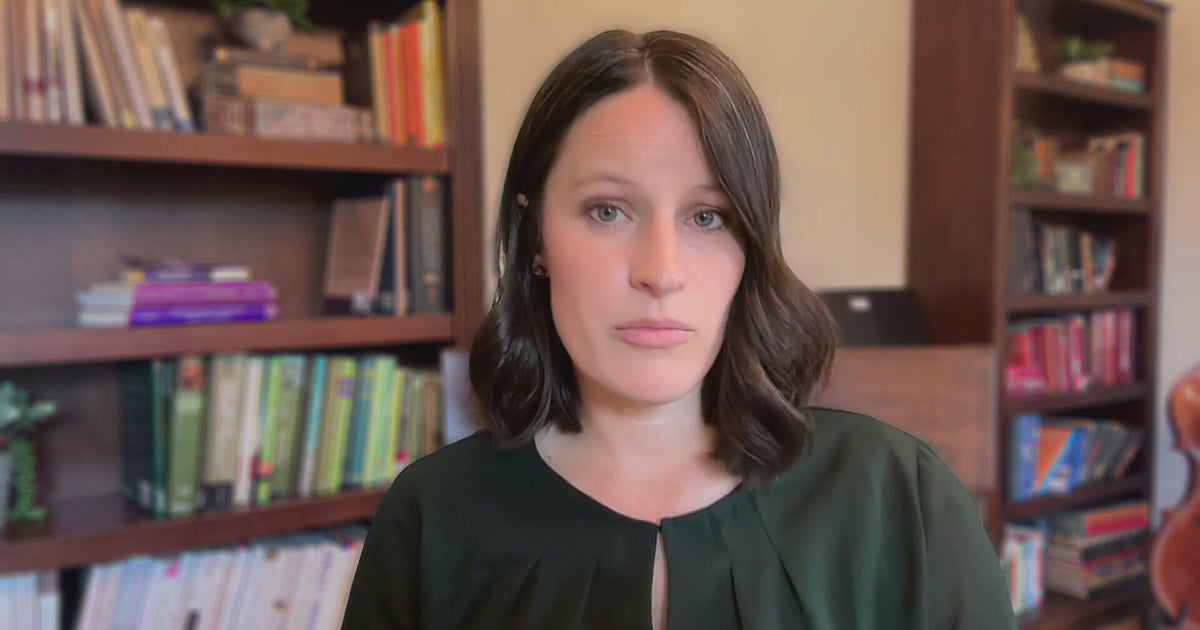
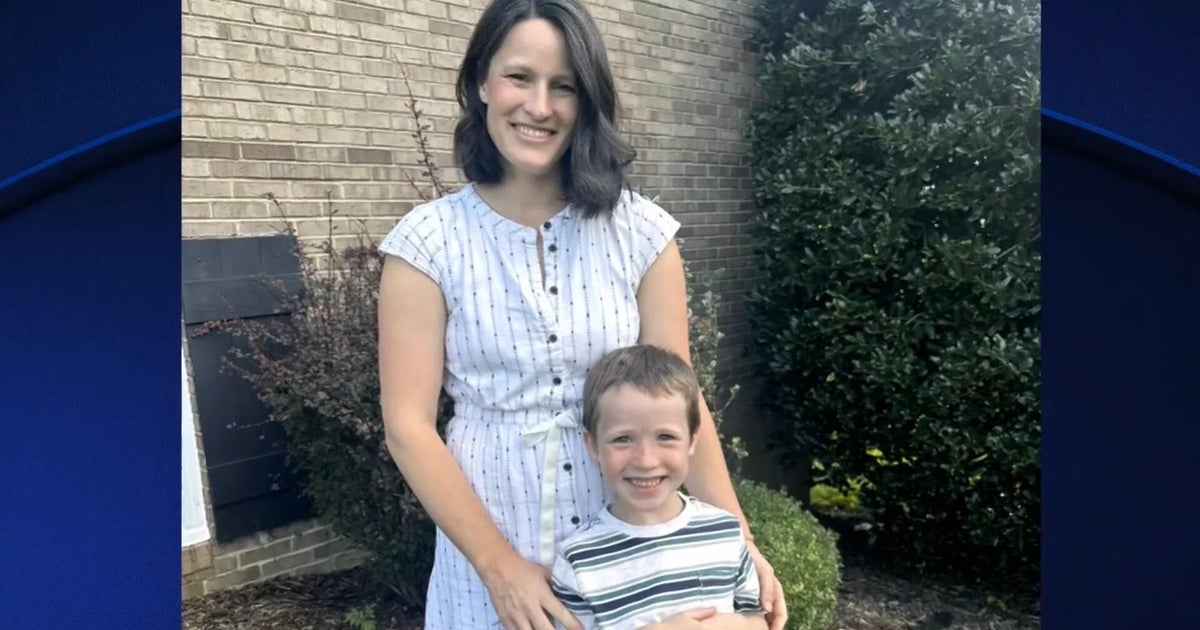
A Virginia mother, Karyann Parkinson, was convicted of child abuse for letting her 5-year-old son walk alone to a pond. She received a six-month suspended sentence and will be on the state’s child abuse registry for seven years, which limits her ability to volunteer in school activities.
Key Facts
Karyann Parkinson allowed her 5-year-old son to walk half a mile alone to collect goose feathers.
The gated community’s security guard stopped the child and called the police, saying children are not allowed to be outside alone.
Parkinson was charged with contributing to the delinquency of a minor and later convicted.
She received a six-month suspended sentence, meaning she won’t serve jail time unless she breaks certain rules.
Parkinson will remain on Virginia’s child abuse and neglect registry for seven years.
Being on the registry prevents her from volunteering at her son’s school until he reaches sixth grade.
Virginia has a law meant to protect reasonable childhood independence, but it did not prevent the conviction.
Parkinson plans to appeal the conviction, with a decision expected in January.
Read the Original
Want the full story? Tap a source to open the original
article.
A 20-year-old college student spoke about how he confronted a violent woman at an In-N-Out restaurant. He said he acted quickly without hesitation to help.
Key Facts
The incident took place at an In-N-Out restaurant.
The person who intervened is a 20-year-old college student.
He describes himself as a “hero” for stepping in during the situation.
He did not think twice before acting to stop the violence.
The report aired on ABC News with a short video segment.
No further details about the woman or the reason for violence were given.
The story focuses on courage and quick action in a public place.
Read the Original
Want the full story? Tap a source to open the original
article.
A recent report from His Majesty's Chief Inspector of Constabulary (HMIC) found that many police forces in England and Wales need to improve how they investigate crimes and handle basic police work. The report highlights problems with evidence gathering, updating victims, emergency response times, and protecting vulnerable people, while also noting some progress in neighborhood policing.
Key Facts
HMIC inspects all 43 police forces in England and Wales every two years.
Of the 13 forces recently assessed, none received high marks for crime investigation or custody safety.
Issues include poor evidence collection, slow follow-up on investigations, and infrequent victim updates.
Some progress was made in neighborhood policing and in regional crime units handling cross-area offenders.
Emergency call handling and response times to incidents are often delayed.
There are concerns about inconsistent protection for vulnerable people and missing persons cases.
The report calls the current moment “pivotal” and says reforms could improve policing services.
Police leaders and victim support charities stress the need for better resources and basic standards.
Read the Original
Want the full story? Tap a source to open the original
article.
A mother in Virginia is facing child abuse charges after she allowed her 5-year-old son to walk outside alone. She has been placed on the child abuse registry while authorities investigate whether her actions count as neglect or a step toward her child’s independence.
Key Facts
The mother lives in Virginia.
She let her 5-year-old son walk outside by himself.
Authorities charged her with child abuse or neglect.
She is now listed on the child abuse registry.
The case raises questions about how to balance child safety with encouraging independence.
The story is being reported by CBS News.
The mother is fighting the charges against her.
Read the Original
Want the full story? Tap a source to open the original
article.
An Illinois woman, Corie Walsh, was charged with killing her two-year-old son after he was found dead in their home. Prosecutors said she had been closely following a high-profile murder trial of another mother before her son’s death and later told investigators she killed her son because she believed he was “the devil” and “the anti-Christ.”
Key Facts
Corie Walsh, 40, faces three counts of first-degree murder for the death of her son, Barrett.
Barrett was found dead in the basement of their home in Frankfort, Illinois, last Tuesday.
Walsh was texting friends about the murder trial of Lindsay Clancy, a Massachusetts mother, shortly before her son was found.
Walsh told investigators she killed her son due to delusions, calling him the “devil” and “anti-Christ.”
Walsh had self-inflicted injuries and was found in a bathtub with bloody water; she was taken to a hospital.
The cause of Barrett’s death was asphyxia caused by ligature compression of the neck.
Lindsay Clancy’s trial, which involved charges of killing her three children, recently ended in a mistrial.
Authorities have not said the trial influenced Walsh’s actions and have made no public connection between the two cases.
Read the Original
Want the full story? Tap a source to open the original
article.
Rudy Giuliani, former New York City mayor and personal lawyer to President Trump, criticized current Mayor Zohran Mamdani for planning to attend the 9/11 anniversary event at Ground Zero. Giuliani disagreed with Mamdani’s views on the cause of the September 11 attacks.
Key Facts
Rudy Giuliani served as New York City mayor and was President Trump’s personal lawyer.
Mayor Zohran Mamdani planned to attend a 9/11 commemoration ceremony at Ground Zero.
Giuliani publicly urged Mamdani not to attend the event.
Giuliani disagreed with Mamdani’s statement about the nature of the 9/11 attacks.
The 9/11 ceremony marks the anniversary of the terrorist attacks in 2001.
Read the Original
Want the full story? Tap a source to open the original
article.
California Governor Gavin Newsom, a strong critic of President Donald Trump, is working to help Democrats win more state-level elections. He believes the Democratic Party needs to be more determined to win and is traveling to raise money and support.
Key Facts
Gavin Newsom is the governor of California.
He often criticizes President Donald Trump.
Newsom is considering running for president in the future.
He is raising money and support for Democrats.
Newsom says Democrats need to focus more on winning state elections.
He has recently visited North Carolina and South Carolina.
Newsom believes Democrats need to be stronger and more committed.
Read the Original
Want the full story? Tap a source to open the original
article.
NPR’s Tamara Keith and Amy Walter talked about current political news. They discussed Governor Gavin Newsom’s early moves for the 2028 presidential race and how the Republican Party’s midterm convention is affected by President Donald Trump’s low approval ratings.
Key Facts
Governor Gavin Newsom is making early efforts related to the 2028 presidential election.
The Republican Party is holding a midterm convention.
President Donald Trump has a low approval rating.
Trump’s approval rating is influencing Republican campaigns in the midterm elections.
The discussion was between Tamara Keith, Amy Walter, and Geoff Bennett.
Read the Original
Want the full story? Tap a source to open the original
article.
The Transportation Security Administration (TSA) has started a new program called Gateside by TSA PreCheck that lets some people without plane tickets go through airport security to visit friends or shop inside the airport. This program is available at 13 airports across the U.S. and requires visitors to have TSA PreCheck status and apply for a free Gateside pass before their visit.
Key Facts
Gateside by TSA PreCheck allows eligible travelers to enter airport secure areas without a boarding pass.
The program is active at 13 airports, including Los Angeles, Dallas-Fort Worth, Las Vegas, and San Diego.
Visitors must have TSA PreCheck benefits and a Known Traveler Number (KTN) to use Gateside.
Applicants need to request a Gateside pass online 1 to 3 days before their planned visit.
The Gateside pass is free but only valid for the specific visit approved.
Visitors must bring an acceptable ID or pay $45 for TSA ConfirmID identity verification.
Children can join if included on the parent or guardian's application.
TSA is testing this program as part of efforts to improve airport security and traveler experience.
Read the Original
Want the full story? Tap a source to open the original
article.
President Donald Trump shared updates on social media about cleaning and improving statues and landmarks in Washington, D.C. He highlighted projects like building an arch dedicated to him, repairing fountains, and adding gold details to statues.
Key Facts
President Trump posted pictures of statues and landmarks in Washington, D.C.
The National Park Service is working on updating these locations.
Trump described these efforts as part of “beautifying” the city.
Projects include constructing an arch honoring President Trump.
Repairs to fountains are also being done.
Some statues have been enhanced with gold plating.
The updates were shared on a Monday morning.
Read the Original
Want the full story? Tap a source to open the original
article.
An Illinois woman named Corie Walsh was charged with first-degree murder after her 2-year-old son was found dead in their home. Walsh had been closely following the murder trial of Massachusetts mother Lindsay Clancy and told investigators she killed her son because she believed he was the devil.
Key Facts
Corie Walsh, 40, is charged with three counts of first-degree murder after her son Barrett was found dead on September 1 in their Chicago suburb home.
Walsh had been closely following the high-profile trial of Lindsay Clancy, a Massachusetts mother accused of killing her three children.
Walsh was texting friends about the Clancy trial hours before her son was found.
Barrett died of asphyxia caused by ligature compression of the neck, meaning something wrapped around his neck blocked his breathing.
Walsh was found in the home with self-inflicted cuts and was treated at a hospital.
She told investigators she killed her son because she believed he was the “devil” and “anti-Christ.”
Walsh’s attorney said she was having a psychotic episode.
No official connection was made between Walsh’s actions and the trial she was following.
Read the Original
Want the full story? Tap a source to open the original
article.
Representative Chris Pappas leads Karishma Manzur in the Democratic primary for the New Hampshire Senate race, according to recent polls and prediction markets. The race is important because incumbent Senator Jeanne Shaheen is retiring, and Republicans see the contest as competitive with former Senator John Sununu as their likely nominee.
Key Facts
Chris Pappas leads Karishma Manzur in recent polls for the New Hampshire Democratic Senate primary.
A recent University of New Hampshire poll showed Pappas at 47% and Manzur at 34%.
Pappas’s lead has narrowed compared to earlier polls where he led by larger margins.
Manzur positions herself as a progressive candidate supporting Medicare for All and criticizing Israel.
Prediction markets give Pappas about a 98% chance of winning the Democratic primary.
Jeanne Shaheen, the current Democratic senator, is retiring, making this an open seat.
Republicans, led by John Sununu in their primary, see the race as competitive and important.
New Hampshire is a swing state that narrowly voted for Kamala Harris in the 2024 presidential election.
Read the Original
Want the full story? Tap a source to open the original
article.