The number of children in England with special education needs plans (EHCPs) is expected to double to one in 10 by 2029. This surge is largely due to families trying to get support before government changes take effect, putting pressure on schools and local councils.
Key Facts
The proportion of children with EHCPs in England is predicted to rise from 1 in 20 in 2025 to nearly 1 in 10 by 2029.
EHCPs provide legal support for children with needs like learning difficulties, autism, or ADHD.
The number of EHCPs has increased by over 11% annually in recent years.
Local councils are facing financial strain due to the rising number of EHCPs, with debts growing despite government efforts to reduce them.
Schools have experienced a sharp increase in applications for EHCP assessments since early 2024.
The government plans to reform the system by offering earlier support and focusing EHCPs on children with the most severe needs starting in 2030.
New initiatives, like putting specialists in mainstream schools, will begin later this year.
More than 530,000 children currently have EHCPs, with an additional 1.3 million identified as having special needs but not covered by EHCPs.
Read the Original
Want the full story? Tap a source to open the original
article.
The article explains that while the U.S. national debt often seems overwhelming when compared to one year’s income, looking at it alongside the country’s total wealth shows the U.S. can manage this debt without cutting spending or raising taxes on regular workers. This broader view suggests other ways to handle the debt without hurting everyday Americans.
Key Facts
The U.S. national debt is commonly compared to the country’s yearly income.
This comparison often leads to talk about cutting government spending or raising taxes on ordinary workers.
Comparing the debt to total national wealth provides a different, less alarming perspective.
The U.S. has enough total wealth to manage its debt responsibly.
This approach could avoid austerity measures, which means severe spending cuts.
It could also prevent raising taxes on wages and salaries of regular people.
The article encourages thinking about the debt in terms of overall wealth, not just yearly income.
Read the Original
Want the full story? Tap a source to open the original
article.
The Trump administration is involved in a legal case about the abortion pill mifepristone. A court in New Orleans will hear arguments soon, and the case could limit access to this drug across the United States.
Key Facts
The case concerns the abortion pill called mifepristone.
The Trump administration is connected to the dispute.
Oral arguments will be held by a three-judge panel.
The court is the 5th U.S. Circuit Court of Appeals, located in New Orleans.
The case could lead to restrictions on the nationwide use of mifepristone.
The timing is significant because the midterm elections are two months away.
Read the Original
Want the full story? Tap a source to open the original
article.
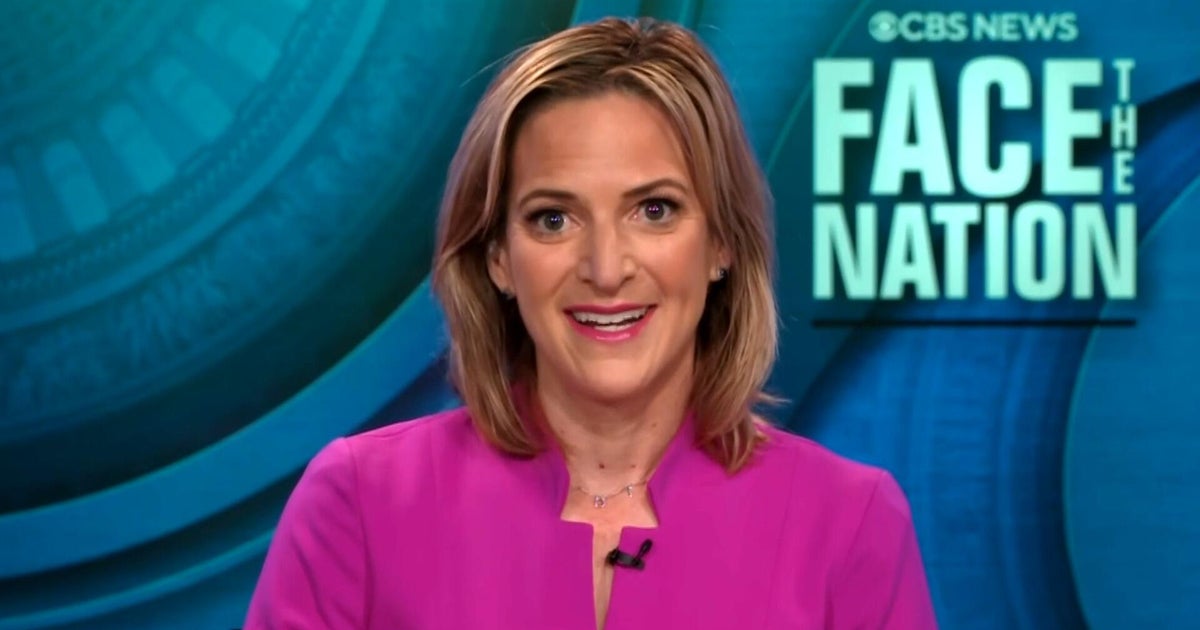
Michigan Secretary of State Jocelyn Benson, the Democratic nominee for governor, said her office will work to make sure voters understand the facts about elections. She made this statement after a federal judge blocked the Trump administration from enforcing a new ballot measure.
Key Facts
Jocelyn Benson is Michigan’s Secretary of State and the Democratic candidate for governor.
A federal judge stopped the Trump administration from enforcing a new ballot measure.
The ballot measure was related to election rules set by President Trump’s administration.
Benson said her department will use all available methods to inform voters about election facts.
The goal is to ensure voters receive accurate information about elections in Michigan.
The statement was made during an interview on the program "Face the Nation."
Read the Original
Want the full story? Tap a source to open the original
article.
Former Air Force Secretary Frank Kendall III expressed doubts about the advice President Trump received before starting the Iran war. He questioned what information led President Trump to begin this conflict.
Key Facts
Frank Kendall III served as the U.S. Air Force Secretary.
He spoke on ABC’s “This Week” program with host Martha Raddatz.
Kendall questioned the advice given to President Trump before the Iran war began.
He is puzzled about the reasons that led to the start of the Iran war.
The comments were made on a Sunday interview.
Read the Original
Want the full story? Tap a source to open the original
article.
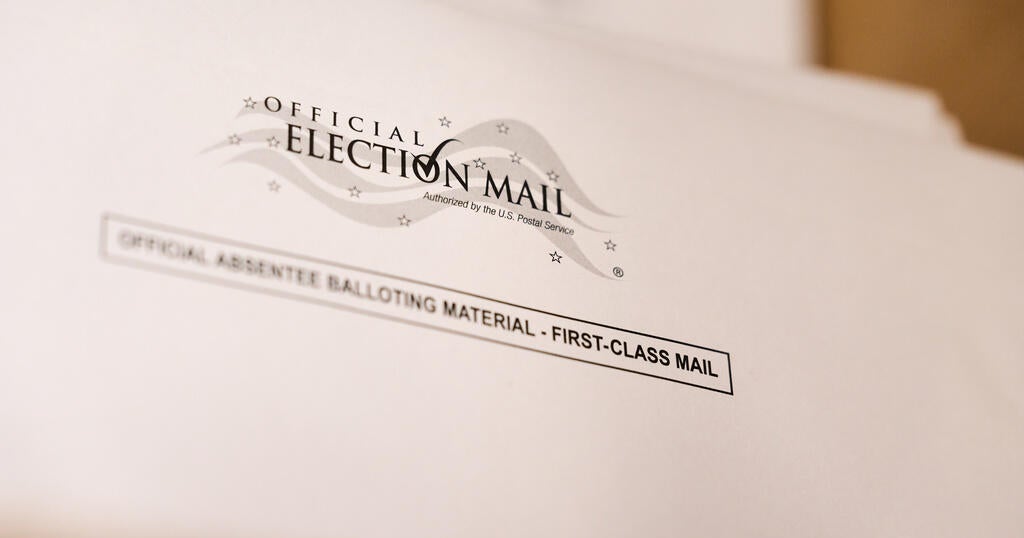
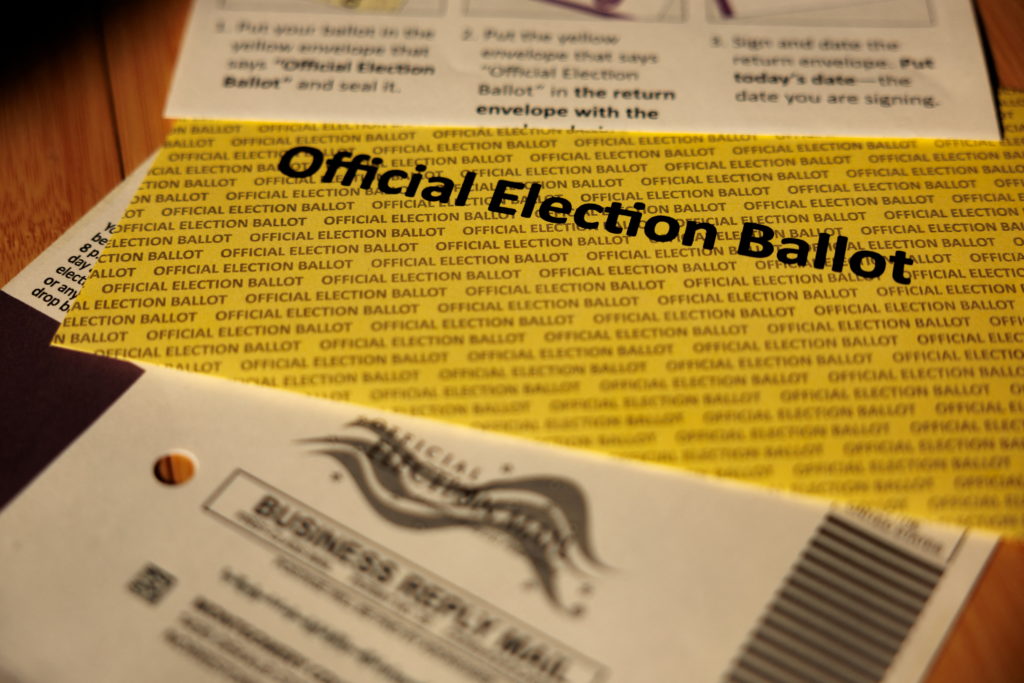
The Trump administration has asked the Supreme Court again to allow new rules restricting mail ballots before the midterm elections. The rules require changes like unique barcodes on ballots and submitting voter information online, but some courts and election officials say it is too late to make these changes before November.
Key Facts
The Trump administration filed an appeal to the Supreme Court to enforce new mail ballot rules for the midterms.
A federal judge recently blocked the U.S. Postal Service from enforcing President Trump's executive order about mail ballots.
Ballots have already started mailing in some states, including North Carolina and soon Alabama.
The administration wants the rules to be mandatory to avoid confusion and make sure ballots meet new standards.
The rules include using unique barcodes on ballot envelopes and sharing voter information online.
State and local election officials say it is too late to change their systems for the November 3 elections.
Nearly one-third of U.S. voters cast ballots by mail, so changes could affect many voters.
President Trump has argued that mail ballots are prone to fraud, despite lacking evidence, and has tried to limit mail voting.
Read the Original
Want the full story? Tap a source to open the original
article.
The Trump administration asked the Supreme Court to reverse a judge's order that stopped new limits on mail-in voting for the upcoming elections. The court case is urgent because some states have already begun sending out mail ballots for the midterms.
Key Facts
A federal judge blocked new restrictions on mail ballots for the November midterm elections.
The Trump administration filed an appeal with the Supreme Court to overturn this block.
Judge Indira Talwani extended an order preventing the Postal Service from enforcing President Trump’s mail ballot rules.
Mail ballots have already started being sent in North Carolina and will begin soon in other states like Alabama.
The current court order makes following the new mail ballot rules voluntary, causing possible confusion.
Once mail ballots are sent, they cannot be taken back or changed.
Solicitor General John Sauer emphasized the urgency due to ongoing mailing processes in several states.
Read the Original
Want the full story? Tap a source to open the original
article.
Energy Secretary Chris Wright said he does not want to give his opinion on whether gas prices in the U.S. will go up or down. Currently, the average price for a gallon of gasoline in the U.S. is over $4.
Key Facts
Gas prices in the U.S. average more than $4 per gallon.
Energy Secretary Chris Wright avoided stating his view on future gas price trends.
The topic of rising gas prices was discussed on a TV show.
Five months ago, it was suggested that high gas prices had reached their highest point.
Since then, gas prices have continued to be a concern for Americans.
The Energy Secretary spoke about the issue during an interview on Sunday.
Read the Original
Want the full story? Tap a source to open the original
article.
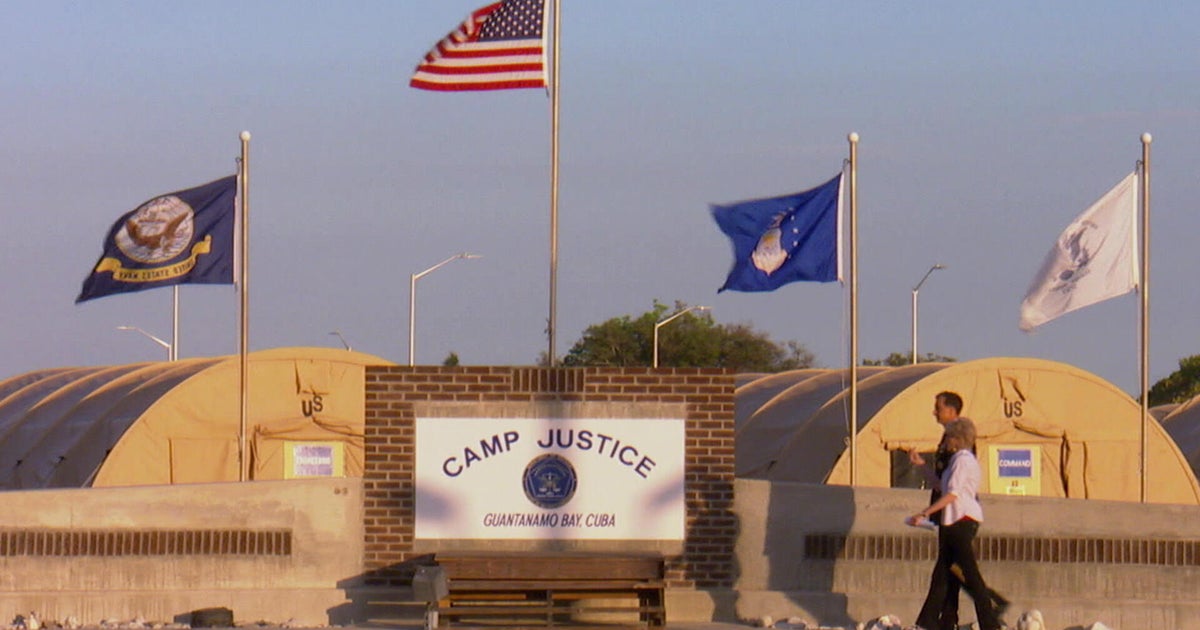
In 2013, CBS News correspondent Lesley Stahl visited the Guantanamo Bay prison in Cuba. She reported on the preparations for the trials of men accused in the 9/11 terrorist attacks.
Key Facts
The report was made by Lesley Stahl from CBS News in 2013.
Guantanamo Bay is a U.S. military prison located in Cuba.
The prisoners there were accused of involvement in the September 11, 2001 terrorist attacks.
Trials were planned to prosecute those accused terrorists at Guantanamo.
The report gives viewers a look inside the detention facility before the trials began.
Read the Original
Want the full story? Tap a source to open the original
article.
Rep. Brian Fitzpatrick urged the Senate to approve the Faster Labor Contracts Act. The bill aims to speed up collective bargaining, which is the process where workers and employers negotiate work terms, to help protect workers' financial stability.
Key Facts
Rep. Brian Fitzpatrick supports the Faster Labor Contracts Act.
The act focuses on speeding up collective bargaining between workers and employers.
Collective bargaining helps workers negotiate wages, hours, and other job conditions.
The goal is to protect the economic security of working families.
The Senate has not yet passed the Faster Labor Contracts Act.
Read the Original
Want the full story? Tap a source to open the original
article.
A new bill called the Stronger Start for Working Families Act has been introduced in the U.S. Congress. It aims to let low-income families earn the refundable part of the Child Tax Credit starting with their first dollar of work, instead of needing $2,500 in earnings first.
Key Facts
The bill lowers the earned income threshold for the refundable Child Tax Credit from $2,500 to $1.
The refundable part can be up to $1,700 per child in 2026.
Currently, families must earn $2,500 before receiving any refundable Child Tax Credit.
About 19 million children get less than the full credit or none because their families earn too little.
The bill is backed by both Republican and Democratic lawmakers.
Groups like Save The Children and the Bipartisan Policy Center support the bill.
Lowering the threshold means parents start to get tax benefits immediately when they begin working.
High childcare costs put financial pressure on families, making tax credits important for support.
Read the Original
Want the full story? Tap a source to open the original
article.
A recent NBC News poll shows that fewer Republican voters strongly support President Trump's handling of the conflict with Iran, although overall approval from Republicans remains high. The poll comes as tensions between the U.S. and Iran have increased, with recent military actions by both sides.
Key Facts
31% of Americans approve of President Trump's handling of the Iran conflict; 69% disapprove.
Strong approval among Republicans dropped 18 points from the spring to 30%.
Among MAGA Republicans, strong approval fell by 21 points.
Overall Republican approval of President Trump's job remains high at 80%.
The poll surveyed 7,105 adults from August 20 to September 1, with a margin of error of ±3.3 percentage points.
Recent U.S. military strikes targeted Iranian oil tankers linked to funding Iran's Revolutionary Guard.
The U.S. and Iran have exchanged military actions after a ceasefire tied to a June agreement collapsed.
Previous polls showed low public support for U.S. military action against Iran and concerns about economic impacts like rising gas prices.
Read the Original
Want the full story? Tap a source to open the original
article.
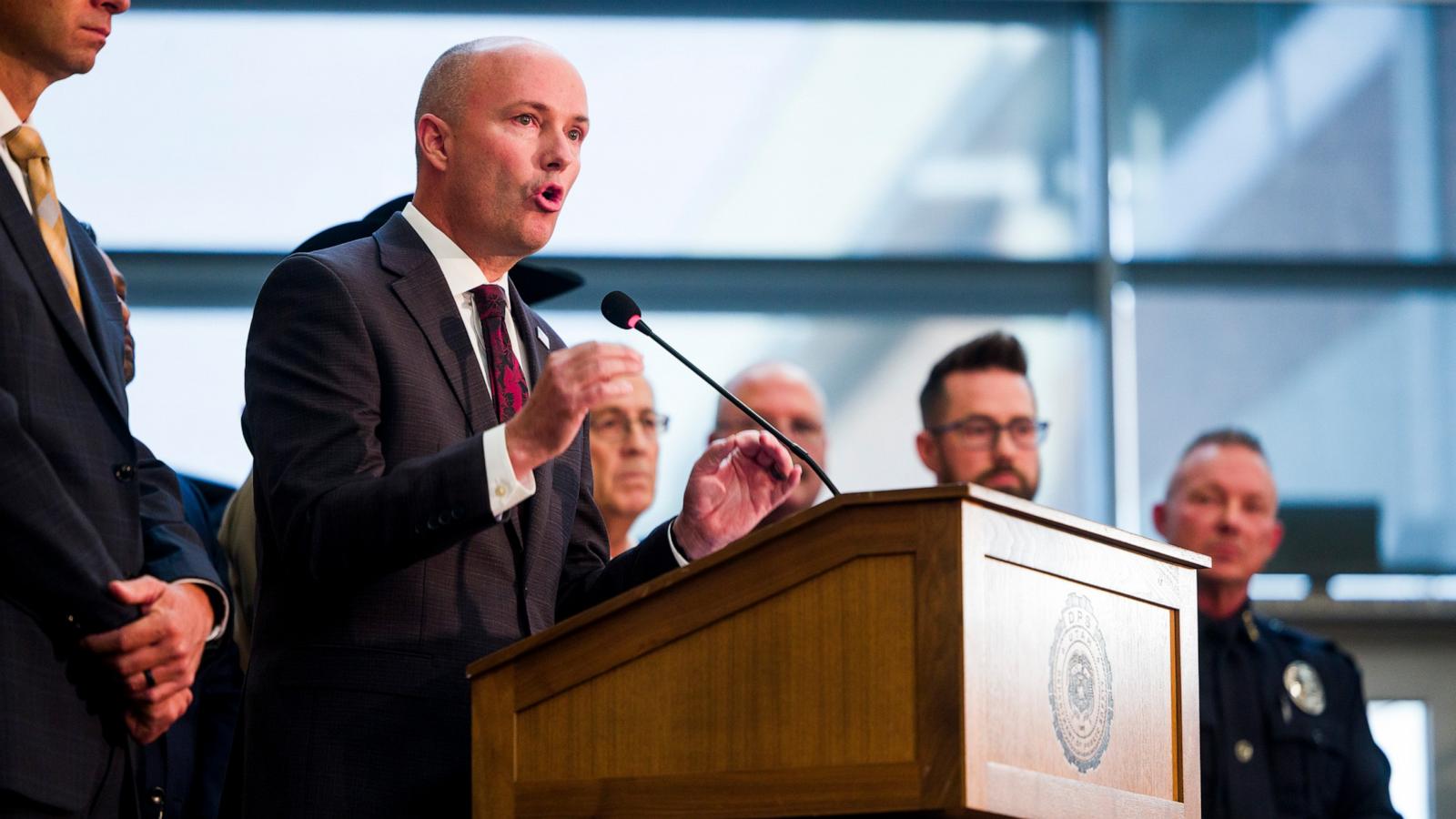
Utah Governor Spencer Cox spoke about the deep political divisions in the United States nearly a year after the fatal shooting of conservative activist Charlie Kirk. Cox called on Americans and leaders to reduce hostility and find ways to work together for a better future, and he will soon release a book about easing political tensions.
Key Facts
Charlie Kirk, a conservative political activist, was shot and killed during a public event at Utah Valley University in September 2025.
The suspect in Kirk’s killing has been arrested and is in police custody.
Governor Cox spoke about the incident and urged Americans to avoid responding to violence with more violence.
Cox said that about 70% of Americans are unhappy with the current state of political division.
He will release a book titled “Off Ramp: How to Be a Peacemaker in an Age of Contempt,” offering ideas to reduce political conflict.
Cox voted for President Donald Trump in 2024 and defended Trump’s controversial comments made at Kirk’s funeral, describing them as honest.
Cox believes that political division is not caused by any single party and calls for unity among all Americans.
The shooting and its aftermath have highlighted concerns about rising political violence and polarization in the country.
Read the Original
Want the full story? Tap a source to open the original
article.
Former Air Force Secretary Frank Kendall said he could not work in President Donald Trump’s administration because he disagreed with how the military was being managed. Kendall criticized Defense Secretary Pete Hegseth for mixing politics with military decisions.
Key Facts
Frank Kendall III was a former Secretary of the Air Force.
He said he “couldn’t serve” under President Trump’s administration.
Kendall spoke on ABC’s show "This Week" with Martha Raddatz.
He criticized Defense Secretary Pete Hegseth’s leadership of the Pentagon.
Kendall accused Hegseth of trying to politicize the military.
The comments came amid ongoing debates about military and political leadership.
Read the Original
Want the full story? Tap a source to open the original
article.
The article looks back at how the 9/11 attacks changed the United States 25 years ago. It explains how the country responded with new security measures and unity but also saw long-lasting changes in daily life and government policies.
Key Facts
The 9/11 attacks led to the creation of the Department of Homeland Security, TSA, and ICE to improve national security.
The Patriot Act was passed, expanding government surveillance powers.
Police in the U.S. began using more military-style equipment after 9/11.
The attacks triggered long-term U.S. military involvement in Iraq and other countries.
President George W. Bush visited a Washington Islamic Center to say Islam itself was not the enemy after the attacks.
NATO members all agreed to defend the U.S. after 9/11, which was unique in its history.
Initial national unity and respect among Americans faded relatively quickly after 9/11.
The article compares 9/11’s impact to other major U.S. historical turning points like Pearl Harbor and the post-Civil War period.
Read the Original
Want the full story? Tap a source to open the original
article.
Communities across the United States are bringing back potluck parties to help people connect and reduce loneliness. A nationwide event called America’s Potluck encouraged people in every state to share meals together, with over 1,700 potlucks held on July 5 to celebrate the country’s 250th anniversary.
Key Facts
Potluck parties involve sharing food brought by different people at a gathering.
America’s Potluck was organized by the America250 Utah Commission as part of the 250th anniversary celebrations.
Over 1,700 potluck events happened nationwide on July 5.
The event aimed to help rebuild social ties and reduce loneliness by encouraging neighbors to meet and talk.
Hiltonia, a community in Trenton, New Jersey, held one of these potlucks.
Organizers hoped this would be a one-time event, but some groups plan to repeat it next year.
Eating together can bring people closer, but lasting friendships depend on what happens after the meal.
Local groups like the Hiltonia Association use food events to engage neighbors and promote support among community members.
Read the Original
Want the full story? Tap a source to open the original
article.
Energy Secretary Chris Wright said that President Donald Trump's administration might not make a deal with Iran about its nuclear program. Instead, the U.S. might focus on stopping Iran from developing nuclear weapons by other means.
Key Facts
Energy Secretary Chris Wright spoke on ABC’s “This Week” program.
He said the Trump administration might not reach a nuclear agreement with Iran.
The administration could choose to destroy Iran’s nuclear capabilities instead of making a deal.
The comments reflect ongoing concerns about Iran’s nuclear program.
This approach shows a possibility of taking direct actions rather than diplomacy.
Read the Original
Want the full story? Tap a source to open the original
article.
Sam Forstag, a firefighter known as a smokejumper, is running for Congress in Montana’s first district as a Democrat. He believes economic struggles make people less able to help each other and wants to address the challenges faced by working-class Americans.
Key Facts
Sam Forstag grew up in a single-parent household in North Portland and Montana, where his mother worked overnight nursing shifts.
In 2013, while driving through a snowstorm, he chose not to stop to help a car that slid off the road because he was rushing to work multiple jobs.
Forstag’s campaign focuses on how economic pressures reduce people’s time and ability to show empathy and care for others.
He is a smokejumper who parachutes into wildfires to help fight dangerous fires and has worked this physically demanding job for eight fire seasons.
Forstag wants to flip Montana’s first congressional district, which has been mostly Republican.
He sees current political divisions and anti-immigrant rhetoric as results of long-term economic struggles faced by working-class people.
Forstag’s personal experience working multiple jobs and firefighting shaped his views on community and public service.
Read the Original
Want the full story? Tap a source to open the original
article.
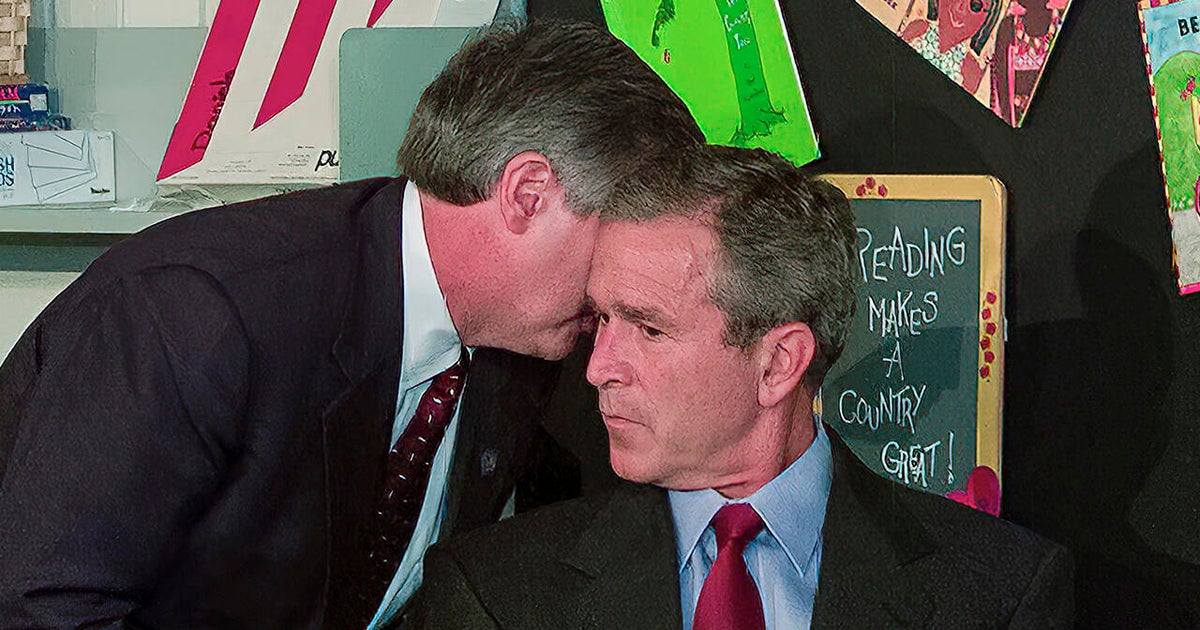
On September 11, 2001, President George W. Bush was visiting an elementary school when he was informed about the terrorist attacks on the World Trade Center by his chief of staff, Andy Card. Card whispered the news to the president during a reading session, marking a moment that changed America’s history.
Key Facts
President Bush was at Emma E. Booker Elementary School in Sarasota, Florida, on the morning of 9/11.
He was reading a book called “The Pet Goat” with second-grade students when he was informed of the attacks.
Andy Card, Bush’s chief of staff, whispered to the president that a second plane had hit the World Trade Center and America was under attack.
The president stayed calm and continued the reading for a few minutes despite the news.
Card has expressed that he aimed to help the president stay composed during a very confusing and frightening moment.
The photograph of Card whispering to President Bush became an iconic image of 9/11.
In 2023, Card and the teacher present that day, Kay Daniels, reunited at a commemorative event at the school.
A steel beam from the World Trade Center is touring the nation as part of the 25th anniversary remembrance.
Read the Original
Want the full story? Tap a source to open the original
article.
Postpartum psychosis is a rare but serious mental illness that can happen to some mothers shortly after giving birth. It causes symptoms like hallucinations, extreme mood swings, and losing touch with reality. This condition was central in the trial of Lindsey Clancy, who was charged with killing her three children while having untreated postpartum psychosis.
Key Facts
Meghan Cliffel experienced postpartum psychosis eight months after her second child’s birth, leading to hallucinations and severe mental distress.
Postpartum psychosis symptoms can include mania, racing thoughts, losing connection with reality, and severe depression with psychotic features.
It is a psychiatric emergency requiring immediate treatment, often including medication like Lithium.
Suicide is a major risk for mothers with postpartum psychosis, but harm to babies (infanticide) is very rare.
Lindsey Clancy was tried for killing her three children and was diagnosed with postpartum psychosis during the trial.
The jury in Clancy’s case could not reach a verdict, leading to a mistrial.
Postpartum psychosis affects about 1 to 2 out of every 1,000 new mothers in the U.S., meaning up to 9,000 cases each year.
The condition has been recognized throughout history in many cultures and described since ancient times.
Read the Original
Want the full story? Tap a source to open the original
article.