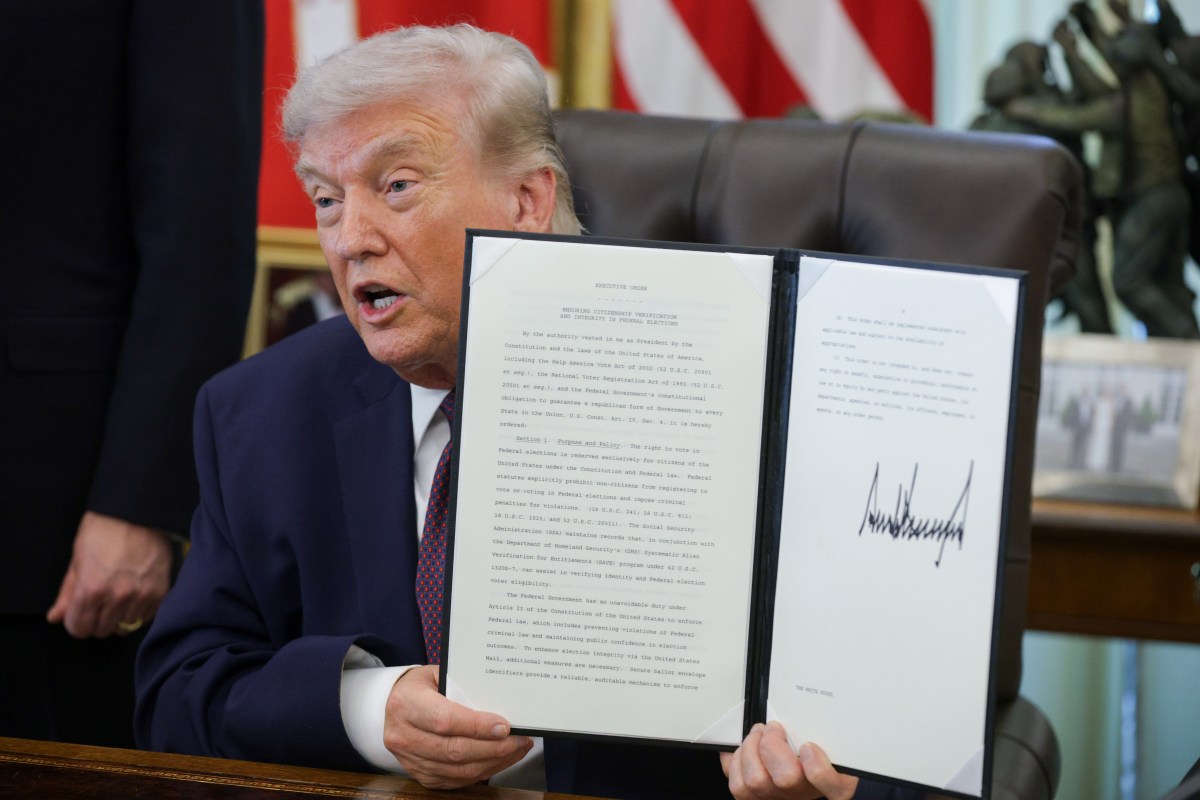
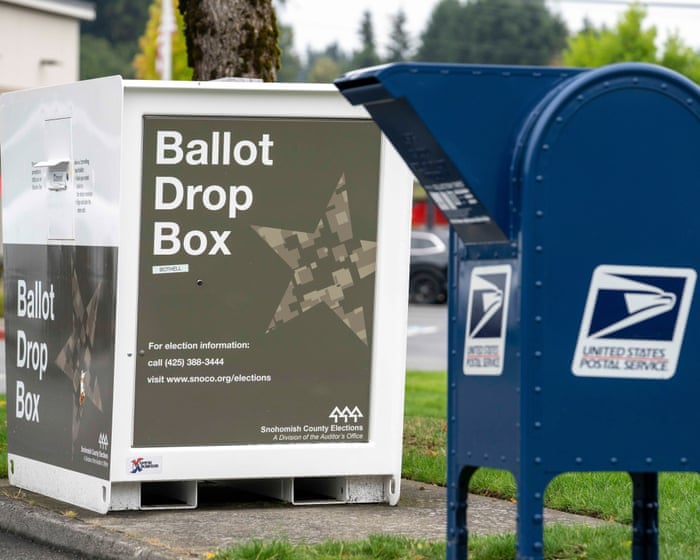
President Trump’s administration asked the US Supreme Court to allow new rules on mail-in voting before the November midterm elections. A federal judge blocked these rules, saying they likely violate the Constitution by interfering with states' control of elections and could prevent people from voting by mail.
Key Facts
The Trump administration wants to impose new restrictions on mail-in ballots and asked the Supreme Court to allow them temporarily.
A federal judge ruled the administration’s order likely unconstitutional and stopped the US Postal Service from enforcing it.
The judge said the order could stop millions of Americans from voting by mail just two months before the election.
The administration argues the rules only create simple requirements like tracking ballots and do not take control away from states.
The Supreme Court gave a Wednesday deadline for responses to the administration’s request.
This is the third time the Trump administration has asked the Supreme Court to review the issue.
The court has allowed parts of the plan before but has not decided if it is legal.
Many voters from both parties use mail-in voting, with one in four Democrats and one in five Republicans voting this way in 2024.
Read the Original
Want the full story? Tap a source to open the original
article.
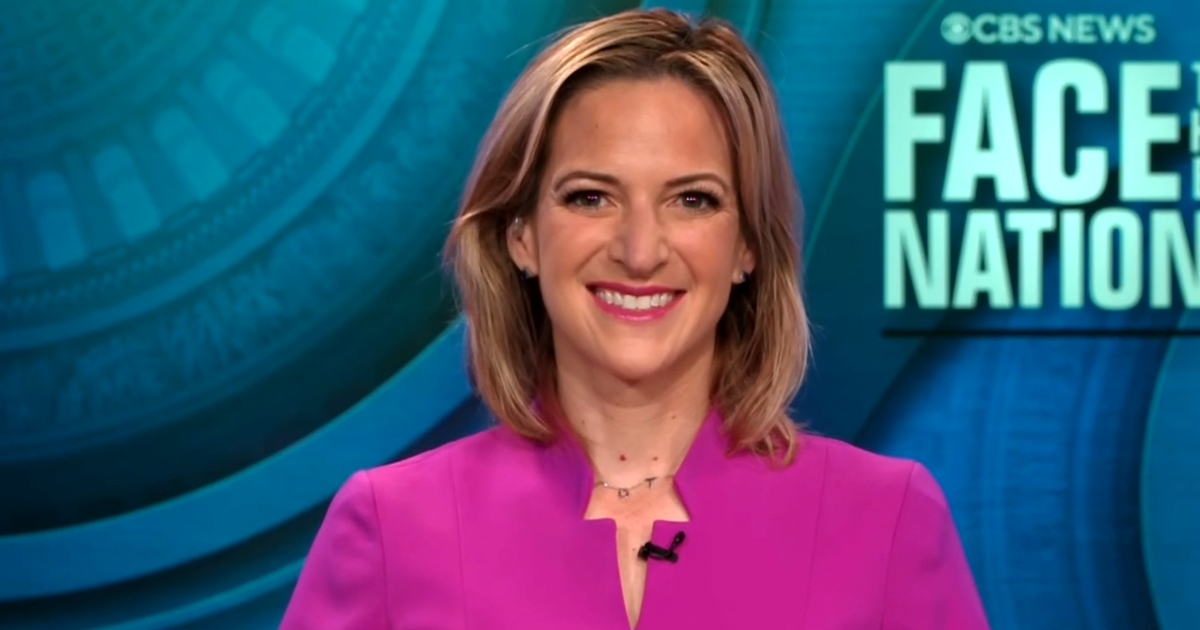
Michigan Secretary of State Jocelyn Benson said she will make sure voters understand the truth about elections ahead of the November midterms. This comes after a federal judge blocked the Trump administration’s new rules for mail-in voting that some feared would stop people from voting.
Key Facts
Jocelyn Benson plans to protect voting rights and follow the law before the November elections.
A federal judge blocked the U.S. Postal Service from enforcing new mail-in ballot rules from President Trump’s administration.
The Trump administration has appealed to the Supreme Court three times to enforce these mail-in voting rules.
The new rules would have set strict guidelines for mail-in ballots, including their design and tracking.
Some state leaders and voting rights groups say the rules could unfairly limit who can vote.
Michigan found a small number of cases where non-citizens voted in 2024, and six people have been charged with election law violations.
Benson said Michigan’s elections are secure and accessible, and local officials work to count only eligible votes.
The Trump administration has made claims questioning Michigan’s mail-in voting accuracy, though evidence for widespread issues is limited.
Read the Original
Want the full story? Tap a source to open the original
article.
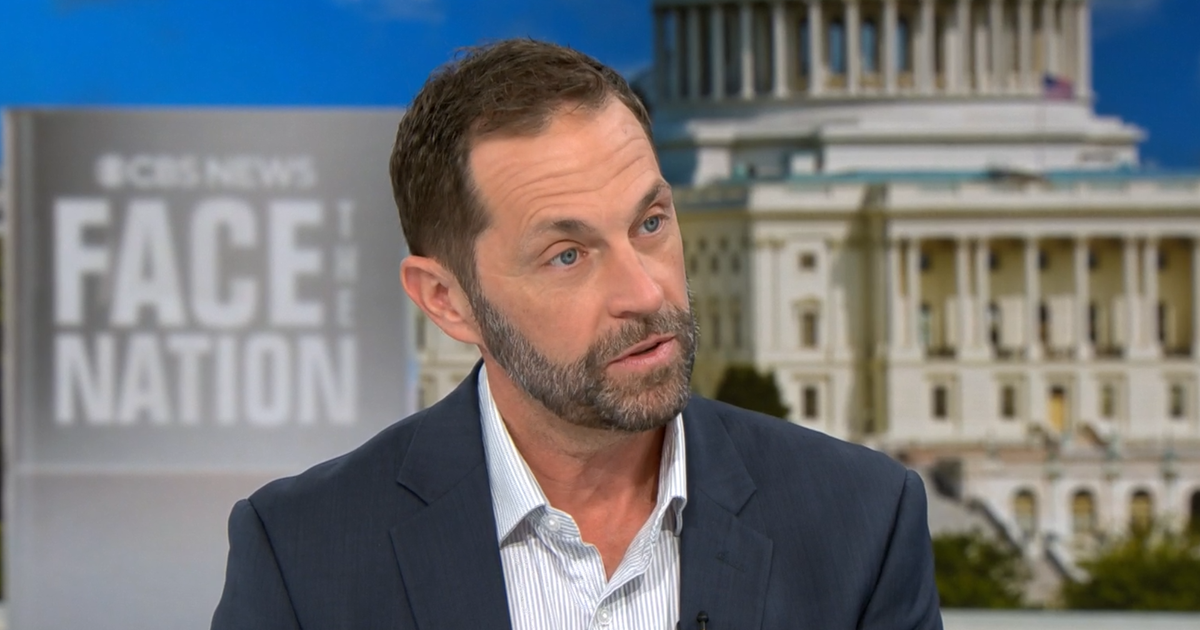
Rep. Jason Crow said that Congress has not been informed about an investigation led by Defense Secretary Pete Hegseth into leaks of classified military information. The probe includes polygraph tests for some top military officials, and Crow criticized the lack of transparency and recent changes in military leadership under Hegseth.
Key Facts
Rep. Jason Crow said Congress has not received briefings on the leak investigation led by Defense Secretary Pete Hegseth.
The investigation looks into how secret details about U.S. weapons stockpiles were leaked to the media.
Some top military officials were given lie detector (polygraph) tests as part of the investigation, but no one failed.
The probe started after media reports showed fast reductions in advanced U.S. munitions during the Iran war.
Defense Secretary Hegseth has removed over 80 high-ranking generals and admirals, about 10% of top military leaders, since the start of President Trump’s current administration.
Promotions for women in the military have fallen to a 25-year low under Hegseth’s leadership.
Crow said Hegseth has created an atmosphere of fear and pushed out journalists and media from the Defense Department.
Crow suggested the Trump administration is hiding information from Congress about the military's current readiness and issues.
Read the Original
Want the full story? Tap a source to open the original
article.
On the September 6, 2026, broadcast of "Face the Nation," Energy Secretary Chris Wright discussed high gasoline and diesel prices caused by global events like the war with Iran and reduced Russian diesel exports. President Donald Trump sent envoys to Ukraine to try to help end the war with Russia, while U.S. politicians prepared for the midterm elections with debates on energy prices and affordability.
Key Facts
Gasoline prices are at their highest ever for a Labor Day weekend in the U.S.
The war with Iran is one major factor behind high fuel prices.
Russia, previously a major diesel exporter, is now importing gasoline due to damage to its refineries.
The Trump administration recently changed regulations to allow U.S. refiners to produce more gasoline and diesel.
Energy Secretary Chris Wright expects fuel prices to decrease as summer demand falls and supply increases.
President Donald Trump sent envoys to Kyiv and Moscow to seek peace efforts in the 5.5-year war between Ukraine and Russia.
The U.S. midterm elections are approaching in less than two months, with Republicans and Democrats debating energy policies and affordability.
Democrat and Republican leaders from various states appeared on the show to discuss political strategies and current issues.
Read the Original
Want the full story? Tap a source to open the original
article.
The Trump administration has asked the Supreme Court again to allow new rules that limit how mail ballots are handled before the midterm elections. A federal judge blocked these rules, causing legal conflict just as states begin mailing out ballots.
Key Facts
The Trump administration filed a new appeal to the Supreme Court after a judge stopped new mail ballot restrictions.
U.S. District Judge Indira Talwani extended an order against enforcing President Trump’s executive order for the election.
States like North Carolina and Alabama have already started or soon will start sending out mail ballots.
The administration says the current block on the rules causes confusion because ballot preparation is voluntary, not required.
This is the third time the administration has asked the Supreme Court to allow these changes.
The Supreme Court has let parts of the plan go forward but hasn’t decided if the rules are legal.
About one-third of U.S. voters use mail ballots, making this issue important for election results.
Democrats and voting rights groups say the new rules violate voters’ rights, while election officials say they can’t quickly change their systems.
Read the Original
Want the full story? Tap a source to open the original
article.
The article says that to make living in Washington more affordable, it is not enough to just lower prices. It stresses the need for higher wages and stronger collective bargaining, which means workers joining together to negotiate better pay and conditions.
Key Facts
Affordability means being able to pay for basic needs like housing, food, and healthcare.
Simply reducing prices does not fully solve affordability problems.
Workers need higher wages to keep up with the cost of living.
Collective bargaining helps workers negotiate better wages and benefits.
An affordability plan should include both lowering prices and raising incomes.
The article focuses on issues facing workers in Washington state.
Read the Original
Want the full story? Tap a source to open the original
article.
Rep. Mike Lawler disagreed with President Donald Trump’s recent comment that made the Iran war seem less serious. Lawler said that any war or military conflict is a serious matter and should not be taken lightly.
Key Facts
Rep. Mike Lawler is a Republican from New York.
President Trump recently described the Iran war in a way that made it seem less important.
Lawler publicly disagreed with President Trump’s statement.
He said war or military escalations are always serious issues.
Lawler made these comments during an interview on CNN.
Read the Original
Want the full story? Tap a source to open the original
article.
US Energy Secretary Chris Wright said the US might not reach a nuclear deal with Iran that prevents Iran from having nuclear weapons. He explained that military action could be needed to stop Iran’s missile and nuclear programs, but the US is still open to a diplomatic agreement.
Key Facts
Energy Secretary Chris Wright said there may not be a nuclear agreement with Iran.
The US is considering military actions to destroy Iran’s ability to make missiles and nuclear weapons.
Diplomatic outreach continues, with the US open to a deal.
The US military’s main role in the Gulf is to stop Iran’s energy exports to hurt its economy.
The Strait of Hormuz, a key route for oil ships, is not fully safe unless ships have US Navy escort.
The US Navy is currently responsible for protecting ships passing through the strait.
Wright said other countries will need to join the US in securing the strait in the future.
Negotiations between the US and Iran have stalled after a failed interim deal in June.
Read the Original
Want the full story? Tap a source to open the original
article.
President Donald Trump’s administration asked the U.S. Supreme Court to quickly allow new mail-in voting rules for the November midterm elections. A federal judge previously blocked the rules, but the administration wants the court to lift the block so the changes can be used before the election.
Key Facts
The Trump administration filed an emergency request to the Supreme Court to enforce mail-in voting restrictions.
A federal judge blocked these postal service ballot rules, saying they likely violate constitutional limits by overstepping state and congressional powers.
Nearly one-third of U.S. voters used mail ballots in the 2024 presidential election, making changes to mail voting significant.
North Carolina has already started mailing absentee ballots under current rules; other states will follow soon.
The administration argues blocking the rules causes confusion among election officials preparing ballots.
Opponents say changing voting rules close to the election risks disrupting the process.
Control of Congress is at stake in the midterms, with Republicans defending majorities and Democrats seeking to gain power.
Democrats say a shift in Congress could increase oversight of President Trump’s actions, including impeachment discussions.
Read the Original
Want the full story? Tap a source to open the original
article.
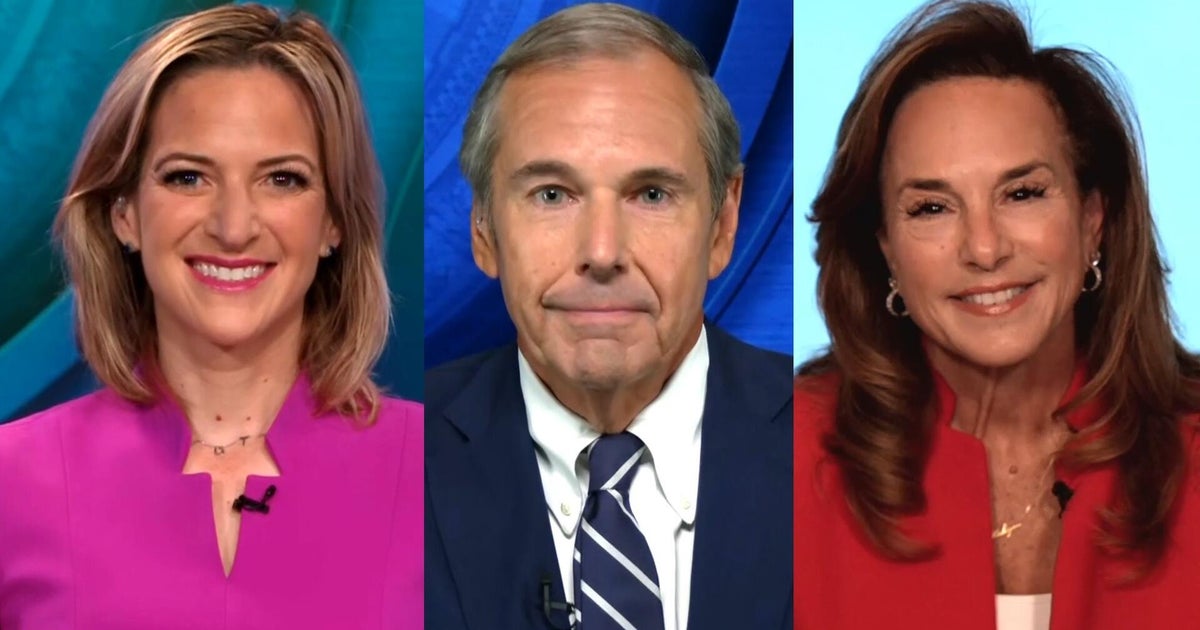
The CBS News show "Face the Nation" featured guests Rep. Lisa McClain, Michigan Secretary of State Jocelyn Benson, and Sunoco chairman Ray Washburne, who is also the Republican midterm convention chair. The segment covered discussions related to current U.S. political topics.
Key Facts
The show is called "Face the Nation" and airs on CBS News.
Guests included Rep. Lisa McClain, a U.S. Representative from Michigan.
Jocelyn Benson is the Michigan Secretary of State.
Ray Washburne is the chairman of Sunoco and the GOP midterm convention chair.
The discussion likely involved topics related to the Republican Party and upcoming elections.
Viewers can watch the show on the CBS News app or online via browsers like Chrome or Safari.
Some viewers missed the second half of the show, as noted in the content.
Read the Original
Want the full story? Tap a source to open the original
article.
The Department of Justice (DOJ) under President Donald Trump asked the Supreme Court to let the government stop the U.S. Postal Service from sending mail-in ballots to some voters. The request aims to change rules about mail voting for the current election.
Key Facts
The DOJ requested an emergency ruling from the Supreme Court.
The request was made in a 40-page document by the Solicitor General, D. John Sauer.
The DOJ wants to restrict mail-in voting in the current election cycle.
They want to stop the Postal Service from automatically sending mail-in ballots to certain state residents.
The move is part of the Trump administration's effort to limit mail voting.
The Supreme Court is being asked to act quickly on this request.
Read the Original
Want the full story? Tap a source to open the original
article.
Michigan Representative Lisa McClain said that Max Miller is currently the Republican nominee for his seat, despite accusations of abuse against him. She expressed hope that the allegations are not true, but some prominent Republicans have chosen not to support him in the upcoming election.
Key Facts
Max Miller is the Republican nominee running for reelection this fall.
Ohio Representative Max Miller faces abuse allegations.
Lisa McClain is the House GOP conference chair from Michigan.
McClain publicly stated that Miller is "our nominee right now."
She also said she hopes the abuse allegations are false.
Some well-known Republicans have refused to back Miller.
The discussion appeared on the program "Face the Nation with Margaret Brennan."
Read the Original
Want the full story? Tap a source to open the original
article.
Energy Secretary Chris Wright spoke about gas and diesel prices after Labor Day, saying prices may drop as demand falls and U.S. refiners increase production. He also discussed challenges with diesel supply due to damaged Russian refineries and the impact of ongoing tensions with Iran on oil exports and prices.
Key Facts
Gas prices may fall soon because summer driving season ends and U.S. refiners can produce more gasoline and diesel.
Diesel prices hit a record high of $5.89 per gallon recently.
Russian refineries are heavily damaged, stopping Russia from exporting diesel and making it an importer instead.
U.S. plans to increase fuel production rather than banning exports to lower prices.
Iran’s current government may not reach a nuclear deal with the U.S., but diplomatic talks remain open.
The U.S. military’s main goal in the region is to stop Iranian oil exports.
Oil exports through the Strait of Hormuz are high despite regional conflicts.
U.S. and allies are working to increase oil supply from places like Alaska, the Gulf, Venezuela, and the Middle East.
Read the Original
Want the full story? Tap a source to open the original
article.
Michigan Secretary of State Jocelyn Benson, the Democratic candidate for governor, spoke about high costs faced by many residents and the impact of recent tariffs on Michigan’s economy. She said she plans to lower costs, create jobs, and negotiate state-level agreements to reduce the effects of federal tariffs from Canada.
Key Facts
A University of Michigan study found that 40% of Michigan residents struggle to pay for basic needs.
Jocelyn Benson said affordability is the main focus of her campaign for governor.
Michigan exports 36% of its goods to Canada, which recently imposed tariffs on U.S. products like steel, aluminum, dairy, and appliances.
These Canadian tariffs could be between 15% and 50% on $20 billion worth of U.S. goods, affecting Michigan significantly.
Benson claims families in Michigan are paying $5,600 more on average because of these tariffs.
She criticized her Republican opponent for supporting tariffs and said she stands against the current tariff policies.
Benson plans to negotiate "subnational agreements" with other states to help reduce costs despite federal tariff policies.
She highlighted her record improving the Michigan Department of Motor Vehicles and running state agencies efficiently.
Read the Original
Want the full story? Tap a source to open the original
article.
President Trump’s administration asked the US Supreme Court again to allow new rules that would limit mail-in voting ahead of the November midterm elections. A federal judge blocked these rules, and voting by mail is already underway in several states, making it difficult to change the process quickly.
Key Facts
President Trump signed an order to limit mail-in ballot delivery only to voters on a special federal list.
A federal judge stopped the new mail-in voting limits from being enforced.
The Trump administration asked the Supreme Court to overturn the judge’s decision for the third time.
Mail-in ballots have started being sent to voters in North Carolina and will soon be sent in other states.
If the rules change now, it could confuse election officials and voters.
Nearly one-third of US voters cast ballots by mail, making this issue important for the midterm elections.
Democrats and voting rights groups say the new rules are unconstitutional and will disrupt elections.
The Postal Service says it is ready to follow the new rules if allowed by the courts.
Read the Original
Want the full story? Tap a source to open the original
article.
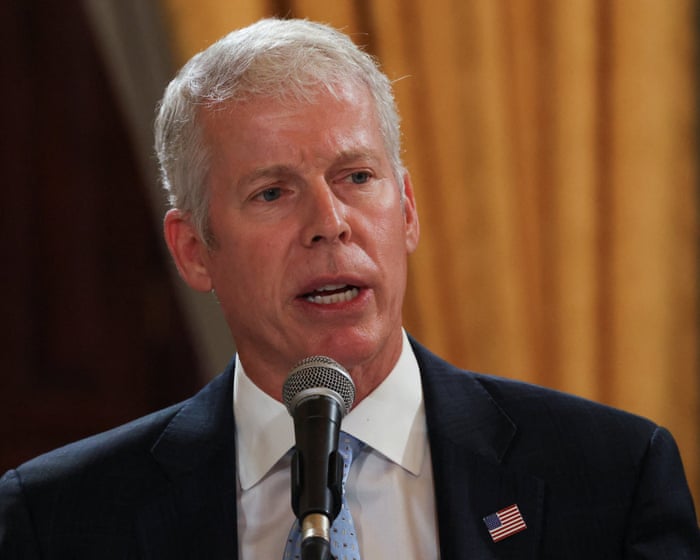
Ray Washburne, chairman of Sunoco and co-chair of the Republican midterm convention, discussed the upcoming GOP convention in Dallas, mentioning strong attendance and fundraising efforts. He also talked about support for Texas Senate candidate Ken Paxton, including campaign contributions from President Trump and Elon Musk, and noted current trends in fuel demand and refinery operations.
Key Facts
The Republican midterm convention is being held in Dallas with about 20,000 attendees from all states and territories.
Lawmakers are reportedly required to pay $25,000 to attend, but vulnerable candidates are not charged.
The convention is seen as a key networking opportunity for political candidates and donors.
Ken Paxton, former Texas Attorney General, is a highlighted candidate with significant campaign support.
President Trump has donated $10 million to Ken Paxton’s Senate campaign, with more funding expected.
Elon Musk has also pledged substantial financial support for Paxton.
Paxton is launching an extensive advertising campaign beginning with the convention.
Sunoco’s refineries are currently running at 98% capacity, with fuel demand peaking for the summer and expected to decline in the fall.
Read the Original
Want the full story? Tap a source to open the original
article.
Representative Jason Crow said that Congress has not received any updates about an investigation into leaks at the Pentagon. The investigation is led by Defense Secretary Pete Hegseth, and Rep. Crow expressed concerns about its impact on information sharing.
Key Facts
Rep. Jason Crow is a member of both the House Intelligence and House Armed Services Committees.
Congress has not been briefed on the Pentagon leak investigation.
The investigation is led by Defense Secretary Pete Hegseth.
Rep. Crow commented on the investigation during an interview on "Face the Nation."
The investigation aims to address leaks of information from the Pentagon.
Rep. Crow said the investigation may cause fear and limit information coming out of the Pentagon.
Read the Original
Want the full story? Tap a source to open the original
article.
Rep. Jason Crow discussed a rare polygraph test of high-ranking U.S. military officials as part of a leak investigation. He highlighted concerns about military leadership changes, low munitions supplies, and questioned the lack of a long-term plan for ongoing conflicts in the Middle East.
Key Facts
Several top U.S. military officials, including combatant commanders, were given polygraph tests in a leak investigation.
Secretary Hegseth has removed over 80 generals and admirals, affecting the top 10% of military leadership.
The number of women promoted in the military is at a 25-year low.
The independent military newspaper Stars and Stripes had its editor fired amid concerns over transparency.
U.S. military munitions stockpiles are very low and rebuilding them takes a long time.
Rep. Crow criticized President Trump’s approach for starting a conflict without a clear strategy or exit plan.
There are about 50,000 U.S. military personnel in the Middle East, with ongoing discussions about reducing that presence.
Rep. Crow supports reducing U.S. forces in the Middle East to avoid continued conflicts.
Read the Original
Want the full story? Tap a source to open the original
article.
Rep. Lisa McClain discussed President Trump’s upcoming large meeting in Dallas, aimed at uniting Republicans and highlighting their achievements in Congress. She said the president’s policies on trade and taxes, especially those helping farmers by addressing tariffs and the death tax, have support in rural areas like Michigan.
Key Facts
President Trump plans a big gathering in Dallas to energize Republicans ahead of the midterm elections.
Trump’s current approval rating is 39% according to CBS.
Rep. McClain said Trump’s policies have helped secure the border and pass large tax cuts.
The administration is working to balance trade with Canada, which has a 250% tariff on some U.S. farm products like milk and poultry.
President Trump enacted 20 new trade deals, more than the previous administration.
Republicans want to protect family farms by addressing the death tax, allowing farms to be passed to the next generation.
Tariffs have cost Michigan $23 billion since January 2025, about $5,619 per household, largely affecting industries like aluminum, dairy, steel, and appliances.
Retaliatory tariffs from Canada are expected to impact Michigan’s economy further.
Read the Original
Want the full story? Tap a source to open the original
article.
The number of children in England with special education needs plans (EHCPs) is expected to double to one in 10 by 2029. This surge is largely due to families trying to get support before government changes take effect, putting pressure on schools and local councils.
Key Facts
The proportion of children with EHCPs in England is predicted to rise from 1 in 20 in 2025 to nearly 1 in 10 by 2029.
EHCPs provide legal support for children with needs like learning difficulties, autism, or ADHD.
The number of EHCPs has increased by over 11% annually in recent years.
Local councils are facing financial strain due to the rising number of EHCPs, with debts growing despite government efforts to reduce them.
Schools have experienced a sharp increase in applications for EHCP assessments since early 2024.
The government plans to reform the system by offering earlier support and focusing EHCPs on children with the most severe needs starting in 2030.
New initiatives, like putting specialists in mainstream schools, will begin later this year.
More than 530,000 children currently have EHCPs, with an additional 1.3 million identified as having special needs but not covered by EHCPs.
Read the Original
Want the full story? Tap a source to open the original
article.