Harmeet Dhillon claims that a University of California school is treating white and Asian students unfairly in admissions. She says that admissions staff want to pick students based on race but are not allowed to do that anymore.
Key Facts
Harmeet Dhillon is highlighting alleged discrimination against white and Asian students.
The issue concerns how universities choose students for admission.
Dhillon says some admissions officers want to favor students by their skin color.
According to her, these officers are now restricted from using race as a factor.
The debate involves fairness and rules in higher education admissions.
The specific University of California school was not named in the excerpt.
The article focuses on admissions policies and alleged racial bias.
Read the Original
Want the full story? Tap a source to open the original
article.
New Jersey fined DataOne $1.1 million for secretly running 62 gas generators without proper permits. The generators emitted harmful pollution, raising health concerns for nearby residents, but DataOne can keep operating them while applying for permits.
Key Facts
DataOne operates one of the largest planned data centers on the East Coast in Vineland, New Jersey.
The company ran 62 gas generators without required permits for large-capacity generators.
Drone footage revealed 45 generators were active at power levels much higher than allowed.
Gas generators emit pollutants like carbon dioxide and nitrogen oxides, which can affect health.
New Jersey’s Department of Environmental Protection called the fine the largest ever against a data center in the state.
DataOne has 45 days to get proper permits or stop using the generators but can continue operations during that time.
Local residents and environmental groups criticize the fine as too small and want operations to stop immediately.
DataOne says it will apply for permits and eventually replace generators with cleaner fuel cells.
Read the Original
Want the full story? Tap a source to open the original
article.
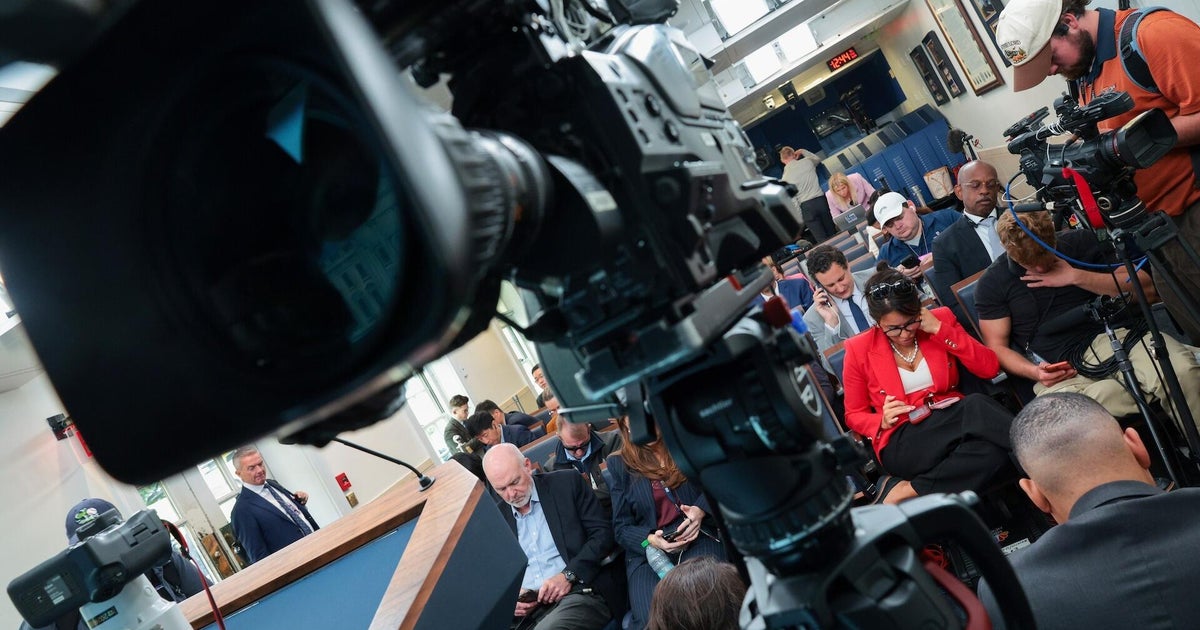
A judge stopped President Donald Trump's ban on certain news outlets from entering the White House. This allowed CNN, Politico, and MSNBC to get access again after being locked out earlier in the day. The situation caused confusion during the morning hours.
Key Facts
CNN, Politico, and MSNBC were banned from the White House by President Trump.
A judge ordered the reversal of this ban.
The judge’s order allowed these news outlets to regain access.
The news outlets were locked out during the morning.
CBS News reported on the events and explained the situation.
The White House access policies were challenged in court.
The incident caused a chaotic start to the day at the White House.
The event highlights ongoing disputes over media access to the government.
Read the Original
Want the full story? Tap a source to open the original
article.
A video from a Giants baseball game shows a mother carrying a baby and multiple trays of food herself while the man with her sits and watches. The article discusses the common expectation that mothers handle most parenting and household tasks alone and encourages sharing responsibilities equally between parents.
Key Facts
A mother at a Giants game was seen carrying a baby and several trays of food on her own.
The man she was with sat down and did not help carry food.
The video highlights how motherhood often involves doing many things at once without help.
Mothers frequently manage tasks like appointments, school duties, and household work in addition to parenting.
The author shares that in her own family, her husband actively participates in parenting duties like making meals, washing dishes, and school drop-offs.
Good parenting partnerships vary but should involve noticing when one parent is overwhelmed and helping out.
The article calls for shared parenting instead of expecting mothers to carry all responsibilities alone.
Read the Original
Want the full story? Tap a source to open the original
article.
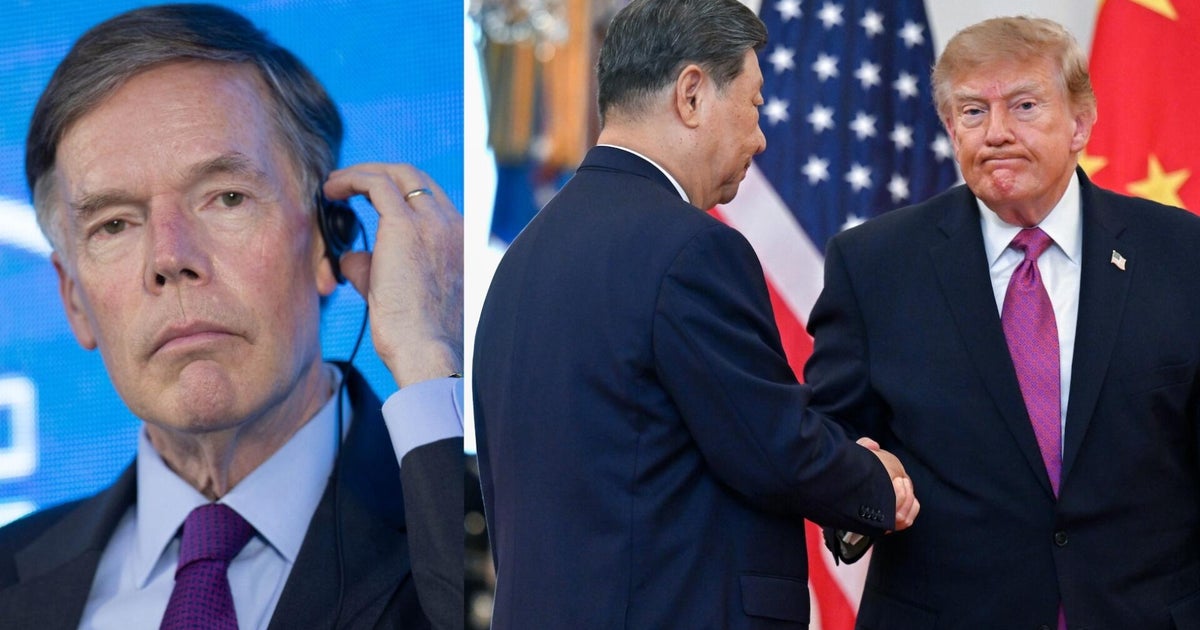
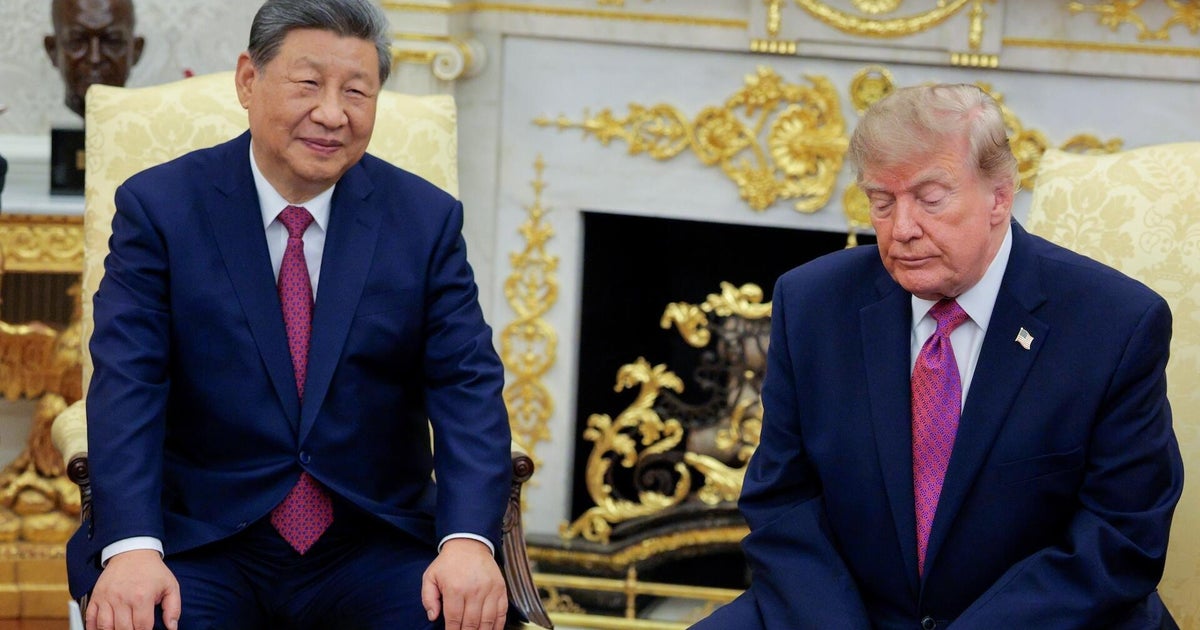
Nicholas Burns, the former U.S. ambassador to China, expressed concern that President Donald Trump might be taking a more lenient approach toward Chinese President Xi Jinping. He shared his views during an interview about the recent summit between the two leaders and U.S.-China diplomatic relations.
Key Facts
Nicholas Burns previously served as the U.S. ambassador to China.
Burns spoke about the summit meeting between President Trump and President Xi Jinping.
He expressed worry that President Trump’s stance toward Xi Jinping could be too soft.
The discussion focused on the state of diplomatic ties between the United States and China.
The interview was featured on CBS News.
The article centers on U.S. foreign policy toward China under President Trump.
Read the Original
Want the full story? Tap a source to open the original
article.
The U.S. State Department told its diplomats to use the term "super intelligence" instead of "artificial intelligence" in official communications. This change came after President Trump requested the new name.
Key Facts
The State Department directed all diplomats to say "super intelligence" instead of "artificial intelligence" (AI).
This instruction was shared through an internal email with the subject “Change in Nomenclature AI to SI.”
President Trump pushed for this new term to replace AI in government communications.
The Associated Press reported on this change based on the email they received.
The change affects how the government talks about technology related to AI.
Read the Original
Want the full story? Tap a source to open the original
article.
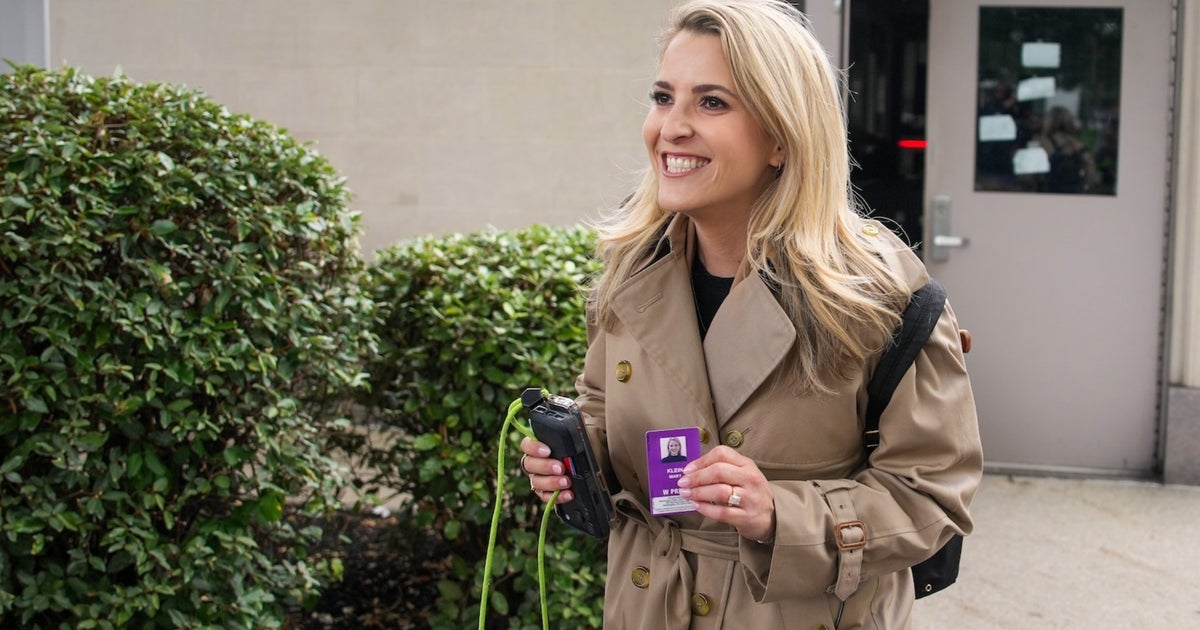
Reporters from CNN, MS NOW, and Politico were allowed back into the White House after a judge ordered the Trump administration to restore their press credentials. This decision came after the reporters filed a lawsuit claiming their rights were violated when they were banned over the weekend.
Key Facts
CNN, MS NOW, and Politico reporters had their White House credentials taken away, blocking their access.
These news outlets filed a lawsuit under the First Amendment, saying their rights to report were violated.
A judge appointed by President Trump ruled the administration broke the reporters' Fifth Amendment rights and ordered their access restored for 14 days.
The administration initially delayed restoring the credentials but complied after the court order.
Other news outlets supported the banned reporters by suspending some video and photo coverage.
The judge set a deadline of September 28 for more legal arguments to decide if the reporters can keep access during the case.
The White House plans to appeal the judge’s ruling but cannot do so for two weeks.
The case is ongoing, and further legal issues around freedom of the press may be decided later.
Read the Original
Want the full story? Tap a source to open the original
article.
A man named Zafer Dogan in north London was jailed for taking thousands of pictures of children and using AI software to change these images in inappropriate ways. Despite the crimes, he was allowed to live close to a playground and near some of his victims, causing families to feel unsafe and move away.
Key Facts
Zafer Dogan took over 5,000 pictures of children, many from his own bedroom window.
He used AI software to manipulate photos of children to create indecent images.
Dogan was sentenced to two years and four months in jail after admitting multiple offences.
Police and prosecutors opposed giving him bail due to the risk, but he was allowed to return home several times.
His home overlooked a playground, which frightened victims and their families.
One family moved away to avoid living near Dogan.
The police chief criticized both the justice system for bail decisions and tech companies for not doing enough to prevent misuse of AI tools.
The case highlights concerns about child safety, justice system choices, and responsibilities of technology companies.
Read the Original
Want the full story? Tap a source to open the original
article.
A fifth-grade teacher and a student died during a school field trip to a nature reserve in Iowa. Officials and investigators announced the deaths, but details about how they happened were not provided.
Key Facts
The incident involved a fifth-grade teacher and one student.
It occurred during a field trip to a nature reserve in Iowa.
The event took place this week.
School officials and investigators confirmed the deaths.
No specific cause or circumstances were mentioned in the report.
Read the Original
Want the full story? Tap a source to open the original
article.
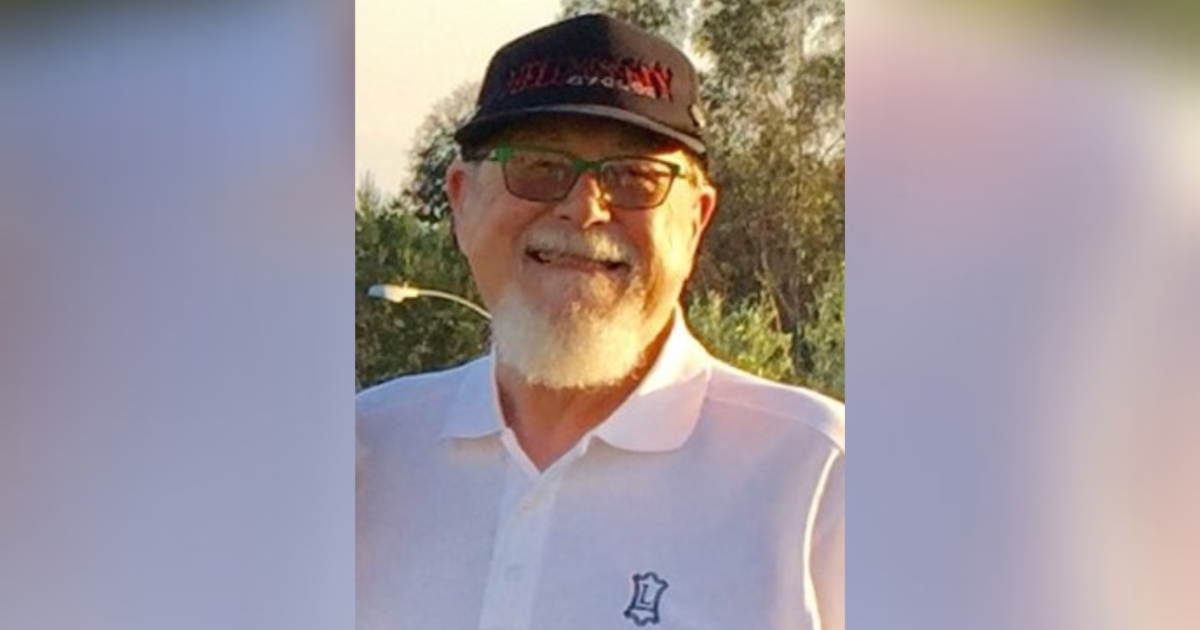
Jim Copenhaver, who was wounded during a shooting at President Trump's rally in Butler County in 2024, has died. He was injured by gunfire at the event, survived for a time after being treated, but recently passed away.
Key Facts
Jim Copenhaver was injured in a shooting at a President Trump rally in Butler County, Pennsylvania, on July 13, 2024.
He suffered gunshot wounds including damage to his triceps and colon, causing nerve damage.
Copenhaver was hospitalized for about a week before being discharged.
He thanked first responders and hospital staff for their care.
David Dutch was another person injured in the same shooting.
Corey Comperatore was killed during the shooting.
Copenhaver and Dutch talked about the shooting nearly a year later, recalling the fear they felt.
The shooting was described as an attempted assassination of President Trump.
Read the Original
Want the full story? Tap a source to open the original
article.
A group called the National Iranian American Council (NIAC) has sued President Donald Trump to stop military actions against Iran. They say the war is hurting Iranian Americans and their families and that the president does not have legal permission to keep the war going.
Key Facts
NIAC filed the lawsuit in Washington, DC, asking the court to stop US military actions against Iran.
The lawsuit says the war harms Iranians and Iranian Americans by causing death, injury, and damage to health and property.
Some plaintiffs are US citizens and an Army veteran whose relatives were harmed or killed by air strikes in Iran.
The lawsuit claims US sanctions cause economic problems and limit access to healthcare and travel for Iranian Americans and their families.
The war has been ongoing for more than six months, with thousands of civilians, including children, reportedly killed.
The lawsuit argues the war continues without legal approval or proper oversight from Congress.
A United Nations mission said the US likely committed war crimes in air strikes in Iran, involving civilian deaths.
President Trump said at the UN General Assembly that he might “annihilate” Iran if they do not return to peace talks.
Read the Original
Want the full story? Tap a source to open the original
article.
Reporters from MS NOW and CNN were allowed back into the White House after a federal judge temporarily stopped a ban that blocked their access. Earlier that day, the reporters had been denied entry.
Key Facts
MS NOW and CNN journalists were banned from the White House earlier in the day.
A federal judge issued an order that temporarily stopped this ban.
After the judge's order, the reporters regained access to the White House.
The ban and access issues are related to the Trump administration.
CBS News covered the event and shared footage of the reporters returning inside.
Nancy Cordes from CBS News reported on the situation.
The judge’s order does not necessarily end the ban but pauses it for now.
Read the Original
Want the full story? Tap a source to open the original
article.
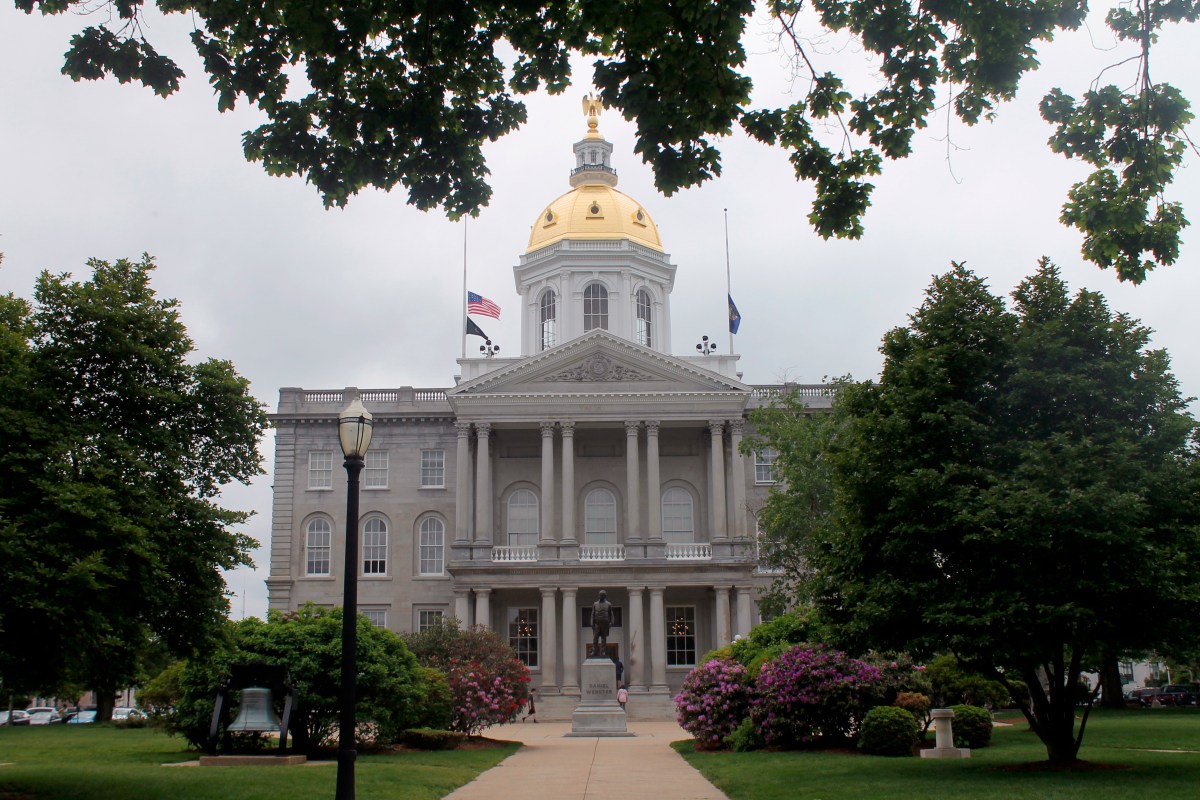
The Libertarian Party of New Hampshire posted a message that supported killing Democratic elected officials, which was quickly deleted and strongly condemned by politicians. The party later said the post was misunderstood and encouraged voting instead of violence. Local leaders called for investigations and spoke against violent political language.
Key Facts
The New Hampshire Libertarian Party posted on social media supporting assassination of Democratic officials in the state.
The post was deleted and the party said it was meant to encourage voting, not violence.
Politicians, including Democrat Chris Pappas and Governor Kelly Ayotte, condemned the violent message.
Elected officials urged for social media platforms to remove threats of violence and for law enforcement action.
The New Hampshire Attorney General’s Office is aware of the post but has not commented further.
The state Libertarian Party lost its national affiliation earlier in 2024 for breaking rules.
The group had a history of violent threats online, including past calls for harming Vice President Kamala Harris.
Officials from both parties expressed concern that violent rhetoric is dangerous and unacceptable in politics.
Read the Original
Want the full story? Tap a source to open the original
article.
The Federal Aviation Administration (FAA) said error messages led them to switch to a backup fiber line, which caused flight delays at several airports in the northeast. The FAA received advice from L3Harris, a technology contractor, to make the switch so they could start fixing the problem.
Key Facts
The FAA experienced error messages in their main fiber line system.
L3Harris, a technology contractor, recommended switching to backup fiber lines.
The FAA switched to backup lines before starting troubleshooting.
This switch caused flight halts and delays at multiple northeast airports.
The issue happened during the week of the outage.
The problem mainly affected airport operations in the northeast region.
The FAA took action to resolve the technical issue quickly.
The cause of the original error messages is under investigation.
Read the Original
Want the full story? Tap a source to open the original
article.
The Federal Aviation Administration (FAA) leader Bryan Bedford said the FAA did not face any political pressure when reviewing air safety for President Donald Trump’s planned triumphal arch. The review decided that an eternal flame should be visible at the top of the arch.
Key Facts
Bryan Bedford is the head of the FAA.
The FAA reviewed air safety for a proposed arch by President Donald Trump.
The arch is called a "triumphal arch."
The review included looking at any obstructions that the arch might cause.
The FAA concluded that an eternal flame should be placed visibly atop the arch.
Bedford stated there was no political influence in how the FAA conducted the review.
The FAA used the same evaluation process as it does for all projects.
Read the Original
Want the full story? Tap a source to open the original
article.
The White House banned several news outlets from TV pool coverage during a key meeting between President Donald Trump and Chinese President Xi Jinping in Washington, D.C. This happened even though a federal judge ordered the White House to temporarily restore access to those news organizations. CBS News covered the event without the usual TV pool access.
Key Facts
President Trump met with Chinese President Xi Jinping in Washington, D.C.
The White House banned some news outlets from TV pool coverage for the meeting.
A federal judge ordered the White House to temporarily restore access to the banned news outlets.
Despite the judge’s order, the ban on some news organizations continued during the meeting.
TV pool coverage is normally shared by five major networks during such events.
CBS News covered the meeting without access to this usual TV pool.
The situation affected how news about the Trump-Xi meeting was reported to the public.
Read the Original
Want the full story? Tap a source to open the original
article.
A new poll shows that young men aged 18 to 30 are shifting their support toward Democrats before the upcoming midterm elections. This group was important for the Republican Party’s success in the last election but now seems to be leaning more toward the Democrats.
Key Facts
The poll was conducted by Cygnal and released on Thursday.
Young men aged 18 to 30 are a key voting group for the Republicans (GOP).
In the last election, this group mostly supported the GOP.
The new poll shows these young men are more likely to support Democrats now.
This change could affect the results of the upcoming midterm elections.
The shift suggests possible challenges for the GOP’s previous election gains.
The poll reflects current political trends among young male voters.
Read the Original
Want the full story? Tap a source to open the original
article.
An anti-abortion group called Students for Life America said they plan to sue the Food and Drug Administration (FDA). They claim the FDA has not followed rules about protecting endangered species related to the abortion drug mifepristone.
Key Facts
Students for Life America is an anti-abortion organization.
They filed a notice of intent to sue the FDA on Thursday.
The group accuses the FDA of not following the Endangered Species Act.
This lawsuit is part of a longer effort by the group to limit abortion drugs using environmental laws.
The group claims that over 50 tons of medical waste related to the drug is involved in their case.
The drug in question is mifepristone, commonly used in abortions.
The FDA regulates the approval and use of mifepristone in the U.S.
Read the Original
Want the full story? Tap a source to open the original
article.
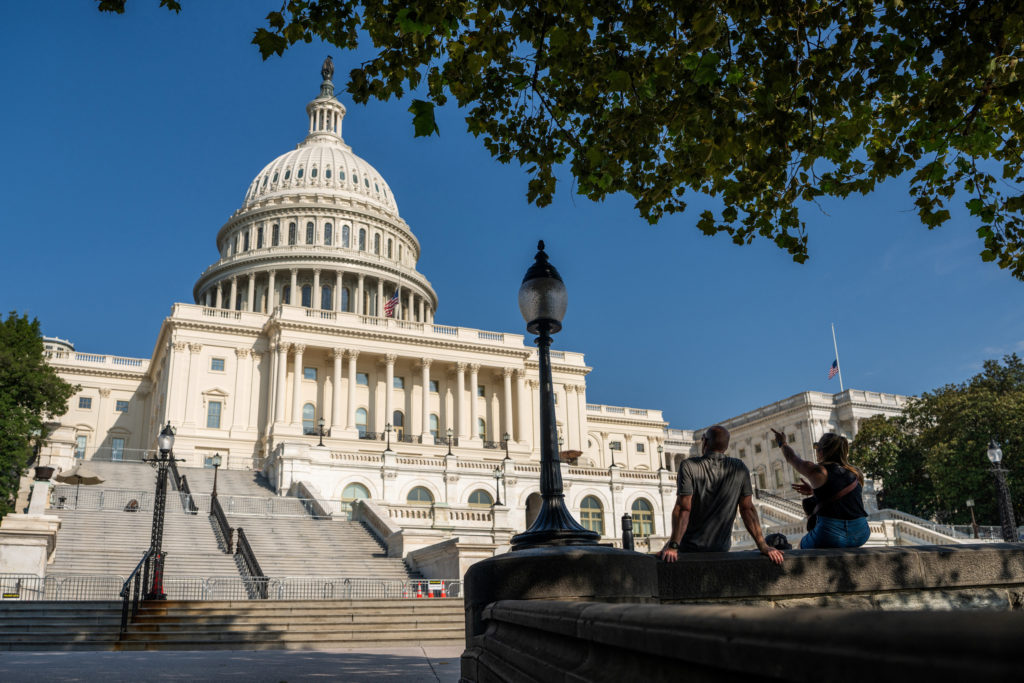
The Senate will vote on a resolution to stop President Donald Trump’s military actions in Iran. Concerns about the conflict are rising because many people link it to higher gas prices and the upcoming midterm elections.
Key Facts
Senators will vote on a war powers resolution on Thursday.
The resolution aims to end U.S. military action in Iran.
President Donald Trump launched the military action.
The military action is connected to rising fuel prices.
The issue has become important in the midterm election debate.
Lawmakers are showing increased concern about the conflict with Iran.
The vote reflects worries over the impact of military actions on the economy and elections.
Read the Original
Want the full story? Tap a source to open the original
article.
A federal judge ordered the White House to restore press access to CNN, MS NOW, and Politico after President Donald Trump banned them. The judge ruled the ban likely broke the law because it violated free speech and was done without proper process.
Key Facts
President Trump banned CNN, MS NOW, and Politico from White House access last week.
The news outlets filed a lawsuit claiming the ban violated the First Amendment, which protects free speech and press freedom.
US District Judge Tim Kelly issued a temporary order to restore their access immediately.
Judge Kelly said the White House did not give clear reasons for revoking the press passes.
The administration’s claim that the ban was for national security was questioned by the judge.
The ban and judge’s order happened during a busy period with international events, including a visit from China’s leader, Xi Jinping.
Despite the judge’s order, the journalists were briefly still blocked before being allowed back.
Press freedom groups and many news agencies supported the outlets in court.
Read the Original
Want the full story? Tap a source to open the original
article.