A Gallup survey reveals that 40% of young women in the U.S. say they want to move to another country, which is more than twice the percentage of men. The interest in leaving has increased among women due to political dissatisfaction, especially since certain changes in U.S. policies and court decisions. This trend shows a significant gender divide in attitudes towards living in the U.S.
Key Facts
40% of young women aged 15 to 44 want to leave the U.S., which is twice the percentage of men.
Women's interest in leaving surged after political changes and Supreme Court decisions in recent years.
60% of young women identify as Democrats or lean that way, compared to 39% of young men.
The survey included 1,000 Americans and was conducted over the summer.
The 21-point gap between young men and women in the U.S. expressing a desire to leave is a record globally.
Women in the U.S. want to leave more than women in other wealthy countries.
Unmarried women are more likely to want to move than married women, but the difference is narrowing.
The desire to move does not necessarily mean that people will leave.
Read the Original
Want the full story? Tap a source to open the original
article.
Starbucks workers are holding walkouts across 40 U.S. cities today. The protests are part of a dispute over pay and staffing issues, coinciding with the company's Red Cup Day promotion.
Key Facts
Workers at Starbucks stores in 40 U.S. cities are protesting today.
The protests align with Starbucks' Red Cup Day event, which attracts many customers.
Over 1,000 Starbucks employees are expected to join the walkouts.
The strikes are organized by Starbucks Workers United, a union that represents staff at 550 stores.
The protest is due to unresolved issues over pay and staffing, with no new offer since April.
Starbucks claims negotiations are stalled due to the union, stating they are ready to resume talks.
Key cities affected include New York City, Dallas, Minneapolis, Philadelphia, and Seattle.
Read the Original
Want the full story? Tap a source to open the original
article.
The U.S. House of Representatives will vote next week on whether to release all of the Justice Department's case files related to Jeffrey Epstein. President Trump is implicated in the controversy through newly released emails from Epstein, which mention his involvement. Four Republicans joined Democrats in supporting the vote for file release.
Key Facts
The House of Representatives will vote on a bill requiring the Justice Department to release its Epstein case files.
Newly released emails from Epstein mention President Trump and suggest he knew about underage girls connected to Epstein.
The emails were released by the House Oversight Committee as part of their investigation.
Four Republicans, including Lauren Boebert and Marjorie Taylor Greene, signed a petition with Democrats to force the vote.
President Trump called the Epstein case a "hoax" and warned Republicans against supporting the petition.
The vote was triggered after Democratic Congresswoman Adelita Grijalva signed the petition as its last required signature.
A total of 213 Democrats and four Republicans in the House signed the petition for the vote.
House Speaker Mike Johnson announced the vote will happen next week.
Read the Original
Want the full story? Tap a source to open the original
article.
The House of Representatives plans to vote soon on a bill that would require the release of Justice Department files about Jeffrey Epstein. House Speaker Mike Johnson announced the vote could happen next week. The bill, backed by both parties, aims to shed light on Epstein's ties and activities.
Key Facts
The House of Representatives wants to release Justice Department files on Jeffrey Epstein.
House Speaker Mike Johnson plans to have a vote on the bill next week.
The bill was introduced by Republican Thomas Massie and Democrat Ro Khanna in September.
It has enough support with 218 signatures to move forward.
The decision comes after a 43-day government shutdown ended.
Only four Republicans signed the initial petition, but support is growing.
President Trump has denied any involvement in Epstein’s crimes and called related allegations a "hoax."
Read the Original
Want the full story? Tap a source to open the original
article.
President Donald Trump is dealing with challenges over H-1B visas, which allow skilled workers from other countries to work in the U.S. His administration has increased fees for these visas, causing disagreements and legal disputes. Trump said these skilled workers are essential, but some of his supporters want stricter limits on immigration to protect American jobs.
Key Facts
President Trump supports the use of H-1B visas to bring skilled foreign workers to the U.S.
The Trump administration has imposed higher fees for H-1B visa applications.
Some supporters criticize Trump, believing foreign workers take jobs from Americans.
China and Canada have introduced programs to attract skilled workers.
The White House says the goal is to temporarily bring workers to train Americans.
MAGA supporters, including influencers, expressed disappointment with Trump's stance.
Critics argue that H-1B visas contribute to economic growth in the U.S.
Read the Original
Want the full story? Tap a source to open the original
article.
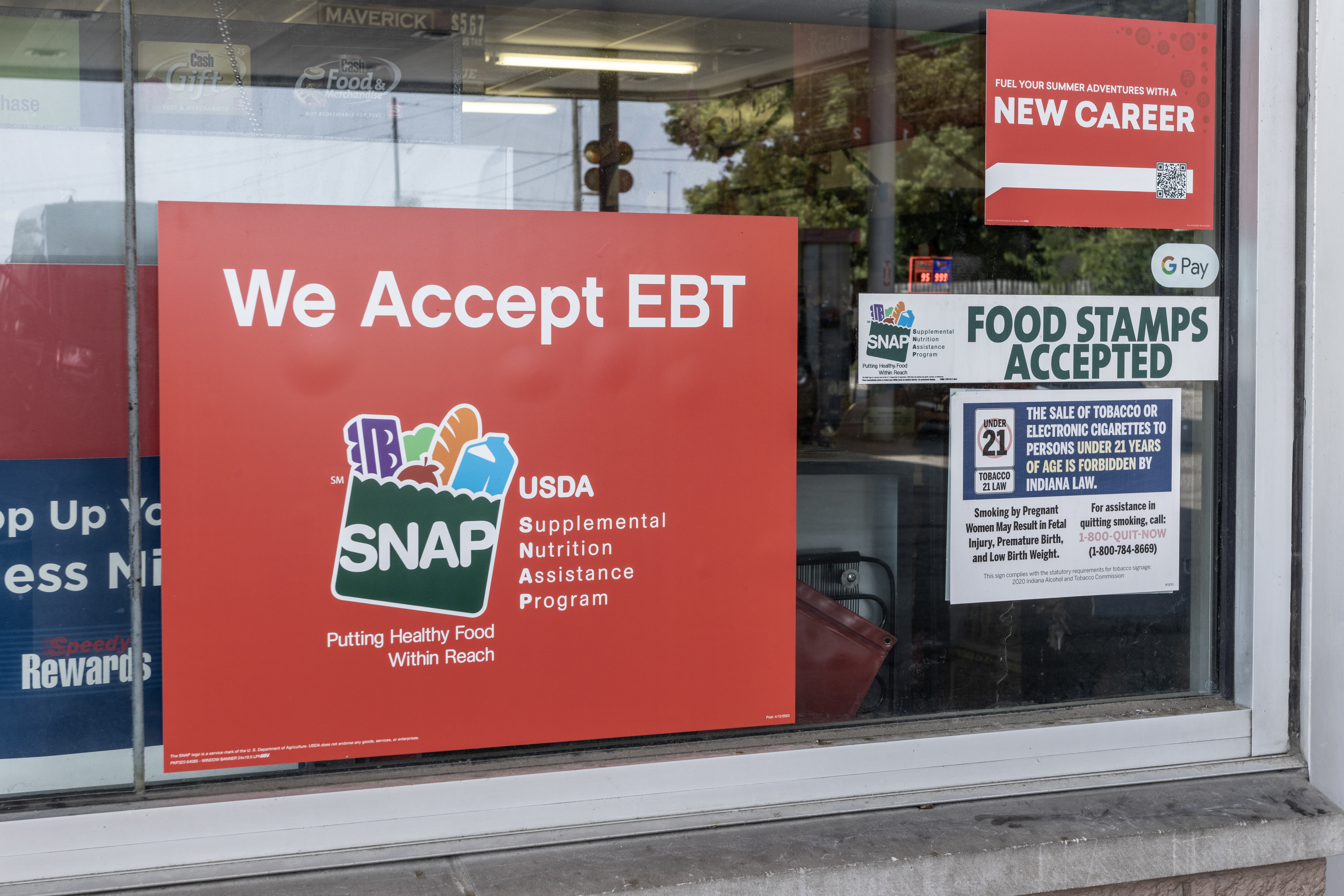
President Donald Trump signed a bill to end the longest U.S. government shutdown, allowing the Supplemental Nutrition Assistance Program (SNAP) to resume payments. Millions of Americans who rely on SNAP, also known as food stamps, faced delays during the 43-day shutdown. The timing of resumed payments will differ by state, but most recipients should receive their benefits within a few days.
Key Facts
President Trump signed the bill ending the shutdown, which lasted 43 days.
SNAP provides food assistance to about 42 million Americans.
Many people experienced delays in receiving SNAP benefits during the shutdown.
Payments are expected to resume soon, but the timeline will vary by state.
Some states, like South Carolina and West Virginia, are expected to distribute payments quickly.
States that issued partial benefits may need additional time to complete payments.
The shutdown's end will help families and possibly boost the economy as people receive benefits.
Read the Original
Want the full story? Tap a source to open the original
article.
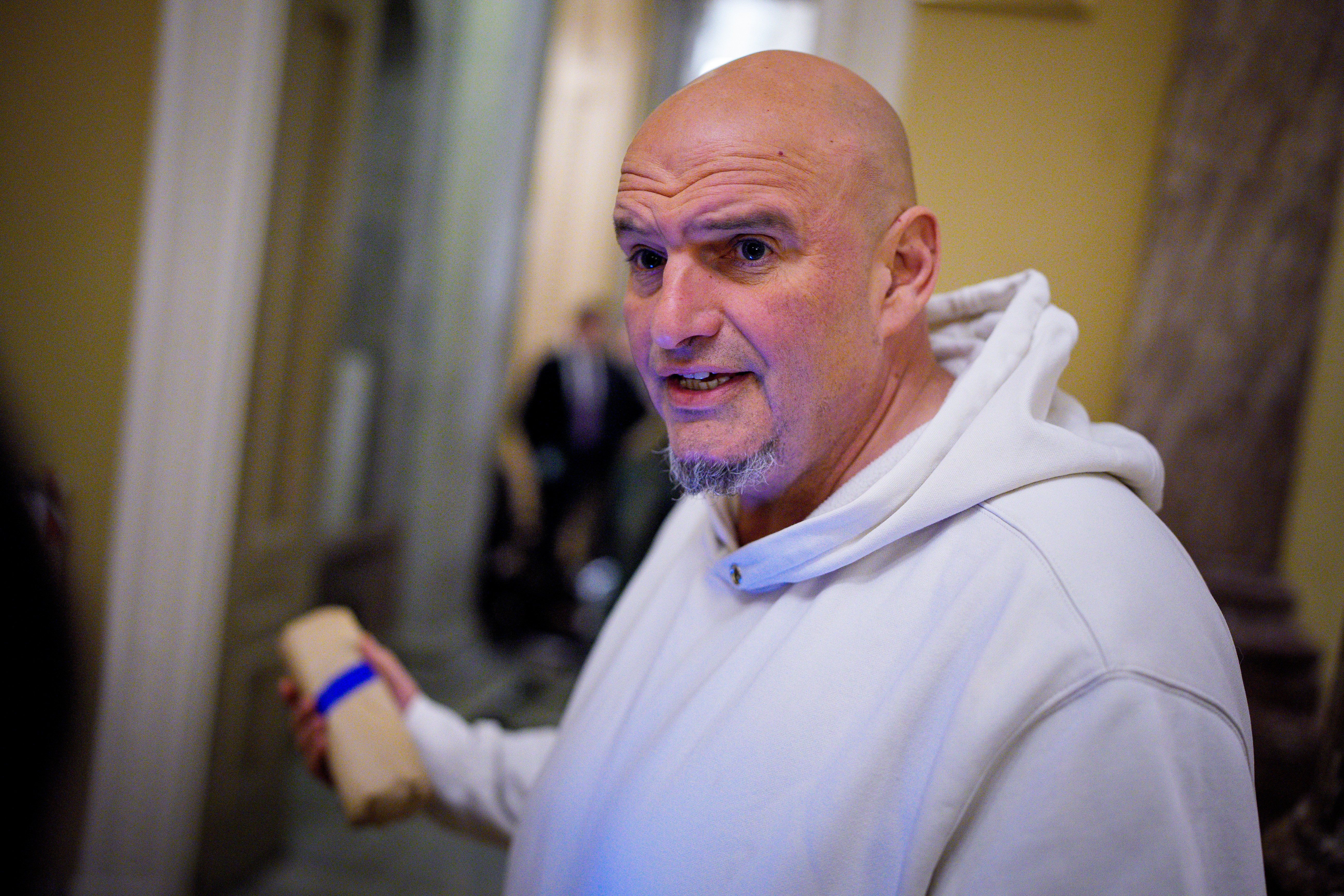
Pennsylvania Senator John Fetterman mentioned that users on the social media platform Bluesky are meaner from the left than those from the MAGA movement on the right. He experienced harsh comments hoping for his harm after voting with Republicans to end a government shutdown. Fetterman shared his thoughts while promoting his book, which discusses his experiences with criticism from both sides of the political spectrum.
Key Facts
Senator John Fetterman said people on the left on Bluesky have been meaner to him than those from the MAGA (Make America Great Again) movement.
On CNN, Fetterman explained that while right-wing users called him names, some left-wing users wished for his harm.
Fetterman had a stroke in May 2022, and some online comments cruelly referenced this.
He voted with Republicans to end a 40-day government shutdown, which upset some Democrats.
The decision to end the shutdown did not include an extension for certain healthcare tax credits.
Fetterman is promoting his new book "Unfettered," where he writes about harsh comments from both political sides.
He expressed remorse for the consequences of the shutdown, particularly for affected government workers and military personnel.
Read the Original
Want the full story? Tap a source to open the original
article.
A federal judge in Massachusetts ordered the U.S. Department of Agriculture (USDA) to release emergency funds for SNAP benefits by November 13. This decision affects around 42 million Americans relying on these benefits during a government shutdown.
Key Facts
The judge ordered the USDA to release funds by noon on November 13, 2025.
The funds will provide 65% of normal SNAP benefits due to limited contingency reserves.
SNAP benefits help over 42 million people in the U.S. buy food.
The ruling allows the USDA to release full funds if they choose.
The order results from legal cases involving 25 states and the USDA.
The USDA claims lack of funds without a fiscal year 2026 budget from Congress.
Some courts argue the USDA can use a $4.65 billion reserve to fund SNAP.
The Supreme Court is reviewing a related decision from Rhode Island.
Read the Original
Want the full story? Tap a source to open the original
article.
The U.S. House of Representatives will vote on a bill to release all Justice Department case files on Jeffrey Epstein. A petition supporting the vote was signed by all 213 House Democrats and four Republican representatives. The release of these files has gained attention due to Epstein’s connections to public figures, including President Trump.
Key Facts
The House is set to vote on releasing Epstein files after a petition was signed by 213 Democrats and four Republicans.
Democratic Congresswoman Adelita Grijalva’s signature was needed to force the vote after a delay in her joining Congress.
Republican House Speaker Mike Johnson plans to bring the bill to the floor next week.
The bill requires the Justice Department to release Epstein files within 30 days of passage.
Representative Thomas Massie led the petition with support from Marjorie Taylor Greene, Nancy Mace, and Lauren Boebert.
President Trump has dismissed the focus on Epstein as a "hoax" by Democrats.
Epstein was found dead in 2019, and his connections to powerful figures have stirred public interest.
Epstein's files have been a topic of controversy, influencing political discussions.
Read the Original
Want the full story? Tap a source to open the original
article.
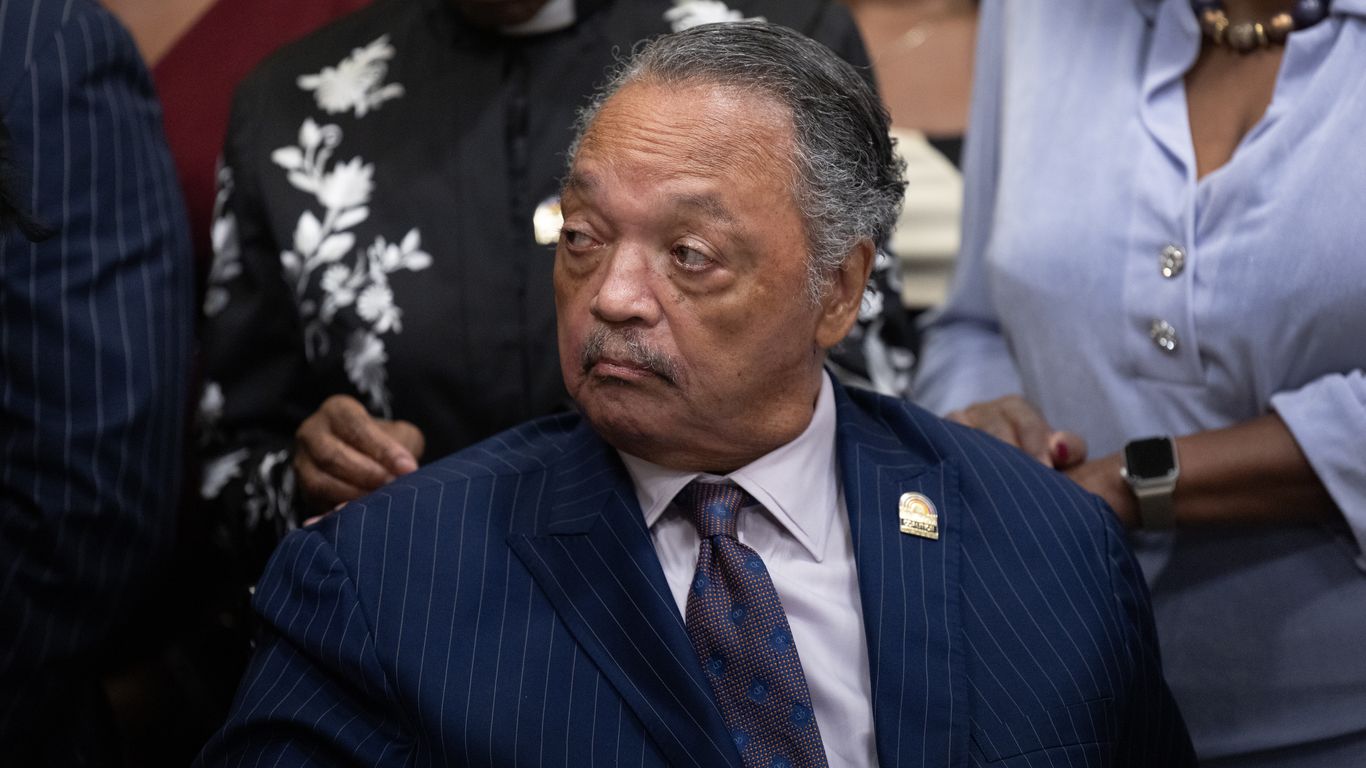
Rev. Jesse Jackson, a well-known civil rights leader, is in the hospital in Chicago. He is being watched for a condition called Progressive Supranuclear Palsy, which he has been dealing with for over ten years.
Key Facts
Jesse Jackson is hospitalized in Chicago.
He is being observed for Progressive Supranuclear Palsy (PSP).
Jackson has managed this condition for more than a decade.
He was first diagnosed with Parkinson's disease before confirming PSP in April.
Jackson has been a key figure in the U.S. civil rights movement since the 1960s.
He worked with Dr. Martin Luther King Jr. in the Freedom Movement.
Jackson ran for president twice as a Democrat.
He retired from Rainbow PUSH leadership in 2023 after a long career in activism.
Read the Original
Want the full story? Tap a source to open the original
article.
Bird flu cases are rising in the United States, affecting several states. This increase in bird flu could influence grocery prices, especially for eggs, during the holiday season. While there may be some impact on egg prices, it's unlikely to affect Thanksgiving turkey costs.
Key Facts
Bird flu, also known as avian influenza, is spreading again in the U.S., impacting states like California, Minnesota, and Michigan.
The U.S. Department of Agriculture (USDA) reports this as a usual pattern related to wild bird migrations.
0.06 million birds were affected in August, rising to 3.95 million by October.
Increased cases could lead to higher egg prices but are less likely to affect turkey prices for Thanksgiving.
The ongoing federal government shutdown may slightly hinder bird flu monitoring efforts.
Turkeys for Thanksgiving have already been harvested and are stored, reducing the impact on holiday costs.
USDA monitoring programs are important for tracking the spread of bird flu.
Experts note that bird population and supply changes could affect future turkey product availability.
Read the Original
Want the full story? Tap a source to open the original
article.
More families in the U.S. are choosing to homeschool their children even after the COVID-19 pandemic, with many wanting to personalize their children's education. Recent data shows homeschooling rates have almost doubled since before the pandemic. Parents cite several reasons for homeschooling, including concerns about the school environment and dissatisfaction with academic offerings in traditional schools.
Key Facts
Homeschooling rates increased to 5.92% of school-aged children in the 2023-24 school year, up from 5.82% the previous year.
These rates have almost doubled from before the pandemic, which was at 2.8% in 2019.
19 out of 21 states reporting data showed increases in homeschooling.
Parents mentioned concerns about school safety, drug exposure, and peer pressure as top reasons for homeschooling.
Dissatisfaction with academic instruction and the desire for religious teaching and nontraditional education are also common reasons.
The COVID-19 pandemic initially increased homeschooling sharply, but many families chose to continue afterward for various benefits.
New families choosing homeschooling come from diverse backgrounds and are not limited to those motivated by religious reasons.
Programs like eXtend Homeschool Tutorial offer community-based group learning options that became more popular during COVID-19 times.
Read the Original
Want the full story? Tap a source to open the original
article.
The U.S. Conference of Catholic Bishops has criticized President Trump's immigration policies, calling for an end to harmful language and actions towards migrants. The bishops expressed worry about the impact of current policies on migrant communities, including fear, anxiety, and the loss of legal status for some immigrants.
Key Facts
The U.S. Conference of Catholic Bishops criticized President Trump's immigration policies.
The bishops called for an end to "dehumanizing rhetoric and violence" against migrants.
The bishops nearly unanimously voted to condemn the Trump administration's immigration policies.
They expressed concern about the fear and anxiety among migrant communities.
The bishops highlighted poor conditions in detention centers and lack of pastoral care.
They also noted concerns about immigrants losing their legal status.
The bishops mentioned threats against houses of worship, hospitals, and schools regarding immigration issues.
Read the Original
Want the full story? Tap a source to open the original
article.
The U.S. House of Representatives plans to vote on making the documents related to Jeffrey Epstein public, according to Speaker Mike Johnson. The vote is backed by a bipartisan petition and follows Democrat Adelita Grijalva's recent addition to Congress. The vote aims to ensure transparency and address public concern over the case.
Key Facts
The House will vote to release Jeffrey Epstein's documents next week.
Speaker Mike Johnson announced the vote.
A bipartisan petition, signed by 218 members, facilitated the vote.
Adelita Grijalva, a new Congress member, signed the petition immediately after being sworn in.
The petition needed support from both Republicans and Democrats.
Republicans have a narrow majority in the U.S. House of Representatives.
The House recently voted on Senate-passed legislation to end the government shutdown.
Tennessee Republican Tim Burchett wants a quicker vote on the Epstein files but faced procedural challenges.
Read the Original
Want the full story? Tap a source to open the original
article.
Homeland Security Secretary Kristi Noem announced that the Trump administration has sped up the processing of green cards and visas. Despite this claim, the U.S. Citizenship and Immigration Services (USCIS) is facing the largest backlog of immigration applications in its history. Processing times for many immigration forms have increased, leaving applicants waiting longer than expected.
Key Facts
Kristi Noem stated the Trump administration improved the speed of green card and visa processing.
USCIS is handling the largest backlog of 11.3 million pending immigration applications.
Processing times for key immigration forms have risen, causing delays.
USCIS manages processes for green cards, work permits, citizenship, and visas.
The agency is funded mainly by application and petition fees.
An effort is being made to present a supportive view of legal immigration.
Immigrant workers face an average wait of 3.5 years for green cards.
The Trump administration continues to enforce strict immigration laws.
Read the Original
Want the full story? Tap a source to open the original
article.
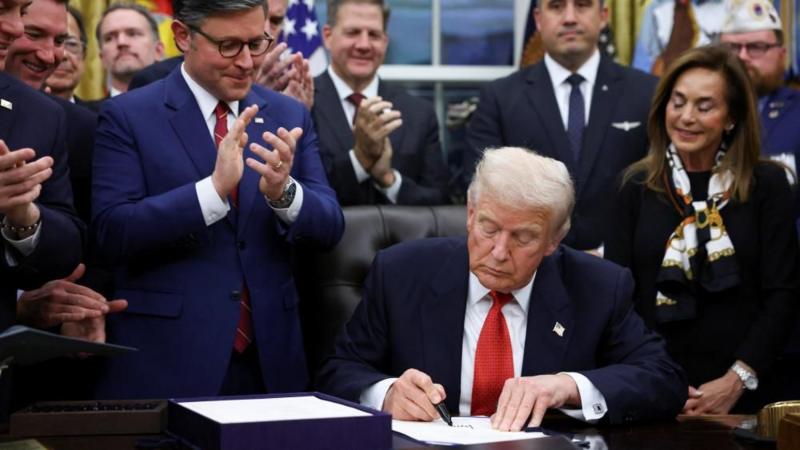
President Donald Trump signed a spending bill to end the longest government shutdown in U.S. history, lasting 43 days. The bill allows government services to resume, but only funds the government until January 30. Democrats initially opposed the bill, demanding health insurance subsidies for low-income Americans.
Key Facts
President Trump signed a bill to end the 43-day U.S. government shutdown.
The House of Representatives approved the bill with a 222-209 vote.
Around 1.4 million federal workers were affected, either on unpaid leave or working without pay.
Critical services like food aid and air travel were disrupted due to the shutdown.
The bill funds the government until January 30, requiring more negotiation soon.
Democrats wanted healthcare subsidies extended, causing initial opposition to the bill.
Some Senate Democrats eventually voted for the package with a promise of a future vote on healthcare subsidies.
Wisconsin Republican Derrick Van Orden traveled a long distance to participate in the House vote.
Read the Original
Want the full story? Tap a source to open the original
article.
Katie Wilson won the Seattle mayoral election, narrowly defeating the current mayor, Bruce Harrell. Her victory aligns Seattle with other major U.S. cities moving towards left-wing leadership, focusing on issues like housing and public safety.
Key Facts
Katie Wilson won the Seattle mayoral race against incumbent Bruce Harrell.
Late ballots helped Wilson widen her lead, leading to her victory.
Wilson is a progressive activist without previous elected office experience.
Her win is part of a trend in major U.S. cities toward more left-wing leadership.
Key issues in her campaign included housing affordability and public safety.
The results led some to compare her victory to that of Zohran Mamdani, a socialist mayor in New York.
Read the Original
Want the full story? Tap a source to open the original
article.
The longest U.S. government shutdown in history, lasting 43 days, has ended. Federal workers will return to their jobs, and government services will resume. Democrats triggered the shutdown over demands for health insurance subsidies but did not secure significant concessions.
Key Facts
The U.S. government shutdown lasted 43 days, the longest in history.
Federal workers will return to work and receive pay, and National Parks will reopen.
Senate Democrats caused the shutdown by not agreeing to a Republican funding measure.
Democrats demanded health insurance subsidies, but only got a promise for a Senate vote without guarantees.
Some Democrats are unhappy with their party's results from the shutdown.
President Trump celebrated the reopening as a victory for Republicans.
Trump's public comments included criticism of Senate Democrat Chuck Schumer during the shutdown.
Read the Original
Want the full story? Tap a source to open the original
article.
Staying informed here is free for everyone. If it's worth something to you, pay what you want. Supporters also get the daily digest by email every morning.
Rev. Jesse Jackson, a well-known civil rights leader, was hospitalized in Chicago. He is showing symptoms of a serious condition called progressive supranuclear palsy (PSP), which affects movement and control.
Key Facts
Rev. Jesse Jackson was hospitalized in Chicago on a Wednesday night.
He is showing symptoms of progressive supranuclear palsy (PSP).
PSP is a neurodegenerative condition, meaning it affects the brain and gets worse over time.
Jackson was initially diagnosed with Parkinson’s disease, but his PSP diagnosis was confirmed in April.
Jackson has faced past health issues, including gallbladder surgery and Covid-19 hospitalization in 2021.
He retired as president of the Rainbow PUSH Coalition in July 2023.
The Rainbow PUSH Coalition focuses on financial improvement and equality for black communities.
Read the Original
Want the full story? Tap a source to open the original
article.
Republican U.S. Representative Nancy Mace kept her support for a petition to release the investigation files on Jeffrey Epstein, going against President Donald Trump's pressure to withdraw her name. Trump and his team had tried to convince her and another Republican, Lauren Boebert, to stop supporting the petition. The U.S. House of Representatives will now vote on whether to release the files.
Key Facts
Nancy Mace is a Republican U.S. Representative.
Mace supported a petition to release the Jeffrey Epstein investigation files.
President Trump pressured Mace to remove her support but she did not.
A House vote will take place to decide on the release of the Epstein files.
Trump claims the Epstein investigation is a "hoax" against him.
The petition needed 218 signatures and got them when Congresswoman Adelita Grijalva signed it.
House Speaker Mike Johnson must now schedule the vote.
Read the Original
Want the full story? Tap a source to open the original
article.