House Speaker Mike Johnson has canceled most House votes for the last two weeks of September, leaving only four days of legislative work before the November midterm elections. This change reverses his earlier statement that the House would continue working through September without breaks.
Key Facts
The House canceled votes for the last two weeks of September, leaving just four days of work before midterms.
Lawmakers will return to Washington on September 14 and leave on September 17 for six weeks of campaigning.
This reduced schedule is common in election years but contradicts Speaker Johnson’s earlier claim to work through all scheduled days in September.
The House recently passed a government funding bill covering spending through December 11, meeting a key priority.
After the midterms, lawmakers will return for a "lame duck" session starting November 9 with five weeks of legislative business.
The Labor Day holiday and the Republican Midterm Convention in Dallas contribute to limited House activity.
Speaker Johnson previously emphasized his commitment to maintaining the House calendar despite predictions of schedule changes.
The 119th Congress will conclude after the lame duck session later this year.
Read the Original
Want the full story? Tap a source to open the original
article.
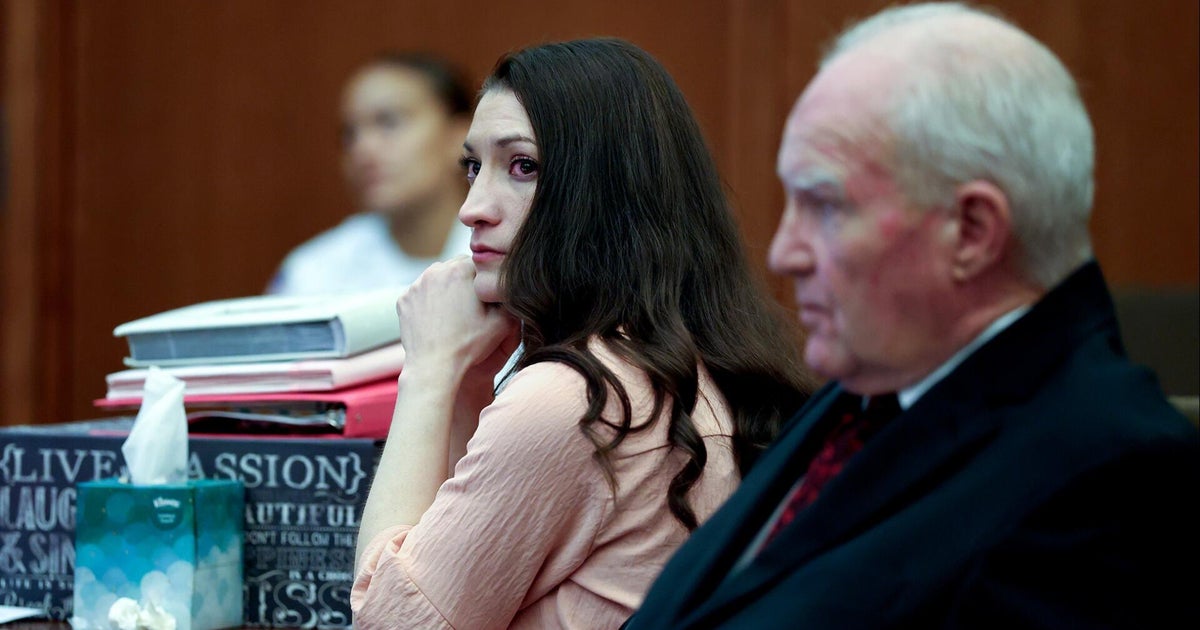
Lindsay Clancy's lawyer spoke about the chance of a new trial and said it could help the prosecution. The jury in her trial was taking a lunch break on the sixth day of their decision-making.
Key Facts
Lindsay Clancy is currently on trial.
The trial jury has been deliberating for six days.
On Day 6, the jury took a break for lunch.
Clancy's lawyer commented on the possibility of a new trial.
The lawyer suggested that a new trial might favor the prosecution.
CBS News reporter Shanelle Kaul provided the update.
Coverage is available on CBS News platforms.
Read the Original
Want the full story? Tap a source to open the original
article.
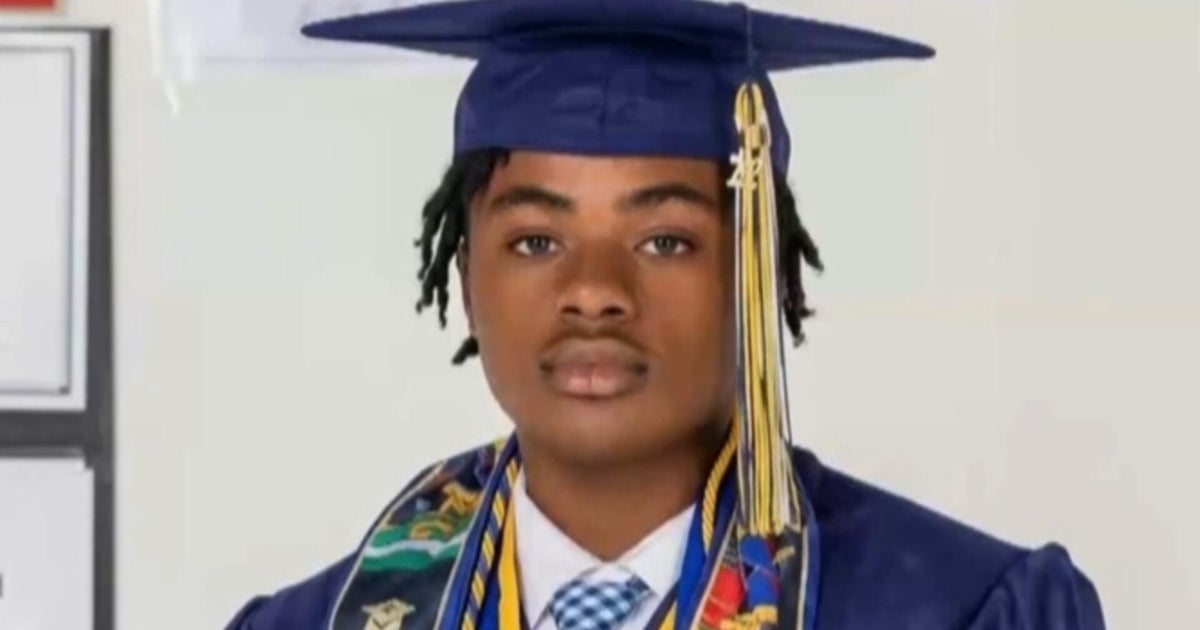
Pierre Damas Bel, a 20-year-old college student from Ohio, died by suicide after losing his Temporary Protected Status (TPS) and being fitted with an ankle monitor by Immigration and Customs Enforcement (ICE). His family says these events contributed to his death.
Key Facts
Pierre Damas Bel was a Haitian-born student studying in Ohio.
He lost his Temporary Protected Status (TPS), a program that protects some immigrants from deportation.
After losing TPS, ICE placed an ankle monitor on him.
His family believes the loss of TPS and the ankle monitor caused him distress.
He died by suicide following these events.
The story was reported by CBS News and covered by reporter Camilo Montoya-Galvez.
Read the Original
Want the full story? Tap a source to open the original
article.
The US Postal Service is changing how it handles mail-in ballots ahead of the November 3 midterm elections, following concerns raised by President Donald Trump about election fraud. These changes have led to legal battles and worries that some voters could face difficulties casting their ballots by mail.
Key Facts
About 48 million voters in the US use mail-in ballots for elections in 2024.
President Trump claims, without proof, that mail-in voting is vulnerable to fraud and that non-citizens are voting.
Experts say election fraud is very rare and has not changed election results.
The Supreme Court allowed changes proposed by the Trump administration to mail-in ballot handling.
Democratic Senator Richard Blumenthal revealed a whistleblower complaint about problems with the Postal Service’s new mail-in voting rules.
Around 30% of voters used mail-in ballots in 2024, down from 43% in 2020 during the pandemic.
In some western states like Oregon and Washington, over 90% of votes are cast by mail.
Studies show voter confidence in US elections has dropped recently, partly due to claims about fraud.
Read the Original
Want the full story? Tap a source to open the original
article.
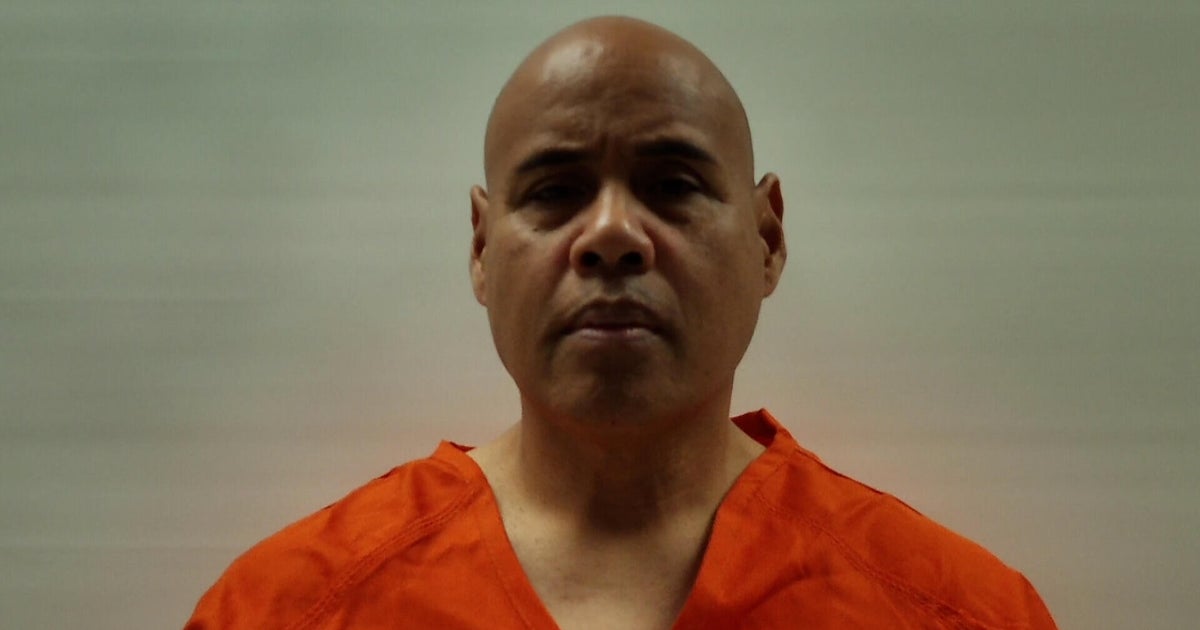
Federal prosecutors charged ICE officer Christian Castro with lying to investigators about shooting a Venezuelan immigrant in Minnesota. The case involves conflicting accounts of the incident, and two men initially charged related to the shooting had their charges dropped due to new evidence.
Key Facts
ICE officer Christian Castro was charged with making false statements about a shooting incident.
The shooting occurred during increased immigration enforcement under President Trump's administration.
Christian Castro was previously charged by local prosecutors but was not extradited from Texas.
Two men connected to the case, Alfredo Aljorna and Julio Sosa-Celis, were charged but had charges dismissed in February.
Video evidence showed discrepancies between officer statements and actual events.
Castro and another officer were placed on leave and Castro was suspended without pay.
The federal indictment includes six counts but has not been publicly released yet.
Authorities are currently trying to locate Castro for the case to proceed.
Read the Original
Want the full story? Tap a source to open the original
article.
President Donald Trump announced a 100 percent tariff on imported drones with thermal imaging or weighing over 55 pounds, aiming to reduce reliance on Chinese drones and boost US drone manufacturing. Critics warn that this move will raise costs significantly, harming public safety and many US businesses that rely on these drones. Additionally, the Federal Communications Commission (FCC) is considering reclassifying some drone technologies as military-grade, which could further limit drone use in the US.
Key Facts
A 100 percent tariff applies to imported drones that use thermal imaging or weigh more than 55 pounds.
Smaller drones face a 25 percent tariff, while drones from US allies have tariffs ranging from 10 to 15 percent.
The tariff on "nonsensitive" drones without thermal imaging will start on February 9, 2027, at 25 percent.
President Trump said tariffs reduce dependence on Chinese drones, especially those made by DJI, which accounts for over 70 percent of the global commercial drone market.
Thermal drones help law enforcement and public safety by finding missing persons, tracking wildfires, and supporting rescue missions.
Critics state tariffs will make drones too expensive for many communities and harm public safety efforts.
The FCC is considering labeling drones with certain technologies, like LiDAR sensors, as military-grade, potentially banning many drones used for civilian purposes.
LiDAR is a technology that helps drones avoid crashes but may be restricted if the FCC’s proposal passes, causing safety concerns.
Read the Original
Want the full story? Tap a source to open the original
article.
Commerce Secretary Howard Lutnick apologized for incorrectly saying no Americans had died in the war in Iran and said he confused it with Venezuela. President Donald Trump confirmed that 18 U.S. military members have died in the conflict, and more than 750 were wounded.
Key Facts
Howard Lutnick mistakenly said no Americans were killed in the Iran war during a CNBC interview.
Lutnick apologized and clarified he was thinking of a Venezuelan military operation where no deaths occurred.
President Trump corrected Lutnick, stating 18 U.S. military members have died in the Iran conflict.
The Iran war began on February 28, and over 750 U.S. service members have been wounded.
Some of the fallen soldiers include Private Isabella Gonzales and First Lieutenant Tyler Feehan, who died in attacks on July 17 and 18.
Several other soldiers died in unmanned aircraft attacks and a KC-135 crash in Iraq and Kuwait.
Lutnick expressed sympathy for the families of the soldiers who died and appreciation for the military.
President Trump made his correction publicly on Truth Social before Lutnick’s apology.
Read the Original
Want the full story? Tap a source to open the original
article.
Nick Saban, a well-known college football coach, appears in a new TV ad supporting the Protect College Sports Act. This bipartisan bill is sponsored by Senators Ted Cruz and Maria Cantwell and aims to regulate college sports.
Key Facts
Nick Saban is featured in a TV advertisement for the Protect College Sports Act.
The bill is bipartisan, meaning it has support from both Republican and Democratic senators.
Senators Ted Cruz (Republican, Texas) and Maria Cantwell (Democrat, Washington) back the bill.
The ad is scheduled to run during the first week of college football games.
The Protect College Sports Act focuses on setting rules for college sports.
Nick Saban is a former college football coach known for his success.
The timing of the ad coincides with the start of the college football season.
Read the Original
Want the full story? Tap a source to open the original
article.
Federal prosecutors have charged an ICE officer, Christian Castro, with lying to investigators about a January shooting in Minneapolis that injured a Venezuelan man. Video evidence showed that the officer’s story did not match what actually happened, leading to a false statements charge.
Key Facts
Christian Castro is a U.S. Immigration and Customs Enforcement (ICE) officer.
He is charged with making false statements to federal investigators.
The case involves a January shooting in Minneapolis during an immigration enforcement action.
Julio Cesar Sosa-Celis, a Venezuelan man, was wounded in the shooting.
Video evidence contradicted the officer’s initial report.
Prosecutors dropped charges against Sosa-Celis amid the investigation.
The Justice Department is considering if additional civil rights charges are needed.
The Department of Homeland Security referred media questions to the Justice Department.
Read the Original
Want the full story? Tap a source to open the original
article.
Several Republican lawmakers running in key election areas have decided not to attend or are unsure about attending the Republican Midterm Convention in Dallas next week. The convention aims to promote President Donald Trump's record ahead of the November midterm elections, although Trump’s approval ratings remain low.
Key Facts
The Republican Party will hold its first-ever midterm convention in Dallas, Texas.
The convention is planned to support President Donald Trump’s record before the midterm elections.
Rep. Zach Nunn from Iowa will stay in his district instead of attending the convention.
Rep. Juan Ciscomani from Arizona will miss the convention due to a debate scheduled the same week.
Rep. Ryan Mackenzie from Pennsylvania is undecided about attending, pending final scheduling details.
Rep. Lauren Boebert from Colorado has not decided whether she will go.
Sen. Susan Collins from Maine will not attend, continuing her usual avoidance of conventions.
President Trump is expected to attend the convention and give a keynote speech.
About 100 House Republican members and candidates are expected to attend, roughly half of the GOP House members running this fall.
Trump’s approval rating is about 33%, the lowest of his two terms, according to a recent Reuters/Ipsos poll.
Read the Original
Want the full story? Tap a source to open the original
article.
California lawmakers approved a bill called "Jay Leno's Law" that would gradually exempt certain vintage cars built between 1976 and 1985 from the state's smog-check requirements. If Governor Gavin Newsom signs the bill, older collector cars driven less than 1,000 miles a year or insured as collector vehicles would no longer need to pass emissions tests starting in 2028.
Key Facts
Senate Bill 1392, known as "Jay Leno's Law," passed the California Legislature with bipartisan support.
The bill would exempt collector vehicles made before 1981 from smog checks starting January 1, 2028.
The exemption expands each year until 2033, covering vehicles built before 1986.
To qualify, cars must be used mainly for shows, parades, or events, drive under 1,000 miles per year, or have collector-car insurance.
Cars built before 1976 are already exempt from smog checks and remain so.
Supporters say these collector vehicles contribute little to pollution since they are driven rarely.
The bill has backing from automotive groups like SEMA and insurance provider Hagerty.
The legislation now awaits Governor Newsom’s signature.
Read the Original
Want the full story? Tap a source to open the original
article.
Rep. James Comer said Sen. Mitch McConnell plans to come back to the Senate when it meets again on September 14. McConnell has been away from the Senate for several months.
Key Facts
Sen. Mitch McConnell has been absent from the Senate for months.
The Senate is set to return to work on September 14.
Rep. James Comer is confident McConnell will come back when the Senate reconvenes.
Comer spoke to a reporter about McConnell’s expected return.
McConnell and Comer are both from Kentucky.
Read the Original
Want the full story? Tap a source to open the original
article.
House Democrats are working to move past a recent issue where two Democratic Representatives supported a Republican rule. House Minority Leader Hakeem Jeffries and other leaders had called this action a serious breach, but now the party is focusing on unity.
Key Facts
Two Democratic Representatives, Jared Golden (Maine) and Marie Gluesenkamp Perez (Washington), backed a Republican rule, causing tension in the party.
House Minority Leader Hakeem Jeffries criticized their action as a serious breach earlier in the week.
The Democratic leadership now seeks to move beyond this conflict.
Efforts are being made to restore unity within the House Democratic caucus.
The defection scandal occurred recently and disrupted the party’s focus.
Democratic leaders want to avoid ongoing distractions from internal disagreements.
Read the Original
Want the full story? Tap a source to open the original
article.
President Donald Trump said the United States has almost unlimited supplies of mid- to high-grade munitions. He responded to news reports that claimed the U.S. military was running low on these weapons during the conflict involving Iran.
Key Facts
President Trump made the statement on Truth Social, a social media platform.
He denied reports that the Pentagon is running low on important military ammunition.
Trump called journalists who reported shortages "treasonous scum."
He said the U.S. has nearly unlimited amounts of mid- to high-grade munitions.
The comments relate to concerns about U.S. military support in the conflict with Iran.
The Pentagon has not publicly confirmed any shortage of munitions.
Read the Original
Want the full story? Tap a source to open the original
article.
The article discusses concerns about President Trump's efforts to engage diplomatically with North Korea and a related peace proposal. The author warns that these moves might unintentionally support North Korea’s ongoing human rights abuses and weaken global moral standards.
Key Facts
President Trump has made diplomatic efforts toward North Korea.
There is a proposed Peace on the Korean Peninsula Act related to these efforts.
The author believes these actions could legitimize human rights violations in North Korea.
North Korea is known for systemic human rights abuses.
The concern is that engaging with the regime without addressing these issues may harm international moral values.
Read the Original
Want the full story? Tap a source to open the original
article.
Millions of Americans receive Social Security benefits, but some get notices saying they were paid too much and must pay back money. One woman in her seventies was told she owes $35,000 because the Social Security Administration said it overpaid her for four years, though no clear reason was given.
Key Facts
Over 75 million Americans depend on Social Security checks monthly.
The Social Security Administration (SSA) sends millions of overpayment notices each year.
Even if the SSA made a mistake, beneficiaries must repay the overpaid amount.
One woman’s benefits were cut by about $600 per month after SSA said they corrected her payments.
She was informed she owed $35,000 from overpayments over four years after claiming her benefits.
If she cannot repay in 30 days, SSA will cut her benefits by up to 50% for two years to recover the money.
Overpayments can happen due to missing or incorrect information, delayed reporting of income or life changes, or SSA errors.
People who claim Social Security before full retirement age face income limits which can cause overpayments if exceeded.
Read the Original
Want the full story? Tap a source to open the original
article.
Many people with criminal records face extra challenges when looking for jobs after prison. Programs that teach skills and offer second chances can help them find work and build better lives.
Key Facts
About 1 in 3 American adults have a criminal record, making job hunting harder.
People with records often get fewer job opportunities and lower pay.
Educational programs in prison can help inmates earn degrees or certificates.
Federal Pell Grants now help incarcerated students pay for college again.
Having education lowers the chance of returning to prison by almost half.
Some companies hire former inmates through special second-chance programs.
Work experience gained in prison can be listed on resumes without naming the prison.
Support from parole officers and stable housing also affect reentry success.
Read the Original
Want the full story? Tap a source to open the original
article.
A U.S. Immigration and Customs Enforcement (ICE) officer named Christian Castro has been charged with lying to federal investigators about a shooting incident involving a Venezuelan man, Julio Cesar Sosa-Celis, in Minneapolis earlier this year. Federal and Minnesota authorities are investigating the officer after initially accusing the victim of attacking officers, but later dropping charges based on video evidence.
Key Facts
Christian Castro is an ICE officer charged with making false statements to federal investigators.
The shooting happened in Minneapolis in January during an immigration enforcement action.
Julio Cesar Sosa-Celis, a Venezuelan man, was shot in the leg by Castro.
Minnesota authorities also charged Castro with assault and false reporting of a crime related to the shooting.
Initial federal charges accused Sosa-Celis and another man of attacking officers, but these were dropped after video footage showed possible false statements by officers.
The Justice Department blocked a federal prosecutor’s attempt to bring more serious civil rights charges against Castro.
The prosecutor who worked on the case was fired and is under investigation for possibly obstructing a grand jury probe.
Castro was released from jail in Texas after the state’s governor delayed his extradition to Minnesota.
Read the Original
Want the full story? Tap a source to open the original
article.
The Trump administration has proposed a rule to take away the tax-exempt status of private colleges and schools that offer support or benefits based on students’ race. This rule aims to end diversity, equity, and inclusion (DEI) programs by declaring race-based admissions, scholarships, or facilities as incompatible with tax exemption.
Key Facts
The proposed rule comes from the Treasury Department and would start after May 2027 if approved.
It targets private education institutions that provide help to students specifically because of their race.
The administration views such race-based programs as discriminatory against white and Asian American students.
Up to 18,000 private schools and colleges could be affected by this rule.
Private universities have had tax-exempt status for over a century because they are seen as benefiting the public.
President Trump has used the threat of removing tax-exempt status to challenge schools with DEI programs, including Harvard University.
Removing tax-exempt status for colleges is very rare, with a similar case happening in the 1970s against Bob Jones University.
The administration says this rule would help restore merit-based education systems.
Read the Original
Want the full story? Tap a source to open the original
article.
President Donald Trump is responding to rising beef prices by allowing imports of large amounts of ground beef without tariffs for 90 days to help lower costs. His administration is also investigating beef prices at major grocery stores to address affordability as the midterm elections approach.
Key Facts
Beef prices in the U.S. have risen significantly, with ground chuck beef costing about $6.85 per pound in July 2024.
The national cattle herd is the smallest since 1951, causing supply issues.
Trump announced the import of 300,000 metric tons of ground beef tariff-free for 90 days, officially signed five days later.
The imported beef equals roughly 2% of the country’s domestic supply.
The Agriculture Department and trade office are monitoring retail prices and can revoke the import waiver if prices do not drop.
The rising cost of living is a major concern for many Americans and a key issue in the upcoming midterm elections.
President Trump’s handling of inflation is approved by only 23% of Americans, while Democrats lead by eight points on this issue.
Newsweek created a "Gordon Ramsay Beef Scream Index" to analyze how beef prices affect election results for the incumbent president’s party.
Read the Original
Want the full story? Tap a source to open the original
article.