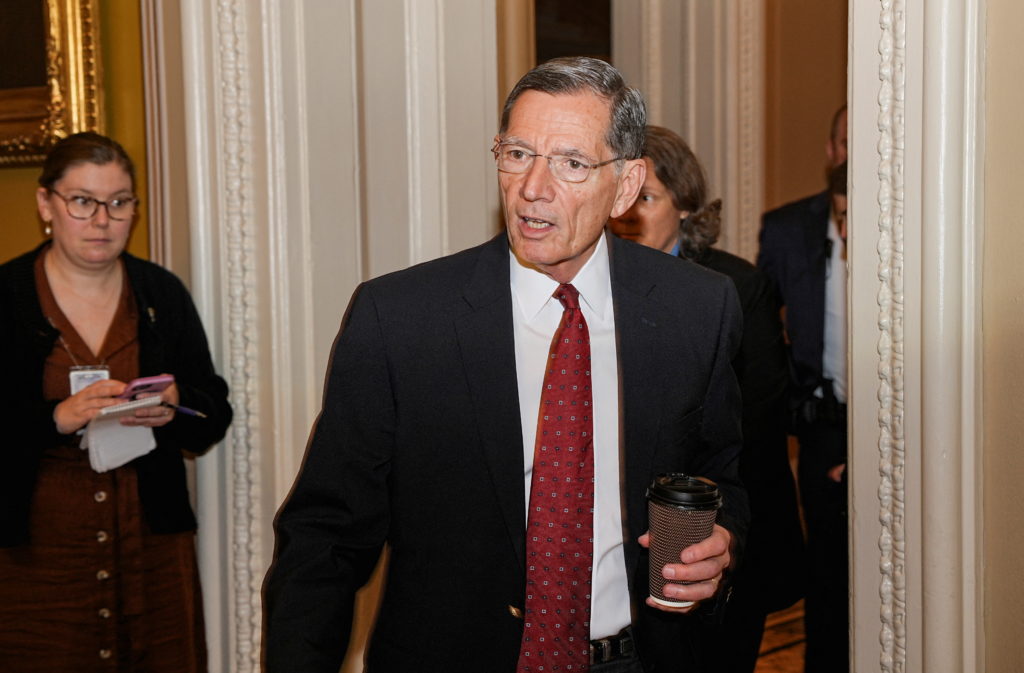
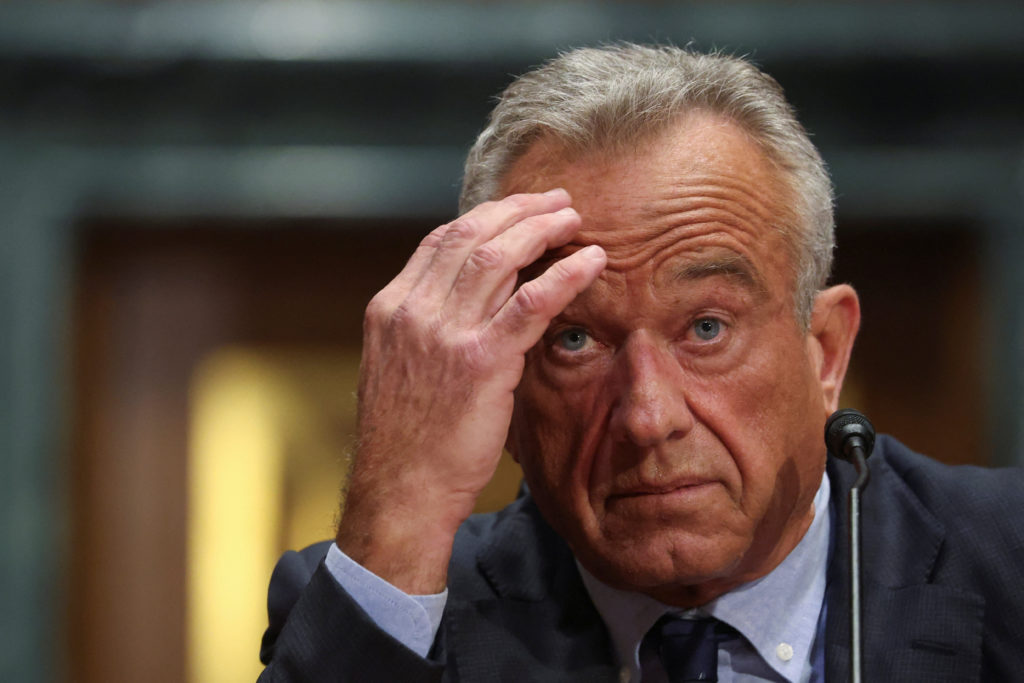
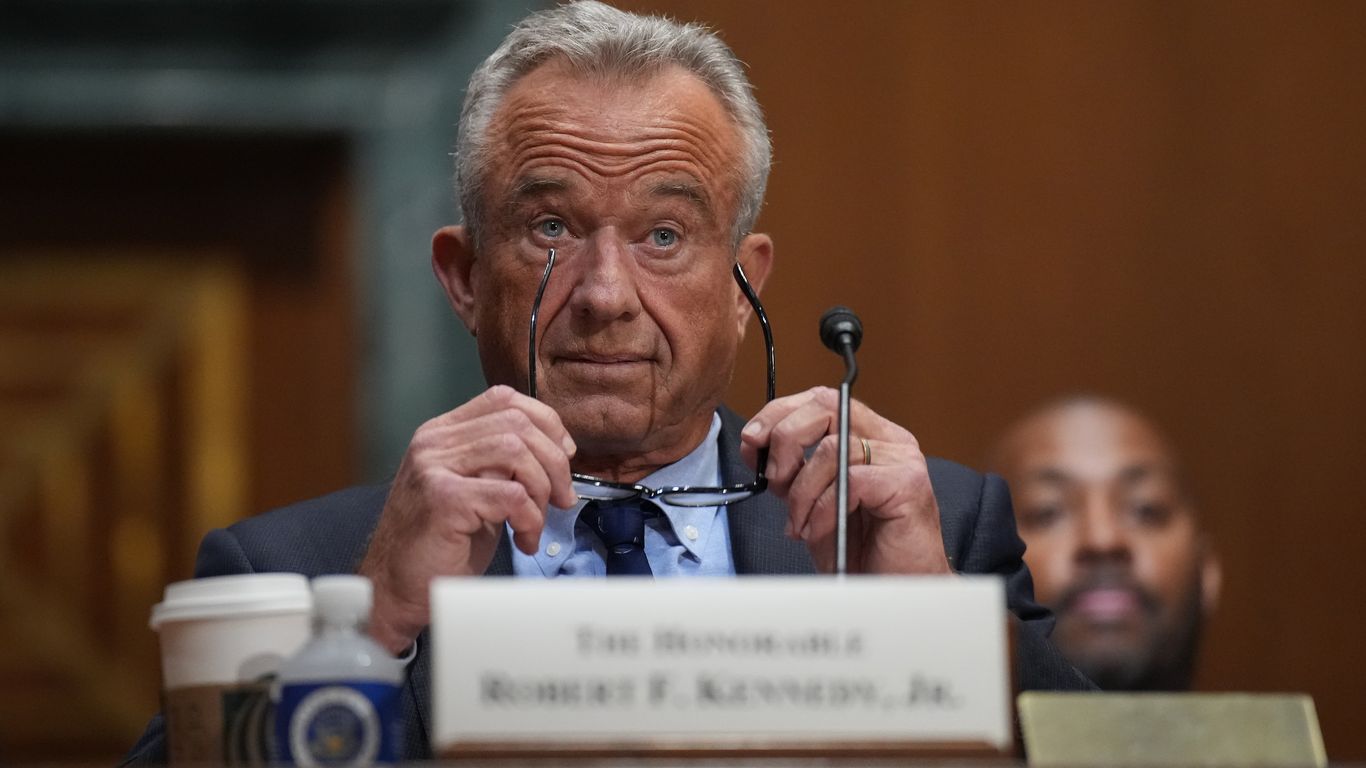
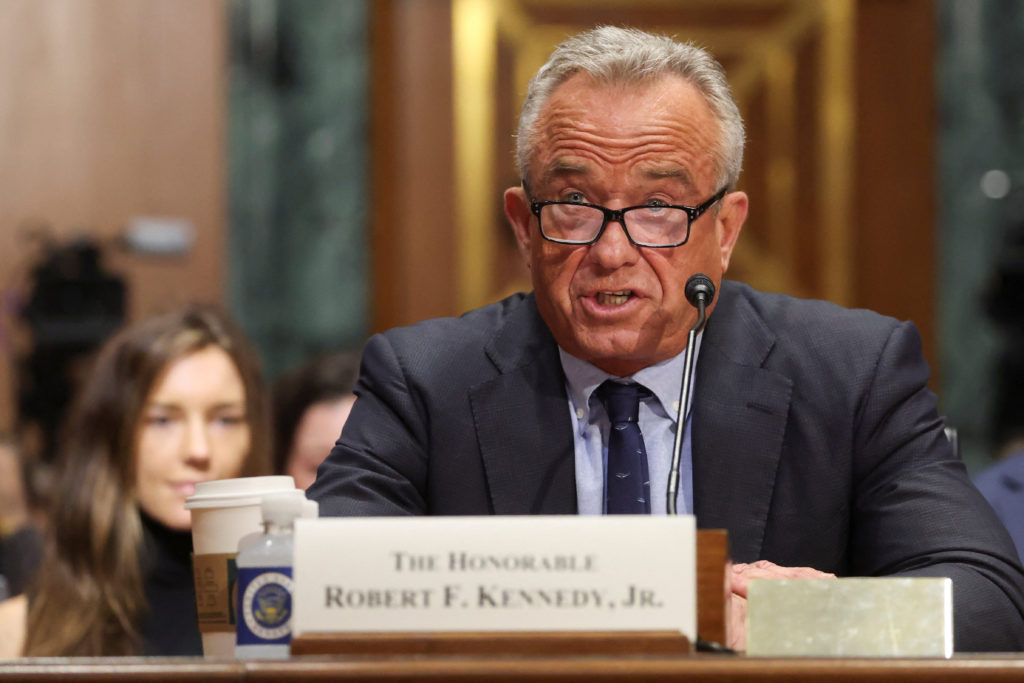
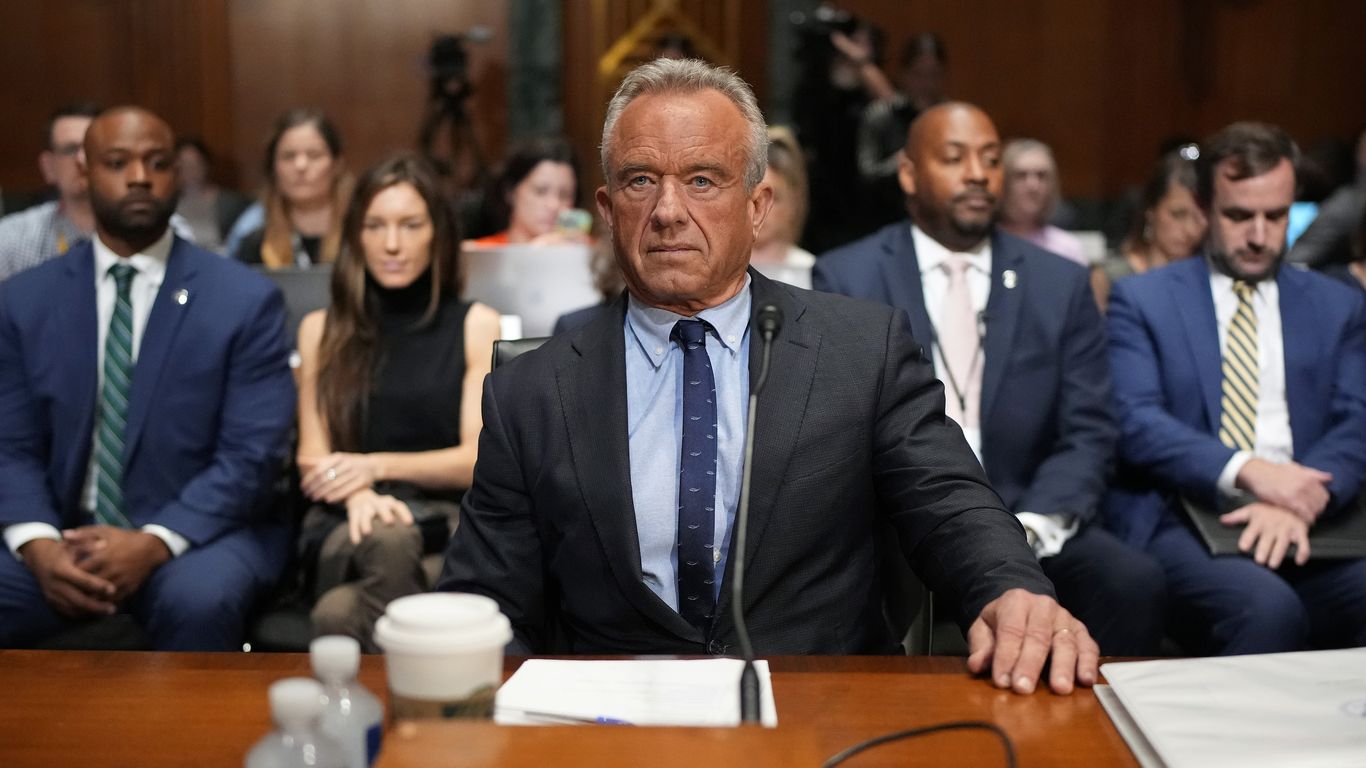
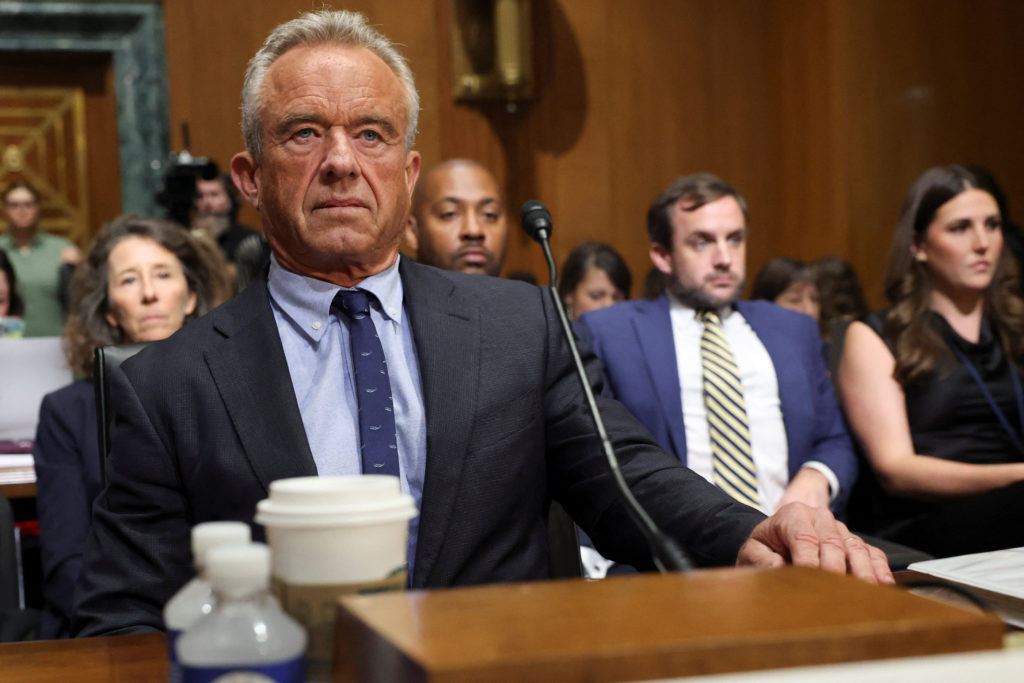
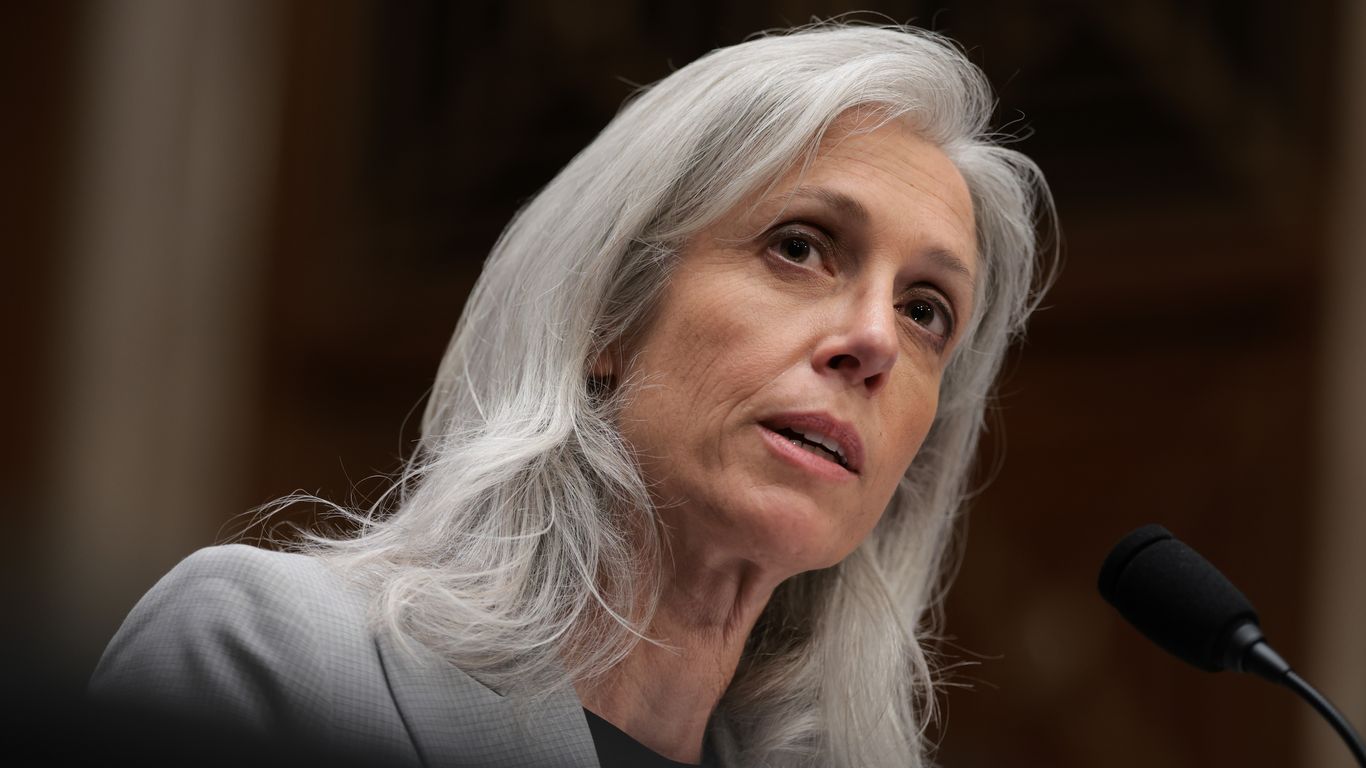
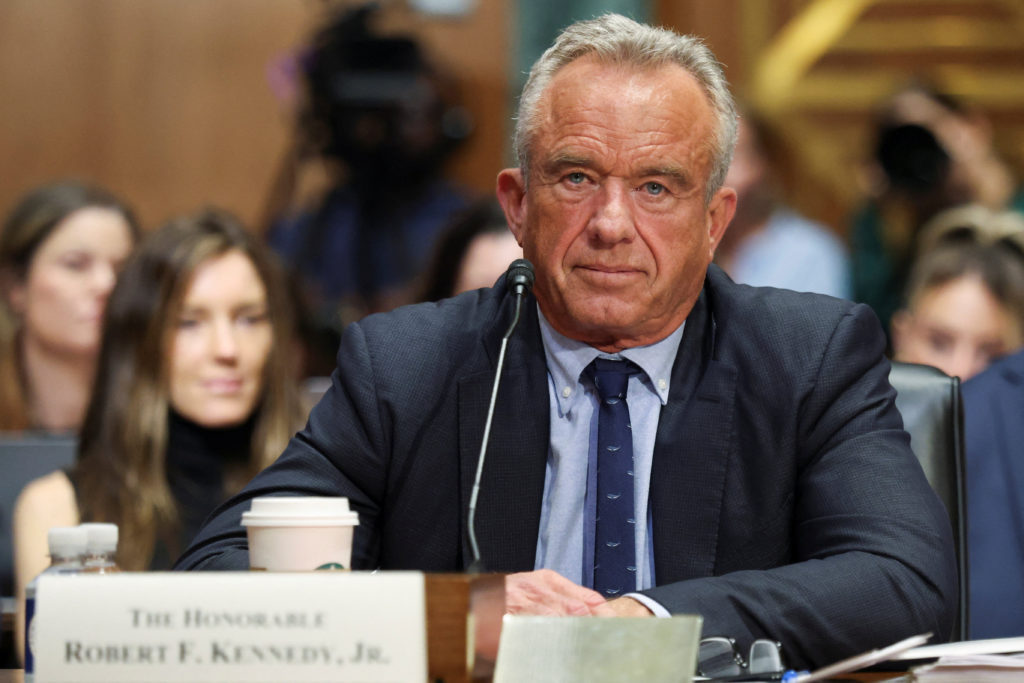
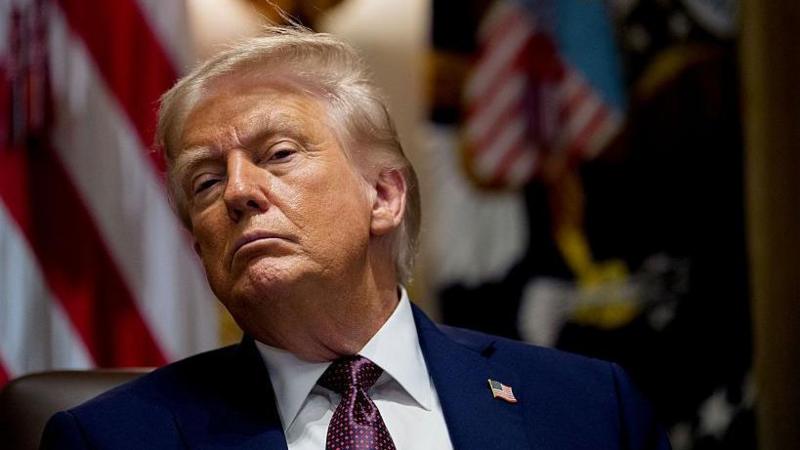
Sen. John Barrasso questioned Health and Human Services Secretary Robert F. Kennedy Jr. about whether vaccine policies are decided based on science or politics. The hearing also touched on concerns about recent changes in vaccine recommendations and leadership at health organizations. Kennedy responded by emphasizing the need to restore public trust by providing truthful information.
Key Facts
Sen. John Barrasso is concerned about how vaccine policies are determined.
Barrasso stated that vaccines have saved an estimated 154 million lives globally in the last 50 years.
Kennedy promised during his confirmation to maintain high standards for vaccines.
Recent issues, like measles outbreaks and leadership changes, have raised concerns.
Barrasso questioned the safeguards to keep vaccine decisions based on science.
Robert F. Kennedy Jr. aims to restore public trust in health organizations by ensuring truthful information is shared.
Kennedy faced criticism from over 20 medical groups calling for his resignation.
These groups accused him of undermining science and public health by altering vaccine recommendations.
Read the Original
Want the full story? Tap a source to open the original
article.
The new school year is causing increased worry for families with mixed immigration statuses, as there are fears of deportation. The concerns are particularly high among immigrant families due to increased immigration enforcement actions. Legal experts clarify that school environments have protections against immigration enforcement activities.
Key Facts
Families with mixed immigration statuses are experiencing fear as the new school year begins.
Immigration enforcement actions, particularly in some cities, are heightening these concerns.
A mother from Maryland shared how deportation fears affected her family's summer, causing them to avoid public places.
Her family has lived in the U.S. for about 15 years, and their children are U.S. citizens.
Concerns include whether immigration agents can enter schools or question children about their parents' status.
Legal experts explain that immigration agents need a warrant to enter schools.
Laws protect students' access to public education regardless of their immigration status.
Some cities have specific rules to prevent school administrators from asking about immigration status.
Read the Original
Want the full story? Tap a source to open the original
article.
Texas is set to pass a law that allows people to sue companies and individuals from outside the state that provide abortion pills to Texas residents. The law enables successful lawsuits to result in at least $100,000 in damages. The legislation is anticipated to face legal challenges.
Key Facts
Texas will soon sign a law allowing residents to sue out-of-state abortion pill providers.
The law allows for lawsuits against those who manufacture or distribute abortion pills to Texans.
Successful plaintiffs can receive at least $100,000 in damages.
Nearly two-thirds of abortions in the US involve abortion pills like mifepristone and misoprostol.
Women taking the medication cannot be sued, but providers can.
If someone unrelated files the lawsuit, they receive $10,000, and $90,000 goes to charity.
The law is expected to face legal challenges, similar to past abortion restrictions.
Some states have "shield laws" to protect their abortion providers from out-of-state lawsuits, but Texas' law says these can't be used as a defense.
Read the Original
Want the full story? Tap a source to open the original
article.
A federal judge has blocked the Trump administration's attempt to reduce about $4 billion in U.S. foreign aid funds that were approved by Congress. The ruling states that only Congress has the authority to decide on how this money is spent.
Key Facts
A federal judge in Washington stopped the Trump administration from cutting $4 billion in foreign aid.
The aid was previously approved by Congress for international assistance.
The judge said the White House didn't provide a good reason to override Congress's decision.
This ruling is part of ongoing legal challenges over the administration's foreign aid decisions.
The administration tried to cut the funds using a method called "pocket rescission," last used in 1977.
The judge ordered the funds to be available by September 30 unless Congress agrees to cut them.
The government might appeal the ruling, although similar appeals have been rejected recently.
Read the Original
Want the full story? Tap a source to open the original
article.
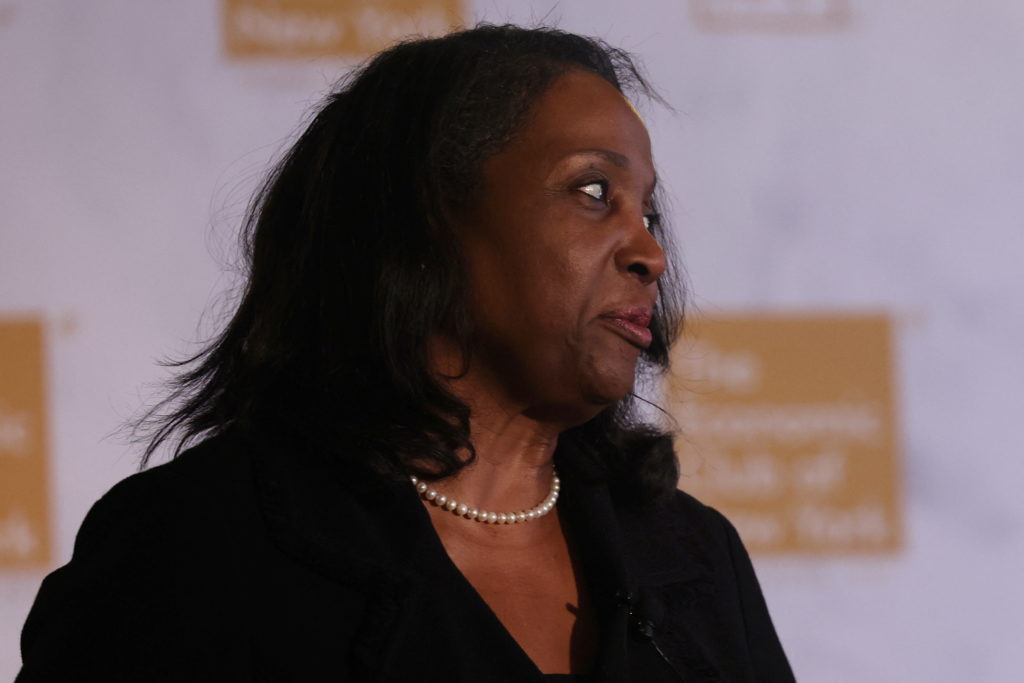
The U.S. Department of Justice is investigating Federal Reserve Governor Lisa Cook for alleged mortgage fraud. This involves claims that Cook listed more than one property as her primary residence to obtain lower mortgage rates. The investigation follows a referral by Federal Housing Finance Agency Director Bill Pulte and involves grand juries in Georgia and Michigan.
Key Facts
The investigation into Lisa Cook is about alleged mortgage fraud by the U.S. Department of Justice.
The allegations suggest Cook falsely listed multiple homes as her primary residence to receive better mortgage rates.
Grand jury subpoenas have been issued in Georgia and Michigan.
The investigation began after a referral from Federal Housing Finance Agency Director Bill Pulte.
Cook's termination by former President Trump over these claims is being legally challenged by Cook.
Ed Martin, a special assistant U.S. attorney, is handling the investigation.
The case may affect the Federal Reserve's independence in setting interest rates, a significant policy area.
Cook has stated she disclosed the mortgages when she was appointed to the Fed.
Read the Original
Want the full story? Tap a source to open the original
article.
Washington DC has filed a lawsuit against the Trump administration, claiming that the deployment of the National Guard in the capital city was done without permission from local leaders and violates federal law. The lawsuit was filed by DC Attorney General Brian Schwalb and argues that the presence of troops interferes with the city's autonomy and economy. The Trump administration has defended its actions, stating they aim to reduce crime and violence in the city.
Key Facts
Washington DC is suing the Trump administration over National Guard deployment.
The lawsuit claims President Trump sent troops to DC without local leaders' consent.
DC Attorney General says the deployment undermines city autonomy and harms the economy.
The lawsuit was filed on the grounds of illegal federal overreach.
President Trump began deploying troops on August 11, 2023.
The deployment includes National Guard and federal law enforcement agents.
A federal judge ruled a previous deployment to Los Angeles violated federal law.
The White House claims the troops reduce crime, stating crime rates have decreased.
DC's mayor opposes the deployment, saying it's expensive and unnecessary.
Read the Original
Want the full story? Tap a source to open the original
article.
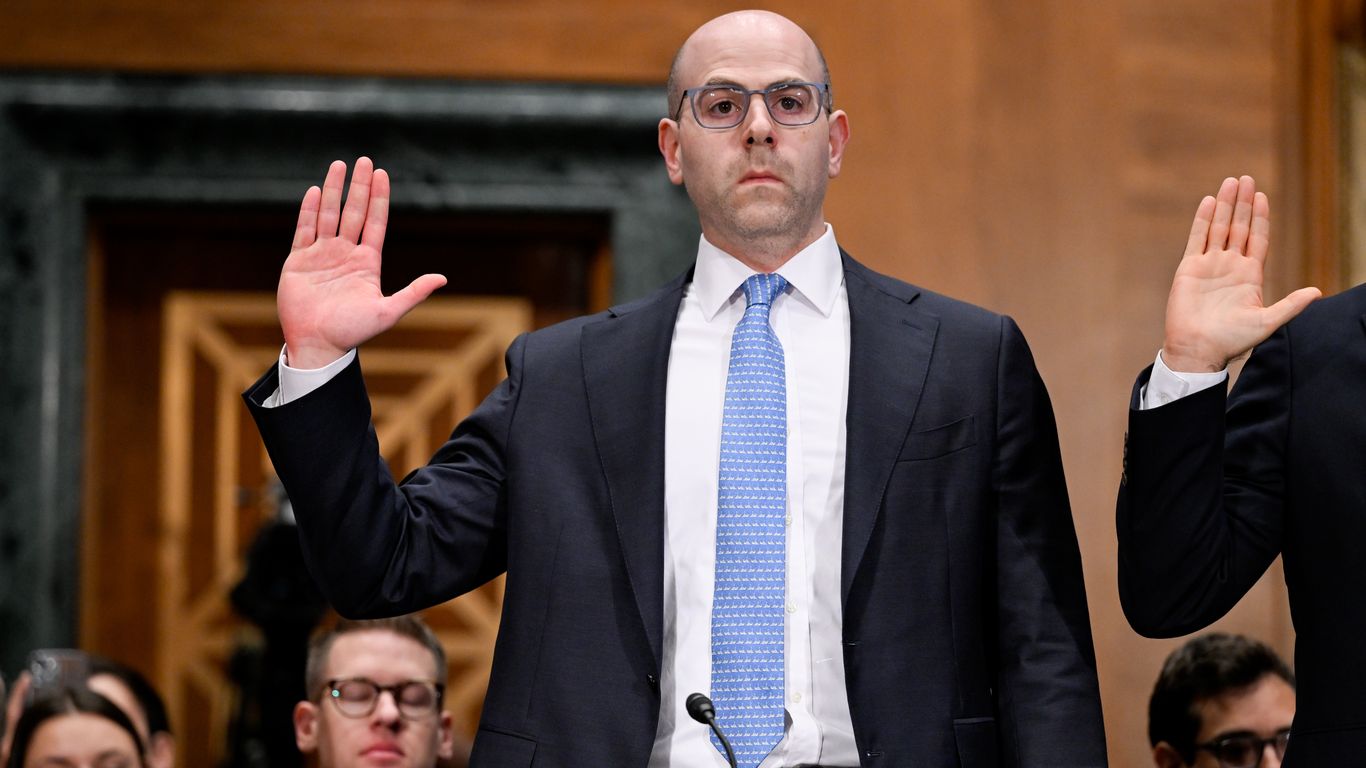
The U.S. Senate is considering Stephen Miran, nominated by President Trump for a vacant Federal Reserve governor position. The confirmation process is moving quickly as there are various ongoing issues regarding the Federal Reserve's independence, including a legal case involving Fed governor Lisa Cook. There is debate over how much control the president should have over the Federal Reserve.
Key Facts
Stephen Miran is President Trump's nominee for a Fed governor role.
Miran supports changes to increase presidential control over the Fed.
The Senate is holding a confirmation hearing for Miran quickly, before an upcoming Fed policy meeting.
There is a legal dispute involving Fed governor Lisa Cook, with allegations related to her mortgage activities.
The Justice Department has reportedly started a criminal investigation into Cook.
The Federal Reserve Act provides that Fed governors serve long terms and can only be fired for cause.
Some senators, including Republicans, express the need for Fed independence.
Democrats oppose Miran's confirmation, raising concerns about the Fed's independence under Trump's influence.
Read the Original
Want the full story? Tap a source to open the original
article.
The Justice Department is investigating Federal Reserve governor Lisa Cook for alleged mortgage fraud involving properties she bought in 2021. Cook, who is contesting her removal by former President Trump, is accused of misrepresenting these properties as primary residences. The inquiry follows a referral by a top housing regulator.
Key Facts
The investigation is about two properties Cook bought in 2021.
She is accused of incorrectly stating these properties as her main homes.
Allegations of fraud involve more lenient down payments and lower interest rates for primary residences.
The inquiry was initiated by a referral from the Federal Housing Finance Authority.
Former President Trump removed Cook from her position on August 25.
Cook's lawyers deny any wrongdoing, saying the charges are politicized.
The probe is being managed by the Justice Department’s Weaponization Working Group.
The situation involves a broader legal conflict over the independence of the Federal Reserve.
Read the Original
Want the full story? Tap a source to open the original
article.
Health and Human Services Secretary Robert F. Kennedy Jr. stated that the government's handling of COVID-19 was politicized and included false claims about vaccines and masks. He testified before a Senate committee, arguing that the public was misled about various aspects of the pandemic response. Some of his claims have been disputed or labeled as misleading.
Key Facts
Robert F. Kennedy Jr. is the Health and Human Services Secretary.
He claimed the U.S. government lied about the effectiveness of COVID-19 vaccines and masks.
Kennedy testified during a Senate Finance Committee hearing.
He mentioned issues with the handling of natural immunity and mask guidelines by the CDC.
The CDC's guidance on COVID-19 vaccines and masks changed throughout the pandemic.
Earlier statements from CDC in 2021 suggested vaccinated people did not spread COVID-19.
More than 20 medical societies have called for Kennedy's resignation.
Kennedy has a history as an anti-vaccine advocate and has adjusted U.S. vaccine recommendations.
Read the Original
Want the full story? Tap a source to open the original
article.
Senators from both parties questioned Health and Human Services Secretary Robert F. Kennedy Jr. about his vaccine policies during a Senate hearing. Criticism focused on his limits on COVID-19 vaccine access, changes to the CDC's vaccine panel, and the firing of CDC chief Susan Monarez.
Key Facts
Robert F. Kennedy Jr. is the Health and Human Services Secretary.
During a Senate hearing, Kennedy faced calls to resign and criticism from both Democrats and Republicans.
His changes include canceling mRNA vaccine research funding and restricting COVID-19 vaccine access to high-risk groups and those over 65.
Kennedy replaced the CDC's 17-member vaccine advisory panel with members criticized for being vaccine skeptics.
Republican Sen. Bill Cassidy accused him of limiting vaccine access, which he pledged not to do during his confirmation.
Kennedy defended his actions by claiming they were necessary to improve the health agencies' standards.
He dismissed CDC chief Susan Monarez after just a month, citing trust issues.
Ron Johnson defended Kennedy, calling criticisms from other senators "abuse."
Read the Original
Want the full story? Tap a source to open the original
article.
Robert F. Kennedy Jr. stated that former CDC director Susan Monarez lied about being fired for not supporting unscientific vaccine recommendations. Monarez had claimed that she was asked to endorse these recommendations by Kennedy. Her firing led to unrest within the CDC, including resignations and a walkout.
Key Facts
Robert F. Kennedy Jr. is the current Health Secretary.
Kennedy accused Susan Monarez of lying about why she was fired from the CDC.
Monarez claimed she refused to support vaccine recommendations not based on science.
Her firing caused uproar, leading to resignations and a walkout at the CDC.
The issue arose during a Senate Finance Committee hearing.
Monarez wrote an opinion piece in the Wall Street Journal criticizing Kennedy.
She argued that the CDC needs leadership that insists on proof-based decisions.
Read the Original
Want the full story? Tap a source to open the original
article.
The attorney general of Washington, DC, filed a lawsuit against President Trump's deployment of National Guard troops to the capital, claiming it is illegal without local consent. The deployment is part of Trump's strategy to address crime but faces opposition due to concerns about legality and local governance. A federal judge previously ruled a similar deployment to Los Angeles illegal.
Key Facts
The attorney general of Washington, DC, Brian Schwalb, has filed a lawsuit against the deployment of National Guard troops to the capital.
Schwalb claims the deployment is illegal without the consent of local authorities.
The lawsuit argues that the deployment violates a federal law that restricts military involvement in domestic policing.
The National Guard deployment began in mid-August and involves about 2,300 troops.
President Trump states the deployment aims to reduce crime and improve public spaces.
The legal challenge mentions violations of the Home Rule Act and Posse Comitatus Act.
Local officials argue for more funding instead of increased federal control.
A federal judge previously ruled a similar deployment to Los Angeles was illegal.
Read the Original
Want the full story? Tap a source to open the original
article.
U.S. President Donald Trump responded to questions about his efforts to pressure Russian President Vladimir Putin to end the war in Ukraine. Trump claimed he had taken actions against Russia and warned of consequences if Moscow did not seek peace. Despite past promises to end the conflict swiftly, the war continues, with key disagreements remaining unresolved.
Key Facts
President Trump faced questions about his efforts to pressure Putin into ending Russia's war on Ukraine.
Trump listed actions he had taken against Russia and threatened consequences if peace was not achieved.
Trump had promised during his election campaign to end the Russia-Ukraine war in 24 hours, but the conflict continues.
Disagreements between Ukraine and Russia, especially about territorial concessions, remain a barrier to peace.
Trump suggested a meeting between Putin and Ukraine's President Zelenskyy, but it has not occurred.
Putin has suggested Zelenskyy visit him in Moscow, but Ukraine rejected the proposal.
Trump recounted his efforts to end the Ukraine war during a press conference with Polish President Nawrocki.
Trump claimed to have ended other international conflicts, asserting that his prior relationship with Putin could have eased negotiations.
Read the Original
Want the full story? Tap a source to open the original
article.
Sen. Bill Cassidy asked HHS Secretary Robert F. Kennedy Jr. if he thought former President Donald Trump should get a Nobel Prize for Operation Warp Speed, the program that developed COVID-19 vaccines quickly. Kennedy agreed, but Cassidy found it surprising because Kennedy has tried to limit vaccine access and funding. Kennedy testified before the Senate a day after medical groups asked for his resignation due to his stance on vaccines.
Key Facts
Sen. Bill Cassidy questioned HHS Secretary Robert F. Kennedy Jr. about the Nobel Prize for Trump's COVID-19 vaccine program.
Operation Warp Speed was the 2020 program that helped develop COVID-19 vaccines quickly.
Kennedy agreed that Trump deserved recognition for the initiative.
Despite supporting the program, Kennedy has taken actions to limit vaccine access and funding.
Medical organizations called for Kennedy's resignation over his approach to vaccine science.
Cassidy expressed surprise because Kennedy has been critical of vaccines.
Kennedy also made changes to U.S. vaccine recommendations.
The discussion happened during a Senate Finance Committee hearing.
Read the Original
Want the full story? Tap a source to open the original
article.
Robert F. Kennedy Jr., the Secretary of Health and Human Services, testified before the Senate to discuss changes at health agencies and vaccine policies. Kennedy's previous actions, including mass layoffs and funding cuts, have led to significant controversy and unrest at the Centers for Disease Control (CDC). The Senate hearing provided an opportunity for senators to question him about his decisions and future plans.
Key Facts
Robert F. Kennedy Jr. is the Secretary of Health and Human Services.
He testified before the Senate regarding changes he made to health agencies and vaccine policies.
The hearing followed upheaval at the CDC, including mass layoffs and staff resignations.
Some senators criticized him for limiting access to COVID vaccines, which contradicts his earlier promises.
A group of over 1,000 Health and Human Services employees asked for Kennedy's resignation.
Kennedy dismissed all members of the CDC's Advisory Committee for Immunization Practices, citing the need for a "clean sweep."
New appointees to the advisory committee have expressed anti-vaccine views.
There is ongoing tension and debate about Kennedy's actions and their impact on public health.
Read the Original
Want the full story? Tap a source to open the original
article.
Robert F. Kennedy Jr., the U.S. Health and Human Services Secretary, denied claims from former CDC Director Susan Monarez that he asked her to support non-scientific vaccine policies. Kennedy stated that Monarez's accusations, shared in a Wall Street Journal op-ed, are false. During a Senate Committee hearing, Kennedy reaffirmed his stance, stating that he had never told Monarez to ignore scientific evidence.
Key Facts
Robert F. Kennedy Jr. is the current U.S. Health and Human Services Secretary.
Susan Monarez, former CDC Director, claimed Kennedy pushed her to back non-scientific vaccine recommendations.
Monarez wrote an op-ed in the Wall Street Journal about her firing and views on Kennedy's policies.
Kennedy denied having private meetings with Monarez where such requests could have been made.
Kennedy was questioned by Senators Ron Wyden and Elizabeth Warren during a Senate Committee session.
Kennedy replaced some medical experts on a U.S. vaccine panel with his selections.
Over 20 medical organizations recently called for Kennedy's resignation over his approach to vaccine science.
Read the Original
Want the full story? Tap a source to open the original
article.
Susan Monarez, the former CDC director, said she was removed from her role after resisting pressure to agree with an advisory panel's vaccine recommendations. The panel consisted of people who have spoken against vaccines. Health Secretary Robert F. Kennedy Jr. chose this panel and claimed his actions were meant to build trust in the CDC.
Key Facts
Susan Monarez was the CDC director before being fired last week.
She refused to pre-approve vaccine recommendations from a panel chosen by Robert F. Kennedy Jr.
The panel included members who have spoken against vaccines.
Monarez says she was fired for upholding evidence-based decisions on vaccines.
In an article, Monarez claimed replacing experts with biased individuals harms the CDC's credibility.
Robert F. Kennedy Jr. said his changes aim to restore trust in the CDC.
Monarez's comments were published as Kennedy was set to testify at a Senate hearing.
The Health and Human Services department thanked Monarez for her service but did not comment further on her dismissal.
Read the Original
Want the full story? Tap a source to open the original
article.
Robert F. Kennedy Jr., the HHS Secretary, spoke before the Senate Finance Committee, defending the firings at the CDC. He criticized the CDC's handling of the COVID-19 pandemic and called the changes necessary to restore its reputation. The testimony followed calls for Kennedy's resignation from medical organizations.
Key Facts
Robert F. Kennedy Jr. is the Secretary of the Department of Health and Human Services (HHS).
Kennedy spoke to the Senate Finance Committee about the CDC.
He claimed CDC policies during COVID-19 were harmful and "nonsensical."
Kennedy supported the firing of CDC officials to improve the agency's effectiveness.
He made an unsupported claim about children missing during the Biden administration.
Over 20 medical groups have asked for Kennedy's resignation.
Kennedy has previously shown anti-vaccine views and altered U.S. vaccine guidelines.
He replaced a key panel of medical experts in preparation for the respiratory virus season.
Read the Original
Want the full story? Tap a source to open the original
article.
There are no ads, so there is no reason to bait you. Readers who chip in keep it that way. Most choose $3.99/month, and get the daily digest every morning.
U.S. President Donald Trump has stated he does not seek the Nobel Peace Prize, despite previous comments about deserving it. He expressed commitment to aiding peace talks between Russia and Ukraine in a CBS News interview. The Nobel Peace Prize announcement is upcoming, with Trump having been nominated by several countries.
Key Facts
Trump stated he does not seek attention regarding the Nobel Peace Prize.
He has previously expressed that ending conflicts may earn him the award.
Trump is aiming to facilitate peace talks between Russia and Ukraine.
The Nobel Peace Prize winner will be announced on October 10.
Multiple countries, including Israel and Pakistan, nominated Trump for the prize.
Four former U.S. presidents have received the Nobel Peace Prize.
Trump's special envoy, Steve Witkoff, praised him as an ideal candidate.
Analysts question Trump's claims of ending multiple conflicts.
Read the Original
Want the full story? Tap a source to open the original
article.
The article discusses the increase in immigration enforcement under President Donald Trump, highlighting cases like that of Venezuelan asylum seeker Franco Caraballo and longtime U.S. resident Carmen Herrera. It examines the impact of these actions on immigrant communities, describing widespread detentions and deportations.
Key Facts
President Donald Trump's administration has increased immigration enforcement.
Venezuelan asylum seeker Franco Caraballo was accused of gang ties without evidence and sent to a prison in El Salvador.
Carmen Herrera, a mother of six who lived in the U.S. for many years, was deported among 180,000 others in the first seven months of Trump's presidency.
Herrera was arrested at an immigration hearing despite having possible legal paths to stay in the U.S.
Immigrants are being detained at various locations, including courts, workplaces, and during check-ins.
The crackdown is described as targeting serious offenders but has affected many immigrant families.
Read the Original
Want the full story? Tap a source to open the original
article.