Two months before the 2026 U.S. midterm elections, President Donald Trump’s approval ratings are low nationwide and in every important swing state. He has stronger support in Republican states but has lost ground compared to when he started his second term in January 2025.
Key Facts
Nationally, Trump’s approval rating is 35% and disapproval is 59%, a net approval of -24.
Trump is trailing in all major battleground states like Arizona, Florida, Georgia, Nevada, North Carolina, Ohio, Pennsylvania, and Wisconsin.
Republican-leaning states such as Wyoming and North Dakota still show positive approval but with much smaller margins than in early 2025.
Tennessee and Utah have moved to roughly equal approval and disapproval, while Indiana has a negative net rating.
Strongest support comes from older voters, men, and non-college graduates; younger voters, women, independents, and postgraduates rate him poorly.
Approval in Wyoming dropped from +47 to +22 net since January 2025, showing declining enthusiasm even in Trump strongholds.
Democratic-leaning states like Hawaii, Vermont, and Maryland show very low approval ratings, below -50 net.
Swing states like Florida and Ohio have moved sharply from positive or even ratings to negative ones for Trump.
Read the Original
Want the full story? Tap a source to open the original
article.
A toddler named Olive from Arizona had two febrile seizure episodes in 2023 but was told by doctors that she was likely fine. Tragically, Olive died unexpectedly at 18 months old, with an autopsy unable to explain her death, which may be linked to a rare condition called Sudden Unexplained Death in Childhood (SUDC).
Key Facts
Olive Tenney, 18-and-a-half months old, died unexpectedly on November 1, 2023.
She had two seizure episodes earlier in the year—one in July and another in September—both related to fever or possible dehydration.
Doctors told the family febrile seizures are common in young children and no further testing was done.
Febrile seizures happen because of a rapid rise in body temperature and usually are not dangerous.
Olive’s autopsy was inconclusive, meaning there was no clear medical reason found for her death.
Sudden Unexplained Death in Childhood (SUDC) is a rare condition studied as possibly linked to children who had febrile seizures.
Olive’s mother is raising awareness about febrile seizures and SUDC through social media.
Olive is remembered as a lively and friendly child who brought joy to her family.
Read the Original
Want the full story? Tap a source to open the original
article.
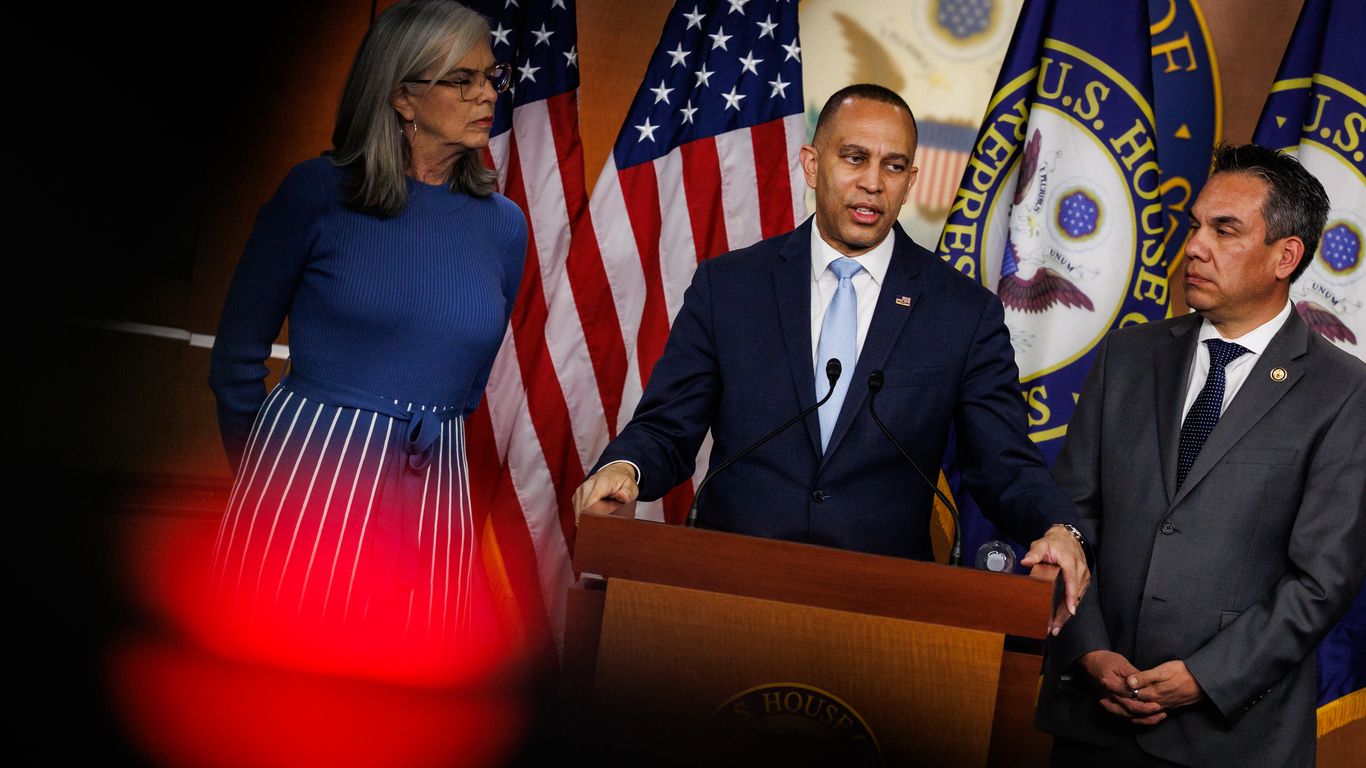
House Democratic leaders are upset because two members voted with Republicans on an important rule without warning. Party leaders want new rules to keep members in line, but some Democrats, especially progressives, strongly oppose these changes.
Key Facts
Representatives Jared Golden and Marie Gluesenkamp Perez voted with Republicans on a procedural rule, angering House Democrats.
The vote allowed for measures like a GOP resolution against socialism and a bipartisan bill protecting lobstermen.
Democratic leaders called this a "breach of trust" and are considering consequences like removing members from committees.
A proposed rule would require Democrats to attend key votes, follow party leadership on rules, and pay campaign dues to stay in good standing.
Progressive Democrats oppose this rule change, fearing it could be used unfairly against them.
Some centrists say punishing these two members would unfairly target moderates, as similar actions by progressives in the past went without penalty.
House Democratic Caucus chair Pete Aguilar said the caucus will decide if they want to change the rules.
Read the Original
Want the full story? Tap a source to open the original
article.
President Donald Trump has added a new helipad to the White House. This is the first dedicated helicopter landing pad at the site, and it comes after the Supreme Court allowed him to continue the $400 million ballroom construction project.
Key Facts
President Trump has installed a helipad at the White House.
This is the first time the White House has had a dedicated helipad.
The helipad project is connected to larger renovation efforts at the White House.
The Supreme Court allowed the continuation of a $400 million ballroom construction project.
The helipad was completed after this court decision.
The news was reported recently and includes video coverage.
The helipad aims to improve helicopter access to the White House.
Read the Original
Want the full story? Tap a source to open the original
article.
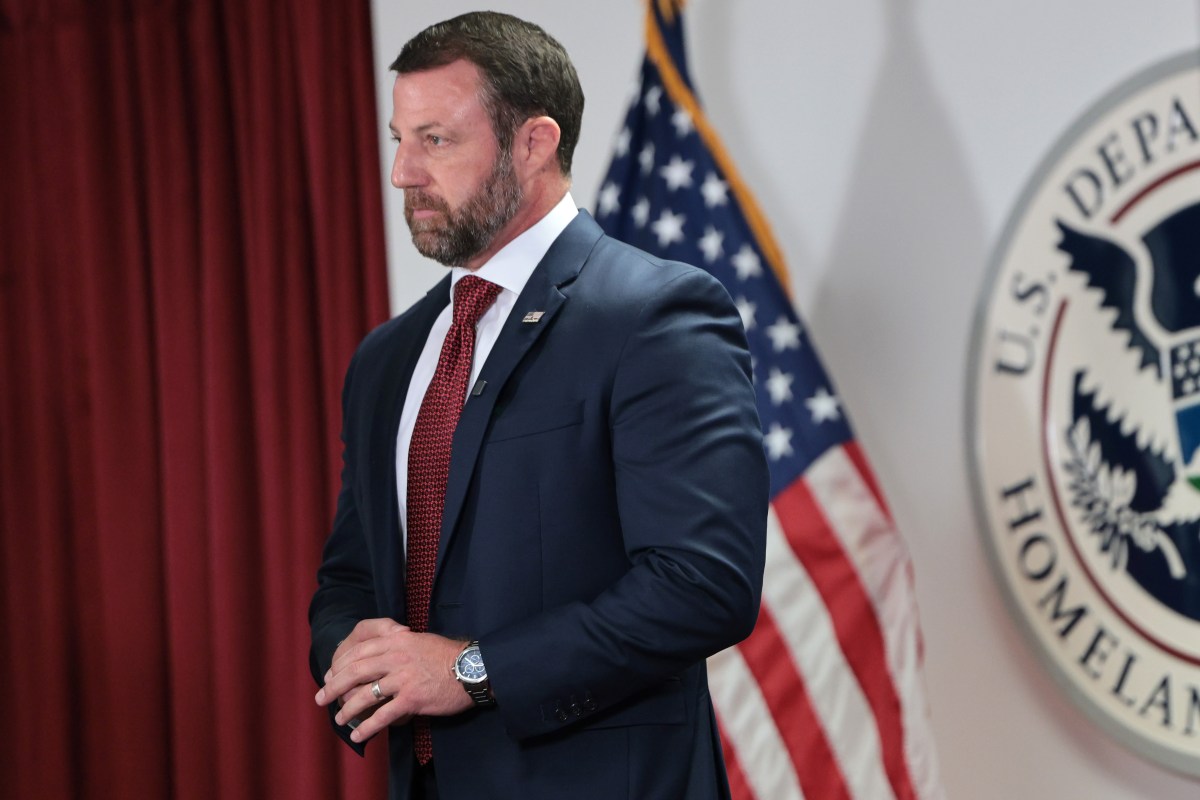
A U.S. Coast Guard plane carrying Homeland Security Secretary Markwayne Mullin made an emergency landing after losing an engine. No one was hurt, and the pilot successfully landed the plane at Ronald Reagan Washington National Airport.
Key Facts
The plane was a C-37A, a military version of the Gulfstream V.
It lost an engine before the emergency landing.
There were 14 people on board during the flight.
No injuries resulted from the emergency landing.
Secretary Mullin praised the pilots for their professionalism during the incident.
The Department of Homeland Security had raised concerns last year about this Coast Guard plane being 22 years old.
DHS noted that the plane had outdated avionics and communication systems.
The emergency landing happened at Ronald Reagan Washington National Airport.
Read the Original
Want the full story? Tap a source to open the original
article.
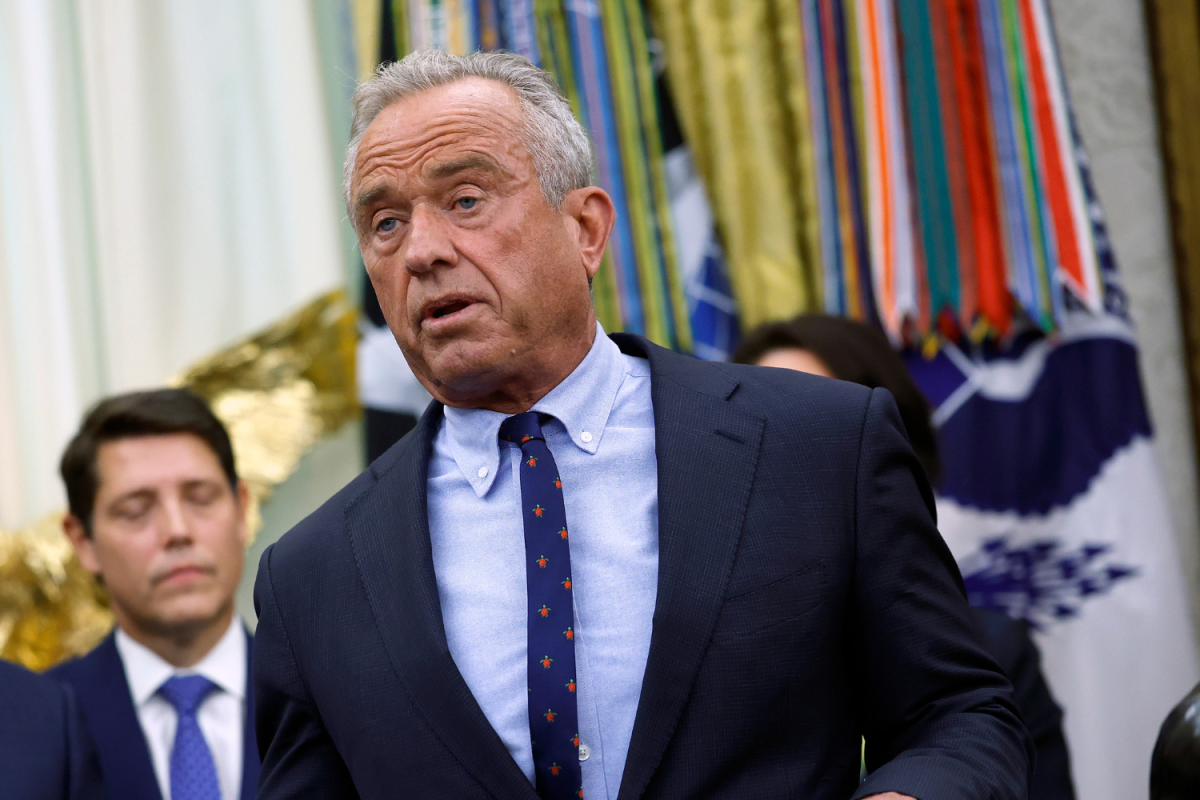
A federal judge blocked parts of the Department of Health and Human Services’ changes to the Teen Pregnancy Prevention Program after finding that some studies cited by the department did not exist or did not support the claims made. The changes, led by Robert F. Kennedy Jr., had shifted the focus toward abstinence education and a concept called "body literacy," moving away from evidence-based programs.
Key Facts
A federal judge, Christopher R. Cooper, issued a preliminary injunction stopping parts of the new Teen Pregnancy Prevention Program rules.
The Department of Health and Human Services (HHS), led by Robert F. Kennedy Jr., cited studies in their funding notice that appeared fake or misattributed.
Five out of seven cited articles in the HHS notice could not be found or were incorrectly referenced.
The new program focuses on abstinence education ("sexual risk avoidance") and "body literacy," including fertility awareness and reproductive health topics.
The changes ended many existing grants because previous programs did not align with the new focus.
Plaintiffs (including local governments and health organizations) argue the policy is unfair and not based on evidence.
The judge said that while abstinence education might work for some groups, it should not be mandatory for all.
The case is ongoing, and HHS declined to comment on the lawsuit.
Read the Original
Want the full story? Tap a source to open the original
article.
A Georgia police officer shot and killed a donkey named HeeHaw during a search for a missing girl. According to the officer’s report, the donkey charged at the officers despite efforts to stop it with a Taser, leading the officer to shoot the animal.
Key Facts
The incident happened on August 30 at Elsberry Riding and Farm in Georgia.
Officers were searching for a missing 12-year-old girl when they entered the donkey’s pasture.
K-9 Handler Thomasson tried to stop the donkey with a Taser, but it did not work.
Officer Trenton Garner fired one shot at the donkey after it charged toward the team.
The donkey was killed after it turned away and fell over.
HeeHaw’s owner said the police entered the pasture without permission or warning.
The owner described HeeHaw as a baby donkey raised by bottle feeding and said the donkey was reacting to a stranger.
Officer Garner has been placed on leave during an investigation by the Georgia Department of Agriculture’s law enforcement division.
Read the Original
Want the full story? Tap a source to open the original
article.
A former UK veterans minister, Tobias Ellwood, said the Ministry of Defence (MoD) purposely hid medical information about veterans involved in Cold War nuclear tests. Veterans want their medical records released because they believe exposure to nuclear tests caused serious health problems.
Key Facts
Tobias Ellwood served as a UK junior defence minister from 2017 to 2019.
Ellwood claimed the MoD deliberately withheld medical records of nuclear test veterans.
Around 25,000 UK military personnel, scientists, and civilians took part in nuclear tests from 1952 to 1967.
Veterans report health issues like cancers, heart disease, stillbirths, and birth defects tied to nuclear exposure.
The MoD said it conducted a large review of records and released five reports on the topic.
The MoD cited secret Cold War policies and poor record-keeping as reasons for incomplete information.
Ellwood said ministers were told to claim they had no helpful evidence, possibly to delay claims until veterans died.
The MoD thanked veterans for their service and said it regularly communicated with veterans and community groups while publishing findings.
Read the Original
Want the full story? Tap a source to open the original
article.
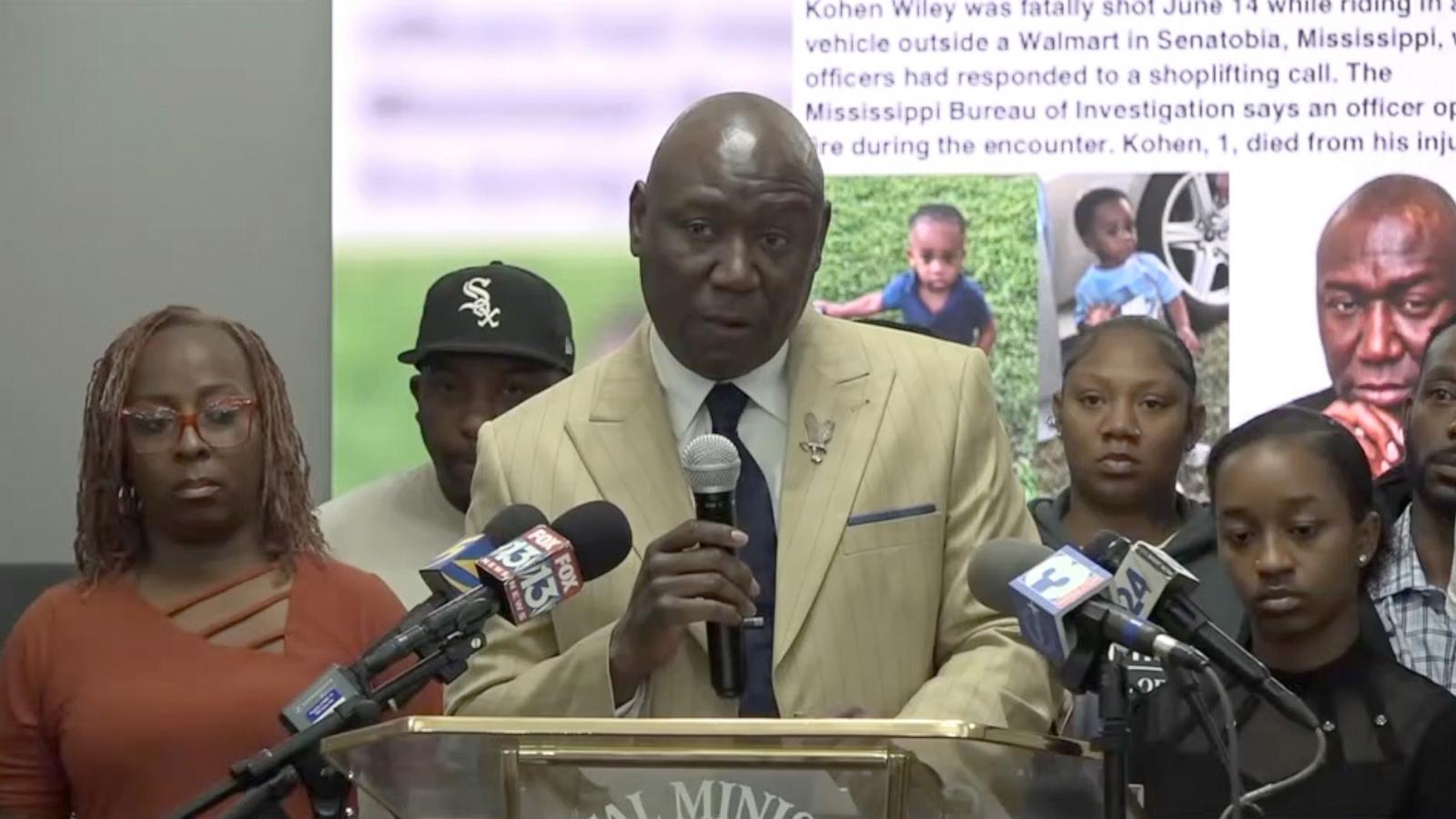
The police chief of Senatobia, Mississippi, Harold Vanderford, was fired after reports showed he sent racist text messages. This city is where a police officer fatally shot 1-year-old Kohen Wiley in June outside a Walmart during a shoplifting incident.
Key Facts
Harold Vanderford, Senatobia police chief, was fired after racist texts were reported.
The Senatobia Board of Aldermen voted unanimously to fire him and rejected his resignation.
The firing followed news reports revealing Vanderford’s use of racist language in private texts.
Kohen Wiley, 1 year old, was fatally shot by a police officer on June 14, 2026, outside a Walmart.
Police responded to a shoplifting call involving stolen diapers and attempted to stop the vehicle carrying Wiley.
One officer fired when the driver allegedly tried to hit police, killing Wiley and critically injuring a family friend.
The Mississippi Bureau of Investigation is leading the probe but has not released body or surveillance footage.
Kohen Wiley’s family and their attorney, Ben Crump, are calling for more information about the shooting.
Read the Original
Want the full story? Tap a source to open the original
article.
A man named Carlton Johnson II is the suspected shooter in a Minneapolis apartment building. The shooting killed three people, including the suspect, and injured five others, including three police officers.
Key Facts
The shooting happened in a downtown Minneapolis apartment building on Wednesday afternoon.
Three people died, including the suspect, and five others were injured.
Among the injured are three Minneapolis police officers.
The suspect was identified by witnesses and local news as Carlton Johnson II.
Johnson was facing eviction from his apartment due to threatening other residents with a gun.
A hearing about his eviction was set for September 11.
The building management said Johnson had assaulted a resident, showed a firearm openly, and threatened to kill someone.
Authorities have not officially released the shooter’s name.
Read the Original
Want the full story? Tap a source to open the original
article.
Rob Arlett, who was in charge of President Donald Trump’s campaign before, said that President Trump is mainly focused on protecting the Republican Party and himself. Arlett also said that President Trump’s popularity and ability to get people to vote are very important for the Republican Party’s strategy in upcoming elections.
Key Facts
Rob Arlett was President Trump’s campaign chair in the past.
Arlett spoke on Al Jazeera’s show called ‘This is America.’
Arlett said President Trump cares about both the Republican Party and his own interests.
President Trump’s personal brand remains important to voters.
The Republican Party’s plan for midterm elections relies on President Trump’s influence.
Arlett believes President Trump’s appeal helps motivate voters.
Read the Original
Want the full story? Tap a source to open the original
article.
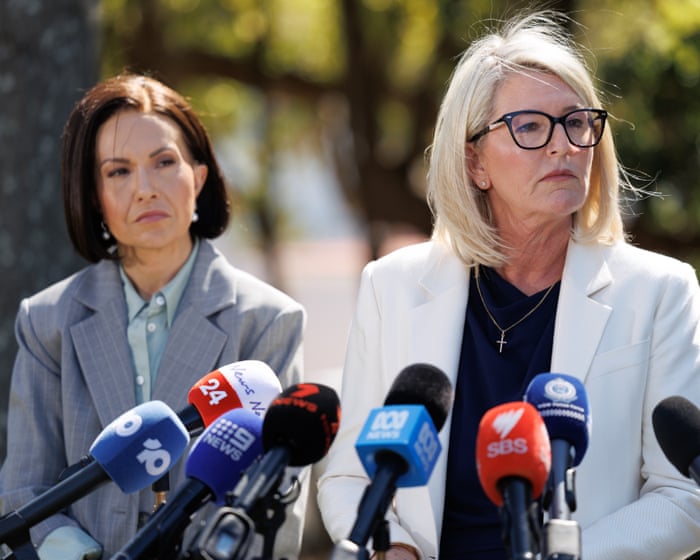
The New South Wales police minister said gang violence is not out of control in the state, even after two people were shot in mistaken-identity attacks. Police are investigating the shootings and focusing on stopping organised crime gangs that recruit young people for illegal acts.
Key Facts
Two people were shot dead in Sydney in cases believed to be mistaken identity.
Police minister Yasmin Catley said the police have enough resources to fight organised crime gangs.
At least six mistaken-identity shootings related to gangs have happened in Sydney since last year.
Police commissioner Mal Lanyon said many crimes are planned from overseas but involve local people.
Young people with little experience are being recruited to carry out crimes for little money.
Police use technology and encrypted communications to find and stop these criminals.
In the past year, 800 people have been arrested by a taskforce focused on gang violence.
The government is looking at ways to prevent young people from joining organised crime groups.
Read the Original
Want the full story? Tap a source to open the original
article.
A group of major U.S. medical organizations released updated vaccine advice for flu, COVID-19, and RSV to help the public protect themselves. This new guidance comes after changes in federal vaccine policies created confusion and slowed official recommendations.
Key Facts
The coalition includes the American Medical Association and the American Academy of Pediatrics.
They released vaccination guidance for influenza, COVID-19, and respiratory syncytial virus (RSV).
Their advice varies by age and factors like pregnancy.
They recommend annual flu shots for everyone over six months old.
Updated COVID vaccines are advised for healthy adults, young children, and pregnant women.
RSV vaccines are recommended for older adults, pregnant women, and babies under eight months.
The federal government, led by President Donald Trump, reduced some longstanding vaccine recommendations starting last year.
A federal judge blocked many federal vaccine policy changes due to lack of scientific support.
Read the Original
Want the full story? Tap a source to open the original
article.
Hundreds of thousands of children in 23 states and Washington D.C. are waiting for government-funded childcare help because there is not enough money to support all eligible families. The shortage of childcare assistance began after pandemic aid money ended in 2024, leaving many low-income parents struggling to pay for childcare while trying to work or study.
Key Facts
Childcare assistance is meant to help low-income, homeless, or foster parents afford childcare.
In spring 2026, many states had long waitlists for childcare assistance or turned away applicants.
The number of states with waitlists grew from 8 in 2023 to 23 in 2026.
The shortfall started after $28 billion in pandemic aid expired in fall 2024.
Congress, controlled by Republicans, chose not to continue the extra funding.
Rising costs for food and gas have increased families’ need for childcare help.
Parents on waitlists make difficult financial choices like skipping bills or groceries.
Some parents bring children to work or school because they cannot find childcare.
Read the Original
Want the full story? Tap a source to open the original
article.
The jury in the trial of Lindsay Clancy, a Massachusetts mother accused of killing her three children, has not reached a decision after five days of discussion. The judge has asked the jury to keep trying to agree on whether Clancy is criminally responsible or not, but there is a risk the trial could end without a verdict, called a mistrial.
Key Facts
Lindsay Clancy is accused of killing her three young children in 2023.
Clancy admits to strangling her children but says postpartum psychosis affected her actions.
Prosecutors argue she knew what she was doing.
The jury has twice said they cannot agree on her criminal responsibility.
The judge urged jurors to consider opposing views but not abandon their honest beliefs.
If the jury cannot decide, the judge may declare a mistrial, and prosecutors could retry her, drop charges, or offer a plea deal.
Experts disagreed on her mental state at the time of the killings.
The trial has drawn a lot of public and media attention in Massachusetts.
Read the Original
Want the full story? Tap a source to open the original
article.
Democrats are trying to win in Republican-leaning House districts during the upcoming midterm elections, hoping to gain seats if a political wave develops. One example is Nebraska’s 1st District, where Democrat Chris Backemeyer is challenging Republican Rep. Mike Flood, who has held the seat since 2022.
Key Facts
Democrats are targeting “reach” districts where Republicans usually win but races might get closer in November.
Midterm elections often cause losses for the party in power, and Democrats hope this year’s conditions will help them gain seats.
Democratic Congressional Campaign Committee chair Rep. Suzan DelBene said they are expanding efforts into traditional Republican areas.
The Nebraska 1st Congressional District has not elected a Democrat since 1964.
Chris Backemeyer, a Democrat and former State Department official, moved back to Nebraska to run for this seat.
Republican Rep. Mike Flood won the seat in 2022 by over 20 points and holds regular town halls with constituents.
Concerns such as the war in Iran and inflation are influencing voter attitudes this election cycle.
National Republican spokesperson criticized Democrats' efforts as unrealistic.
Read the Original
Want the full story? Tap a source to open the original
article.
A federal panel will review President Donald Trump’s proposal to build a permanent fence around Lafayette Park near the White House and an underground security screening center for visitors. The goal is to improve security after past attacks and temporary barriers, but the fence plan may face opposition as it would change the park’s historic appearance.
Key Facts
The National Capital Planning Commission will discuss the plans but is not expected to vote.
The commission has previously approved other Trump projects like the White House ballroom and visitors’ center.
The U.S. Commission of Fine Arts, mostly Trump appointees, already approved the underground visitors’ center.
The fence would fully enclose the 8-acre Lafayette Park and have larger gates at its north and south entrances.
The park last had permanent fencing in the late 1800s.
The administration wants the security facility ready by July 2028 to replace temporary screening tents.
Security concerns increased after multiple assassination attempts on President Trump and a shooting near the White House.
The planning commission has members mostly aligned with the Republican president but some differ.
Read the Original
Want the full story? Tap a source to open the original
article.
President Donald Trump plans to campaign in about 35 key races to help Republicans keep control of Congress in the 2026 midterm elections. Meanwhile, Elon Musk’s super PAC, America PAC, has started spending significant money to support Republican candidates in important House and Senate contests.
Key Facts
President Trump spoke at a White House event and said he will campaign in around 35 races to support Republican candidates.
Trump has already campaigned in states like Texas and South Carolina and plans to visit Alaska to support Senator Dan Sullivan.
Several Senate races are very competitive, including Alaska, Iowa, Maine, Michigan, Ohio, and Texas.
The Cook Political Report lists these six Senate races as Toss Ups, meaning they could go to either party.
Musk’s America PAC has reported spending about $800,000 on independent expenditures to help Republicans in Senate and House races.
America PAC has raised about $50 million this election cycle to support Republican candidates.
Specific races getting PAC support include Texas Senate (Ken Paxton), Alaska Senate, Iowa Senate, and Florida’s House District 25.
Republicans currently hold a narrow majority in both the House (218–212) and the Senate (53–45, excluding independents who caucus with Democrats).
Read the Original
Want the full story? Tap a source to open the original
article.
Elon Musk’s super PAC, America PAC, spent over $800,000 in August to support Republican candidates in key Senate and House races, mainly in Texas and Maine. Musk has authorized his PAC to spend over $100 million ahead of the November midterm elections to back Republicans.
Key Facts
America PAC spent $800,000 in August supporting Republican Senate and House candidates.
Most spending targeted competitive Senate races in Texas, Maine, Ohio, New Hampshire, Iowa, Michigan, and Alaska.
House candidates in Virginia, New York, Pennsylvania, Florida, and Wisconsin also received support.
All disclosed August spending was for printed mail advertisements.
Separate spending on digital ads totaled over $207,000 in several states, including voter reminders.
America PAC has spent over $239 million supporting Republican candidates in 2024 so far.
Elon Musk, CEO of Tesla and SpaceX, is the largest donor in the 2024 election cycle for any party.
Mike Johnson, House Speaker, confirmed meeting Musk during a Texas campaign trip but gave no details about discussions.
Read the Original
Want the full story? Tap a source to open the original
article.
The number of secondary school students in England who are removed from class and placed in “internal exclusion” has nearly tripled over three years, rising from 5% in 2022/23 to 13% in 2025/26. This disciplinary method affects disadvantaged children and those with special educational needs disproportionately and involves keeping students in school but separated from their normal lessons.
Key Facts
Internal exclusion means students stay on school grounds but are separated from their regular classes, unlike suspensions that send students home.
The percentage of secondary students placed in internal exclusion rose from 5% to 13% in three years (2022/23 to 2025/26).
More than 22% of disadvantaged students experienced internal exclusion in 2025/26, up from 8% three years prior.
About 18% of students with special educational needs and disabilities and an education, health and care plan were internally excluded at least once.
Internal exclusions are lower in primary schools, affecting fewer than 1% of students annually.
Data comes from Arbor, a system used by 13,000 schools in England; official government data does not track internal exclusions.
Some experts see internal exclusion as a way to manage behavior and keep students in school, while others raise concerns about its impact on mental health and learning loss.
Formal suspensions and exclusions have decreased, but internal exclusions have increased, highlighting a need for better data and understanding.
Read the Original
Want the full story? Tap a source to open the original
article.