A 15-year-old boy was charged after allegedly attacking a 17-year-old with a knife in Sydney, causing a nearly full amputation of the older boy’s hand. The injured teenager was taken to hospital, and the younger boy was refused bail to appear in children’s court.
Key Facts
The attack happened in a car park on Morehead Road, Sydney, on Wednesday evening.
Police found the 17-year-old with a partially severed right hand.
NSW paramedics treated and took the injured teen to hospital.
Police stopped a car in Redfern early Thursday and arrested the 15-year-old suspect.
Charges include wounding with intent to cause serious injury and breach of bail.
The 15-year-old was refused bail and is scheduled to appear in children’s court.
It is not yet known if the injured boy’s hand was successfully reattached.
Read the Original
Want the full story? Tap a source to open the original
article.
A shooting at an apartment building in downtown Minneapolis left one person dead and six others injured, including two police officers. Authorities are responding to the incident, and officials have urged people to avoid the area while investigations continue.
Key Facts
The shooting happened on Wednesday, September 2, 2026, in downtown Minneapolis.
One person was killed and six others were wounded, including two Minneapolis police officers.
Hennepin County Medical Center received seven patients from the shooting.
Police warned the public to stay away from the area, especially near the Loring Park neighborhood.
Minnesota Governor Tim Walz said state officials are helping local law enforcement.
The FBI is assisting and offering resources for the investigation.
No detailed information about the conditions of the injured was released immediately.
Minnesota House Speaker Lisa Demuth expressed support for victims and law enforcement.
Read the Original
Want the full story? Tap a source to open the original
article.
New York City Public Schools will stop using student-facing generative AI tools for students from pre-K to eighth grade for one year, starting in the 2026-27 school year. This pause allows officials to study how AI affects learning and child development, while some AI pilot programs will continue for high school students.
Key Facts
The moratorium applies to about 600,000 students in NYC public schools from pre-K to eighth grade.
The ban includes AI companion chatbots for all grade levels.
The policy aims to preserve human connection, creativity, and curiosity in learning.
A coalition of educators, parents, and experts will study the AI policy and publish a report after one year.
Five limited AI pilot programs will continue for high school students, using tools for English, math, and other subjects.
Other large school districts have similar restrictions, such as LAUSD banning AI for students under 13.
New York State Governor Kathy Hochul supports the moratorium, emphasizing the importance of traditional learning methods.
The city’s decision comes amid debates on AI’s role in education, privacy concerns, and its effects on critical thinking.
Read the Original
Want the full story? Tap a source to open the original
article.
At least one person was killed and six others were injured in a shooting that happened in downtown Minneapolis on Wednesday. The Hennepin County Medical Center confirmed the number of victims.
Key Facts
The shooting took place in downtown Minneapolis.
One person died in the shooting.
Six people were injured and taken to the hospital.
The incident occurred on Wednesday.
The information was provided by Hennepin County Medical Center.
Local CBS News reporters covered the event.
The investigation details or the suspect's information were not included in the report.
Read the Original
Want the full story? Tap a source to open the original
article.
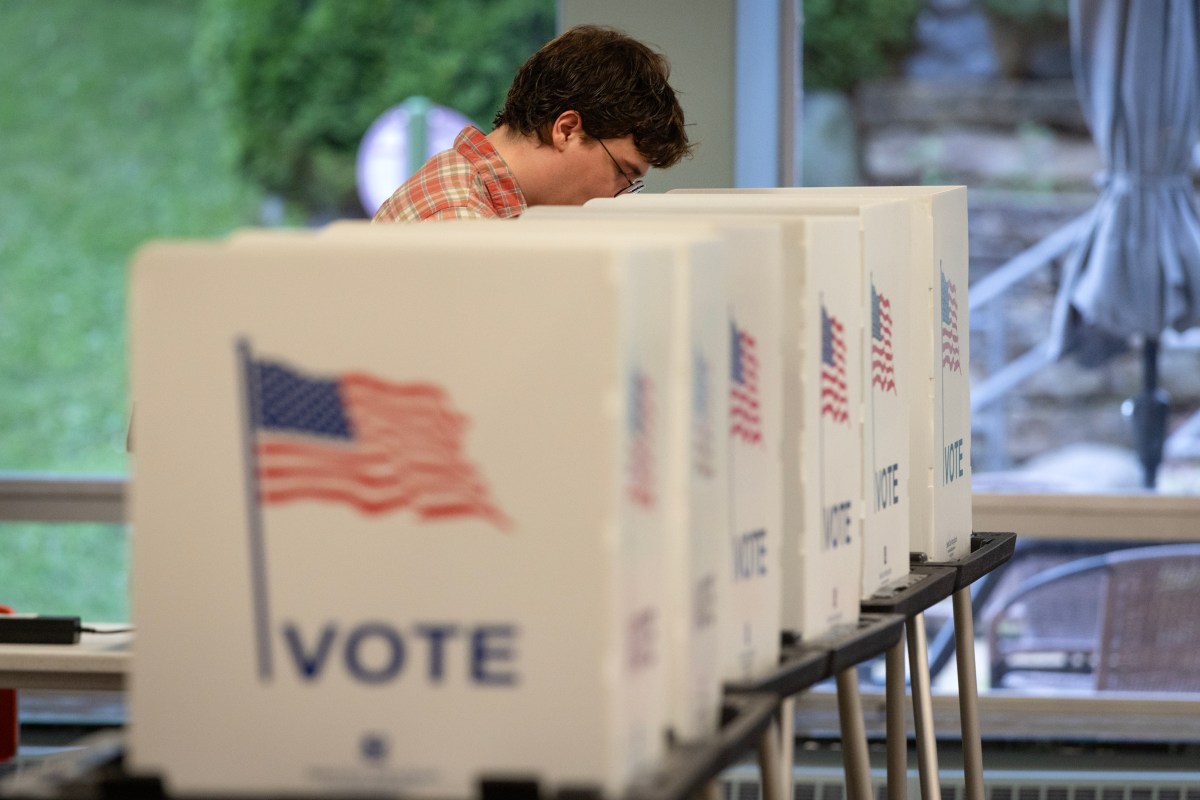
The Department of Homeland Security (DHS) is assigning federal agents to check voter lists for noncitizens who may have voted illegally before the upcoming midterm elections. This effort involves matching voter rolls with federal databases and reviewing personal information, but experts say cases of noncitizen voting are very rare and the project may distract from other important investigations.
Key Facts
DHS plans to compare state voter rolls with federal data to find possible noncitizen voters.
Federal agents will use state election websites to verify personal information of voters.
President Donald Trump and his administration have claimed noncitizen voting is a significant problem.
Research shows that noncitizen voting occurs very rarely and has little effect on election outcomes.
Some experts worry that the voter-check project wastes resources and may intimidate voters.
Tens of millions of voter registrations have been reviewed, and some records were flagged for further checks.
Civil rights groups warn that naturalized citizens might be wrongly flagged due to outdated or incorrect data.
Critics say this approach might harm efforts to address more serious crimes like human trafficking and terrorism.
Read the Original
Want the full story? Tap a source to open the original
article.
Vice President J.D. Vance will hold the first White House press briefing since July. The White House Press Office announced that the briefing will happen Thursday at 1:00 PM.
Key Facts
Vice President J.D. Vance is hosting the press briefing.
It will be the first briefing from the White House in over 40 days.
The briefing is scheduled for Thursday at 1:00 PM.
The White House Press Office shared this information on the social platform X.
Karoline Leavitt, former White House press secretary, recently ended her role.
Read the Original
Want the full story? Tap a source to open the original
article.
The Pentagon will require male service members aged 30 and older to be screened for low testosterone levels during their regular health check-ups. Those diagnosed with low testosterone will receive follow-up care and treatment if needed, while younger men can choose to get tested yearly. Female service members will be asked about hormone symptoms and referred for further evaluation if necessary.
Key Facts
Testosterone screening will be mandatory for active-duty and reserve male service members aged 30 and above.
Men under 30 can opt-in for annual testosterone screenings.
Low testosterone, also called hypogonadism, can affect strength, bone health, fitness, mood, and heart health.
Service members diagnosed with low testosterone may receive treatment, including testosterone replacement therapy, but treatment is voluntary.
Female service members will be asked about hormonal symptoms and may be referred for evaluation if they report issues.
The Defense Department aims to improve service members' health and readiness through these guidelines.
The initiative follows concerns that high stress, injuries, and military demands can lower testosterone levels in service members.
Some researchers link these hormone issues to "Operator Syndrome," a condition affecting soldiers exposed to extreme stress and injuries.
Read the Original
Want the full story? Tap a source to open the original
article.
An expert raised questions about whether U.S. military strikes on boats suspected of drug smuggling are legal. These strikes, carried out during President Donald Trump’s administration, have resulted in a death toll of 227 people.
Key Facts
The U.S. conducted military strikes targeting boats believed to be smuggling drugs.
These operations happened under President Donald Trump’s leadership.
The strikes have caused 227 deaths so far.
An expert from the International Crisis Group is questioning if these strikes followed legal rules.
The discussion took place on the news program "The Daily Report."
The debate focuses on the legal and ethical aspects of using military force against suspected drug traffickers at sea.
Read the Original
Want the full story? Tap a source to open the original
article.
A federal judge in Maryland stopped President Trump’s new executive order that tried to limit birthright citizenship. The judge issued a temporary court order after immigration groups challenged the president’s attempt to restrict who can get citizenship by birth.
Key Facts
A federal judge in Maryland blocked President Trump’s executive order on birthright citizenship.
The order aimed to limit who automatically gets U.S. citizenship by being born in the country.
Judge Deborah Boardman issued a preliminary injunction, which temporarily stops the order.
The case was brought by two immigration advocacy groups opposing the president’s action.
This is not the first time President Trump tried to limit birthright citizenship; a similar attempt was challenged last year.
Birthright citizenship means anyone born in the U.S. is automatically a citizen.
The judge’s decision prevents the new order from taking effect while the case moves forward.
Read the Original
Want the full story? Tap a source to open the original
article.
Police responded to a call from a 93-year-old woman near Seattle who heard strange noises at her home. When officers arrived, they found a bobcat inside the house, not a person.
Key Facts
A 93-year-old woman near Seattle heard noises in her home and called the police.
The police came to check for a possible intruder.
Instead of a person, officers found a bobcat inside the house.
The incident took place near Seattle, Washington.
The woman had reported a prowler, but the animal was the source of the noise.
This story was reported by CBS News.
Read the Original
Want the full story? Tap a source to open the original
article.
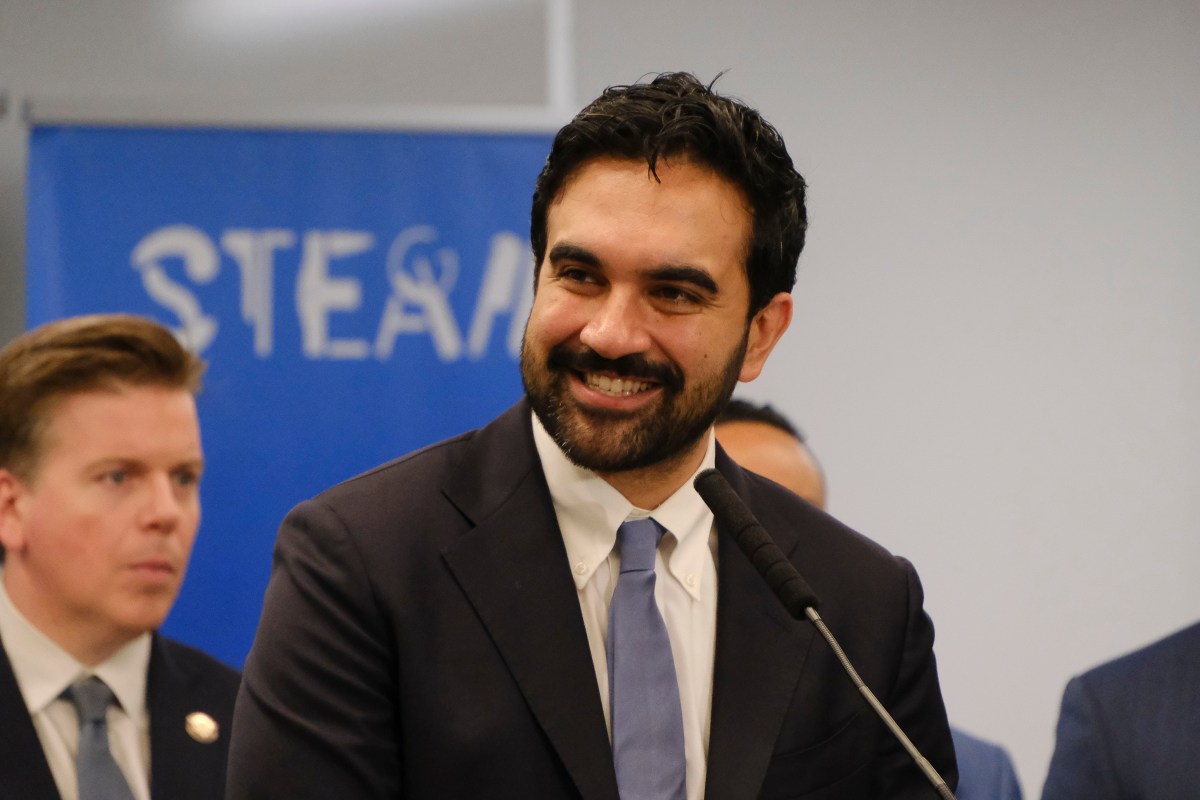
New York City has placed a one-year pause on using artificial intelligence (AI) tools in elementary and middle schools. This means students and teachers in these grades will not use AI technology in classrooms during this time.
Key Facts
New York City’s mayor, Zohran Mamdani, announced the pause.
The moratorium lasts for one year.
It applies specifically to elementary and middle school classrooms.
AI use in schools means tools or software that use computer programs to think and learn.
Danielle Giunta, a top official in NYC public schools, discussed the plan on a news show.
The pause aims to review how AI is used in education before allowing it again.
This decision affects only public schools in New York City.
Read the Original
Want the full story? Tap a source to open the original
article.
A 19-year-old gunman entered an elementary school in Waynesboro, Virginia, on September 2, 2026. He injured one staff member, who was treated and released, before shooting himself in the school library, where he was found dead by police.
Key Facts
The incident happened at Westwood Hills Elementary School, which was in session at the time.
Staff noticed a suspicious person on the school grounds around 9:12 a.m. and alerted police.
Police found the gunman, Anthony Ignatiadis-Isabelle, dead from an apparent self-inflicted gunshot wound in the library.
One staff member was shot but survived with non-life-threatening injuries and was released from medical care.
No students were in the library when the shooting occurred, and all students and staff were safely evacuated after lockdown procedures.
The suspect was not a student of the Waynesboro Public Schools.
Police have not released details about the gunman’s motive or the weapon used.
The shooting is under active investigation by local and federal authorities.
Read the Original
Want the full story? Tap a source to open the original
article.
Office gift collections for events like birthdays and leaving parties are common but can create awkward feelings about how much to give and who should pay. People often decide based on their budget, how well they know the colleague, or if they like the person, leading to different amounts and participation levels.
Key Facts
Office collections happen for events such as birthdays, weddings, or farewells.
Some workers only give if they have worked closely with the person or if they like them.
The average amount given in collections reported was about £11.65.
Junior workers can feel pressured and uncomfortable contributing, especially if on low pay.
Usually, regular staff contribute more often, while some senior people may not give.
One person managing over 200 staff found the cost of giving to many collections overwhelming.
Some prefer buying personal gifts instead of joining group collections.
Organizers face challenges in collecting money without causing tension or embarrassment.
Read the Original
Want the full story? Tap a source to open the original
article.
More than 11,000 people have become sick in the largest Cyclospora outbreak ever seen in the United States. Some experts are asking if President Trump's budget cuts to health agencies like the FDA and CDC made it harder for the country to monitor and respond to food safety problems.
Key Facts
Over 11,000 people got sick from a Cyclospora outbreak in the US.
Cyclospora is a parasite that causes illness when people eat contaminated food.
This outbreak is the largest recorded in US history.
Food safety agencies involved include the FDA (Food and Drug Administration) and CDC (Centers for Disease Control and Prevention).
President Trump made budget cuts to the FDA, CDC, and some state health departments.
These cuts may have reduced the ability to track and manage foodborne illness outbreaks.
The outbreak has led to questions about the strength of America’s food safety system.
Read the Original
Want the full story? Tap a source to open the original
article.
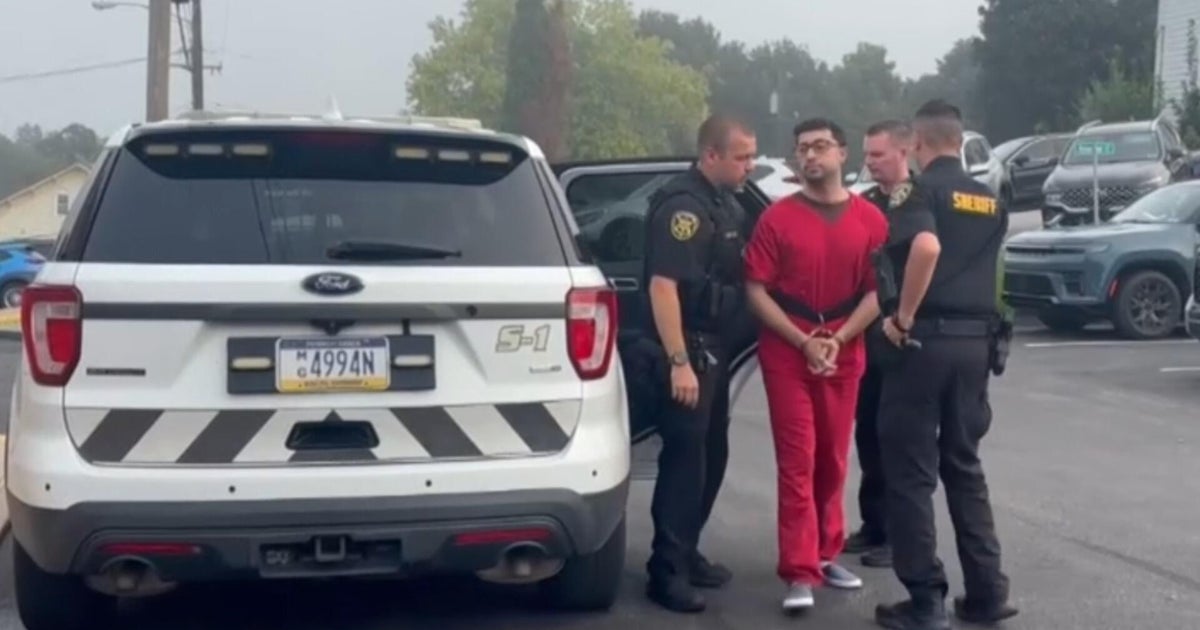
Agostino Abbatiello, 24, who is accused of leading a cocaine trafficking group at Penn State University, appeared in court. The judge set his bail at $250,000.
Key Facts
Agostino Abbatiello is 24 years old.
He is accused of leading a cocaine trafficking operation at Penn State University.
Abbatiello was a member of the Sigma Chi fraternity.
He appeared in court on Wednesday.
The judge granted him bail of $250,000.
The case is taking place in Pennsylvania.
Lana Zak reported from the courthouse.
Read the Original
Want the full story? Tap a source to open the original
article.
The jury in Lindsay Clancy's murder trial has been unable to reach a decision after five days of discussion. The judge has asked the jury to continue trying to agree on whether Clancy is responsible for the deaths of her three children.
Key Facts
Lindsay Clancy is on trial for the murder of her three young children.
After five days, the jury has not reached a verdict.
This is the second time the jury has said they cannot decide.
The judge has ordered a "dynamite charge," which means the jury must keep trying to reach an agreement.
The judge gave this instruction to encourage the jurors to reconsider and discuss the case more.
Read the Original
Want the full story? Tap a source to open the original
article.
Witnesses have testified about the beginning of an alleged cocaine trafficking ring at Penn State University. One of the accused fraternity members, Agostino Abbatiello, was recently released on bail.
Key Facts
Agostino Abbatiello is a member of a Penn State fraternity.
He is accused of leading a large cocaine trafficking operation.
Witnesses have given testimony about how the drug ring started.
Abbatiello has been released on bail while the case continues.
The investigation involves Penn State University and the fraternity system.
Read the Original
Want the full story? Tap a source to open the original
article.
The USS Abraham Lincoln aircraft carrier docked in Thailand on September 2, 2026, after spending a record 286 days at sea during a deployment to the Middle East. Family members expressed concern about the ship's long mission, while U.S. officials and President Donald Trump defended the deployment as necessary.
Key Facts
The USS Abraham Lincoln docked in Laem Chabang, Thailand, after 286 days at sea, the longest deployment for the ship.
This visit is the ship’s first full port stop since November 2025, when its deployment to the Middle East began.
The ship will stay docked for several days before returning to its home base in San Diego.
Defense Secretary Pete Hegseth said the ship faced repeated missile and drone attacks during the deployment.
Some Democrats raised worries about food shortages, plumbing problems, and mental health issues among the crew.
President Trump said the deployment "was not nearly long enough."
Family members of sailors voiced mixed feelings, some concerned about the conditions and morale on board.
The sailors will have free time in Pattaya, a beach city near the port known for its nightlife.
Read the Original
Want the full story? Tap a source to open the original
article.
Gen Z workers pay Social Security taxes to help support current retirees, but the program’s retirement fund is projected to run out in 2032. After that, Social Security will still collect taxes but may only pay about 83% of promised benefits unless Congress makes changes.
Key Facts
Social Security’s retirement trust fund is expected to run out of reserves by 2032.
Gen Z pays Social Security taxes on their earnings now, contributing about 6.2% from employees and another 6.2% from employers.
Social Security is a pay-as-you-go system, where current workers’ taxes pay today’s retirees.
After 2032, Social Security will still receive tax income but might not cover full scheduled benefits without reforms.
Experts say Gen Z will likely get some retirement benefits but the amount and timing may change.
Changes could include smaller payments, later retirement age, or higher taxes to keep benefits.
Congress has the power to adjust rules to protect or modify benefits before funds are depleted.
The program has been a popular government program for nearly a century and is unlikely to disappear entirely.
Read the Original
Want the full story? Tap a source to open the original
article.