Several people were injured in a shooting near the Minneapolis Convention Center, including two police officers. Police are on the scene and have asked the public to stay away from the area.
Key Facts
The shooting happened near 15 East Grant Street in Minneapolis.
Multiple people were hurt, among them two police officers.
Many police squads and ambulances responded to the scene.
The incident took place late Wednesday afternoon.
Police are asking people to avoid the area around the shooting.
The situation is still developing, with more updates expected.
Read the Original
Want the full story? Tap a source to open the original
article.
A shooting happened in downtown Minneapolis involving the police, with several people hurt, including two officers. Police and emergency teams are working at the scene, and officials have asked people to stay away from the area while the investigation continues.
Key Facts
The shooting took place near 15 E. Grant Street in downtown Minneapolis.
Multiple people were injured, including two police officers.
Police were responding to an incident when the shooting occurred.
The scene is still active with investigators and emergency responders working.
Authorities have not yet shared details about the number of victims or their conditions.
Officials have not explained what caused the shooting so far.
Governor Tim Walz stated that state officials are helping local law enforcement.
The public is asked to avoid the area as more information is being gathered.
Read the Original
Want the full story? Tap a source to open the original
article.
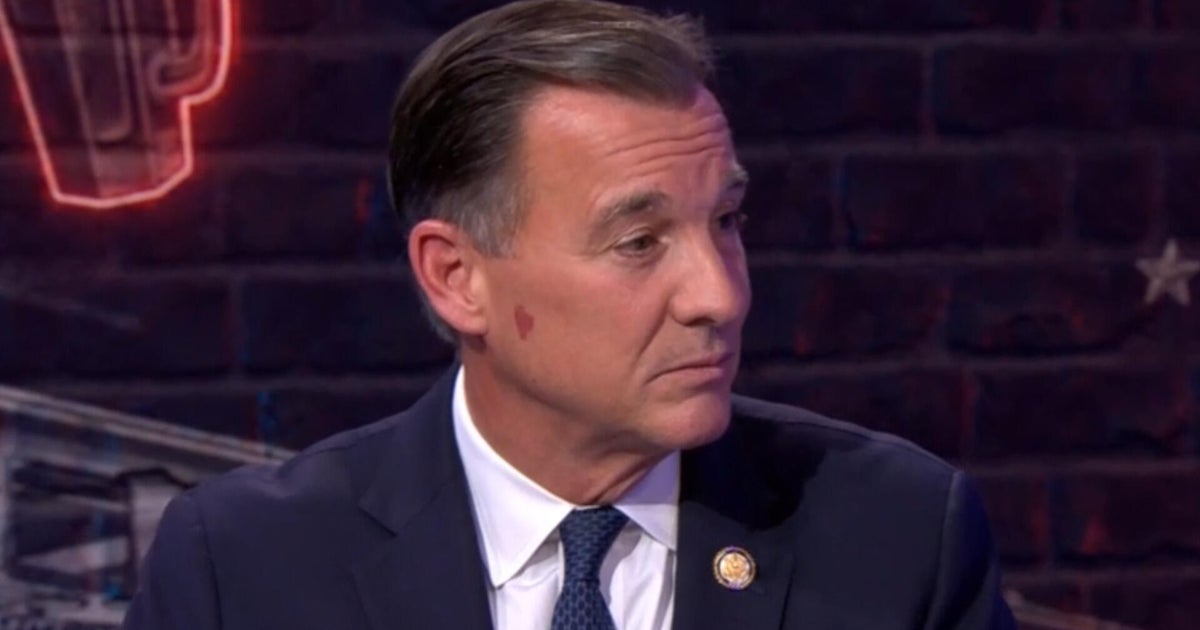
Democratic Representative Tom Suozzi of New York is asking members of the Democratic Party to reject the Democratic Socialists of America (DSA). He shared his views during an interview and in a written article.
Key Facts
Tom Suozzi is a Democratic Congress member from New York.
Suozzi wants the Democratic Party to reject the DSA.
The DSA is a political group aligned with democratic socialism.
Suozzi spoke about this topic on the CBS News program "The Takeout."
He also wrote about it in The Free Press, a publication owned by Paramount.
The discussion reflects ongoing debates within the Democratic Party between progressives and moderates.
Read the Original
Want the full story? Tap a source to open the original
article.
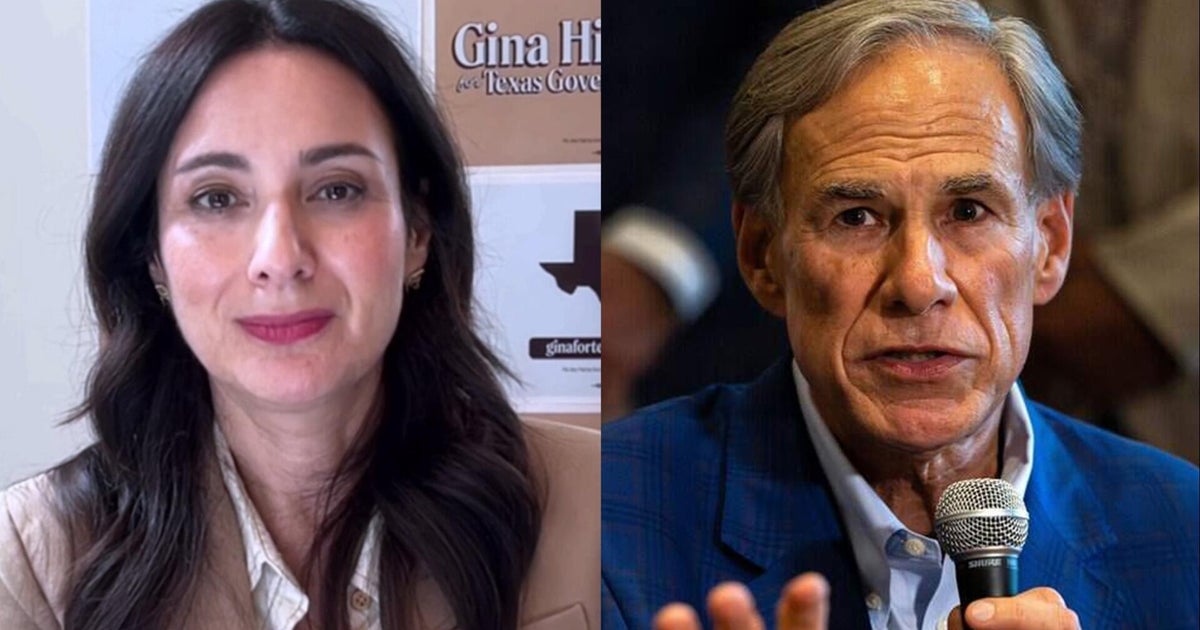
Governor Greg Abbott of Texas has paused approvals for new data centers in the state. His Democratic opponent, Gina Hinojosa, says she doubts Abbott will keep this pause and believes it is meant to help his chances of reelection.
Key Facts
Texas Governor Greg Abbott recently stopped approving new data centers.
Data centers are places that store and process large amounts of computer data.
Gina Hinojosa is Abbott’s Democratic opponent in the Texas governor’s race.
Hinojosa expressed skepticism about Abbott’s pause on data centers lasting.
She said the pause might be a political move to improve Abbott’s chances in the upcoming election.
The issue of data centers has become part of the political discussion in Texas.
The debate about data centers is also happening in other parts of the United States.
Read the Original
Want the full story? Tap a source to open the original
article.
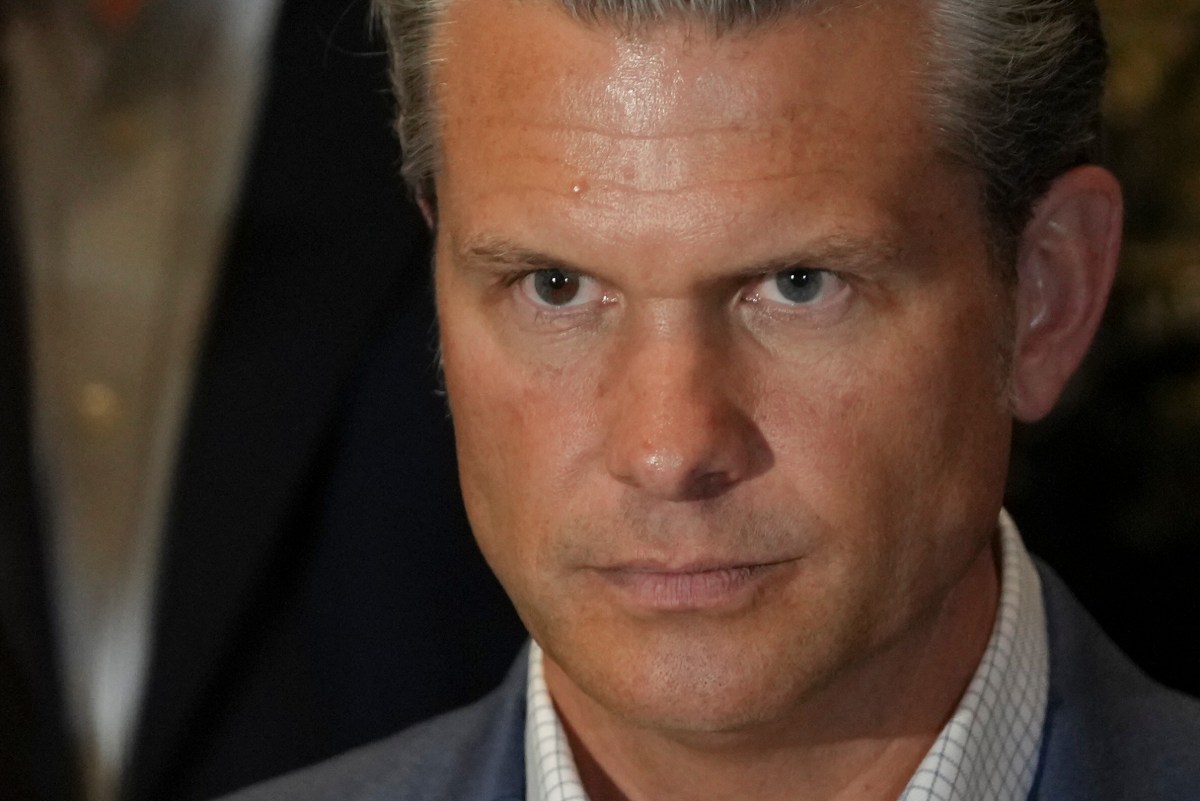
Defense Secretary Pete Hegseth is facing calls from Republican Senator Thom Tillis and other lawmakers to be replaced by President Donald Trump amid criticism of his leadership. Several top Pentagon officials have recently left, and House Democrats have introduced a formal impeachment resolution against Hegseth for alleged misconduct.
Key Facts
Senator Thom Tillis urged President Trump to find a new Pentagon leader to improve military leadership.
Army Secretary Dan Driscoll recently resigned, increasing concerns about Pentagon stability.
Critics say Hegseth mismanages the military and focuses too much on culture issues rather than defense.
Republican and Democratic lawmakers both express frustration over frequent senior military departures.
House Democrats filed H.Res. 1177, an impeachment resolution against Hegseth, with six allegations including abuse of power.
The impeachment resolution remains in the House Judiciary Committee and has not advanced.
Republican Representative Mike Rogers and Senator Mike Rounds have publicly called for more stable military leadership.
The Pentagon declined to comment on the situation when contacted by the news outlet.
Read the Original
Want the full story? Tap a source to open the original
article.
Rep. Ralph Norman from South Carolina announced he will support Sen. Darline Graham’s Senate campaign after she won the Republican primary. Earlier, Norman had questioned why President Trump chose to back Graham in their primary race.
Key Facts
Rep. Ralph Norman is a Republican congressman from South Carolina.
Sen. Darline Graham is a Republican senator from South Carolina running for re-election.
Norman initially questioned President Trump’s endorsement of Graham during their primary runoff.
Graham won the Republican nomination for the Senate seat.
Norman congratulated Graham on her primary victory.
Norman said he will support Graham as the Republican nominee in the general election.
This shows cooperation within the South Carolina Republican Party after the primary contest.
President Trump’s endorsements play a significant role in Republican primary races.
Read the Original
Want the full story? Tap a source to open the original
article.
Survivors of Jeffrey Epstein's abuse have asked billionaire Leon Black to appear before a House oversight committee and share all relevant documents. Black has been accused of delaying the investigation and has not yet confirmed if he will comply with the subpoena.
Key Facts
More than a dozen survivors of Epstein’s abuse want Leon Black to testify before the House oversight committee.
Survivors want Black to provide all nondisclosure agreements (NDAs) related to Epstein.
Black paid Epstein millions for tax and estate-planning services.
House committee Chairman James Comer has threatened to hold Black in contempt if he does not cooperate.
Black previously denied knowing about Epstein’s criminal activities until 2019 but admitted awareness of Epstein’s 2008 guilty plea for charges involving a minor.
A House representative, Thomas Massie, spoke about Epstein’s associates and asked the Department of Justice to investigate them.
The Epstein Files Transparency Act, signed by President Trump nearly a year ago, has not resulted in the release of millions of Epstein-related files.
Read the Original
Want the full story? Tap a source to open the original
article.
After an investigation by Mirror Indy, Marion County public defenders and prosecutors began a program to keep people arrested at Indianapolis hospitals out of jail. The program helps people with mental health or substance abuse problems avoid jail by offering treatment and housing support, with charges dropped if they complete the program.
Key Facts
Most arrests at Indianapolis hospitals involve people with mental health or substance abuse issues.
Hospital police are arresting people for low-level crimes like disorderly conduct and trespassing.
The Quality of Life diversion program started in 2021 helps such arrested individuals avoid jail by completing treatment programs or securing housing.
Public defenders now use this program to refer hospital arrests away from jail.
The program’s eligibility depends on a person’s criminal history, situation, and needs.
Hospital police departments in four major Indianapolis hospital systems operate with little public oversight.
The Marion County Sheriff supports using treatment-focused programs instead of jail for people with mental illnesses.
Some hospital leaders say police presence is necessary to protect staff due to workplace violence, while also supporting diversion programs for those arrested.
Read the Original
Want the full story? Tap a source to open the original
article.
A former San Diego sheriff’s deputy, Ricky Fischer, who was convicted of sexually assaulting women, was hired as a chaplain by a Christian group that supports police officers. After public outcry, the group ended its relationship with Fischer and apologized for their decision.
Key Facts
Ricky Fischer was a deputy convicted of several sexual assaults, including stalking, groping, and forcing a woman to perform oral sex.
Over 20 women accused Fischer of abuse, and victims received about $10 million in a civil settlement paid by San Diego taxpayers.
The Christian Law Enforcement Fellowship (CLEF) hired Fischer as a chaplain to counsel police officers.
After the story became public, CLEF apologized and cut ties with Fischer.
State Senator Catherine Blakespear strongly criticized CLEF’s decision and pushed for Fischer’s removal.
Sheriff Kelly Martinez also opposed the decision and helped persuade CLEF to end its relationship with Fischer.
CLEF’s president said they were trying to help Fischer but did not consider the harm caused to victims and the community.
The incident raised concerns about judgment in hiring someone with Fischer’s history for a role helping law enforcement.
Read the Original
Want the full story? Tap a source to open the original
article.
New York City will ban the use of generative AI tools for students in grades K-8 for one year as part of a review of its use in schools. High school students will receive AI literacy classes, and some will be allowed supervised use of AI, while chatbots will be banned for all grades.
Key Facts
The ban applies to all generative AI software used by students through eighth grade.
The policy will last for one school year to assess AI's impact on learning.
High schools will offer AI literacy classes twice a year for all students.
Some high school students can try certain AI tools with teacher supervision.
Chatbots will be prohibited in all grades across the school system.
Screen time is recommended to be limited to 30 minutes daily for grades 3-5 and 45 minutes for grades 6-8.
Teachers may use AI for planning lessons and administrative work.
The city will review all educational technology and remove tools not essential for learning.
Read the Original
Want the full story? Tap a source to open the original
article.
The White House explained that President Trump’s decision to pause higher tariffs on imported ground beef was meant to help with a short-term shortage in the beef market. This followed reports that a Brazilian billionaire influenced the decision.
Key Facts
President Trump temporarily stopped higher tariffs on ground beef imports.
The pause aimed to solve a short-term beef supply problem in the U.S.
A report said a Brazilian billionaire helped influence this decision.
The White House said the decision was planned carefully over a long period.
The action is meant to balance the beef market and supply needs.
The White House responded publicly to questions about outside influence.
Read the Original
Want the full story? Tap a source to open the original
article.
Senate Majority Leader John Thune, a Republican from South Dakota, said he is concerned that his party might lose control of the Senate in the upcoming elections. He pointed to rising prices and President Donald Trump’s lower approval ratings as challenges for Republicans this fall.
Key Facts
John Thune is the Senate Majority Leader and a Republican from South Dakota.
He expressed worry about Republicans losing the Senate majority in the next election.
Thune described himself as “a realist” about the political situation.
He mentioned high prices as a problem voters are facing.
Thune noted that President Donald Trump’s approval rating has dropped.
These issues are making it harder for Republicans to keep their Senate seats.
The interview was with KELOLAND News, a South Dakota news outlet.
Read the Original
Want the full story? Tap a source to open the original
article.
Senator Thom Tillis has asked President Donald Trump to fire Secretary of Defence Pete Hegseth. Tillis says Hegseth's leadership is causing problems in the military during the ongoing war with Iran.
Key Facts
Senator Thom Tillis called for President Trump to remove Defence Secretary Pete Hegseth.
Tillis criticized Hegseth's management of the military, saying it creates a leadership gap.
Former Army Secretary Dan Driscoll resigned recently due to disagreements with Hegseth.
Hegseth has focused on removing "wokeness" from the military, including actions against transgender service members and blocking promotions.
Tillis said Hegseth pays too much attention to culture wars and not enough to modernizing the military.
The US is six months into a war with Iran, facing challenges such as low weapon supplies and regional conflict spread.
Public approval of President Trump's handling of the war is low, with over two-thirds of Americans disapproving.
Tillis voted to confirm Hegseth as Defence Secretary but has since become a critic of his leadership.
Read the Original
Want the full story? Tap a source to open the original
article.
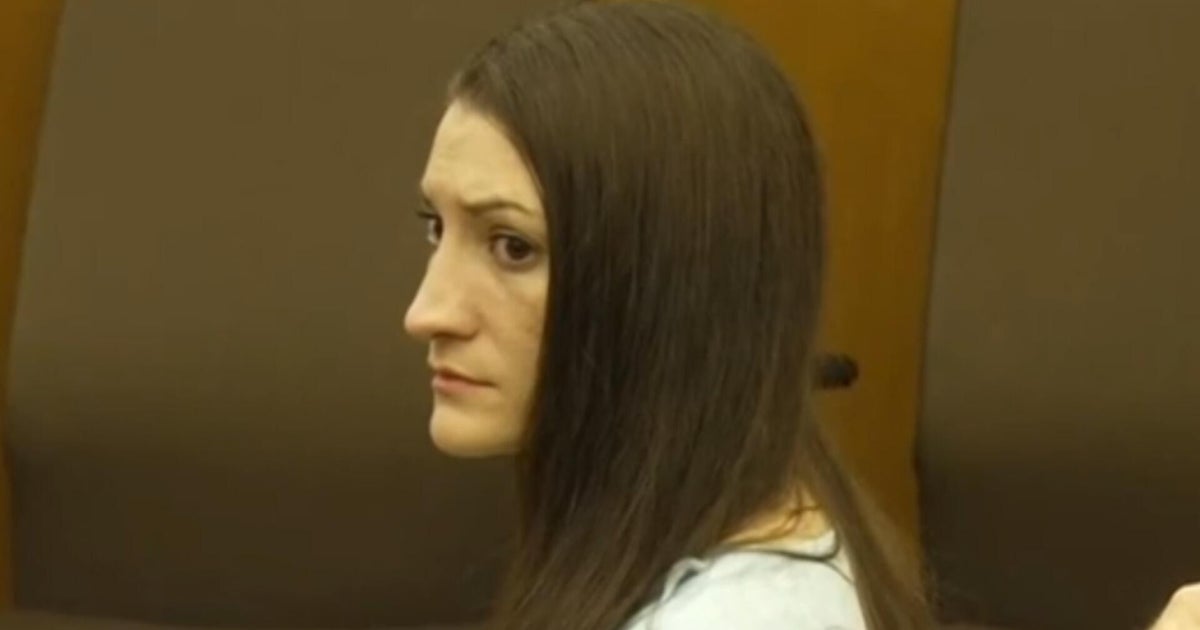
The jury in the Lindsay Clancy murder trial has been unable to reach a unanimous decision for two days in a row. The judge gave the jury special instructions called a "dynamite instruction" to encourage them to discuss their opinions and try to come to an agreement.
Key Facts
The Lindsay Clancy jury has been deadlocked, meaning they cannot agree on a verdict.
This has happened for two days in a row.
The judge gave a "dynamite instruction" to the jury, which asks jurors to carefully reconsider their views and talk with others to try to reach a decision.
The trial is focused on a murder case involving Lindsay Clancy.
CBS News reporters Shanelle Kaul and Caroline Polisi provided updates on the situation.
Read the Original
Want the full story? Tap a source to open the original
article.
President Donald Trump said he thinks the plea deal made in Tiger Woods’s DUI case is fair. The Florida court reduced Woods’s charges so he would not have to go to jail.
Key Facts
Tiger Woods was involved in a DUI (driving under the influence) case in March.
The court in Florida offered a plea deal to Woods.
The deal lowered the charges against him.
As part of the deal, Woods will avoid jail time.
President Trump commented on the case while in the Oval Office.
Trump described the plea deal as “very fair.”
Read the Original
Want the full story? Tap a source to open the original
article.
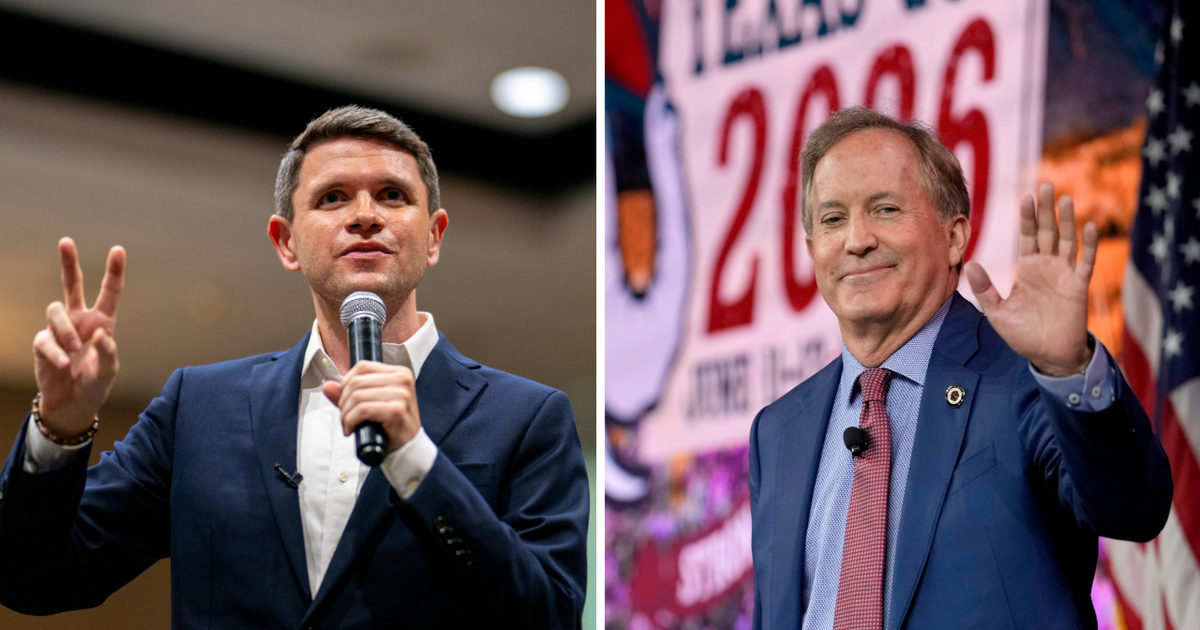
The campaign of James Talarico, a Democrat running for U.S. Senate in Texas, filed a complaint with the Federal Election Commission (FEC) against Republican candidate Ken Paxton. The complaint alleges that Paxton’s campaign treasurer controls a Virginia nonprofit that gave over $1 million to a super PAC supporting Paxton, potentially breaking federal campaign finance rules by hiding donors. The FEC is unlikely to act on the complaint before Election Day due to commission vacancies.
Key Facts
Preserve Texas, Inc. is a Virginia nonprofit that gave over $1 million to a super PAC supporting Ken Paxton.
Preserve Texas is not registered as a political committee and has not disclosed its donors to the FEC.
John Plishka, Paxton’s campaign treasurer, incorporated Preserve Texas, raising concerns about coordination.
The Talarico campaign claims this setup breaks federal rules that limit campaign funding and require transparency.
Senate campaign contributions are limited to $3,500 per individual per election, and donors over $200 must be disclosed.
Nonprofits like Preserve Texas do not face the same contribution limits or disclosure rules.
The FEC currently lacks enough commissioners to open an investigation before the election.
Paxton-aligned super PAC Lone Star Liberty started a $15 million ad campaign in Texas ahead of the election.
Read the Original
Want the full story? Tap a source to open the original
article.
A 20-year-old Haitian man named Pierre Damas Bel died by apparent suicide in Ohio after losing his Temporary Protected Status (TPS), which allowed him to stay in the U.S. legally. Community leaders are discussing the impact of losing TPS on immigrants.
Key Facts
Pierre Damas Bel was a 20-year-old Haitian immigrant living in Ohio.
He died by apparent suicide following the loss of his TPS.
TPS is a program that protects immigrants from deportation during unsafe conditions in their home countries.
Losing TPS means immigrants may have to leave the U.S. or face legal challenges.
Dr. Carl Ruby, a community pastor, spoke to CBS News about the situation.
The case highlights struggles faced by immigrants after changes to immigration status.
The news was reported by CBS News.
Read the Original
Want the full story? Tap a source to open the original
article.
A Republican plan to change the Constitution to limit the Supreme Court to nine justices did not pass in the House of Representatives. The proposal needed a two-thirds majority but was voted down mostly by Democrats.
Key Facts
Republicans proposed a constitutional amendment to keep the Supreme Court at nine justices.
The amendment needed a two-thirds majority in the House to pass.
The final vote was 212 in favor and 206 against.
The vote followed party lines, with Democrats opposing the amendment.
Democrats have historically not supported efforts to fix the number of Supreme Court justices.
The Supreme Court currently has nine justices, but the number can be changed by law or amendment.
Read the Original
Want the full story? Tap a source to open the original
article.
The jury in Lindsay Clancy's trial announced they cannot reach a unanimous decision, which means the case might result in a hung jury. This situation suggests the trial may not end with a clear verdict.
Key Facts
Lindsay Clancy is currently on trial.
The jury reported they are deadlocked, meaning they cannot agree on the verdict.
A deadlocked jury can lead to a hung jury, where no decision is made.
The possibility of a hung jury can prolong the trial process.
Clancy's lawyer has expressed that she cannot handle another trial.
Read the Original
Want the full story? Tap a source to open the original
article.
The House of Representatives passed a short-term funding plan to keep the US government open until early December. This plan blocks a new rule that would let political leaders control and cancel scientific research grants, a move supported by many scientists and lawmakers.
Key Facts
The House passed a stopgap funding bill to keep the government running through early December.
President Trump is expected to sign the measure to avoid a government shutdown.
The bill is based on an earlier Senate bill, passed due to lack of full support within the House Republican members.
The Senate version includes a rule blocking the Office of Management and Budget (OMB) from controlling or cancelling science grants for now.
Two senators, Patty Murray (D-Wash.) and Susan Collins (R-Maine), helped add this protective provision.
The measure passed the Senate 90-6 and the House 370-48, showing strong approval.
The protection is temporary, lasting until the funding expires on December 11.
This suggests lawmakers do not want political control over which scientific projects get federal money.
Read the Original
Want the full story? Tap a source to open the original
article.