Senator Thom Tillis has asked President Donald Trump to fire Secretary of Defence Pete Hegseth. Tillis says Hegseth's leadership is causing problems in the military during the ongoing war with Iran.
Key Facts
Senator Thom Tillis called for President Trump to remove Defence Secretary Pete Hegseth.
Tillis criticized Hegseth's management of the military, saying it creates a leadership gap.
Former Army Secretary Dan Driscoll resigned recently due to disagreements with Hegseth.
Hegseth has focused on removing "wokeness" from the military, including actions against transgender service members and blocking promotions.
Tillis said Hegseth pays too much attention to culture wars and not enough to modernizing the military.
The US is six months into a war with Iran, facing challenges such as low weapon supplies and regional conflict spread.
Public approval of President Trump's handling of the war is low, with over two-thirds of Americans disapproving.
Tillis voted to confirm Hegseth as Defence Secretary but has since become a critic of his leadership.
Read the Original
Want the full story? Tap a source to open the original
article.
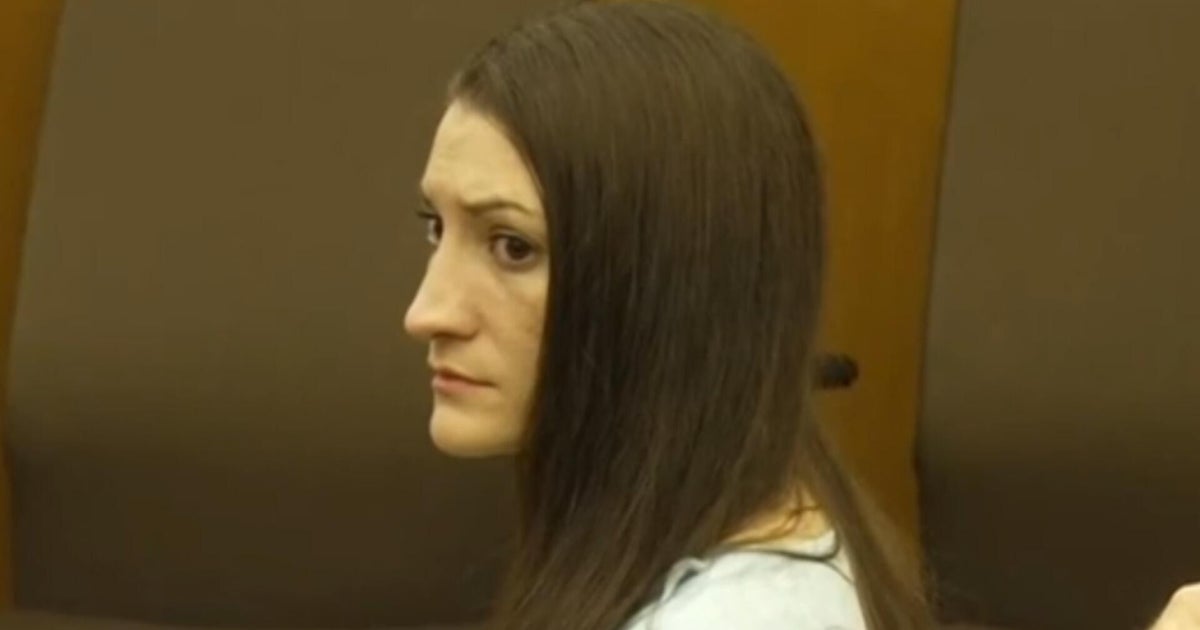
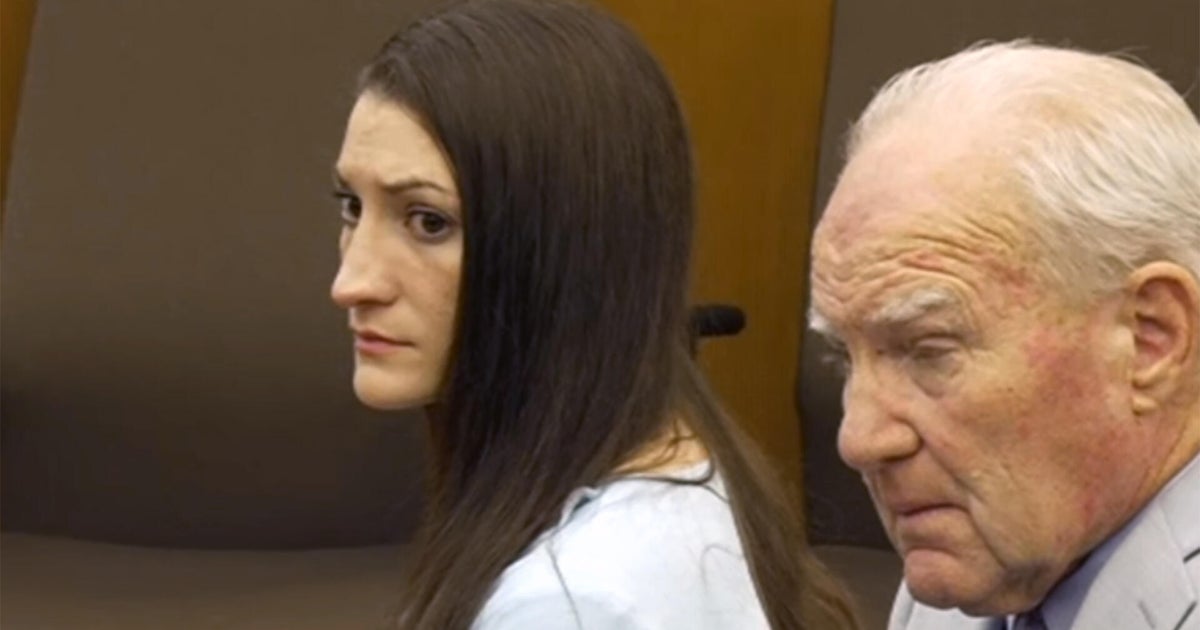
The jury in the Lindsay Clancy murder trial has been unable to reach a unanimous decision for two days in a row. The judge gave the jury special instructions called a "dynamite instruction" to encourage them to discuss their opinions and try to come to an agreement.
Key Facts
The Lindsay Clancy jury has been deadlocked, meaning they cannot agree on a verdict.
This has happened for two days in a row.
The judge gave a "dynamite instruction" to the jury, which asks jurors to carefully reconsider their views and talk with others to try to reach a decision.
The trial is focused on a murder case involving Lindsay Clancy.
CBS News reporters Shanelle Kaul and Caroline Polisi provided updates on the situation.
Read the Original
Want the full story? Tap a source to open the original
article.
President Donald Trump said he thinks the plea deal made in Tiger Woods’s DUI case is fair. The Florida court reduced Woods’s charges so he would not have to go to jail.
Key Facts
Tiger Woods was involved in a DUI (driving under the influence) case in March.
The court in Florida offered a plea deal to Woods.
The deal lowered the charges against him.
As part of the deal, Woods will avoid jail time.
President Trump commented on the case while in the Oval Office.
Trump described the plea deal as “very fair.”
Read the Original
Want the full story? Tap a source to open the original
article.
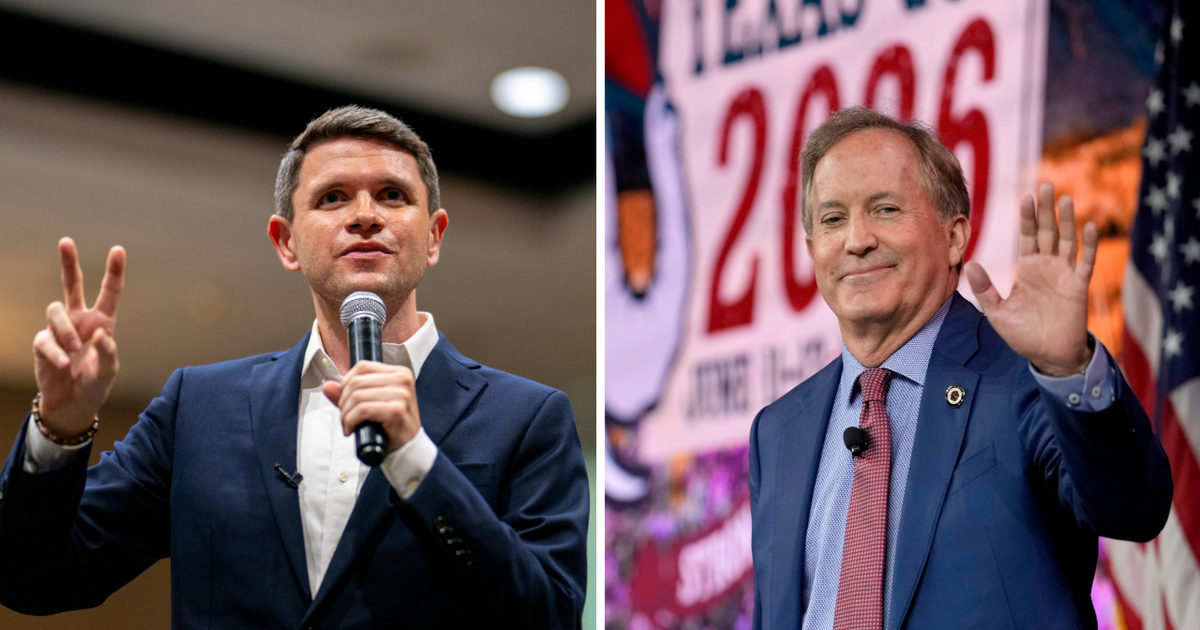
The campaign of James Talarico, a Democrat running for U.S. Senate in Texas, filed a complaint with the Federal Election Commission (FEC) against Republican candidate Ken Paxton. The complaint alleges that Paxton’s campaign treasurer controls a Virginia nonprofit that gave over $1 million to a super PAC supporting Paxton, potentially breaking federal campaign finance rules by hiding donors. The FEC is unlikely to act on the complaint before Election Day due to commission vacancies.
Key Facts
Preserve Texas, Inc. is a Virginia nonprofit that gave over $1 million to a super PAC supporting Ken Paxton.
Preserve Texas is not registered as a political committee and has not disclosed its donors to the FEC.
John Plishka, Paxton’s campaign treasurer, incorporated Preserve Texas, raising concerns about coordination.
The Talarico campaign claims this setup breaks federal rules that limit campaign funding and require transparency.
Senate campaign contributions are limited to $3,500 per individual per election, and donors over $200 must be disclosed.
Nonprofits like Preserve Texas do not face the same contribution limits or disclosure rules.
The FEC currently lacks enough commissioners to open an investigation before the election.
Paxton-aligned super PAC Lone Star Liberty started a $15 million ad campaign in Texas ahead of the election.
Read the Original
Want the full story? Tap a source to open the original
article.
A 20-year-old Haitian man named Pierre Damas Bel died by apparent suicide in Ohio after losing his Temporary Protected Status (TPS), which allowed him to stay in the U.S. legally. Community leaders are discussing the impact of losing TPS on immigrants.
Key Facts
Pierre Damas Bel was a 20-year-old Haitian immigrant living in Ohio.
He died by apparent suicide following the loss of his TPS.
TPS is a program that protects immigrants from deportation during unsafe conditions in their home countries.
Losing TPS means immigrants may have to leave the U.S. or face legal challenges.
Dr. Carl Ruby, a community pastor, spoke to CBS News about the situation.
The case highlights struggles faced by immigrants after changes to immigration status.
The news was reported by CBS News.
Read the Original
Want the full story? Tap a source to open the original
article.
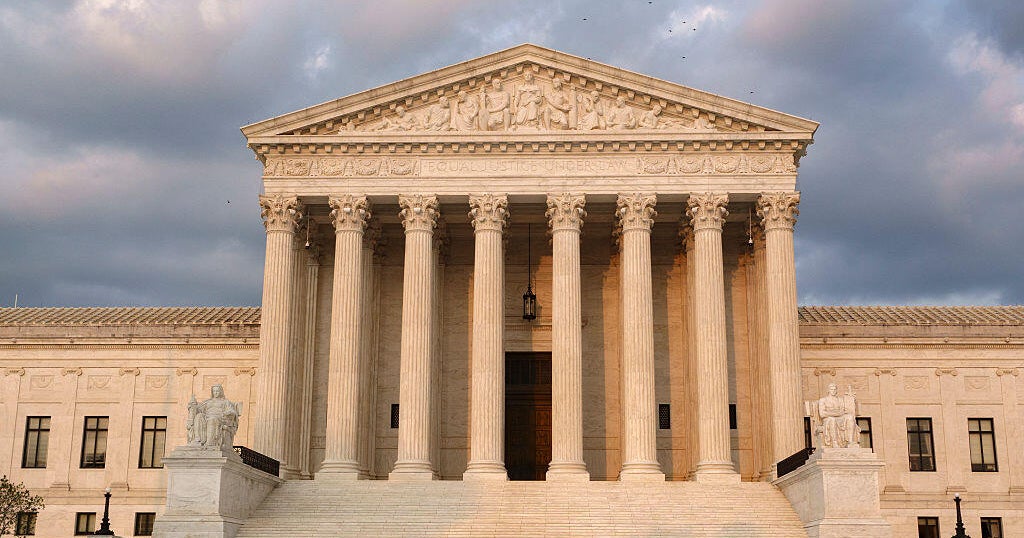
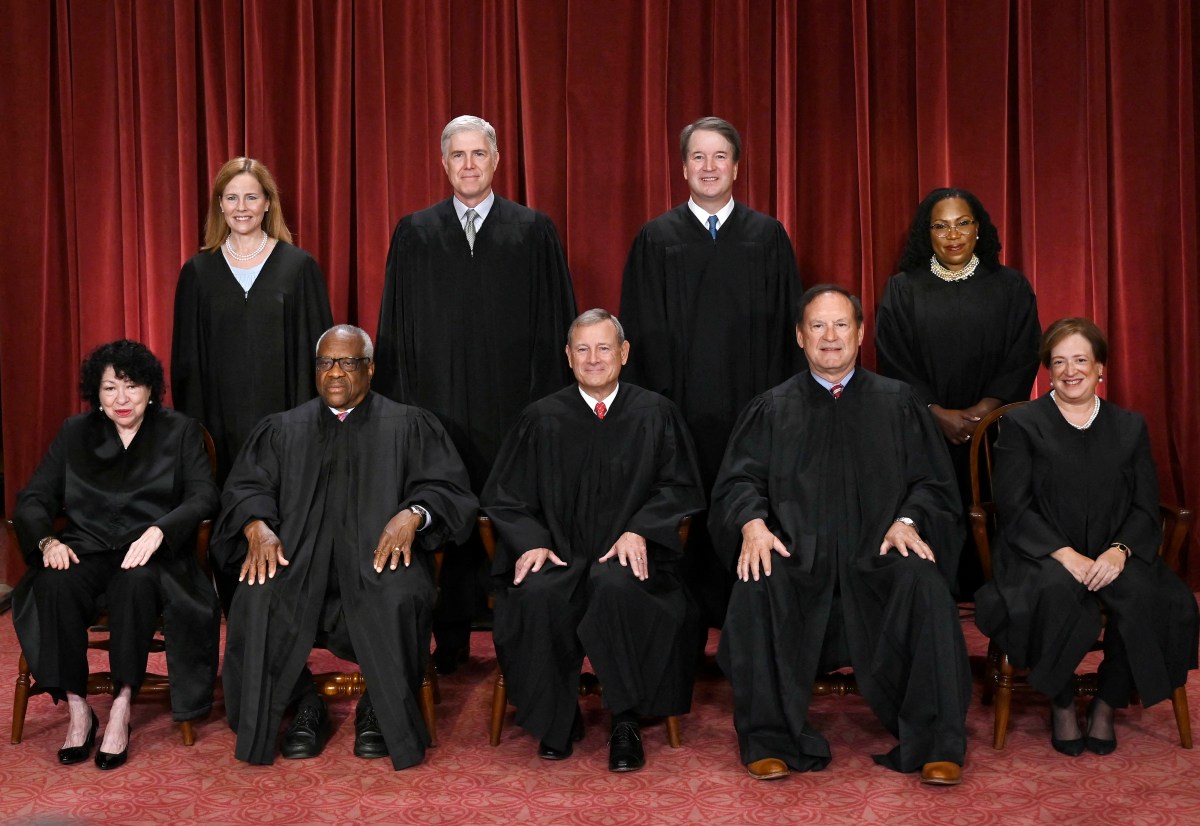
A Republican plan to change the Constitution to limit the Supreme Court to nine justices did not pass in the House of Representatives. The proposal needed a two-thirds majority but was voted down mostly by Democrats.
Key Facts
Republicans proposed a constitutional amendment to keep the Supreme Court at nine justices.
The amendment needed a two-thirds majority in the House to pass.
The final vote was 212 in favor and 206 against.
The vote followed party lines, with Democrats opposing the amendment.
Democrats have historically not supported efforts to fix the number of Supreme Court justices.
The Supreme Court currently has nine justices, but the number can be changed by law or amendment.
Read the Original
Want the full story? Tap a source to open the original
article.
The jury in Lindsay Clancy's trial announced they cannot reach a unanimous decision, which means the case might result in a hung jury. This situation suggests the trial may not end with a clear verdict.
Key Facts
Lindsay Clancy is currently on trial.
The jury reported they are deadlocked, meaning they cannot agree on the verdict.
A deadlocked jury can lead to a hung jury, where no decision is made.
The possibility of a hung jury can prolong the trial process.
Clancy's lawyer has expressed that she cannot handle another trial.
Read the Original
Want the full story? Tap a source to open the original
article.
The House of Representatives passed a short-term funding plan to keep the US government open until early December. This plan blocks a new rule that would let political leaders control and cancel scientific research grants, a move supported by many scientists and lawmakers.
Key Facts
The House passed a stopgap funding bill to keep the government running through early December.
President Trump is expected to sign the measure to avoid a government shutdown.
The bill is based on an earlier Senate bill, passed due to lack of full support within the House Republican members.
The Senate version includes a rule blocking the Office of Management and Budget (OMB) from controlling or cancelling science grants for now.
Two senators, Patty Murray (D-Wash.) and Susan Collins (R-Maine), helped add this protective provision.
The measure passed the Senate 90-6 and the House 370-48, showing strong approval.
The protection is temporary, lasting until the funding expires on December 11.
This suggests lawmakers do not want political control over which scientific projects get federal money.
Read the Original
Want the full story? Tap a source to open the original
article.
A former Penn State student accused of running a cocaine drug ring at the university was allowed to leave jail while waiting for trial. The decision to grant bail was made on Wednesday.
Key Facts
The accused person used to be a student at Penn State University.
They are charged with leading a cocaine trafficking ring.
Cocaine trafficking means illegally selling and distributing cocaine.
Bail was granted on Wednesday, allowing the accused to be free before the court trial.
CBS News correspondent Lana Zak reported on the case.
The accused’s trial date is not mentioned in the article.
The news focuses on a crime related to drug use and distribution at a university.
Read the Original
Want the full story? Tap a source to open the original
article.
A popular bridge in downtown Chicago got stuck in the raised (up) position because of the heat. Workers tried to cool the bridge by spraying it with water, but it remained stuck.
Key Facts
The bridge is located in downtown Chicago.
It got stuck in the up position, meaning it couldn't lower for traffic.
The problem happened because of the hot weather.
Workers sprayed water on the bridge to try to cool it down.
Despite efforts, the bridge stayed raised and unusable.
The bridge is used frequently, so this caused issues for drivers and pedestrians.
Read the Original
Want the full story? Tap a source to open the original
article.
Senator Marco Rubio said that reports of Russia helping Iran do not stop the United States from reaching its goals about Iran. He also said Russia is very busy with the war in Ukraine.
Key Facts
Senator Marco Rubio discussed reports of Russian support to Iran.
He said this aid has not blocked U.S. plans or goals involving Iran.
Rubio made his remarks during an interview on Fox News.
He mentioned that Russia is focused on the war in Ukraine.
Rubio suggested that Russia’s involvement with Iran is limited because of its conflict in Ukraine.
The conversation followed a New York Times report about Russia helping Iran.
Rubio has spoken about this topic before.
Read the Original
Want the full story? Tap a source to open the original
article.
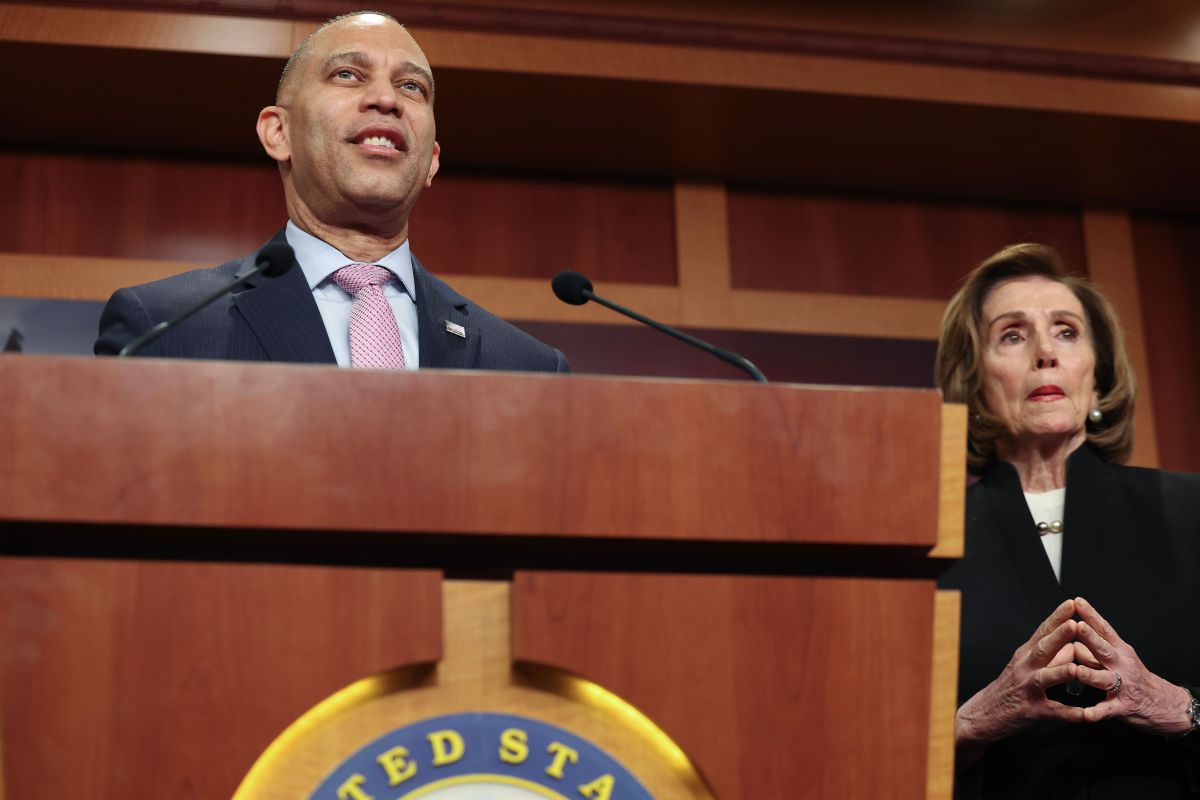
Hakeem Jeffries is the leader of the House Democratic Caucus, taking over from Nancy Pelosi in 2023. Recently, some Democrats voted with Republicans on a procedural rule, causing criticism about Jeffries’ ability to keep his party united, a leadership strength Pelosi was known for.
Key Facts
Hakeem Jeffries became the leader of the House Democratic Caucus in 2023, succeeding Nancy Pelosi.
Pelosi led the caucus for about 20 years and was known for strong party unity.
Two Democrats, Jared Golden and Marie Gluesenkamp Perez, voted with Republicans on a key procedural vote this week.
This vote helped pass a rule that faced opposition from conservative Republicans within their own party.
Pelosi expressed disappointment over these defections, saying such breaks in party unity did not happen under her leadership.
Critics say Jeffries does not have the same control over the caucus as Pelosi did.
Jeffries faced additional criticism recently, including from progressives about committee appointments and for meeting privately with Jared Kushner, an advisor to President Trump.
Pelosi has publicly supported Jeffries but also privately encouraged him to take stronger leadership actions.
Read the Original
Want the full story? Tap a source to open the original
article.
California Governor Gavin Newsom and Senator Adam Schiff, both Democrats, have supported President Donald Trump’s proposal for a federal tax credit to encourage film and TV production in the United States. President Trump recently asked Congress to pass this law to bring more movie and TV work back to Hollywood.
Key Facts
President Trump called for a federal tax credit to boost film and TV production in the U.S.
The proposed tax credit aims to attract production companies to Hollywood.
Governor Gavin Newsom from California supports this proposal.
Senator Adam Schiff from California also backs the plan.
The goal is to counter rising production costs in the U.S. that have pushed work overseas.
The president shared his request publicly on Truth Social, his social media platform.
The proposal would require lawmakers in Congress to approve new legislation.
This tax incentive is part of efforts to strengthen the U.S. entertainment industry and jobs.
Read the Original
Want the full story? Tap a source to open the original
article.
A jury in the Lindsay Clancy case has finished its fifth day of deliberations but has not reached a decision. Meanwhile, President Donald Trump has called on the people of Iran to stand up against their government.
Key Facts
The jury in the Lindsay Clancy case is still deliberating after five days.
The jury is currently deadlocked, meaning they have not agreed on a verdict.
President Donald Trump made a public statement encouraging Iranian citizens to oppose their government.
The news was reported by CBS News during a program called "The Takeout with Major Garrett."
Viewers can watch the coverage through the CBS News app or online.
Read the Original
Want the full story? Tap a source to open the original
article.
The US Energy Secretary Chris Wright helped finalize deals worth tens of billions of dollars between Venezuela and companies Chevron, ENI, and GE Vernova. These deals aim to increase oil production and improve Venezuela’s energy sector, with the US securing a significant role in Venezuela’s oil reserves.
Key Facts
US Energy Secretary Chris Wright traveled to Caracas, Venezuela to sign agreements with Venezuelan Interim President Delcy Rodriguez.
Chevron, ENI (an Italian company), and GE Vernova signed deals valued at tens of billions of dollars.
The deals include Chevron developing two oil fields in Venezuela and ENI gaining rights to explore a large oil field called Junin 5.
GE Vernova will assist in improving Venezuela’s electricity system.
The US now controls about one-fifth of Venezuela’s oil reserves, totaling 65 billion barrels of oil.
President Donald Trump announced this deal on August 28, 2026, calling it the largest oil deal in history.
Chevron expects to more than double its oil output in Venezuela within five years.
The US sees increased energy production in Venezuela as beneficial for people in both countries and the broader region.
Read the Original
Want the full story? Tap a source to open the original
article.
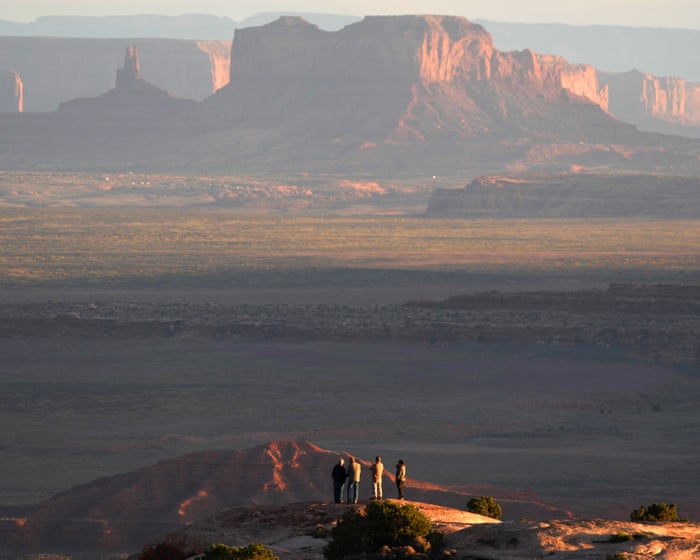
Patagonia, an outdoor gear company, joined a lawsuit against President Donald Trump’s decision to reduce protections on two large national monuments in Utah. The reduction opens these lands to oil and gas drilling, which has raised concerns among tribes and environmental groups.
Key Facts
President Trump reduced the Bears Ears and Grand Staircase-Escalante national monuments by about 90%.
These monuments, created by previous presidents, are important to Indigenous tribes and have unique natural and historic features.
The reduction allows oil, gas, and mining companies to access lands previously protected.
Patagonia sued President Trump for similar reductions in 2017 and is now joining a new lawsuit with the Natural Resources Defense Council.
The Antiquities Act allows presidents to create national monuments but does not clearly allow them to reduce or undo protections.
Environmental groups say this is one of the biggest losses of protected public land in U.S. history.
Bears Ears was created by President Barack Obama in 2016, and Grand Staircase-Escalante was created by President Bill Clinton.
The lawsuit claims the decision disrespects Tribal sovereignty and threatens important cultural and natural sites.
Read the Original
Want the full story? Tap a source to open the original
article.
The House voted against a Republican proposal to amend the Constitution to keep the Supreme Court permanently limited to nine justices. The amendment did not get enough votes to pass, needing a two-thirds majority but receiving only 212 in favor and 206 against.
Key Facts
The proposed amendment aimed to fix the number of Supreme Court justices at nine permanently.
It was introduced by Republican Rep. Andy Biggs of Arizona.
Amending the Constitution requires a two-thirds majority in both chambers of Congress and approval by three-fourths of the states.
The vote was 212 in favor and 206 against, which was not enough to pass.
House Democrats opposed the amendment, saying Congress should keep the power to set the number of justices.
Congress has changed the number of Supreme Court justices seven times since 1789, with nine justices fixed since 1869.
Some Democrats have proposed adding more justices to the court as a response to political concerns.
The vote came amid other House actions related to political debate about socialism and election outcomes.
Read the Original
Want the full story? Tap a source to open the original
article.
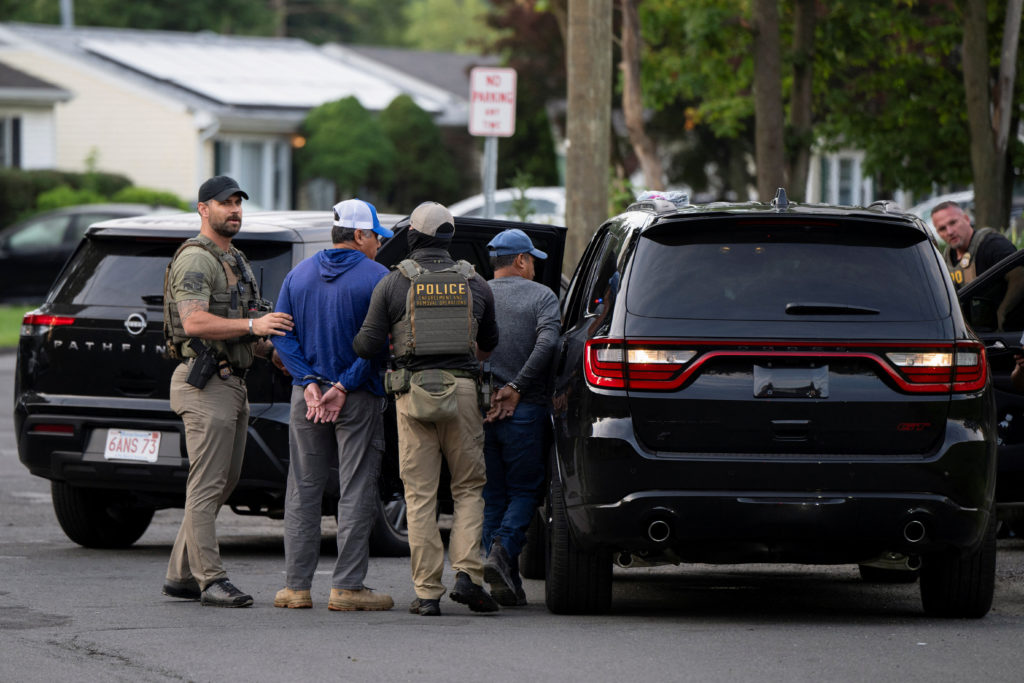
U.S. Immigration and Customs Enforcement (ICE) plans to buy electric shock gloves that deliver painful jolts to help control people who resist arrest. Some government officials support the idea as a less harmful option, but others are concerned because of ICE’s history with force and violence.
Key Facts
ICE will spend nearly $17 million to buy 6,000 pairs of electric shock gloves.
The gloves can deliver electric shocks when they touch a person's skin.
ICE says the gloves will help agents control resistant individuals without using stronger force.
Critics worry the gloves could be used abusively, given ICE’s past violent incidents.
Democrats and civil rights groups oppose the purchase due to concerns over misuse and accountability.
White House border official Tom Homan thinks the gloves can prevent deadly situations by offering a non-lethal option.
The gloves are meant for situations where someone resists arrest either actively or passively.
Some experts say ICE’s record on honesty and use of force makes introducing this tool risky.
Read the Original
Want the full story? Tap a source to open the original
article.
The House of Representatives voted on a constitutional amendment to set the Supreme Court size at nine justices permanently. The proposal failed to pass because it did not get the two-thirds majority needed, with only one Democrat voting in favor.
Key Facts
The amendment is called the "Keep Nine Amendment" and aims to fix the Supreme Court size at nine justices in the Constitution.
Republicans all voted for the amendment to prevent potential court expansion, known as "court packing."
Only one Democrat, Representative Don Davis of North Carolina, voted for the amendment.
Democrats oppose the amendment because they believe the current court is politically imbalanced after President Trump’s appointments.
The Constitution does not specify the number of Supreme Court justices; Congress decides that by law.
The court size has changed over history, with nine justices established since 1869.
Expanding the court is a proposal some Democrats support to restore balance and public trust.
Amending the Constitution requires a two-thirds vote in both the House and Senate, which is difficult to achieve.
Read the Original
Want the full story? Tap a source to open the original
article.
Daniel Driscoll, the U.S. Army Secretary, resigned after trying to raise concerns with President Donald Trump about military leadership changes under Pete Hegseth. Hegseth, appointed by President Trump, has removed many top military officials and reversed diversity and inclusion policies, which critics say is weakening the military's leadership and readiness.
Key Facts
Daniel Driscoll resigned as U.S. Army Secretary following disagreements over leadership changes.
Driscoll was a law colleague of Vice President JD Vance and focused on modernizing the Army.
Pete Hegseth, appointed by President Trump, oversees the Department of War (previously Department of Defense).
Hegseth has removed or forced out several high-ranking military officers, including minority and female leaders.
The Trump administration is reversing diversity initiatives and "woke" policies in the military.
Hegseth introduced annual testosterone testing for soldiers over 30 as a fitness measure.
Critics argue these changes harm the merit-based promotion system and military readiness.
Senator Jack Reed publicly criticized the impact of Hegseth’s leadership on the Department of Defense.
Read the Original
Want the full story? Tap a source to open the original
article.