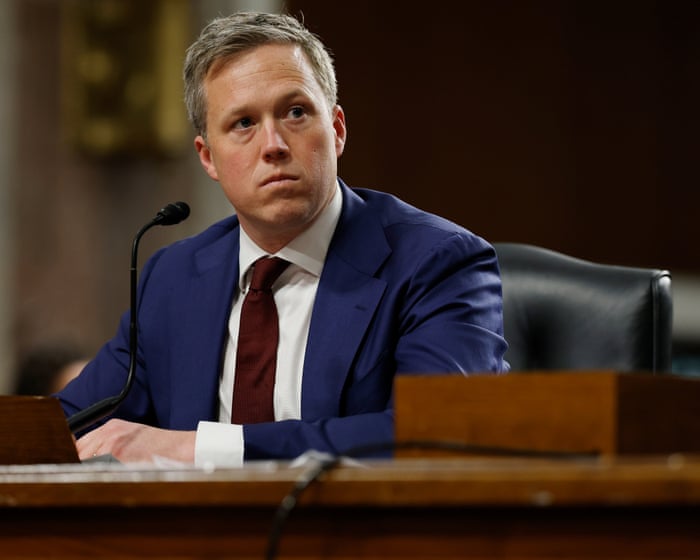
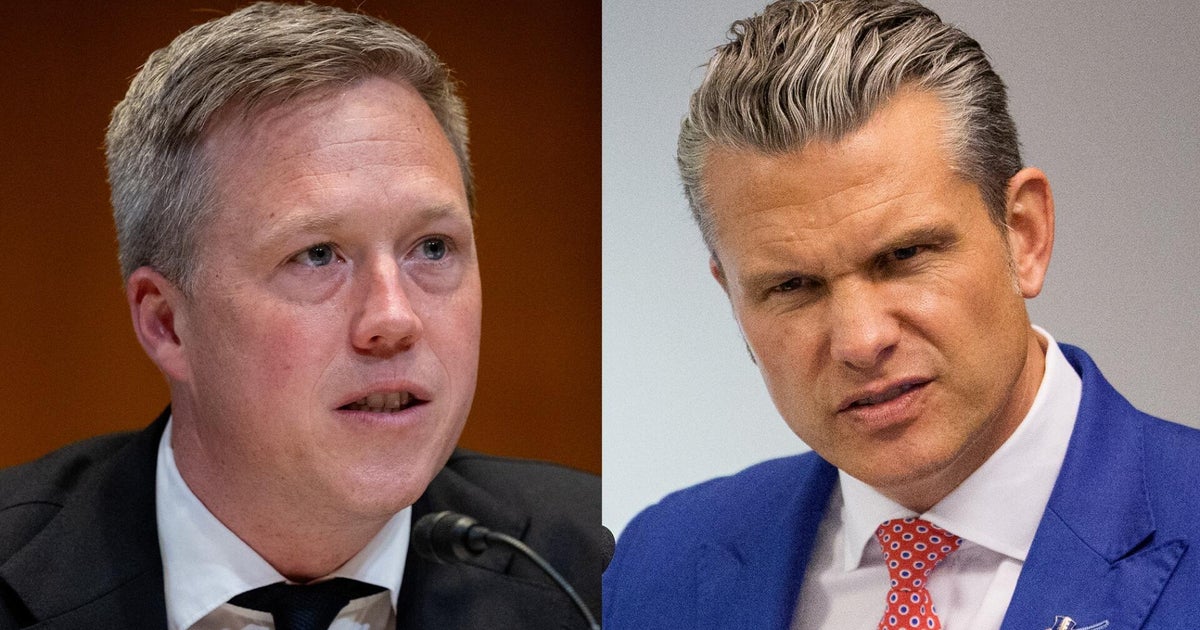
Army Secretary Dan Driscoll resigned earlier than expected due to ongoing tensions with Defense Secretary Pete Hegseth. Hegseth has been influencing Pentagon decisions by removing or delaying the promotions of many senior military leaders.
Key Facts
Dan Driscoll was the Army Secretary before he resigned.
His resignation happened sooner than people thought it would.
Pete Hegseth is the Defense Secretary.
Hegseth has been in his role for nearly 20 months.
He has pushed out or blocked promotions for many senior military officials.
These actions show Hegseth is increasing his influence over Pentagon decisions.
The conflict between Driscoll and Hegseth contributed to Driscoll’s resignation.
Read the Original
Want the full story? Tap a source to open the original
article.
The Army Secretary, Daniel Driscoll, resigned after 18 months on the job, following conflicts with Pentagon secretary Pete Hegseth. Critics say Hegseth has disrupted the Army's leadership by firing or blocking many senior officers, affecting the military's readiness and transformation plans during ongoing deployments.
Key Facts
Daniel Driscoll resigned as Army Secretary without an official reason given.
Driscoll had internal conflicts with Pentagon secretary Pete Hegseth, who has removed many senior Army leaders.
Senator Jack Reed criticized Hegseth for harming the Department of Defense and punishing dissent.
Driscoll discussed concerns about army readiness and leadership with President Trump before resigning.
Hegseth forced out Army Chief of Staff General Randy George and other senior officers involved in modernizing the Army.
The Army scaled back a drone unit that Driscoll and George supported after George's firing.
Other senior military leaders have also left or been pushed out under Hegseth’s leadership.
Driscoll had worked on readiness, lethality, and Russian-Ukraine war negotiations during his time as Army Secretary.
Read the Original
Want the full story? Tap a source to open the original
article.
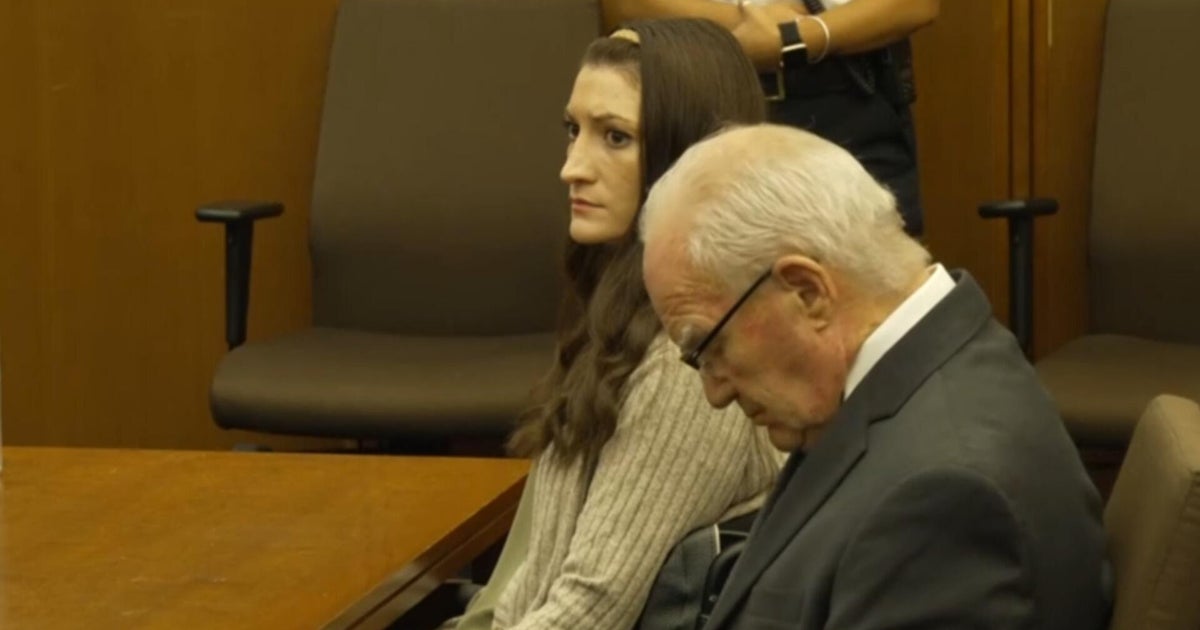
The jury in Lindsay Clancy's murder trial told the judge they could not agree on a verdict. The judge asked the jury to keep discussing the case, and they will continue deliberating for a fifth day.
Key Facts
The jury reported to the judge that they could not reach a unanimous decision.
The judge instructed the jury to continue talking about the case.
The jury will spend a fifth day deliberating on Wednesday.
The case involves Lindsay Clancy and allegedly concerns a murder charge.
A criminal defense attorney, Elyse Hershon, provided analysis on the situation.
CBS News reporter Shanelle Kaul covered the story.
The trial is ongoing and no final verdict has been reached yet.
Read the Original
Want the full story? Tap a source to open the original
article.
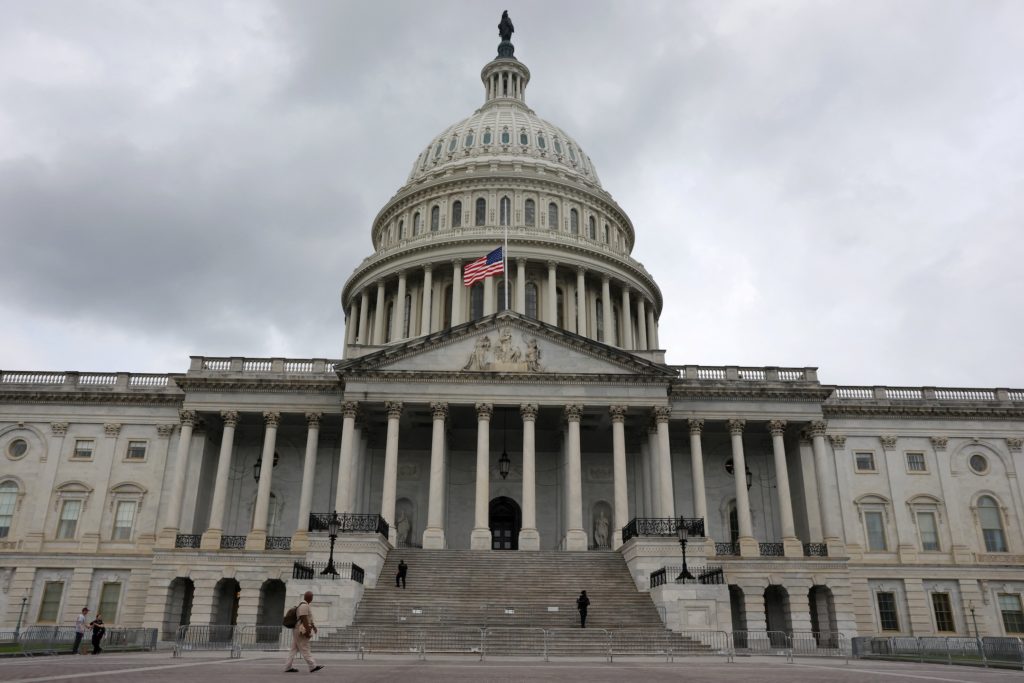
The House of Representatives has come back to Washington after being away for almost two months. Since then, President Trump has stirred up new controversies on several topics, and lawmakers now need to address those issues as well as work on funding the government before a deadline.
Key Facts
The House was on break for nearly two months, returning in late September.
President Trump has created or increased tensions on multiple issues during this time.
Controversies involve topics like Iran and environmental concerns near the Great Lakes.
Lawmakers must deal with these political disputes as they resume work.
A deadline is approaching for Congress to approve government funding.
The political situation has changed since the House last met.
The article is focused on U.S. domestic politics in Congress.
Read the Original
Want the full story? Tap a source to open the original
article.
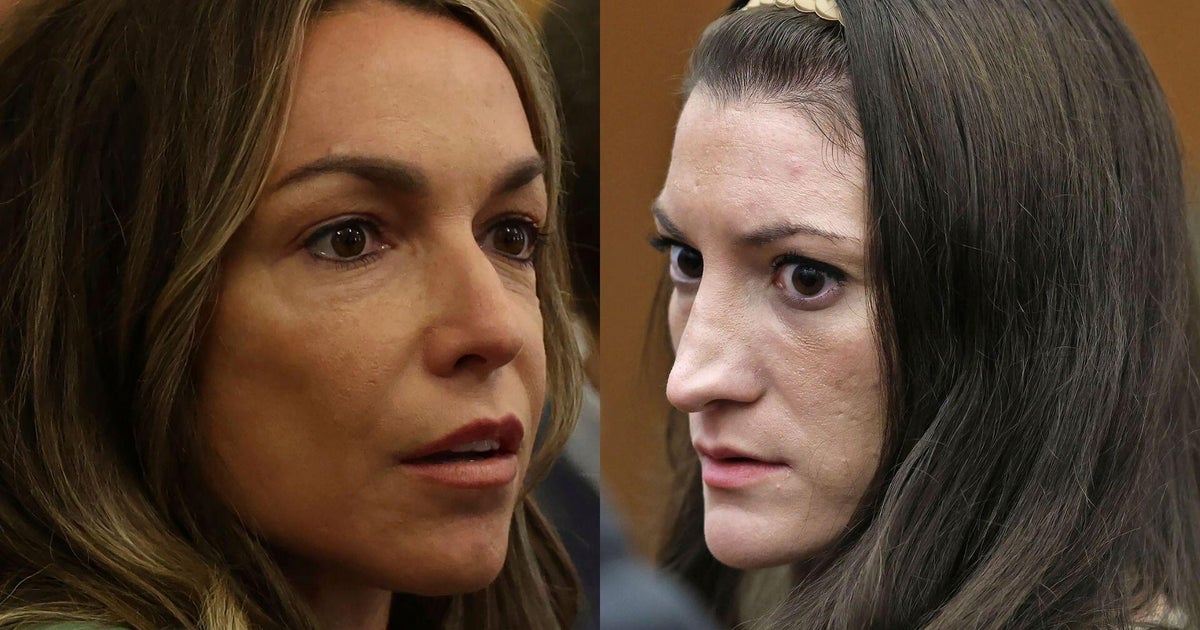
The jury in Lindsay Clancy's trial said they could not agree on a verdict and were told to keep talking. In similar Massachusetts cases, juries sometimes took several days to decide or ended with a mistrial if deadlocked three times. If the Clancy jury stays deadlocked, the judge may declare a mistrial, and the prosecutor will decide whether to try the case again.
Key Facts
The Lindsay Clancy jury told the judge they were deadlocked and unable to agree on a verdict.
Judge William Sullivan ordered the jurors to continue deliberating after their first deadlock message.
Similar cases in Massachusetts include Karen Read (2024) and Emanuel Lopes (2023-2024), where juries were also deadlocked.
Emanuel Lopes’ jury was deadlocked multiple times but reached a guilty verdict after 32 hours over six days.
Karen Read’s jury was deadlocked three times over five days, resulting in a mistrial; she was acquitted in a later trial.
Massachusetts uses a "Tuey-Rodriguez" instruction (also called a dynamite charge) to encourage deadlocked juries to reach a decision.
Judges can send juries back to deliberate twice, and after the second deadlock, they may read the Tuey-Rodriguez charge.
If the jury reports a third deadlock, the judge can declare a mistrial, and the prosecutor decides whether to retry the case.
If a mistrial is declared in Clancy’s case, she will remain in custody at Tewksbury State Hospital pending further legal action.
Read the Original
Want the full story? Tap a source to open the original
article.
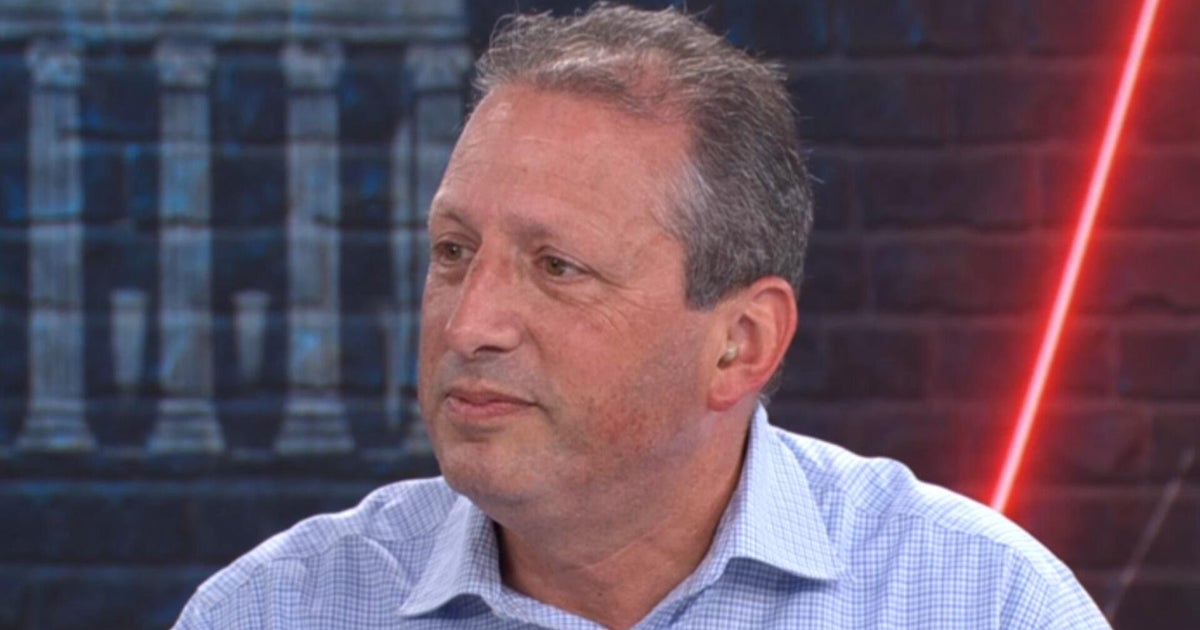
New York Democratic congressional candidate Brad Lander was confronted by demonstrators about his views on Israel. This happened while he was protesting a Hindu nationalist’s event at Madison Square Garden.
Key Facts
Brad Lander is running for Congress in New York.
He faced questions from demonstrators about his position on Israel.
The confrontation took place during a protest against a Hindu nationalist's event.
The event was held at Madison Square Garden.
Brad Lander spoke about the incident on the show "The Takeout."
The situation was covered by CBS News.
Read the Original
Want the full story? Tap a source to open the original
article.
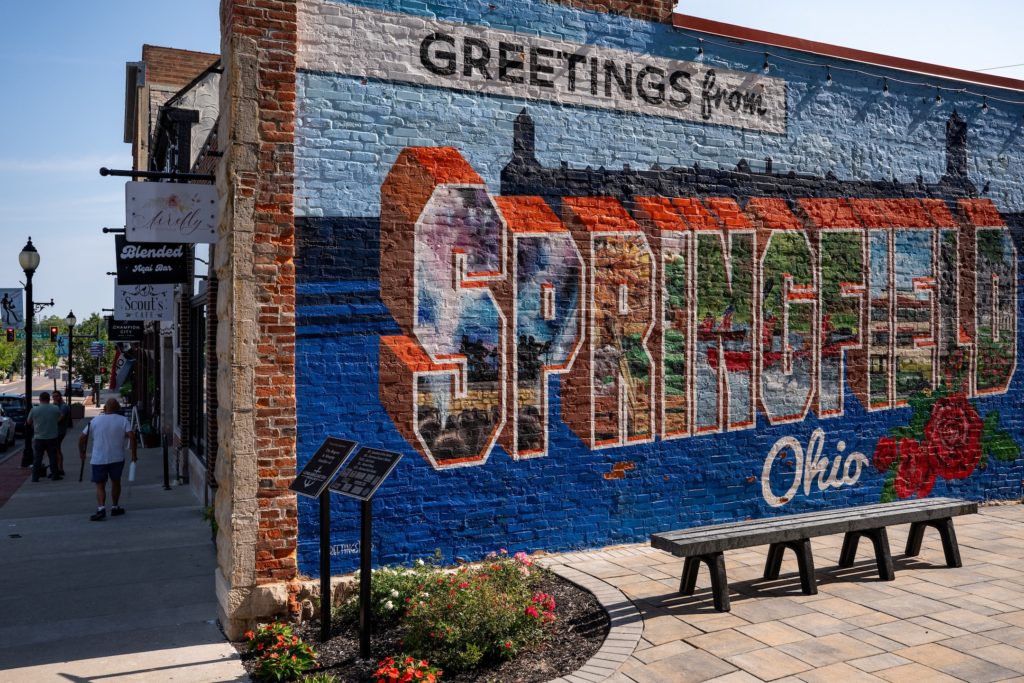
The U.S. Supreme Court allowed the end of temporary protected status (TPS) for Haitians and Syrians living in the country. After the Trump administration let TPS expire for Haitians, around 350,000 people face possible deportation, affecting communities like Springfield, Ohio.
Key Facts
Temporary protected status (TPS) gave Haitians and Syrians special permission to live in the U.S. because of dangers in their home countries.
The Supreme Court decided to end TPS for these groups.
The Trump administration officially ended TPS for Haitians last month.
About 350,000 Haitians in the U.S. lost their protected status and may face deportation.
Springfield, Ohio, has a notable Haitian community that is now affected by this change.
Springfield has previously been a focus in immigration debates and politics.
Ending TPS means these Haitians must either leave the U.S. or find another legal way to stay.
Read the Original
Want the full story? Tap a source to open the original
article.
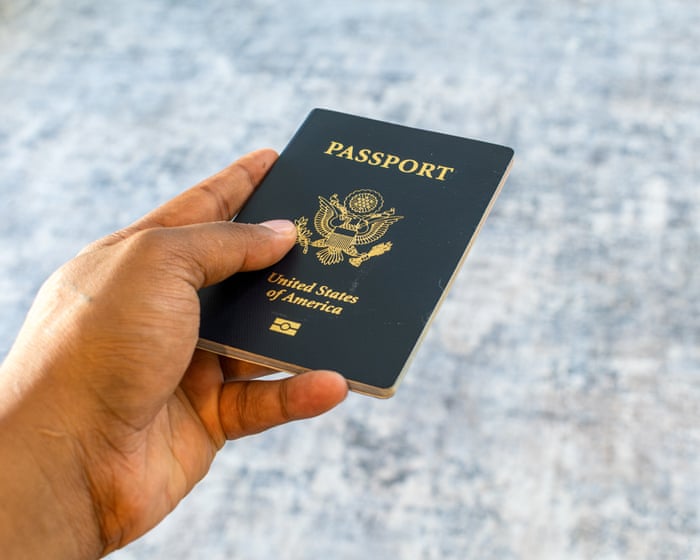
The US State Department has proposed a new rule requiring parents to prove their own citizenship or legal immigration status when applying for a passport for their child. This proposal is part of President Donald Trump’s recent effort to limit automatic citizenship given to children born in the US, especially targeting "birth tourism."
Key Facts
The State Department wants parents to submit proof of citizenship or immigration status for their child’s passport application.
This rule is linked to President Trump’s August 6 executive order aimed at reducing "birth tourism" where non-citizens give birth in the US to secure citizenship for their babies.
The proposal would stop citizenship for children if their parents work for a foreign government, commit fraud, or are considered an “alien enemy.”
Currently, parents only need to prove they are the child’s parent and show photo ID; no proof of citizenship is required now.
President Trump’s earlier, broader order to limit birthright citizenship was struck down by the Supreme Court for violating the US Constitution.
The new, narrower executive order could also face legal challenges in court.
If implemented, all parents or legal guardians must provide documents like a US passport, birth certificate, or green card for the child’s passport application.
Lawyers have filed lawsuits trying to stop the new rules before they take effect.
Read the Original
Want the full story? Tap a source to open the original
article.
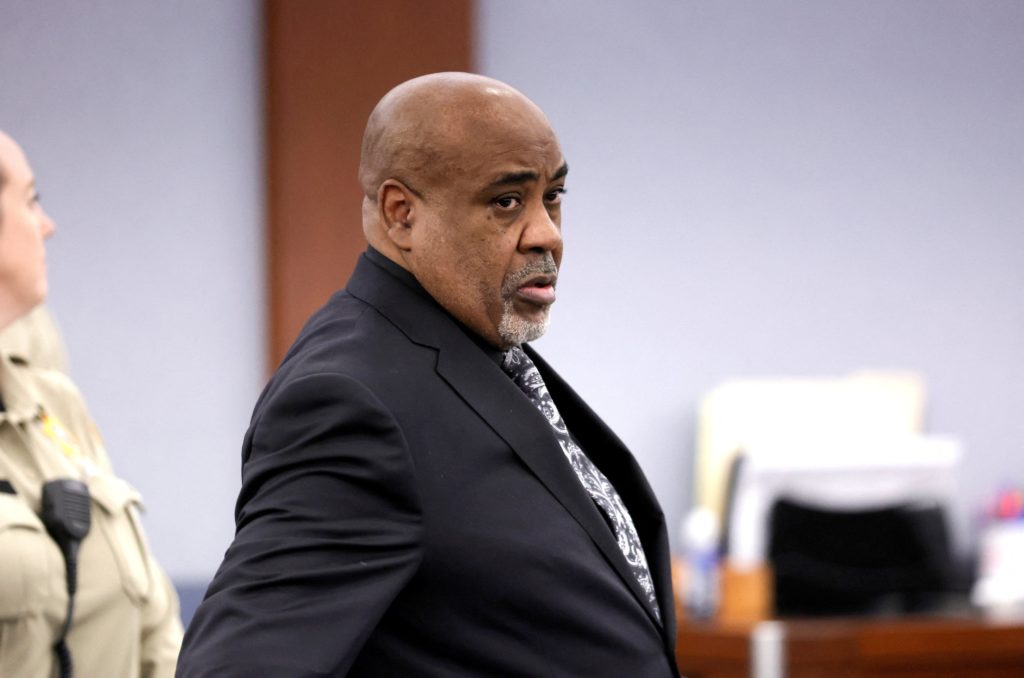
A Nevada jury found Duane "Keffe D" Davis guilty of planning the 1996 murder of famous rapper Tupac Shakur. Prosecutors said Davis wanted revenge after Tupac and his group attacked Davis’s nephew.
Key Facts
Duane "Keffe D" Davis was convicted for the 1996 murder of Tupac Shakur.
Tupac Shakur was a well-known hip-hop artist.
The case was unsolved for nearly 30 years before this conviction.
Prosecutors said Davis ordered the killing as revenge.
The revenge was linked to an attack on Davis’s nephew by Tupac and his entourage.
The trial took place in Nevada.
The verdict came after a jury trial.
Read the Original
Want the full story? Tap a source to open the original
article.
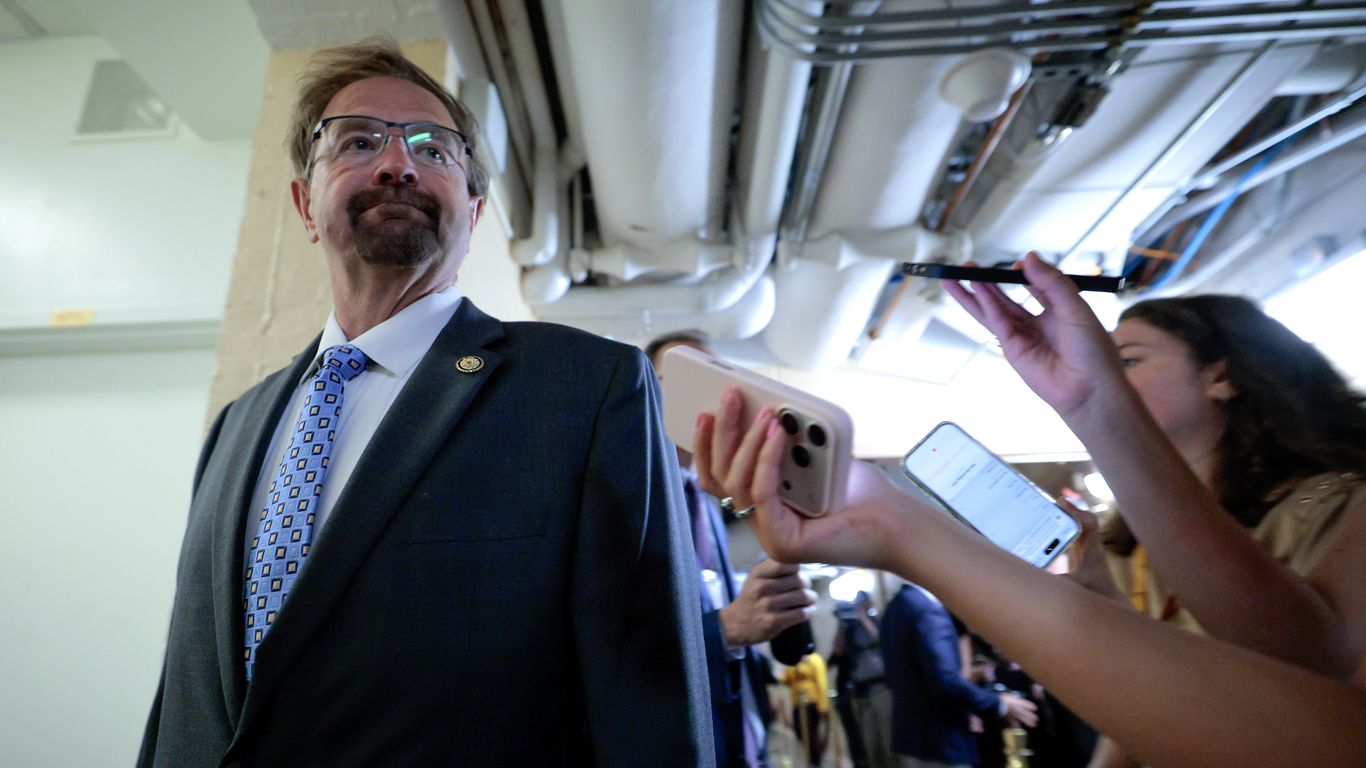
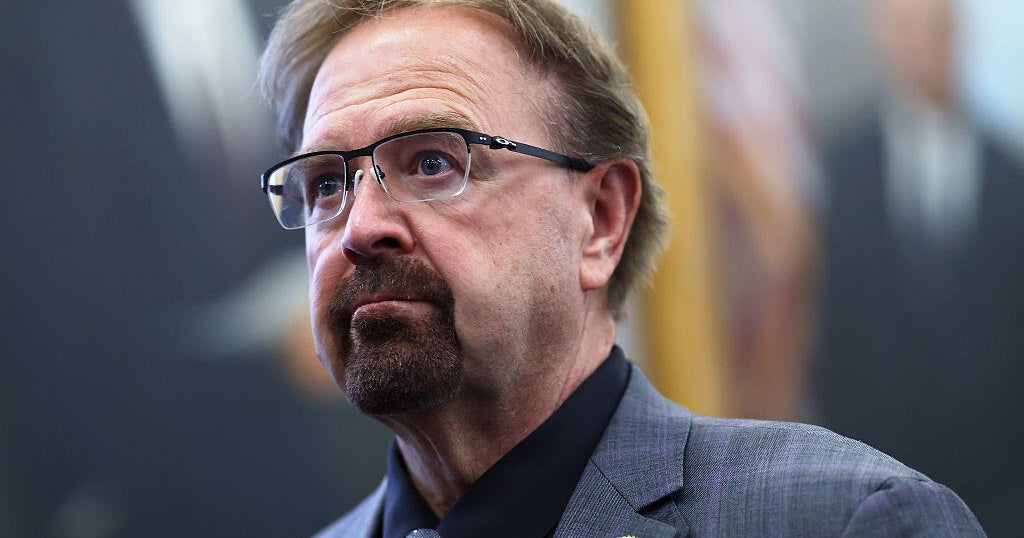
The House of Representatives censured Rep. Chuck Edwards (R-N.C.) for sexual harassment of two young female staffers after an Ethics Committee investigation. The decision was supported by most members of both parties, and Edwards has apologized but denies the conduct was meant to be sexual harassment.
Key Facts
The House voted to censure Rep. Chuck Edwards for inappropriate behavior toward two female staffers in their 20s.
The Ethics Committee found Edwards failed to follow rules against sexual harassment and unwanted advances.
The censure vote had strong bipartisan support, with almost all Republicans and all Democrats voting for it.
Edwards has dropped his reelection campaign and issued a public apology, but denied admitting to sexual harassment.
Examples of misconduct included gifts, handwritten letters, a poem, invitations to comedy shows, and trips that made the staffers uncomfortable.
One staffer said she felt pressured by Edwards’ persistence, including during a vacation in Las Vegas amid a government shutdown.
This censure is one of the most serious punishments by the House and the first since 2010.
House leaders, including Majority Leader Steve Scalise and Ethics Chairman Michael Guest, supported the Ethics Committee’s findings and the censure.
Read the Original
Want the full story? Tap a source to open the original
article.
The House formally reprimanded Representative Chuck Edwards after an investigation found he acted unprofessionally toward two women who worked for him. The House Ethics Committee said Edwards' behavior caused rumors and violated rules against sexual harassment, though no evidence showed sexual activity or explicit propositions.
Key Facts
The House voted 413 to 2 to censure Rep. Chuck Edwards for inappropriate conduct.
The Ethics Committee report said Edwards unprofessionally treated two women who worked for him.
Edwards gave the women expensive gifts like jewelry, purses, guns, and flowers.
He arranged personal activities for them, such as dinners, trips, spa treatments, and a singer at a party.
Edwards admitted poor judgment but denied sexual harassment and apologized publicly.
The conduct violated House rules against sexual harassment and creating toxic workplaces.
Edwards made comments about the women's appearance and sent personal notes and texts.
The committee said such behavior is inappropriate for a Member of Congress, putting staff in difficult positions.
Read the Original
Want the full story? Tap a source to open the original
article.
The jury in Lindsay Clancy’s case could not reach a unanimous decision. Judge William Sullivan told the jury to keep discussing the case and sent them back to think more about the evidence.
Key Facts
The jury in Lindsay Clancy’s trial could not agree on a verdict.
This situation is called a "hung jury."
Judge William Sullivan asked the jury to continue their discussions.
The jury returned to deliberate again after the judge’s request.
A hung jury means the trial may not have a clear outcome right away.
Read the Original
Want the full story? Tap a source to open the original
article.
The House of Representatives voted 413-2 to officially criticize Republican Rep. Chuck Edwards from North Carolina for inappropriate behavior toward female staff members. This action follows a report by the House Ethics Committee that investigated the allegations.
Key Facts
The House voted overwhelmingly to censure Rep. Chuck Edwards.
The vote count was 413 in favor and 2 against.
The censure was based on claims of inappropriate behavior with women working in his office.
The House Ethics Committee released a report on these allegations early last month.
Lawmakers from both political parties agreed on the censure.
This event is part of ongoing disciplinary actions against current members of Congress.
Read the Original
Want the full story? Tap a source to open the original
article.
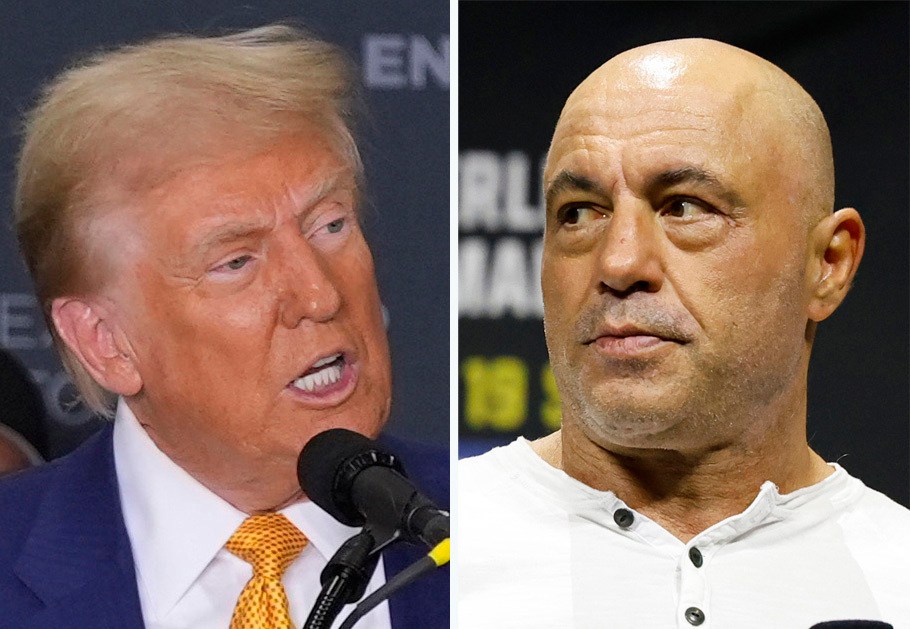
President Donald Trump signed an order to rename Lake Ontario to “Lake America” for U.S. government use, a move linked to worsening U.S.-Canada relations. Podcaster Joe Rogan criticized the name change, saying it distracts Americans from the ongoing conflict with Iran, which has seen declining public support.
Key Facts
President Trump signed an executive order on August 27 to rename Lake Ontario as “Lake America” in U.S. federal systems.
The name change affects only U.S. usage; Canada continues to call it Lake Ontario.
Joe Rogan said the renaming is meant to distract people from the war with Iran.
The U.S. is involved in military actions against Iran amid low public support for the conflict.
Recent polls show about two-thirds of Americans disapprove of Trump’s handling of the Iran war.
Most Americans also oppose renaming Lake Ontario, with approval ratings around 14-17 percent.
Google Maps reflects the name change for U.S. users, but not in Canada.
The renaming comes during increased trade tensions between the U.S. and Canada.
Read the Original
Want the full story? Tap a source to open the original
article.
A man named Philan-Tam-Duy Le is accused of bringing a guillotine near the U.S. Capitol. Before his arrest, he posted a video on Instagram showing the guillotine and himself wearing an executioner’s hood.
Key Facts
The accused man’s name is Philan-Tam-Duy Le.
He brought a guillotine near the United States Capitol Building.
Before traveling to Washington, D.C., he posted his plans on social media.
The post appeared on Instagram on August 12.
The video showed the guillotine and Le wearing a black hood like an executioner.
Authorities arrested him after monitoring his social media activity.
The incident happened near the U.S. Capitol, a key government building.
The use of a guillotine is unusual and raised safety concerns.
Read the Original
Want the full story? Tap a source to open the original
article.
The White House confirmed that Army Secretary Dan Driscoll is resigning. His resignation follows months of disagreement with Defense Secretary Pete Hegseth.
Key Facts
Army Secretary Dan Driscoll is stepping down from his position.
The White House officially confirmed Driscoll’s resignation.
There were ongoing conflicts between Driscoll and Defense Secretary Pete Hegseth.
The reasons for the resignation relate to these internal disputes.
Marine veteran and former CIA officer Elliot Ackerman provided analysis on the situation.
The news was reported by CBS News.
Read the Original
Want the full story? Tap a source to open the original
article.
U.S. Energy Secretary Chris Wright will visit Venezuela to support a new oil deal giving the U.S. control over a large part of Venezuela’s oil reserves. This agreement allows the U.S. to access oil fields through a partnership with a private company and aims to help U.S. oil supplies while also benefiting Venezuela’s government.
Key Facts
The deal gives the U.S. access to about 65 billion barrels of Venezuela’s oil, roughly 20% of the country’s total reserves.
The U.S. will partner with North American Blue Energy Partners (NABEP), led by Venezuelan businessman Alejandro Betancourt.
The U.S. Defense Department will own 35% of the new company, and the State Department can buy 20% of the oil at cost.
The oil lease agreement will last 100 years and covers 17 large oil fields in Venezuela.
Venezuela’s National Assembly approved the deal, but some lawmakers criticized the lack of public details.
The U.S. official said the deal reduces China and Russia’s influence on Venezuela’s oil.
Chevron is also expected to expand its operations in Venezuela soon.
Venezuela’s oil sector is in poor condition due to U.S. sanctions and government problems.
Read the Original
Want the full story? Tap a source to open the original
article.
An Ohio man named William D. DeFoor admitted in court that he damaged windows at Vice President JD Vance’s home in Cincinnati. He pleaded guilty to charges involving violence against government property and officials.
Key Facts
William D. DeFoor is from Ohio.
He damaged windows at Vice President JD Vance’s home.
The incident happened earlier this year.
DeFoor pleaded guilty in federal court.
Charges include violence against government officials or property.
He also admitted to causing intentional damage to U.S. government property.
The Justice Department announced the guilty plea.
Read the Original
Want the full story? Tap a source to open the original
article.
The House of Representatives passed a resolution condemning socialism, with most Republicans and eight Democrats voting in favor. The resolution also supports a voting reform bill backed by President Trump, which remains stalled in the Senate.
Key Facts
The resolution was approved by a vote of 220 to 192 to 2.
Eight Democrats joined all Republicans in voting to pass the resolution.
Two Democrats voted "present" instead of yes or no.
The resolution condemns socialism in all its forms.
It also expresses support for the SAVE America Act, a voting reform bill championed by President Trump.
The SAVE America Act has not passed the Senate due to lack of majority support.
The vote came after some Democratic primary voters chose candidates linked to democratic socialism.
House Democratic leaders opposed the resolution due to its tie to the SAVE America Act and criticized it as voter suppression.
Read the Original
Want the full story? Tap a source to open the original
article.
The White House, under President Donald Trump, shared more information about a new oil deal with Venezuela. The announcement explained parts of the agreement involving energy and oil trade between the two countries.
Key Facts
The announcement happened on a Monday evening.
The deal involves oil trade between the United States and Venezuela.
The Trump administration is leading the agreement.
The details were shared to explain how the two countries will work together on energy.
The announcement was made by the White House (the U.S. executive branch).
The deal is connected to U.S. efforts to manage energy resources.
Read the Original
Want the full story? Tap a source to open the original
article.