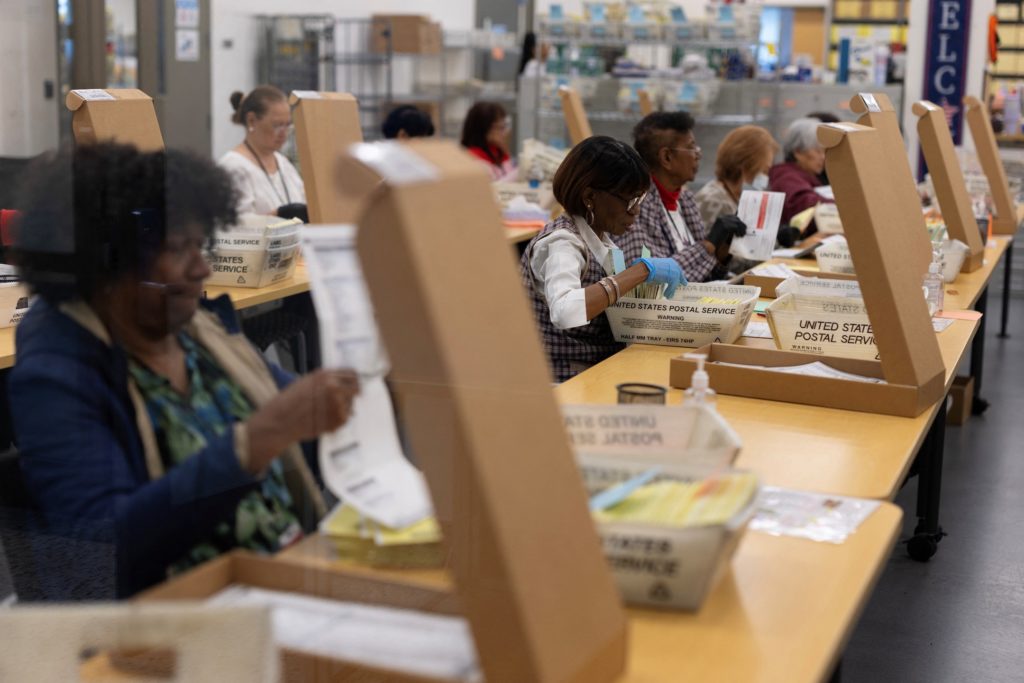
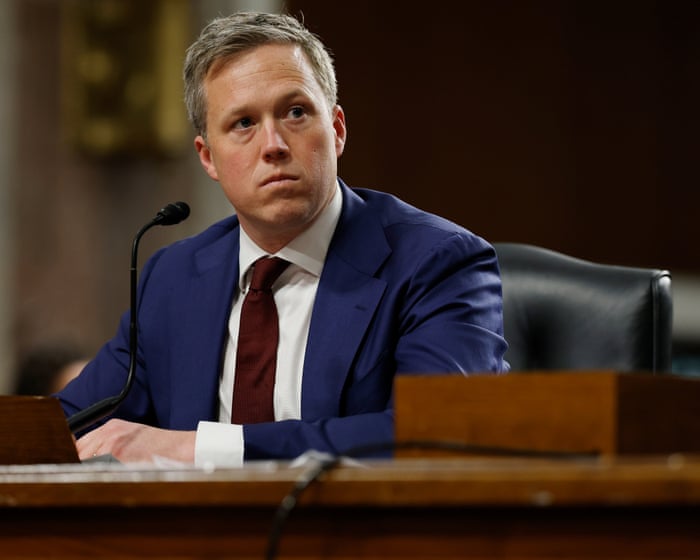
A whistleblower from the U.S. Postal Service says a new delivery system might cause problems with handling mail-in ballots. This could affect the midterm elections since ballots will soon be sent to voters.
Key Facts
The new delivery system at USPS is being introduced just days before ballots are mailed out.
A whistleblower inside USPS raised concerns about this new system.
The concern is that the system could disrupt the processing and delivery of election mail.
Mail-in ballots for the midterm elections will start going out soon.
Reliable handling of election mail is important to make sure all votes are counted.
The warning was shared through a discussion involving journalist Amna Nawaz and Reuters reporter Jacob Bogage.
Read the Original
Want the full story? Tap a source to open the original
article.
The U.S. Equal Employment Opportunity Commission (EEOC) found that Cisco may have violated civil rights by creating a hostile workplace for Muslim and Arab employees. The case arose after Cisco employees reported anti-Muslim and anti-Arab comments on the company’s internal chat, linked to tensions over Cisco’s technology being used by the Israeli military.
Key Facts
The EEOC said Cisco allowed a hostile work environment for Middle Eastern and Muslim employees.
The complaint began with a group of Cisco employees called “Bridge to Humanity” who opposed Cisco’s technology sales to Israel.
Over 1,700 Cisco employees had signed an open letter urging the company to stop supplying technology to the Israeli government.
The company allegedly removed this letter from its internal website and did not address harassment claims immediately.
Employees reported hateful messages on a group chat called Connected Jewish Network with anti-Palestinian and anti-Muslim comments.
One employee was reportedly fired after speaking out in support of Palestine.
Legal Aid at Work filed the complaint on behalf of the employees.
Civil rights groups said the EEOC finding is important for protecting the rights of Muslim, Arab, and Palestinian workers.
Read the Original
Want the full story? Tap a source to open the original
article.
Starting Tuesday, Texas hospitals will lose $27 million each day in extra Medicaid funding because the federal government is not approving nearly $10 billion in payments for the next year. This funding supports hospitals in covering the higher costs of treating Medicaid patients, and without it, hospitals may need to reduce services.
Key Facts
The loss is due to the federal government not approving $9.8 billion for Texas Medicaid programs, mainly the CHIRP program.
CHIRP helps hospitals cover the gap between Medicaid payments and the real costs of care.
Texas hospitals pay about $4 billion a year in local taxes, which the federal government matches to fund Medicaid reimbursements.
About 4 million low-income Texans, mostly children, are on Medicaid.
Houston’s public healthcare system could lose at least $258 million, with a total regional loss up to $1.4 billion next year.
Federal officials are withholding funds because they question how Texas local governments calculate hospital taxes.
Governor Greg Abbott says Texas’s tax system follows federal law and criticized the federal hold on funds.
Hospitals warn that losing this funding will force cuts in critical healthcare services for patients with Medicaid and other insurance.
Read the Original
Want the full story? Tap a source to open the original
article.
UVM Medical Center changed its policy in June about how staff watch patients who might hurt themselves. The hospital now uses video monitors and fewer licensed nursing assistants (LNAs) as sitters, which some staff say could affect patient safety.
Key Facts
The hospital limits LNAs from working as sitters, who watch patients at risk of falls, wandering, or self-harm.
Instead, the hospital uses remote video monitoring or designated observation staff for patient supervision.
Staff say the new system leaves gaps because remote monitoring can confuse or scare some patients with psychosis or dementia.
The hospital currently staffs 17 clinical patient safety attendants (CPSAs) per shift for all units and the emergency room.
Nurses and LNAs have reported shortages and concerns that patient safety is compromised without enough in-person sitters.
Two labor unions representing hospital workers sent a letter asking the hospital to pause the new policy due to contract negotiations and safety worries.
The unions say the hospital does not always consider nurses’ opinions on observation practices under the new system.
The hospital states it still assigns in-person sitters for patients at very high risk and says patient safety is a top priority.
Read the Original
Want the full story? Tap a source to open the original
article.
The House voted 413 to 2 to censure Representative Chuck Edwards of North Carolina for unprofessional and inappropriate behavior toward two former female staffers. An Ethics Committee investigation found that Edwards’ actions created a hostile work environment, although there was no evidence of sexual harassment or explicit propositions.
Key Facts
The House Ethics Committee investigated Rep. Edwards for conduct toward two young female staffers.
The behavior included giving gifts, comments on appearance, affectionate notes, and invitations to dinners and vacations.
Edwards denied that his behavior was meant to be sexual or romantic but apologized for making the staffers uncomfortable.
The House voted overwhelmingly (413-2) to censure Edwards, expressing strong disapproval but not expelling him.
Edwards is serving his second term and decided not to run for reelection after the report.
The investigation found no evidence of sexual activity or explicit sexual proposals by Edwards.
The case is part of broader efforts in Congress to address lawmakers’ treatment of female staff and improve workplace safety.
Edwards also apologized to his wife and family for the situation.
Read the Original
Want the full story? Tap a source to open the original
article.
Golf star Tiger Woods plans to change his plea from not guilty to guilty in a DUI case after a car accident in Florida. He crashed his vehicle while driving over the speed limit, showed signs of impairment, and refused a urine test, but passed a breathalyzer test.
Key Facts
Tiger Woods crashed his Land Rover in Jupiter Island, Florida, in March 2026.
His vehicle rolled onto its side after hitting a truck and causing about $5,000 in damage.
Woods was driving on a road where the speed limit was 30 mph but was traveling at high speed.
He initially pleaded not guilty to driving under the influence (DUI) but plans to change that plea.
Woods passed a breathalyzer test, showing no alcohol in his system, but he refused a urine test.
Deputies found two pain pills in his pocket, and Woods showed signs of impairment.
Court documents show prosecutors are reviewing his medical and prescription records.
Woods has had a history of car crashes and surgeries affecting his legs and back, along with struggles with pain medication.
Read the Original
Want the full story? Tap a source to open the original
article.
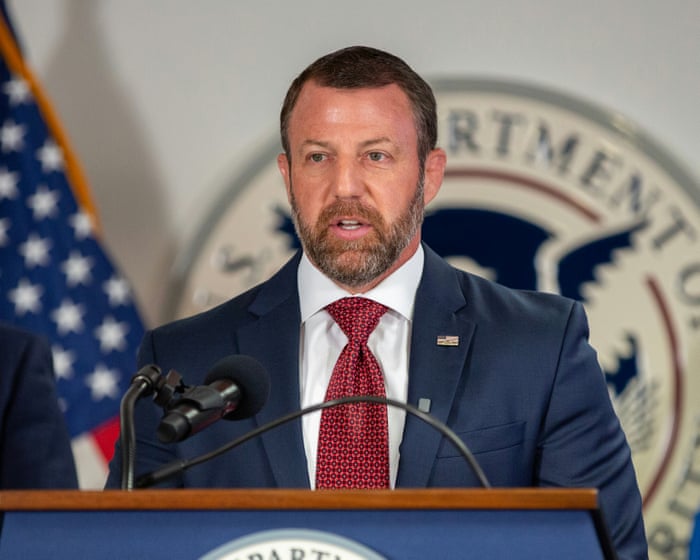
The US Homeland Security Secretary Markwayne Mullin said ICE agents might be sent to polling places only to handle specific threats or serve warrants. The administration has denied plans to patrol polling sites but has raised concerns about illegal voting and election security ahead of the midterm elections.
Key Facts
Homeland Security Secretary Markwayne Mullin said ICE agents could be at polling places if there is a threat or to serve a warrant.
ICE’s main job is immigration and customs enforcement, not patrolling voting sites.
Federal law bans military or armed agents from being present at places where elections are held.
The Department of Homeland Security said there are no plans to target polling locations but they may act if there is a public safety threat.
Mullin previously threatened to withhold federal aid from states not securing elections against illegal voting.
Experts say there is no solid proof of widespread illegal voting by non-citizens, with official numbers much lower than claimed.
The US military has confirmed it will not deploy troops to polling places during the midterm elections.
The joint chiefs of staff stated there will be no military action to seize ballots or voting machines in the 2026 elections.
Read the Original
Want the full story? Tap a source to open the original
article.
The Army Secretary has resigned, adding to ongoing uncertainty at the Pentagon. This departure raises questions about the leadership and stability of the U.S. military’s top management under the current Pentagon team.
Key Facts
The Army Secretary recently resigned from his position.
This resignation is part of wider changes and uncertainty at the Pentagon.
The Pentagon is the headquarters of the United States Department of Defense.
Leadership changes can affect military operations and policies.
The current Pentagon leadership is being questioned following this move.
Nick Schifrin reported on this development.
The resignation adds to existing challenges facing defense leadership.
Read the Original
Want the full story? Tap a source to open the original
article.
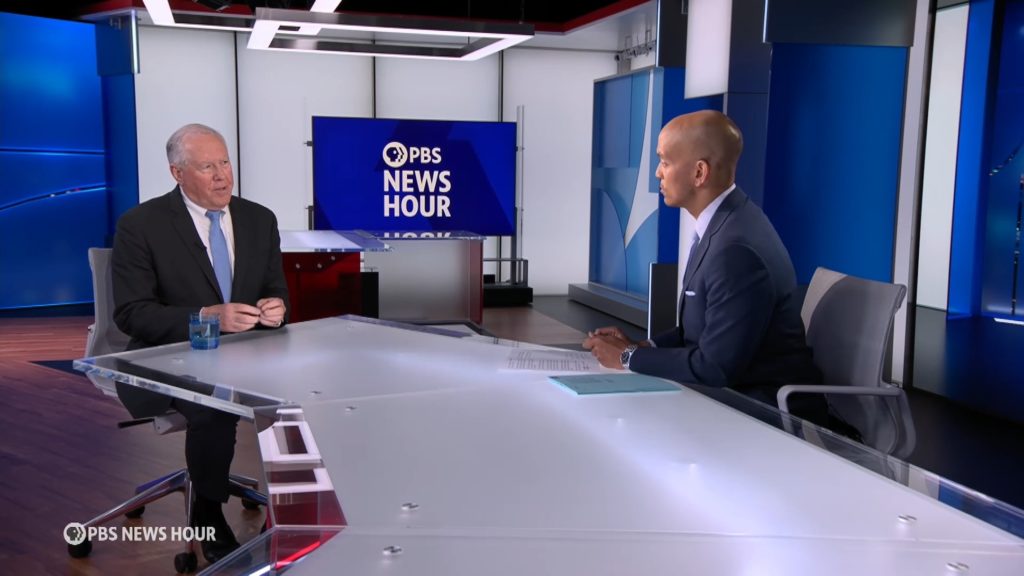
Frank Kendall, who was the Air Force Secretary during the Biden administration, talked about the recent resignation of Secretary of the Army Dan Driscoll. He said that Pete Hegseth has created a difficult and tense environment inside the Pentagon.
Key Facts
Dan Driscoll resigned as Secretary of the Army.
Pete Hegseth is involved with the Pentagon and linked to internal tensions.
Frank Kendall spoke with Geoff Bennett about these issues.
Kendall served as Air Force Secretary under President Biden.
Kendall co-wrote a book titled "Lethal Autonomy: The Future of Warfare Whether We Like It or Not."
The discussion focused on leadership and atmosphere inside the Pentagon.
Read the Original
Want the full story? Tap a source to open the original
article.
The US House of Representatives passed a temporary funding bill to keep the government running until December 11. The bill passed both the House and Senate and now awaits President Donald Trump’s signature to prevent a government shutdown before the midterm elections.
Key Facts
The House approved the funding bill by a vote of 370 to 48.
The Senate had already passed the bill on August 8.
The bill keeps federal funding until December 11, extending government operations.
Without this measure, government funding would have expired on October 1.
The bill gives Congress more time to complete the full budget for the 2027 fiscal year.
Recent budget disputes have caused three government shutdowns totaling 161 days during President Trump’s term.
The midterm elections on November 3 will decide which party controls Congress, affecting future budget talks.
The US national debt recently passed $40 trillion, highlighting ongoing fiscal challenges.
Read the Original
Want the full story? Tap a source to open the original
article.
The House of Representatives passed a resolution condemning socialism with 220 votes in favor and 192 against. Eight Democrats joined all Republicans in supporting the measure, while most Democrats opposed it.
Key Facts
The resolution condemns socialism and criticizes socialist governments for economic and political problems.
Eight Democrats voted with Republicans to pass the resolution.
Most Democrats, 192 in total, voted against the resolution.
Two Democrats voted "present," meaning they did not take a clear position.
The resolution was introduced by Republican Representative Jeff Crank of Colorado.
It highlights concerns about socialism conflicting with U.S. constitutional values.
Democrats criticized the resolution as mainly a campaign message for upcoming elections.
The vote is part of broader political debates ahead of the midterm elections concerning socialism and economic policies.
Read the Original
Want the full story? Tap a source to open the original
article.
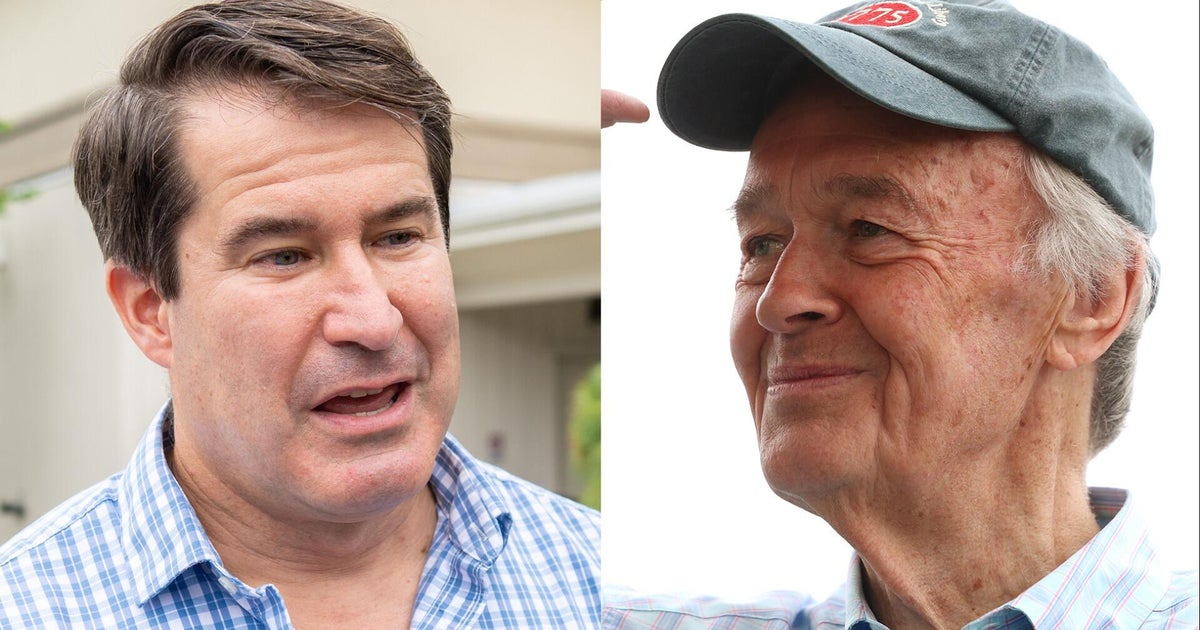
Voters in Massachusetts are participating in primary elections, focusing on a race between Representative Seth Moulton and Senator Ed Markey. The main issue in this contest is the difference in their generations, with Moulton challenging the 80-year-old Markey for the Democratic nomination.
Key Facts
Massachusetts held primary elections with voters choosing candidates for upcoming general elections.
Representative Seth Moulton is running against Senator Ed Markey in the Democratic primary.
Ed Markey is 80 years old, while Seth Moulton represents a younger generation.
The race highlights a generational choice for voters.
Media outlets like CBS News, Rolling Stone, and Politico are covering the primary.
The election results will decide who represents the Democratic Party for this Senate seat.
The primary is happening on a Tuesday in Massachusetts.
Read the Original
Want the full story? Tap a source to open the original
article.
Army Secretary Dan Driscoll resigned earlier than expected due to ongoing tensions with Defense Secretary Pete Hegseth. Hegseth has been influencing Pentagon decisions by removing or delaying the promotions of many senior military leaders.
Key Facts
Dan Driscoll was the Army Secretary before he resigned.
His resignation happened sooner than people thought it would.
Pete Hegseth is the Defense Secretary.
Hegseth has been in his role for nearly 20 months.
He has pushed out or blocked promotions for many senior military officials.
These actions show Hegseth is increasing his influence over Pentagon decisions.
The conflict between Driscoll and Hegseth contributed to Driscoll’s resignation.
Read the Original
Want the full story? Tap a source to open the original
article.
The Army Secretary, Daniel Driscoll, resigned after 18 months on the job, following conflicts with Pentagon secretary Pete Hegseth. Critics say Hegseth has disrupted the Army's leadership by firing or blocking many senior officers, affecting the military's readiness and transformation plans during ongoing deployments.
Key Facts
Daniel Driscoll resigned as Army Secretary without an official reason given.
Driscoll had internal conflicts with Pentagon secretary Pete Hegseth, who has removed many senior Army leaders.
Senator Jack Reed criticized Hegseth for harming the Department of Defense and punishing dissent.
Driscoll discussed concerns about army readiness and leadership with President Trump before resigning.
Hegseth forced out Army Chief of Staff General Randy George and other senior officers involved in modernizing the Army.
The Army scaled back a drone unit that Driscoll and George supported after George's firing.
Other senior military leaders have also left or been pushed out under Hegseth’s leadership.
Driscoll had worked on readiness, lethality, and Russian-Ukraine war negotiations during his time as Army Secretary.
Read the Original
Want the full story? Tap a source to open the original
article.
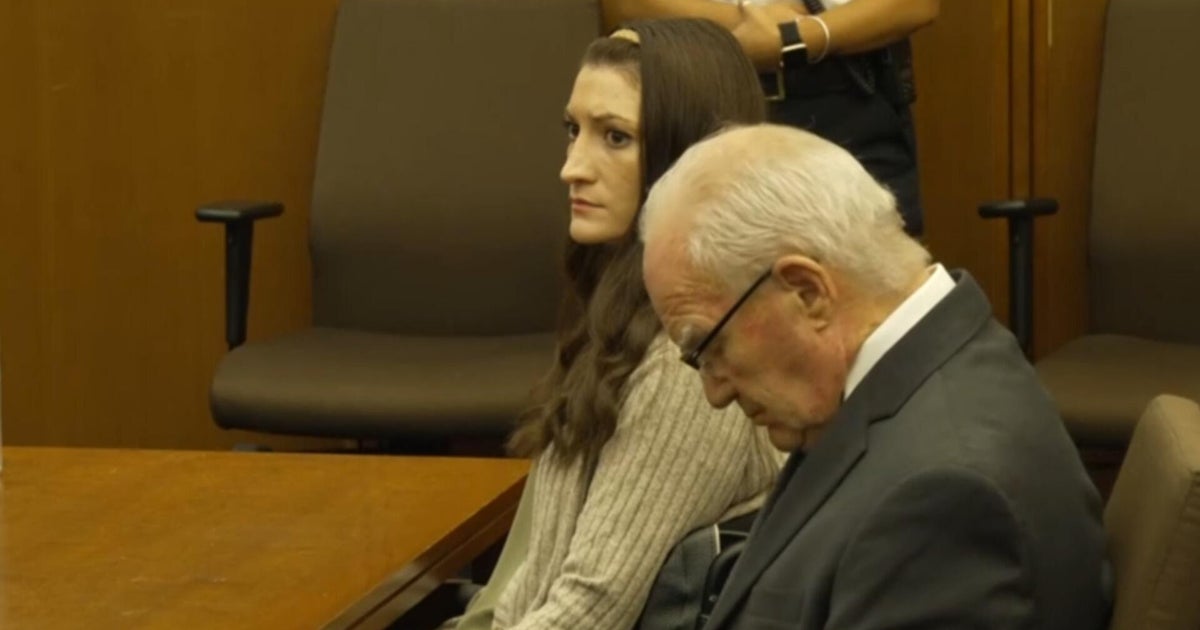
The jury in Lindsay Clancy's murder trial told the judge they could not agree on a verdict. The judge asked the jury to keep discussing the case, and they will continue deliberating for a fifth day.
Key Facts
The jury reported to the judge that they could not reach a unanimous decision.
The judge instructed the jury to continue talking about the case.
The jury will spend a fifth day deliberating on Wednesday.
The case involves Lindsay Clancy and allegedly concerns a murder charge.
A criminal defense attorney, Elyse Hershon, provided analysis on the situation.
CBS News reporter Shanelle Kaul covered the story.
The trial is ongoing and no final verdict has been reached yet.
Read the Original
Want the full story? Tap a source to open the original
article.
The House of Representatives has come back to Washington after being away for almost two months. Since then, President Trump has stirred up new controversies on several topics, and lawmakers now need to address those issues as well as work on funding the government before a deadline.
Key Facts
The House was on break for nearly two months, returning in late September.
President Trump has created or increased tensions on multiple issues during this time.
Controversies involve topics like Iran and environmental concerns near the Great Lakes.
Lawmakers must deal with these political disputes as they resume work.
A deadline is approaching for Congress to approve government funding.
The political situation has changed since the House last met.
The article is focused on U.S. domestic politics in Congress.
Read the Original
Want the full story? Tap a source to open the original
article.
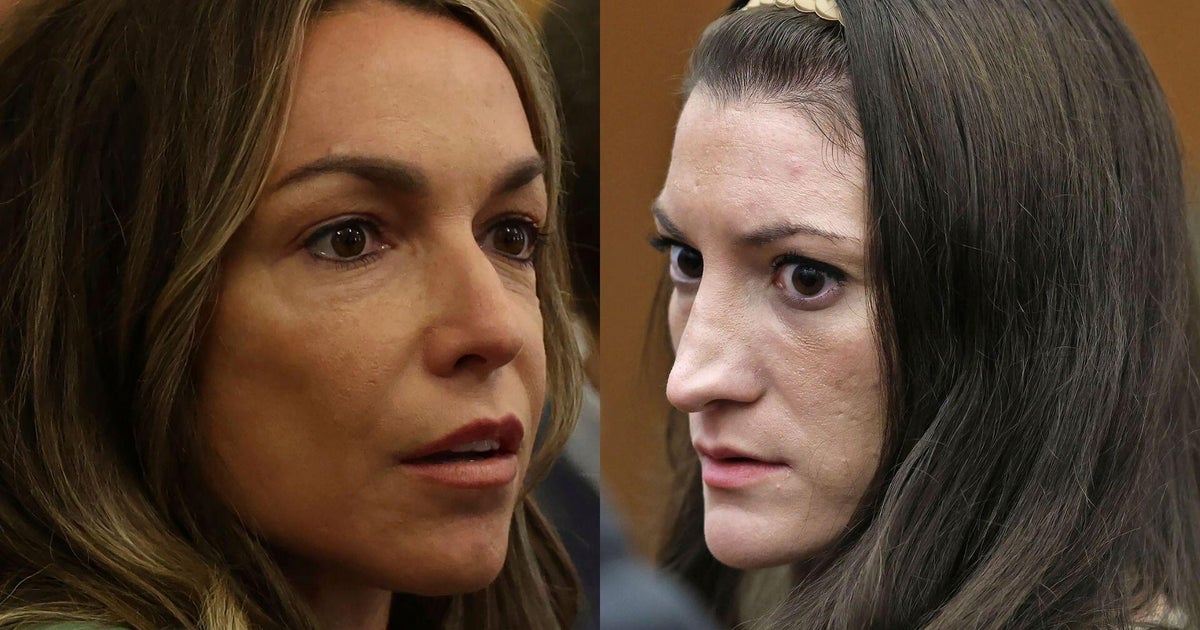
The jury in Lindsay Clancy's trial said they could not agree on a verdict and were told to keep talking. In similar Massachusetts cases, juries sometimes took several days to decide or ended with a mistrial if deadlocked three times. If the Clancy jury stays deadlocked, the judge may declare a mistrial, and the prosecutor will decide whether to try the case again.
Key Facts
The Lindsay Clancy jury told the judge they were deadlocked and unable to agree on a verdict.
Judge William Sullivan ordered the jurors to continue deliberating after their first deadlock message.
Similar cases in Massachusetts include Karen Read (2024) and Emanuel Lopes (2023-2024), where juries were also deadlocked.
Emanuel Lopes’ jury was deadlocked multiple times but reached a guilty verdict after 32 hours over six days.
Karen Read’s jury was deadlocked three times over five days, resulting in a mistrial; she was acquitted in a later trial.
Massachusetts uses a "Tuey-Rodriguez" instruction (also called a dynamite charge) to encourage deadlocked juries to reach a decision.
Judges can send juries back to deliberate twice, and after the second deadlock, they may read the Tuey-Rodriguez charge.
If the jury reports a third deadlock, the judge can declare a mistrial, and the prosecutor decides whether to retry the case.
If a mistrial is declared in Clancy’s case, she will remain in custody at Tewksbury State Hospital pending further legal action.
Read the Original
Want the full story? Tap a source to open the original
article.
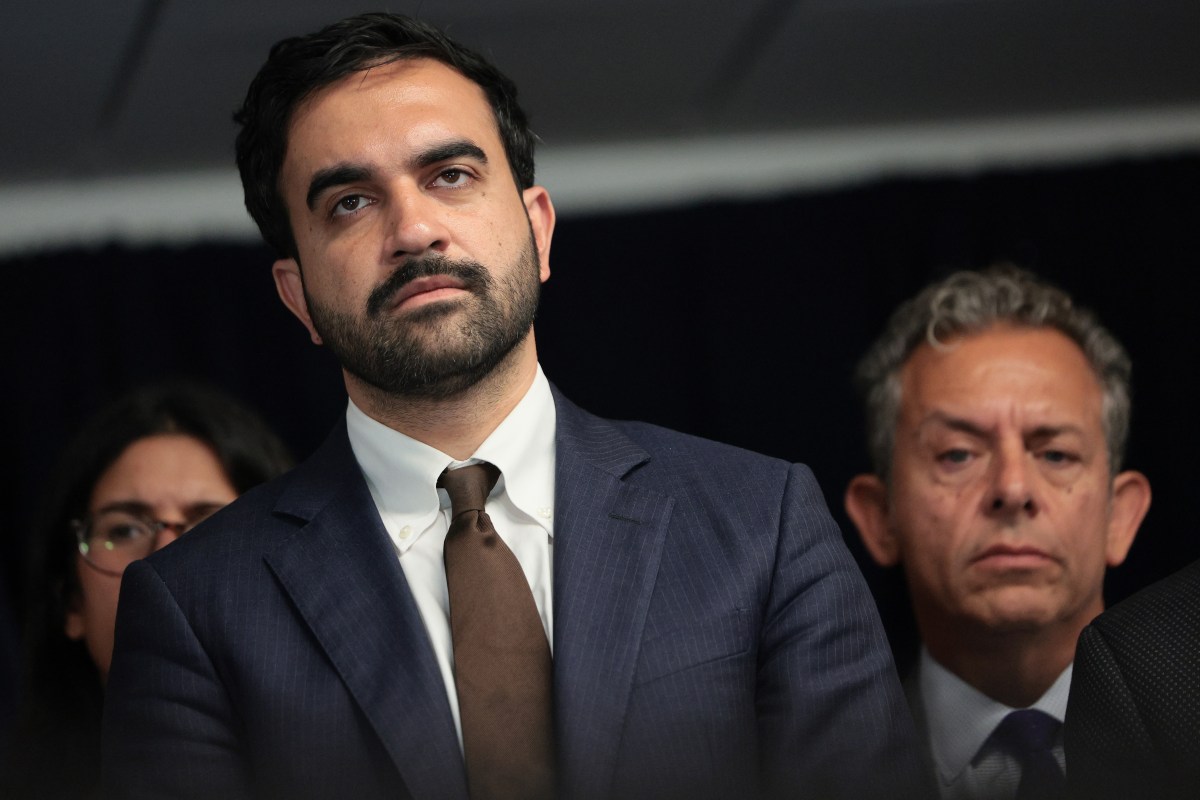
New York Democratic congressional candidate Brad Lander was confronted by demonstrators about his views on Israel. This happened while he was protesting a Hindu nationalist’s event at Madison Square Garden.
Key Facts
Brad Lander is running for Congress in New York.
He faced questions from demonstrators about his position on Israel.
The confrontation took place during a protest against a Hindu nationalist's event.
The event was held at Madison Square Garden.
Brad Lander spoke about the incident on the show "The Takeout."
The situation was covered by CBS News.
Read the Original
Want the full story? Tap a source to open the original
article.
The U.S. Supreme Court allowed the end of temporary protected status (TPS) for Haitians and Syrians living in the country. After the Trump administration let TPS expire for Haitians, around 350,000 people face possible deportation, affecting communities like Springfield, Ohio.
Key Facts
Temporary protected status (TPS) gave Haitians and Syrians special permission to live in the U.S. because of dangers in their home countries.
The Supreme Court decided to end TPS for these groups.
The Trump administration officially ended TPS for Haitians last month.
About 350,000 Haitians in the U.S. lost their protected status and may face deportation.
Springfield, Ohio, has a notable Haitian community that is now affected by this change.
Springfield has previously been a focus in immigration debates and politics.
Ending TPS means these Haitians must either leave the U.S. or find another legal way to stay.
Read the Original
Want the full story? Tap a source to open the original
article.
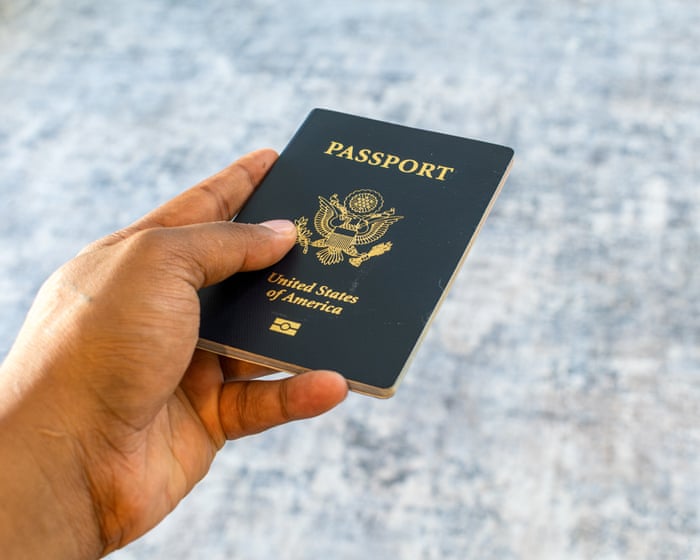
The US State Department has proposed a new rule requiring parents to prove their own citizenship or legal immigration status when applying for a passport for their child. This proposal is part of President Donald Trump’s recent effort to limit automatic citizenship given to children born in the US, especially targeting "birth tourism."
Key Facts
The State Department wants parents to submit proof of citizenship or immigration status for their child’s passport application.
This rule is linked to President Trump’s August 6 executive order aimed at reducing "birth tourism" where non-citizens give birth in the US to secure citizenship for their babies.
The proposal would stop citizenship for children if their parents work for a foreign government, commit fraud, or are considered an “alien enemy.”
Currently, parents only need to prove they are the child’s parent and show photo ID; no proof of citizenship is required now.
President Trump’s earlier, broader order to limit birthright citizenship was struck down by the Supreme Court for violating the US Constitution.
The new, narrower executive order could also face legal challenges in court.
If implemented, all parents or legal guardians must provide documents like a US passport, birth certificate, or green card for the child’s passport application.
Lawyers have filed lawsuits trying to stop the new rules before they take effect.
Read the Original
Want the full story? Tap a source to open the original
article.