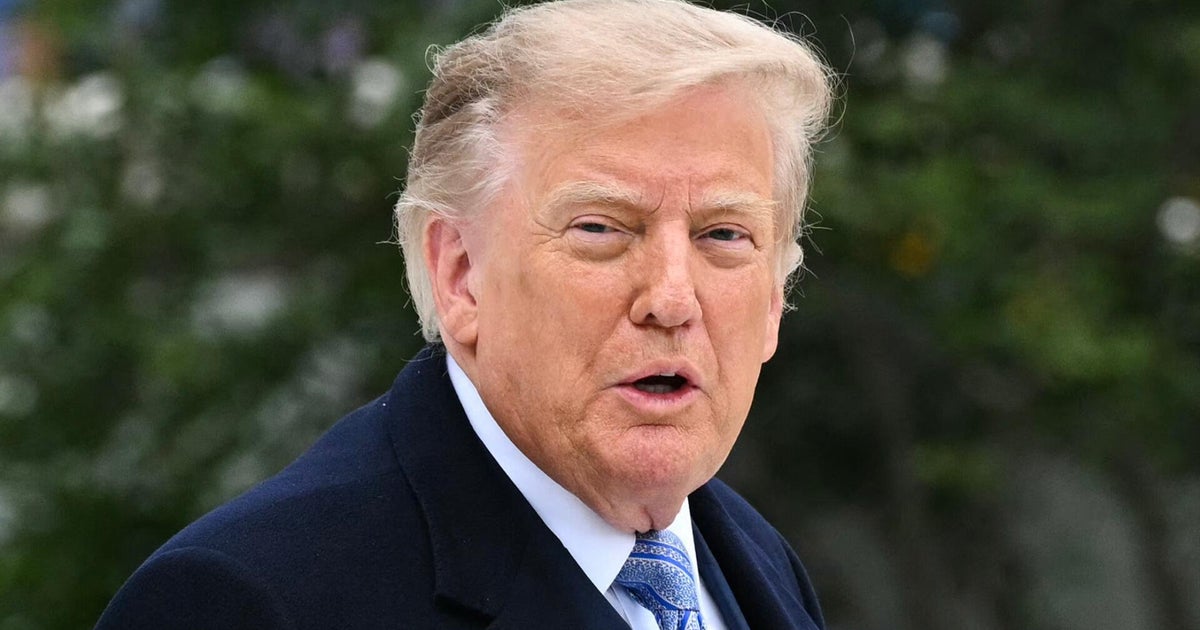
Newsmax CEO Chris Ruddy said he asked President Donald Trump to change his decision to ban reporters from CNN, Politico, and MSNBC from covering the White House. Ruddy told BBC Newsnight that he hopes the president will allow these reporters access again.
Key Facts
Newsmax CEO Chris Ruddy spoke publicly about White House media access on Tuesday.
Ruddy asked President Trump to rethink the ban on certain news organizations.
The banned outlets include CNN, Politico, and MSNBC.
These media outlets are currently not allowed to cover the White House or the Trump administration events.
Ruddy expressed hope that President Trump will lift the bans in the future.
He shared these views during an interview with BBC Newsnight.
The request comes amid ongoing tensions between President Trump and some news organizations.
Read the Original
Want the full story? Tap a source to open the original
article.
Republican Senators Bernie Moreno and Jim Banks have expressed concern about a new investigation related to President Donald Trump’s son, Donald Trump Jr. This follows reports that a Russian oligarch paid for an after-wedding party for Trump Jr. The senators compared the situation to past inquiries into Trump’s connections with Russia.
Key Facts
Republican Senators Bernie Moreno (Ohio) and Jim Banks (Indiana) spoke about concerns regarding a new investigation.
The investigation focuses on whether a Russian oligarch funded Donald Trump Jr.’s after-wedding party.
This situation is being compared to previous “Russiagate” investigations involving President Trump.
The GOP is pushing to question Donald Trump Jr. about the report.
Senator Moreno stated he is not concerned about who pays for a private citizen’s wedding event.
The issue relates to President Donald Trump’s family and potential Russian connections.
Read the Original
Want the full story? Tap a source to open the original
article.
A hearing was held about President Trump's decision to ban CNN, MSNBC, and Politico from the White House press briefings. The hearing ended without a decision being made on the ban.
Key Facts
The hearing focused on President Donald Trump’s ban on certain news organizations from White House press briefings.
The banned outlets include CNN, MSNBC, and Politico.
The hearing took place on a Wednesday.
No official ruling or decision was made by the end of the hearing.
Journalists from CBS News provided coverage of the event.
Read the Original
Want the full story? Tap a source to open the original
article.
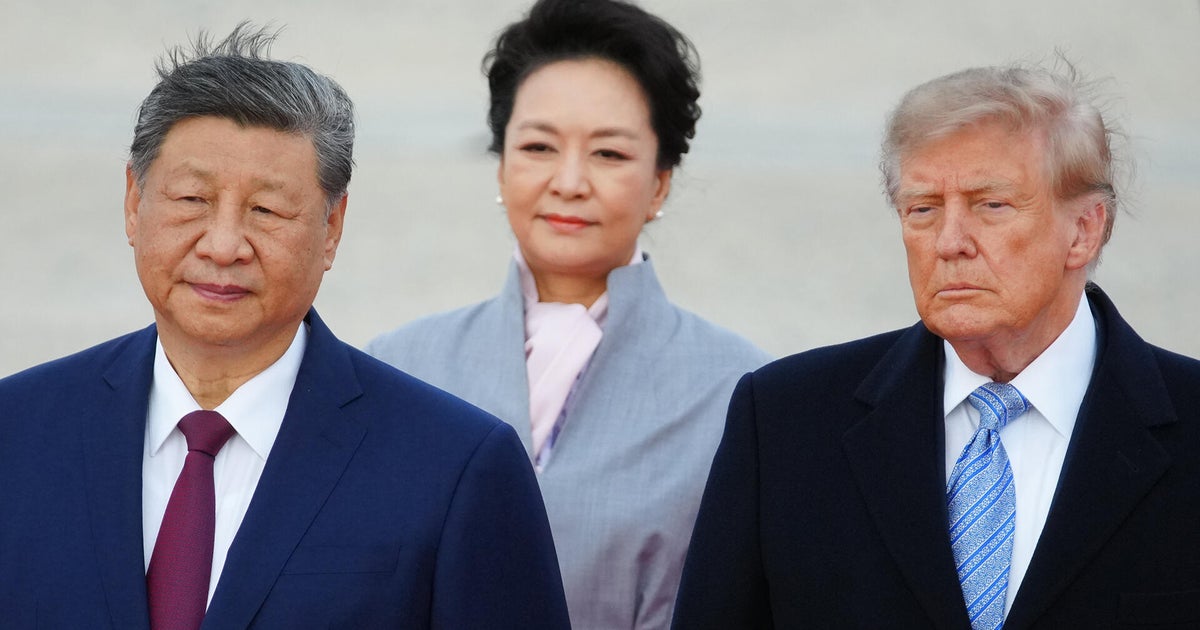
President Donald Trump will hold an arrival ceremony for Chinese President Xi Jinping. A judge has not yet decided on a case involving President Trump's ban on some news outlets from the White House.
Key Facts
President Donald Trump is hosting a ceremony for Chinese President Xi Jinping’s arrival.
The event marks an official welcome for the Chinese leader.
A legal case is ongoing about President Trump's decision to ban certain news organizations from the White House.
The judge has not made a ruling on this ban yet.
The news was reported by CBS News in a segment called "The Takeout with Major Garrett."
Read the Original
Want the full story? Tap a source to open the original
article.
Prime Minister Andy Burnham said he may try lifting the ban on drinking alcohol in view of the pitch at football matches in England and Wales. He wants football to be treated the same as other sports like rugby and cricket, where alcohol is allowed in the stands. Police warned this change could cause safety problems and said it needs careful study before any decision.
Key Facts
The ban on alcohol in the stands during football matches comes from the Sporting Events (Control of Alcohol etc) Act 1985.
Andy Burnham believes the ban is unfair and outdated, pointing out other sports allow alcohol in the stands without the same restrictions.
The ban was originally introduced due to concerns about football violence in the past, often linked to alcohol.
The UK Football Policing Unit warns that football has more issues with violence and crime compared to other sports, so relaxing the ban could increase risks.
The English Football League and Football Supporters’ Association support reviewing the law and possibly trying a trial of allowing alcohol at games.
Since this season, women’s football leagues in England have allowed alcohol in view of the pitch after a successful trial period.
Most women’s football clubs have decided to let fans drink alcohol at home games under the new rules.
Any change would need full consultation with police and safety experts to avoid repeating past tragedies like the Hillsborough disaster.
Read the Original
Want the full story? Tap a source to open the original
article.
An ICE officer shot a Venezuelan man named Wilber Rafael Garcés Pérez in Austin while he was delivering food. The officer was not wearing a body camera during the shooting, according to reports.
Key Facts
The incident happened in Austin, Texas.
Wilber Rafael Garcés Pérez was 28 years old and was working as a DoorDash delivery driver.
The shooting involved an ICE (Immigration and Customs Enforcement) officer.
The officer who fired the shots was not wearing a body camera at the time.
Multiple news reports have confirmed the lack of body camera footage.
Garcés Pérez’s attorney has spoken publicly about the incident.
The shooting took place this past weekend.
ICE is a U.S. government agency that enforces immigration laws.
Read the Original
Want the full story? Tap a source to open the original
article.
The Trump administration proposed allowing 17,500 refugees into the U.S. in the next year, which is a low number compared to past years. President Trump suggested that many of these spots should go to white Afrikaners from South Africa.
Key Facts
The refugee cap proposed is 17,500 for the coming year.
This number is low compared to most previous refugee limits.
The cap is 10,000 higher than last year’s record low.
President Trump focused on admitting white Afrikaners from South Africa.
The refugee cap sets the maximum number of refugees allowed to enter the U.S. annually.
White Afrikaners are a specific ethnic group in South Africa.
The proposal was announced on a Wednesday by the Trump administration.
Refugee admissions are part of U.S. immigration policies controlled by the federal government.
Read the Original
Want the full story? Tap a source to open the original
article.
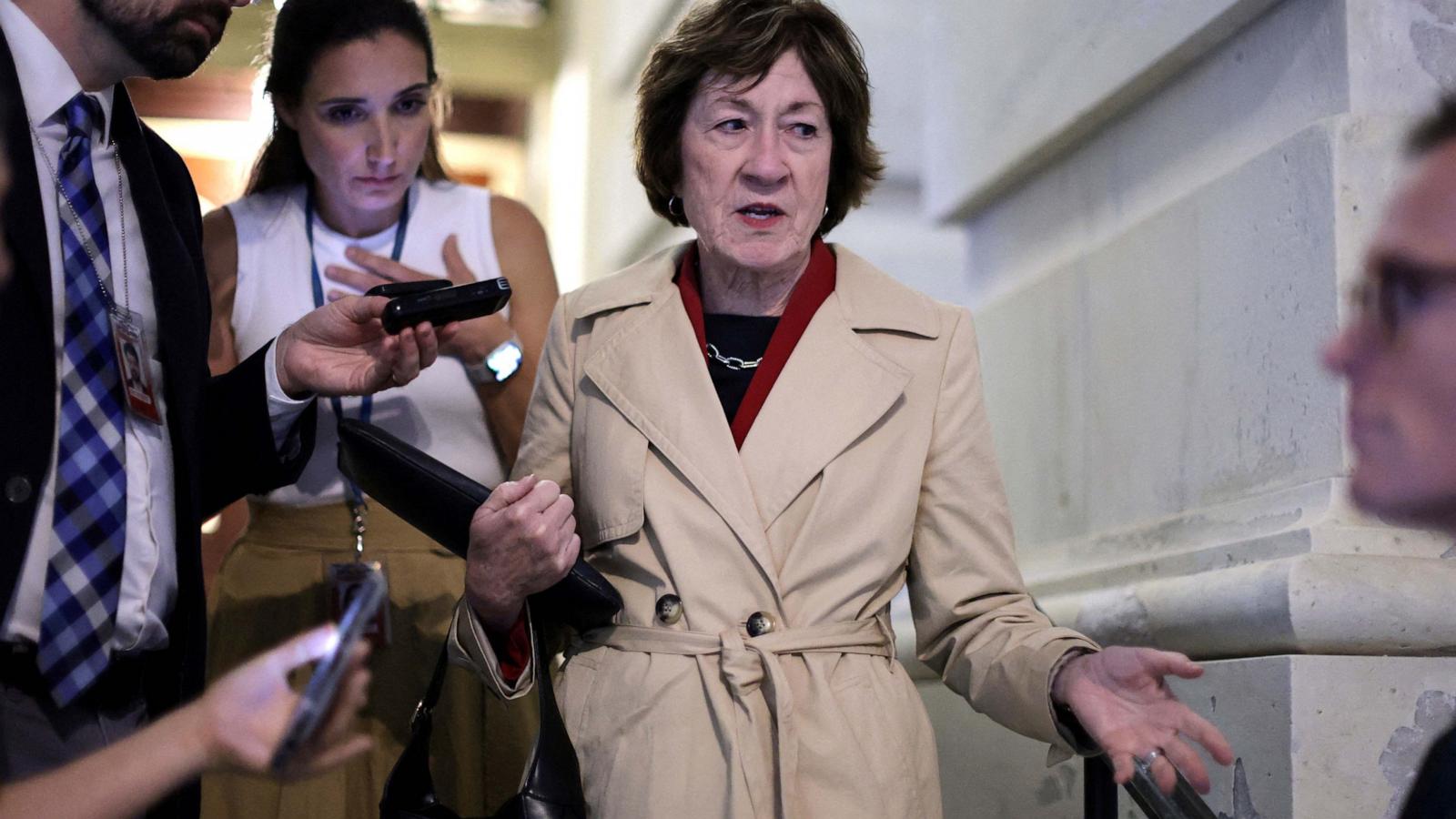
Senator Susan Collins criticized a recent news report about an FBI investigation into a pay-for-play scheme. She called the report biased and offensive and questioned the credibility of a convicted felon involved in the allegations.
Key Facts
Senator Susan Collins is from Maine and is a Republican.
The news report discussed an FBI inquiry into an alleged pay-for-play scheme, which means exchanging favors for money or political support.
Collins described the report as a "partisan hit job," meaning she believes it is politically motivated and unfair.
She found the report offensive.
Collins questioned the reliability of a person involved in the story, who has been convicted twice for crimes including money laundering.
Money laundering means hiding illegally gained money by making it look legal.
The investigation and report involve political and legal issues.
Read the Original
Want the full story? Tap a source to open the original
article.
A federal judge questioned President Donald Trump's decision to ban CNN, MS NOW, and Politico from the White House, saying the news outlets were not given proper legal steps before losing access. The judge referred to past court cases that said the government must follow due process before stopping journalists from entering the White House.
Key Facts
President Trump banned CNN, MS NOW, and Politico from the White House last week.
The news outlets filed a lawsuit asking the court to restore their White House access immediately.
Judge Timothy Kelly said the news organizations did not receive proper notice or fair process before the ban.
Earlier court cases require that journalists have due process rights under the Fifth Amendment before their access is revoked.
The Justice Department said the news outlets broke rules by spreading false information and publishing sensitive details, citing letters sent after access was removed.
The judge questioned how the news outlets could follow rules they only learned about after losing access.
Lawyers for the news outlets said the government’s reasoning about national security was a late excuse and does not fit due process or free press rights.
The Justice Department responded that White House access is a privilege, not a right, and said other criticized media still have access.
Read the Original
Want the full story? Tap a source to open the original
article.
Senator Tim Kaine urged President Donald Trump to quickly stop military actions against Iran. He described the ongoing conflict as illegal and pointed out that the House of Representatives passed three resolutions to end it.
Key Facts
Senator Tim Kaine is calling for an immediate end to U.S. military operations against Iran.
The House of Representatives passed three resolutions related to war powers over the Iran conflict.
Kaine described the conflict as “triply illegal,” meaning it breaks the law in multiple ways.
The statements were made on Capitol Hill and shared by CSPAN.
The conflict has been ongoing for several months.
The pressure comes amid debates about the legal authority for military actions in Iran.
Kaine is a Democratic senator from Virginia.
The article focuses on U.S. government actions and political responses toward Iran.
Read the Original
Want the full story? Tap a source to open the original
article.
A federal judge in Washington, D.C., questioned the Trump administration’s decision to ban three news organizations from the White House and take away their press badges. The judge said the administration did not follow proper legal procedures before making this decision.
Key Facts
The judge reviewing the case is U.S. District Judge Timothy Kelly, appointed by President Trump.
The news outlets banned are CNN, Politico, and MS NOW.
These outlets were banned from entering the White House complex.
Their hard press badges, which allow close access to the White House, were revoked.
The judge said “due process wasn’t followed,” meaning the news outlets were not given a fair chance to respond before being banned.
The hearing occurred shortly after the ban was announced last week.
The ban and badge revocation are being challenged in court.
Read the Original
Want the full story? Tap a source to open the original
article.
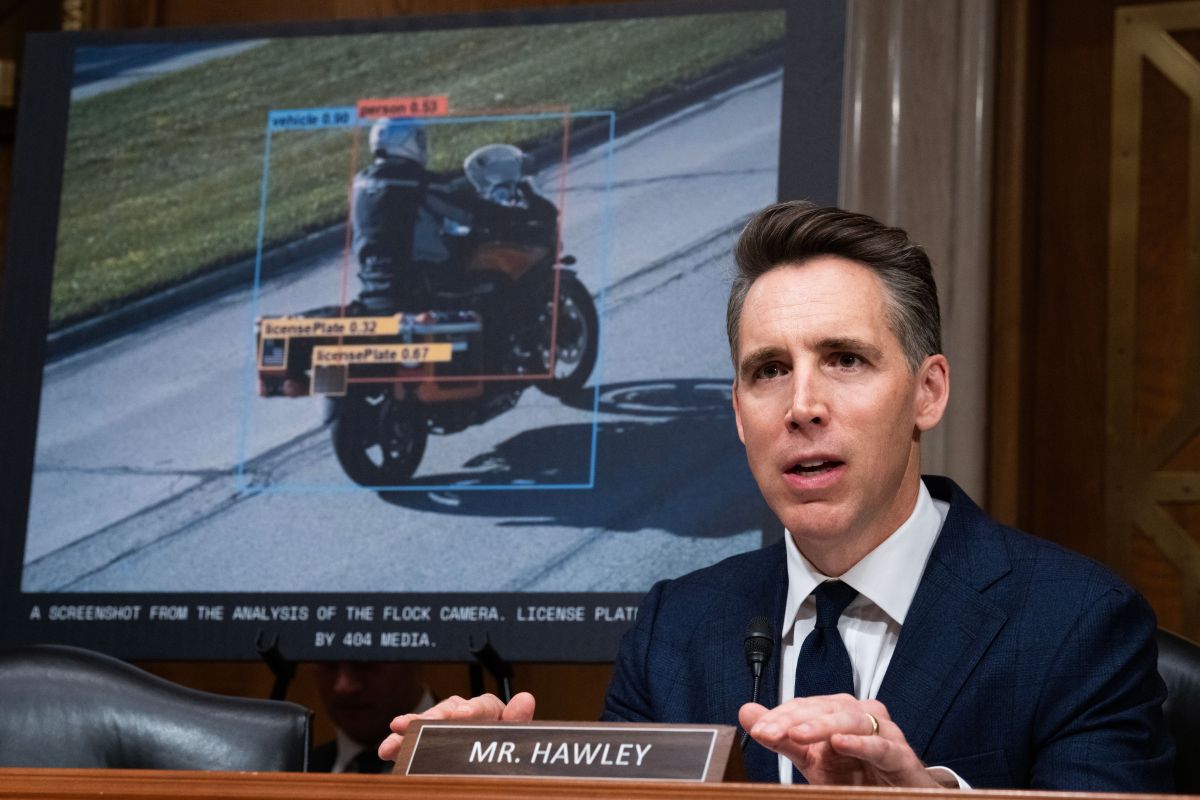
Senators held a hearing to discuss tighter rules on Flock Safety’s network of AI-powered license plate readers used across the U.S. They want stronger privacy protections because the system can track vehicles’ movements over time and raise legal issues under the Fourth Amendment.
Key Facts
Flock Safety operates over 120,000 cameras in 49 states to capture license plate information.
The system allows law enforcement to share vehicle data across different areas.
Senators raised concerns about who can access the data, how long it is kept, and how searches are monitored.
Republican Senator Josh Hawley emphasized upholding constitutional rights despite new technology.
Democratic Senator Dick Durbin acknowledged law enforcement benefits but highlighted the network’s large scale.
Legal experts noted that tracking historical vehicle movements may require a warrant under the Fourth Amendment.
The Supreme Court’s 2018 Carpenter ruling protects long-term location data, influencing this debate.
Some law enforcement officials use and support the technology, but there are calls for limits to prevent privacy violations.
Read the Original
Want the full story? Tap a source to open the original
article.
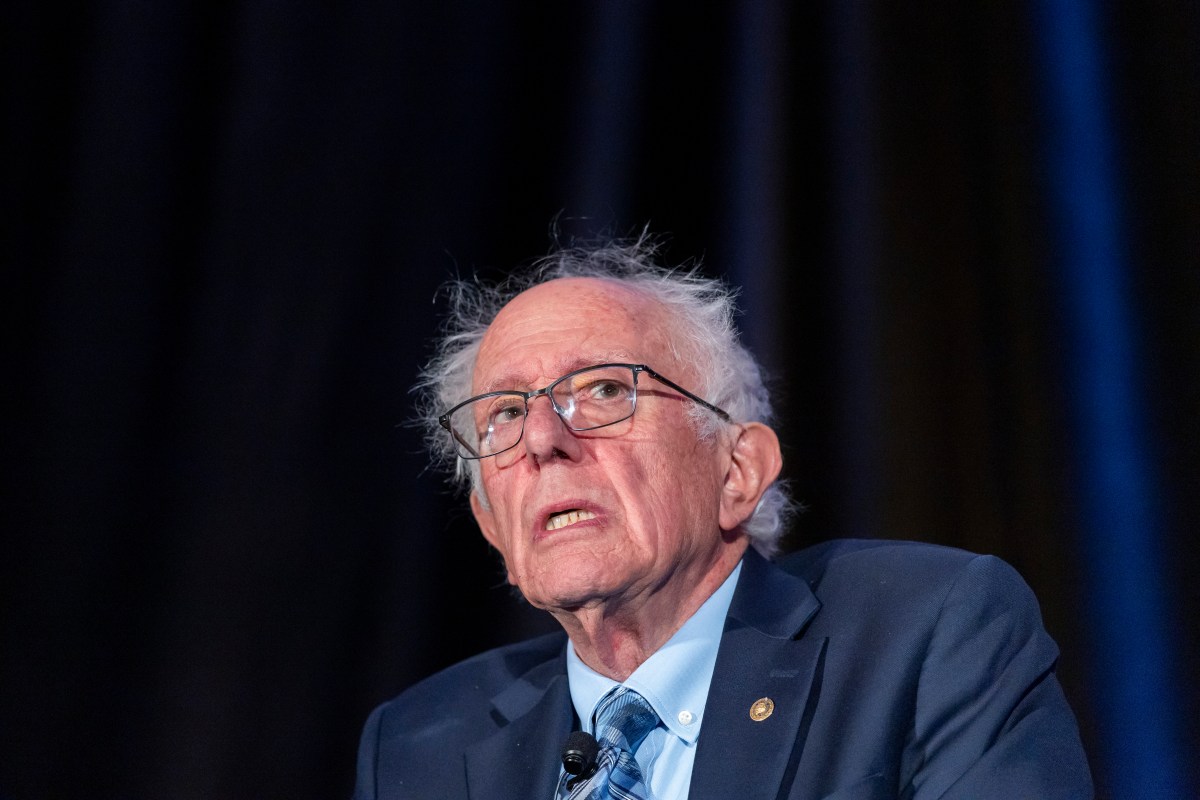
Senator Bernie Sanders introduced a bill called the Stop Social Security Garnishment Act. It would stop the government from taking Social Security money from older adults and disabled people to pay off their overdue student loans.
Key Facts
The bill aims to protect Social Security and disability benefits from being taken to repay old student debts.
About 9 million Americans are behind on their federal student loans and could face collections like wage or benefit garnishments.
More than a third of Social Security recipients with student debt rely on those benefits to pay for basic needs.
The bill is supported by Sanders and several other Democratic senators, including Elizabeth Warren and Ron Wyden.
The legislation would help retirees and disabled people keep access to money for health care, medicine, food, and housing.
Sanders introduced the bill on August 17, and it must pass congressional committees and votes to become law.
Some lawmakers worry that supporting this bill might be seen as backing student loan forgiveness.
The bill responds to concerns about student loans affecting older Americans’ financial security in retirement.
Read the Original
Want the full story? Tap a source to open the original
article.
Pastor Ezra Jin Mingri was detained in China for preaching but was released after President Donald Trump raised his case with Chinese leader Xi Jinping. The article urges President Trump to use upcoming talks with China to push for the release of other political prisoners, including non-Christians, as a way to support religious freedom and protect American values.
Key Facts
Pastor Ezra Jin Mingri, a house-church pastor in China, was arrested for preaching the gospel.
President Donald Trump discussed Pastor Jin’s case with Chinese President Xi Jinping, leading to Jin’s release.
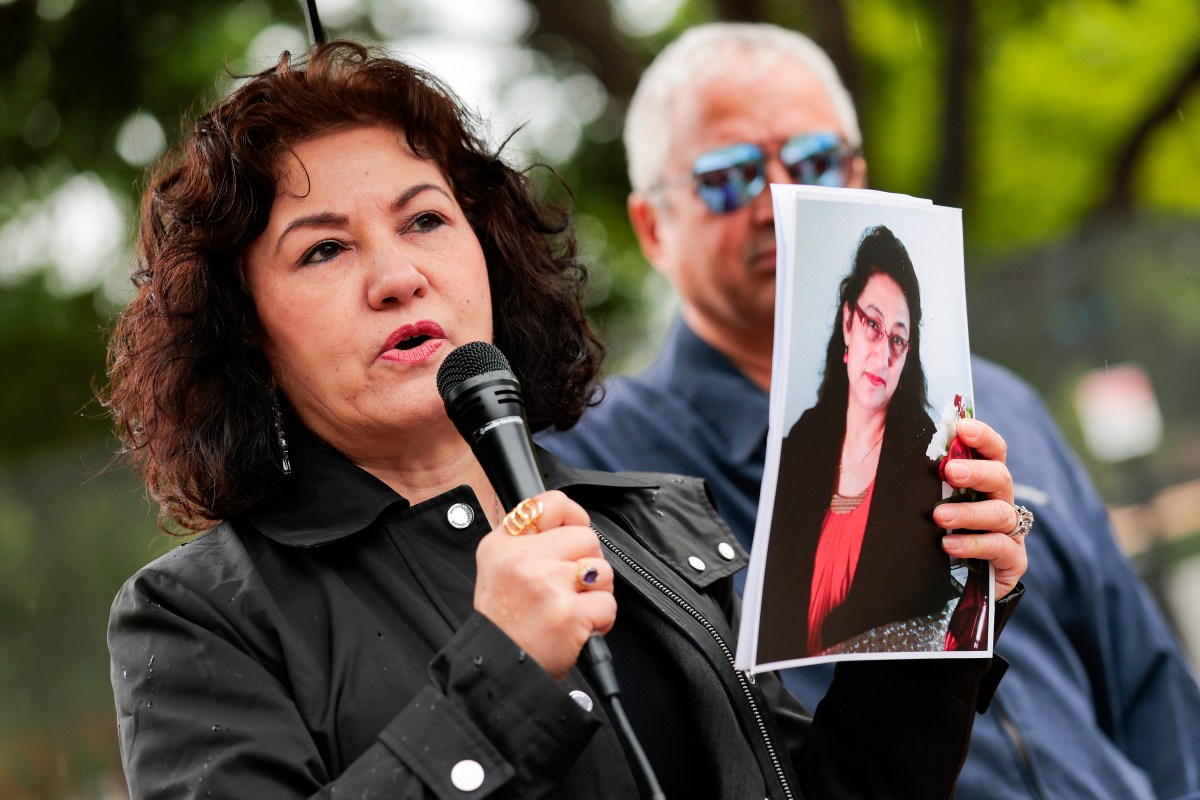
Many political prisoners remain in China, including Uyghur doctor Gulshan Abbas, who was sentenced to 20 years on false charges.
Dr. Abbas was detained after her sister spoke out about the Uyghur genocide in the United States.
The Chinese government is accused of trying to silence free speech, even affecting Americans.
The article calls for President Trump to raise the cases of other prisoners like Tibetan Buddhists and Falun Gong practitioners in talks with China.
Advocating religious freedom is described as important to U.S. national security and values.
The upcoming White House meeting between President Trump and Xi Jinping is seen as an opportunity to address political prisoner releases.
Read the Original
Want the full story? Tap a source to open the original
article.
A judge held a hearing about President Donald Trump's decision to ban three news organizations from the White House. The judge did not make a decision during the hearing but said he would review the arguments before giving an answer.
Key Facts
The hearing was held by D.C. District Court Judge Tim Kelly.
The issue is whether the media ban by President Trump violates the Constitution.
Both sides, including attorneys from the news organizations and the government, presented their arguments.
Judge Kelly ended the hearing without making a ruling.
The judge said he will consider the arguments and provide a ruling later.
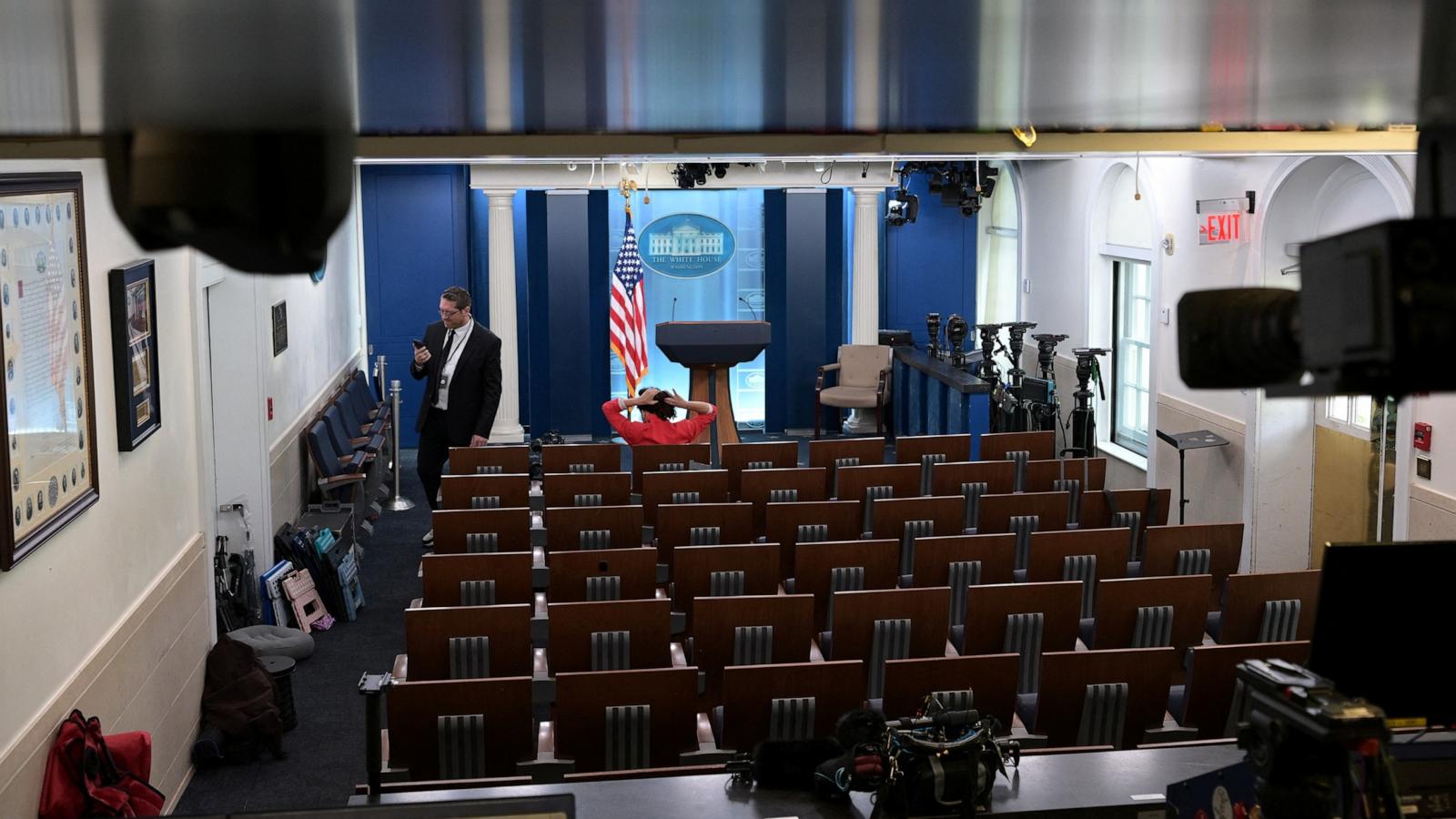
The hearing took place at the White House press briefing room.
This story is ongoing and may have updates in the future.
Read the Original
Want the full story? Tap a source to open the original
article.
A judge in Washington is hearing a case about President Donald Trump’s decision to ban three major news organizations from the White House. The administration argues that it can choose who is allowed inside the White House grounds.
Key Facts
President Donald Trump banned three prominent news outlets from the White House.
The media organizations challenged this ban in court.
A judge is currently hearing arguments about whether the ban breaks the Constitution.
The Trump administration says access to the White House is a privilege, not a right.
The court case is taking place in Washington, D.C.
The dispute centers on freedom of the press and presidential authority.
Read the Original
Want the full story? Tap a source to open the original
article.
Senator Susan Collins strongly denies a ProPublica report that the FBI investigated her for corruption linked to campaign donations and defense contracts. She says the claims are false and political, and notes a previous investigation found no wrongdoing by her or her campaign.
Key Facts
ProPublica reported that a Republican consultant asked the defense firm Navatek and its former CEO for large donations to Collins' campaign in exchange for federal contracts.
The FBI planned to investigate Collins and the donor in 2024, but the investigation stopped after President Donald Trump cut FBI funding.
Collins said the Biden Justice Department found no evidence of wrongdoing by her or her team.
Her deputy chief of staff said the campaign fully cooperated with the FBI and the issues were resolved in 2021.
The FBI told ProPublica it found no reason to implicate Collins or her campaign in any wrongdoing.
Collins is running for reelection in Maine in a race that could affect control of the Senate.
Collins called the timing of the report close to the election “frustrating and unfair.”
Her campaign manager and deputy chief of staff called the allegations false and outrageous.
Read the Original
Want the full story? Tap a source to open the original
article.
Harvey Weinstein was sentenced in New York to 15 years in prison for sexually assaulting a TV production assistant. This sentence comes after years of legal battles, including an overturned 2020 conviction and a retrial that again found him guilty.
Key Facts
Weinstein was sentenced to 15 years for a felony sex crime in Manhattan.
His 2020 conviction was overturned due to problems with the trial evidence.
A second jury found him guilty again during a retrial last year.
Weinstein was once a powerful movie producer known for films like “Pulp Fiction” and “Shakespeare in Love.”
He has been in jail since 2018 and remains in a prison medical ward.
Weinstein’s victim, Miriam Haley, spoke in court about the hardships she faced after the assault.
Weinstein plans to appeal the sentence and denies sexually assaulting anyone.
He is also waiting for sentencing in a separate rape case in Los Angeles.
Read the Original
Want the full story? Tap a source to open the original
article.
The Trump administration has investigated about 1,600 cases of noncitizens illegally registered to vote, resulting in 160 arrests. These cases are a very small part of the over 211 million registered voters in the U.S., showing that voting by noncitizens is uncommon.
Key Facts
The government effort targeted noncitizens on state voter rolls.
About 1,600 voter fraud cases have been found.
There have been 160 arrests related to these cases.
The investigation involved hundreds of federal employees.
These numbers are much lower than earlier claims of hundreds of thousands of noncitizen voters.
There are over 211 million active registered voters in the country.
Experts agree voter fraud by noncitizens is rare.
This initiative was directed by President Donald Trump’s administration.
Read the Original
Want the full story? Tap a source to open the original
article.
Senate Majority Leader John Thune says President Donald Trump is open to the idea of rules for artificial intelligence (AI), even though Trump publicly opposes limits on the technology. Thune is working on a bill that would require AI companies to manage risks and report serious problems, and he is trying to get more lawmakers to support it.
Key Facts
President Trump has publicly called fears about AI safety a "hoax" but is not firmly against rules in private.
Thune believes Trump prefers tech companies to handle AI security rather than the government imposing strict rules.
Thune is working on an AI bill with Senator Amy Klobuchar that focuses on companies managing AI risks and reporting serious issues.
The bill has not been reintroduced yet this Congress but aims to set some guardrails for AI development.
Democrats want mandatory testing of AI systems before deployment, while the bill currently allows companies to choose.
Senator Maria Cantwell wants the Department of Commerce to have rulemaking power over AI, but Thune worries about giving too much power to the executive branch.
Thune has experience with AI policy and would have chaired the Commerce Committee, which deals with these issues, if he were not Senate Majority Leader.
Tech leaders, such as Anthropic CEO Dario Amodei, have discussed AI safety concerns with Thune.
Read the Original
Want the full story? Tap a source to open the original
article.