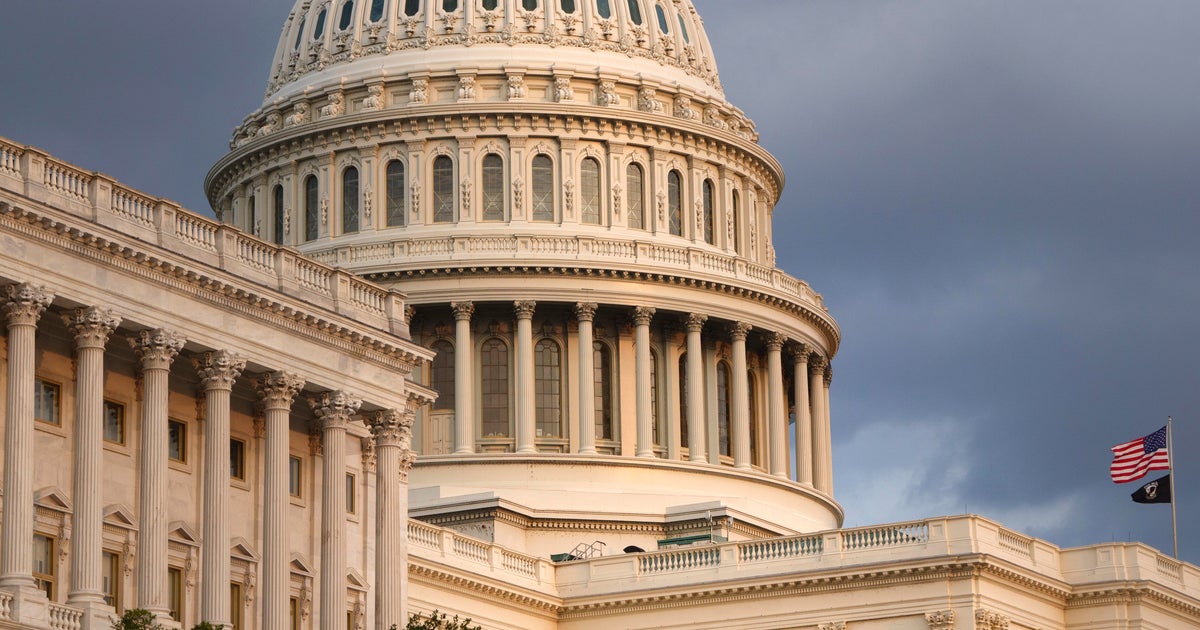
Several Republican candidates in close midterm races are urging President Donald Trump to end the war with Iran quickly. This comes as public opposition grows due to rising energy prices and the length of the conflict, even though President Trump has not changed his approach.
Key Facts
The war with Iran has lasted nearly seven months as of now.
Some Trump-aligned Republican candidates want a fast end to the war, hoping it will reduce energy costs.
President Donald Trump supports continuing his Iran strategy and has hinted at possible escalation.
Candidates in Michigan, Iowa, Wisconsin, and Ohio have publicly called for ending the conflict soon.
Most congressional Republicans initially supported the early strikes on Iran ordered by President Trump in February.
Some Republicans, including Senators Susan Collins and Lisa Murkowski, have voted with Democrats to limit President Trump’s war powers.
Public opinion polls show a majority of Americans want the Iran conflict to end immediately.
A small group of House Republicans have joined Democrats in voting against further war actions authorized by President Trump.
Read the Original
Want the full story? Tap a source to open the original
article.
A woman shares her experience with fertility struggles and delayed diagnosis of polycystic ovarian syndrome (PCOS), now called polyendocrine metabolic ovarian syndrome (PMOS). Despite eventual success with IVF, she expresses frustration about not being diagnosed earlier, which led to years of confusion and feeling unheard by doctors.
Key Facts
The woman was diagnosed with PCOS (now PMOS) after years of symptoms.
She underwent IVF treatment successfully and has a 14-month-old son and seven frozen embryos.
Prior to diagnosis, she struggled with unexplained weight gain that did not respond to diet or exercise.
She visited many doctors but felt their responses were repetitive and unhelpful.
Early diagnosis might not have changed her fertility outcome but could have prevented emotional distress.
The article highlights a larger problem in American healthcare with diagnosing women's hormonal conditions.
She shares her story as part of a weekly parenting diary called Mildly Maternal.
Read the Original
Want the full story? Tap a source to open the original
article.
The article argues that federal employee unions should provide more clear information to workers. It suggests that instead of reducing workers' rights, Congress should help make those rights stronger.
Key Facts
Federal employee unions currently have limited transparency toward workers.
There is a call for better communication and information sharing from unions to the workers they represent.
Weakening employee rights is not the proposed solution.
Strengthening worker rights is suggested as a better approach.
Congress has the power to create laws that improve transparency and strengthen rights for federal workers.
Read the Original
Want the full story? Tap a source to open the original
article.
President Donald Trump disclosed millions of dollars in stock trades during July, involving companies like Microsoft, Nvidia, Palantir, SpaceX, and Tesla. White House officials said his investment portfolio is managed by third parties, and he does not control the buying or selling decisions.
Key Facts
President Trump’s stock trades in July included shares of Microsoft, with sales between $6.5 million and $31 million and purchases between $165,000 and $400,000.
Over 1,000 trades involved AI company Nvidia and Palantir, a software firm working with US defense and immigration agencies.
Trump’s portfolio also had thousands of dollars of trades in SpaceX, which recently started trading on the Nasdaq stock market.
SpaceX’s share price dropped in July and August but remains 14% higher than its initial stock market price.
Tesla shares were also traded on behalf of President Trump.
The White House said the president and his family do not influence the investment decisions in the portfolio.
President Trump has made public many stock trades since returning to the White House in January last year.
Read the Original
Want the full story? Tap a source to open the original
article.
Some voters who consider themselves moderate still prefer candidates who support strong economic changes and oppose the current political leaders. Being moderate does not always mean wanting middle-of-the-road policies.
Key Facts
Voters may identify as moderate but want economic populism, which means policies that help everyday people with money issues.
These voters often want candidates who challenge the existing political system.
The term "moderate" can include a wide range of political views, not just centrist or neutral positions.
Economic populism focuses on addressing inequality and supporting working-class families.
Political establishment refers to current powerful leaders and institutions.
The article suggests not to assume that moderates always prefer bland or compromise policies.
Voter labels do not always clearly indicate specific policy preferences.
Read the Original
Want the full story? Tap a source to open the original
article.
Raising payroll taxes to fix the Social Security funding gap could cost workers and employers a lot of money, making it hard for many people to afford. Instead of just raising taxes, experts suggest considering a combination of options like lifting the income cap on Social Security taxes and making changes to benefits.
Key Facts
Social Security pays out more benefits than it collects from payroll taxes due to more retirees.
The Social Security trust fund is expected to run out by 2032, which could lead to a 22% cut in benefits.
Payroll taxes are currently 12.4%, split between workers and employers; self-employed pay all of it.
Raising payroll taxes to 17% could add $2,600 to $3,000 per year for a median worker earning about $62,000.
Many workers cannot afford the increased tax because most do not have emergency savings.
An alternative is to raise or remove the income cap of $184,500 for Social Security taxes, making high earners pay more.
Senators Warren and Moreno support lifting the cap to make the system fairer.
Experts believe a mix of raising revenue and adjusting benefits is needed to keep Social Security stable long-term.
Read the Original
Want the full story? Tap a source to open the original
article.
Senator Mitch McConnell and three other Republican senators asked top U.S. defense and state officials to release billions of dollars in delayed security aid to Taiwan. They reminded these officials of their previous promises to support Taiwan's independence.
Key Facts
Senator Mitch McConnell is leading the request, joined by three other GOP senators.
They addressed their letter to Secretary of Defense Pete Hegseth and Secretary of State Marco Rubio.
The letter asks for the release of billions in national security assistance for Taiwan.
The aid has been stalled and not yet provided.
The senators cited earlier statements by the officials that supported defending Taiwan’s sovereignty.
Taiwan’s sovereignty means its right to govern itself independently.
The U.S. has shown interest in helping Taiwan with its defense.
Read the Original
Want the full story? Tap a source to open the original
article.
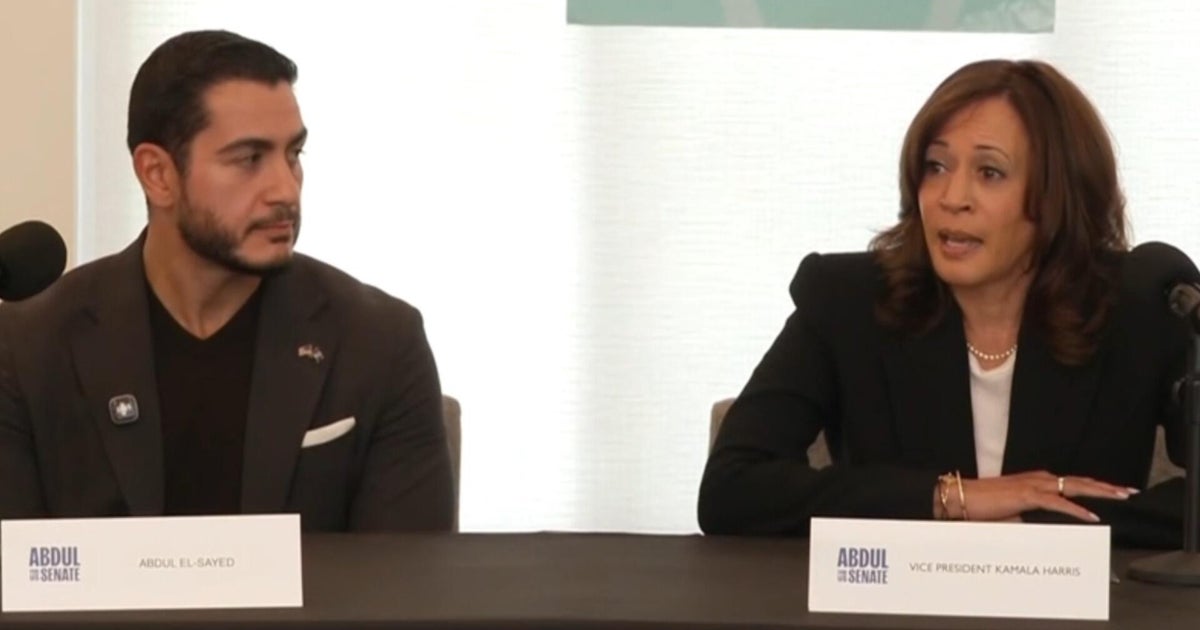
Former Vice President Kamala Harris campaigned with Dr. Abdul El-Sayed as he runs for a Senate seat in Michigan. A new poll shows Democrat James Talarico is leading over Republican Ken Paxton in the Texas Senate race.
Key Facts
Kamala Harris, former Vice President, is supporting Abdul El-Sayed’s campaign for U.S. Senate in Michigan.
Abdul El-Sayed is a doctor running for the Senate.
A recent poll shows James Talarico, a Democrat, ahead in Texas's Senate race.
James Talarico is running against Ken Paxton, the Republican Governor of Texas.
The news was reported by CBS News correspondent Fin Gómez.
The events relate to upcoming U.S. Senate elections.
The focus of the Michigan campaign included health issues, as emphasized by El-Sayed.
The article includes a brief video report available on the CBS News app.
Read the Original
Want the full story? Tap a source to open the original
article.
Melania Trump announced a new docuseries where she plans to answer private questions and have more personal conversations. She described it as different from her previous documentary and shared details during an interview on Fox News.
Key Facts
Melania Trump is creating a new docuseries.
The project will focus on personal, one-on-one conversations.
She promised to answer private questions in the series.
The show will be different from her earlier documentary.
She discussed the new project during a Fox News interview on "Fox and Friends."
Read the Original
Want the full story? Tap a source to open the original
article.
A recent survey shows most adults in the United States and Canada disagree with President Trump’s decision to raise tariffs on Canadian goods. The poll found that many people in both countries think these higher taxes on imports were a bad choice.
Key Facts
A new poll was released showing opinions about President Trump’s tariffs on Canadian goods.
83 percent of Canadians surveyed said the tariffs were wrong.
56 percent of Americans surveyed also said the tariffs were wrong.
The tariffs involved higher import taxes on goods coming from Canada to the U.S.
The poll was conducted by Politico and Public First.
The survey reflects public disagreements with the trade policy between the U.S. and Canada.
Read the Original
Want the full story? Tap a source to open the original
article.
Immigration and Customs Enforcement (ICE) mistakenly detained a U.S. citizen from Evanston, Illinois, resulting in him being injured on the ground. The incident happened during an ICE operation, and local police confirmed the mistake involved wrongful detention.
Key Facts
ICE detained a man who is a U.S. citizen from Evanston, Illinois.
The detention was a case of mistaken identity.
During the incident, the man was left injured on the ground.
Local police reported the mistake and injury.
A Department of Homeland Security spokesperson confirmed details about the operation.
The incident occurred on a Sunday.
ICE officers were conducting an operation in Evanston at the time.
The news was reported by The Hill.
Read the Original
Want the full story? Tap a source to open the original
article.
Many young Australians aged 18 to 29 are living with their parents, with nearly 50% doing so in 2024 compared to 39% in 2001. The trends show rising education levels and employment rates overall, but some groups, particularly less educated men and women aged 25 to 44, face declining full-time work and lower labor participation.
Key Facts
In 2024, almost half of Australians aged 18-29 live with their parents, up from 39% in 2001.
More young people are studying longer, and the high cost of moving out also contributes to staying home.
Employment rates are high in 2024, with 84.4% of working-age men and 76% of working-age women employed.
Over half of women aged 25-44 now have a university degree; women are generally better educated than men in all age groups.
Men aged 25-44 without a high school diploma have seen a fall in full-time jobs, from 70% in 2001 to 63% in 2024, with more leaving the workforce.
Women in the same education group (no high school or higher education) also have lower workforce participation, dropping from 60% in 2001 to 52% in 2024.
Median household income peaked around 2021 but dropped by 2024 due to rising living costs after the pandemic.
Despite higher incomes in recent years, Australians report feeling less financially secure after the COVID-19 pandemic.
Read the Original
Want the full story? Tap a source to open the original
article.
The US Department of Justice supports President Donald Trump’s decision to ban CNN, Politico, and MS Now reporters from the White House, saying access is a privilege and citing national security concerns. The news organizations have sued Trump, saying the ban violates their First Amendment rights, while Trump’s team argues the ban targets false reporting and threats to security.
Key Facts
President Trump banned CNN, Politico, and MS Now reporters from the White House.
The Department of Justice filed a court document defending the ban, calling White House access a privilege, not a right.
The lawyers said the banned outlets published “fake news” and did not meet professionalism standards.
Specific examples include reports on a White House bunker, leak investigations, and Secret Service security spending.
Trump’s team claims these reports threatened national security and broke rules on decorum.
CNN, Politico, and MS Now sued Trump, asking a judge to restore their White House press passes and stop the ban.
A federal judge will hear arguments about a temporary restraining order to block the ban.
The case involves balancing free press rights and national security concerns.
Read the Original
Want the full story? Tap a source to open the original
article.
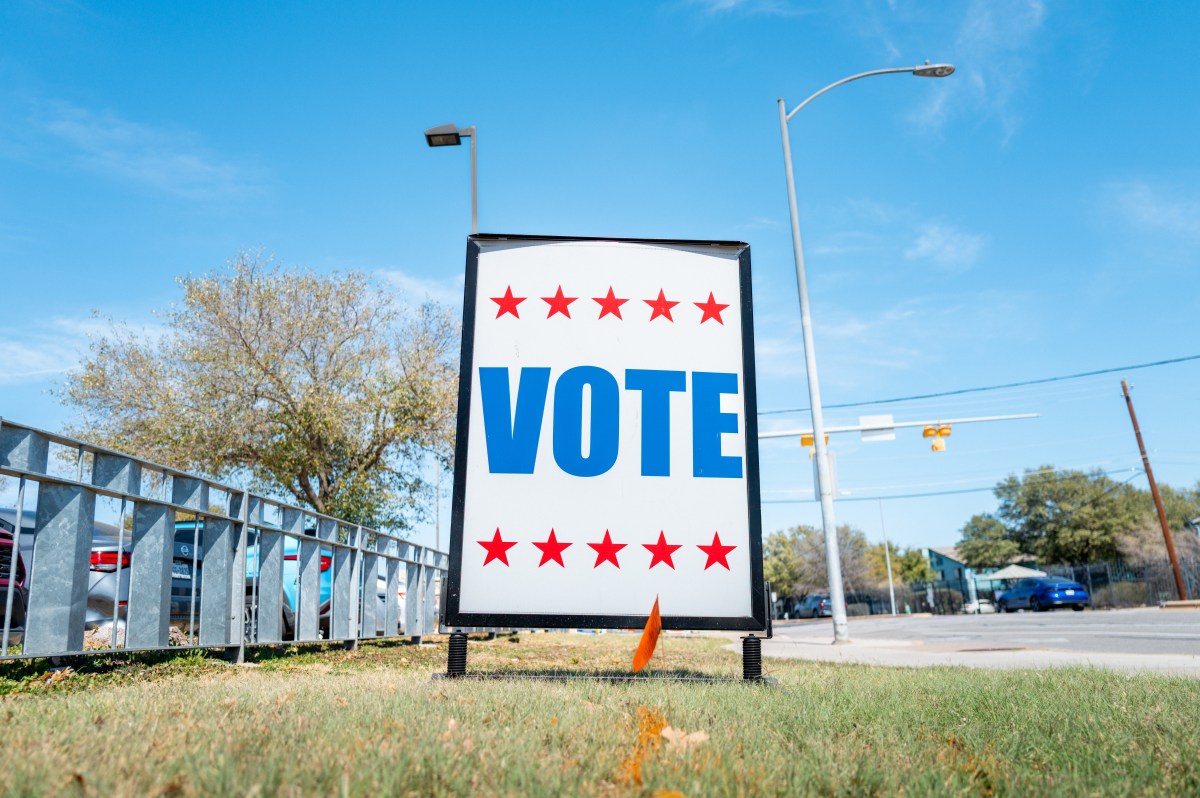
Texas election officials found a problem that delayed many voter registrations because the Department of Public Safety’s system marked some records as incomplete. They are now working quickly to fix the issue before the October 5 registration deadline for the November 3 midterm elections.
Key Facts
An error in Texas DPS’s system caused some voter registration applications to be held up and not processed.
The problem was discovered last week when stuck applications suddenly appeared in the state voter system.
Election officials don’t know exactly how many voters were affected or why applications were marked incomplete.
The state is sending the delayed applications to county election offices for processing as of late Tuesday.
Texas has a voter registration deadline of October 5 for the November 3 midterms.
Voters affected can still cast a provisional ballot, which will count if their registration is confirmed.
Texas residents have been able to register through the DPS online system when renewing driver's licenses or IDs since 2020.
Voters can check their registration status at VoteTexas.gov.
Read the Original
Want the full story? Tap a source to open the original
article.
President Donald Trump has a plan to bring about 18,000 White South African migrants, known as Afrikaners, to the United States. This plan could cost U.S. taxpayers around $500 million.
Key Facts
The plan involves bringing nearly 18,000 White Afrikaner migrants from South Africa to the U.S.
The estimated cost to U.S. taxpayers is about $500 million.
Afrikaners are a group of White South Africans, mainly descendants of Dutch settlers.
The plan was reported by CBS News and discussed by journalist Camilo Montoya-Galvez.
The article does not provide details about how the funds will be used or the timeline for the migration.
This plan is part of President Trump’s immigration-related policies.
Read the Original
Want the full story? Tap a source to open the original
article.
A group of U.S. senators from both political parties asked Secretary of State Marco Rubio to help free an American journalist held in Iran. The letter was sent just before U.S. officials, including President Donald Trump’s team, met with Iranian representatives at the United Nations in New York.
Key Facts
Senators from both parties signed a letter to Secretary of State Marco Rubio.
They urged him to work for the release of Reza Valizadeh, an American journalist jailed in Iran.
Reza Valizadeh is a dual citizen of Iran and the United States.
The letter came one day before indirect talks between U.S. and Iranian officials in New York.
The U.S. meeting took place at the United Nations during President Donald Trump’s administration.
The letter calls the imprisonment of Valizadeh unfair.
These talks are part of ongoing diplomatic efforts between the U.S. and Iran.
Ensuring the safety of American citizens abroad is a key aim of the senators’ request.
Read the Original
Want the full story? Tap a source to open the original
article.
President Donald Trump criticized CNN anchor Kaitlan Collins for attending and covering his speech at the United Nations General Assembly. He had previously banned CNN, MSNBC, and Politico from the White House and told Collins she should not be there reporting on him.
Key Facts
President Trump spoke at the United Nations General Assembly (UNGA).
CNN, MSNBC, and Politico were banned from the White House by President Trump.
During the UNGA event, CNN anchor Kaitlan Collins asked President Trump a question.
President Trump told Collins she should not be covering him at the event.
The incident happened just before President Trump gave his UN speech.
Trump described some media outlets as "sleazebags" during the interaction.
Read the Original
Want the full story? Tap a source to open the original
article.
The U.S. Department of Education has released the FAFSA form earlier than ever for the 2027-2028 school year. The form is now simpler, taking about 15 minutes to complete, and includes clearer language to help families apply for federal financial aid more easily.
Key Facts
FAFSA stands for Free Application for Federal Student Aid, which helps students get money for college.
The 2027-2028 FAFSA form launched earlier than the usual deadline of October 1.
The form has been simplified to reduce confusing language and can be completed in about 15 minutes on average.
Students can invite a parent or other contributor to help fill out the form via text or email.
Changes come after the FAFSA Simplification Act of 2020, passed during President Trump’s first term, which aimed to make the process easier and improve access to federal aid like Pell Grants.
Education Secretary Linda McMahon and Higher Education Under Secretary Nicholas Kent emphasized the importance of filling out the form to avoid missing financial aid opportunities.
This is the second year the form has been released before October 1.
The Department hopes the improvements will help low and middle-income families concerned about college costs.
Read the Original
Want the full story? Tap a source to open the original
article.
Texas state Representative Angela Paxton told conservative women to vote for Republicans even if they feel upset with the party. This is her first public comment about her estranged husband, Attorney General Ken Paxton’s, Senate race, as he is currently behind in the polls.
Key Facts
Angela Paxton is a Texas state Representative and the estranged wife of Texas Attorney General Ken Paxton.
She filed for divorce from Ken Paxton in July of last year.
Ken Paxton is running for the U.S. Senate from Texas.
Angela Paxton spoke at a meeting with conservative women.
She encouraged women to keep voting Republican despite frustrations.
Ken Paxton is trailing behind other candidates in recent polls.
Angela’s statement is the first public comment on her husband’s Senate campaign since their separation.
Read the Original
Want the full story? Tap a source to open the original
article.
Two students from the University of Mississippi were found dead in different places, and both had packaged kratom with them. Police are investigating the deaths but have not released a cause or confirmed any connection to kratom.
Key Facts
Two students at the University of Mississippi died in separate locations.
Both students were found with packaged kratom nearby.
Kratom is a plant product that some people use like medicine or drugs.
Police are currently investigating the circumstances of the deaths.
No official cause of death has been announced yet.
The situation has led to rumors, but details remain unclear.
Authorities have not confirmed if kratom played a role in the deaths.
Read the Original
Want the full story? Tap a source to open the original
article.