New York City has reached a $131 million settlement with DoorDash after finding the company underpaid delivery workers. The settlement will give money directly to about 260,000 workers, with penalties and costs going to the city.
Key Facts
The settlement is the largest for delivery workers in any U.S. city.
DoorDash underpaid workers between December 2023 and June 2026.
DoorDash confirmed $6.6 million in unpaid wages and over $5.7 million in late payments.
Workers will receive double the amount they were originally owed.
The city’s minimum pay rule for delivery workers started under former Mayor Eric Adams.
The current Mayor, Zohran Mamdani, increased enforcement by hiring more staff and experts.
Similar minimum-pay laws exist in Seattle, where Uber Eats recently paid a settlement for violations.
The settlement includes $115 million paid to workers and $16 million in penalties and costs.
Read the Original
Want the full story? Tap a source to open the original
article.
The White House launched its own 24/7 streaming channel called Trump TV to share President Donald Trump’s speeches and events directly with the public. The channel mainly shows past highlights from Trump’s presidency and some live briefings, without traditional news programs or anchors.
Key Facts
Trump TV started on the same day major TV networks paused White House coverage in protest.
The channel streams on YouTube, WhiteHouse.gov, and the official White House app.
Trump TV mainly plays recorded clips of Trump’s speeches and executive actions.
Live events, like Vice President Vance’s briefing, are occasionally shown.
It has no news anchors, headlines, or live news reporting elements.
The channel’s purpose is to share Trump’s messages without relying on traditional media.
The White House labels Trump TV as “CH 47,” referencing Trump’s current presidency.
President Trump has used direct streaming before, including a 2016 Facebook Live show and the commercial Truth+ service started in 2024.
Read the Original
Want the full story? Tap a source to open the original
article.
Braden Peters, known as Clavicular, faces criminal charges in Massachusetts for rape, drugging someone for sexual activity, and providing alcohol to a minor. The allegations relate to an incident in 2025 and the case is scheduled for arraignment on October 14.
Key Facts
Clavicular’s real name is Braden Peters, and he is 20 years old.
He was charged on September 8 in Orleans District Court, Massachusetts.
Charges include rape, drugging for sexual intercourse, and providing alcohol to a person under 21.
The alleged incident occurred on May 23, 2025, in Chatham, Massachusetts.
A judge found probable cause for the charges on September 4.
Peters’ legal team claims he is innocent but has not publicly detailed the case.
Police say the accuser was 17 and consumed alcohol supplied by Peters during a livestream event.
Peters is not currently in custody, and the arraignment is set for October 14.
Read the Original
Want the full story? Tap a source to open the original
article.
The Trump administration asked the US Supreme Court to reverse the release of Badar Khan Suri, a Georgetown scholar detained by immigration authorities for his pro-Palestinian activism. The administration argues that immigration law does not allow lower courts to order such releases during deportation proceedings, while a lower court had freed Suri on free speech grounds.
Key Facts
Badar Khan Suri is a Georgetown University postdoctoral fellow and advocate for Palestinian rights.
He was arrested in March 2025 by ICE agents outside his Virginia home during a targeted crackdown on pro-Palestinian activists.
Suri is an Indian citizen and related by marriage to a former adviser to a Hamas leader.
A district court judge ordered Suri’s release in May 2025, citing likely constitutional violations of his free speech rights.
The Trump administration’s Department of Justice wants the Supreme Court to decide if immigration law prevents lower courts from releasing detainees during deportation cases.
The Fourth Circuit Court ruled that lower courts can review detention claims even during deportation proceedings.
Another appeals court, the Third Circuit, ruled differently by saying lower courts cannot hear such challenges while removal hearings are active.
The case raises questions about how immigration enforcement and constitutional rights are balanced during deportations.
Read the Original
Want the full story? Tap a source to open the original
article.
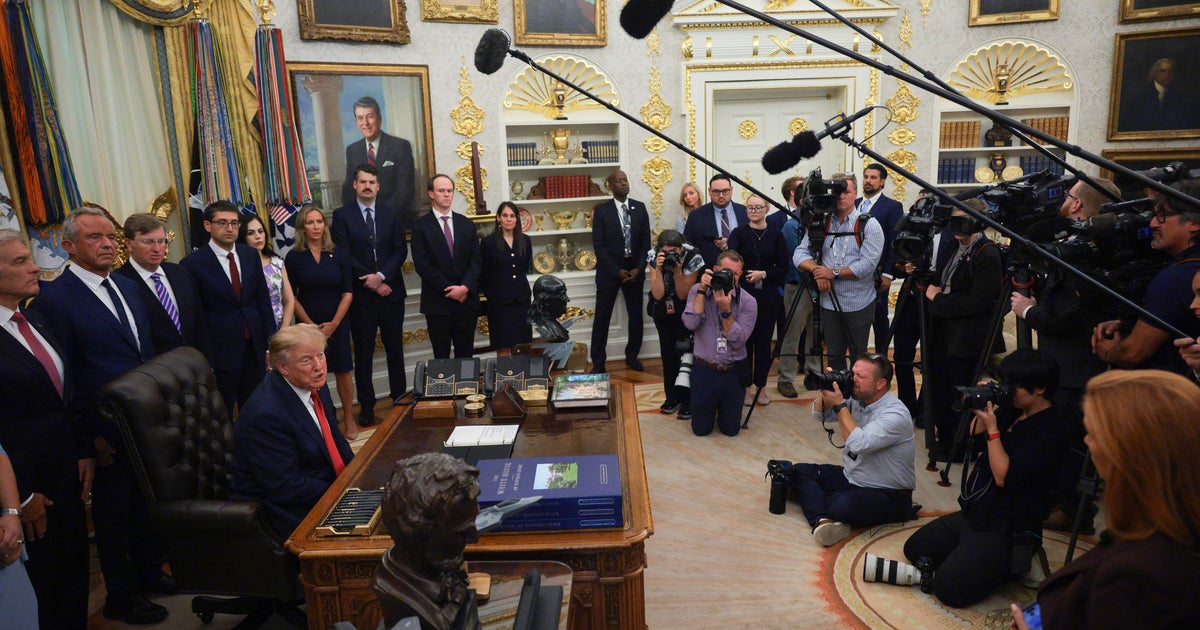
President Donald Trump has banned CNN, MS NOW, and POLITICO from White House access, citing their reporting as false. These news outlets filed a lawsuit, claiming the ban violates their constitutional rights. Meanwhile, other major networks suspended their participation in the White House press pool to support the banned outlets.
Key Facts
President Trump banned CNN, MS NOW, and POLITICO from White House access.
The president called their reporting "fake news."
The three outlets sued the White House, citing First Amendment and due process rights.
A court hearing on the lawsuit is set for Wednesday.
CNN is part of the White House TV press pool, which covers the president and shares information.
Other major networks (CBS, ABC, NBC, Fox) paused the TV pool in solidarity with CNN.
The press pool is a rotating group of reporters who attend presidential events and travel with the president.
The pool provides direct coverage where space is limited, such as the Oval Office and Air Force One.
Read the Original
Want the full story? Tap a source to open the original
article.
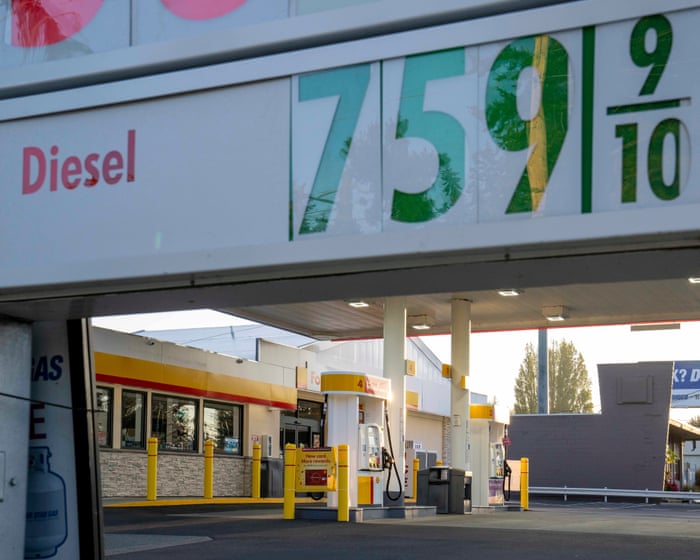
President Donald Trump supports a ban on exporting diesel fuel from the United States to help lower rising energy costs. Diesel prices have reached record highs due to reduced supply caused by conflicts involving countries like Russia and Saudi Arabia.
Key Facts
Diesel fuel prices in the US reached $6.53 per gallon, the highest ever recorded.
Wars in Iran and Ukraine have cut diesel exports from major producers such as Russia and Saudi Arabia.
President Trump called for stopping diesel exports to keep more fuel inside the US and reduce prices.
The US Treasury Secretary, Scott Bessent, said officials are reviewing if a full or partial diesel export ban is possible.
Some Republican Senate candidates support the export ban to help Americans facing high energy costs.
The American Fuel and Petrochemical Manufacturers group warned that a ban could reduce fuel production and might make prices worse.
President Trump and Ukrainian President Volodymyr Zelenskyy are discussing attacks on Russian oil refineries and ways to end the war in Ukraine.
Read the Original
Want the full story? Tap a source to open the original
article.
A man in Michigan died after crashing his car into a tree. This happened shortly after agents from Immigration and Customs Enforcement (ICE) tried to stop him, according to the Grand Rapids police.
Key Facts
The crash took place in Michigan.
The driver died after hitting a tree.
ICE agents had tried to stop the man before the crash.
The information was provided by the Grand Rapids police.
The incident occurred recently, as reported on Tuesday.
Read the Original
Want the full story? Tap a source to open the original
article.
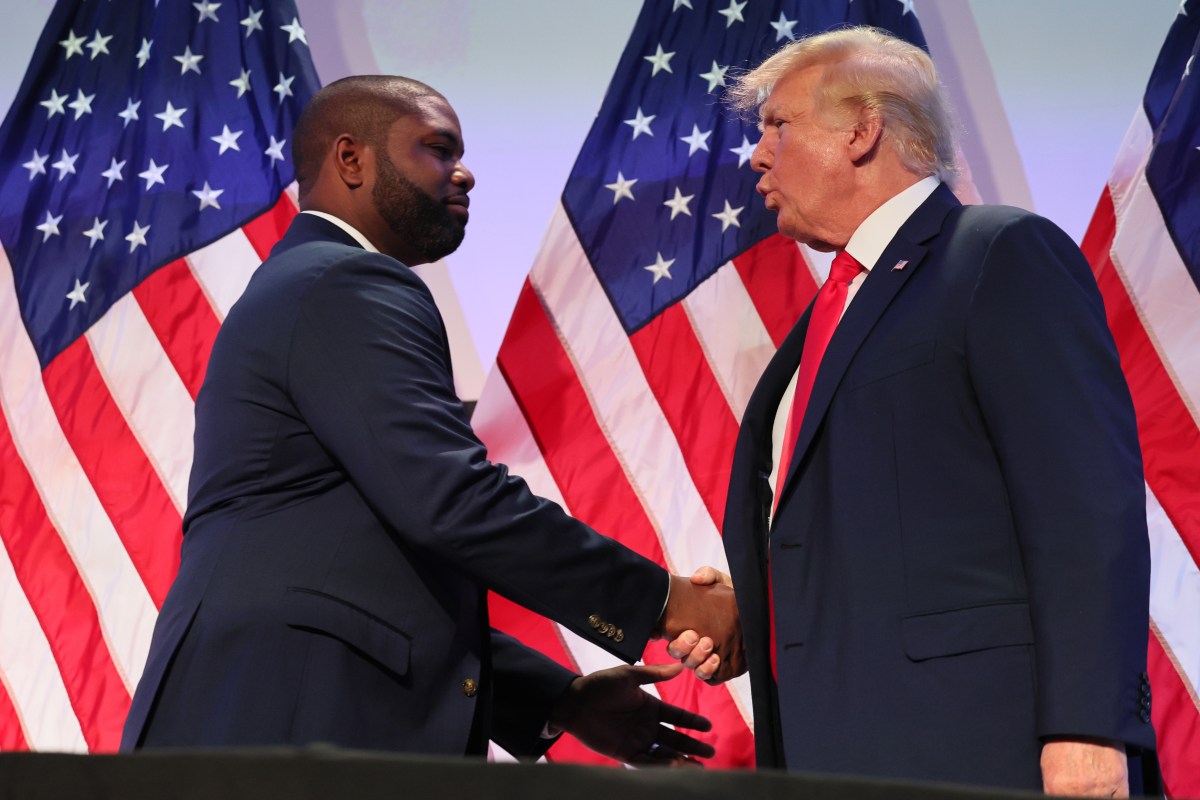
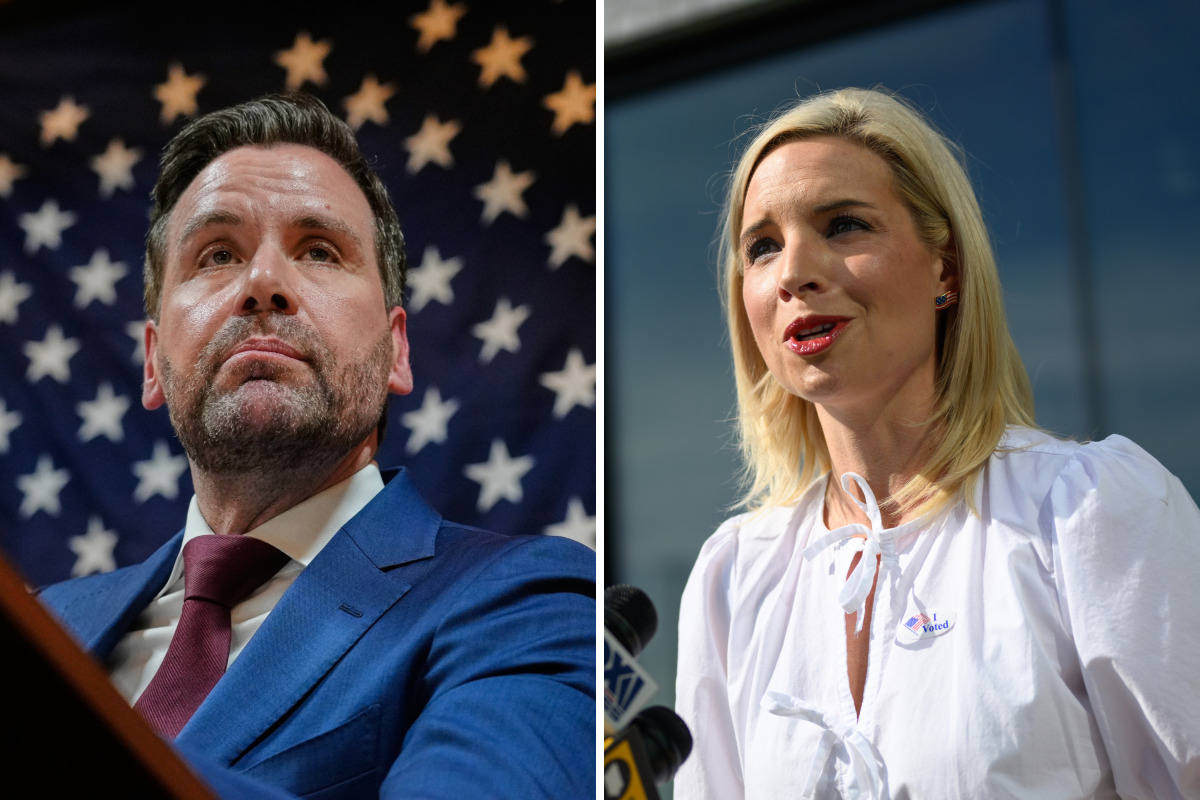
Republican Byron Donalds, running for Florida governor, has removed several mentions of President Donald Trump from his campaign website as polls show a close race against Democrat David Jolly. Donalds had previously highlighted Trump’s endorsement but now features fewer references, while the race tightens in a state Trump won in 2024.
Key Facts
Byron Donalds is the Republican candidate for Florida governor.
Donalds has closely aligned with President Trump and was endorsed by him during the GOP primary.
Recent polls show Donalds and Democrat David Jolly in a very close race for governor.
Donalds’ campaign website used to highlight Trump’s endorsement but has recently removed several references to Trump.
The website no longer features photos of Trump but still mentions his endorsement alongside other conservatives.
David Jolly is a former Republican who left the party due to disagreements with Trump.
The White House praised Trump as a key leader and motivator for the Republican Party.
Polls show a statistical tie or a very narrow lead between Donalds and Jolly in the governor race.
Read the Original
Want the full story? Tap a source to open the original
article.
President Donald Trump’s administration plans to allow up to 17,500 more White Afrikaners from South Africa to come to the U.S. as refugees in the next year. The government says these refugees are facing racial discrimination in South Africa, though South Africa denies this claim.
Key Facts
The U.S. will accept up to 17,500 White Afrikaner refugees from South Africa in fiscal year 2027, starting in October.
The Trump administration says Afrikaners face racial oppression and property seizures in South Africa.
South Africa’s government denies persecuting Afrikaners, who are descendants of European settlers.
The U.S. has allowed thousands of Afrikaners to resettle in the past 18 months despite mostly stopping other refugee admissions.
New sanctions were placed on some South African officials accused of discrimination against Afrikaners.
The resettlement program is expected to cost the U.S. government $500 million.
President Trump has described the situation as a "genocide," but this claim is widely disputed.
Reports say farm murders in South Africa affect people of all races and are part of a larger crime issue.
Read the Original
Want the full story? Tap a source to open the original
article.
Kentucky Governor Andy Beshear said he did not write his new book because he plans to run for president in 2028. He denied that the book is a sign he wants to become president in the future.
Key Facts
Andy Beshear is the Governor of Kentucky and a Democrat.
Some people think Beshear might run for president in 2028.
He released a new book.
Beshear said the book is not connected to a presidential campaign.
He responded to a comment saying many politicians write books before running for president.
Beshear denied that he is planning a presidential run because of the book.
The interview where he spoke about this was with CNN’s Kaitlan Collins.
Read the Original
Want the full story? Tap a source to open the original
article.
Liberal Democrat leader Sir Ed Davey gave a serious speech at the party conference focusing on tax cuts aimed at voters who currently support the Conservative Party. He proposed funding these cuts by rejoining the European Union's Single Market and customs union, which he says would boost economic growth. The plan faces skepticism over its cost and the time needed to negotiate a deal with the EU.
Key Facts
Sir Ed Davey led the Liberal Democrats with a more serious tone at their recent party conference.
He announced plans for tax cuts benefiting both low and high earners.
The main funding idea is rejoining the EU Single Market and customs union to increase economic growth.
The rival party Reform UK also supports tax cuts but would fund them by cutting welfare spending.
Experts, including the UK's budget office, say rejoining the Single Market might help the economy but negotiations are complex.
Independent analysis suggests the Lib Dem tax plan will cost more than their current budget estimate of £17 billion.
The proposed tax cuts would only start around the fifth year after a potential next election.
Davey’s strategy targets Conservative voters in 27 key seats where the Lib Dems came second in 2024.
Read the Original
Want the full story? Tap a source to open the original
article.
Senator Mark Kelly criticized Defense Secretary Pete Hegseth for his leadership style and the changes he has made in the Defense Department. Kelly described Hegseth as someone who focuses too much on aggression and "testosterone" rather than measured leadership.
Key Facts
Senator Mark Kelly is a Democrat from Arizona and a retired Navy captain.
Kelly spoke about Defense Secretary Pete Hegseth’s leadership on a TV program called MS NOW’s “Morning...”.
Kelly said Hegseth talks loudly about killing and using maximum force.
The criticism was about the leadership style and changes Hegseth made in the Defense Department.
Kelly believes the U.S. military needs less focus on aggression or masculine bravado.
The remarks were made publicly during an interview.
Pete Hegseth is currently serving as the U.S. Secretary of Defense.
Read the Original
Want the full story? Tap a source to open the original
article.
A new poll in Iowa shows Democrat Josh Turek leading Republican Ashley Hinson in the race for the U.S. Senate seat being vacated by Senator Joni Ernst. This election is seen as important for control of the Senate and echoes some of the economic concerns that influenced the last time Democrats won an Iowa Senate seat 18 years ago.
Key Facts
A Marist poll surveyed 1,050 registered voters in Iowa from September 17 to 20.
Josh Turek, the Democrat, has 50% support, while Ashley Hinson, the Republican, has 42%.
The race is to replace retiring Republican Senator Joni Ernst.
Ashley Hinson recently called for an end to the Iran war, breaking publicly with President Donald Trump, who had endorsed her.
Democrats last won an Iowa Senate seat in 2008 with Senator Tom Harkin. Since then, Republican Chuck Grassley and Joni Ernst held the seats.
Economic concerns like inflation, fuel costs, and impacts from the Iran war are major issues for Iowa voters, especially farmers.
Hinson proposed several measures to reduce costs for Iowans, including suspending gas taxes and supporting biodiesel credits.
Turek criticized Hinson for voting multiple times to continue the Iran war, despite her recent call to end it.
Read the Original
Want the full story? Tap a source to open the original
article.
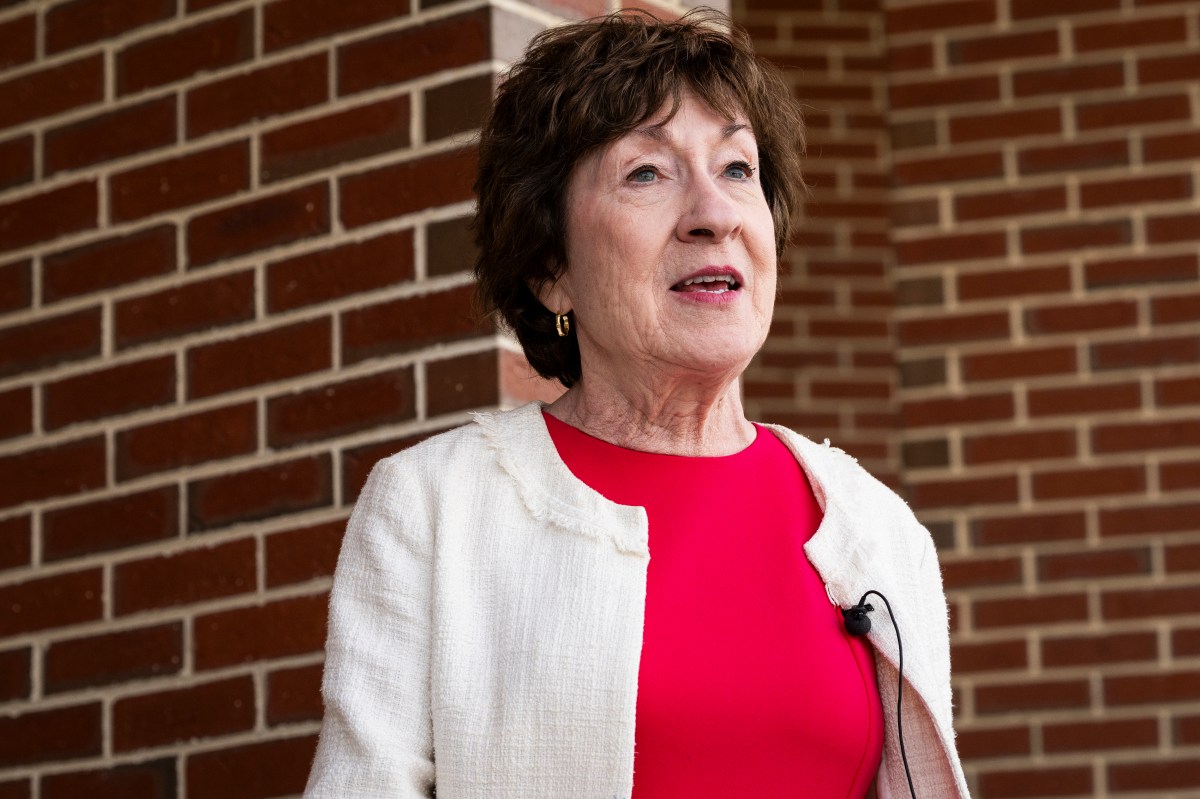
A report by ProPublica claimed that the FBI planned to investigate Senator Susan Collins for possible illegal dealings with a campaign donor, but the probe was stopped after President Donald Trump returned to office. Collins' Democratic opponent criticized her over the allegations, while Collins' office denied any wrongdoing.
Key Facts
ProPublica reported the FBI wanted to investigate Senator Susan Collins for interactions with a major campaign donor.
The donor was Martin Kao, CEO of Navatek, a military contractor.
Navatek allegedly tried to make illegal campaign donations and sought federal contracts in return.
The investigation was reportedly stopped after President Donald Trump took office again.
Collins' office said the claims were false and said her campaign was never the target of an FBI probe.
Collins has been a popular Republican senator in Maine, a generally Democratic-leaning state.
Her Democratic challenger, Troy Jackson, criticized her over the report, calling for more answers.
The FBI spokesperson said no evidence was found implicating Collins or her campaign.
Read the Original
Want the full story? Tap a source to open the original
article.
Vice President JD Vance and Trump administration officials announced plans to remove 760,000 people from Affordable Care Act (ACA) public healthcare exchanges. They said these people were fraudulently enrolled or do not exist, aiming to save $2.2 billion and reduce fraud in the program.
Key Facts
The Trump administration will cancel about 315,000 ACA enrollments covering 760,000 people due to suspected fraud or ineligibility.
Another 419,000 enrollments will undergo additional verification to confirm eligibility.
This action is part of a wider effort to reduce fraud in federal healthcare programs and save taxpayer money.
A six-month pause on new agents or brokers signing up people for healthcare coverage was announced because some commit a high amount of fraud.
About 19.2 million Americans were enrolled in ACA marketplace plans in early 2026.
ACA insurance costs rose sharply after Republicans did not extend COVID-19-era subsidies that helped lower insurance prices during President Biden’s term.
Many people have downgraded or left ACA coverage due to rising premium costs.
A Government Accountability Office test found some fraud risk in ACA subsidies but did not measure its full extent.
Read the Original
Want the full story? Tap a source to open the original
article.
President Donald Trump supports banning diesel fuel exports to help lower high fuel prices in the U.S. This move aims to ease costs for farmers and truck drivers who rely on diesel. His administration is looking into the idea.
Key Facts
President Trump has expressed support for banning diesel exports.
High diesel prices are causing difficulties for American farmers and truckers.
Some Republican lawmakers have recently suggested banning diesel exports.
The Trump administration is currently examining the possibility of this ban.
The goal of the ban is to keep more diesel fuel available in the U.S. to reduce costs.
Read the Original
Want the full story? Tap a source to open the original
article.
Larry Sabato’s Crystal Ball, a political analysis tool from the University of Virginia, shifted predictions for three Senate races and four governor races to favor the Democrats. This change is due to ongoing challenges for the Republican Party before the midterm elections.
Key Facts
The Crystal Ball is run by the Center for Politics at the University of Virginia.
It monitors and predicts the outcomes of political races.
Three Senate races and four governor races were recently moved to favor Democrats.
The Iowa Senate race changed from “Leans Republican” to “Toss-up,” meaning it is now more competitive.
The Kansas Senate race moved toward the Democrats as well.
The shift reflects a national environment that is seen as difficult for the Republican Party.
These changes happened ahead of the U.S. midterm elections.
The analysis influences how people view the chances of each party winning key races.
Read the Original
Want the full story? Tap a source to open the original
article.
President Donald Trump did not say if the White House will obey a court decision that might overturn his ban on three media outlets. He was asked about this question during a meeting with UK Prime Minister Andy Burnham at the United Nations General Assembly.
Key Facts
President Trump banned three media outlets.
A district court judge might rule against this ban.
Trump was asked if he would follow the court decision.
He did not give a clear answer about obeying the court.
The question was asked during a meeting at the UN General Assembly.
The meeting was with UK Prime Minister Andy Burnham.
The topic relates to media access and legal decisions.
Read the Original
Want the full story? Tap a source to open the original
article.
An ICE officer in Austin, Texas, shot a Venezuelan delivery driver, Wilber Rafael Garces Perez, who has a deportation order. The officer was not wearing a body camera during the shooting, and Garces Perez is now in ICE custody, receiving medical care while legal and political actions are ongoing.
Key Facts
Wilber Rafael Garces Perez, 28, was shot in the upper torso while working as a DoorDash driver.
The ICE officer involved was not wearing a body camera at the time of the shooting.
Secretary Markwayne Mullin had said all ICE officers would have body cameras by the end of September.
Garces Perez was hospitalized and then taken into ICE custody after the shooting.
He reported numbness on his left side and may still have the bullet in his back.
Garces Perez’s attorney filed a legal petition to prevent his deportation and seeks his release.
A court hearing is scheduled to discuss the case, stopping his deportation for now.
The shooting has caused protests and calls for independent investigation in Texas.
Read the Original
Want the full story? Tap a source to open the original
article.
A graduate student experienced severe fatigue and various symptoms that were initially thought to be caused by stress or psychological issues. After multiple doctor visits and tests, an abdominal ultrasound revealed a serious medical condition that explained the symptoms.
Key Facts
The student had symptoms including extreme tiredness, dizziness, high heart rate, nausea, digestive problems, and pain.
Early medical evaluations did not find clear causes, and a cardiologist suggested psychiatric assessment.
The student’s symptoms worsened, including severe back pain and difficulty eating.
The primary care doctor ordered blood tests and imaging after repeated visits.
An abdominal ultrasound uncovered significant medical problems.
The student initially thought symptoms were related to stress or postural orthostatic tachycardia syndrome (POTS).
The symptoms affected the student’s ability to manage school and daily life.
The case highlights challenges in diagnosing complex medical conditions that may initially be mistaken for psychological issues.
Read the Original
Want the full story? Tap a source to open the original
article.