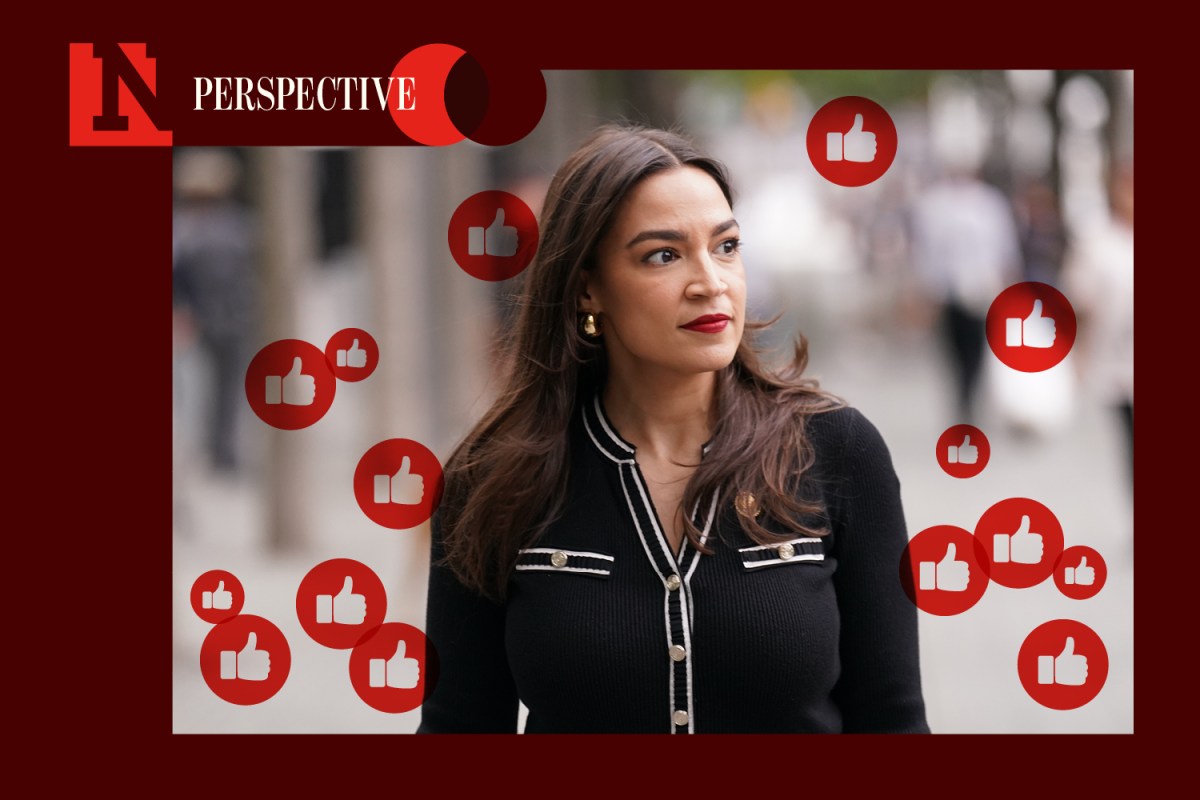
Alexandria Ocasio-Cortez (AOC) recently gave $300,000 to New York Governor Kathy Hochul’s statewide campaign, mostly for organizing voters rather than advertising. AOC’s political career has shifted from relying on social media attention to building a larger, more lasting political influence with money, supporters, and alliances.
Key Facts
AOC donated $300,000 to Governor Kathy Hochul’s coordinated Democratic campaign in New York.
Half of the funds were dedicated to outreach in Spanish-speaking communities.
AOC’s campaign raised $32.6 million between January 2025 and June 2026 and has nearly $16 million in cash.
Most of AOC’s money comes from individual contributions.
Her support now focuses on voter organizing instead of advertising to build strong relationships with voters.
This marks a change from her 2018 campaign where she challenged the Democratic establishment.
AOC is considering her political future, including possible reelection, a Senate run, or a 2028 presidential campaign.
Helping a governor’s campaign shows AOC’s new role as an important political figure within the Democratic party.
Read the Original
Want the full story? Tap a source to open the original
article.
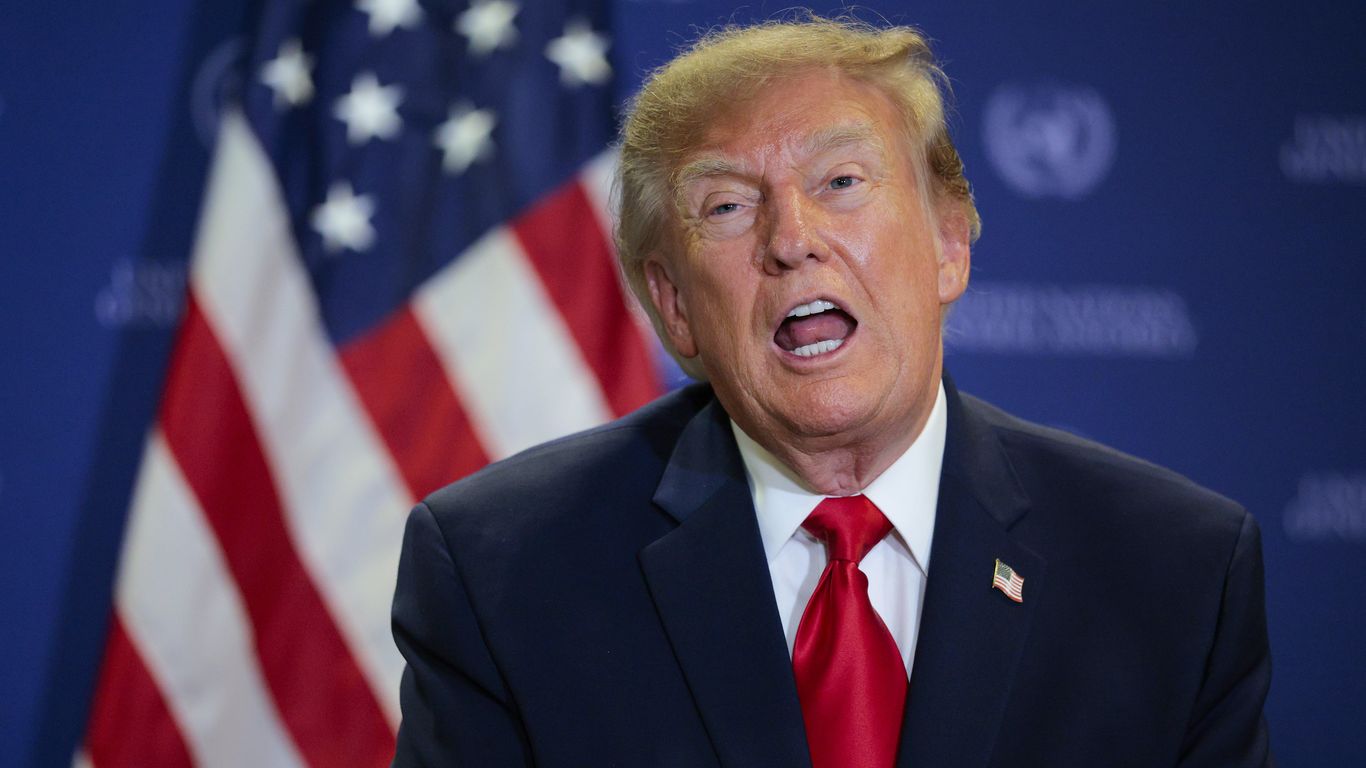
President Donald Trump said he supports a ban on U.S. diesel exports during a press meeting with Ukrainian President Volodymyr Zelensky. This is a change for his administration, which had not supported limiting fuel exports before.
Key Facts
President Trump called for a ban on U.S. diesel exports.
The announcement came during a press interview with Ukraine's President Zelensky.
This is a shift from the Trump administration's previous position against restricting fuel exports.
Diesel prices in the U.S. are very high, affecting farmers and truck drivers.
Some Republicans hope this policy will help before the upcoming midterm elections.
Economists say the ban might help the U.S. in the short term.
Experts warn the ban could raise diesel prices worldwide and in the U.S.
Read the Original
Want the full story? Tap a source to open the original
article.
Attorneys general from California, New York, and seven other states sued the Trump administration to stop its plan to cancel offshore wind energy projects by buying back leases from energy companies. The states say the buybacks, which use taxpayer money to cancel clean energy projects, are illegal and will lead to higher electricity costs.
Key Facts
President Trump is trying to cancel offshore wind projects to support fossil fuels like oil and gas.
The administration plans to pay energy companies $1.4 billion to cancel several wind projects on both U.S. coasts.
California and New York lead lawsuits against the Trump administration’s cancellation plans.
Seven other states support New York in suing to block these actions.
The Trump administration has promised nearly $4 billion to companies for canceling wind projects across the country.
Offshore wind is a clean energy source that helps reduce pollution compared to fossil fuels.
State officials say canceling projects will slow climate progress and increase energy costs for Americans.
California and other states remain committed to expanding clean energy despite federal opposition.
Read the Original
Want the full story? Tap a source to open the original
article.
San Francisco sued the company behind Truth Social, the social media platform used by President Donald Trump, for delaying some posts that users can see early if they pay $100,000. The city claims this practice breaks California’s law against unfair business actions related to insider trading.
Key Facts
San Francisco filed a lawsuit against Trump Media & Technology Group (TMTG), the parent company of Truth Social.
The lawsuit focuses on delayed posts by President Donald Trump on the Truth Social platform.
Some users can pay $100,000 to get early access to these posts.
The city’s attorney, David Chiu, says this practice violates California’s Unfair Competition Law.
The Unfair Competition Law includes rules against insider trading, which means using hidden information to gain an unfair advantage.
The case highlights concerns about fairness and transparency on social media platforms tied to political figures.
Read the Original
Want the full story? Tap a source to open the original
article.
Vice President JD Vance joked about CNN and Politico being banned from the White House by President Trump during an event focused on fraud. The event included Dr. Mehmet Oz, who oversees Medicare and Medicaid health programs.
Key Facts
President Trump banned CNN and Politico from the White House press pool.
Vice President JD Vance made light of this ban during a task force event.
The event was about addressing fraud.
Dr. Mehmet Oz, the head of Medicare and Medicaid services, participated.
The ban relates to how these media outlets cover the administration.
The event took place on a Tuesday.
The fraud task force aims to reduce misuse of government funds.
Read the Original
Want the full story? Tap a source to open the original
article.
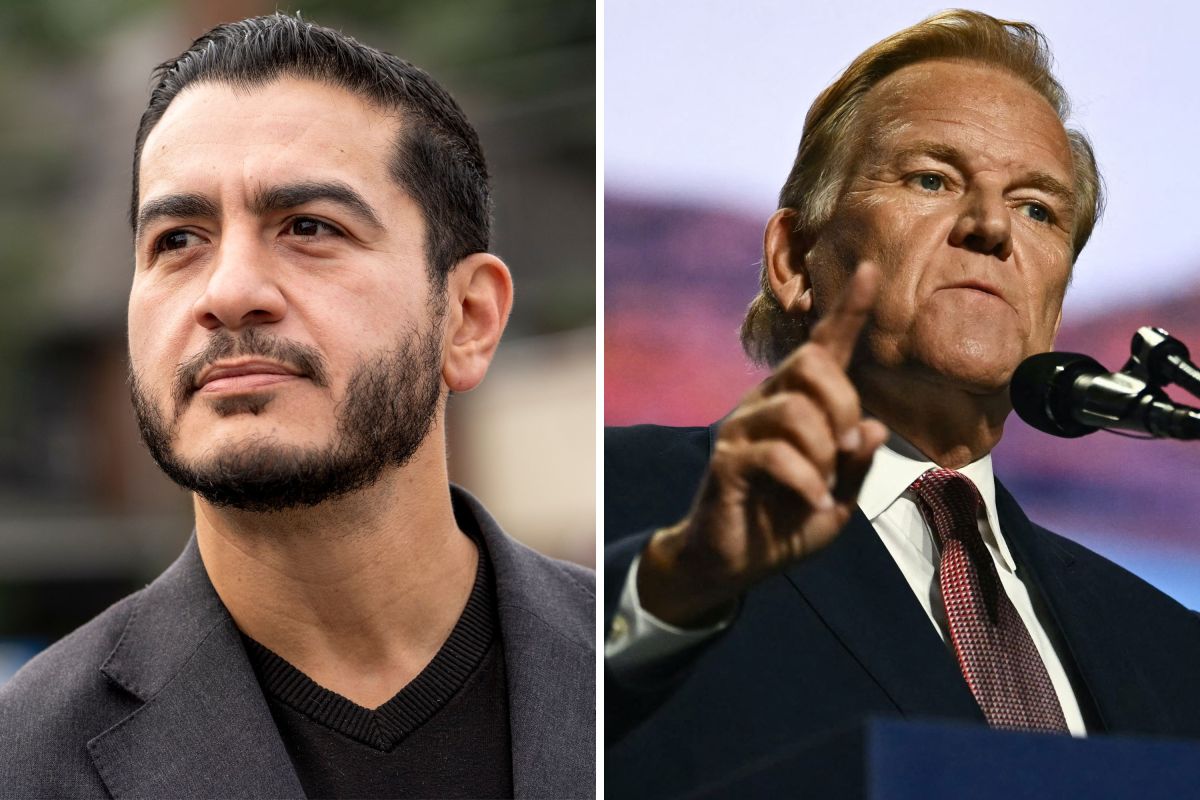
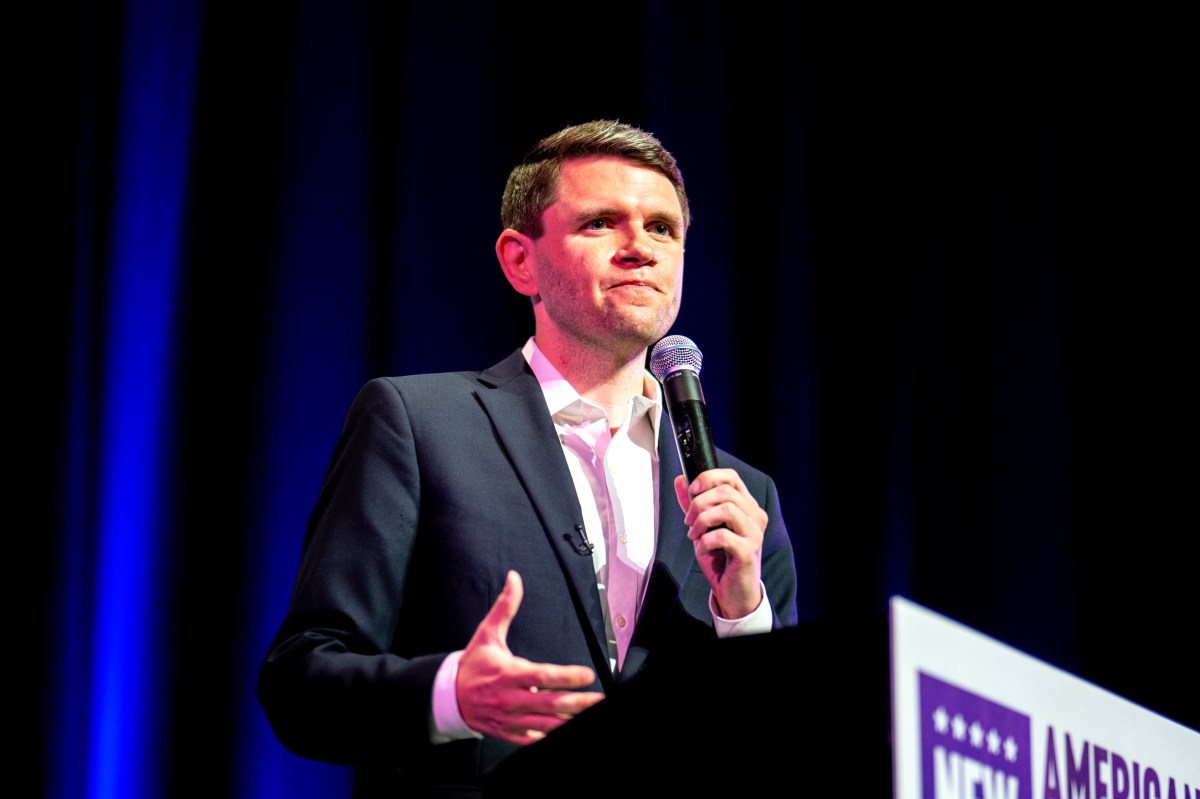
Vice President Kamala Harris will campaign with Abdul El-Sayed, a progressive Senate candidate in Michigan, on Tuesday afternoon. Democrats are working to win more seats in Congress in the next election.
Key Facts
Kamala Harris is the current Vice President of the United States.
Abdul El-Sayed is a progressive candidate running for the U.S. Senate in Michigan.
El-Sayed is a former health official.
He is running against Mike Rogers, a former Republican representative from Michigan.
The Senate seat is open because Senator Gary Peters is retiring.
Democrats hope to gain control of Congress in the upcoming election.
Harris’s campaign support aims to boost El-Sayed’s chances of winning.
Read the Original
Want the full story? Tap a source to open the original
article.
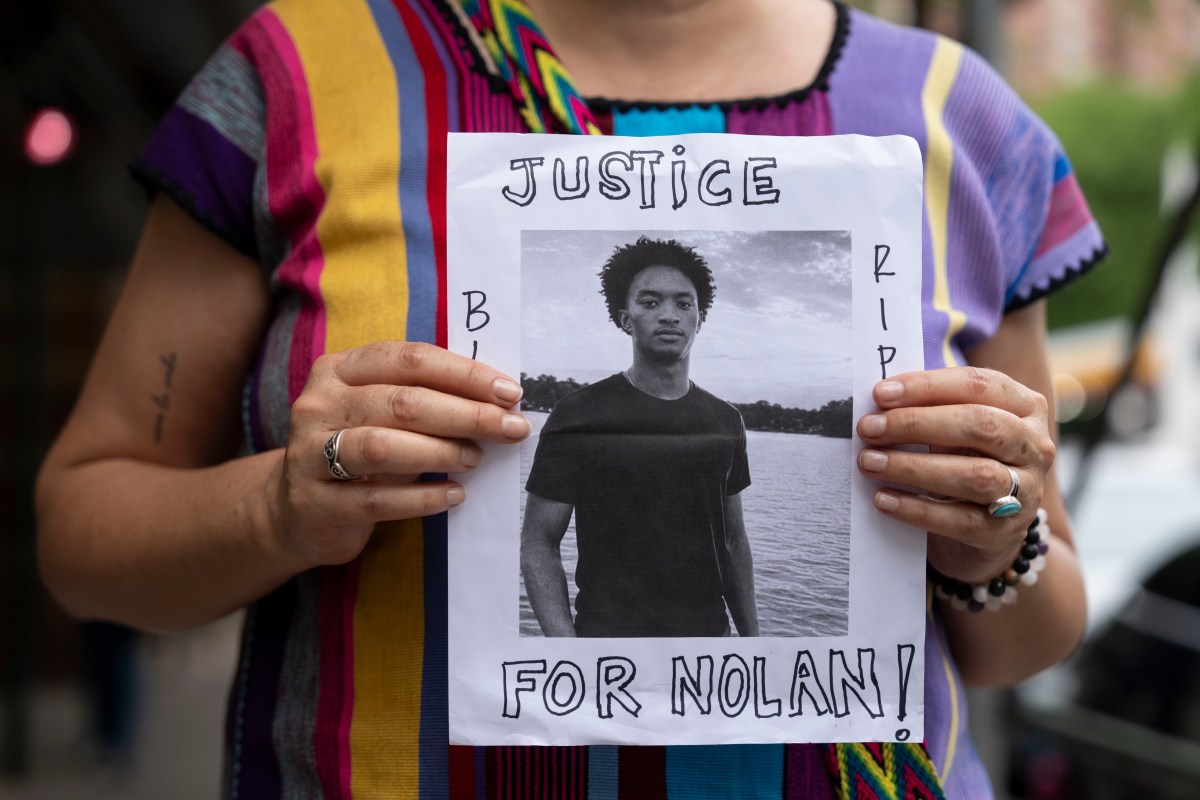
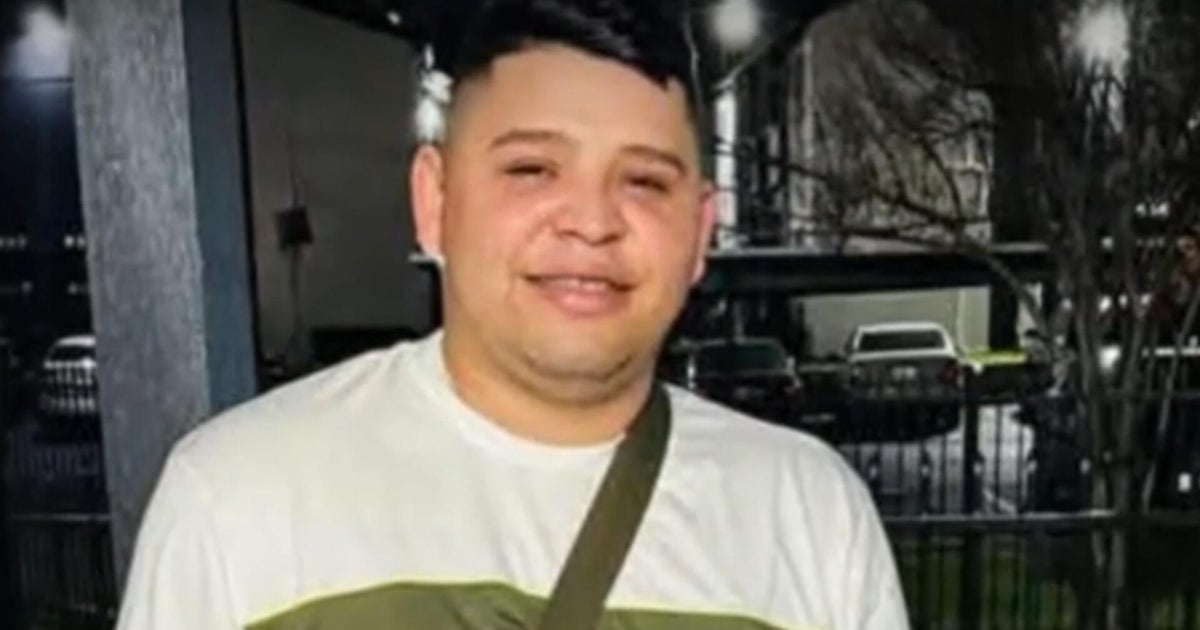
Nolan Xavier Wells, an 18-year-old college football player found dead on Mississippi’s Horn Island in July, has an independent autopsy showing unexplained blunt force injuries. Despite this, a grand jury decided not to charge anyone, and the cause of death remains officially undetermined, leading Wells’ family to call for a further investigation.
Key Facts
Nolan Wells was found dead on Horn Island, Mississippi, after a Fourth of July weekend with friends.
An independent autopsy showed blunt force trauma to the back of his head and body.
The cause and manner of death were labeled “undetermined” by medical examiners.
A grand jury reviewed evidence but chose not to indict anyone related to his death.
Wells’ family and civil rights attorney Benjamin Crump challenge the investigation and grand jury conclusion.
The family questions how drowning could be the cause with known injuries and inconsistencies in the case.
Some concerns about race influencing the investigation have been raised due to Wells being Black and his friends being White.
The family seeks continued investigation to find the truth about Wells’ death.
Read the Original
Want the full story? Tap a source to open the original
article.
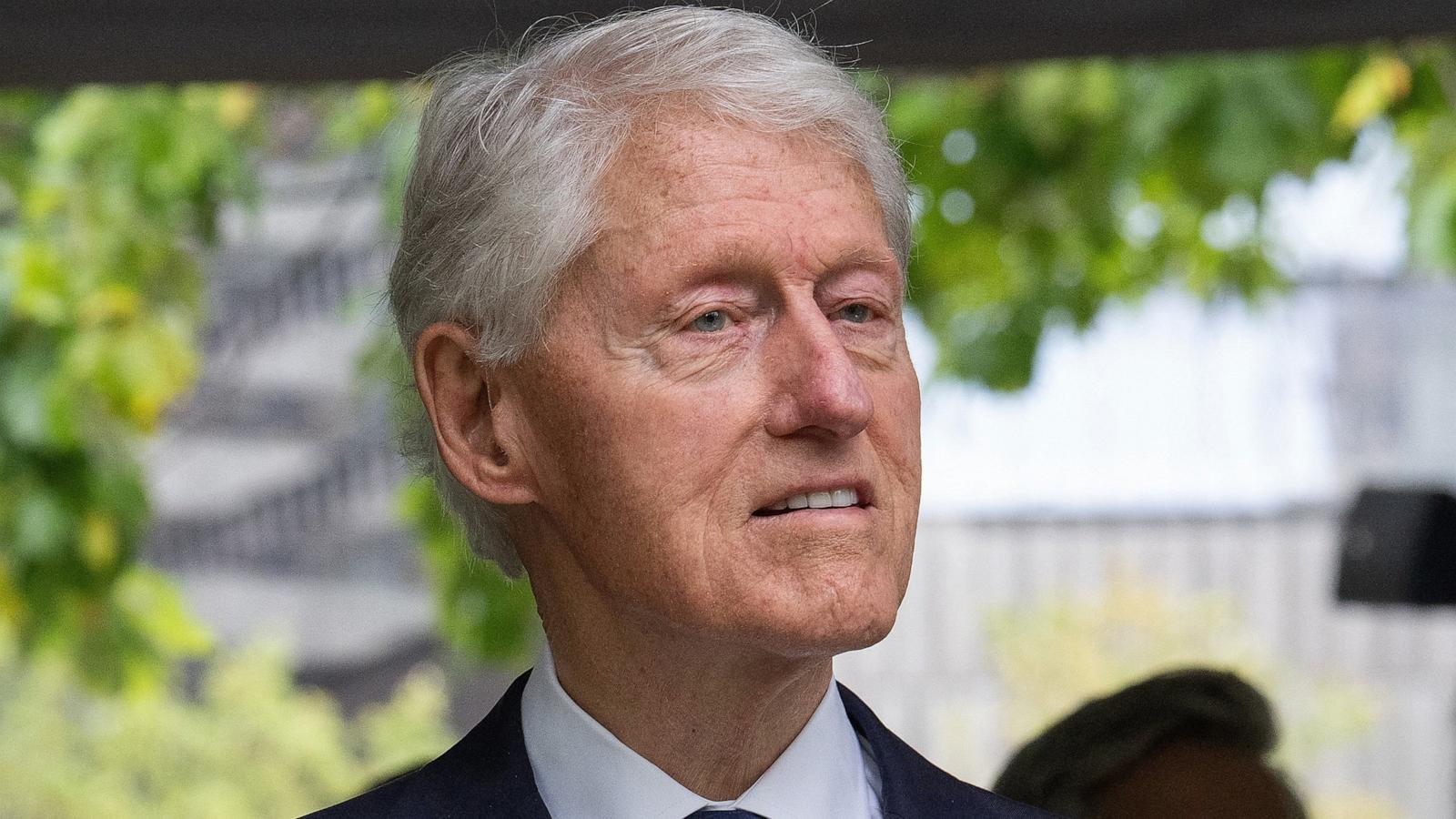
Former President Bill Clinton criticized recent actions by President Donald Trump's administration during a speech at the Clinton Global Initiative summit. He referenced Trump's idea to build a triumphal arch in Washington as a drone and sniper facility and also commented on political divisions and inequality in the U.S.
Key Facts
Bill Clinton spoke at the Clinton Global Initiative's 2026 summit in New York.
He criticized President Trump’s plan for a triumphal arch to hold drones and sniper facilities.
Clinton did not name Trump directly but made clear references to his policies.
Clinton called opposition politics "zero-sum," meaning one side wins only if the other loses.
He said government leaders are rewarded for this zero-sum approach, especially in the U.S.
Clinton accused current leaders of creating different rules for themselves and others.
He claimed the government has been used for personal gain and to limit free speech.
Clinton also criticized the left wing of his own party, questioning differing visions of socialism.
Read the Original
Want the full story? Tap a source to open the original
article.
Chris Christie, the former governor of New Jersey, said he is thinking about running for president again in 2028. He made this comment as the Republican Party expects poor results in the upcoming midterm elections.
Key Facts
Chris Christie was the governor of New Jersey.
He ran against President Donald Trump for the Republican nomination in 2024.
Christie used to support President Trump but later opposed him.
Christie is thinking about running for president again in 2028.
The Republican Party expects to have a tough time in the midterm elections.
Christie questioned whether the GOP should change its strategy after these challenges.
Read the Original
Want the full story? Tap a source to open the original
article.
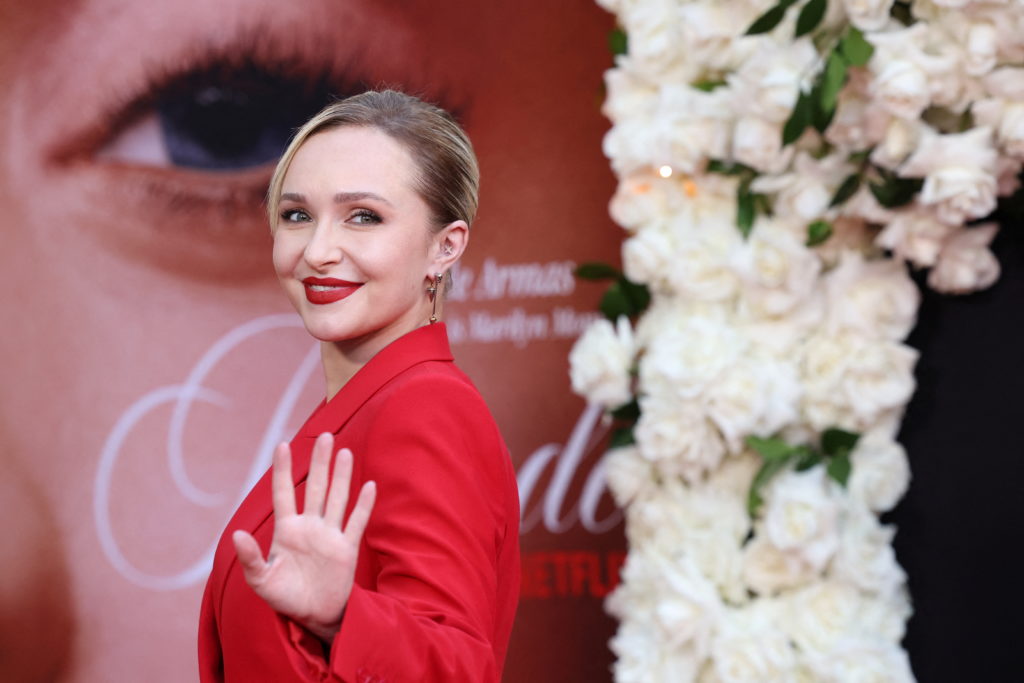
Actor Hayden Panettiere died on August 16 in Greenville, South Carolina, from an accidental overdose involving fentanyl and other drugs, according to the coroner. The police continue to investigate her death, and no signs of physical injury were found during the autopsy.
Key Facts
Hayden Panettiere was found unresponsive at her apartment in Greenville, South Carolina.
The coroner reported that fentanyl, its chemical byproduct, alprazolam (an anti-anxiety medicine), a muscle relaxer, and a drug for depression were in her system.
Paramedics tried CPR and advanced resuscitation for over 40 minutes before she was declared dead.
The autopsy showed no trauma that might have caused her death.
Panettiere had spoken openly about her struggles with addiction, depression, and abuse in her memoir released in May 2024.
Her boyfriend Brian Hickerson was previously charged and convicted of abusing her.
Panettiere was known for her TV roles in "Heroes" and "Nashville" and had received two Golden Globe nominations.
The death investigation remains open, and the family’s publicist said it is complex and ongoing.
Read the Original
Want the full story? Tap a source to open the original
article.
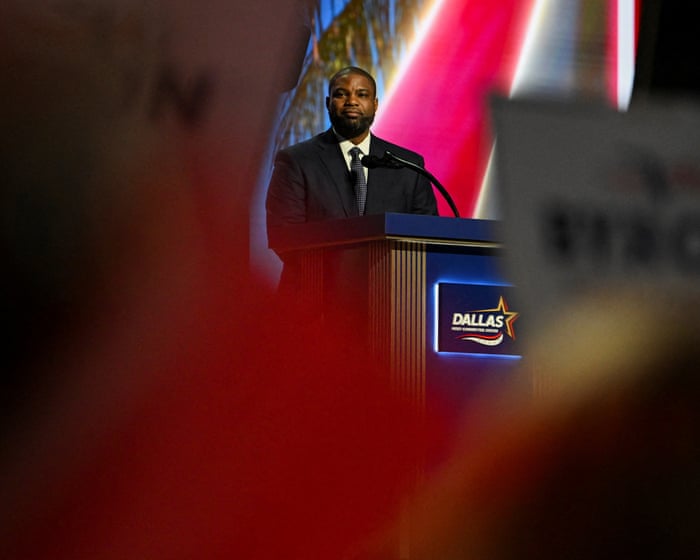
Byron Donalds, a Republican running for Florida governor, has removed most mentions of President Donald Trump from his campaign website. This change comes as Trump’s approval rating falls below 30%, and many Republicans prepare for possible losses in the November midterm elections.
Key Facts
Byron Donalds is the Republican nominee for Florida governor in the November 2024 midterms.
Donalds previously highlighted his close ties to President Trump on his campaign website.
Recently, Donalds removed almost all Trump mentions and related photos from his site.
Trump’s approval rating dropped below 30% due to dissatisfaction with his handling of the economy and the Iran conflict.
Other Republicans are also distancing themselves from Trump ahead of the midterms.
Donalds replaced “Enact the Trump agenda” with “affordability” as a campaign priority.
Despite changes, Trump’s name still appears among endorsements on Donalds’ website.
Donalds has served in Congress since 2021 and aims to succeed Florida’s current governor, Ron DeSantis.
Read the Original
Want the full story? Tap a source to open the original
article.
Democratic candidate Abdul El-Sayed has increased his lead over Republican Mike Rogers in the Michigan U.S. Senate race, according to a recent poll. The poll shows El-Sayed leading by 7 points six weeks before Election Day, with independent voters playing a key role.
Key Facts
A Suffolk University poll surveyed 500 likely voters in Michigan with a 4.4% margin of error.
El-Sayed leads Rogers by 7 points, the largest margin for him in September polls.
Independent voters favor El-Sayed 51% to 35%, making them a crucial part of the race.
Rogers leads among men and gun-owning households; El-Sayed leads among women, union households, and non-gun-owning households.
The race reflects similar divisions seen in Michigan’s 2024 presidential vote, where President Trump narrowly won.
Michigan’s Senate seat is open after Senator Gary Peters decided not to run again.
Michigan is a key battleground state that Democrats hope to flip to gain Senate control.
Nearly $125 million has been spent on campaign ads in Michigan since the primary, the most of any competitive Senate race.
Read the Original
Want the full story? Tap a source to open the original
article.
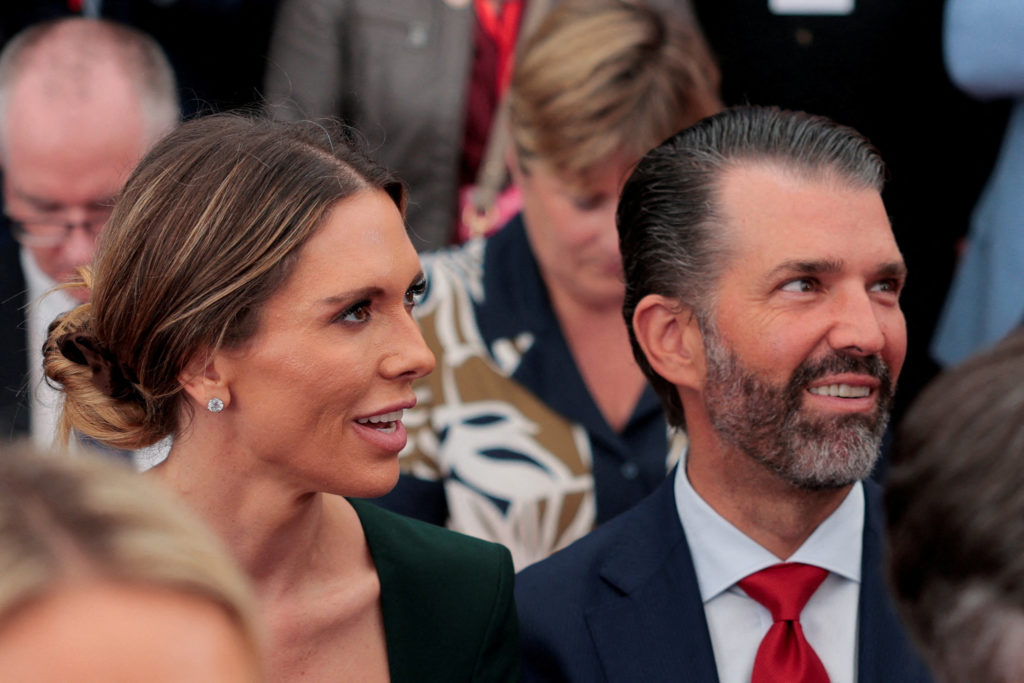
Senator John Curtis of Utah asked the Senate Judiciary Committee to investigate whether Donald Trump Jr. benefited financially from his connection to President Donald Trump after a Russian oligarch helped pay for his wedding party. Curtis also requested similar scrutiny of Hunter Biden, son of President Joe Biden, stating that both families should be treated equally.
Key Facts
Senator John Curtis wants an investigation into Donald Trump Jr.'s business deals, foreign contacts, and benefits linked to his father's presidency.
The inquiry follows reports that a Russian oligarch, Umar Kremlev, funded part of Trump Jr.'s wedding celebrations in the Bahamas.
The Russian oligarch Kremlev is close to Russian President Vladimir Putin and heads the International Boxing Association.
Trump Jr. and his wife described Kremlev as a "dear friend" who generously hosted wedding events.
President Donald Trump did not attend the wedding but defended Kremlev’s involvement and said the money would be repaid.
Curtis also wants Hunter Biden to be investigated the same way, saying the public deserves equal treatment.
Curtis has previously disagreed publicly with President Trump and called the oligarch’s payment "corruption."
The Senate Judiciary Committee has received Curtis’ request, but a hearing soon is unlikely due to scheduling and preparation time.
Read the Original
Want the full story? Tap a source to open the original
article.
President Trump has officially appointed Secretary of State Marco Rubio as the national security adviser. Rubio is the first person to hold both positions simultaneously since Henry Kissinger.
Key Facts
President Trump signed a commission making Marco Rubio the national security adviser.
Rubio is currently the Secretary of State.
This is the first time someone has held both roles at once since Henry Kissinger.
The news was first reported by MS NOW.
Before this appointment, Rubio was already serving as national security adviser in some capacity.
Read the Original
Want the full story? Tap a source to open the original
article.
A Venezuelan man was shot by U.S. Immigration and Customs Enforcement (ICE) agents and remains in their custody. He has a bullet lodged in his back and has lost feeling on his left side, according to his lawyer.
Key Facts
The man is from Venezuela.
He was shot by ICE agents on a Sunday.
The bullet is still lodged in his back.
He has lost feeling on the left side of his body.
Despite his injury, he remains in ICE custody.
His lawyer reported these details to the media.
ICE is a U.S. agency responsible for immigration enforcement.
Read the Original
Want the full story? Tap a source to open the original
article.
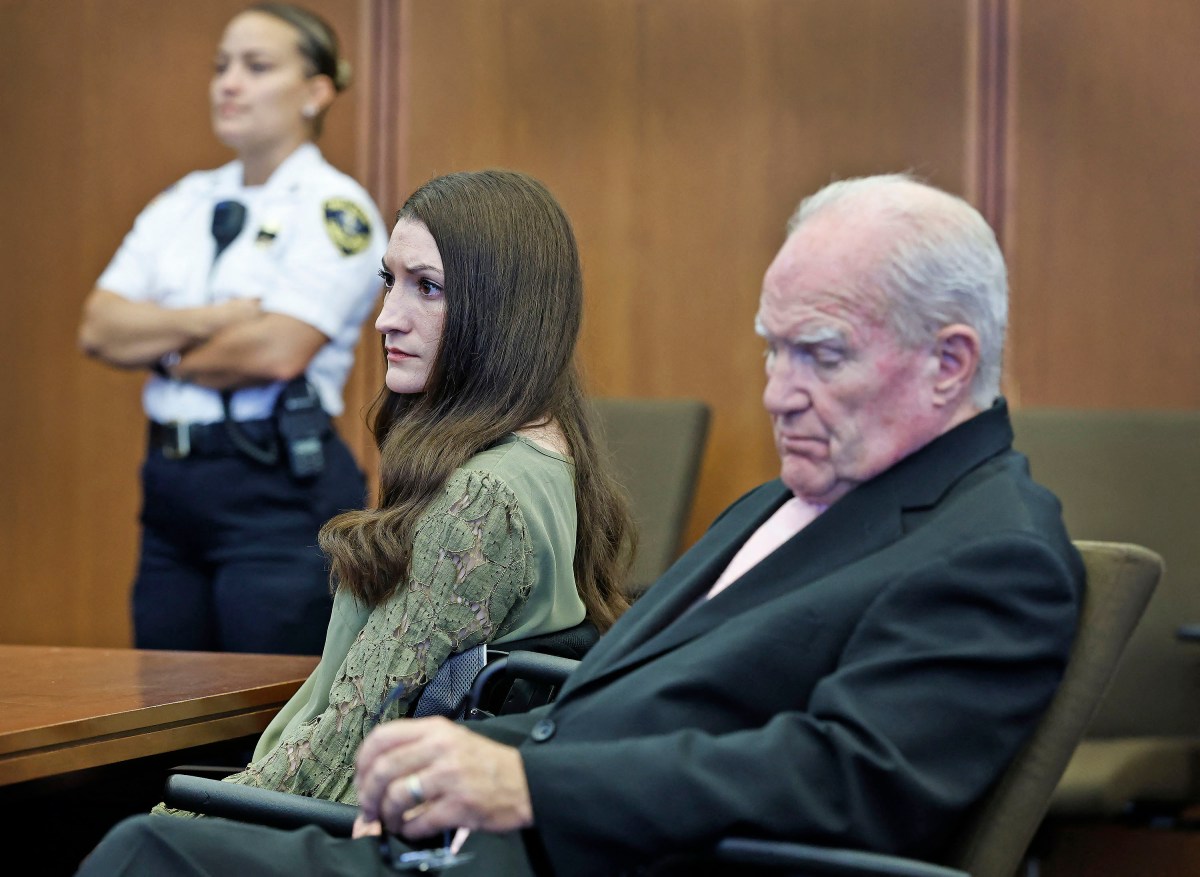
The jury in the Lindsay Clancy trial could not reach a unanimous decision, leading to a mistrial. Clancy’s defense attorney is asking the court to investigate a juror for possibly breaking rules by using a phone during deliberations, but the juror’s lawyer says this request threatens constitutional rights.
Key Facts
Lindsay Clancy is on trial for the deaths of her three children in Massachusetts.
Eleven out of twelve jurors wanted to clear Clancy of criminal charges, but one juror disagreed.
The juror who disagreed, Michael Desronvil, may have used a cellphone during jury discussions, which is against state rules.
Clancy’s defense lawyer asked the court to check phone records from the juror during the trial.
Desronvil’s lawyer said investigating the juror is an attack on the Sixth Amendment, which protects the right to a fair trial.
The judge declared a mistrial on September 4 because the jury was deadlocked.
Clancy’s attorneys claim she was not guilty by reason of insanity, citing postpartum psychosis.
The defense has filed a motion to dismiss the charges, arguing the mistrial was unnecessary and violated several constitutional amendments.
Read the Original
Want the full story? Tap a source to open the original
article.
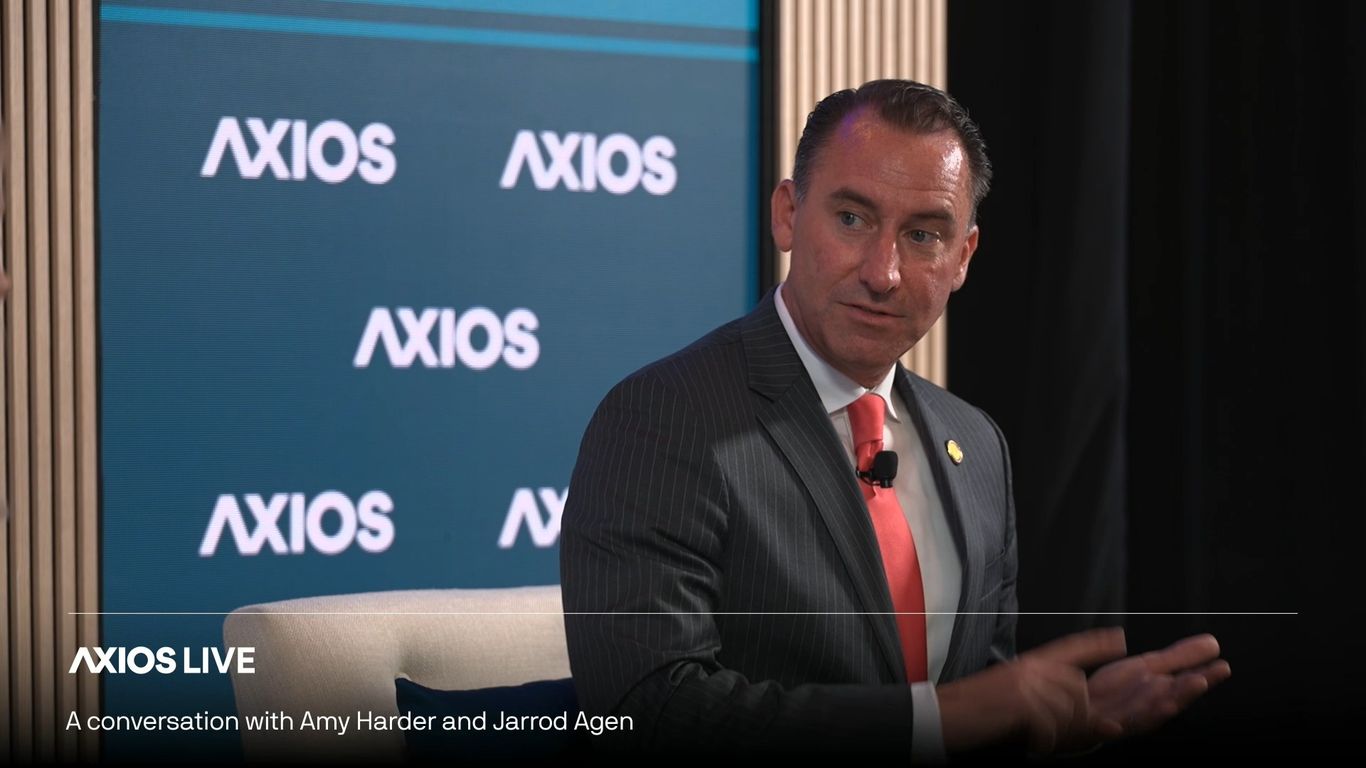
President Donald Trump’s energy adviser, Jarrod Agen, said the president is focused on keeping gas prices low but accepts that higher prices are needed in the long term to prevent Iran from getting nuclear weapons. Agen explained that a key reason for high gas costs is limited refining capacity in the U.S. and other countries, even though oil supply is available.
Key Facts
The national average gas price is about $4.48 per gallon, up from $3.18 last year.
President Trump’s main energy focus is on affordable gas and electricity for Americans.
Higher gas prices are partly due to strained oil refining capacity, not oil supply shortages.
Refining capacity has dropped in places like Russia and China, contributing to price increases.
Tensions in the Iran war and disruptions in the Strait of Hormuz affect global oil markets.
The administration is considering using the Defense Production Act to improve refining infrastructure.
Diesel prices recently hit over $6 per gallon, increasing costs for households and inflation risks.
President Trump stated he does not recognize the recent election results in Iran.
Read the Original
Want the full story? Tap a source to open the original
article.
A private poll shows Texas Democratic Senate candidate James Talarico leading Republican Ken Paxton by 11 points in Texas State Senate District 9, a big change from President Donald Trump’s 2024 performance in the area. This shift indicates a possible challenge for Republicans, as Talarico’s lead follows other polls showing similar trends in this district.
Key Facts
James Talarico is running for Texas State Senate District 9 as a Democrat.
A private Republican poll shows Talarico with 52% support, Paxton with 41%.
President Trump won this district by 17 points in the 2024 presidential election.
The poll reveals a 28-point swing away from Republicans compared to Trump’s numbers.
Texas State Senate District 9 covers parts of Tarrant County, including much of Fort Worth.
This district saw a Democratic upset earlier in 2024 when Taylor Rehmet won a special election.
Other recent polls show Talarico leading or narrowly ahead of Paxton.
Paxton received $5 million recently from the pro-Trump group MAGA Inc. and was impeached in 2023 but acquitted.
Read the Original
Want the full story? Tap a source to open the original
article.
South Dakota Secretary of State Monae Johnson, a Republican, said she supports Democrat Terrence Davis to replace her. This goes against the Republican Party, which supports Heather Baxter, the Republican nominee who won the party's convention in June.
Key Facts
Monae Johnson is the current Secretary of State of South Dakota and a Republican.
She lost the Republican nomination to Heather Baxter at the party's convention in June.
Johnson publicly supports Democratic candidate Terrence Davis to succeed her.
The Republican Party backs Heather Baxter as their candidate.
Johnson said that the Secretary of State must consider the law in this role.
This is unusual because elected officials usually support their own party’s nominee.
The election is for the position of South Dakota Secretary of State, the official who manages elections and state records.
Read the Original
Want the full story? Tap a source to open the original
article.
Senate Democrats said President Trump is not doing enough to stop China from getting sensitive American technology that helps develop artificial intelligence. They want him to close gaps in export rules before the Chinese leader’s visit to Washington.
Key Facts
Senate Democrats say China is getting access to important American AI technology.
This technology is considered sensitive and restricted by U.S. export rules.
China uses loopholes to avoid these export bans.
President Trump is urged to tighten the rules to block China’s access.
The issue is highlighted ahead of China’s leader visiting Washington.
The aim is to protect U.S. technology advantages in artificial intelligence.
Senators express concern about national security and competitive risks.
Read the Original
Want the full story? Tap a source to open the original
article.