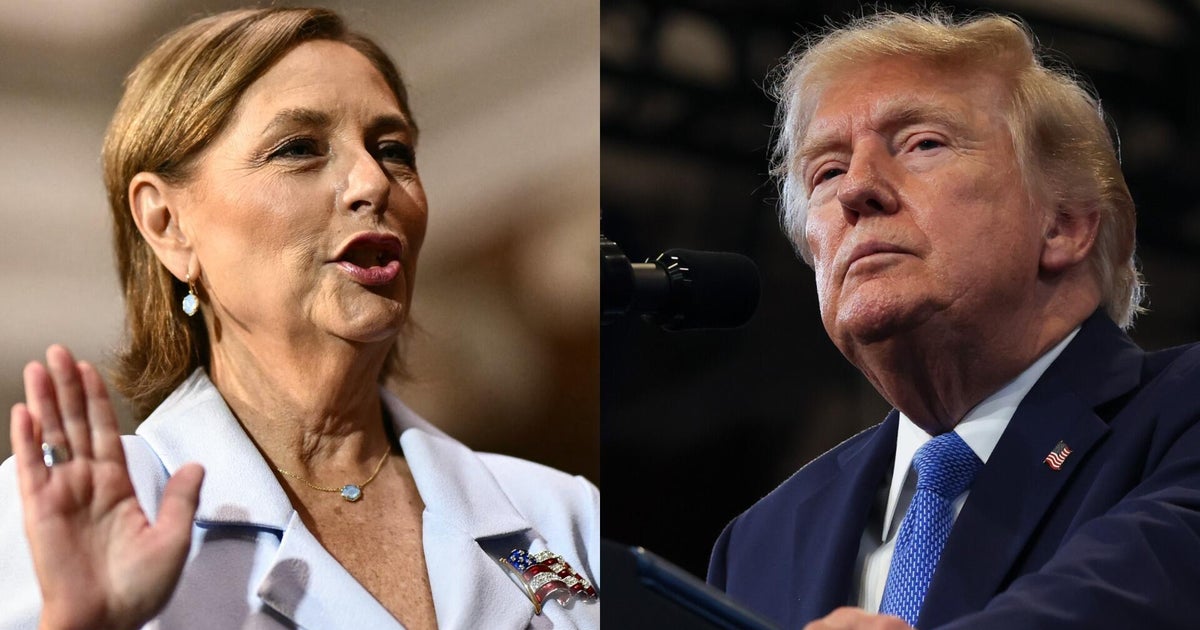
Jill Biden responded to a claim that President Joe Biden was drugged before a debate by saying, "Who knows?" The article discusses her right to share her perspective but notes that history cannot be changed by repeating statements.
Key Facts
Jill Biden was asked about a theory that President Joe Biden was drugged before a debate.
She replied with uncertainty, saying, "Who knows?"
The article emphasizes Jill Biden has the right to talk about her husband's presidency.
It also states that repeating claims does not change historical facts.
The focus is on addressing rumors rather than presenting new evidence.
Read the Original
Want the full story? Tap a source to open the original
article.
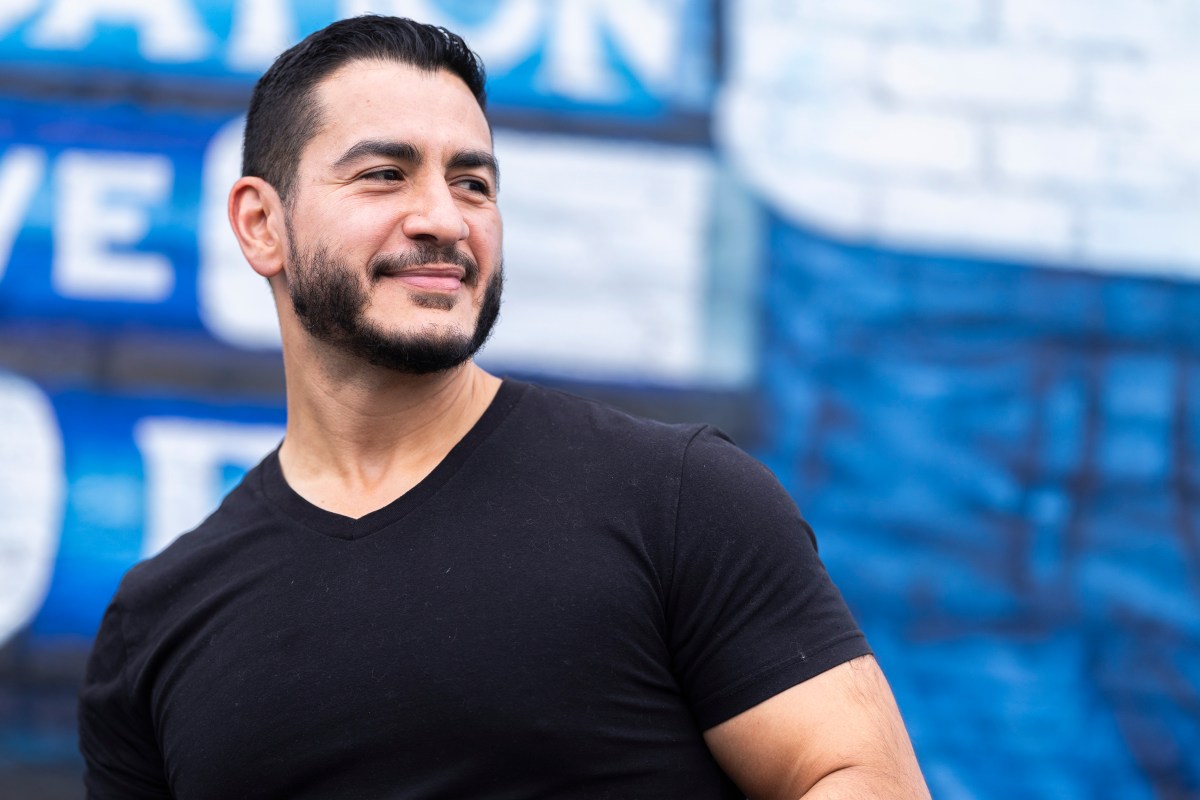
Four new polls show Democratic candidate Abdul El-Sayed leading Republican Mike Rogers in the Michigan Senate race for the 2026 midterm elections. The race is expected to be close, but these results suggest El-Sayed has gained an advantage after winning the Democratic primary.
Key Facts
Abdul El-Sayed won the Democratic primary against Haley Stevens and now leads Mike Rogers in recent polls.
Michigan is an important swing state and a key battleground for control of the Senate.
The Senate seat is open because Democratic Senator Gary Peters is retiring.
Polls show El-Sayed ahead by narrow, single-digit margins, indicating a competitive race.
El-Sayed has strong support from Democrats and a slight lead among independent voters.
Polls also show many voters view both candidates unfavorably, with El-Sayed’s unfavorable rating higher than Rogers’.
Most Michigan voters disapprove of President Donald Trump’s job performance, which could affect the race.
Polls were conducted by different firms between August 6 and August 17, 2026, with margins of error around 3-3.5 percentage points.
Read the Original
Want the full story? Tap a source to open the original
article.
A federal judge ruled that Michael Jeffries, former CEO of Abercrombie & Fitch, is mentally fit to stand trial on sex trafficking charges despite previous dementia and Alzheimer’s symptoms. Jeffries is currently free on bond and will face trial later in October along with two co-defendants.
Key Facts
Michael Jeffries is facing federal sex trafficking charges.
He was hospitalized for about four months to evaluate his mental fitness.
Judge Nusrat Choudhury determined Jeffries understands the court process and can participate in his trial.
Jeffries and two co-defendants, Matthew Smith and James Jacobson, pleaded not guilty.
Prosecutors allege they lured men to drug-fueled sex parties by promising modeling jobs.
Jeffries’ lawyers had argued he was too mentally impaired to stand trial due to Alzheimer’s and dementia.
The trial is scheduled for late October with a pretrial hearing coming.
Jeffries is known for leading Abercrombie & Fitch and transforming its brand before leaving in 2014.
Read the Original
Want the full story? Tap a source to open the original
article.
The American school bus became the standard yellow color in 1939 for safety reasons, chosen by transportation officials because it is easy to see. Originally designed in rural Georgia to transport workers, the school bus helped support larger, centralized schools and later played a role in desegregation efforts. Today, the yellow school bus faces challenges like driver shortages, affecting students' ability to get to school.
Key Facts
The yellow color of school buses was selected in 1939 for high visibility, not by law but by a conference of state transportation officials.
At their peak in the 1980s, yellow school buses carried over 60% of U.S. students.
The first metal-bodied school bus was created by Albert Luce, a Georgia car dealer, originally to transport workers.
School buses helped with the shift from small neighborhood schools to larger, consolidated ones spread farther apart.
Buses were used to transport Black and white students during desegregation, though many schools have since become more segregated.
Safety features on buses have improved over time, including padded seats and stop signs that flip out.
Driving a school bus is considered very safe and important for society.
There is now a shortage of school bus drivers, which limits the availability of bus transportation for many students.
Read the Original
Want the full story? Tap a source to open the original
article.
Connecticut created the LEAP program during the COVID-19 pandemic to help get students back to school by sending volunteers to visit families and find out why children were missing school. Since starting in 2021, the program has helped reduce the number of students missing school often and improved attendance rates.
Key Facts
LEAP stands for Learner Engagement and Attendance Program.
The program began in 2021 using federal funds from the American Rescue Plan Act.
In 2021-2022, 23.7% of students in Connecticut were chronically absent, almost double the pre-pandemic rate.
In the latest school year, chronic absenteeism dropped to 16.4%, a decrease of about 35,000 students.
LEAP sends trained volunteers to visit families and find reasons for poor attendance, such as transportation issues, illness, housing instability, or language barriers.
Students helped by LEAP improve attendance by double digits and face fewer disciplinary actions.
The program operates in 25 school districts and is funded by a $7 million state budget item after federal funding ended.
Connecticut collects detailed monthly attendance data, helping identify problems early and track progress.
Read the Original
Want the full story? Tap a source to open the original
article.
Montana Fish, Wildlife and Parks (FWP) lowered its estimate of the state's wolf population from 1,094 to about 725 wolves. Despite the lower number, the Montana Fish and Wildlife Commission approved a plan allowing up to 300 wolves to be hunted during the upcoming season, sparking criticism from wildlife advocates.
Key Facts
Montana revised its wolf population estimate down by nearly 400 animals due to a new counting method.
FWP initially recommended allowing 250 wolves to be hunted based on the revised numbers.
The Montana Fish and Wildlife Commission voted to allow 300 wolves to be killed, exceeding the agency's recommendation.
The wolf kill limit is divided into different regional quotas within Montana.
Wildlife groups argue Montana is treating wolves as a commodity rather than wildlife to protect.
Wolf advocates say the state’s hunting rules permit methods they consider harmful, such as trapping and snares.
In 2025, hunters and trappers killed 247 wolves out of a quota of 458; 81 more died from other causes.
Officials say the wolf population remains above levels that would require more federal protections.
Read the Original
Want the full story? Tap a source to open the original
article.
President Donald Trump announced a plan to temporarily reduce some taxes on imported ground beef to lower beef prices in the U.S. Two Republican lawmakers, Massie and Greene, criticized this decision. The change aims to help consumers by making beef more affordable before the upcoming midterm elections.
Key Facts
President Trump decided to temporarily lift some tariffs (taxes) on imported ground beef.
The goal is to lower the cost of beef for American consumers.
The move was announced publicly on President Trump’s Truth Social account.
This action comes before the midterm elections.
Two Republicans, Massie and Greene, opposed the decision.
The tariffs lifted are specifically on certain types of imported ground beef.
The measure is temporary, not permanent.
The effort is part of the Trump administration’s policy to influence market prices.
Read the Original
Want the full story? Tap a source to open the original
article.
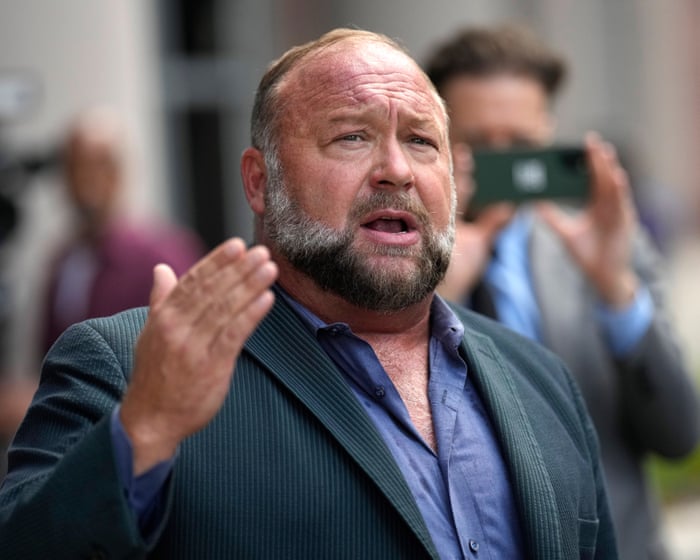
A Texas appeals court reduced a $50 million damage award against Alex Jones to $1.5 million. This case relates to Jones falsely claiming the 2012 Sandy Hook school shooting was a fake event.
Key Facts
Alex Jones is the founder of the website Infowars.
He claimed the Sandy Hook shooting was a hoax, which is false.
A court in Texas initially ordered Jones to pay $50 million to Sandy Hook parents.
The Texas appeals court lowered the amount to $1.5 million.
The court said the parents did not prove enough harassment to exceed Texas's $750,000 damage limit for such cases.
This Texas ruling does not change a separate $1.4 billion judgment against Jones in Connecticut.
Jones and his company, Free Speech Systems, were found legally responsible for damages related to their false claims.
Read the Original
Want the full story? Tap a source to open the original
article.
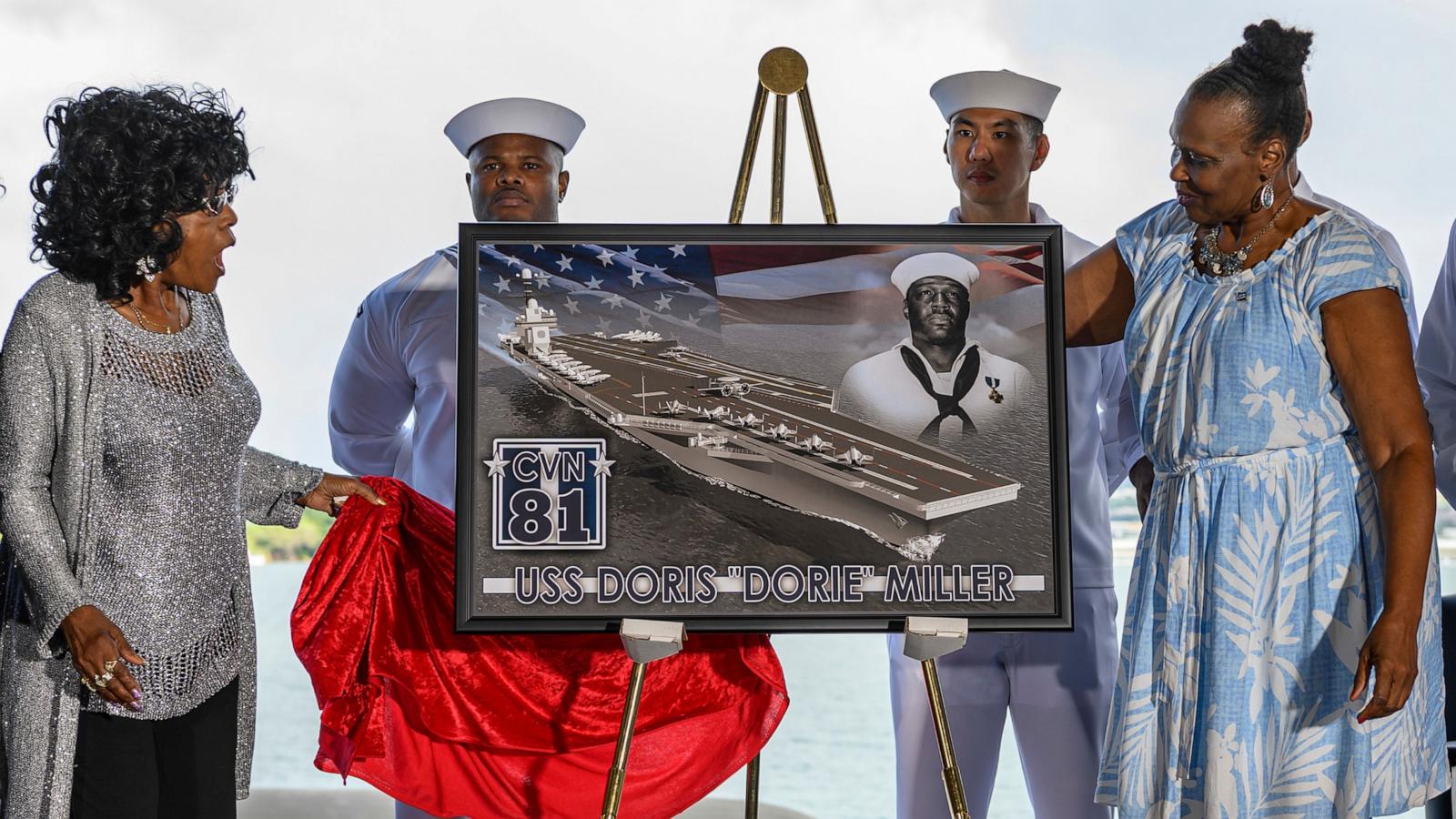
The U.S. Navy is considering removing the name of World War II Black hero Doris "Dorie" Miller from a new aircraft carrier and possibly renaming it after President Donald Trump. The carrier, currently being built in Virginia, was originally named USS Doris Miller to honor Miller’s bravery during the Pearl Harbor attack.
Key Facts
Doris "Dorie" Miller was a Black service member who fought heroically during the 1941 attack on Pearl Harbor without formal gun training.
Miller helped save his wounded captain and shot down at least one Japanese plane during the attack.
He received the Navy Cross, a high military honor, at a time when the military was still racially segregated.
Miller died in 1943 when the USS Liscome Bay was torpedoed, killing many sailors.
The USS Doris Miller will be the first aircraft carrier named after a Black American and an enlisted service member.
The Navy has been discussing renaming the carrier after President Donald Trump during the summer of 2026.
The Navy and Pentagon have not officially commented on the renaming talks.
Miller may soon have his Navy Cross upgraded to the Medal of Honor, the highest U.S. military award for bravery.
Read the Original
Want the full story? Tap a source to open the original
article.
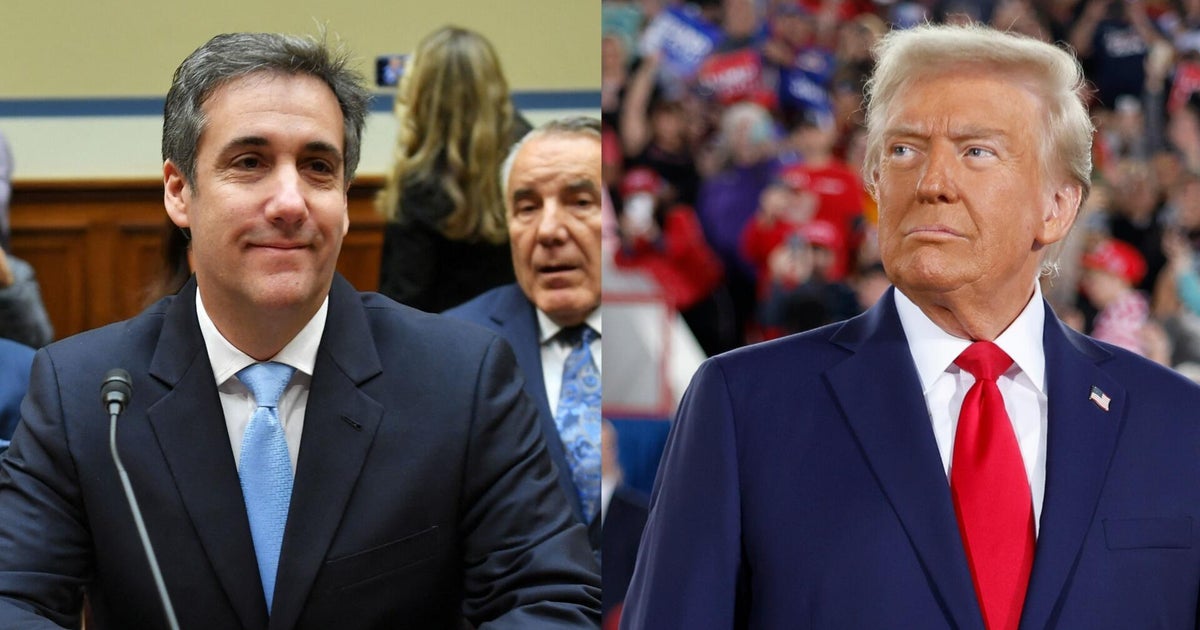
President Donald Trump appeared on Michael Cohen's radio show for a recorded episode. This meeting happened after a long and public disagreement between the two men.
Key Facts
President Trump was a guest on Michael Cohen's radio show.
The recording took place after a very public and intense argument between them.
Michael Cohen is known as President Trump's former fixer, meaning he worked closely with Trump on legal and personal matters.
The reunion was covered by CBS News reporter Aaron Navarro.
The event was described as a significant moment given their past conflict.
Read the Original
Want the full story? Tap a source to open the original
article.
A federal appeals court paused a previous ruling that would have allowed thousands of college athletes who finished their eligibility last season to play an extra year. The court will review the case further before deciding if these players can return to their former teams next season.
Key Facts
The case involves athletes who graduated high school in 2022 and whose college eligibility ended last season.
These athletes were not included in the NCAA’s new rule giving most players five years of eligibility starting next season.
A district court had previously ruled in favor of these players, allowing them to come back for another year.
The 10th Circuit Court of Appeals issued a 2-1 ruling to temporarily stop that decision.
The appeals court wants to review the case fully before allowing these players to return.
The NCAA argues that allowing these players back would be unfair to current athletes and schools that planned their rosters under the existing rules.
The lawsuit centers on whether these athletes should have the same extra year of eligibility and related benefits, like education and NIL (name, image, likeness) compensation.
Football season is starting soon, and this decision delays final eligibility changes for those players.
Read the Original
Want the full story? Tap a source to open the original
article.
A Texas court has reduced the $50 million judgment against Alex Jones to $1.5 million for falsely claiming the 2012 school shooting was a hoax. This decision does not affect a separate $1.4 billion judgment against him in Connecticut for similar claims.
Key Facts
Alex Jones founded Infowars and falsely said the 2012 Sandy Hook school shooting was a hoax.
A Texas appeals court lowered the damages from $50 million to $1.5 million.
The court ruled the Sandy Hook parents did not prove harassment caused by Jones surpassed Texas's $750,000 damage limit.
The reduction is a legal win for Jones, but the bigger $1.4 billion judgment in Connecticut remains in place.
The lawsuit was brought by parents Neil Heslin and Scarlett Lewis, whose son Jesse Lewis was killed in the 2012 shooting.
The 2022 verdict was the first time Jones was held financially responsible for spreading false claims about the event.
Jones and his company, Free Speech Systems, have declared bankruptcy.
Legal issues related to the bankruptcy are still ongoing.
Read the Original
Want the full story? Tap a source to open the original
article.
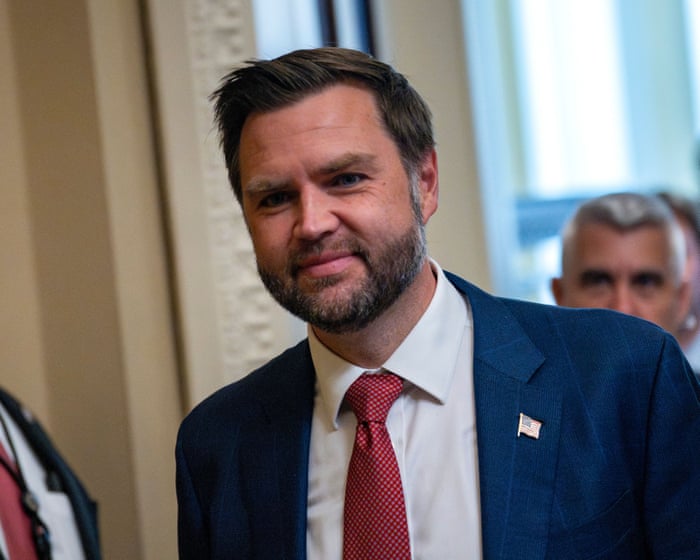
Leaked audio reveals US Vice-President JD Vance mocking Canadian Prime Minister Mark Carney for trying to be tougher than President Trump in a trade dispute. The US threatened high tariffs on Canadian goods, including alcohol, but paused the plan while negotiations continue.
Key Facts
JD Vance made critical remarks about Canada and Mark Carney at a private fundraiser.
Vance said Carney tries to "out-tough" President Trump but Canada gave in on many issues.
The US threatened to impose 50% tariffs on Canadian goods starting August 19, but then paused for three days.
The tariffs were a response to Canada banning US alcohol sales in most provinces and territories.
US alcohol producers say their sales dropped about 81% because of the Canadian boycott.
Canadian leaders confirmed Carney asked provinces to allow US alcohol sales again to ease tensions.
Some Canadian officials encouraged citizens to keep boycotting US products despite this request.
The situation is part of ongoing trade negotiations between the US and Canada under President Trump.
Read the Original
Want the full story? Tap a source to open the original
article.
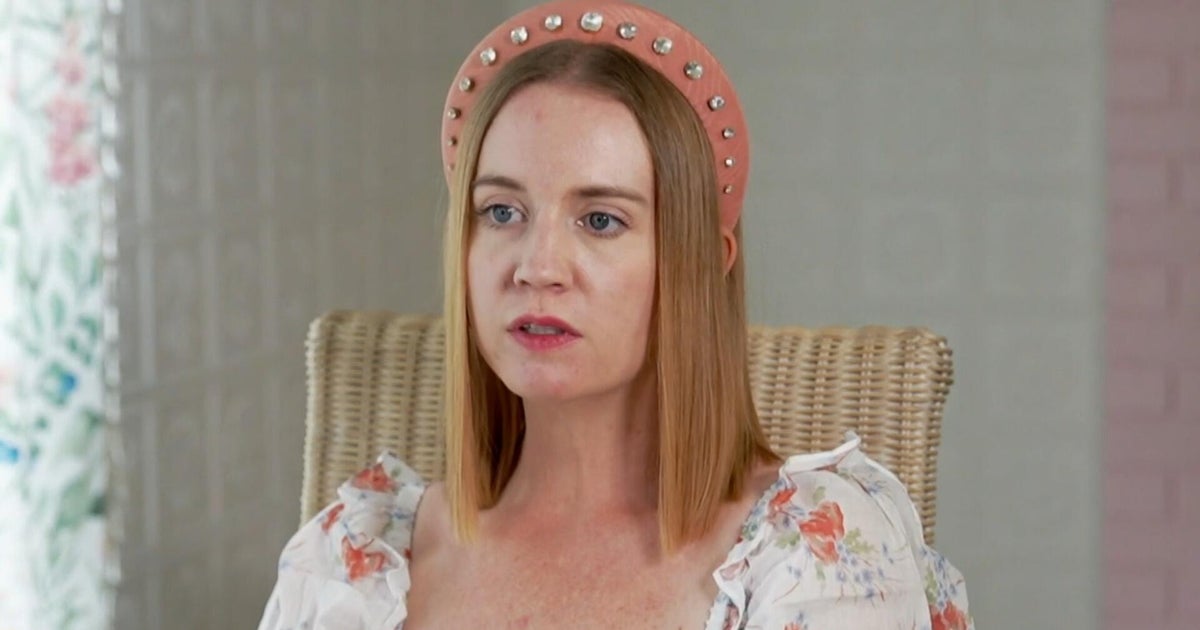
A mother named Haley Ashcom shared her experience with postpartum psychosis, a rare but serious mental illness that affects some women after childbirth. After struggling with severe symptoms and violent voices, she was diagnosed and treated, which helped her recover and have more children without the illness returning.
Key Facts
Postpartum psychosis is a rare condition affecting about 1 to 2 in 1,000 women after giving birth.
It causes a loss of connection to reality, including false beliefs often related to the baby.
Symptoms can include violent voices and thoughts of self-harm or harming the baby.
Haley Ashcom was first diagnosed with postpartum depression and treated with Zoloft, but her symptoms worsened.
She was eventually diagnosed with postpartum psychosis after checking into a psychiatric hospital.
Postpartum psychosis is more likely in people with prior mental health issues but can happen to anyone after childbirth.
The condition is dangerous if untreated and may be underdiagnosed, according to experts.
The trial of Lindsay Clancy, who was charged with killing her children while suffering from postpartum psychosis, has increased public awareness of the illness.
Haley Ashcom says seeking help is crucial and encourages others experiencing postpartum mental illness to reach out for support.
Read the Original
Want the full story? Tap a source to open the original
article.
Bulldozers have started clearing land in Arizona’s Organ Pipe Cactus National Monument to build a second border wall alongside an existing 30-foot barrier. The construction is part of President Donald Trump’s expanded border security plan that includes walls, roads, cameras, and lighting along the U.S.-Mexico border.
Key Facts
Construction is underway for a second border wall in the Organ Pipe Cactus National Monument in Arizona.
The new wall will be built about 100 feet north of the existing 30-foot steel barrier.
U.S. Customs and Border Protection calls this a "Smart Wall" system combining barriers, patrol roads, cameras, and lighting.
About 381 miles of secondary border wall are being built nationwide, including 42 miles in Arizona’s Tucson Sector.
The Department of Homeland Security waived legal rules in November 2025 to speed up border wall work in Arizona.
Environmental groups warn the construction harms protected desert habitat and Indigenous cultural sites, including Quitobaquito Springs.
The National Park Service has closed roads in the area for safety because of large-scale construction.
A federal judge recently allowed border wall work to continue on the Tohono O’odham Nation despite Indigenous opposition.
Read the Original
Want the full story? Tap a source to open the original
article.
A New South Wales supreme court judge ruled that anti-Israel graffiti vandalism by a Sydney man was political speech and not antisemitic. The court rejected the government’s request for a terrorism supervision order for the man, Mohommed Farhat, citing his limited risk of terrorism and mishandling of case evidence by police.
Key Facts
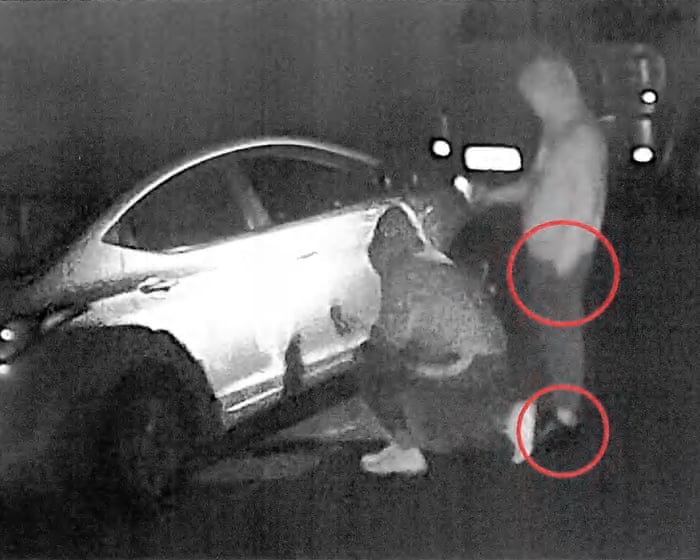
Mohommed Farhat vandalized cars with anti-Israel slogans and set a vehicle on fire in late 2024.
The NSW government wanted a one-year terrorism supervision order after Farhat’s prison release.
Justice Desmond Fagan found Farhat’s actions were political comment, not antisemitic.
Police had intelligence showing Farhat was paid to write slogans and not ideologically motivated.
This intelligence was not shared with prosecutors or courts, affecting case decisions.
Farhat remains in prison beyond his expected parole date due to court decisions.
The Attorney General of NSW is seeking advice about appealing the ruling.
A NSW lawmaker requested an investigation into police conduct on the case.
Read the Original
Want the full story? Tap a source to open the original
article.
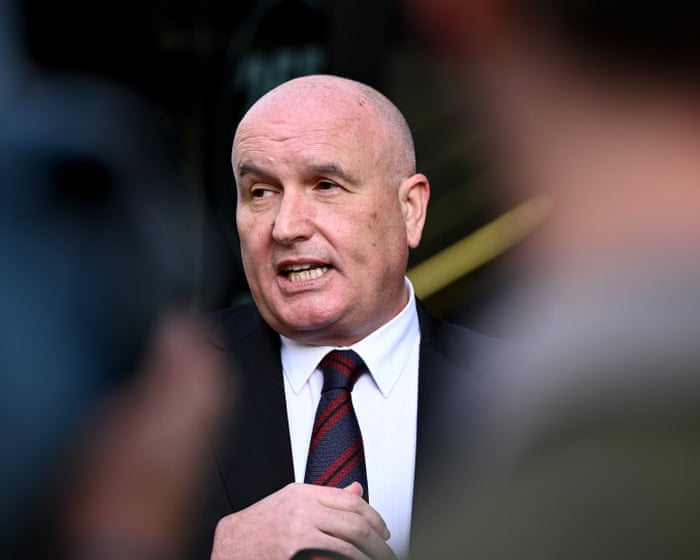
David Elliott, a former New South Wales (NSW) MP and minister, revealed at an Independent Commission Against Corruption (ICAC) hearing that illegal branch stacking and secret donations by property developers hurt his political career. He detailed harassment and false rumors linked to developer Jean Nassif, who opposed Elliott’s stance on limiting housing developments due to lack of infrastructure.
Key Facts
David Elliott, a former NSW MP and minister, left politics after his electoral seat was abolished.
Branch stacking—manipulating party membership for political advantage—occurred in his area and blocked his chances to remain in politics.
ICAC is investigating illegal donations from property developers funding branch stacking, which violates NSW laws.
Elliott is a witness in the ICAC investigation, not a suspect.
Developer Jean Nassif, now a fugitive in Lebanon, allegedly spread rumors and had Elliott followed by private investigators.
Elliott opposed large housing developments in the Hills due to insufficient infrastructure, creating conflict with developers like Nassif.
Threats were made against Elliott’s chief of staff through a church community linked to the developers.
Buildings developed by Nassif’s company faced orders to fix construction problems from government authorities.
Read the Original
Want the full story? Tap a source to open the original
article.
Grindr CEO George Arison and Senator John Hickenlooper urged changes in federal and state laws to help more Americans access fertility treatments and build families. They want these services to be easier to get and less expensive.
Key Facts
George Arison is the CEO of Grindr.
John Hickenlooper is a U.S. Senator.
Both support reforms to fertility care.
They want changes at federal and state levels.
The goal is to make family formation more accessible.
They want fertility care to be more affordable.
The focus is on helping all Americans.
Read the Original
Want the full story? Tap a source to open the original
article.
The U.S. government declared a drought disaster in the U.S. Virgin Islands due to ongoing dry conditions. This declaration allows farmers to apply for federal emergency loans to help them cope with the drought. Neighboring Puerto Rico is also experiencing drought and has started water rationing in some areas.
Key Facts
The U.S. Virgin Islands are experiencing an extreme drought on St. Thomas, St. John, and St. Croix.
The federal drought disaster declaration helps farmers access emergency loans.
U.S. Virgin Islands Governor Albert Bryan Jr. requested the disaster declaration earlier in June 2024.
The drought affects food security and the local economy in the Virgin Islands.
Puerto Rico is also facing drought, with water rationing in seven cities including San Juan.
Over 33% of Puerto Rico is under extreme drought and about 30% under severe drought.
Experts link the dry conditions to a strong El Niño weather pattern.
The strong El Niño has also caused a weaker Atlantic hurricane season this year.
Read the Original
Want the full story? Tap a source to open the original
article.